How to Select Reliable China Utility Trailer for Different Transportation Applications
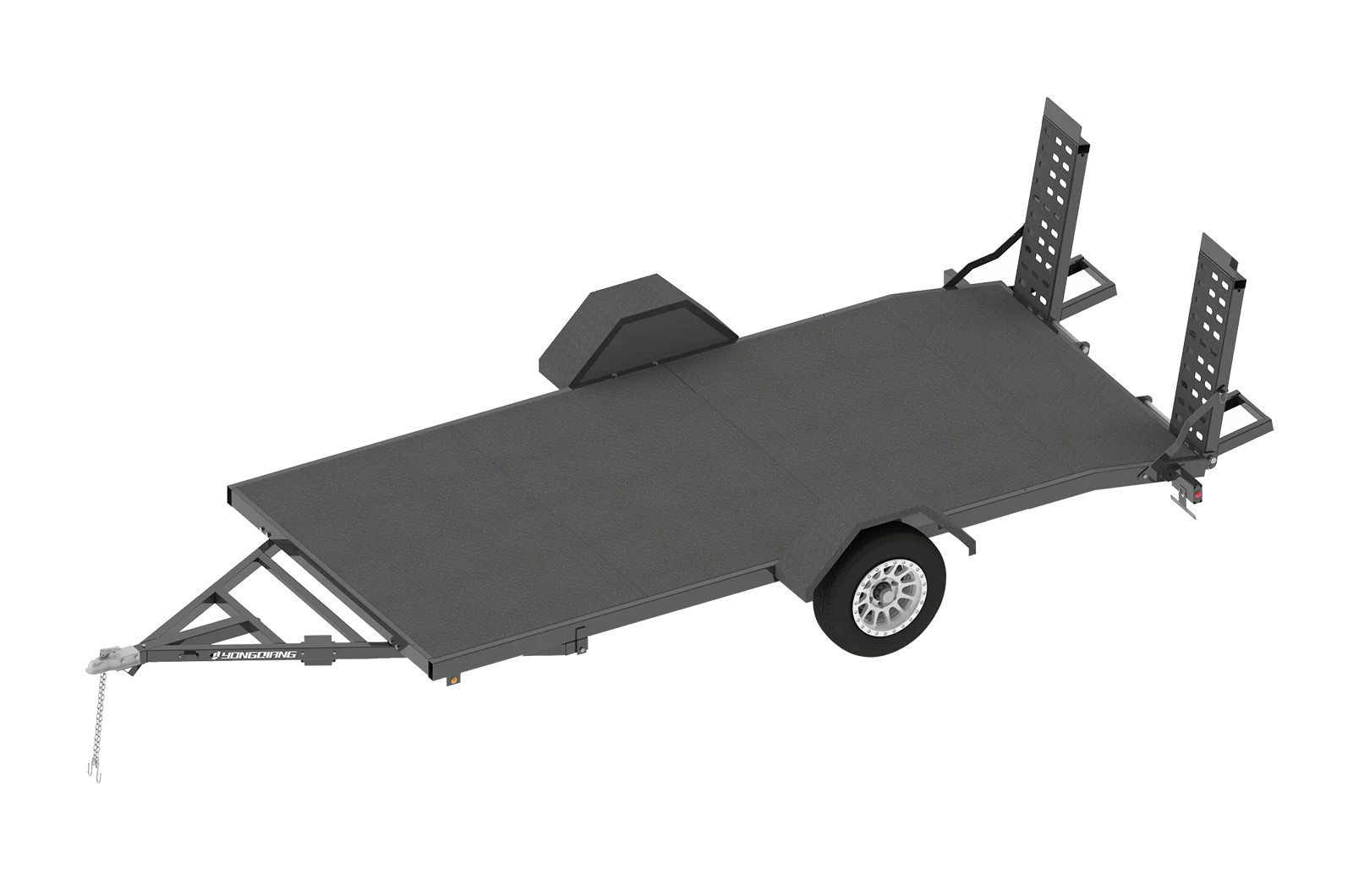
Lots of businesses and private users need flexible hauling gear these days. Farms, construction crews, landscaping teams and outdoor hobbyists all move tools, gear and materials constantly, and their working conditions shift a lot. Utility trailers fill this gap perfectly for light to medium transport work.
Trailers built in China have grown popular with overseas buyers. Factories roll out all kinds of styles to fit different hauling jobs. Still, picking the right unit isn't just comparing looks or price tags. Buyers need to map out their real work, where they'll run the trailer, and how long they plan to use it.
A solid utility trailer should fit your exact work, be easy to operate day-to-day, and make hauling less of a hassle. Grab a model that matches your needs, and you'll cut downtime and streamline every load you move.
Why Getting the Right China Utility Trailer Matters?
People use these trailers for wildly different jobs. Landscapers haul mulch, shrubs and hand tools. Construction crews cart small power tools and building supplies between job sites. Outdoor enthusiasts tow camping gear, bikes and personal equipment for trips.
No single trailer design works for every job. Your ideal pick depends on what you're hauling, how often you use it, and the terrain or weather you run it in.
A well-suited trailer brings clear real-world perks:
Key Point
What It Means For Hauling Work
Type of Cargo
Determines the suitable deck size, load capacity, and frame design required for different transportation tasks.
Work Environment
Influences whether you need a trailer designed for outdoor conditions, frequent use, or challenging working areas.
Loading Demands
Affects how easily materials can be loaded, arranged, and unloaded during daily hauling operations.
Upkeep Needs
Helps determine the time, effort, and cost required for maintenance and long-term use.
Most shoppers only fixate on the upfront cost. But skipping a deep dive into your actual use case leads to buying a trailer that doesn't fit your workflow. The best unit integrates into your daily transport routine instead of adding extra headaches.
Core Things to Check Before Buying a Chinese Utility Trailer
Choosing a trailer takes thoughtful planning. Every buyer has unique hauling goals, so break down your real-world needs before settling on a model. Here are the main points to weigh up:
1. Pin down exactly what you'll haul
Your main use case shapes which trailer style you need. Light gardening gear calls for a totally different build than heavy commercial daily hauling.
Ask yourself these straightforward questions to narrow your options:
What goods or equipment will I move most often?
How many days per week will the trailer be in use?
Will I drive on smooth pavement, dirt lots or rough farm ground?
Could my hauling loads grow or change down the line?
Clear answers will instantly rule out ill-fitting trailers.
2. Assess the conditions you'll operate in
Working environments vary wildly. Some trailers only hit paved roads, while others sit out in rain, mud and uneven ground all year.
Your typical work space decides what frame material, coating and suspension you need. Anyone running the trailer outdoors nonstop should prioritize weather resistance and tough frames. Companies hauling daily will care more about easy operation and simple storage.
3. Figure out your load sizes and weight limits
Cargo comes in all shapes and weights. Some users carry uniform power tools, while others haul loose, irregular bulk materials.
A smart trailer layout cuts the strain of loading and unloading. Thoughtful side heights, ramp options and deck space save plenty of repetitive labor on every shift.
How to Match Trailer Designs to Your Line of Work?
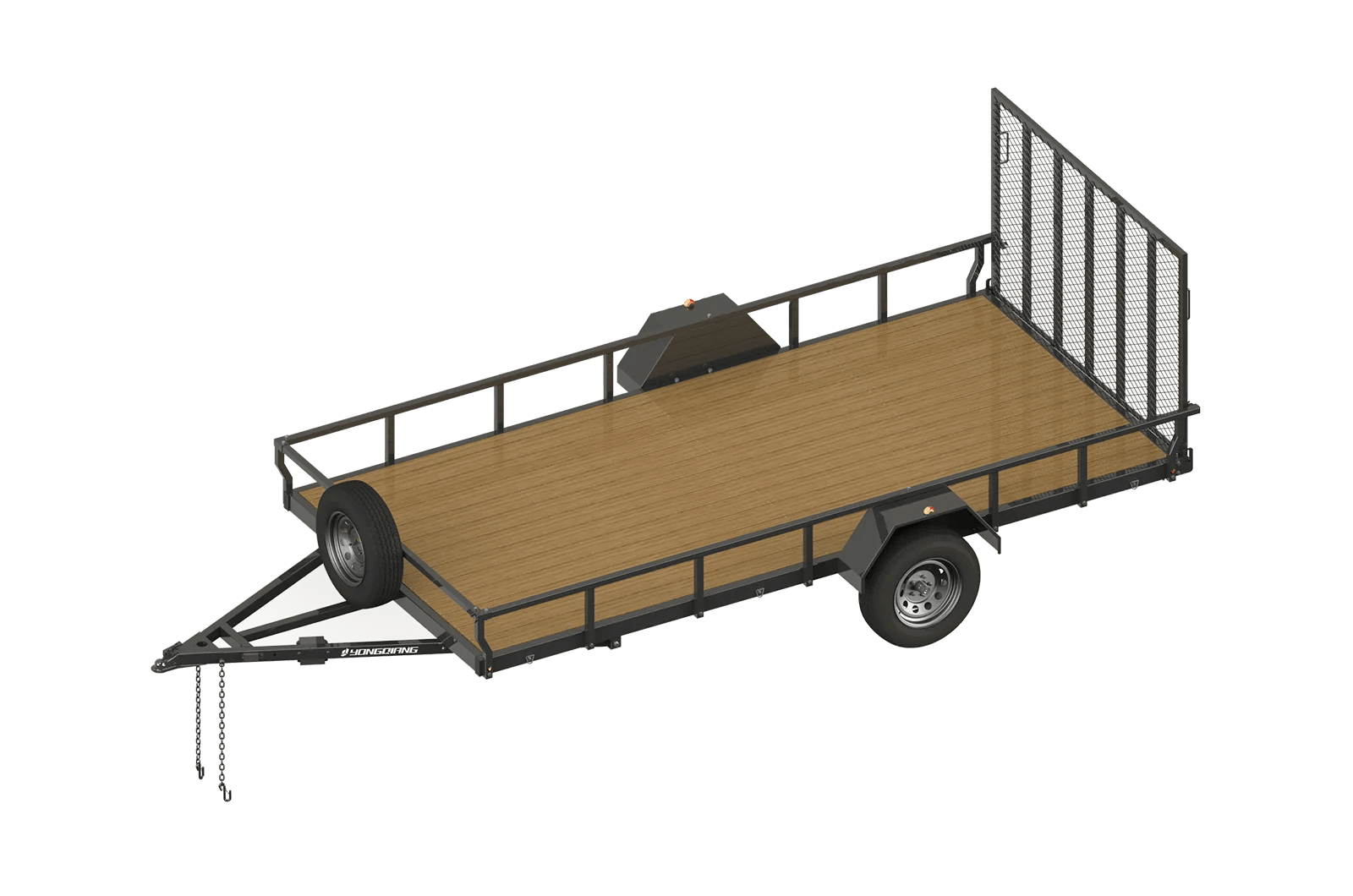
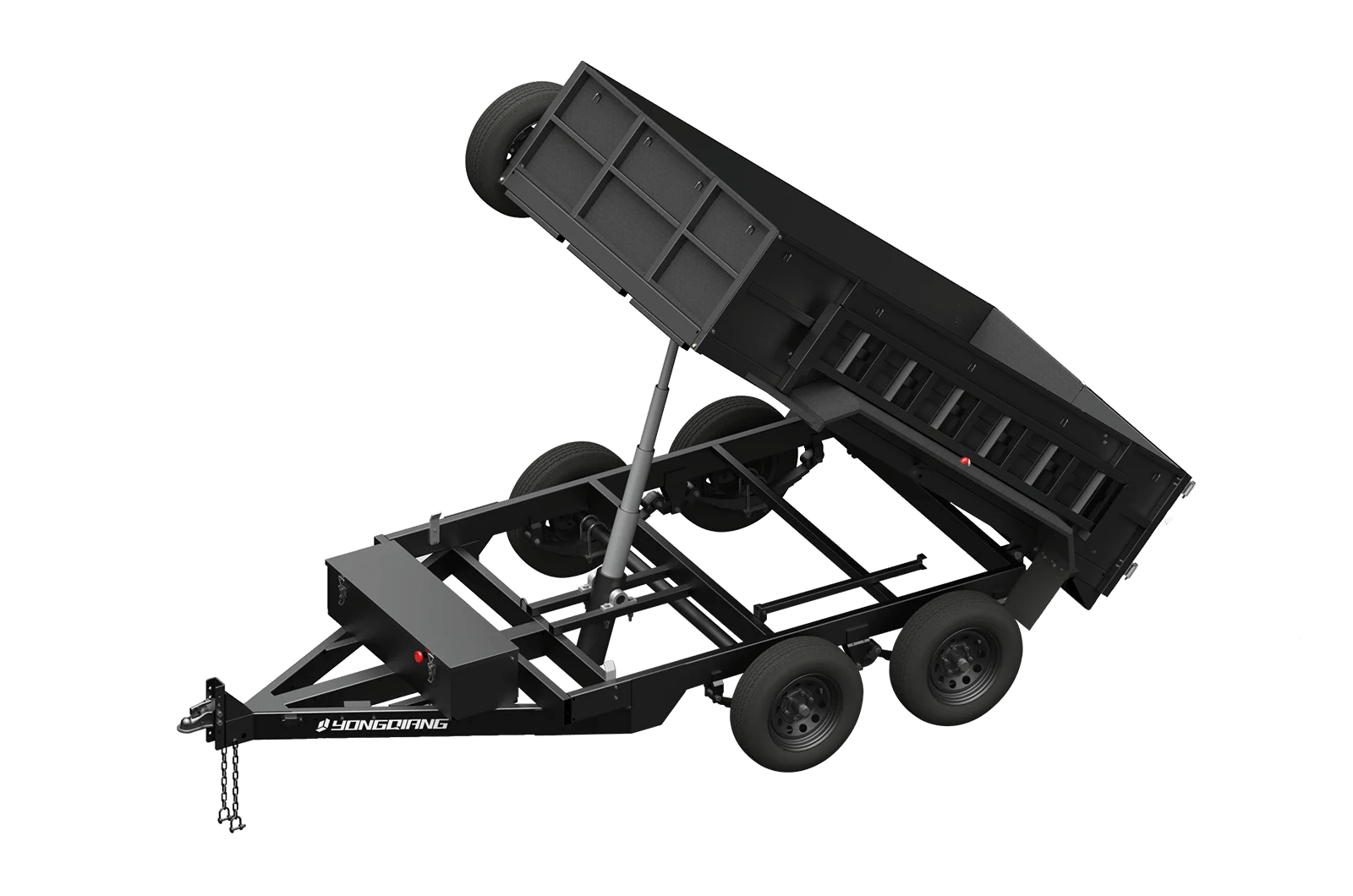
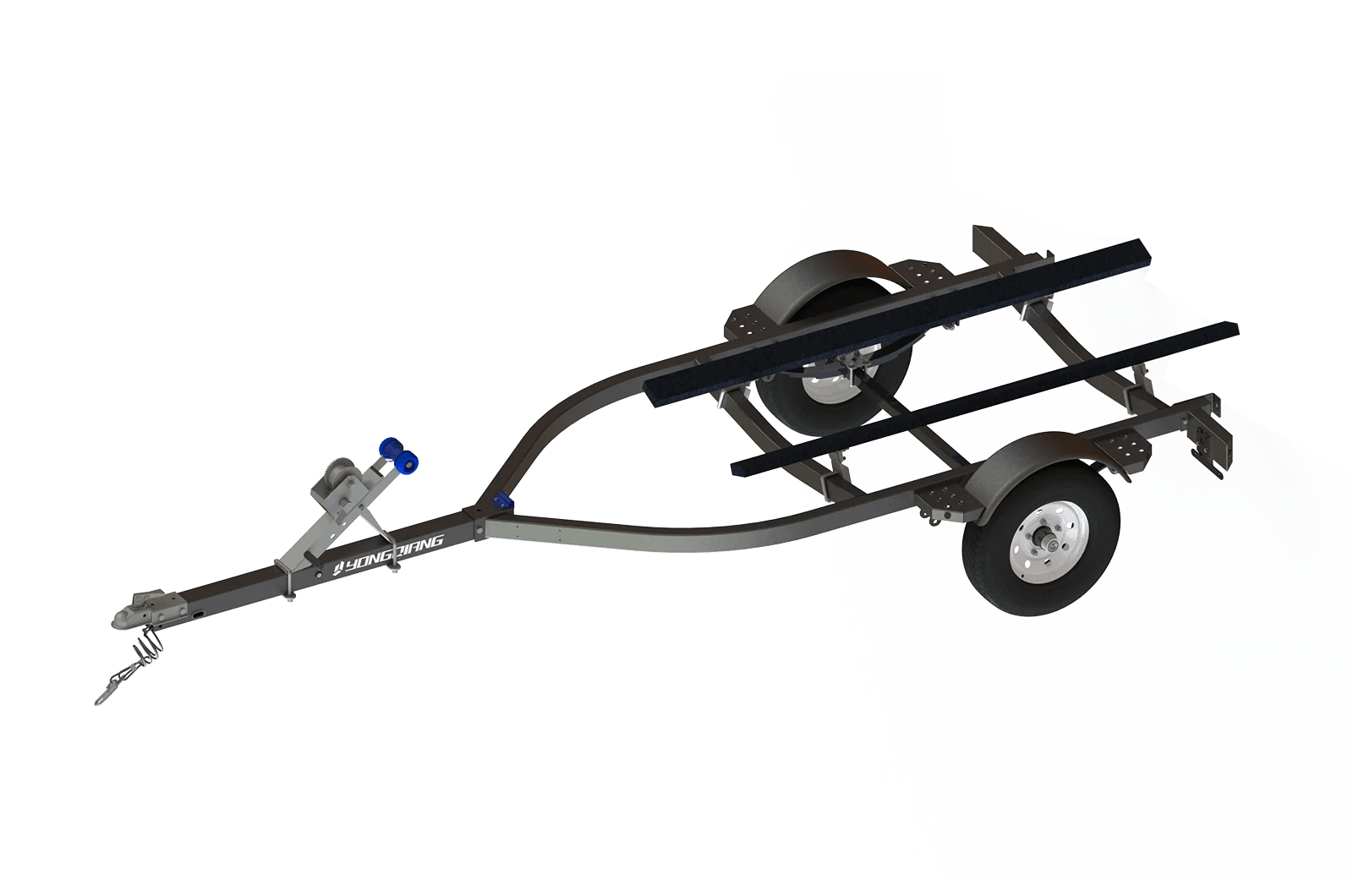
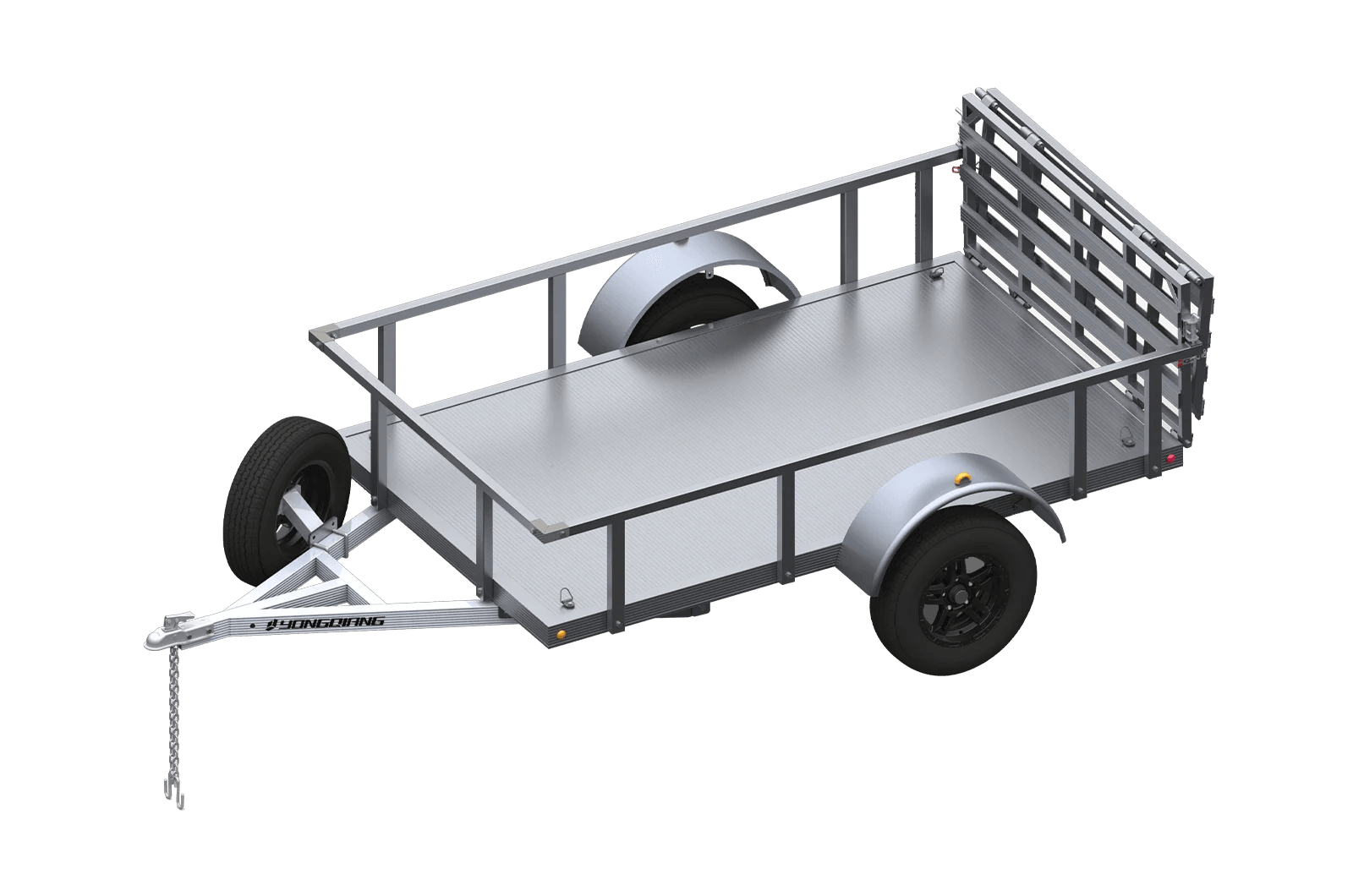
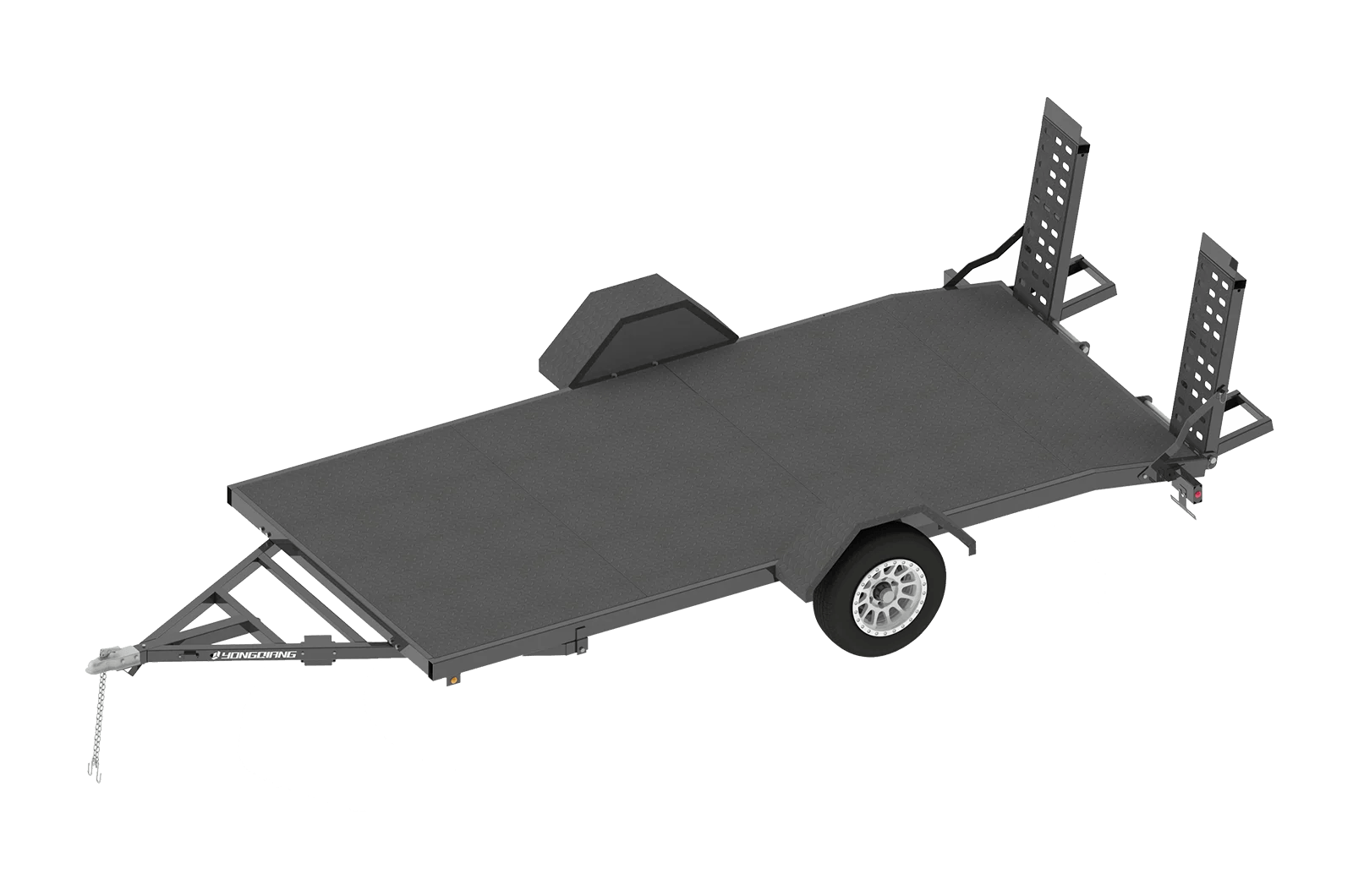
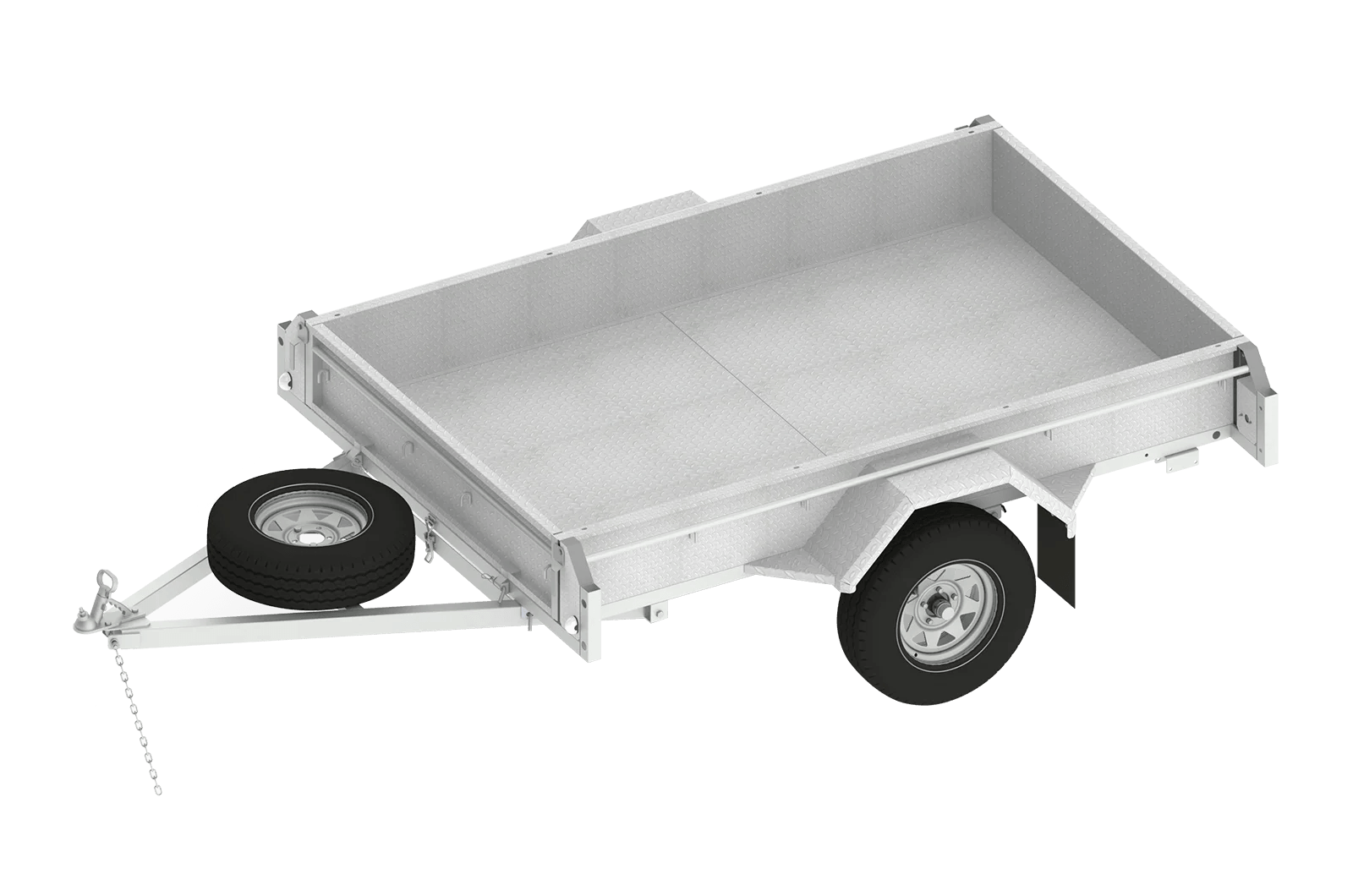
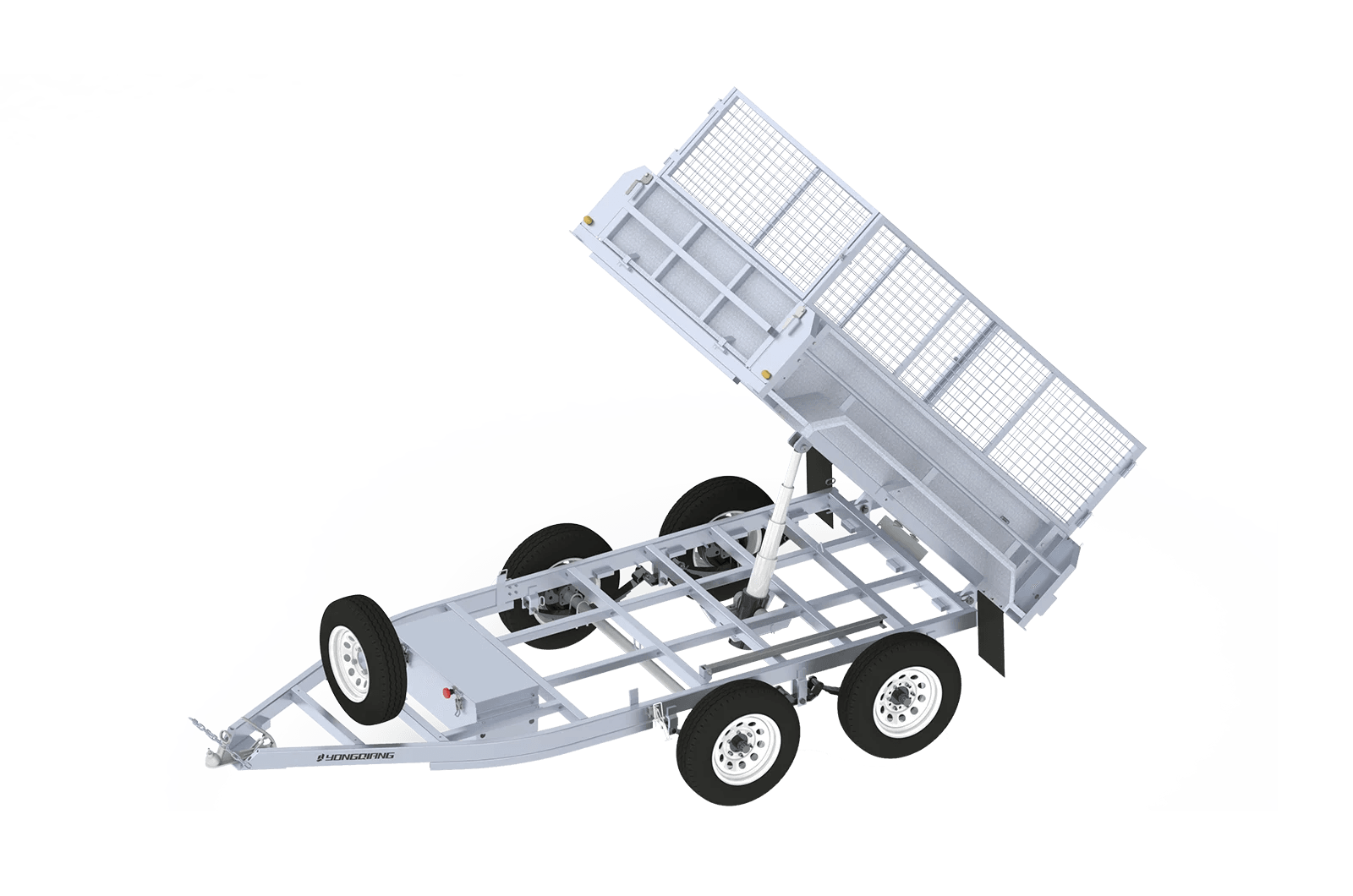
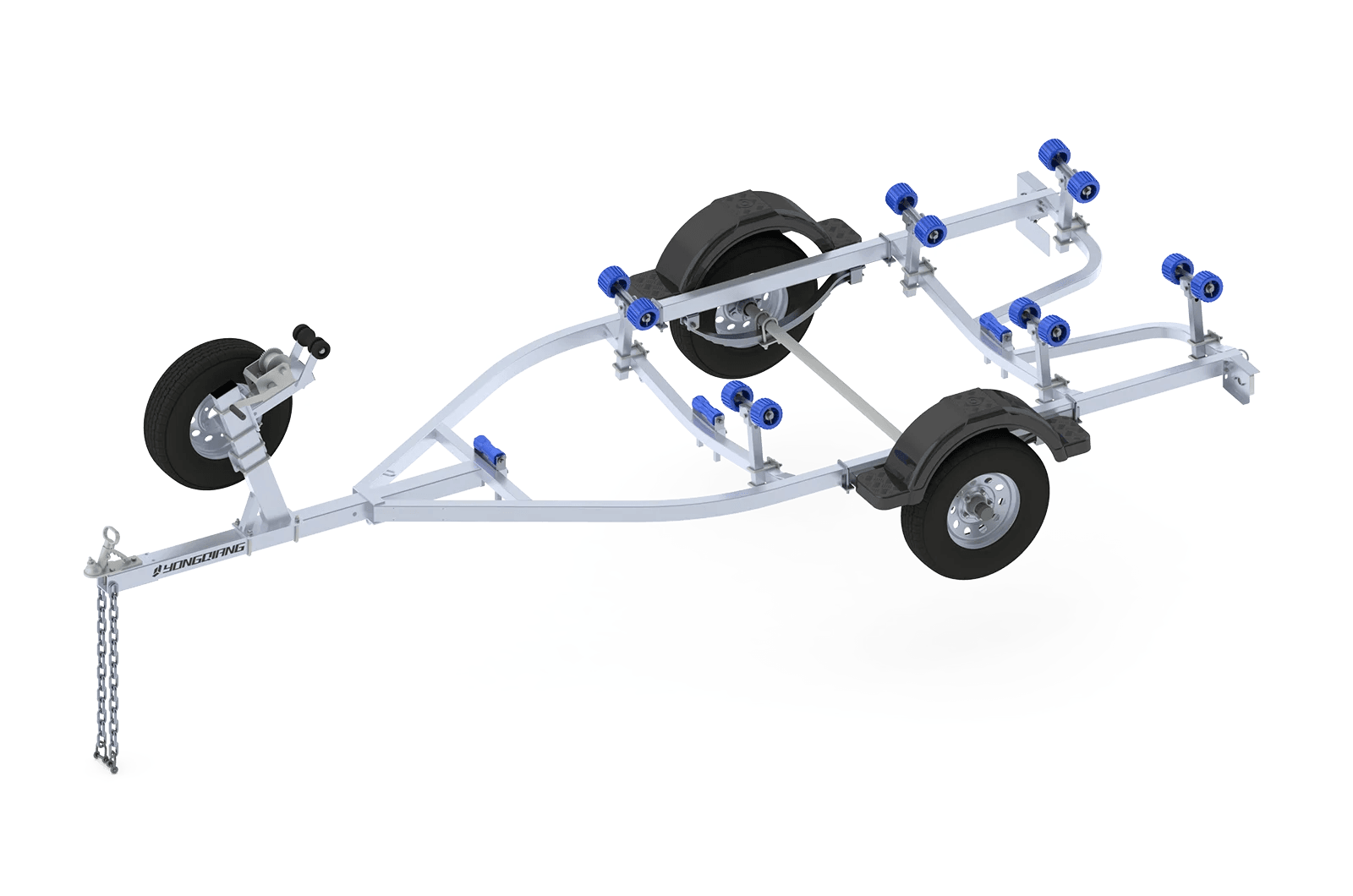
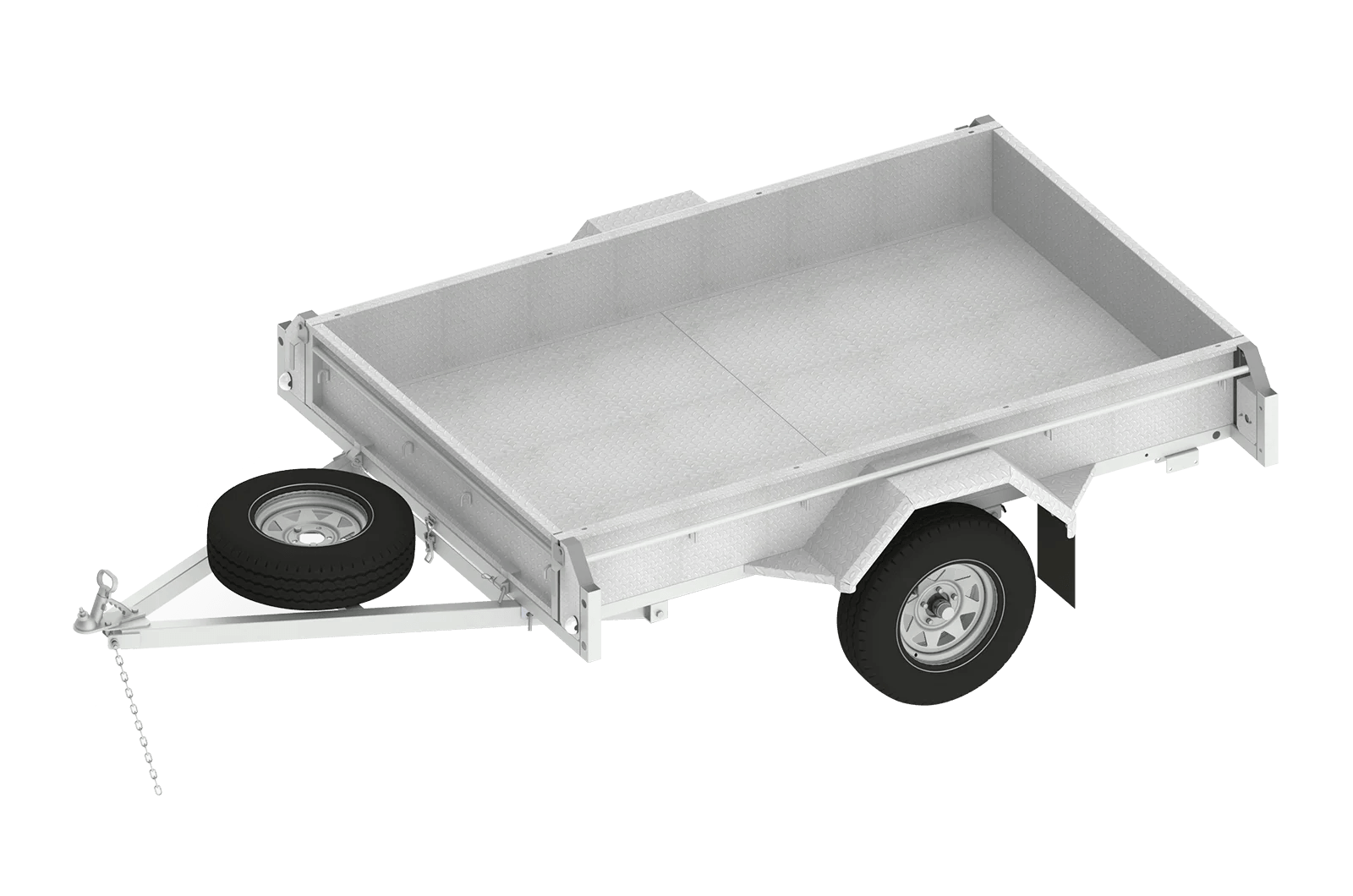
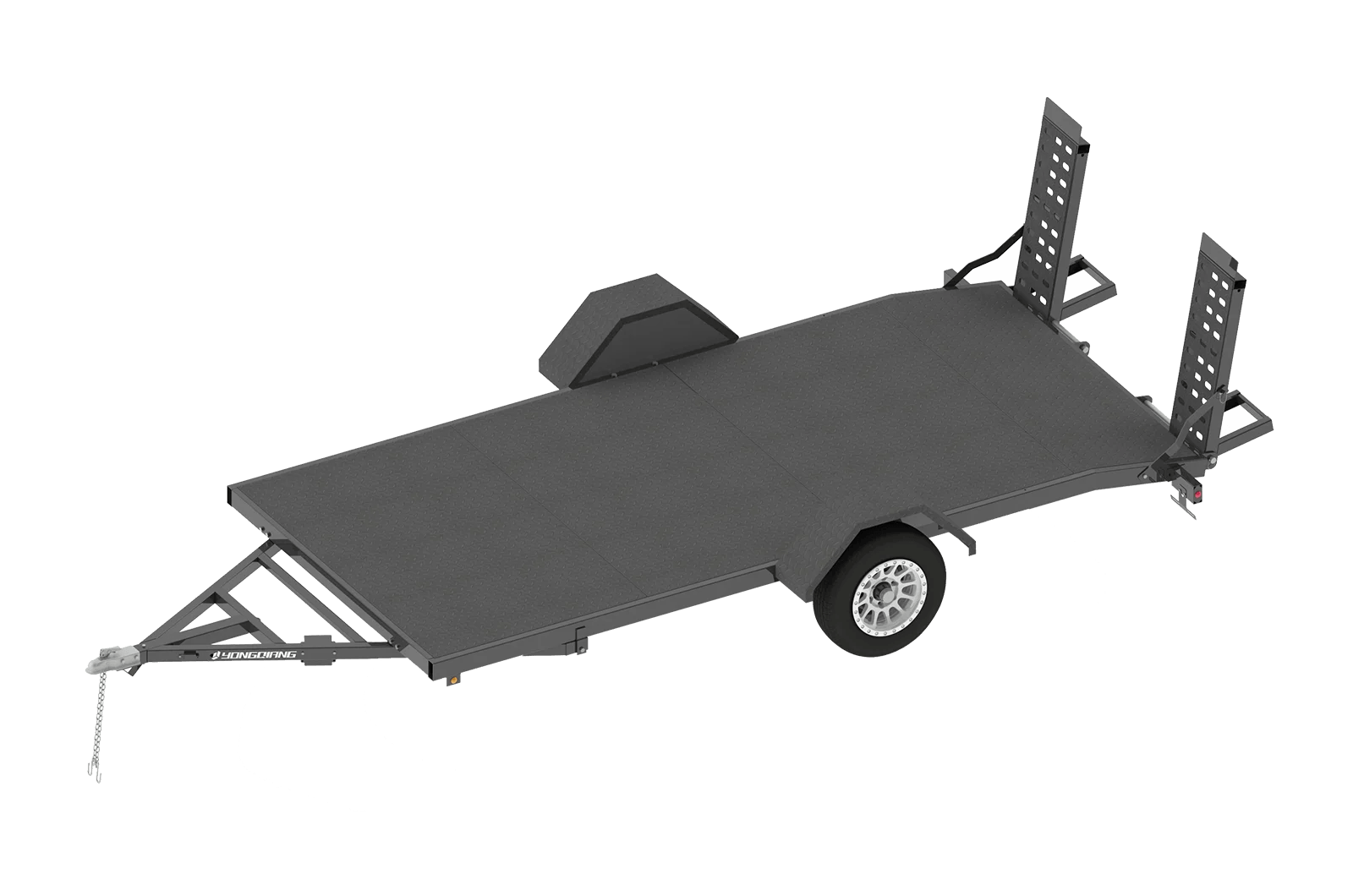
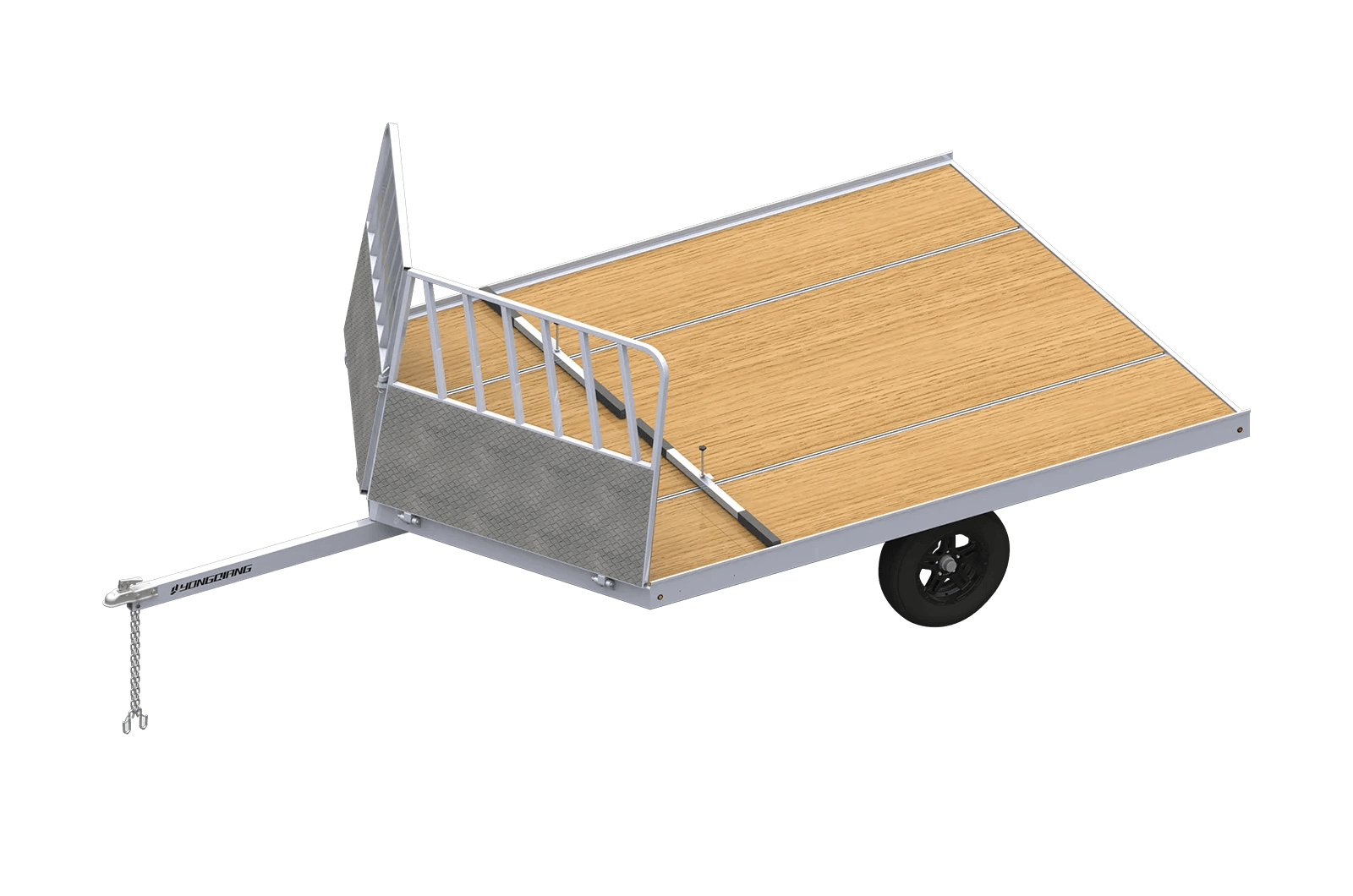
Chinese trailer manufacturers stock dozens of designs to cover every market demand. Knowing what each build is made for keeps you from picking a generic model that won't hold up.
Industry / Use Case
Top Trailer Features to Look For
Agriculture
Strong frames designed for outdoor field work, suitable space for carrying farm supplies, tools, and daily materials.
Construction
Durable structures with strong load support, suitable for transporting equipment, building materials, and job site supplies.
Landscaping
Open and flexible deck designs that make it easier to carry soil, plants, gardening tools, and other landscaping items.
Private Outdoor Recreation
Lightweight and convenient designs that support easier towing for camping equipment, outdoor gear, and personal items.
Commercial Daily Hauling
Stable and durable trailer builds designed for regular transportation tasks and re
Each design is engineered for specific tasks. Commercial trailers need far more durability than units only used on weekends. Don't buy based on what's popular online — focus on what fits your day-to-day jobs. A properly matched build makes every haul quicker and cuts small operational headaches over time.
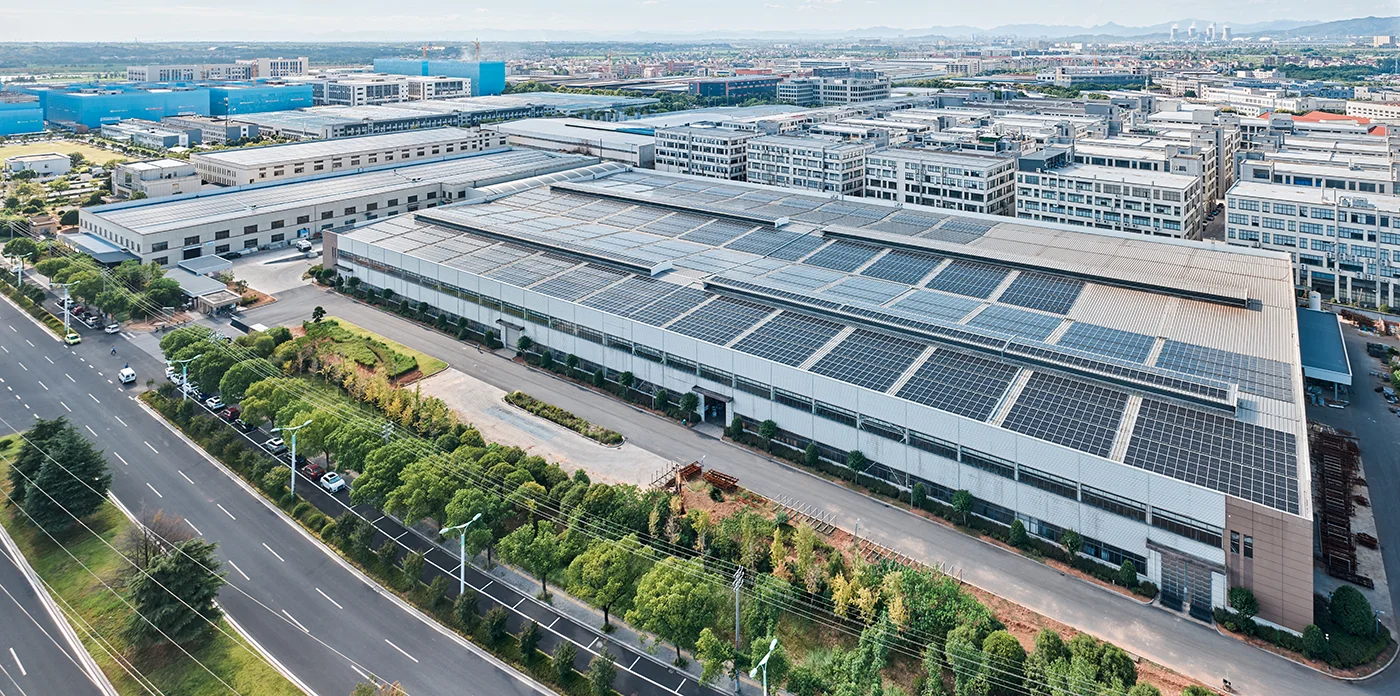
How to Vet Chinese Trailer Makers?
Your supplier makes a huge difference to product quality and your whole buying experience. Trustworthy manufacturers communicate clearly, share full product specs, and offer reliable support after purchase.
When screening factories, focus on these four areas:
Years of trailer manufacturing experience
Makers that have built trailers for a long time understand what overseas buyers actually deal with on job sites. They tweak frame and suspension designs to suit real-world hauling instead of only generic standard builds.
Wide product lineup
A big range of models lets you pick a trailer sized and built for your exact loads and terrain, instead of settling for a one-size-fits-all compromise.
Strict quality control standards
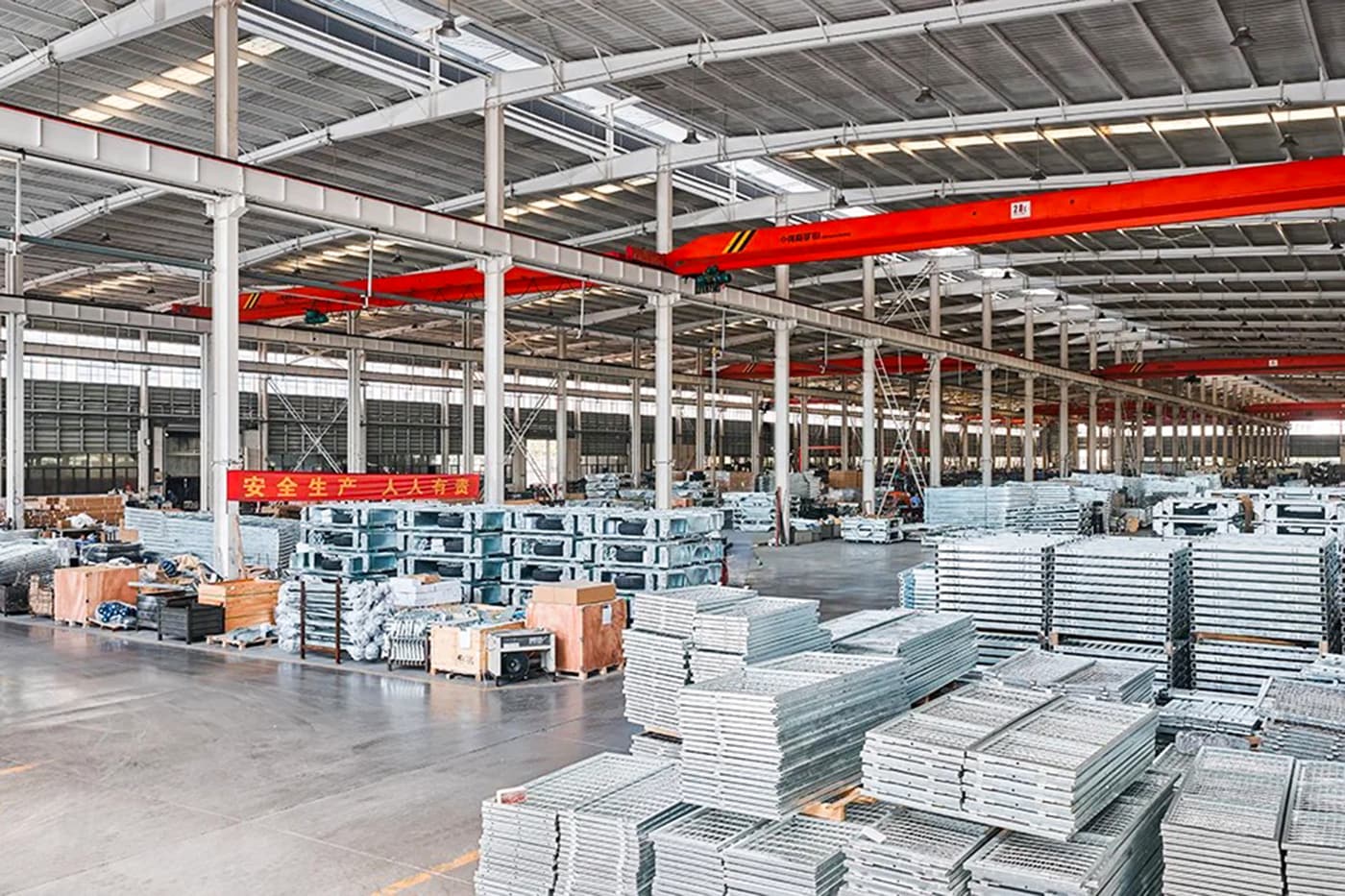
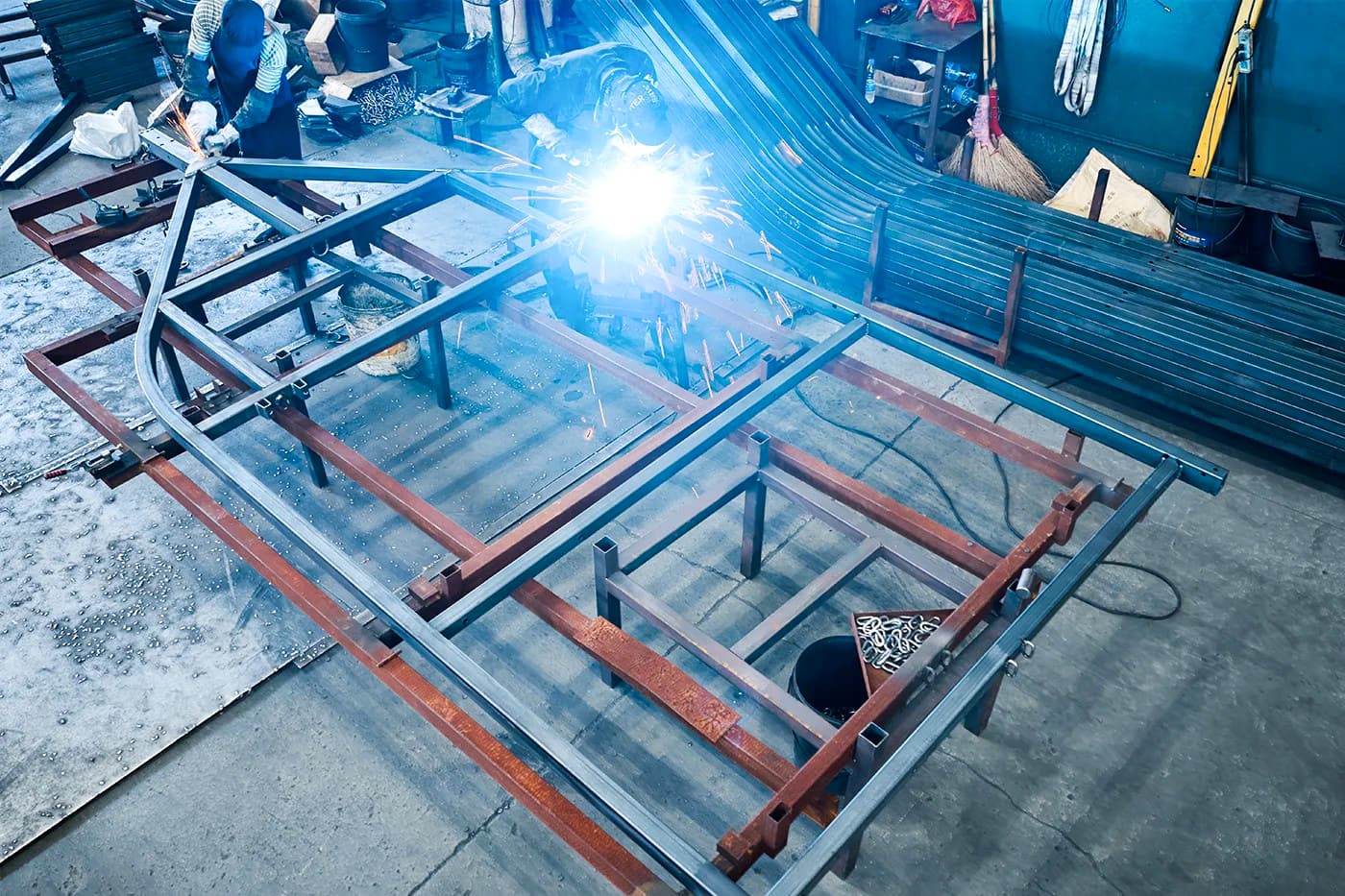
How a factory tests and inspects each trailer directly impacts how long it lasts. Reputable brands follow consistent production checks to ensure safety and structural strength.
Clear, responsive communication
Misunderstandings around custom sizes, shipping or specs slow down orders. Suppliers that listen closely to international buyers deliver smoother, less stressful cooperation long term.
Picking a manufacturer isn't just buying a product — it's locking in a steady supply partner for future equipment and after-sales help.
What Makes a Trailer Hold Up For Years of Use?
Long service life is a top priority for most buyers. Utility trailers spend most of their time outdoors, carrying heavy loads and bouncing over rough ground. Four key traits decide how reliable a unit stays:
Practical, user-focused frame design
Top trailers are built around real hauling tasks. Loading access, tie-down points and deck layout all simplify daily moving jobs, no fancy unnecessary add-ons.
Minimal regular maintenance
Well-engineered trailers use simple, easy-to-repair parts. Basic inspections and minor fixes take little time, cutting long-term running costs.
Flexibility for shifting hauling needs
Business needs change as you take on new jobs. Versatile trailers can handle multiple cargo types instead of being limited to one single load style.
Ongoing supplier technical support
Good manufacturers stay available to walk you through operation tips, maintenance routines and troubleshooting whenever issues pop up.
Overall durability comes from balanced structural design, consistent Utility Trailer Factory quality, and proper regular upkeep from the user.
Where Chinese Utility Trailers Work Across Different Industries?
These trailers stay in high demand across sectors because they deliver cheap, flexible hauling solutions for all sorts of jobs.
Farmers use them to move feed, tools and harvested goods across fields, making daily farm chores far more flexible.
Construction sites rely on them to shuttle power tools and building materials between separate work zones, streamlining material scheduling.
Landscaping companies tow them between residential and commercial jobs, carrying soil, plants and maintenance gear in one trip.
Private outdoor users also depend on them to haul camping gear, bikes and hobby supplies for trips and projects.
This wide range of real-world uses shows why buyers must tailor their trailer choice to their own unique work demands.
Key Questions to Ask Before Placing an Order
Before committing to a purchase, get full clarity on both the trailer and your supplier to avoid costly mismatches. Ask these practical questions:
Will this trailer handle my regular hauling tasks without overloading?
Can its layout adapt if my cargo types change later on?
Can the factory provide full specs, weight ratings and quality documentation?
Does the supplier understand transport rules and usage needs for overseas markets?
What maintenance guidance and after-sales support will be provided after delivery?
A successful order isn't just receiving a trailer — it's securing a transport solution that fits your daily work environment perfectly.
Global demand for flexible hauling gear keeps pushing Chinese trailer makers to refine their designs for more industries and tougher working conditions. As businesses everywhere streamline their daily operations, picking a well-matched utility trailer remains a simple way to speed up material transport and organize regular workflows.