
-
North America Models
-
Oceania Models

 English
Direct Trailer Manufacturing Brings Buyers Closer to the Production Process
Buying a trailer is often treated as a simple purchasing decision. A buyer chooses a type, checks the available options, compares prices, and arranges delivery. Yet the process can become more complicated when the trailer needs to match a particular working environment.
A utility trailer may be used for landscaping, construction, maintenance, transportation, or general hauling. Each application can create different expectations. Buyers may care about access, storage, loading, unloading, layout, or how the trailer will fit into an existing workflow.
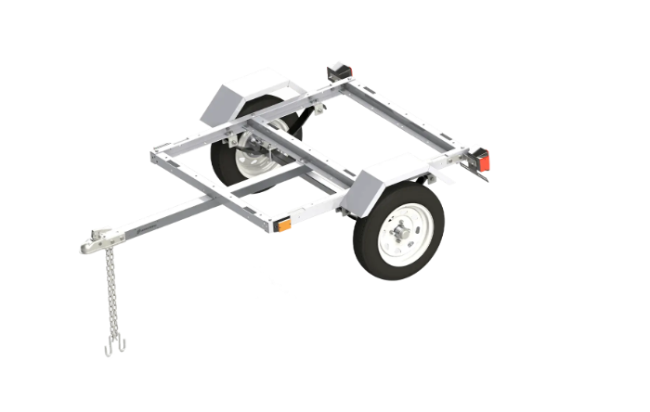
This is where direct trailer manufacturing is attracting attention. Instead of relying entirely on a separate sales channel, buyers can communicate more closely with the manufacturer involved in building the trailer. The conversation can move beyond a product name and focus on how the trailer will actually be used.
The direct approach does not automatically make every purchase easier or more suitable. Its value comes from the closer connection between the buyer, the design discussion, and the production process. When those parts communicate clearly, there is less distance between what a buyer requests and what eventually reaches the road.
What Does Direct Trailer Manufacturing Mean for Buyers?
Direct trailer manufacturing generally means that the buyer communicates with the company that manufactures the trailer rather than relying entirely on an independent dealer. The exact sales structure can vary between manufacturers, but the basic idea is similar. The production side and the customer remain closer throughout the purchasing process.
This difference can be easy to overlook. A dealer may have strong product knowledge and can still be an important part of the trailer market. However, a direct manufacturer can often answer questions from a production perspective. Buyers may be able to discuss the intended use, preferred layout, available choices, and possible changes with people who understand how the trailer is actually built.
The relationship can therefore feel less like selecting an item from a shelf and more like discussing a product before it enters production.
For buyers with straightforward needs, this may not make a major difference. For buyers who need a particular arrangement, however, direct communication can become more useful.
| Purchasing approach | Main communication focus | Possible buyer experience |
|---|---|---|
| Dealer-based purchase | Available products and sales options | Buyer selects from available choices |
| Direct manufacturer purchase | Product use and production choices | Buyer discusses needs closer to the factory |
| Custom-oriented purchase | Specific application and desired changes | Buyer may become more involved in the build discussion |
The key point is not that one purchasing channel is always better than another. It is that direct manufacturing changes where the conversation takes place.
How Does the Buyer Become Part of the Production Conversation?
A direct manufacturer may begin by asking a simple question: What will the trailer be used for?
That question can lead to a much more useful discussion than simply asking which model a buyer wants. A landscaping company may need convenient access to tools and materials. A contractor may think about equipment loading. A service business may care about keeping frequently used items organized. A private owner may have completely different priorities.
Once the intended use is clear, the conversation can move toward the trailer's general arrangement.
The buyer may discuss areas such as:
- What will normally be carried?
- How will items be loaded?
- How often will the trailer be opened or unloaded?
- Does the user need open access or enclosed storage?
- Will several people use the trailer?
- Does the trailer need to support a particular working routine?
- Are there existing tools or equipment that need to fit into the layout?
These questions give the manufacturer more context. They also help the buyer think about the purchase in practical terms.
A trailer is not simply a box or platform behind a vehicle. It becomes part of a working process. The more clearly that process is described, the easier it can be to discuss suitable choices with the production team.
Why Can Direct Communication Reduce Confusion?
Communication is one of the less visible parts of trailer manufacturing. Yet it can have a major effect on how a project develops.
When information passes through several people, a simple request can gradually become less clear. A buyer may describe a preferred arrangement to a salesperson. The salesperson may then communicate the request to another person. The production team eventually receives the information and interprets it according to the available manufacturing options.
Direct communication can reduce some of this distance.
The buyer can ask why a certain arrangement may or may not work. The manufacturer can explain what is available within its production process. If a requested feature needs to be changed, the discussion can happen earlier rather than after the trailer has already been built.
This does not mean misunderstandings disappear. Clear communication is still necessary. Buyers should describe their intended use carefully and confirm important choices before production begins.
A useful discussion can follow a simple path:
- Describe the work. Explain how the trailer will be used in everyday situations.
- Identify the main needs. Separate essential functions from optional preferences.
- Discuss possible configurations. Ask what the manufacturer can reasonably provide.
- Review the proposed arrangement. Make sure the buyer understands what is being planned.
- Confirm the order. Check that the agreed details match the final production request.
This process gives both sides a clearer reference point.
How Can Buyers Understand What Happens Inside the Factory?
Direct purchasing does not necessarily mean a buyer will stand on the factory floor throughout production. The important change is the ability to communicate with the people closer to that process.
A manufacturer may explain how a trailer moves from an initial order toward fabrication, assembly, inspection, and delivery. The exact workflow differs between companies, but the general idea is to connect the customer's request with the stages of production.
For buyers, this can make the purchase easier to understand.
Instead of seeing the trailer only as a finished product, they can begin to understand why certain choices affect other parts of the build. A change in one area may influence storage, access, placement, or the overall arrangement. These relationships are easier to discuss when the manufacturer is directly involved.
Factory communication can also help buyers set realistic expectations.
Not every requested change will be possible. Some ideas may require a different production approach. Others may not fit the intended use. A manufacturer that communicates clearly can explain these limitations before production rather than allowing assumptions to continue.
That kind of conversation is useful because customization should not mean adding changes simply for the sake of adding them. The purpose is to make the trailer more appropriate for its intended role.
Could Custom Trailer Needs Make Direct Manufacturing More Valuable?
Customization is one area where direct manufacturing can become particularly relevant.
A standard trailer can work well when a buyer's needs are straightforward. But some working environments have details that are difficult to describe through a simple product category.
Consider a mobile service business. The trailer may need to carry tools, supplies, replacement parts, and equipment. The owner may also need quick access during a job. A general-purpose trailer might carry the same items, but its arrangement may not support the same working routine.
A direct conversation gives the buyer an opportunity to explain these details.
The manufacturer can then discuss whether changes to the arrangement are practical. This could involve storage placement, access points, loading areas, or other general design choices. The important part is that the discussion starts with the application rather than with a list of decorative features.
| Buyer concern | Question to discuss with the manufacturer |
|---|---|
| Loading | How will the normal load enter the trailer? |
| Storage | Where should frequently used items be kept? |
| Access | Which areas need to remain easy to reach? |
| Workflow | How will people move around the trailer during work? |
| Future use | Could the trailer need to support other tasks later? |
| Maintenance | Which areas may need regular inspection or care? |
This type of discussion can also prevent unnecessary customization. Buyers sometimes focus on individual features before thinking about the entire workflow. Looking at the trailer as a working space can lead to more practical decisions.
What Role Does Production Visibility Play in Buyer Confidence?
A buyer does not need to know every manufacturing detail to make an informed decision. Still, having a clearer view of the production process can make the purchasing experience feel more transparent.
Production visibility can begin with the order itself. Buyers should know what has been requested and what the manufacturer has agreed to build. Written confirmation can help both sides avoid confusion.
Communication during production can also matter when changes or questions appear. If a buyer realizes that a planned arrangement does not match the actual use case, an early conversation may provide more room to adjust the project.
Inspection is another important stage. Manufacturers commonly review completed trailers before delivery. The purpose is to identify issues that may need attention before the trailer leaves the production facility.
For buyers, the broader lesson is simple. A direct relationship creates more opportunities to ask questions at different stages.
That does not mean every manufacturer offers the same level of communication. Buyers should ask about the process before placing an order. Useful questions may include:
- Who will discuss the build with the buyer?
- How are requested changes recorded?
- When is the final configuration confirmed?
- Can buyers review the planned arrangement?
- How are production questions communicated?
- What inspection takes place before delivery?
- Who should the buyer contact after delivery?
Clear answers can help buyers understand how involved they can realistically be.
How Should Buyers Prepare Before Talking to a Direct Trailer Manufacturer ?
The quality of the manufacturing conversation depends partly on how well the buyer explains the intended use.
A vague request such as "I need a work trailer" leaves many questions unanswered. A more useful description explains what the trailer will do during a normal working day.
Buyers can prepare by making a simple list of their regular tasks. There is no need to use complicated terminology. Everyday language is often enough.
The load: What is normally carried? Are the items loose, boxed, long, bulky, or frequently moved?
The workflow: What happens when the trailer arrives at a job site? What needs to be removed first? What needs to remain accessible?
The access needs: Will the trailer be opened often? Does the user approach it from one side or several sides?
The storage needs: Are there items that need dedicated storage? Are some tools used much more often than others?
The future needs: Could the business change its services or carry different equipment later?
This preparation makes the conversation more concrete.
It also helps buyers distinguish between needs and preferences. A feature may look attractive during a product discussion but provide little practical value once the trailer is being used every day.
Could Direct Trailer Manufacturing Change How Buyers Think About Trailers?
The growing interest in direct purchasing reflects a broader change in how some buyers approach manufactured products. Instead of viewing the product as something already decided by the manufacturer, buyers may want more involvement in the choices that affect daily use.
Trailers are particularly suited to this way of thinking because they serve many different industries and activities. The same basic trailer category can support very different jobs.
A contractor, landscaper, equipment operator, delivery worker, and private owner may all approach the purchase from different angles. Their priorities are shaped by what they carry and how they work.
Direct trailer manufacturing creates a closer link between those practical needs and the production process.
It can also change the role of the manufacturer. The manufacturer is not only producing a finished trailer. It is also communicating with the buyer about how the product should function within a particular situation.
That relationship does not remove the need for careful buying decisions. Buyers still need to compare available choices, understand the purchase terms, consider local requirements, and review the final order carefully.
What changes is the distance between the person using the trailer and the people building it.
When that distance becomes smaller, a trailer purchase can become more of a conversation about real work. The buyer explains the situation. The manufacturer explains the available production choices. Both sides review the proposed arrangement before it becomes a finished product.
For businesses that rely on trailers as part of everyday operations, that closer connection can make the production process easier to understand and the purchasing discussion more closely tied to actual use.
- Trailer
- Utility Trailer
- Dump Trailer
- Boat/Watercraft Trailer
- Aluminum Trailer
- Equipment Trailer
- Box Trailer
- Hydraulic Tipper Trailer
- Boat Trailer
- Specialist Trailer
- Caravan
- Off Road Caravan - Crest 16
- On Road Caravan - Trekker 19
- On Road Caravan - Trekker 22F
- Pop-top Caravan - Pod 15C
- Trailer Parts
- All Parts
- Contact Us
-
- No.888 South Longqian Ave, Bailongqiao Town Jinhua Zhejiang, China
-
+86-579-82217008
+86-579-82221688 -
sales@yqtrailer.com
 High-Quality Trailers & Caravans Manufacturer