


 English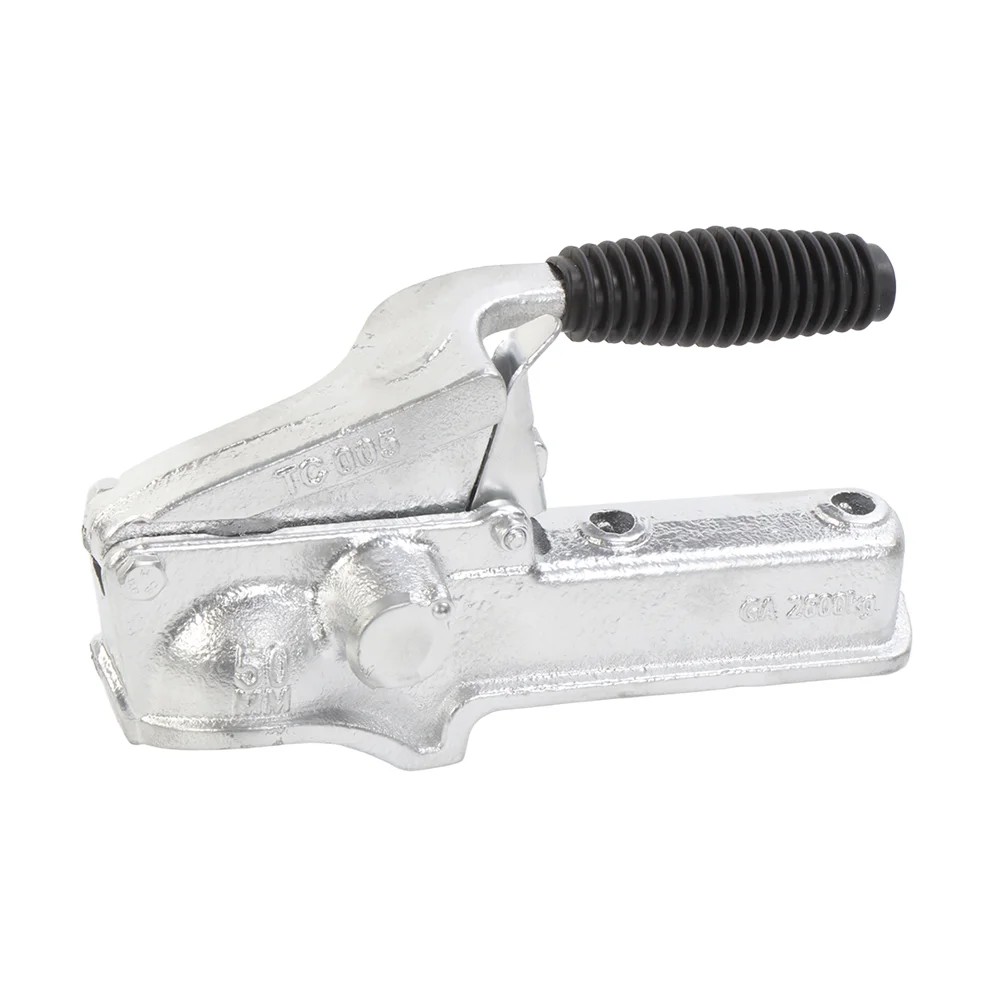
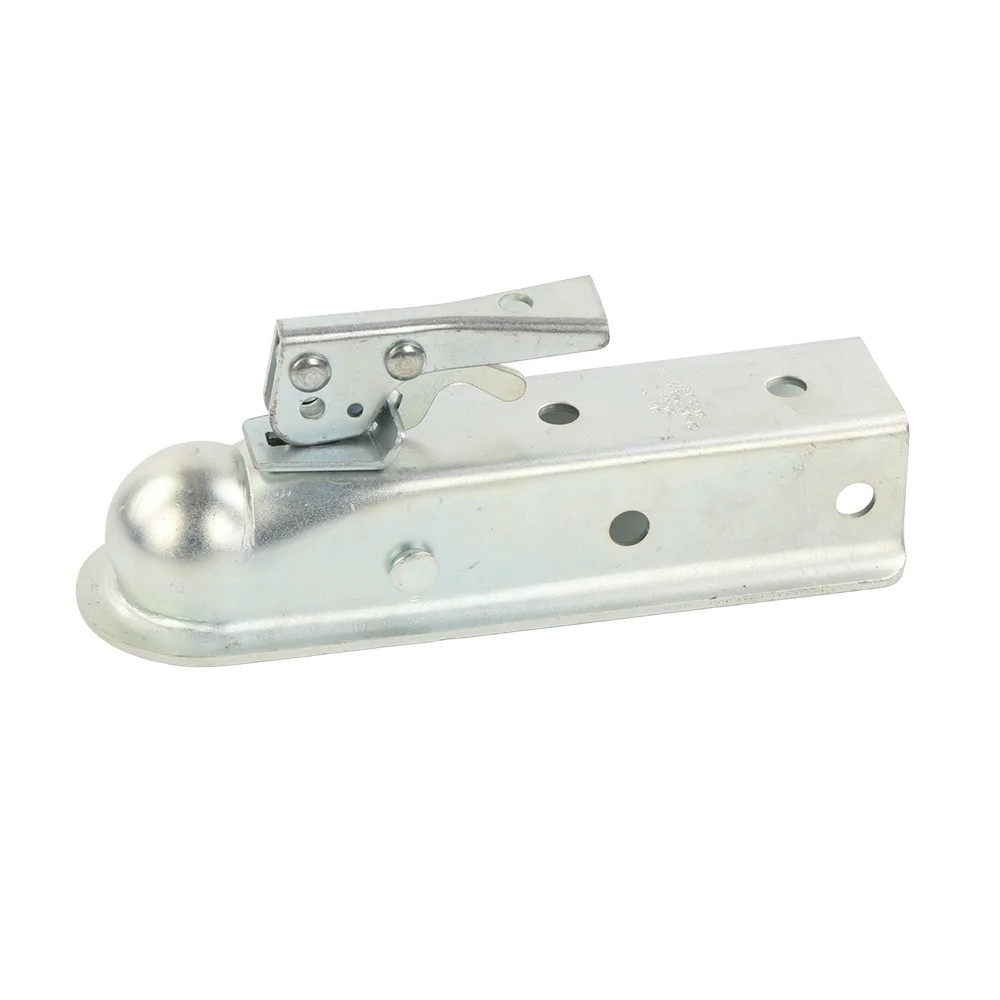
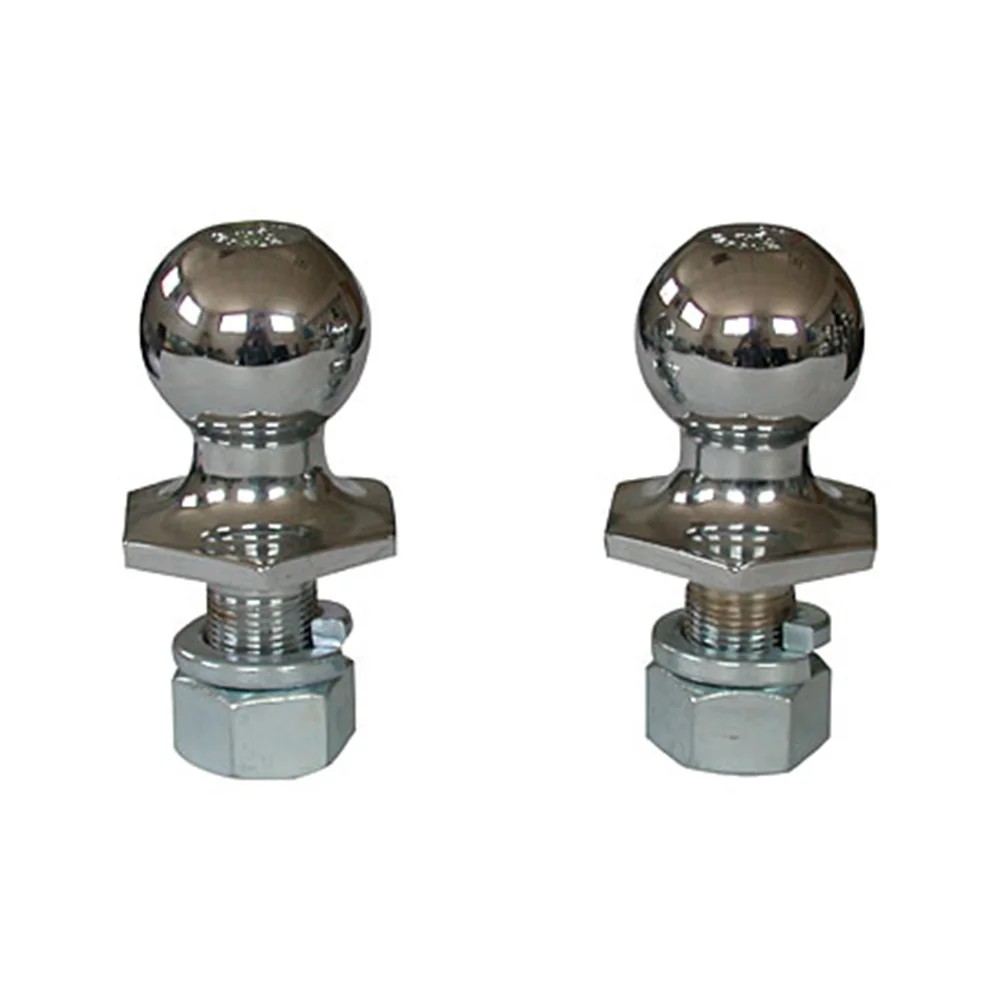



Factory Knowledge Guide for Coupler & Hitch Ball Systems
Coupler and hitch ball systems form the primary connection point between a trailer and the towing vehicle, carrying pulling force, braking reaction, steering movement, vertical tongue weight, and road impact between two moving structures. Given this role, a trailer ball coupler isn't just a metal connection part — it's a safety-critical towing component that shapes trailer stability, road control, and how reliably the whole setup performs.
Producing trailer hitch couplers, trailer ball connectors, utility trailer couplers, hitch balls, and related towing components means keeping focus on structural strength, dimensional accuracy, latch reliability, surface protection, and matching the right product to the right application. A well-built coupler and hitch ball system connects smoothly, locks securely, resists vibration, and holds proper articulation through turning, braking, reversing, and uneven road movement.
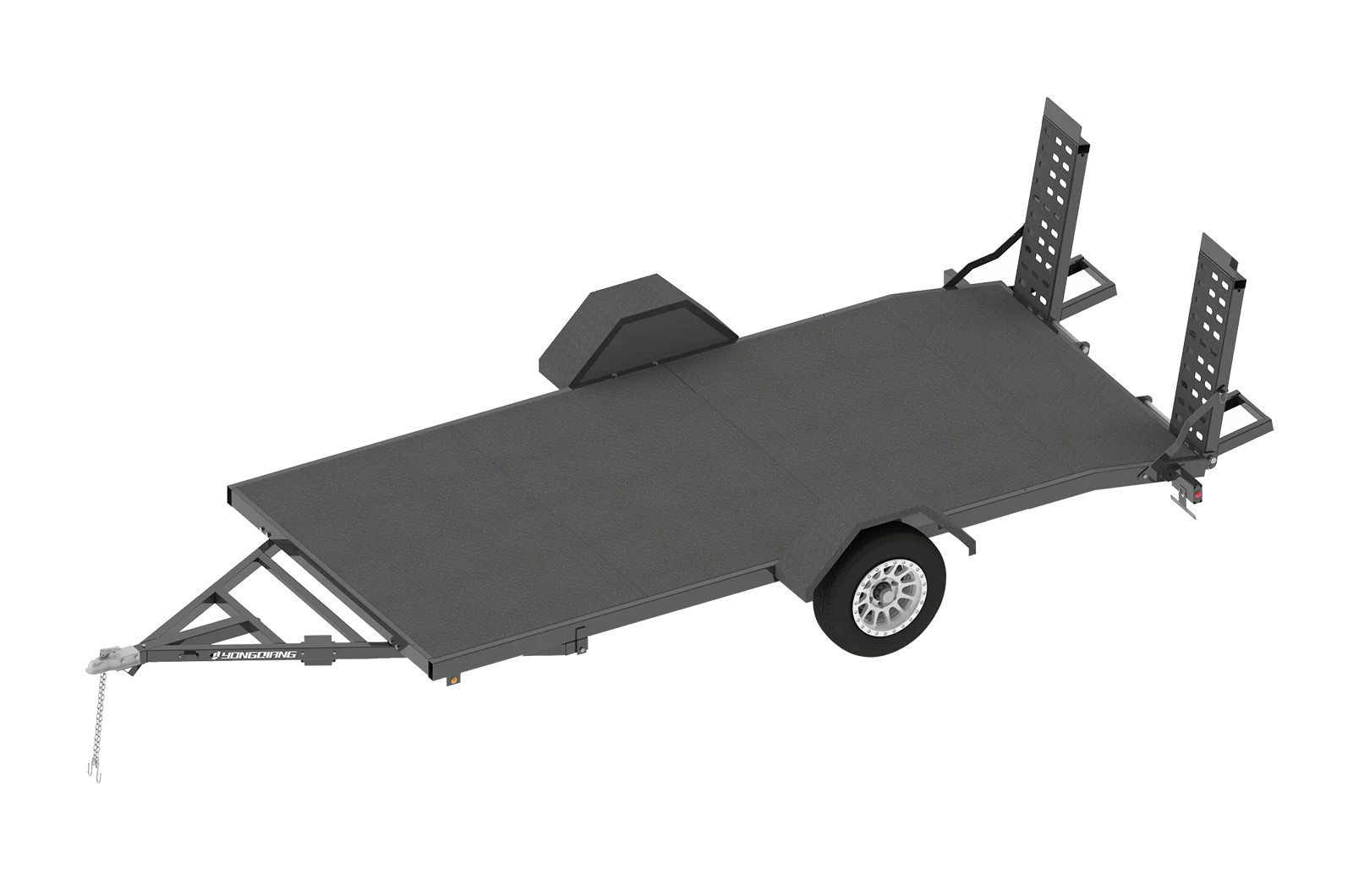
For utility trailers, equipment trailers, plant trailers, skid steer trailers, agricultural trailers, caravans, and heavy-duty trailer platforms, coupler selection needs to account for trailer GVWR, tongue weight, hitch ball size, mounting style, frame structure, and road-use conditions.
Why Coupler & Hitch Ball Compatibility Matters
The coupler and hitch ball need to match correctly — even a small dimensional mismatch can bring noise, excessive movement, difficult locking, unstable towing, or a real risk of detachment.
A compatible towing connection depends on proper matching of:
- Hitch ball diameter
- Coupler socket size
- Coupler load rating
- Hitch ball load rating
- Trailer GVWR
- Tongue weight
- Mounting hole pattern
- Trailer tongue type
- Latch mechanism
- Safety chain system
- Tow vehicle hitch class
Common hitch ball sizes break down like this:
| Hitch Ball Size | Common Application | Typical Trailer Type |
|---|---|---|
| 1-7/8 inch | Light-duty towing | Small utility trailers, garden trailers |
| 2 inch | General towing | Utility trailers, cargo trailers, light equipment trailers |
| 2-5/16 inch | Heavy-duty towing | Equipment trailers, plant trailers, heavy-duty transport |
| 50mm | EU/AU/NZ applications | Caravans, utility trailers, regional trailer systems |
The coupler socket needs to match the hitch ball exactly — a 2-inch coupler has no business being paired with a 1-7/8 inch or 2-5/16 inch ball. Correct fitment is the whole foundation towing safety rests on.
Main Types of Trailer Couplers
Different trailer frame structures call for different coupler designs, and mounting style shapes strength, installation, maintenance, and compatibility all at once.
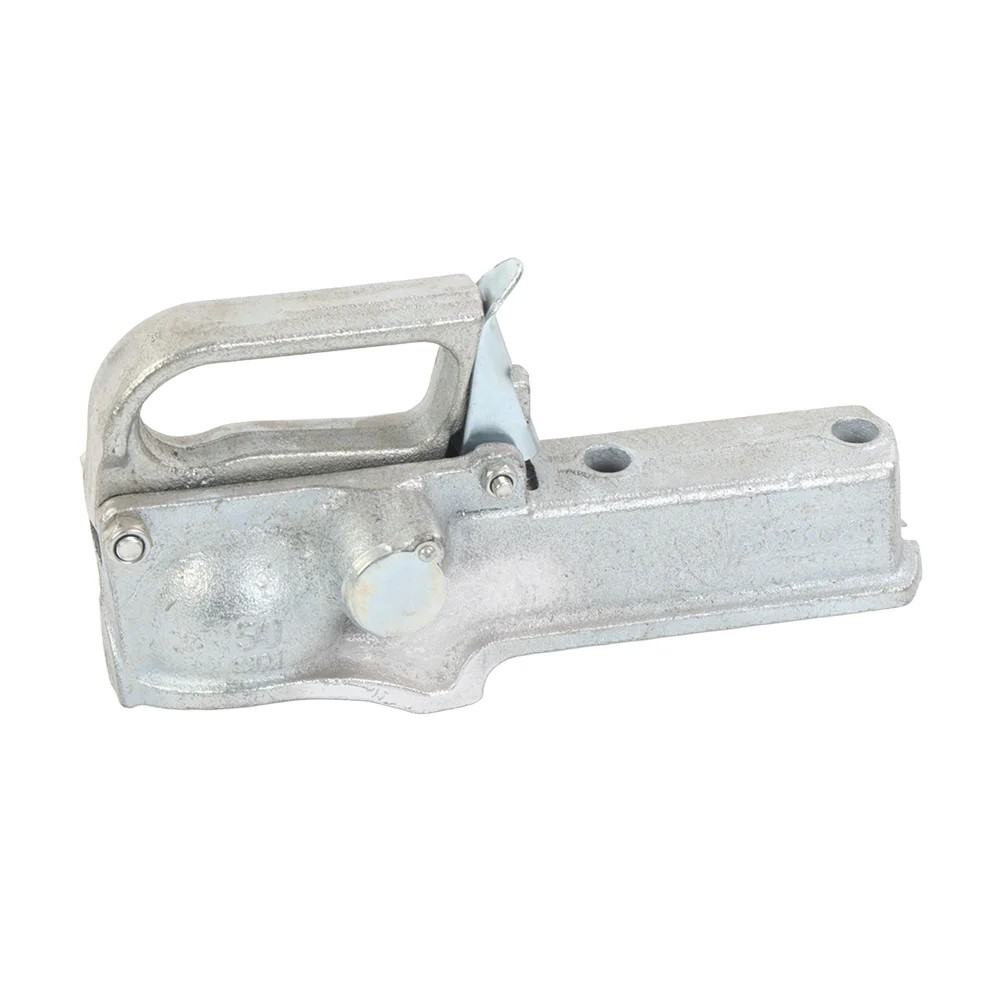
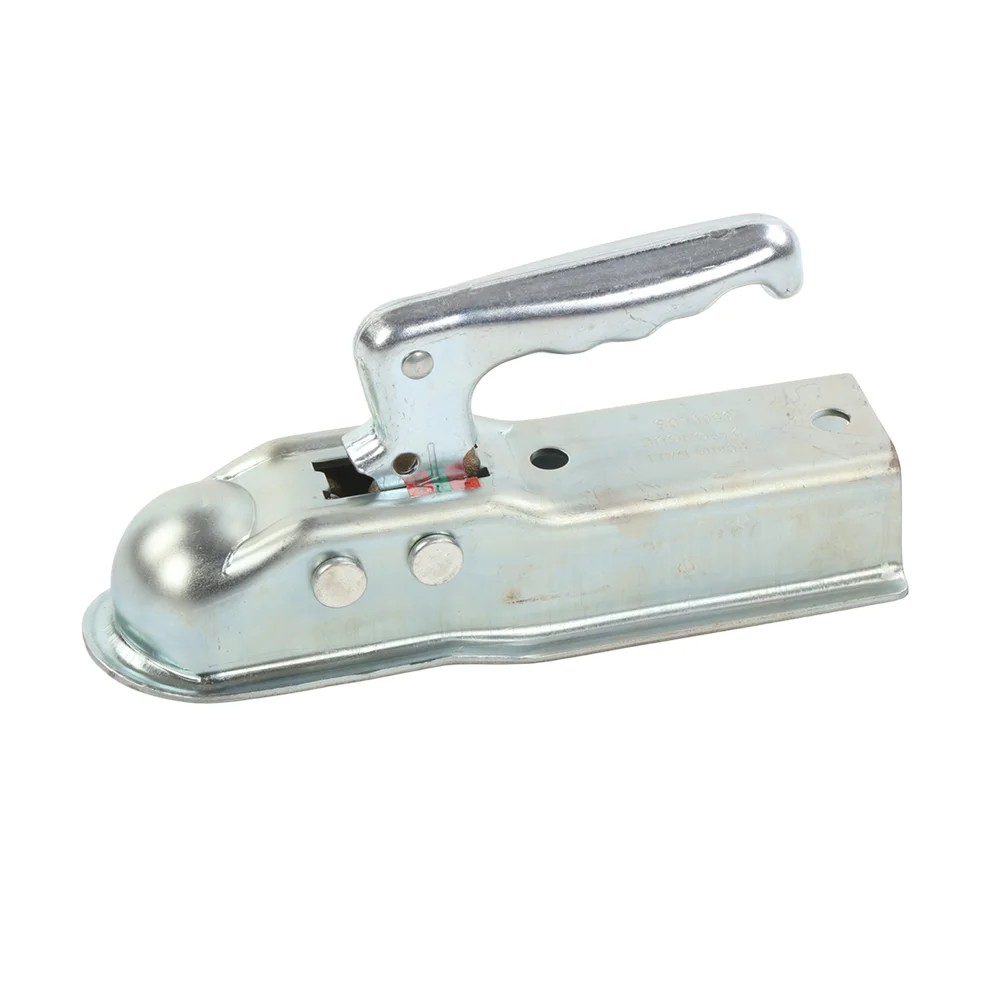
Straight Tongue Trailer Coupler
A straight tongue coupler suits trailers with a straight drawbar or box-section tongue, commonly showing up on utility trailers, small cargo trailers, boat trailers, and agricultural trailers.
Key features:
- Simple installation
- Compact structure
- Common on straight trailer tongues
- Suited to light-duty and medium-duty trailers
- Available in different ball sizes and load ratings
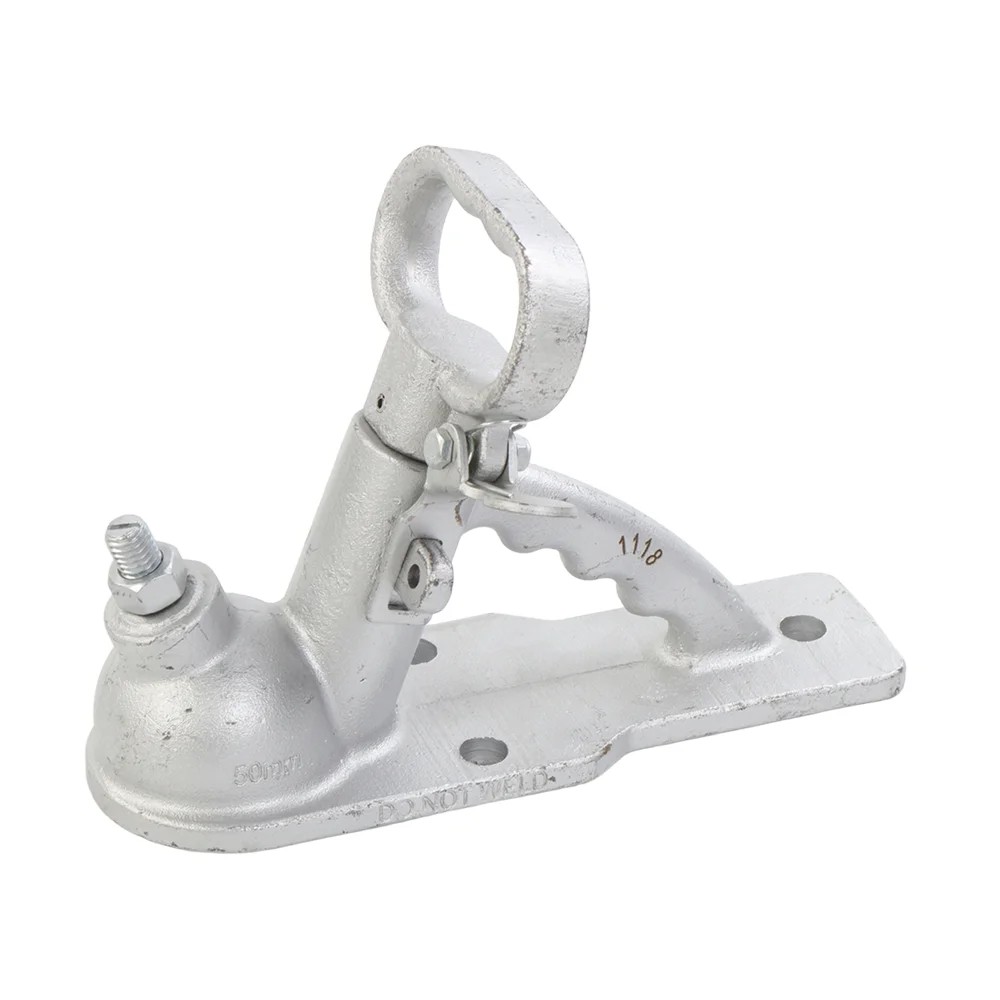
A-Frame Trailer Coupler
An A-frame coupler suits trailers built with an A-frame tongue structure, spreading towing force across two frame members — often used in heavier trailer designs.
Key features:
- Strong frame integration
- Good load distribution
- Suited to utility and equipment trailers
- Common in medium-duty and heavy-duty towing
- Available with reinforced latch systems
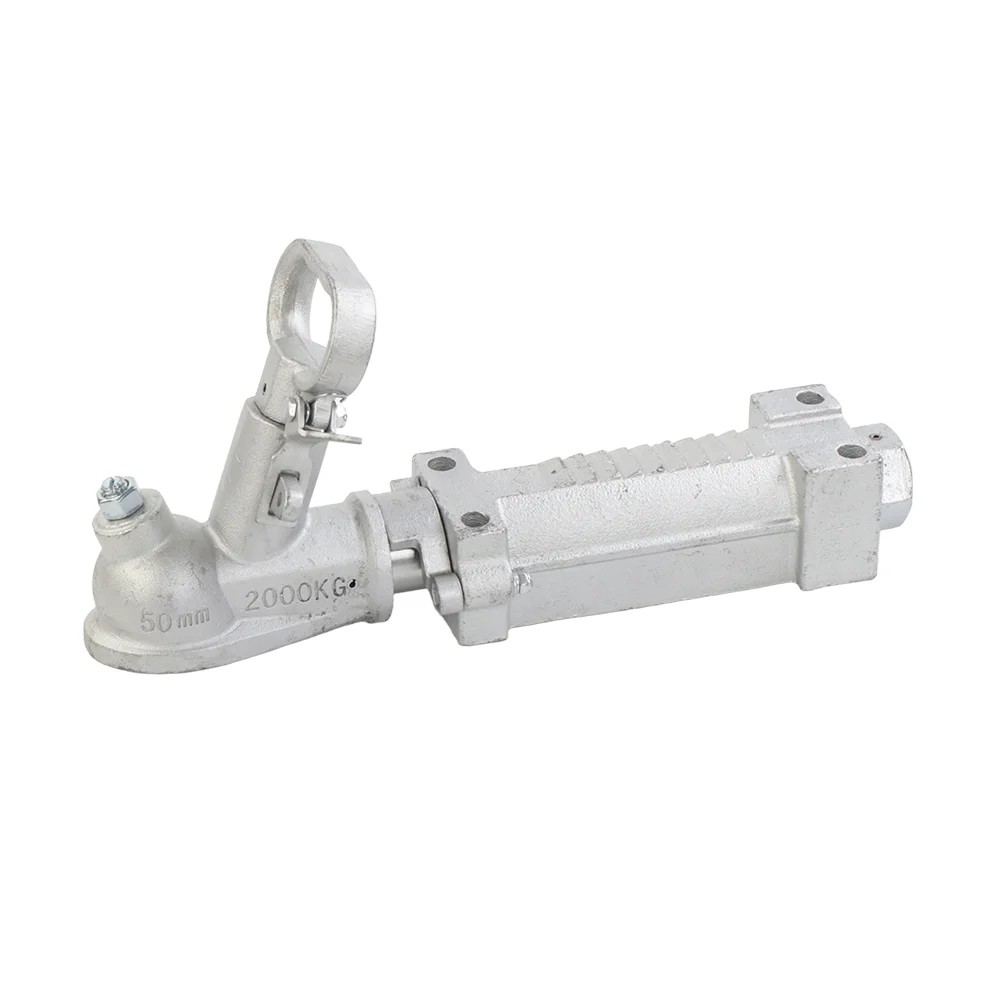
Adjustable Trailer Coupler
An adjustable coupler allows height adjustment to match different tow vehicle hitch heights, helping keep the trailer level while towing.
Key features:
- Flexible towing height
- Suited to different vehicles
- Practical for fleets running multiple tow platforms
- Common on equipment trailers and industrial trailers
- Helps improve trailer balance
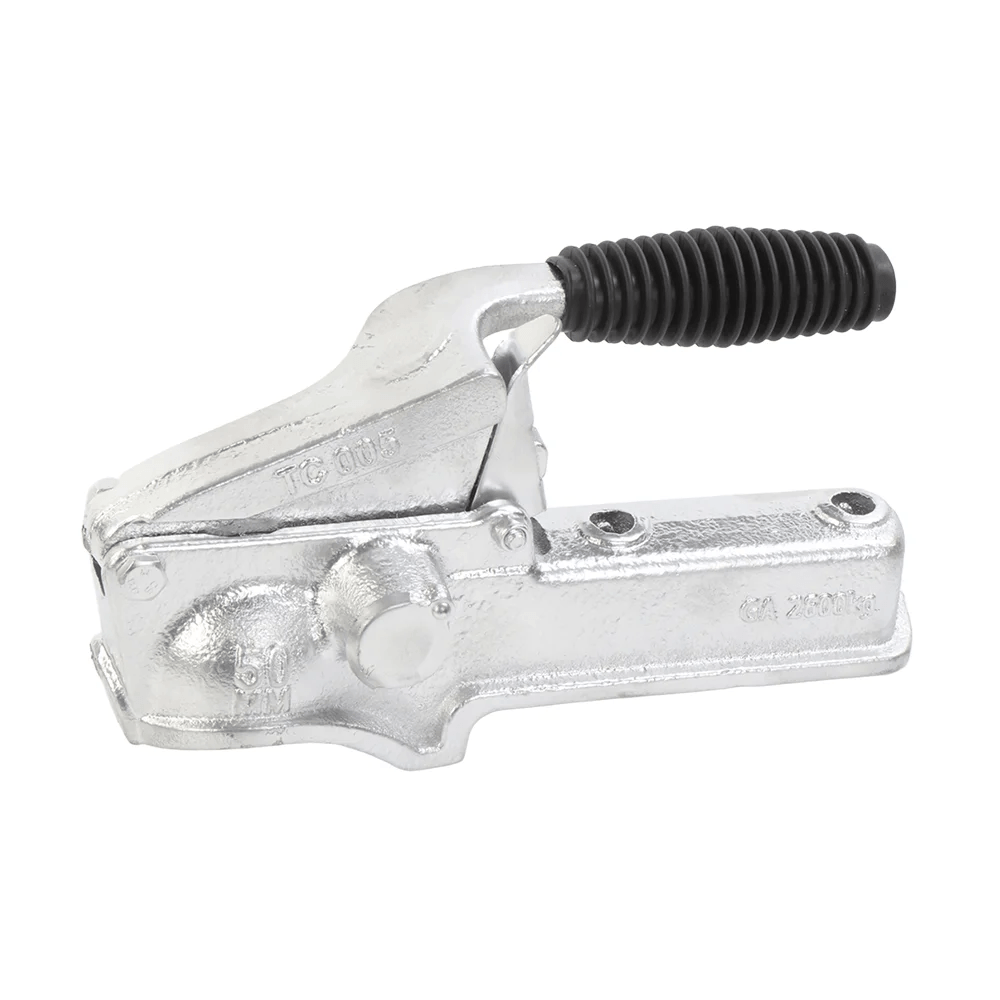
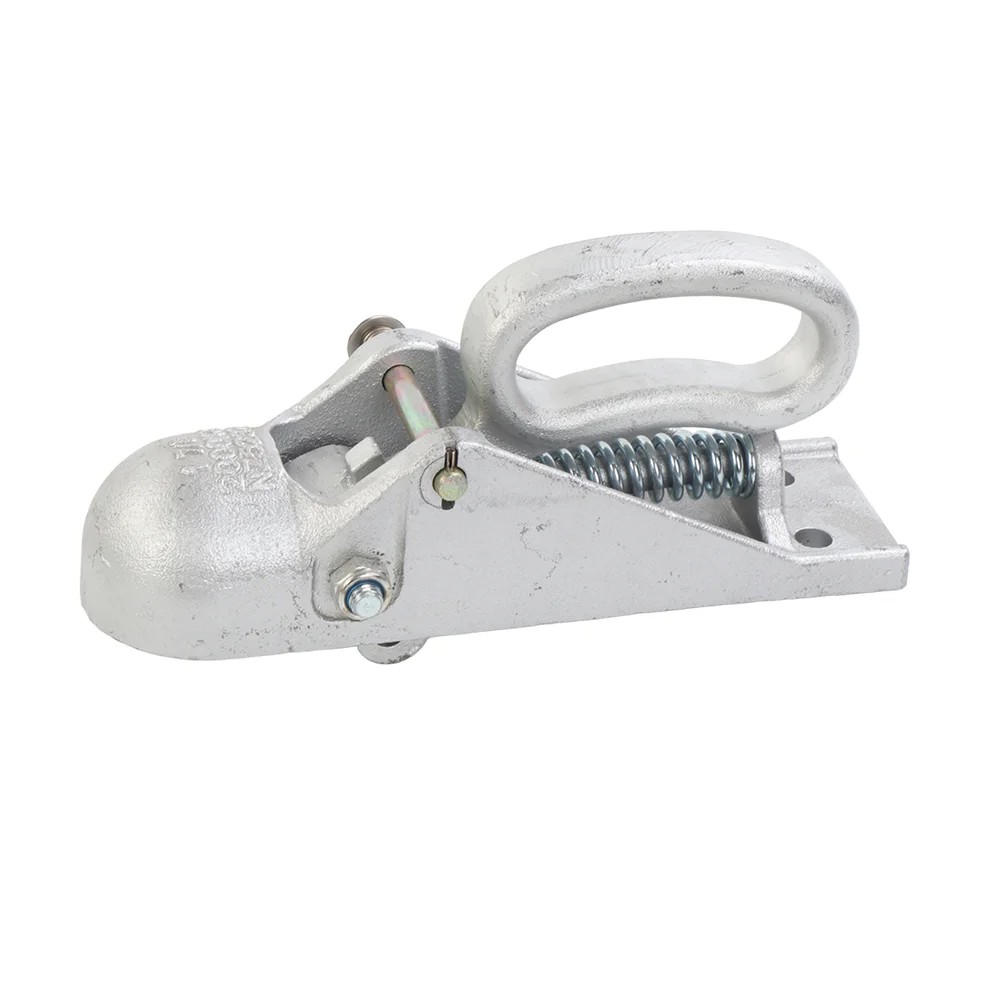
50mm Ball Coupling
A 50mm ball coupling shows up widely across European, Australian, and New Zealand trailer systems, sometimes including override brake compatibility, quick-release latch design, or regional mounting styles.
Key features:
- Compatible with 50mm hitch balls
- Used across regional road systems
- Suited to braked or unbraked trailers
- Often found on caravans and utility trailers
- Available with quick-release mechanisms
Interchangeable Hitch Ball Set
An interchangeable hitch ball set lets different ball sizes work with one hitch system, practical for towing different trailer types that each need a different coupler size.
Load Rating and GVWR Matching
Load rating stands as one of the most important factors in selecting a coupler and hitch ball system. The coupler, hitch ball, hitch receiver, drawbar, trailer tongue, and mounting hardware all need correct ratings.
Rating factors to check:
- Trailer GVWR
- Coupler maximum capacity
- Hitch ball capacity
- Tongue weight
- Hitch receiver class
- Mounting bolt strength
- Trailer frame structure
- Road condition
- Frequency of use
The towing system ends up limited by whichever component rates lowest. If a coupler rates higher than the hitch ball, actual safe capacity still gets capped by the hitch ball. If the hitch ball is strong but the coupler latch isn't up to the job, the connection stays unsafe regardless.
For heavy-duty trailer work up to 14,000 lbs and beyond, reinforced coupler bodies, heavy-duty latch systems, thicker mounting sections, and high-strength hitch balls make sense.
Latch Mechanism and Locking Safety
The latch mechanism controls how the coupler grips the hitch ball — it needs to lock securely while still allowing articulation during towing.
A dependable latch system should offer:
- Smooth opening and closing
- Secure locking around the hitch ball
- Resistance to vibration release
- Strong handle structure
- Adjustable socket tension where applicable
- Lock pin or safety clip compatibility
- Easy visual confirmation of locked position
Common latch styles include:
- Trigger latch
- Lever latch
- Quick-release latch
- Auto-lock latch
- Adjustable latch
- Pin-secured latch
For commercial and high-frequency use, latch durability matters a lot. A worn or loose latch creates movement between coupler and ball, which drives up noise, wear, and connection risk over time.
Material Strength and Manufacturing Quality
Trailer couplers and hitch balls typically get made from steel for its strength, impact resistance, and forming performance. The steel structure needs to handle towing force, vertical load, braking stress, road shock, and repeated coupling cycles without complaint.
Manufacturing considerations include:
- Steel grade
- Material thickness
- Forging or stamping accuracy
- Weld quality
- Socket shape precision
- Mounting hole accuracy
- Handle strength
- Latch fitment
- Heat treatment for selected parts
- Surface coating adhesion
Hitch balls may be forged or machined depending on spec. Ball roundness, shank strength, thread accuracy, and chrome or zinc coating quality all feed into towing performance and service life.
Surface Treatment and Corrosion Resistance
Couplers and hitch balls face rain, road salt, mud, gravel, dust, humidity, and outdoor storage. Corrosion can chip away at appearance, latch movement, socket fitment, and long-term strength.
Common finishes include:
- Zinc plating
- Hot dip galvanizing
- Powder coating
- Chrome plating
- E-coating
- Painted finish
Galvanized Coupler Galvanized couplers deliver strong corrosion resistance, suiting outdoor trailers, agricultural trailers, utility trailers, coastal regions, and wet operating conditions.
Powder Coated Coupler Powder coating gives a clean look with good surface protection for general towing use.
Chrome or Zinc Hitch Ball Hitch balls often carry chrome or zinc finishes to cut corrosion and smooth out the surface. A smoother ball surface means less wear inside the coupler socket over time.
Mounting Methods and Trailer Tongue Compatibility
Couplers need installing on the correct trailer tongue structure — mounting method affects both towing safety and long-term durability.
Common mounting types include:
- Bolt-on mounting
- Weld-on mounting
- A-frame mounting
- Straight tongue mounting
- Channel mounting
- Adjustable channel mounting
- 3-bolt quick release mounting
Fitment dimensions worth checking:
- Tongue width
- Coupler channel width
- Mounting hole spacing
- Bolt diameter
- Frame thickness
- Hitch ball size
- Coupler height
- Latch clearance
- Safety chain position
A coupler needs to sit squarely on the trailer tongue. Misalignment can bring uneven towing force, difficult coupling, faster wear, or unstable handling.
Safety Checks Before Towing
Before every towing trip, the coupler and hitch ball connection deserves a careful check — these small steps head off serious road problems before they start.
Checks worth running through:
- Confirm hitch ball size matches coupler marking
- Make sure the coupler is fully seated on the ball
- Lock the latch completely
- Install safety pin or clip
- Connect safety chains correctly
- Check hitch ball nut torque
- Inspect mounting bolts or welds
- Confirm trailer jack is fully raised
- Check for excessive coupler movement
- Inspect ball surface for wear or cracks
- Confirm lighting and brake connections
- Make sure trailer load is balanced
A correctly locked coupler shouldn't lift off the hitch ball when upward force gets applied by hand or jack test.
Common Applications
Coupler and hitch ball systems show up across many trailer categories.
Utility Trailers Utility trailer couplers commonly handle landscaping, maintenance, garden, and general cargo transport.
Equipment Trailers Equipment trailers need higher-capacity couplers to handle machinery, compact tractors, compressors, and job-site tools.
Plant Trailers Plant trailers often run heavy-duty coupler systems given frequent job-site towing and higher load demands.
Skid Steer Trailers Skid steer trailers carry concentrated loads, making strong coupling and stable load transfer especially important.
Agricultural Trailers Agricultural trailers work rural roads, farms, and uneven ground, where corrosion-resistant couplers prove useful.
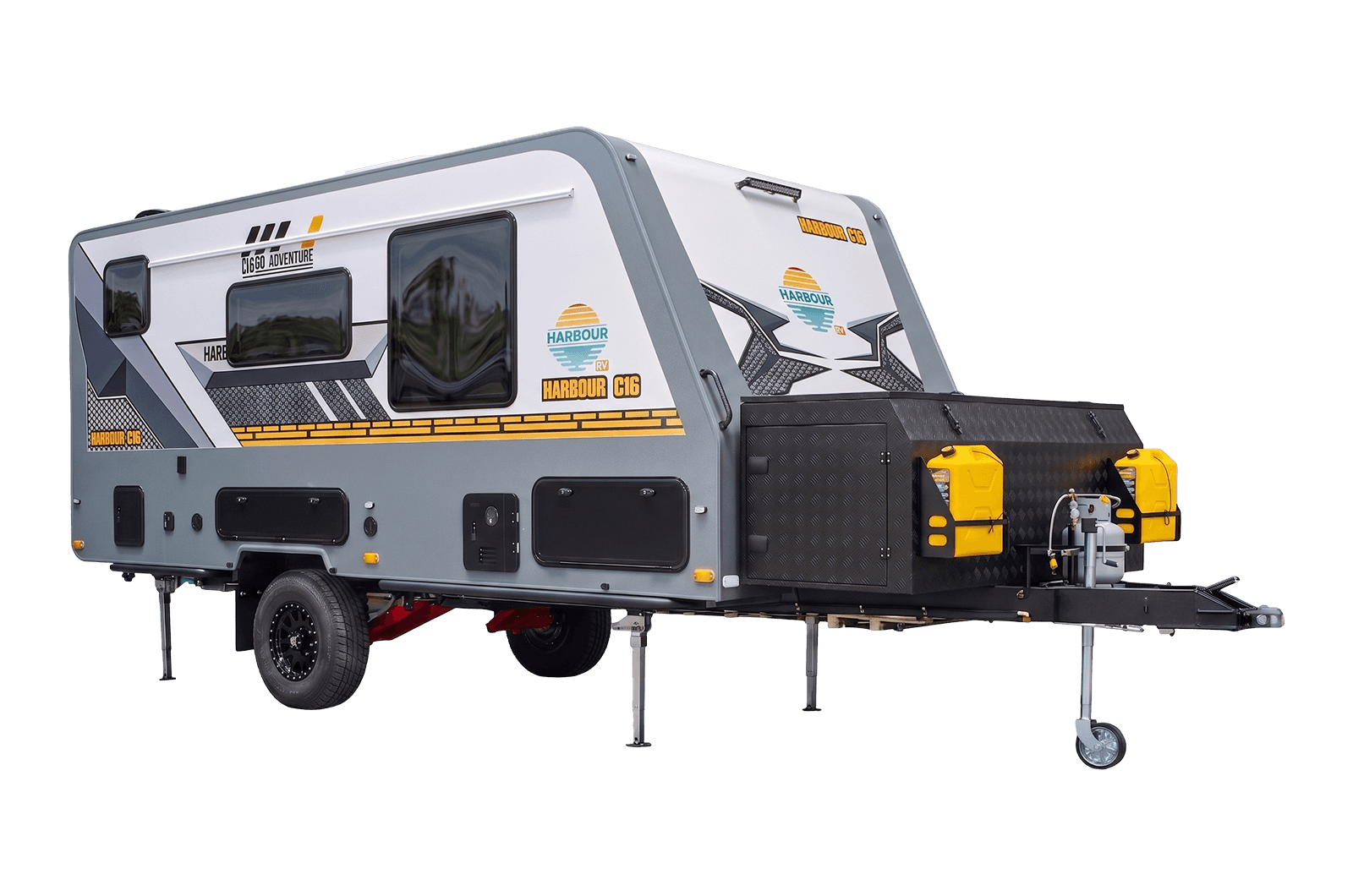
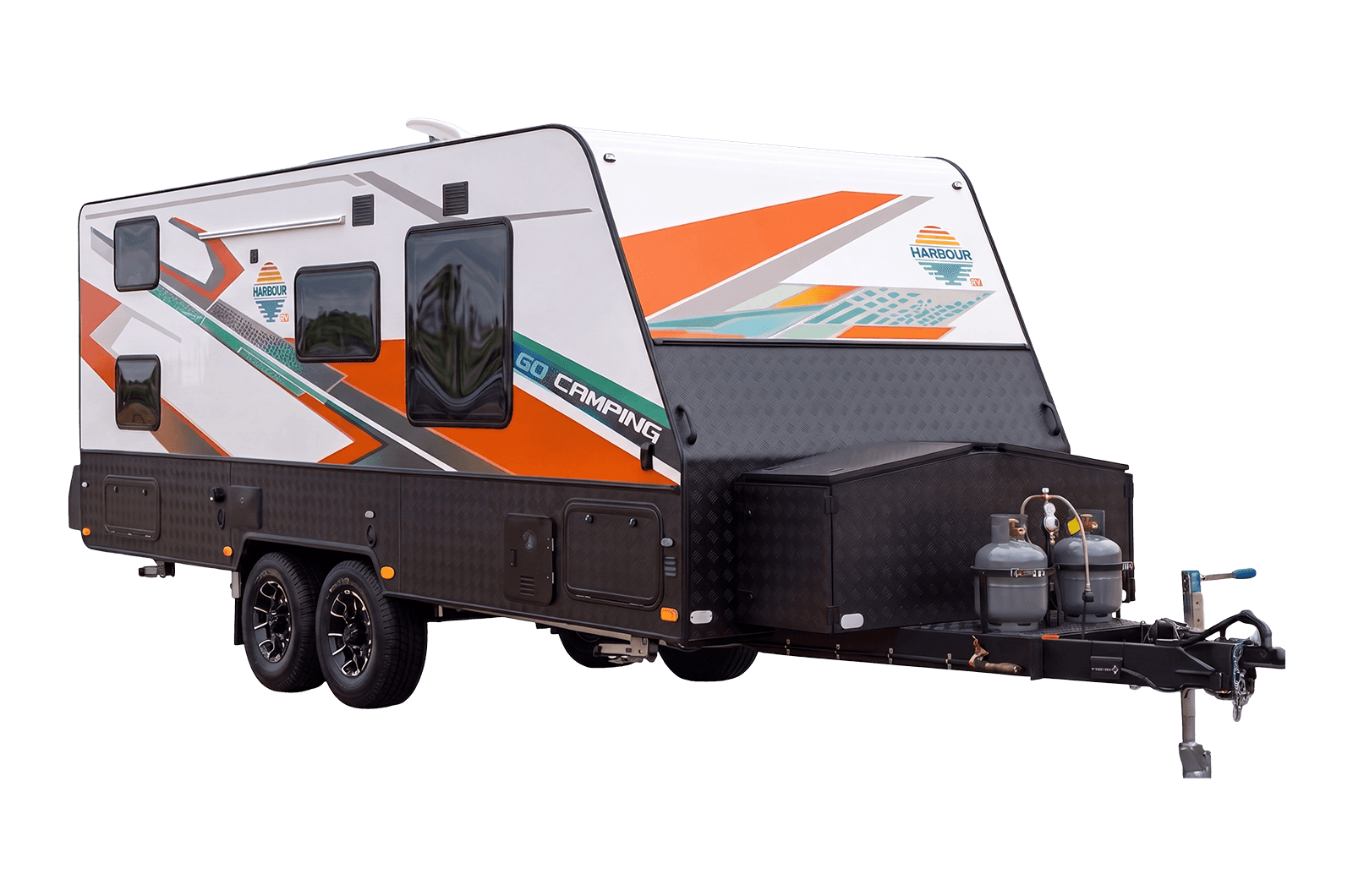
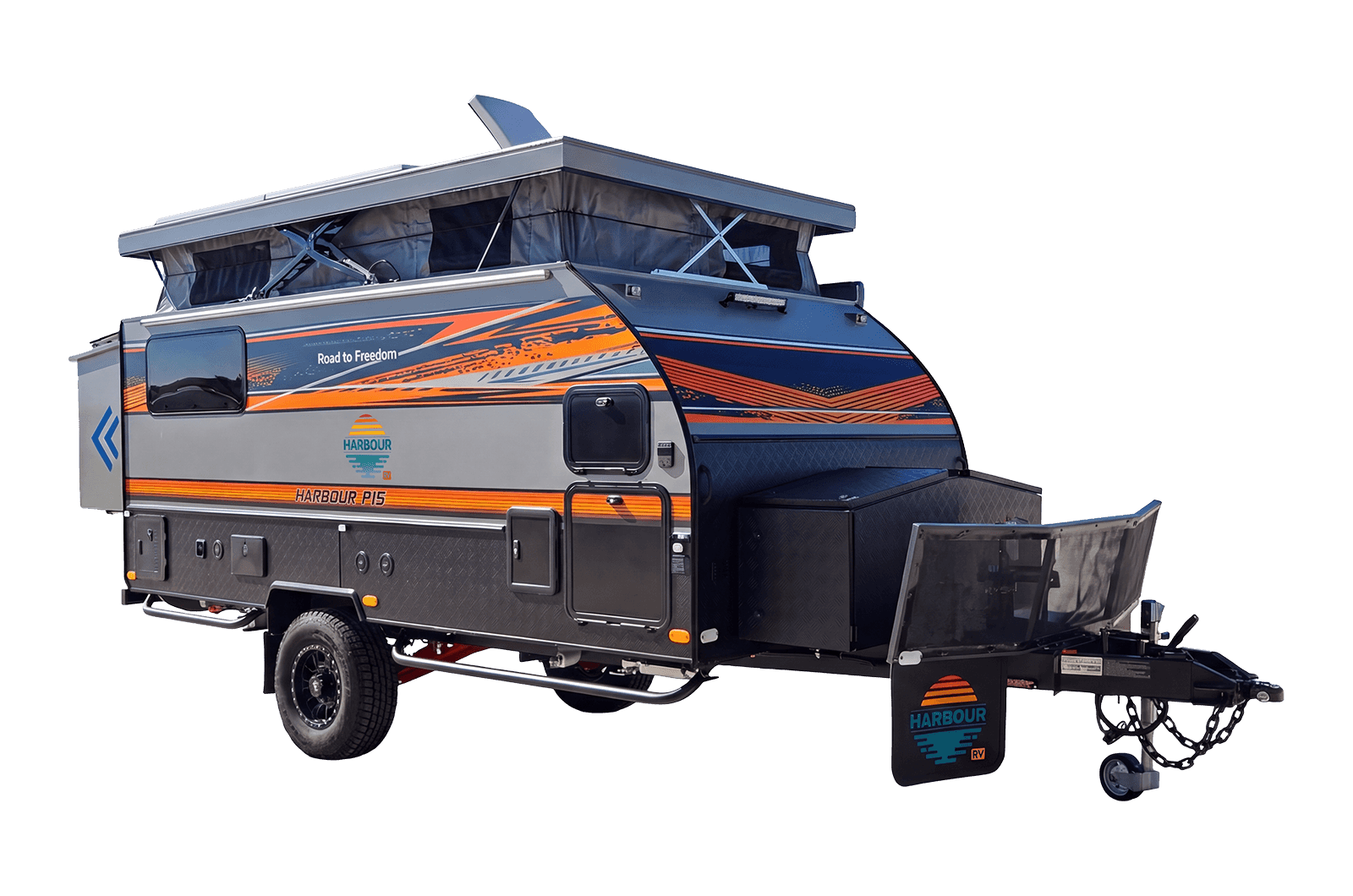
Caravans and RV Trailers Caravan couplers often need regional ball sizes, smooth latch operation, and reliable anti-detachment safety features.
Boat Trailers Boat trailers need corrosion-resistant couplers and hitch balls given constant exposure to water and humidity.
Why Factory Experience Matters
Coupler and hitch ball systems need to perform reliably under pulling force, braking load, turning movement, vibration, and repeated coupling cycles. Small differences in socket size, latch geometry, material thickness, or surface treatment can shift towing safety and long-term service life more than people expect.
Producing trailer ball couplers, trailer hitch couplers, utility trailer couplers, hitch balls, and related towing connection parts calls for stable manufacturing control paired with real trailer application knowledge. Production emphasizes dimensional accuracy, reliable locking function, corrosion-resistant finishing, and correct load-rating compatibility.
Manufacturing focus includes:
- Reinforced steel coupler structures
- Accurate hitch ball and coupler socket matching
- Reliable latch and locking mechanism design
- Multiple ball size options, including 1-7/8", 2", 2-5/16", and 50mm
- Bolt-on, weld-on, A-frame, straight tongue, and adjustable mounting styles
- Galvanized, zinc-plated, powder-coated, and chrome surface options
- ISO 9001-based production management
- DOT-related trailer application requirements
- Custom configurations for utility, equipment, agricultural, caravan, and industrial trailers
Factory-level engineering experience helps deliver coupler and hitch ball solutions that support safer towing connections, smoother trailer handling, reduced detachment risk, and durable performance across demanding road and job-site environments.
FAQ: Coupler & Hitch Ball Systems
1. What is a trailer ball coupler? A trailer ball coupler is the front connection component on a trailer tongue that attaches to a hitch ball mounted on the towing vehicle, allowing the trailer to pivot while staying securely connected.
2. What is a trailer hitch coupler used for? It connects the trailer to the towing vehicle, transfers towing force, supports tongue weight, and keeps movement safe during turning, braking, and road travel.
3. What is the difference between a coupler and a hitch ball? The coupler mounts on the trailer, while the hitch ball mounts on the towing vehicle's hitch system. The coupler locks around the hitch ball to form the towing connection.
4. What hitch ball sizes are commonly used? Common sizes include 1-7/8", 2", 2-5/16", and 50mm. The size needs to match the coupler marking exactly.
5. Can a 2-inch coupler fit a 1-7/8 inch ball? No. A coupler should only pair with its matching hitch ball size — mismatched sizes bring loose connections, poor towing stability, or detachment risk.
6. How do I choose the right utility trailer coupler? Check trailer GVWR, tongue weight, hitch ball size, trailer tongue shape, mounting style, coupler load rating, latch type, and surface finish.
7. What is an A-frame coupler? An A-frame coupler suits trailers with an A-shaped tongue frame, providing strong structural integration — common on utility, cargo, and equipment trailers.
8. What is a straight tongue coupler? A straight tongue coupler suits trailers with a straight drawbar or box-section tongue, commonly used on utility trailers, small cargo trailers, and boat trailers.
9. What is an adjustable trailer coupler? An adjustable coupler lets the coupler height change, helping the trailer stay level when connected to different towing vehicles.
10. What surface finish is best for trailer couplers? Galvanized or zinc-plated finishes suit corrosion resistance well. Powder coating gives a clean look for general use. Chrome or zinc finishes are common on hitch balls.
11. How often should a coupler and hitch ball be inspected? Before every towing trip. Check latch function, ball wear, coupler socket, mounting bolts, welds, safety pin, and corrosion condition.
12. Can trailer couplers be customized? Yes. Load rating, ball size, mounting type, body thickness, latch design, surface treatment, channel width, bolt pattern, and marking can all be customized for different trailer platforms.
