

 English


Professional Industry Knowledge: Caravan Manufacturing and Selection Guide
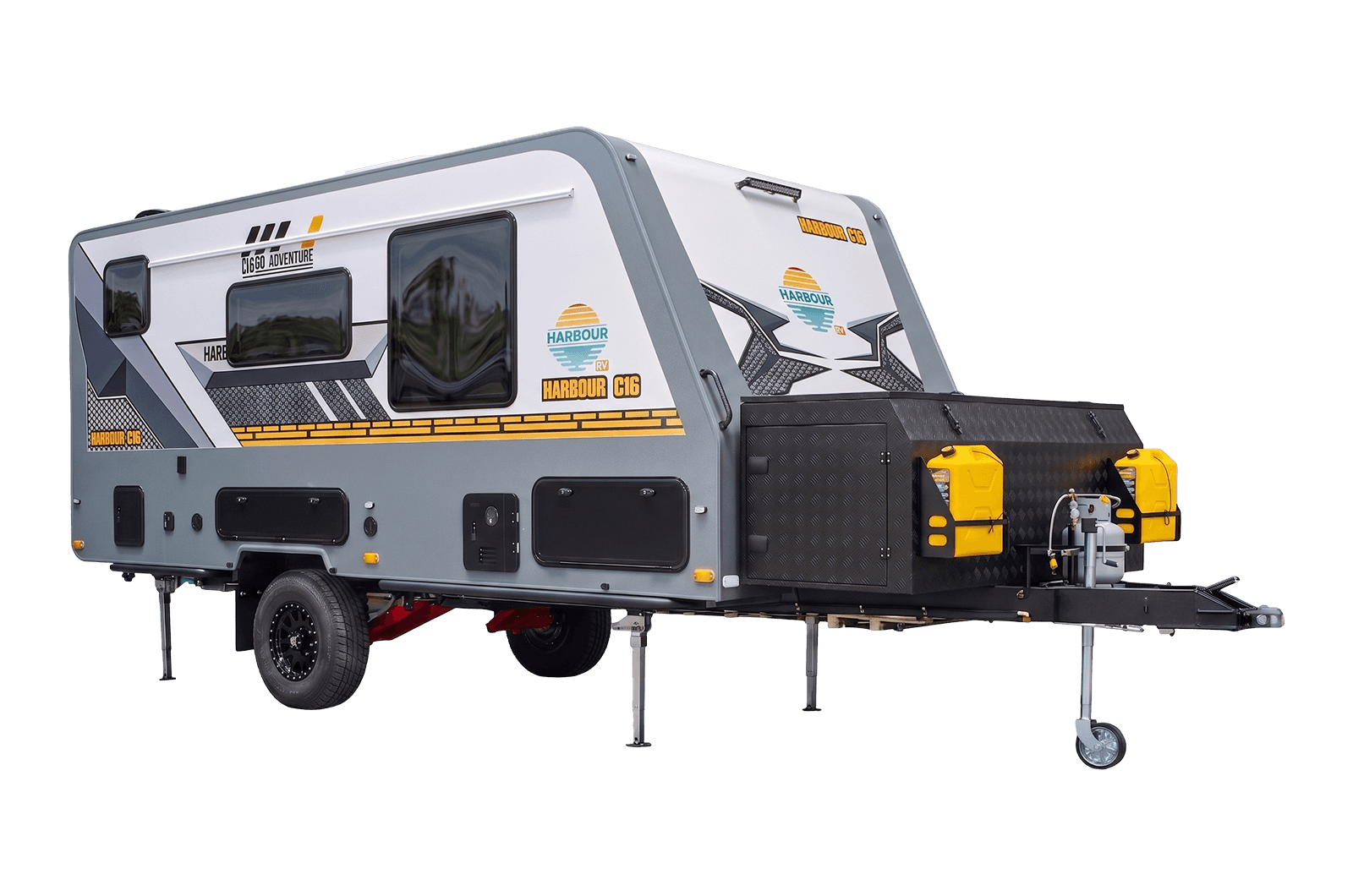
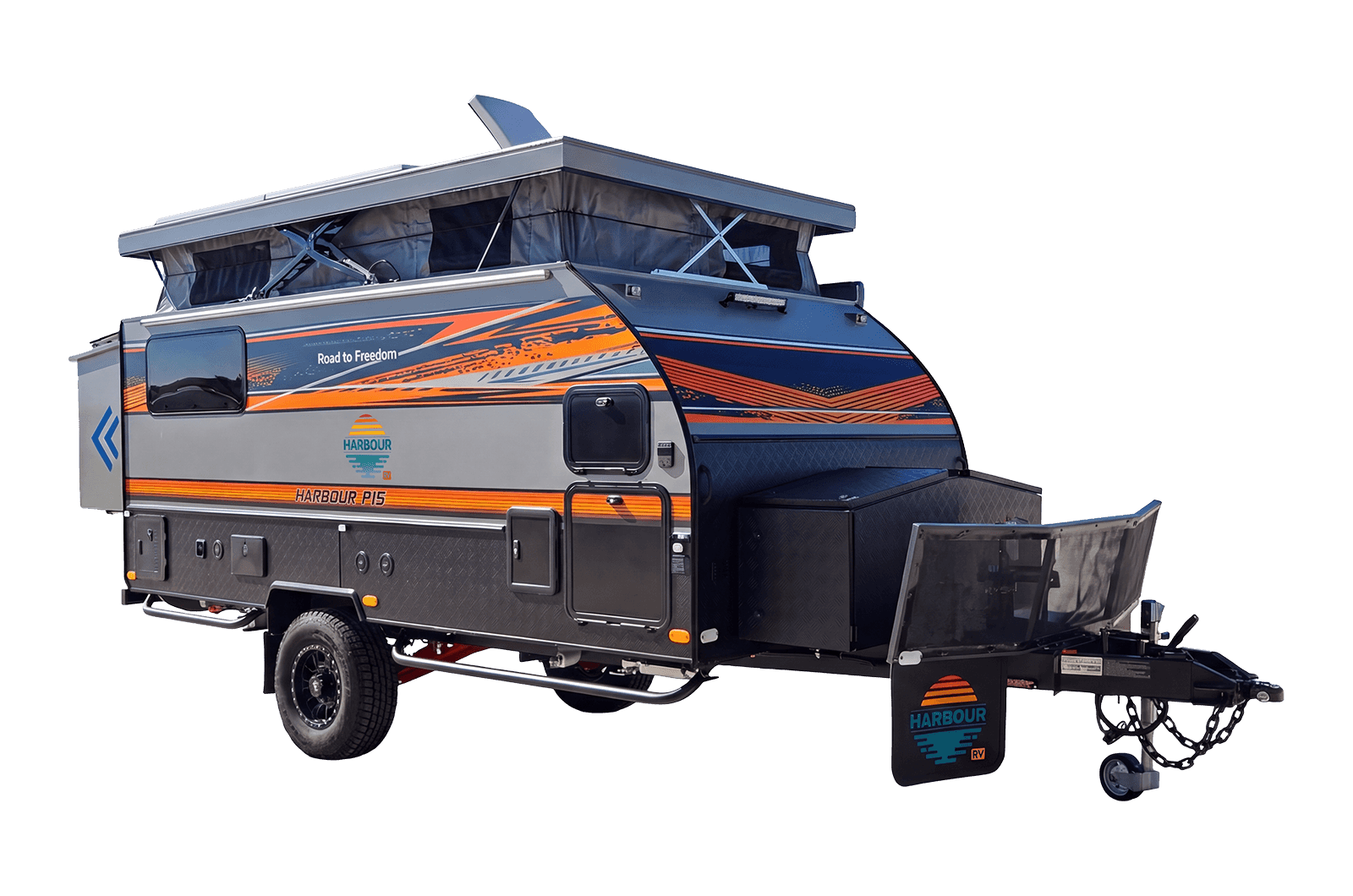
Caravans have carved out a significant slice of the global outdoor travel and mobile accommodation market. What sets a caravan apart from a basic trailer is how much it packs into one towable unit — road performance, structural safety, interior comfort, and functioning living systems all have to work together. For companies developing travel products, running rental fleets, building tourism projects, or managing regional distribution, understanding what actually goes into building a caravan makes a real difference when it comes to picking the right configuration.
Structural Design and Chassis Engineering
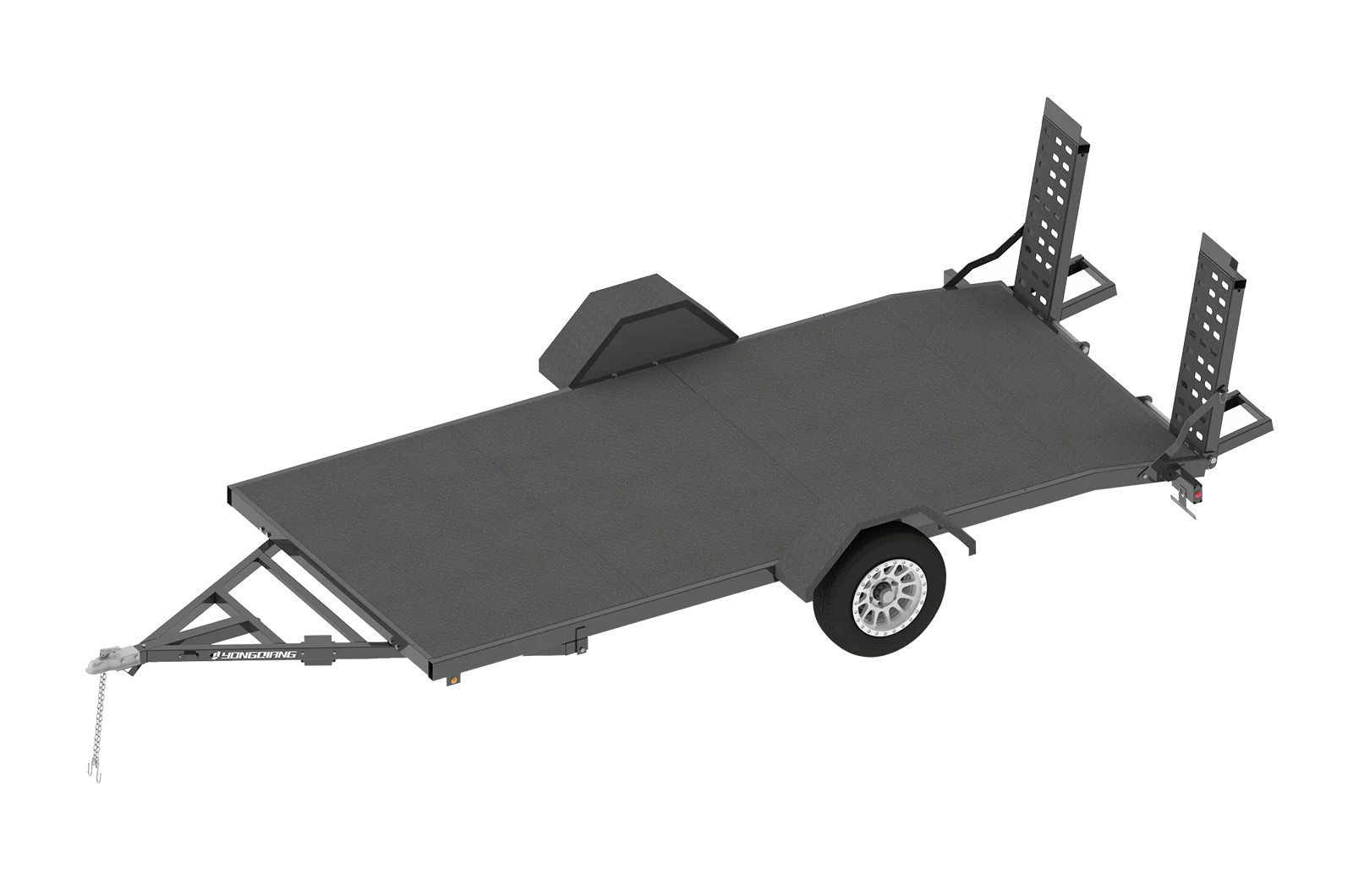
Everything starts with the chassis. It's what determines towing stability, how much load the caravan can carry, how it handles on the road, and how long it lasts.
Key things to think through on the chassis side:
- Frame material: Steel, galvanized steel, or aluminum — the choice comes down to strength, weight, and how much corrosion resistance the application actually needs.
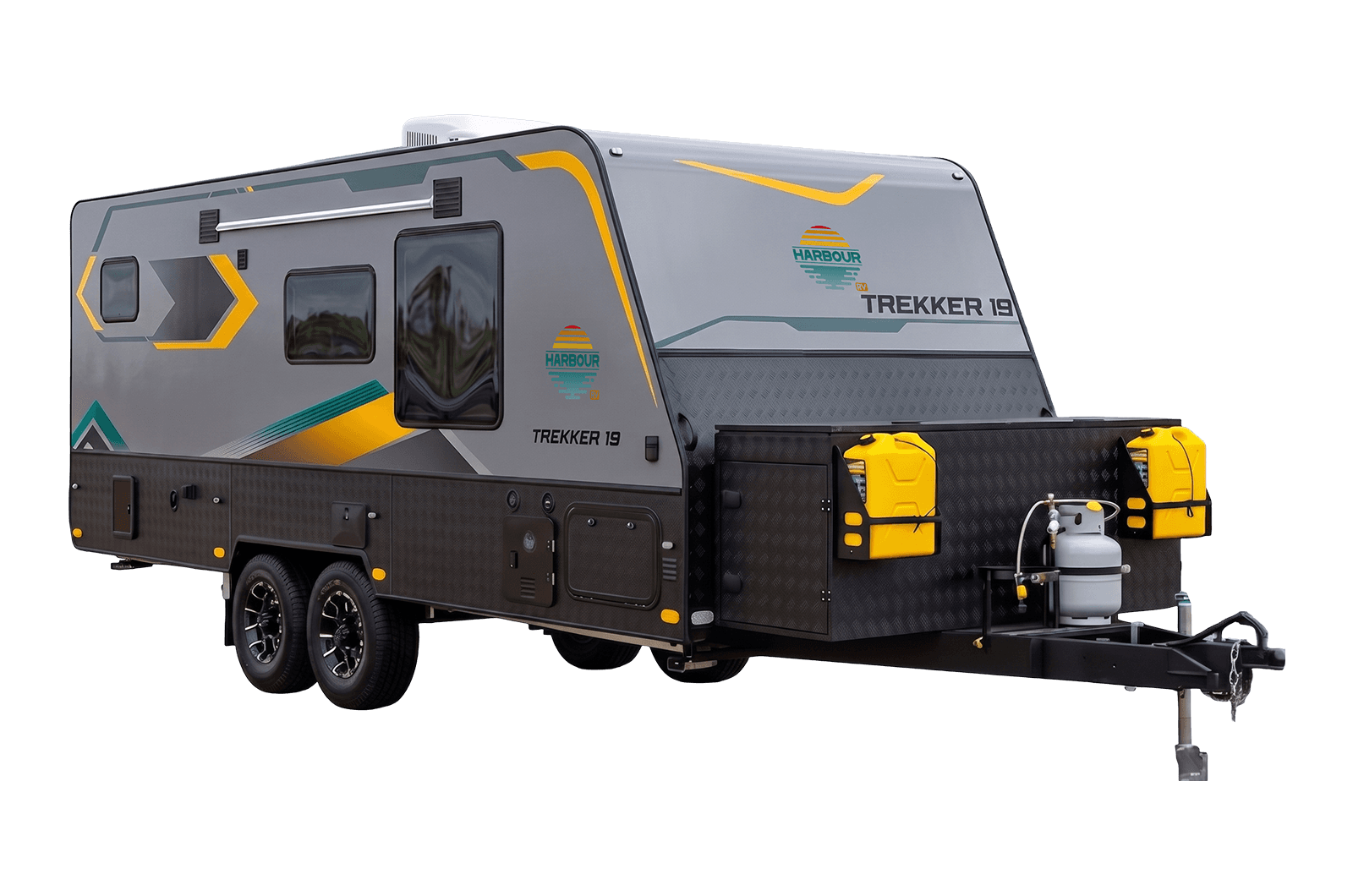
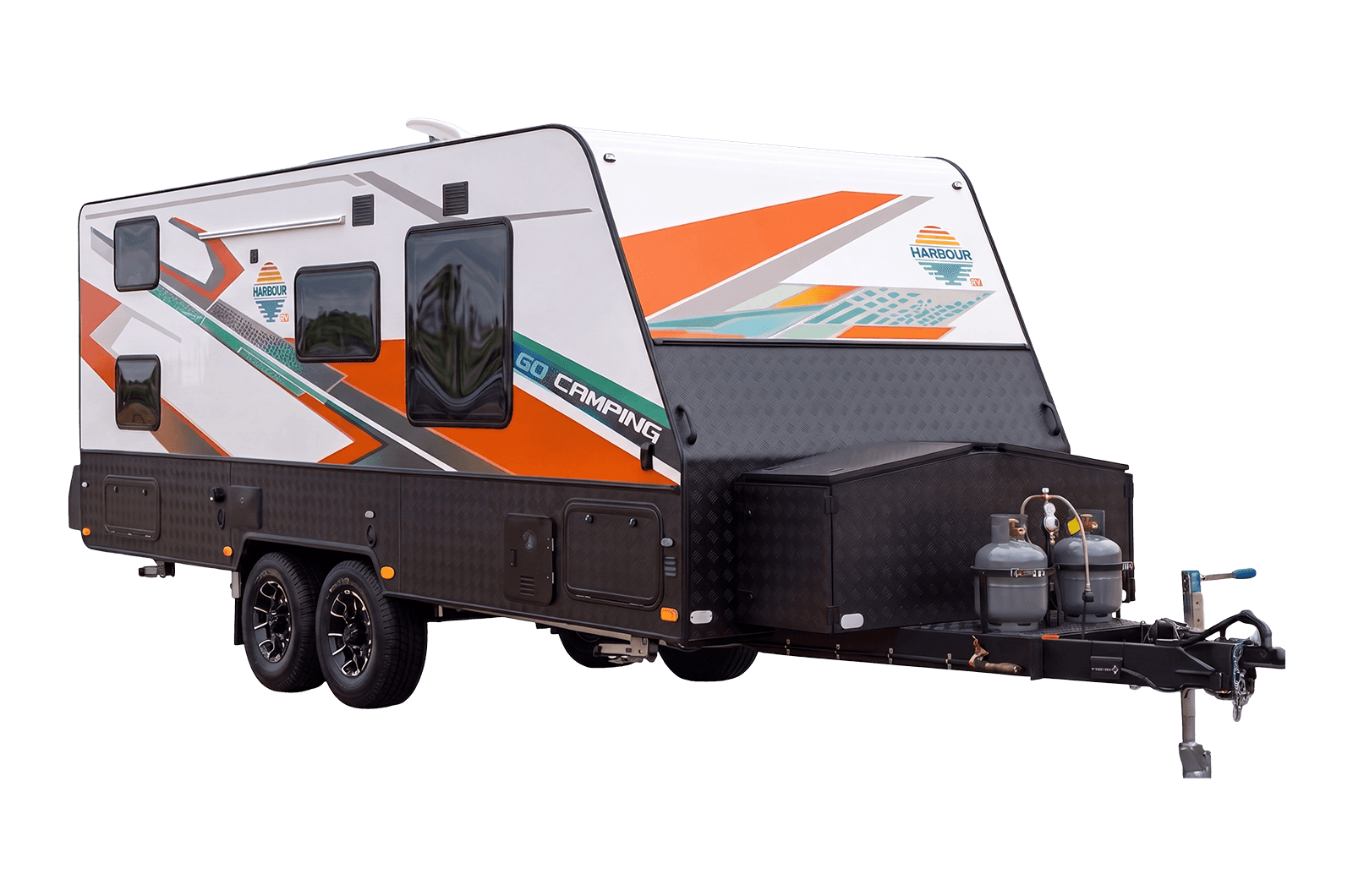
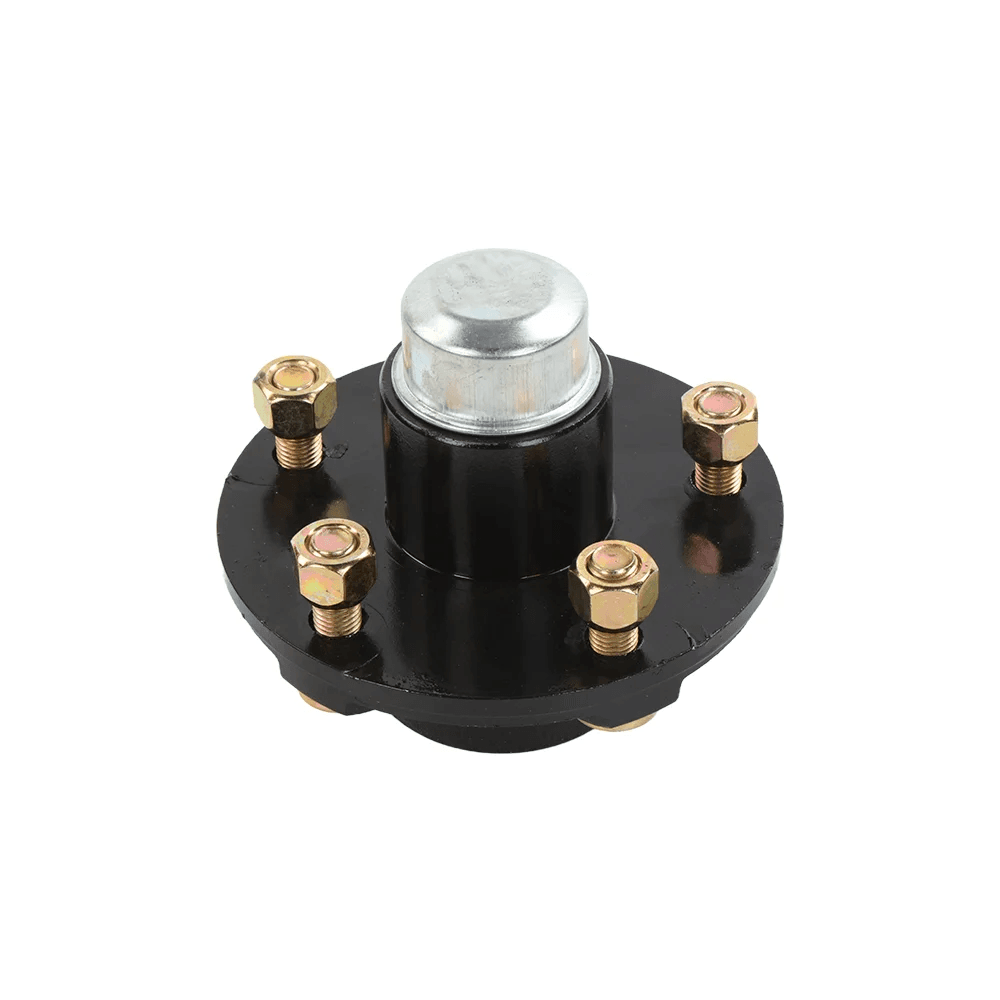
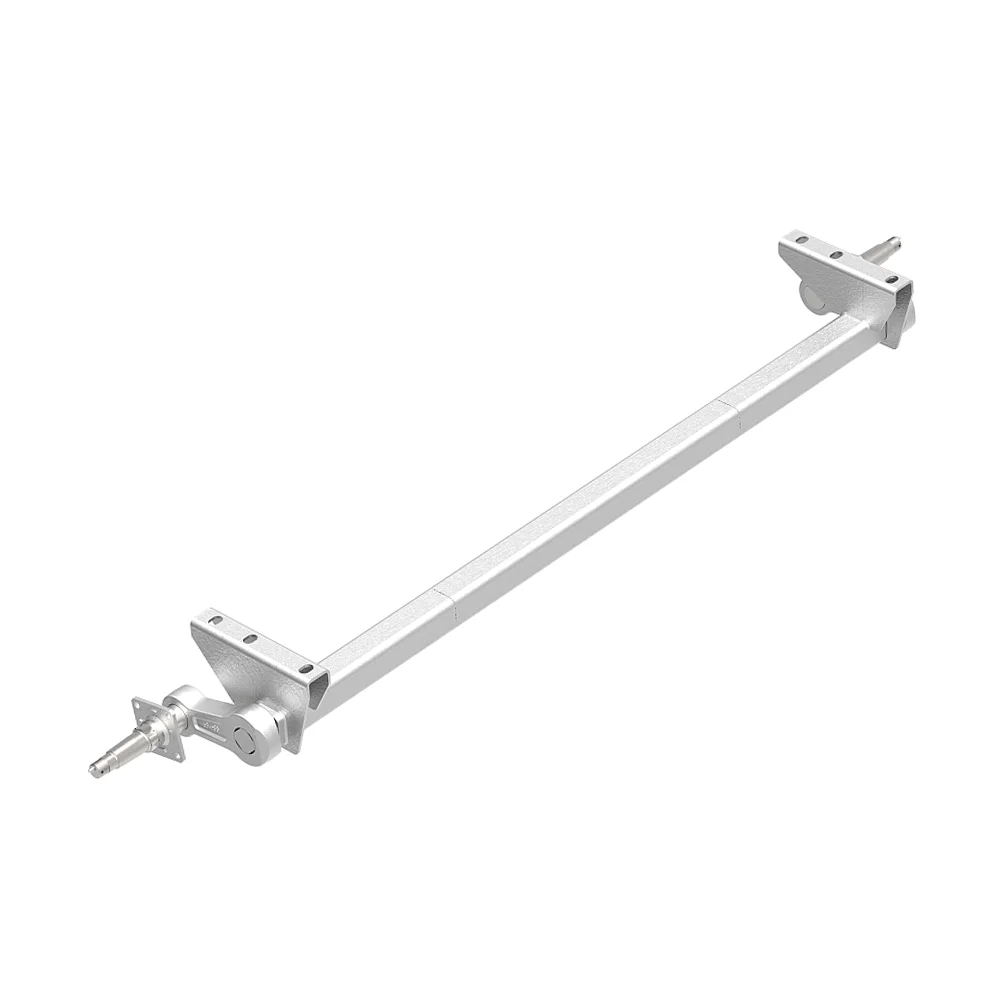
- Axle configuration: Single-axle caravans stay lighter and easier to tow; dual-axle setups trade some of that ease for better stability and higher carrying capacity.
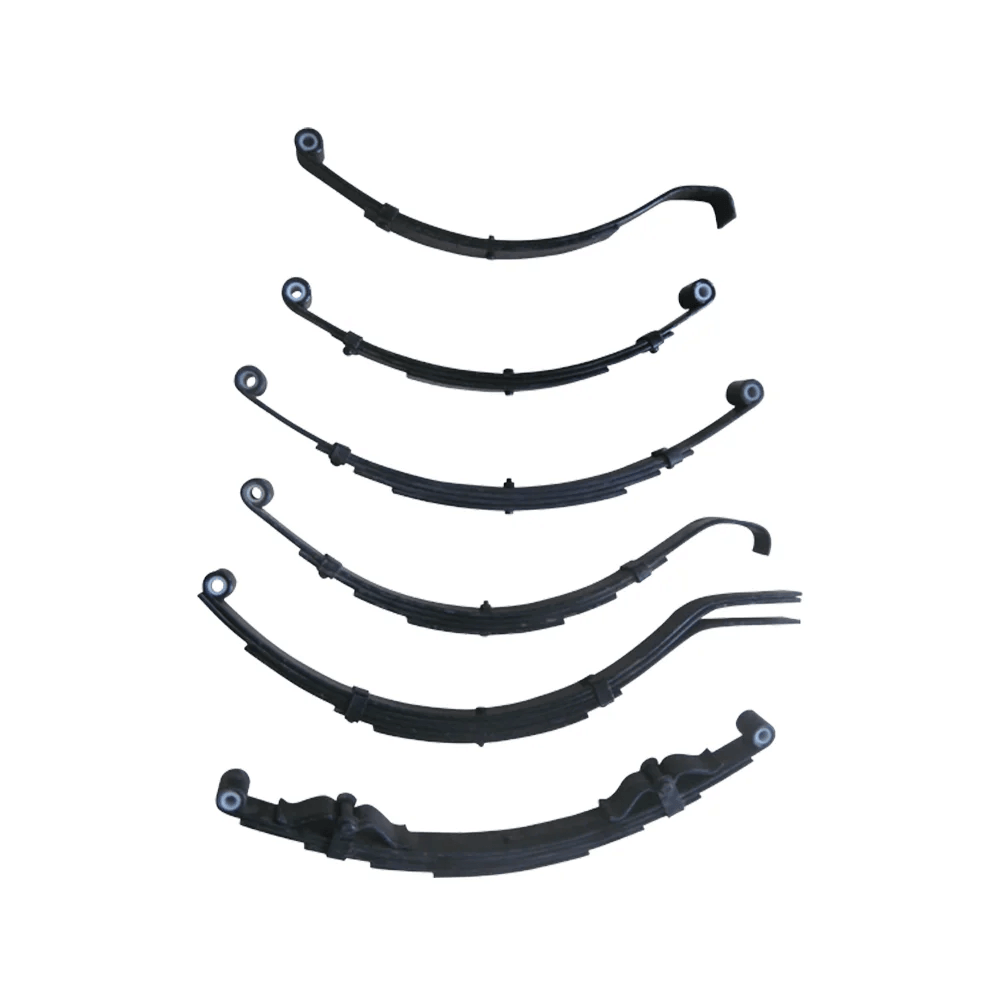
- Suspension system: Leaf spring, torsion axle, or independent suspension — road conditions and comfort expectations should drive this choice.
- Braking system: Electric, mechanical, or hydraulic brakes all contribute to safer road handling and better towing control.
- Ground clearance: Off-road caravans need a reinforced chassis, more clearance, and stronger underbody protection than a highway-only model would.
Highway-focused caravans do better with a lighter structure and aerodynamic shape. Off-road models need to be built to take vibration, impact, and rough terrain without the frame giving out over time.
Interior Layout and Living Comfort
A caravan's appeal isn't just skin-deep — how well the interior space gets used often matters more than how it looks from outside. A layout that's actually thought through pays off in comfort, usability, and how well the product competes in the market.
Interior features that show up regularly:
- Sleeping space for anywhere from two to six people
- A compact kitchen with sink, cooktop, and storage cabinets
- Dining area or a sofa that converts into a bed
- Bathroom module with shower and toilet
- Fresh water and grey water tanks
- Refrigerator, microwave, or air conditioning as options
- LED lighting and power outlets
- Wardrobes, overhead cabinets, and under-bed storage
Different markets want different things here. Family travel models tend to need more beds and storage. Couples often prioritize a bigger bathroom, a nicer kitchen, and a comfortable lounge space instead. Rental-use caravans lean toward furniture that can take a beating, surfaces that clean up fast, and maintenance access that doesn't require taking half the interior apart.
Electrical, Water and Energy Systems
Modern caravans need integrated utility systems if they're going to support independent travel or off-grid use at all. Both the electrical and water systems need to be safe, easy to access, and built to whatever regional standards apply.
Electrical system options often include:
- AC and DC power systems
- Solar panel preparation
- Lithium or AGM battery systems
- Inverter and charger units
- External power inlet
- Interior and exterior LED lighting
- USB ports and appliance circuits
Water system options often include:
- Fresh water tank
- Grey water tank
- Water pump
- Hot water system
- Shower and toilet system
- External water inlet
- Drainage and maintenance access
For outdoor adventure and remote travel, solar capacity, battery size, and water storage tend to be the deciding factors for buyers. For park-based tourism or rental fleets, a stable power connection, straightforward maintenance, and plumbing that doesn't fail easily usually matter more.
Exterior Design and Market Positioning
Exterior design does a lot of heavy lifting for brand recognition and general appeal, but it also has a job to do — protecting the caravan from weather, road debris, and years of regular use.
Exterior customization typically covers:
- Body length and width
- Front profile and roof design
- Color scheme and decals
- Brand logo placement
- Windows and skylights
- Entry door position
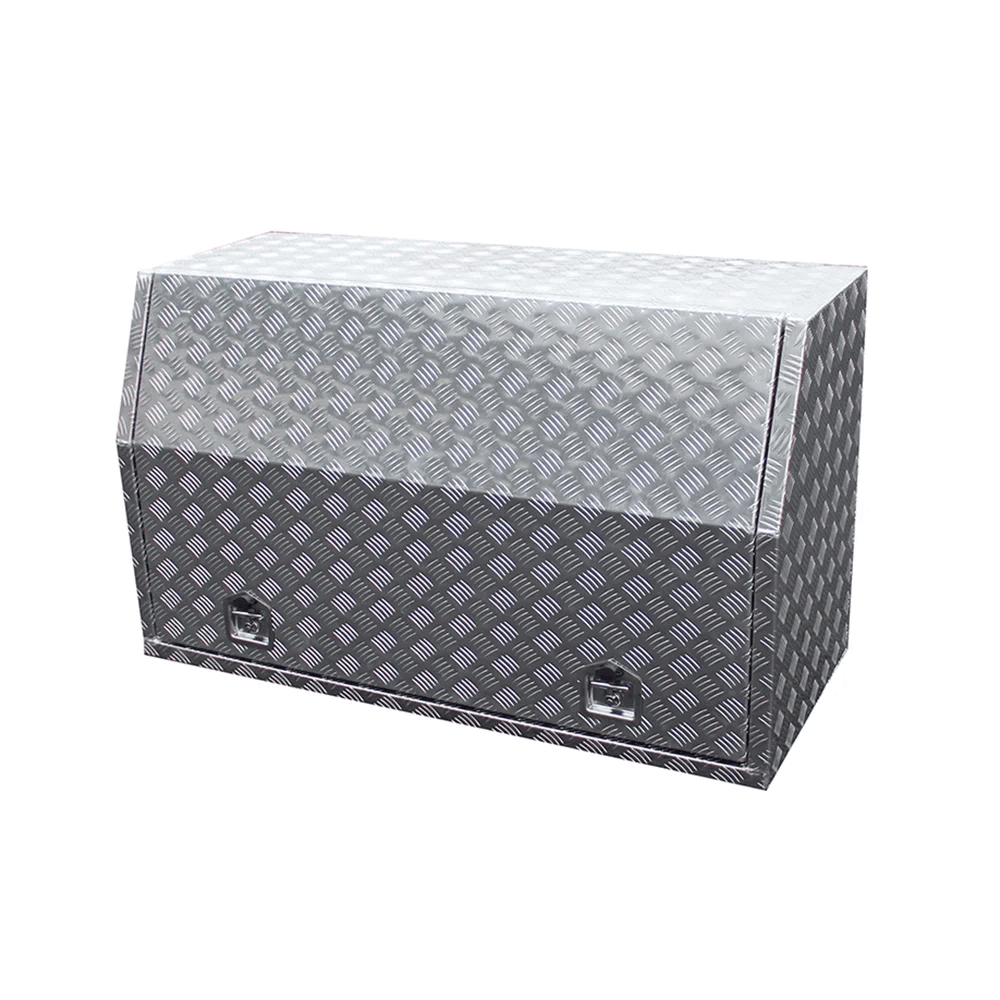
- Storage boxes and tool compartments
- Awning installation
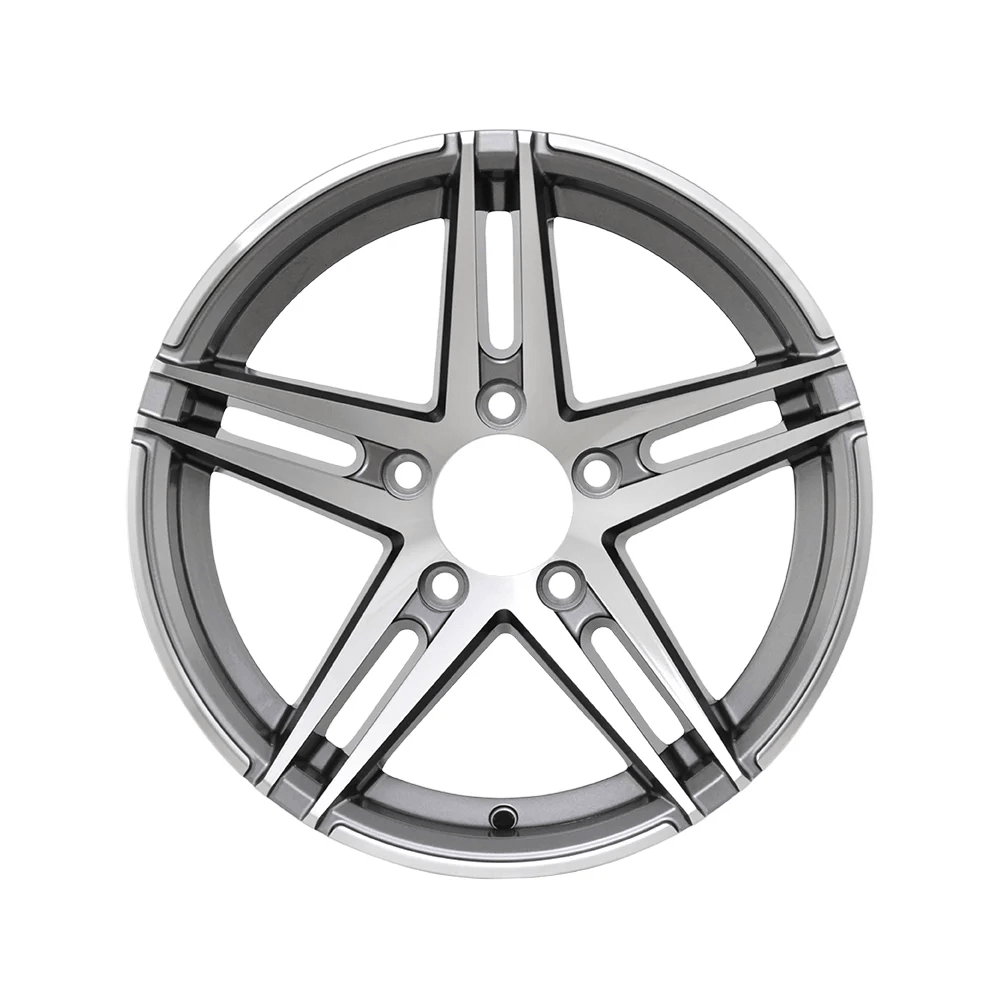
- Spare wheel carrier
- Off-road protection accessories
A compact caravan usually gets designed around light towing and easy storage. A luxury model shifts focus toward appearance, premium materials, and comfort. An off-road caravan needs rugged styling paired with a reinforced body and beefed-up suspension to actually survive where it's headed.
Compliance and Market Adaptation
Caravans are road vehicles first, which makes compliance a non-negotiable part of development. Standards for towing safety, lighting, braking, electrical systems, gas systems, and vehicle dimensions all shift from one country or region to the next.
Common compliance considerations:
- Road lighting and reflectors
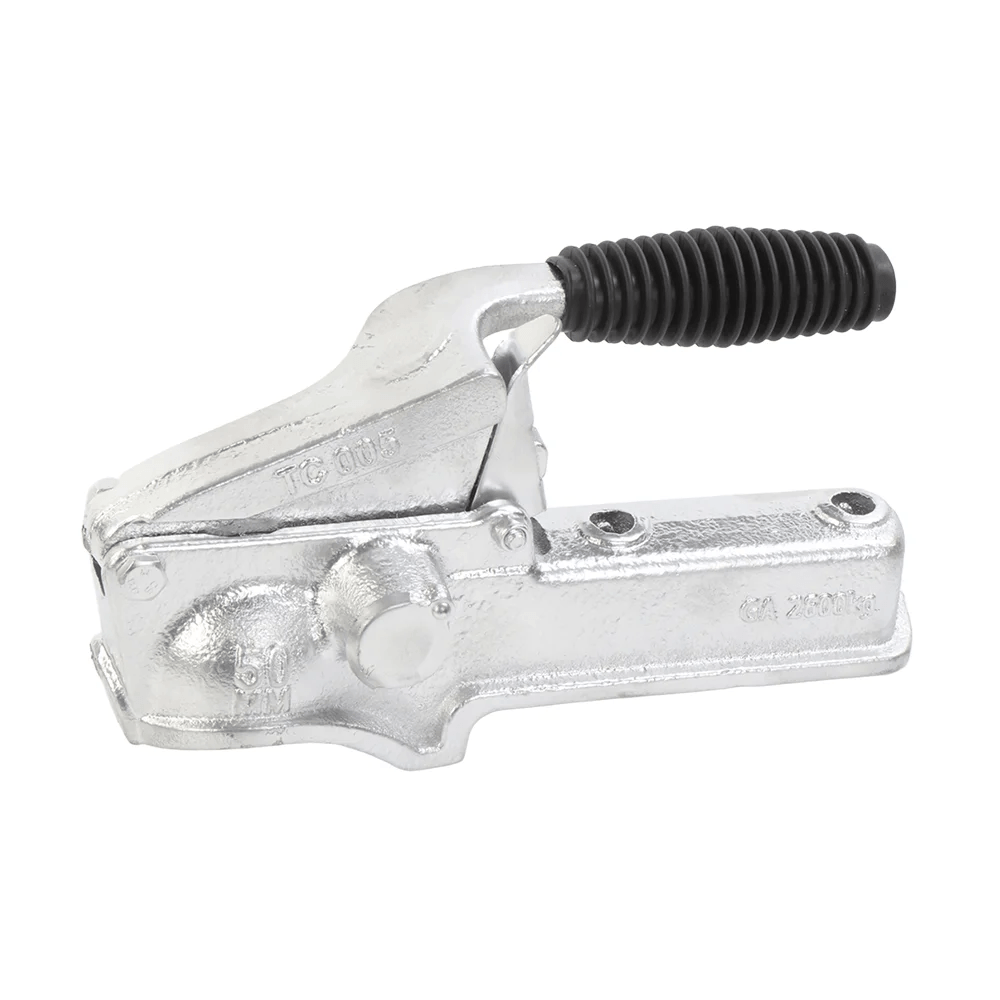
- Coupling and towing components
- Braking performance
- VIN plate or identification marking
- Electrical system safety
- Gas system installation requirements
- Weight rating and payload labeling
- DOT, CE, or AU-related adaptation
A caravan factory that can actually adjust its designs to fit the target market cuts down on technical risk substantially, and it tends to make product launches go a lot smoother in the long run.
Quality Control in Caravan Production
Keeping quality consistent matters a great deal here, since a single caravan brings together so many separate systems — metal structure, body panels, furniture, plumbing, wiring, windows, doors, and exterior fittings all have to come together properly.
Quality control steps worth taking seriously:
- Chassis welding inspection
- Surface treatment and anti-corrosion checks
- Body assembly accuracy inspection
- Water leakage testing
- Electrical system testing
- Brake and lighting inspection
- Interior furniture fitting checks
- Road simulation or towing stability review
- Final appearance and packaging inspection
A caravan built well should deliver steady towing performance, hold a tight seal against weather, keep furniture intact under regular use, run its electrical system safely, and generally hold up over the long haul.
Custom Caravan Development Capabilities
Custom manufacturing gives brands and operators room to build something genuinely different for their specific market — which matters a lot once climate, price point, road conditions, and buyer preferences all start pulling in different directions.
Typical customization scope covers:
- Caravan body size
- Chassis and axle system
- Off-road or on-road configuration
- Interior floor plan
- Furniture material and color
- Kitchen and bathroom setup
- Electrical and solar system
- Water tank capacity
- Exterior graphics and branding
- Packaging and documentation
- Certification adaptation
A factory worth working with should be able to support the whole process — from early concept through to actual production — turning a market idea into a caravan that's practical to build and sell.
Building a good caravan comes down to getting the engineering balanced, planning the interior thoughtfully, making the utility systems reliable, and keeping production tightly controlled. For companies developing caravan products, the things worth weighing most carefully are structural durability, towing safety, how flexible the customization really is, compliance support, and whether the manufacturing capability behind it all stays consistent. A factory with real production experience and genuine OEM flexibility tends to be the difference between a caravan that just looks good on paper and one that actually holds up across different travel, tourism, and mobile accommodation needs.
