

Home > Products Wholesale Trailer

Trailer Products

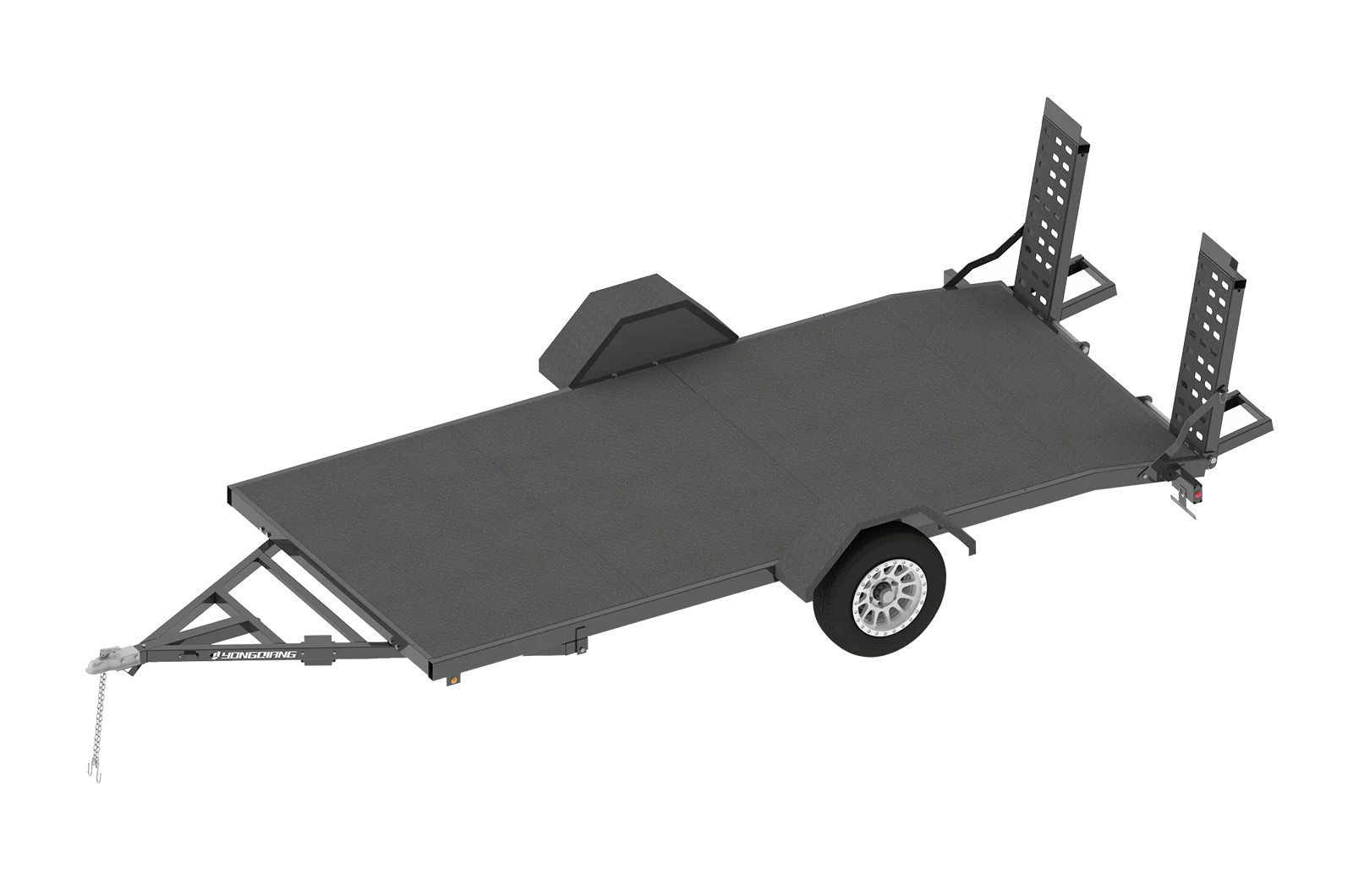
  • 4X4 Bolt On Trailer
    40 IN 48 IN
    Bed Width Bed Length
    1240 LBS 1090 LBS
    GVWR Load Capacity
    VIEW MORE
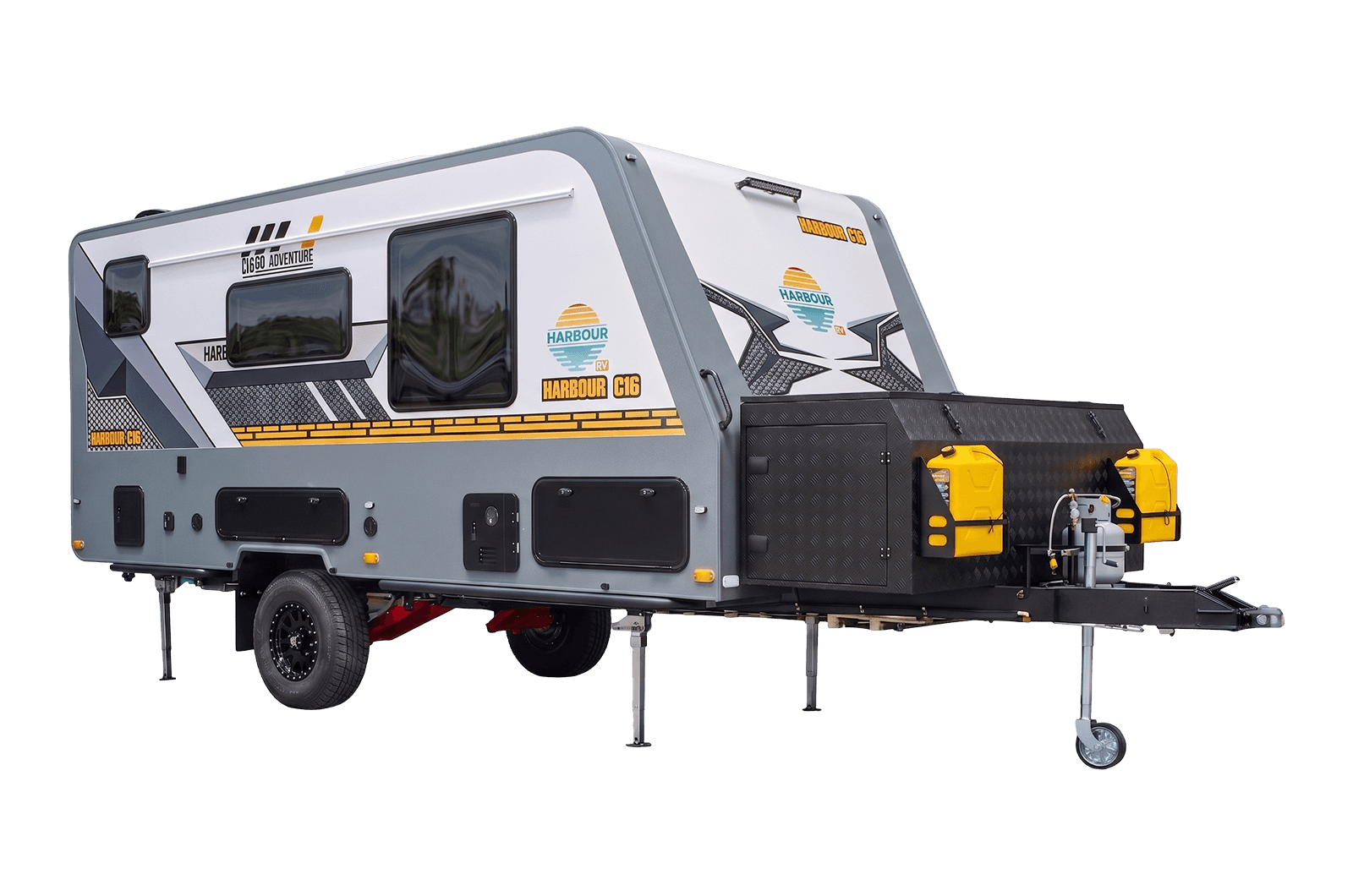
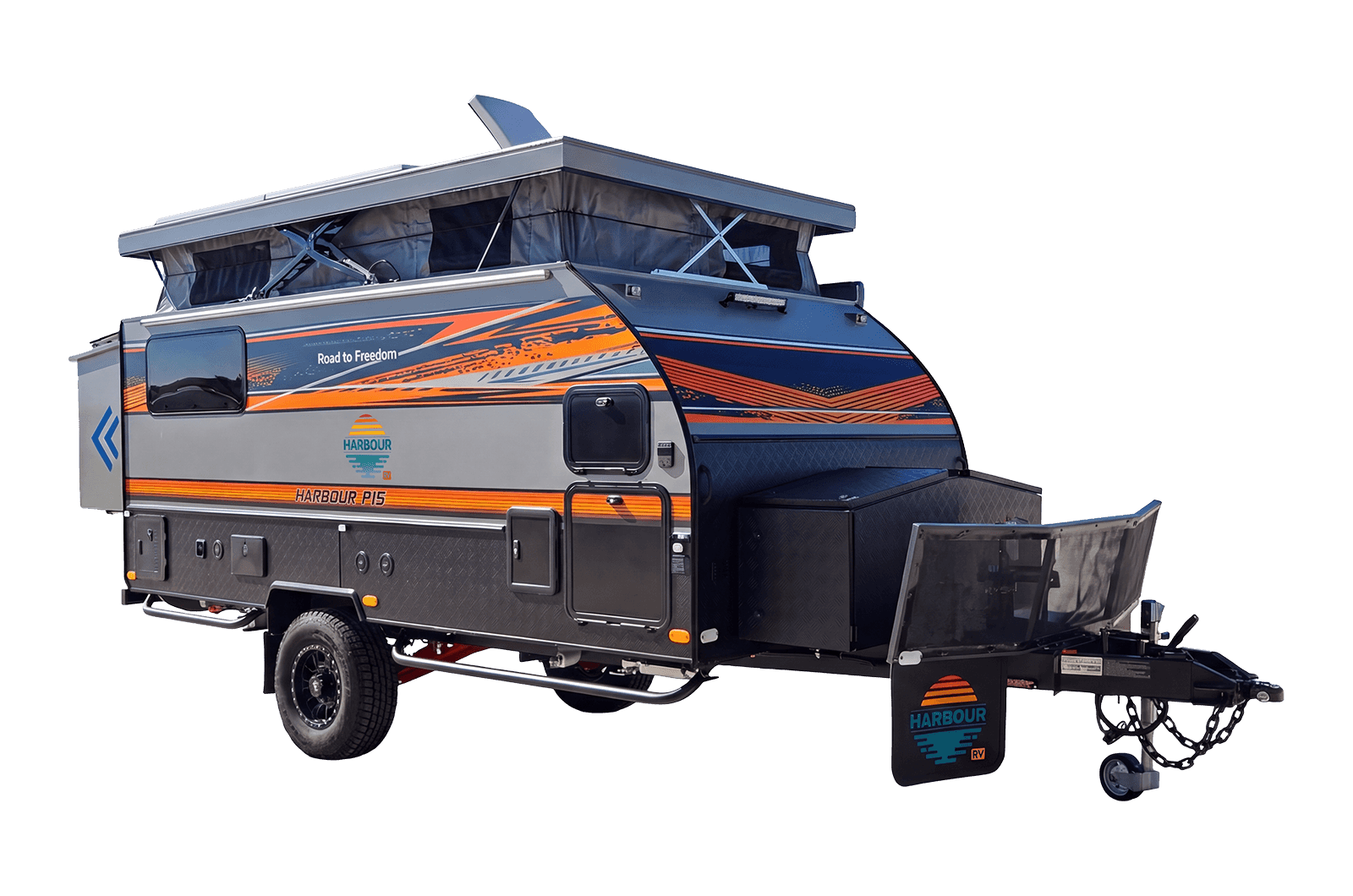
  • Off Road Caravan - Crest 16

    Venture beyond boundaries with our masterfully crafted off-road companion, where rugged capability meets refined comfort.

    VIEW MORE
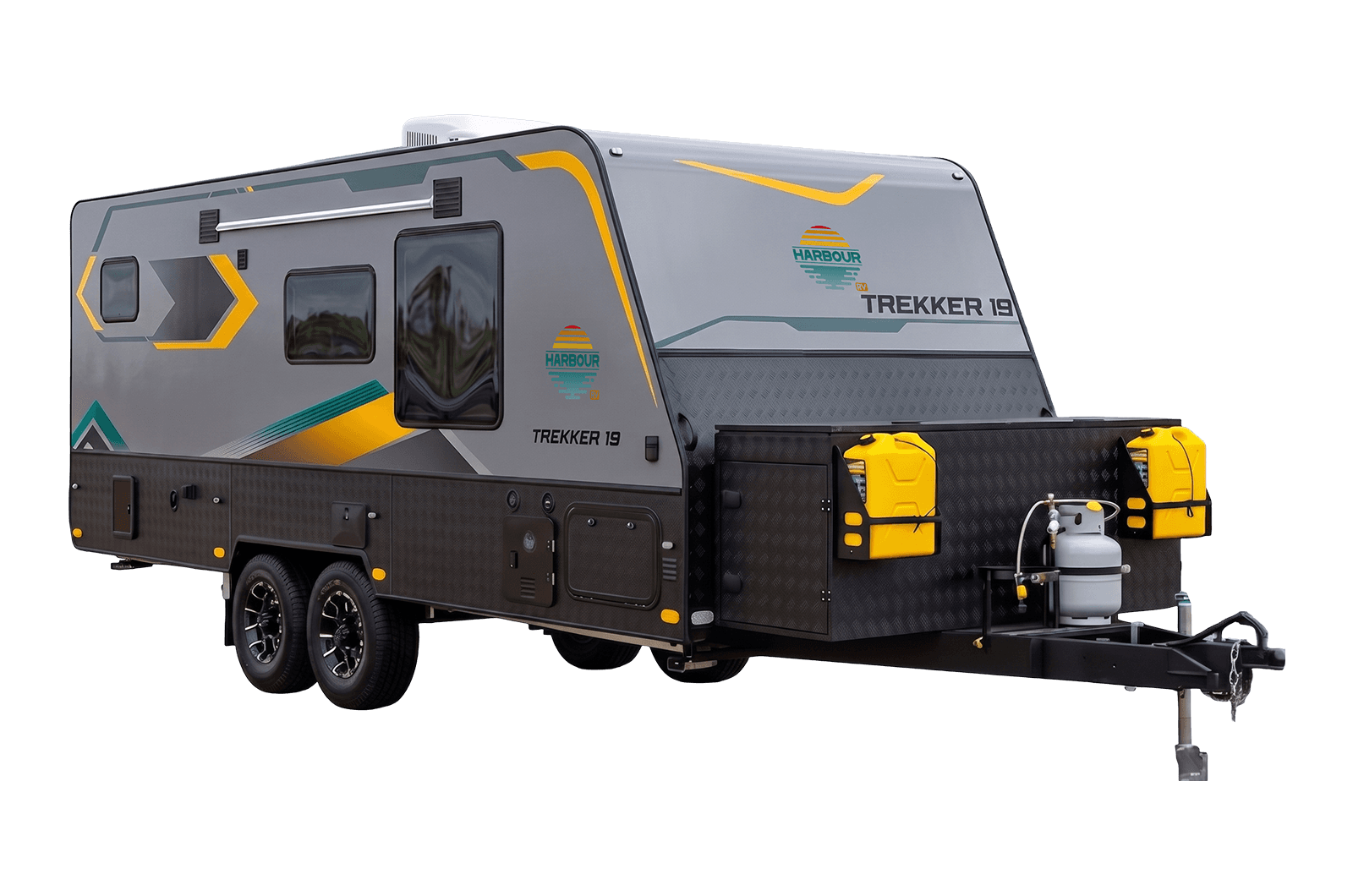
  • On Road Caravan - Trekker 19

    Venture beyond boundaries with our masterfully crafted off-road companion, where rugged capability meets refined comfort.

    VIEW MORE
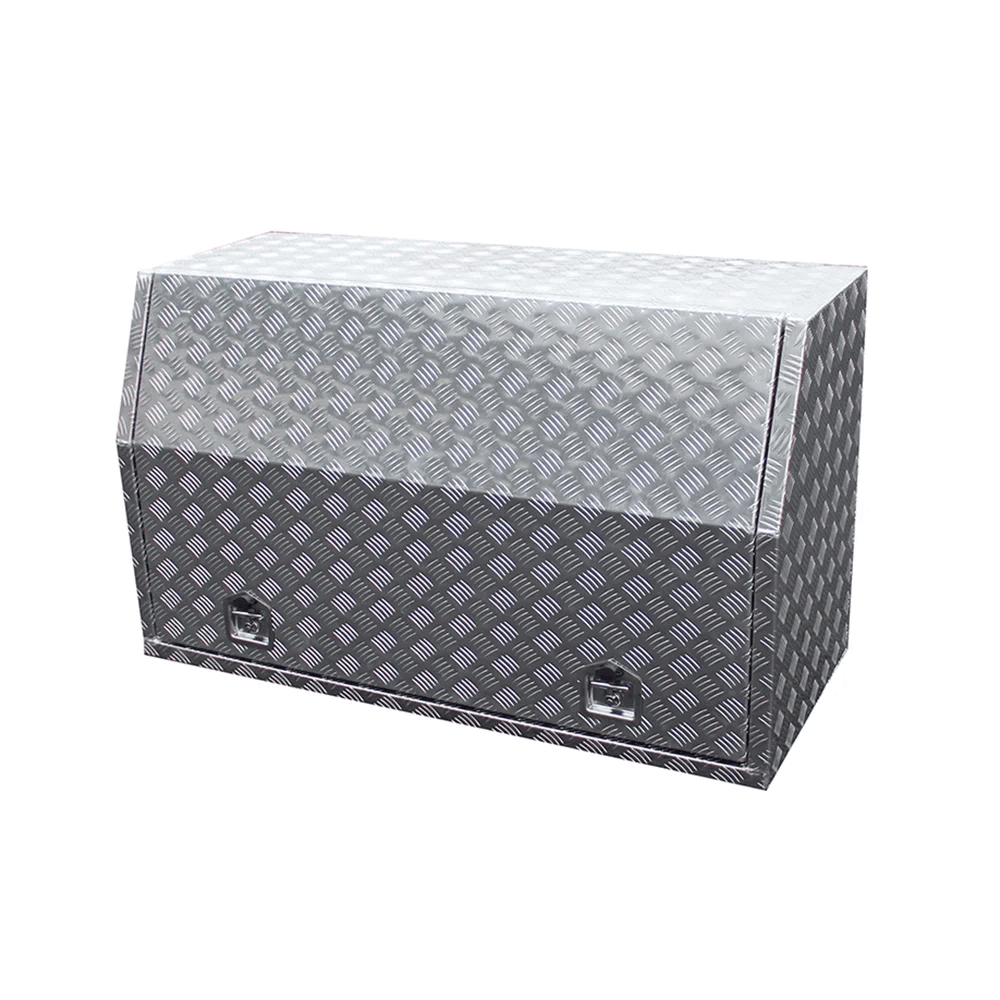
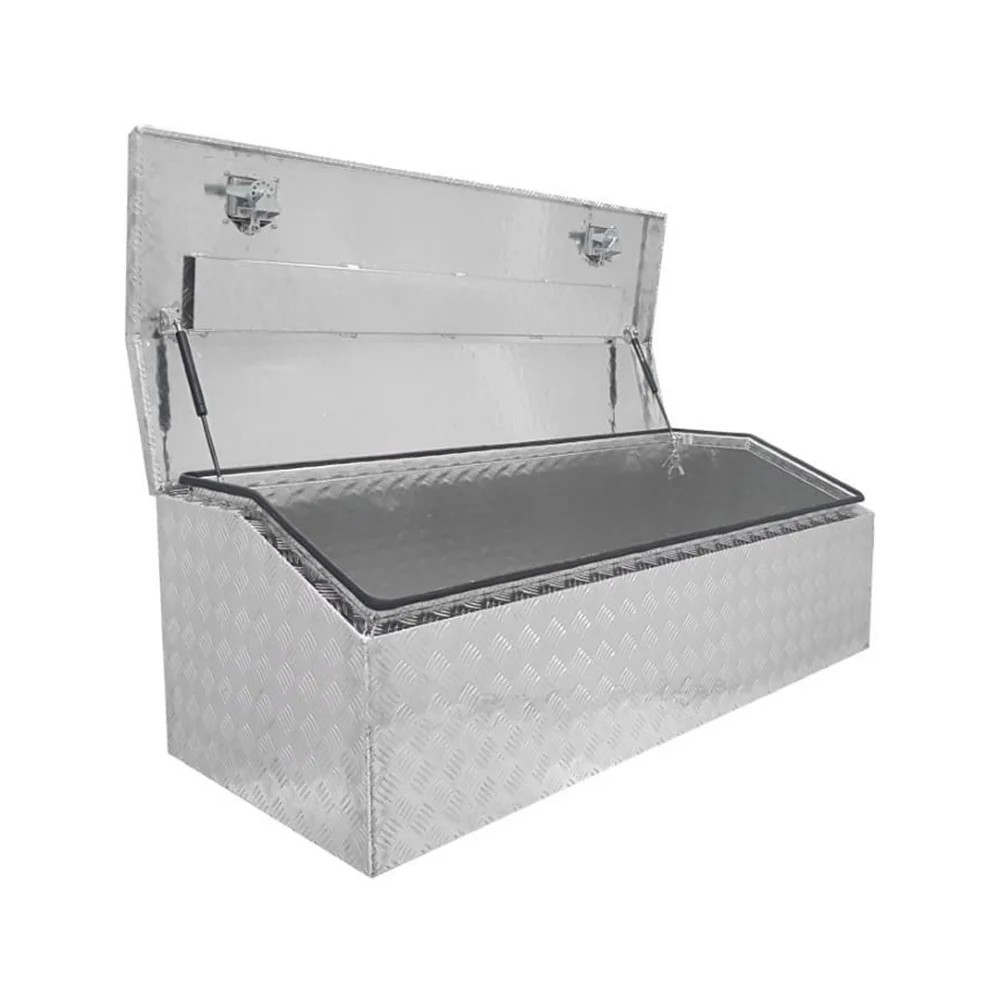
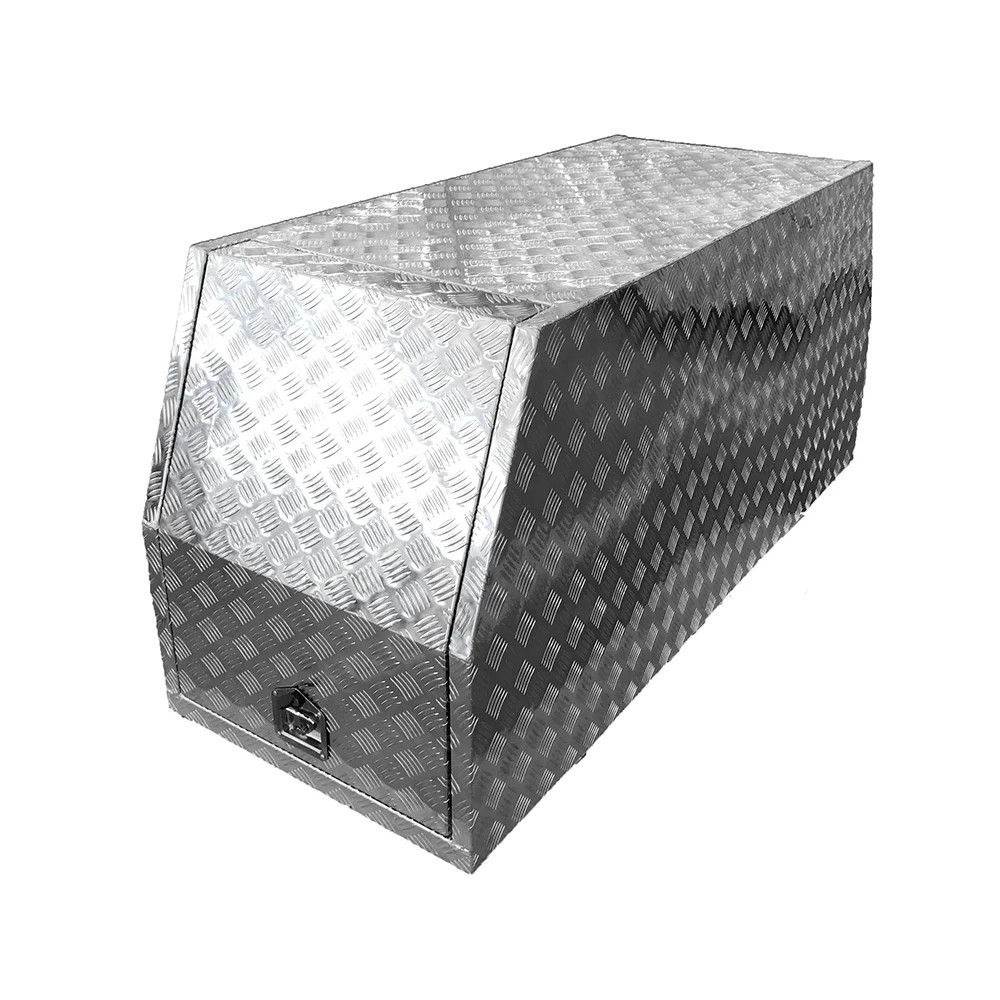
  • Heavy Duty Underbody Lockable Box YQTB-B

    The Heavy Duty Underbody Lockable Box YQTB-B is built from aluminum and mounts beneath trucks, trailers, utility vehicles, and other commercial transport equipment. Fitting underneath rather than taking up deck or cabin space, it gives tools, spare parts, and work equipment a dedicated spot to stay organized through daily operations.

    Aluminum checker plate makes up the body, striking a reasonable balance between strength, weight, and how long the box actually lasts out in the field. The reinforced lid, secure locking mechanism, and weather-resistant sealing hold up reasonably well across rough roads, active jobsites, and general outdoor exposure.

    Two standard sizes are currently available: 1400 × 600 × 500 mm and 1700 × 600 × 500 mm. Beyond these, adjustments can be made to fit particular chassis setups, mounting configurations, or storage needs specific to a given fleet or project.

    VIEW MORE
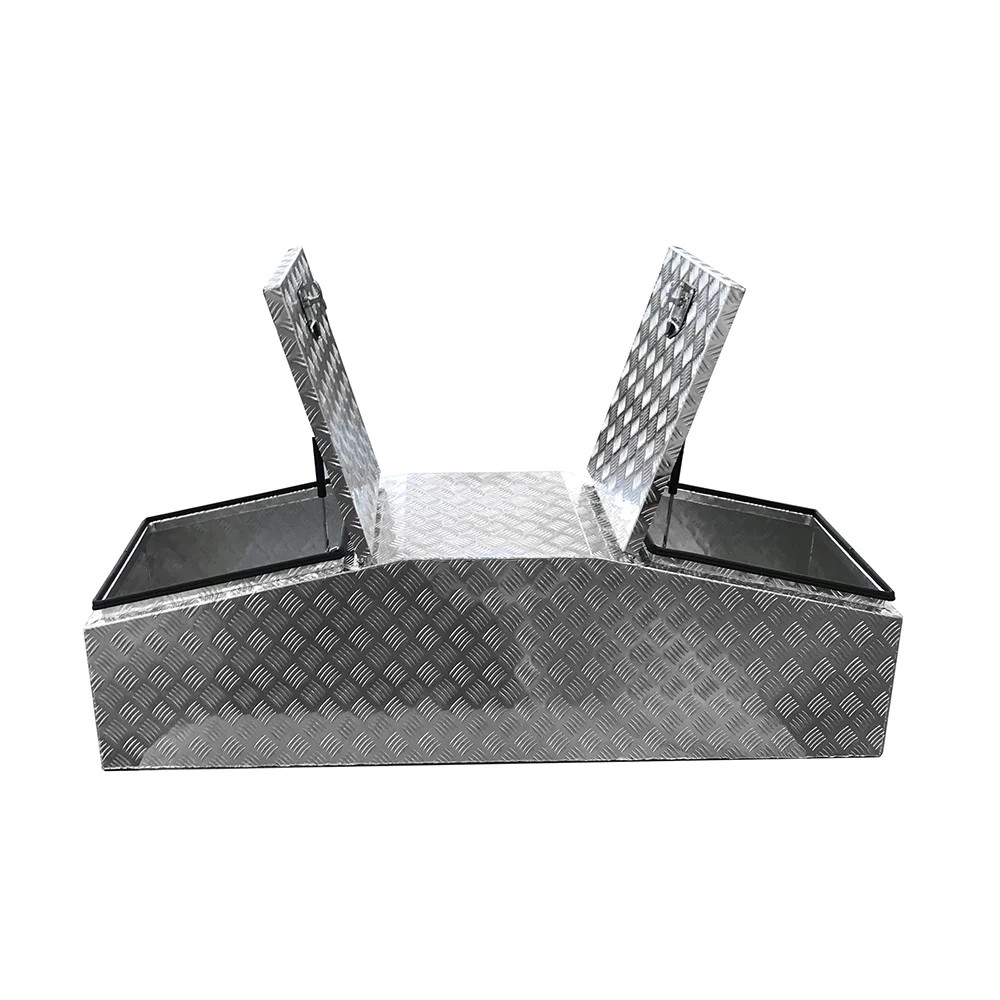
  • Weatherproof Truck Bed Tool Chest YQTB-C

    Built primarily from aluminum, the Weatherproof Truck Bed Tool Chest YQTB-C fits naturally onto pickup trucks, utility vehicles, logistics fleets, and agricultural or field equipment operating outdoors. Keeping tools dry and accessible is really the core function here, and the chest handles shifting weather conditions and rough roads without much trouble.

    Measuring 1770 × 550 × 500 mm, there's enough interior space to hold hand tools, power tools, spare parts, repair kits, and other equipment that needs somewhere secure to sit during transport. A lightweight aluminum checker plate makes up the body, keeping added weight on the vehicle to a minimum while still holding up against corrosion over years of regular outdoor use.

    VIEW MORE
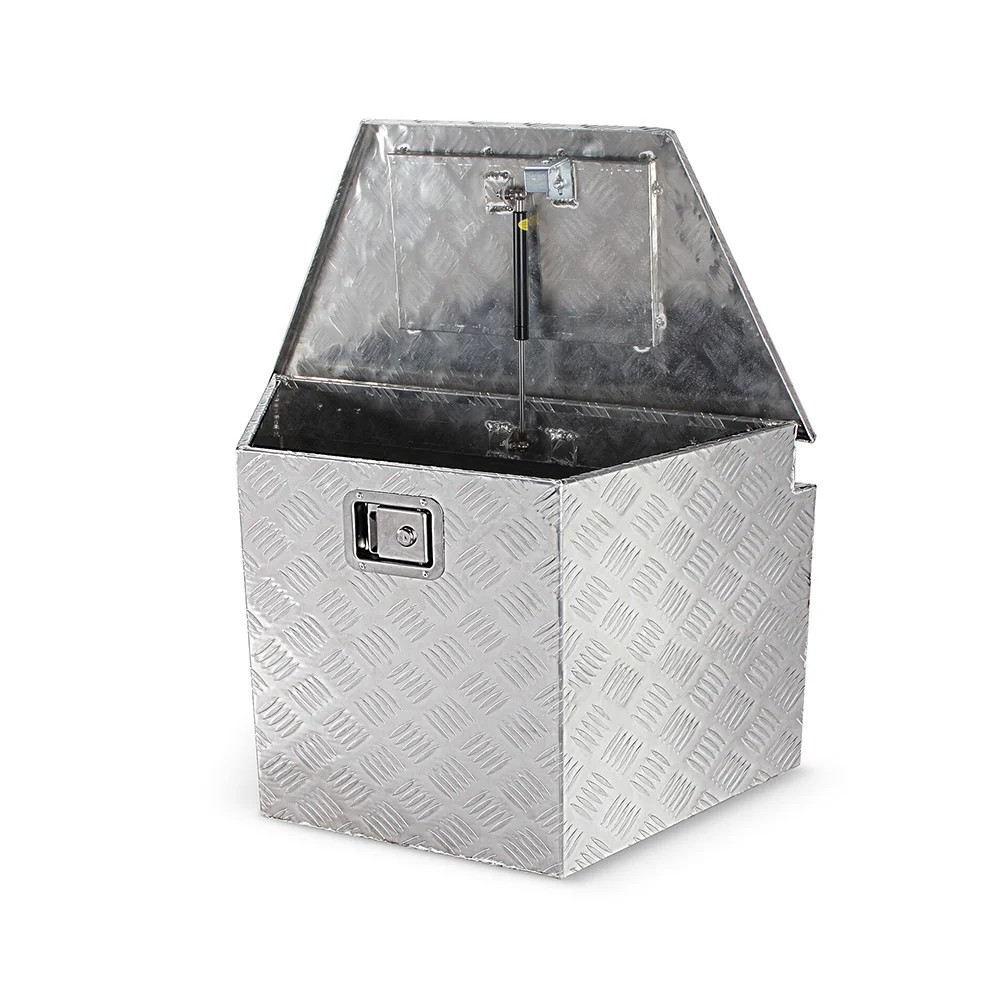
  • Industrial Side Mount Tool Storage YQTB-D

    Space runs tight on trucks, trailers, and the kind of commercial vehicles used for roadside maintenance or energy service work — yet tools still need a spot where they're easy to grab. That's the gap the Industrial Side Mount Tool Storage YQTB-D fills, sitting along the vehicle's side so spare parts and repair kits stay within reach without crowding out other storage.

    Measuring 860 × 460 × 460 mm, it works well anywhere a compact footprint matters as much as secure, quick-access storage. Built from aluminum checker plate, the body carries an industrial look and holds up under daily wear, weather exposure, and the rougher side of road conditions that side-mounted units typically face.

    VIEW MORE
  • Reinforced Pickup Cargo Toolbox YQTB-F

    Pickup trucks, commercial vehicles, trailers, and outdoor service rigs all face the same basic problem: tools and spare parts need somewhere secure to ride that won't shift around or get exposed to the elements. The Reinforced Pickup Cargo Toolbox YQTB-F handles that job directly, keeping maintenance gear organized and out of the way while the vehicle stays in motion.

    Three size options — 1200 × 600 × 820 mm, 1400 × 600 × 820 mm, and 1700 × 600 × 820 mm — cover most pickup bed dimensions, truck bodies, and trailer configurations without forcing a compromise on fit. The body itself is built from reinforced aluminum checker plate, a material choice that holds up against rust and daily wear while giving the box a clean, industrial look whether it ends up on a work truck or a personal vehicle.

    VIEW MORE
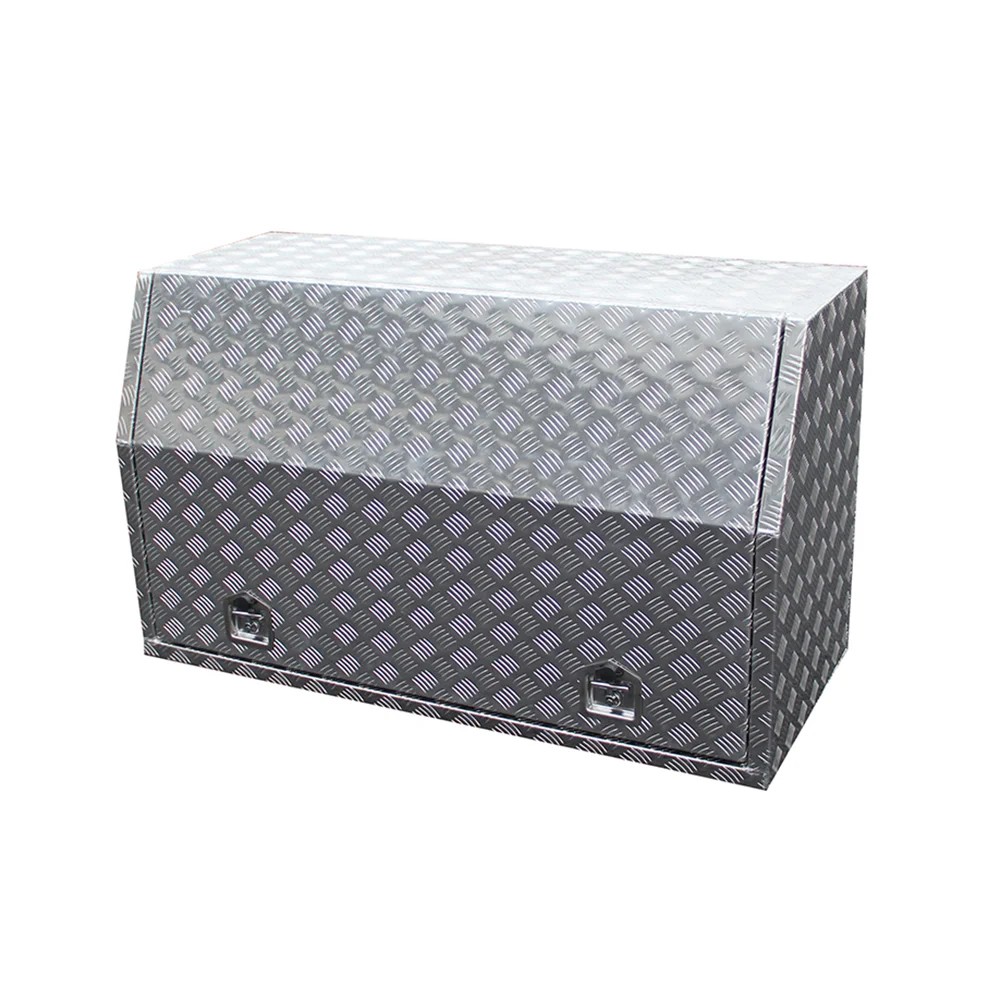
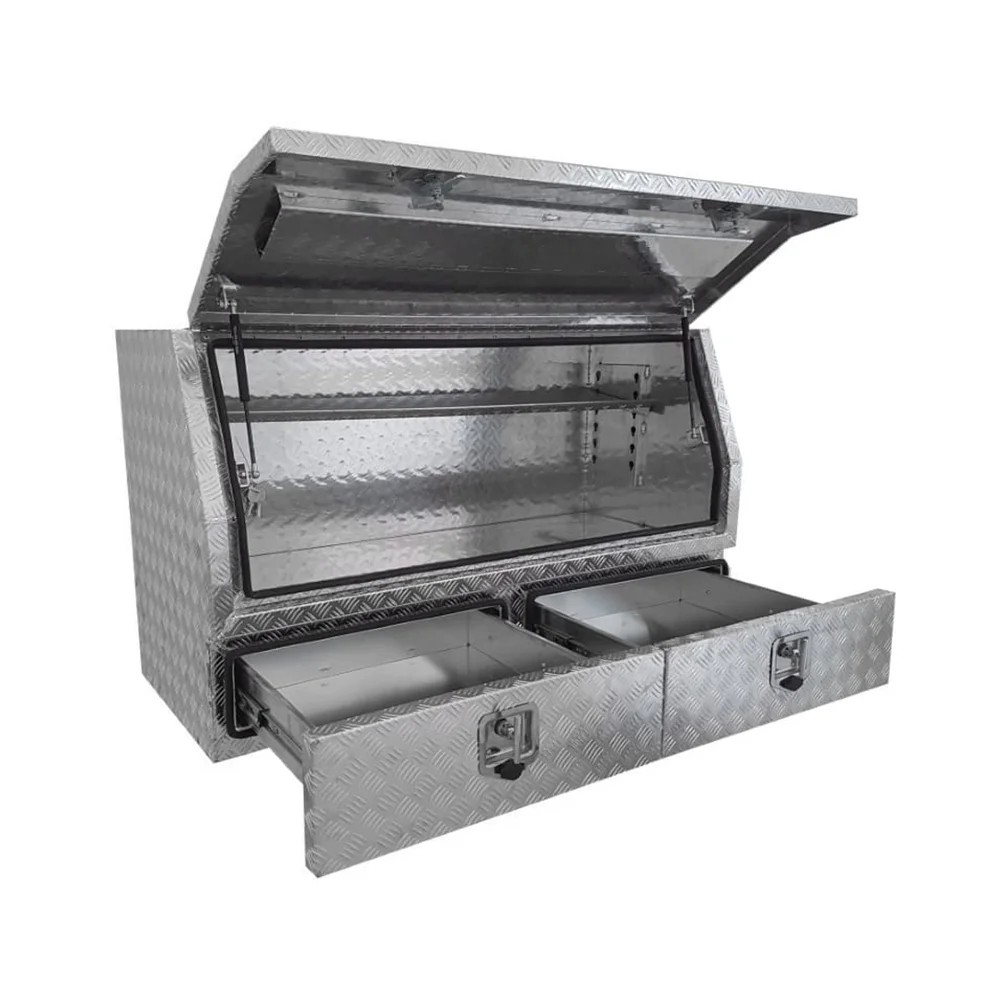
  • Full Access Undertray Tool Box YQTB-FD

    The Full Access Undertray Tool Box YQTB-FD takes a different approach to loading gear than a standard top-lid box. A full-opening top door combines with front storage drawers, so instead of digging through one deep compartment to find a smaller part, users can pull open a drawer at the front while heavier items stay accessible from above. This split-access layout suits trucks, trailers, emergency vehicles, engineering fleets, and commercial service vehicles that need to reach different tools at different times without unpacking everything first.

    Two sizes cover different mounting spaces and cargo needs: 1400 × 600 × 820 mm and 1700 × 600 × 820 mm. Both use the same aluminum checker plate construction found across the range, holding up against corrosion and weather exposure while keeping the overall weight manageable for undertray mounting on transportation, construction, utility, and fleet service vehicles.

    VIEW MORE
  • Capacity Utility Storage Box YQTB-GW

    The Capacity Utility Storage Box YQTB-GW fits situations where a standard toolbox runs out of room too fast. Built for commercial vehicles, utility trailers, service trucks, and industrial transport work, it measures 1780 × 700 × 850 mm — enough depth and width to hold oversized tools, maintenance gear, spare parts, and worksite supplies without cramming everything in sideways. Despite the larger footprint, the aluminum construction keeps the box light on its feet, so extra storage doesn't translate into extra strain on the vehicle it's mounted to.

    VIEW MORE
ABOUT YONGQIANG
JINHUA YONGQIANG VEHICLES FACTORY HAS BEEN AT THE FOREFRONT OF TRAILER DESIGN AND MANUFACTURE FOR OVER 20 YEARS.
With a factory production area exceeding l00,000 square meters and 200 highly skilled machinists and an array of experienced engineers and technicians you can be confident that you requirement can be consistently meet. As a professional a Heavy Duty Trailer Manufacturer, we manufacture an extensive range of vehicle trailers as standard,including braked and unbraked commercial and domestic trailers suitable for use in countries right across the globe, Our Trailer Products are supplied across America,Australia with annual quantity reaches 100,000 pcs in 2025.
VIEW MORE
Pay Attention to Our Latest News
  • Jinhua Yongqiang Vehicles Factory
    26-08-14
    Jinhua Yongqiang Vehicles Factory
    Industry News
    How Does a China Trailer Factory Ensure Better Production Management
    Trailer manufacturing is never really one job — it's dozens of smaller jobs stacked on top of each other, from material prep all the way through final inspection. Every one of those stages leans on the one before it, and any small hiccup in an early step tends to echo through everything downstream. For a china trailer factory , production management isn't just about physically building trailers. It's about organizing people, equipment, materials, and daily operations into something that actually holds together under real-world pressure. As global demand for different trailer types keeps expanding, manufacturers are paying a lot closer attention to how their production systems are actually run. Buyers have moved past just judging a trailer by how it looks — they want a real sense of how a factory handles its workflow, keeps quality consistent, and responds when requirements shift mid-project. A well-managed production process is exactly what lets a factory handle a wide range of projects without everything falling apart at the seams. It's what lets teams coordinate tasks, cut out unnecessary delays, and keep the whole manufacturing environment stable even when orders get complicated. What Challenges Do Trailer Factories Face During Production Management? Trailer manufacturing runs on a lot of moving parts that all have to sync up. A small delay in one corner of the operation has a way of rippling straight into the next stage without much warning. Factories generally have to manage: Material preparation Production scheduling Worker coordination Quality checks Order adjustments Packaging and delivery arrangements Every one of these areas needs real attention. Skip the organization, and problems start showing up fast — materials that don't arrive on schedule, teams that struggle to sync up on handoffs, customer changes that blow up a plan that was already in motion. A China trailer factory needs a genuinely clear production structure to handle situations like this. Good management is what lets workers actually understand their responsibilities and keeps every stage connected to the ones around it. The real goal was never just cranking out more volume. It's building a balanced process where every piece of production is actually working with the others instead of against them. How Does a China Trailer Factory Organize Daily Production Processes? Daily organization carries a lot of weight in manufacturing. A factory floor has dozens of activities running in parallel at any given moment, and workers need clear instructions plus schedules that actually make sense. A lot of trailer factories focus on tightening up their workflow through organized production planning — arranging materials before work even starts, prepping the work areas properly, and getting different teams genuinely coordinated with each other. That kind of structure cuts down on confusion in a real way. Workers know exactly what needs finishing and exactly when each task should move forward to the next stage. A typical production workflow tends to look something like this: Production Stage Main Activity Management Focus Material Preparation Organizing required materials Ensuring smooth production flow Component Assembly Combining trailer parts Maintaining task coordination Surface Processing Preparing product appearance Supporting consistent results Final Checking Reviewing completed trailers Identifying possible issues Packaging Preparation Arranging shipment process Protecting finished products Organization at this level lets factories respond a lot more easily when order requirements shift from one customer to the next. Why Is Production Planning Important for Trailer Manufacturing? Production planning is really what balances customer needs against whatever resources the factory actually has on hand. Skip the planning, and even a genuinely skilled production team ends up fighting problems that never needed to happen in the first place. Trailer orders vary a lot in practice. Some customers stick with standard designs, others need adjustments built around a specific application. A flexible production plan is what lets a factory absorb that variation without the whole operation losing its footing. Planning also just gets more out of the resources already on hand. Workers can prep materials and line up tasks before production even starts, which cuts down considerably on interruptions once the line is actually running. For a China trailer factory, effective planning builds a much smoother connection between what a customer actually asked for and what the factory floor is doing day to day. It also improves communication across departments in a very direct way. Once everyone's working off the same schedule, cooperation stops being something people have to force. How Do China Trailer Factories Manage Quality During Production? Quality management sits at the center of trailer manufacturing, and for good reason — a trailer has to perform reliably across all sorts of working environments, which demands real attention throughout the entire production run, not just at the very end. A lot of factories run inspections at multiple stages rather than saving all the scrutiny for the finished product. That approach catches problems noticeably earlier, before they've had a chance to compound into something bigger. Quality management tends to involve: Checking incoming materials before they enter production Reviewing individual production steps as they happen Inspecting assembled parts before moving forward Confirming final appearance against expectations Reviewing customer requirements against the finished unit Watching multiple stages this way gives factories genuinely more stable production results overall. Quality management ties directly into customer trust, too. Buyers want real confidence that a factory can deliver products matching what they were promised, and a clear, visible production process is exactly what builds that confidence over time. Can Technology Improve Production Management in Trailer Factories? Technology has reshaped a lot of manufacturing, and trailer production is no exception. Digital tools and modern management methods genuinely support better organization on the floor. Factories often lean on technology to sharpen communication, track production progress in real time, and manage information a lot more efficiently than manual methods ever allowed. None of this is about replacing workers. Skilled labor stays absolutely central to manufacturing — technology just gives teams extra support in organizing the tasks already in front of them. Production teams, for instance, might use digital systems to manage schedules and push updates across departments instantly. That keeps everyone connected without relying purely on verbal handoffs that can get lost along the way. When information actually flows smoothly, decisions get made with a lot more clarity. That's exactly what lets a factory respond faster the moment production conditions shift. What Role Do Skilled Workers Play in Factory Management? Even with organized systems running in the background, people still sit at the center of production. Trailer manufacturing genuinely demands experience, sharp attention, and practical knowledge that no system can fully replace. Skilled workers understand how materials actually behave, how parts should go together, and — critically — how to handle the unexpected situations that inevitably come up on any real production floor. A trailer factory typically puts real effort into worker skill-building through training and accumulated daily experience. When employees genuinely understand their roles, production settles into something far more stable. Good management tends to combine several elements at once: Management Element Contribution to Production Worker Training Improves task understanding Team Communication Supports smoother cooperation Experience Sharing Helps solve practical problems Safety Awareness Creates better working conditions The relationship between workers and the management systems around them shapes the entire production environment, for better or worse. How Does a China Trailer Factory Handle Customized Orders? Customization has become a genuinely central part of trailer manufacturing. Different industries need trailers built for very different purposes, and that variety demands production methods flexible enough to keep up. A factory that's genuinely well-managed can adjust its workflow around whatever a customer actually needs, rather than forcing every order into the same rigid mold. Customization leans heavily on communication between customers and the factory team. Every detail needs to be nailed down clearly before production even begins. A well-organized factory tends to manage customization through: Clear requirement discussions upfront Organized design preparation before production starts Flexible production arrangements that can absorb changes Careful final checks against the original request That approach lets manufacturers juggle different projects side by side while still holding onto production efficiency. Customization doesn't just test raw manufacturing capability, either. It tests communication and management skill just as much, if not more. Could Better Production Management Improve Customer Experience? Customer experience ties directly into how a factory actually operates behind the scenes. Buyers are weighing more than just the finished product — they're also judging communication, delivery coordination, and how well problems get handled when they inevitably come up. A factory running organized production management can offer noticeably clearer updates throughout the manufacturing process. Better management tends to show up as: More predictable production progress Faster response times to buyer questions Smoother coordination across orders Better handling of last-minute changes For international buyers especially, this kind of communication matters a lot. They need real confidence that their order is being managed properly, even from thousands of miles away with no direct line of sight into the factory floor. Production management essentially becomes the bridge connecting the factory to the customer on the other end of that distance. How Do China Trailer Factories Prepare for Changing Market Needs? The trailer industry keeps shifting. Customer expectations, application requirements, and broader market conditions all shape how a factory ends up operating over time. A genuinely flexible production system is what lets manufacturers respond to that shifting ground. Instead of locking into one fixed approach, factories can adjust their methods as new situations actually demand it. That might mean tightening up workflow organization, updating management methods, or building out stronger communication systems across the board. The ability to adapt has become a genuinely important part of modern manufacturing. A yongqiang trailer factory that keeps its focus on production management ends up building a far more stable foundation for whatever comes next. Effective management was never built through one single decisive action. It comes from continuous improvement across planning, communication, quality control, and teamwork — and those elements working together are exactly what support a more organized trailer manufacturing process, order after order.
  • Jinhua Yongqiang Vehicles Factory
    26-08-07
    Jinhua Yongqiang Vehicles Factory
    Industry News
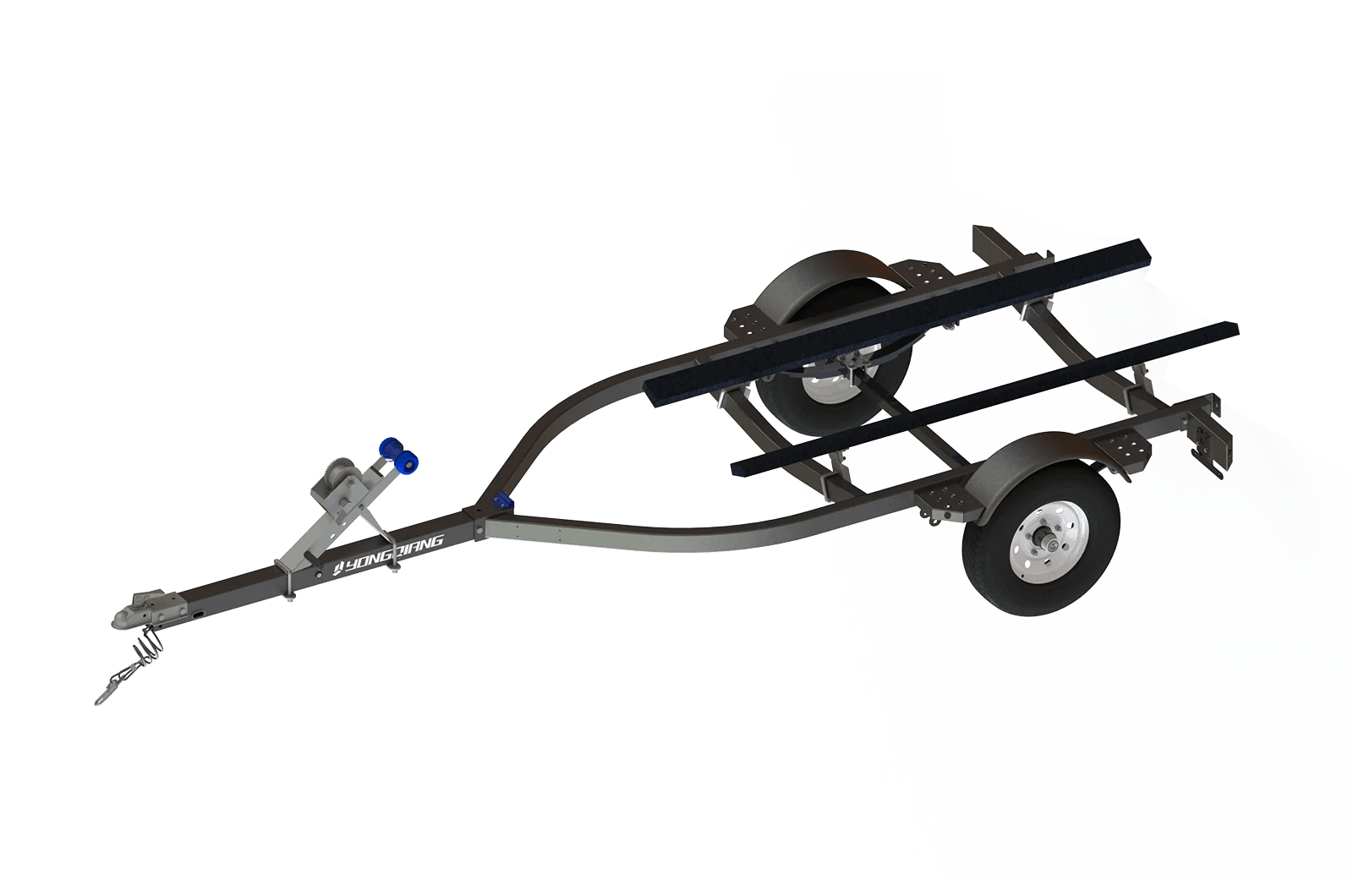
    Can a Jetski Trailer Kit Help Protect Your Watercraft
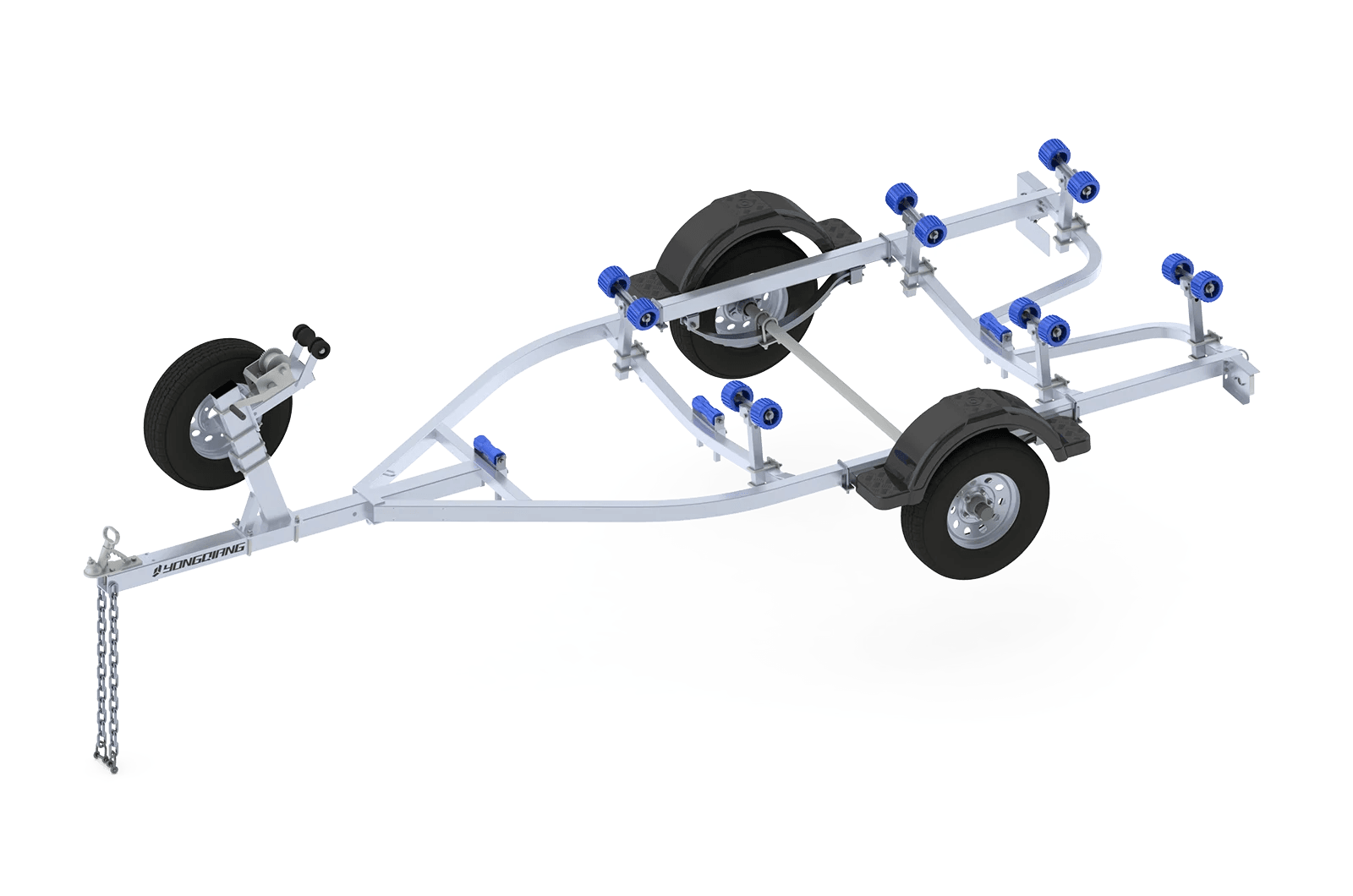
    For many jet ski owners, the fun begins when the watercraft reaches the lake, river, or coastline. However, getting there safely is another part of the ownership experience. Before every ride, there is a process that includes transportation, loading, securing, and preparation. During these steps, the condition of the watercraft can be affected by how it is handled. A jet ski is built for performance on water, but moving it on land creates different challenges. Road vibration, uneven surfaces, and repeated loading activities can place pressure on different areas. This is why more owners are paying attention to transportation equipment. A Jet Ski Trailer Kit is not only a tool for moving a watercraft. It can also provide support during transportation and help create a more controlled handling process. Why Does Transportation Matter for Watercraft Protection? Many people think protection mainly comes from cleaning, covering, and storing a jet ski properly. These habits are important, but transportation is another area that deserves attention. A watercraft may spend only a short time on the road compared with the time it spends on the water. However, this short period involves movement, vibration, and physical handling. Every trip creates a new situation. The trailer moves across different road conditions. The watercraft needs to remain stable. Connections and support points need to work together. Without proper support, unnecessary movement may happen during travel. Repeated movement can gradually affect the condition of the equipment. A suitable Jet Ski Trailer Kit creates a more organized transportation environment. It allows the watercraft to sit in a more stable position instead of relying on temporary arrangements. How Can a Jetski Trailer Kit Support a More Stable Transport Process? The main purpose of a trailer kit is simple: moving a watercraft from one place to another. Yet the way it performs this task can influence the condition of the equipment. A properly matched kit supports the watercraft during travel. It reduces excessive shifting and provides a more balanced connection between the trailer and the jet ski. During transportation, stability matters because sudden movement can create unnecessary pressure. A smoother setup allows the watercraft to travel with fewer interruptions. A stable trailer arrangement can help with: Transportation Factor Possible Effect Balanced support More controlled movement Secure positioning Reduced shifting during travel Proper loading method Easier handling process Regular inspection Earlier identification of problems These factors work together. Protection does not come from one single part. It comes from the overall transportation process. Can Poor Trailer Setup Affect Watercraft Condition? Trailers look pretty straightforward from the outside, but the setup details matter more than most people assume — and getting them slightly wrong can lead to very different outcomes down the line. Here's the thing: when a watercraft isn't sitting the way it should on the trailer, certain spots end up taking more pressure than they're built for. On a quick trip to the lake, you probably won't notice anything off. But do that same drive fifty times, and that repeated stress starts showing up in ways that are harder to ignore. A few things tend to come up a lot when trailer setup isn't quite right: The boat shifts around more than it should while you're driving Loading feels unstable, like something's not sitting where it needs to Getting everything adjusted before a trip takes way longer than it should There's just more fussing and handling involved in prep than there needs to be None of these are dramatic on their own — that's kind of the problem. They're easy to shrug off individually. But stack enough of these small issues over months or years, and they start chipping away at the equipment's condition in ways that are hard to trace back to any one cause. That's really the reason a lot of experienced owners put real thought into trailer choice early on, instead of dealing with the consequences later. What Makes a Jet Ski Trailer Kit Useful for Daily Use? Convenience and protection often go together. A trailer kit that is easier to use can also reduce unnecessary handling. For example, when loading becomes complicated, owners may need to reposition the watercraft several times. Each adjustment creates additional contact and movement. A practical trailer setup makes the process more predictable. Daily use may involve: Preparing the trailer before arrival Moving the watercraft into position Checking that the connection is secure Transporting the unit to the destination A simple routine reduces confusion. It also lowers the chance of mistakes during busy moments. For owners who frequently travel with their jet ski, these details become increasingly important. How Does Loading Behavior Influence Protection? Loading is one of the most important moments in transportation. It is also one of the moments when direct handling happens most often. A smooth loading process reduces unnecessary movement. A difficult process may require extra effort, repeated adjustments, or additional contact. A suitable Jet Ski Trailer Kit can make positioning easier. It provides a clearer structure for placing the watercraft correctly. Good loading habits include: Checking the trailer before use Keeping the watercraft aligned during movement Avoiding sudden adjustments Confirming stability before driving These habits may seem simple, but they affect how the watercraft is treated during every trip. Does a Trailer Kit Help During Long-Term Ownership? Watercraft ownership is a long-term activity. The condition of the equipment depends on many repeated actions. Transportation is one of those repeated actions. A trailer kit that matches the watercraft allows owners to develop consistent habits. Instead of finding different ways to move the jet ski each time, they can follow a familiar process. Consistency can reduce unnecessary handling and make preparation easier. Long-term care often comes from small decisions: Choosing suitable transportation equipment Checking the condition before use Following a stable loading routine Keeping equipment maintained These actions may not seem significant individually. Together, they shape the ownership experience. Why Is Trailer Maintenance Connected With Watercraft Safety? It's easy to focus all the attention on the jet ski itself and forget the trailer's doing just as much work — but a trailer that's been neglected can quietly stop offering the protection it's supposed to. Think about what a trailer actually deals with day to day. It sits outside, gets rained on, picks up road grime, and takes a beating every time it's hooked up and hauled somewhere. All of that adds up over time, even if nothing looks obviously wrong at first glance. That's really why regular checks matter — they're how owners actually know what kind of shape their trailer's in, rather than just assuming it's fine because it hasn't broken yet. A few habits tend to make the biggest difference: Hosing things down and cleaning up after trips, especially if there's been any exposure to salt or mud Giving the connection points a look every so often, since that's where problems tend to start Keeping an eye out for early signs of wear before they turn into something worse Making sure moving parts — rollers, winches, that sort of thing — are still working smoothly When a trailer's actually being looked after, it ends up creating a much better setup for whatever it's carrying. And that relationship really does run in both directions — take care of the trailer, and you're indirectly taking care of the jet ski riding on it too. Can the Right Trailer Kit Make Storage Easier? Transportation and storage are often connected. Many owners move their jet ski directly from a storage area to the water. A suitable trailer kit can simplify this process. It provides a consistent way to move the watercraft without repeated adjustments. When storage and transportation are planned together, handling becomes easier. A stable trailer setup may also make it more convenient to: Prepare the watercraft before trips Move it between locations Organize storage areas Complete regular inspections Small improvements in convenience often encourage better care habits. What Should Owners Consider Before Choosing a Jet Ski Trailer Kit? Different watercraft owners have different needs. The right choice depends on how the equipment will be used. Some owners travel frequently. Others only transport their jet ski occasionally. Some focus on easy storage, while others care more about flexible transportation. Before choosing a kit, owners may consider: Consideration Reason Watercraft size and style Supports suitable matching Transportation frequency Influences usage needs Storage environment Affects daily convenience Handling preference Determines operation comfort A trailer kit should fit the owner's actual situation rather than simply follow general expectations. How Are Jet Ski Trailer Kits Changing With User Needs? As more people participate in outdoor water activities, expectations around transportation equipment are changing. Owners are looking for solutions that are easier to manage and more suitable for different situations. Convenience has become just as important as basic movement. Modern trailer solutions are moving toward flexible designs, easier operation, and better adaptation to different watercraft styles. The focus is shifting from simply carrying a jet ski to creating a smoother experience from storage to launch.
  • Jinhua Yongqiang Vehicles Factory
    26-07-31
    Jinhua Yongqiang Vehicles Factory
    Industry News
    What Should Buyers Know About Utility Trailer Inclosed Applications
    Today's industries are constantly upgrading their transport methods. All types of businesses are hunting for simple, effective ways to haul tools, machinery and job materials while keeping goods safe and neatly arranged during transit. This is why enclosed utility trailers have grown so popular — they offer ample transport space while fully shielding cargo from external interference. Unlike open-style trailers that leave items exposed, enclosed models feature a fully covered body that delivers all-round protection. This unique advantage makes them ideal for commercial deliveries, on-site industrial work and various outdoor projects. Whether you're moving work gear or running mobile on-site services, these enclosed trailers fit perfectly into daily transport workflows. The rising demand for utility trailer inclosed boils down to flexible usability. Different scenarios call for different transport solutions, and the enclosed design adapts to diverse daily hauling needs far better than traditional open trailers. Why Enclosed Utility Trailers Are Gaining Traction Across Industries? Modern transport work is no longer just about moving goods from point A to point B. Companies now prioritize on-site tidiness, cargo safety and overall work efficiency in every hauling task. Most businesses handle high-value tools, precision equipment and bulk work materials on a daily basis. Transporting these items in open trailers comes with obvious risks. Sudden rain, wind, dust or temporary outdoor storage can easily damage, dirty or disorganize valuable cargo. Enclosed utility trailers solve these pain points perfectly. Their fully enclosed space simplifies daily transport work, supports frequent material hauling for enterprises, and doubles as a convenient temporary storage unit anytime, anywhere. Transportation Need How Enclosed Utility Trailers Can Help Cargo protection Provides a covered space for tools, materials, and equipment Equipment organization Helps keep items arranged during transportation Outdoor operation support Offers additional protection in changing environments Business mobility Creates a flexible solution for moving work-related items What makes enclosed trailers stand out is their strong versatility. They are not limited to a single industry or fixed scenario, and can be flexibly adjusted to meet all kinds of daily transport demands. Practical Value of Enclosed Trailers for Commercial Scenarios Stable and reliable transport is the basic guarantee for daily commercial operations. Service teams, project contractors and mobile staff often need to shuttle tools, supplies and professional equipment between different job sites. For commercial users, an enclosed utility trailer is more than a transport tool — it acts as a portable mobile workstation. It keeps all commonly used items organized and within easy reach, eliminating the trouble of repeated loading and unloading of scattered storage boxes. Common commercial usage scenarios cover a wide range of daily business operations: Mobile on-site repair and maintenance services Professional equipment transportation and handover On-site material support for exhibitions and outdoor events Daily distribution and short-distance delivery work Regular hauling of corporate office and operational supplies Beyond functionality, the neat and unified enclosed structure also helps shape a professional corporate image. Arriving at client sites with well-organized equipment leaves a more reliable and formal impression. For businesses that operate across multiple regions, this all-in-one solution of mobile storage and transport greatly improves operational flexibility. How Enclosed Utility Trailers Empower Industrial Transport? Industrial operation sites involve frequent turnover of production tools, auxiliary materials and professional mechanical equipment. These cross-area hauling tasks require standardized and orderly management to avoid affecting overall production progress. Enclosed utility trailers provide independent, controllable storage space for industrial scenarios. On-site workers can classify and place tools and materials in order, making cross-zone transportation and temporary equipment storage much more convenient. Industry Area Common Transportation Uses Manufacturing support Moving tools and production-related items Maintenance services Carrying repair equipment and supplies Construction activities Transporting job site materials and tools Warehouse operations Supporting movement between locations Orderly management is crucial for industrial sites. A well-arranged enclosed trailer saves workers plenty of time spent searching for tools and sorting materials, effectively improving overall work efficiency. In addition, when equipment needs to be parked and stored at temporary job sites, the fully enclosed structure can prevent dust and moisture, providing reliable temporary storage protection. Benefits of Enclosed Trailers for Outdoor Users All kinds of outdoor activities require carrying a large number of gear and supplies, including camping equipment, sports gear, gardening tools and recreational items. Traditional open transport methods leave these items fully exposed to the elements, prone to getting wet, dusty or damaged. Enclosed utility trailers perfectly solve this problem with their fully covered design. They keep outdoor gear intact, tidy and well-protected throughout transport and temporary storage. Typical outdoor application scenarios include: Family camping and outdoor travel gear storage and transportation Equipment support for outdoor events and gatherings Tool hauling for courtyard renovation and gardening projects Storage and movement of personal hobby equipment Short-distance transport of professional outdoor operation gear For individual users, the biggest advantage is convenience. All kinds of scattered items can be stored in categories inside the trailer, simplifying pre-activity preparation and post-activity finishing work. Meanwhile, outdoor practitioners such as landscapers and event staff can also rely on enclosed trailers to realize mobile operation, greatly improving the convenience of cross-site work. Key Features to Evaluate When Buying an Enclosed Utility Trailer Choosing a suitable enclosed trailer must be based on actual usage scenarios. Different users and industries have distinct demands for load capacity, space layout and functionality, so targeted evaluation is essential before purchase. Cargo type and hauling frequency The goods you transport determine the required trailer space, internal layout and load standard. Buyers need to clarify the main types of cargo, daily hauling frequency, whether classified storage is needed, and whether there will be changes or upgrades in future transport demands to avoid insufficient space or wasted load capacity. Actual usage environment Usage scenarios vary greatly. Some users mainly drive on urban paved roads, while others work in complex outdoor environments or industrial sites with heavy dust and variable weather. Confirming the operating environment helps select the right trailer material, surface treatment and structural design for better durability. Internal storage and organization performance An enclosed trailer is both a transport tool and a mobile storage room. A reasonable internal layout, reserved installation space for shelves, and accessible storage design can greatly improve daily item management efficiency and keep all gear in order. Professional supplier matching capability Reliable Utility Trailer Supplier can recommend targeted models according to actual needs, and support personalized layout customization. Smooth communication about usage scenarios and functional demands ensures the final trailer fully matches daily work requirements. How Enclosed Trailers Optimize Modern Mobile Business Operations? More and more modern businesses are moving away from fixed-location operations and turning to flexible mobile service modes. On-site service teams need to carry complete tools and supplies to customer sites at any time. Enclosed utility trailers serve as efficient mobile operation carriers for this trend. They concentrate all required tools and materials in one independent space, allowing businesses to carry complete service resources to job sites without repeated preparation. This optimized mode cuts down pre-work preparation time significantly, letting employees focus more on core service and operation work. Main mobile business application scenarios include: On-site service and maintenance Maintenance and after-sales teams can store all professional tools and spare parts in the trailer for one-stop transport, supporting efficient on-site service. Event and activity support Event companies can use enclosed trailers to transport exhibition supplies, layout materials and activity equipment, realizing flexible deployment of temporary venues. Small business mobile operation Individual businesses and small teams rely on enclosed trailers to support daily operational transport, reducing fixed site costs and improving overall business flexibility. The dual advantages of integrated transport and storage create more flexible and efficient operation modes for modern mobile businesses. Future Development Trends of Enclosed Utility Trailers Market transport demands are constantly iterating. Users no longer only pursue basic hauling functions, but pay more attention to operational convenience, storage orderliness and scenario adaptability. The upgrading of enclosed utility trailers is mainly driven by four core market demands: more flexible scenario adaptation, more standardized cargo organization, better mobile work support, and simpler daily equipment management. All industries are constantly optimizing refined operational management. Enclosed utility trailers perfectly connect mobile transportation, on-site storage and flexible work needs, solving many pain points in traditional hauling modes. As commercial services, industrial production and outdoor operations continue to develop in a flexible and diversified direction, enclosed utility trailers will remain a practical and reliable transport solution for various mobile operation scenarios.
  • Jinhua Yongqiang Vehicles Factory
    26-07-24
    Jinhua Yongqiang Vehicles Factory
    Industry News
    How to Select Reliable China Utility Trailer for Different Transportation Applications
    Lots of businesses and private users need flexible hauling gear these days. Farms, construction crews, landscaping teams and outdoor hobbyists all move tools, gear and materials constantly, and their working conditions shift a lot. Utility trailers fill this gap perfectly for light to medium transport work. Trailers built in China have grown popular with overseas buyers. Factories roll out all kinds of styles to fit different hauling jobs. Still, picking the right unit isn't just comparing looks or price tags. Buyers need to map out their real work, where they'll run the trailer, and how long they plan to use it. A solid utility trailer should fit your exact work, be easy to operate day-to-day, and make hauling less of a hassle. Grab a model that matches your needs, and you'll cut downtime and streamline every load you move. Why Getting the Right China Utility Trailer Matters? People use these trailers for wildly different jobs. Landscapers haul mulch, shrubs and hand tools. Construction crews cart small power tools and building supplies between job sites. Outdoor enthusiasts tow camping gear, bikes and personal equipment for trips. No single trailer design works for every job. Your ideal pick depends on what you're hauling, how often you use it, and the terrain or weather you run it in. A well-suited trailer brings clear real-world perks: Key Point What It Means For Hauling Work Type of Cargo Determines the suitable deck size, load capacity, and frame design required for different transportation tasks. Work Environment Influences whether you need a trailer designed for outdoor conditions, frequent use, or challenging working areas. Loading Demands Affects how easily materials can be loaded, arranged, and unloaded during daily hauling operations. Upkeep Needs Helps determine the time, effort, and cost required for maintenance and long-term use. Most shoppers only fixate on the upfront cost. But skipping a deep dive into your actual use case leads to buying a trailer that doesn't fit your workflow. The best unit integrates into your daily transport routine instead of adding extra headaches. Core Things to Check Before Buying a Chinese Utility Trailer Choosing a trailer takes thoughtful planning. Every buyer has unique hauling goals, so break down your real-world needs before settling on a model. Here are the main points to weigh up: 1. Pin down exactly what you'll haul Your main use case shapes which trailer style you need. Light gardening gear calls for a totally different build than heavy commercial daily hauling. Ask yourself these straightforward questions to narrow your options: What goods or equipment will I move most often? How many days per week will the trailer be in use? Will I drive on smooth pavement, dirt lots or rough farm ground? Could my hauling loads grow or change down the line? Clear answers will instantly rule out ill-fitting trailers. 2. Assess the conditions you'll operate in Working environments vary wildly. Some trailers only hit paved roads, while others sit out in rain, mud and uneven ground all year. Your typical work space decides what frame material, coating and suspension you need. Anyone running the trailer outdoors nonstop should prioritize weather resistance and tough frames. Companies hauling daily will care more about easy operation and simple storage. 3. Figure out your load sizes and weight limits Cargo comes in all shapes and weights. Some users carry uniform power tools, while others haul loose, irregular bulk materials. A smart trailer layout cuts the strain of loading and unloading. Thoughtful side heights, ramp options and deck space save plenty of repetitive labor on every shift. How to Match Trailer Designs to Your Line of Work? Chinese trailer manufacturers stock dozens of designs to cover every market demand. Knowing what each build is made for keeps you from picking a generic model that won't hold up. Industry / Use Case Top Trailer Features to Look For Agriculture Strong frames designed for outdoor field work, suitable space for carrying farm supplies, tools, and daily materials. Construction Durable structures with strong load support, suitable for transporting equipment, building materials, and job site supplies. Landscaping Open and flexible deck designs that make it easier to carry soil, plants, gardening tools, and other landscaping items. Private Outdoor Recreation Lightweight and convenient designs that support easier towing for camping equipment, outdoor gear, and personal items. Commercial Daily Hauling Stable and durable trailer builds designed for regular transportation tasks and re Each design is engineered for specific tasks. Commercial trailers need far more durability than units only used on weekends. Don't buy based on what's popular online — focus on what fits your day-to-day jobs. A properly matched build makes every haul quicker and cuts small operational headaches over time. How to Vet Chinese Trailer Makers? Your supplier makes a huge difference to product quality and your whole buying experience. Trustworthy manufacturers communicate clearly, share full product specs, and offer reliable support after purchase. When screening factories, focus on these four areas: Years of trailer manufacturing experience Makers that have built trailers for a long time understand what overseas buyers actually deal with on job sites. They tweak frame and suspension designs to suit real-world hauling instead of only generic standard builds. Wide product lineup A big range of models lets you pick a trailer sized and built for your exact loads and terrain, instead of settling for a one-size-fits-all compromise. Strict quality control standards How a factory tests and inspects each trailer directly impacts how long it lasts. Reputable brands follow consistent production checks to ensure safety and structural strength. Clear, responsive communication Misunderstandings around custom sizes, shipping or specs slow down orders. Suppliers that listen closely to international buyers deliver smoother, less stressful cooperation long term. Picking a manufacturer isn't just buying a product — it's locking in a steady supply partner for future equipment and after-sales help. What Makes a Trailer Hold Up For Years of Use? Long service life is a top priority for most buyers. Utility trailers spend most of their time outdoors, carrying heavy loads and bouncing over rough ground. Four key traits decide how reliable a unit stays: Practical, user-focused frame design Top trailers are built around real hauling tasks. Loading access, tie-down points and deck layout all simplify daily moving jobs, no fancy unnecessary add-ons. Minimal regular maintenance Well-engineered trailers use simple, easy-to-repair parts. Basic inspections and minor fixes take little time, cutting long-term running costs. Flexibility for shifting hauling needs Business needs change as you take on new jobs. Versatile trailers can handle multiple cargo types instead of being limited to one single load style. Ongoing supplier technical support Good manufacturers stay available to walk you through operation tips, maintenance routines and troubleshooting whenever issues pop up. Overall durability comes from balanced structural design, consistent Utility Trailer Factory quality, and proper regular upkeep from the user. Where Chinese Utility Trailers Work Across Different Industries? These trailers stay in high demand across sectors because they deliver cheap, flexible hauling solutions for all sorts of jobs. Farmers use them to move feed, tools and harvested goods across fields, making daily farm chores far more flexible. Construction sites rely on them to shuttle power tools and building materials between separate work zones, streamlining material scheduling. Landscaping companies tow them between residential and commercial jobs, carrying soil, plants and maintenance gear in one trip. Private outdoor users also depend on them to haul camping gear, bikes and hobby supplies for trips and projects. This wide range of real-world uses shows why buyers must tailor their trailer choice to their own unique work demands. Key Questions to Ask Before Placing an Order Before committing to a purchase, get full clarity on both the trailer and your supplier to avoid costly mismatches. Ask these practical questions: Will this trailer handle my regular hauling tasks without overloading? Can its layout adapt if my cargo types change later on? Can the factory provide full specs, weight ratings and quality documentation? Does the supplier understand transport rules and usage needs for overseas markets? What maintenance guidance and after-sales support will be provided after delivery? A successful order isn't just receiving a trailer — it's securing a transport solution that fits your daily work environment perfectly. Global demand for flexible hauling gear keeps pushing Chinese trailer makers to refine their designs for more industries and tougher working conditions. As businesses everywhere streamline their daily operations, picking a well-matched utility trailer remains a simple way to speed up material transport and organize regular workflows.
  • Jinhua Yongqiang Vehicles Factory
    25-08-29
    Jinhua Yongqiang Vehicles Factory
    Industry News
    Galvanized vs. Powder Coated Trailers
    When protecting a steel trailer from rust, two finishes dominate the market: hot-dip galvanizing and powder coating. China’s trailer giant, Jinhua Yongqiang Vehicles Factory—the nation’s top exporter with over 60,000 units annually—offers both, letting buyers pick the right armor for their environment. Here’s how they stack up in real-world use. Coating Process and Protection Galvanizing involves dipping steel in molten zinc, creating a bonded layer that sacrifices itself to protect the metal (cathodic protection). This coats inside and out—even tubing interiors—making it ideal for salt, humidity, or coastal areas. It lasts 20–30+ years with minimal upkeep. Powder coating sprays electrostatically charged dry paint onto the frame, then bakes it into a hard shell. It’s tough against scratches and chemicals but only covers exteriors unless prepped specially. If chipped (from rocks or branches), rust can creep in underneath, especially in wet conditions. Durability and Maintenance Galvanized finishes are self-healing for minor scratches and resist fading or dulling from UV. Rinse off salt or dirt occasionally; no painting needed. They’re battle-tested for dump trailers or boat haulers in harsh environments. Powder coating holds up well in dry, mild use—scratch-resistant and low-maintenance for 10–15 years. But it can fade in direct sun (UV degradation) and absorbs water if porous, leading to hidden rust. Touch-ups require sanding and recoating; neglect it, and repairs add up fast. Cost and Aesthetics Galvanized trailers cost 20–30% more, but they save on long-term fixes like rust repairs ($500–$1,500 every few years). The silver-gray look is industrial—dulls over time but functional. You can powder coat over galvanizing for color without losing protection. Powder coating is cheaper initially and offers vibrant, custom colors that match your truck or boat. It’s visually appealing right away but may need clearcoating for sun exposure. Resale holds better for galvanized (60–70% value after 5 years) due to less visible wear. Towing and Real-World Performance Both add negligible weight, but galvanized excels in wet or salted roads—less brake strain from corrosion buildup. Powder coated shines on paved, dry routes; it’s smoother and easier to clean but vulnerable to road debris chipping the finish. In tests and user reports, galvanized trailers outlast powder coated in salt water by 2–3x, while powder holds its own in freshwater or garages. Best For Galvanized: Saltwater boats, winter roads, heavy-duty hauling (e.g., landscaping, construction), or long-term ownership in moist climates. Worth the premium if you hate maintenance. Powder Coated: Budget buys, recreational use on clear roads, or when color matters (e.g., matching your RV). Great for freshwater lakes or covered storage. Galvanized wins for ultimate rust-proofing and low-hassle longevity, especially in tough conditions—it’s the “set it and forget it” choice. Powder coated is a solid, attractive alternative for milder use where savings and style count. Consider your routes, climate, and budget; many opt for galvanized with a powder topcoat for the best of both. Test one at a dealer to feel the difference.
  • Jinhua Yongqiang Vehicles Factory
    25-08-29
    Jinhua Yongqiang Vehicles Factory
    Industry News
    Steel vs. Aluminum Trailers
    Choosing between steel and aluminum trailers boils down to strength, weight, cost, and upkeep. Steel has ruled heavy-duty hauling for decades; aluminum wins fans with lightness and rust resistance. Here’s a concise breakdown to guide your decision. Material & Strength Steel delivers raw power—50,000–100,000 psi tensile strength—and shrugs off dents and scrapes on job sites. Aluminum (35,000–45,000 psi) dents easier but resists fatigue and uses I-beam frames to handle heavy loads. Weight & Payload A 16-ft steel trailer weighs 1,500–3,000 lbs empty; aluminum cuts that to 800–1,800 lbs. That 20–30% savings means more cargo, less strain on your truck, and better mpg. Durability & Maintenance Steel rusts fast in salt or humidity—needs paint, galvanizing, and annual checks. Rust can kill a frame in 5–10 years. Aluminum self-protects with an oxide layer; just wash it. It lasts 20–30+ years with near-zero upkeep. Cost Steel starts 20–40%, but repairs and repaints add $500–$2,000 over a decade. Aluminum pays off long-term, especially in wet climates. Towing & Resale Aluminum eases wear on brakes and transmission; fuel savings add up fast. It also resells stronger—60–70% of value after 5 years vs. steel’s 40–50%. Best For Steel: Budget buys, brutal loads (scrap, rocks), dry regions, custom welds. Aluminum: Lighter trucks, salt roads, boats/RVs, long hauls, low-hassle ownership. Bottom line: Steel for short-term muscle on a budget. Aluminum for efficiency, longevity, and peace of mind. Match it to your tow rig, roads, and timeline. No matter which one you would like to choose, Yongqiang trailer, as one of the leading trailer manufactures in China, can always provide you with a lot of choices.

Heavy Duty Trailer Industry Knowledge

Trailers don't get talked about much until you actually need one — and then suddenly it matters a great deal whether the thing can handle what you're asking of it. Commercial work, farming, construction sites, landscaping jobs, road trips, equipment hauling, general cargo — each of these puts different pressure on a trailer, and that's part of why the category has changed shape over the years. What used to be a fairly basic piece of towing equipment has turned into something closer to a purpose-built product, expected to hold up under repeated use, adapt to different setups, and fit into everything from daily regional distribution runs to weekend camping trips.

Jinhua Yongqiang Vehicles Factory has been building trailers for more than two decades now, and that kind of tenure tends to show up in the details rather than in any single feature. The factory operates across a production area of over 100,000 square meters, with a team that includes more than 200 skilled machinists plus engineers and technical staff who've spent years refining how these units get put together for markets outside China. The lineup itself covers a fairly wide stretch of needs — utility trailers, heavier-duty models built for tougher jobs, both braked and unbraked versions depending on the load, off-road and on-road caravans, aluminum tool boxes, and the smaller accessories that round out a working trailer setup.

Buyers in this space tend to fall into a few familiar categories — wholesalers, importers, distributors, trailer brands — and what they're usually after is consistency more than anything flashy. A utility trailer just needs to do its job day after day without drama. A heavy-duty unit gets pushed harder and needs a build that won't loosen up or crack under repeated commercial use. Caravans answer to a different kind of scrutiny altogether, since outdoor travel and camping buyers care about ride comfort and long-distance stability as much as raw hauling capacity. Aluminum tool boxes solve a narrower but very practical problem — giving pickup trucks, service vehicles, and work fleets secure, weather-resistant storage without piling on extra weight.

Price obviously comes up in every sourcing conversation, but it's rarely the whole story once buyers start digging into specifics. How the frame is put together, how clean the welds are, whether the axle setup actually matches the load it's rated for, what kind of tires make sense for the terrain, how well the surface treatment holds off rust over time, how stable the trailer feels while being towed — these are the things that quietly decide whether a trailer earns repeat business or ends up as a one-time purchase. Add in whether a supplier can handle custom requests, support the right certifications, run proper inspections before shipping, and manage export logistics without headaches, and it becomes clear why sourcing decisions in this category usually take more than a quick spec comparison. A trailer that's engineered with all of that in mind tends to perform the way it's supposed to once it's actually out there working.

Product Range for Trailer Distribution

A broad trailer lineup gives international distributors and wholesalers room to move — instead of chasing one narrow market, they can cover commercial hauling, outdoor recreation, and tool storage all under one supplier relationship. Each model in the range earns its place for different reasons, and it's worth looking at what makes each one useful on its own terms.

Utility Trailers

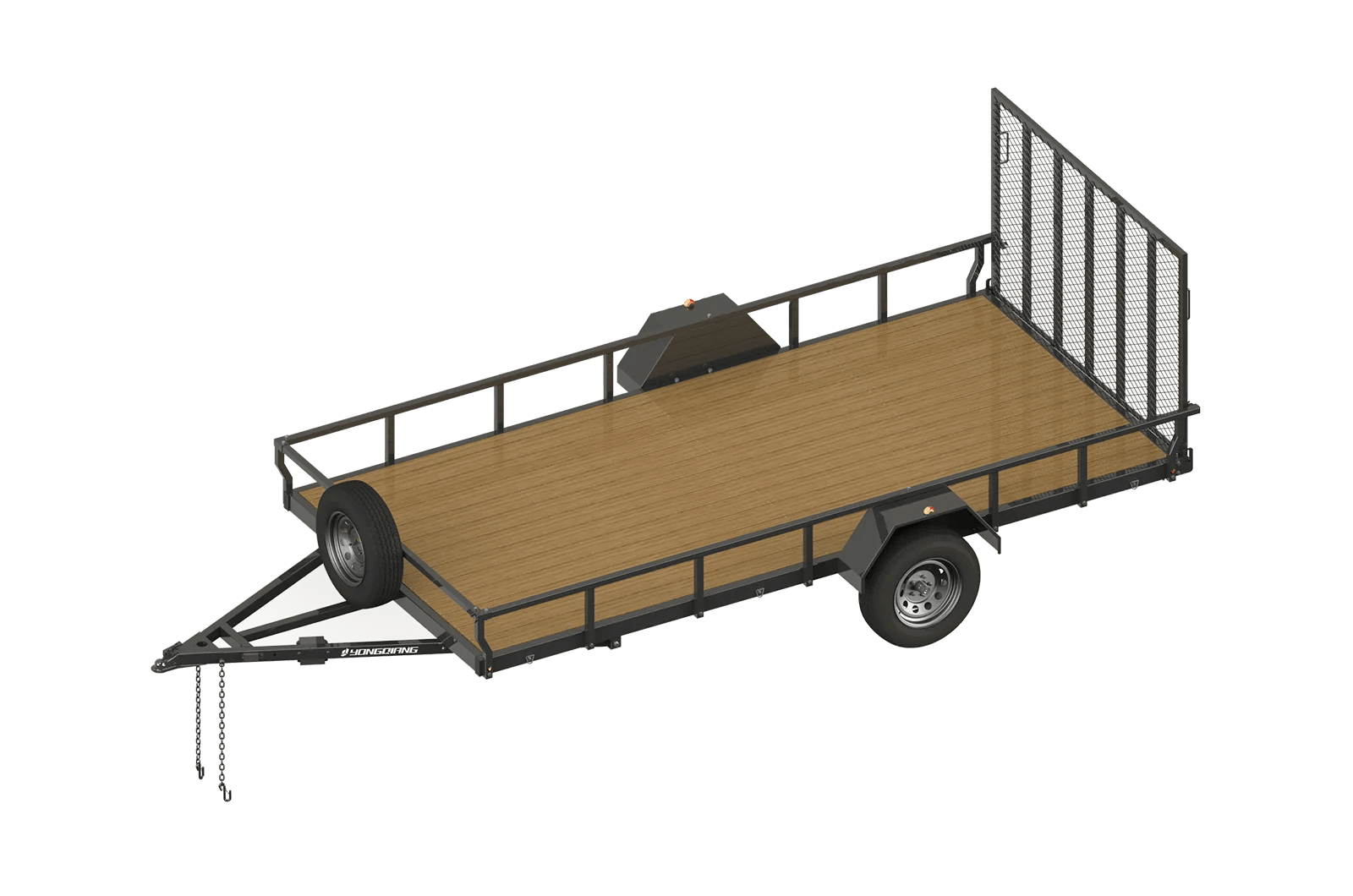
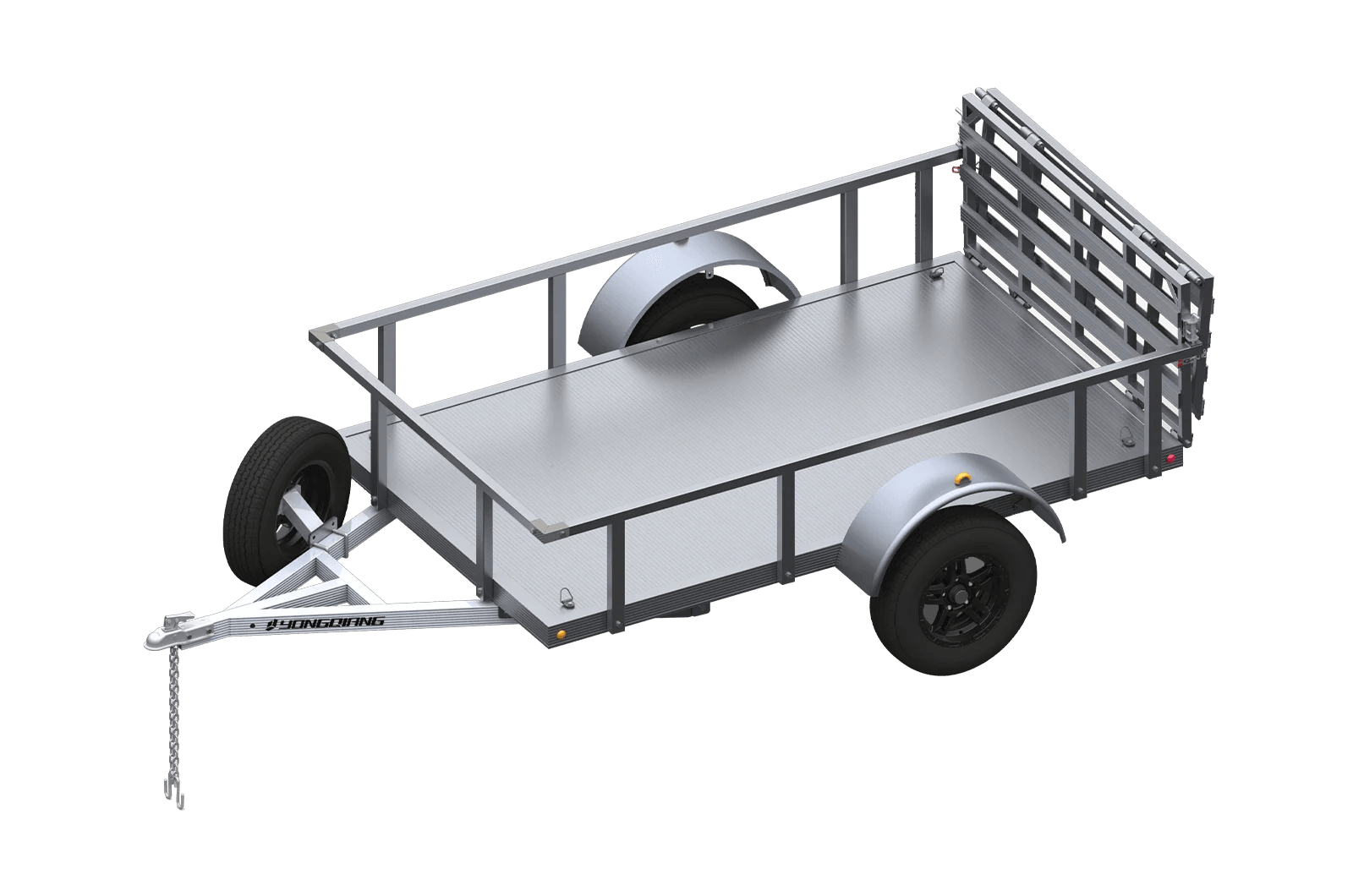
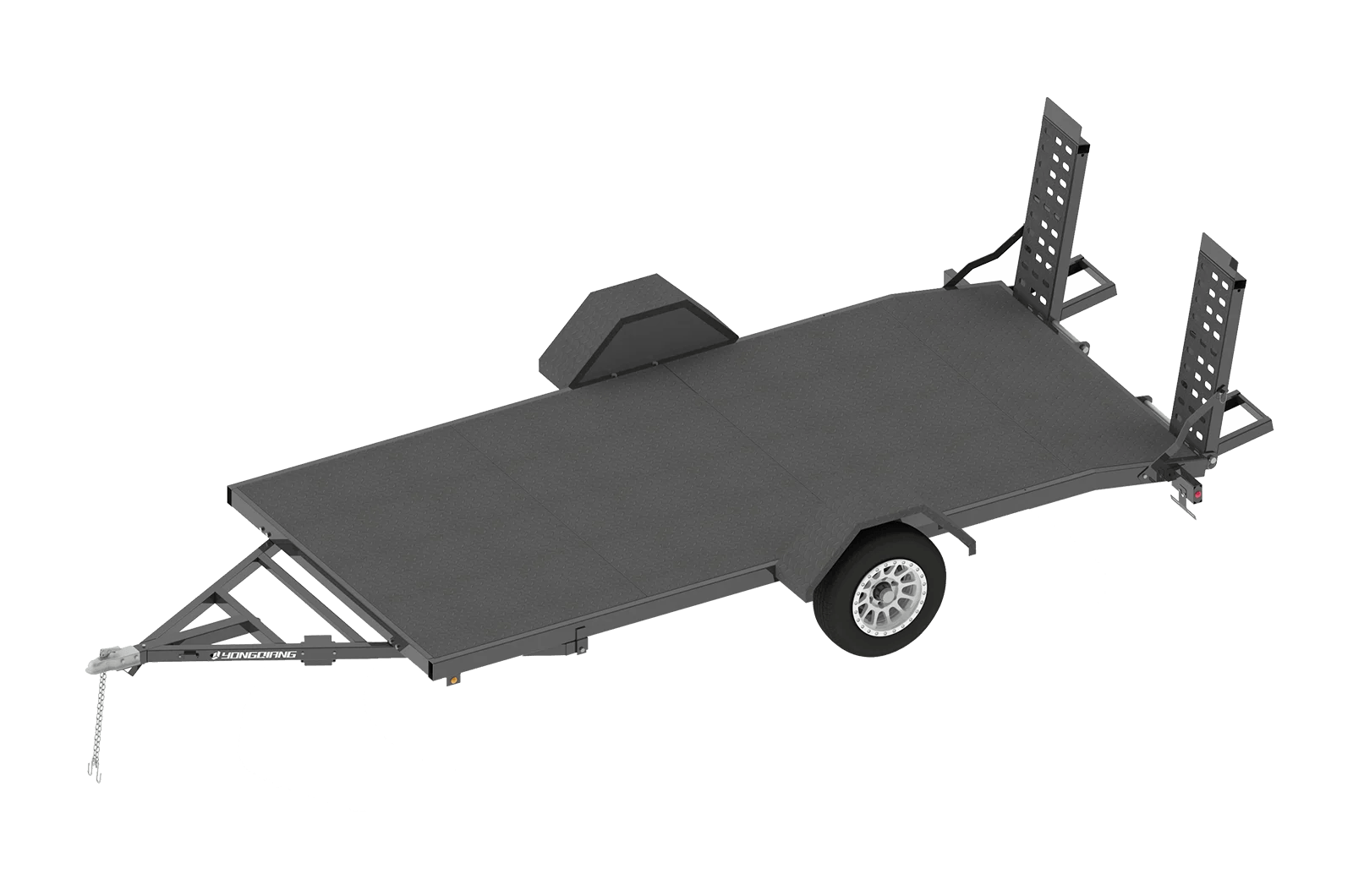
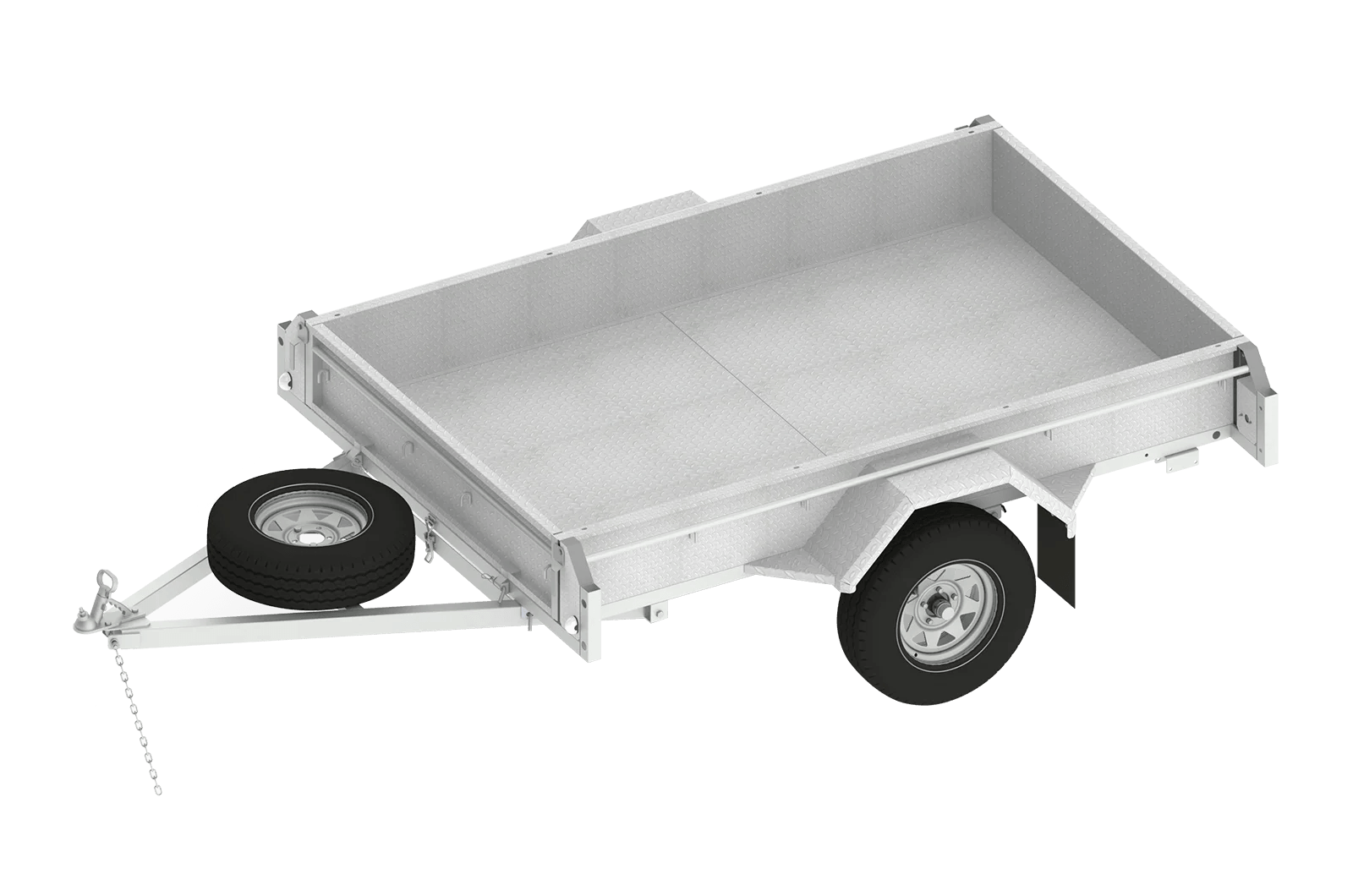
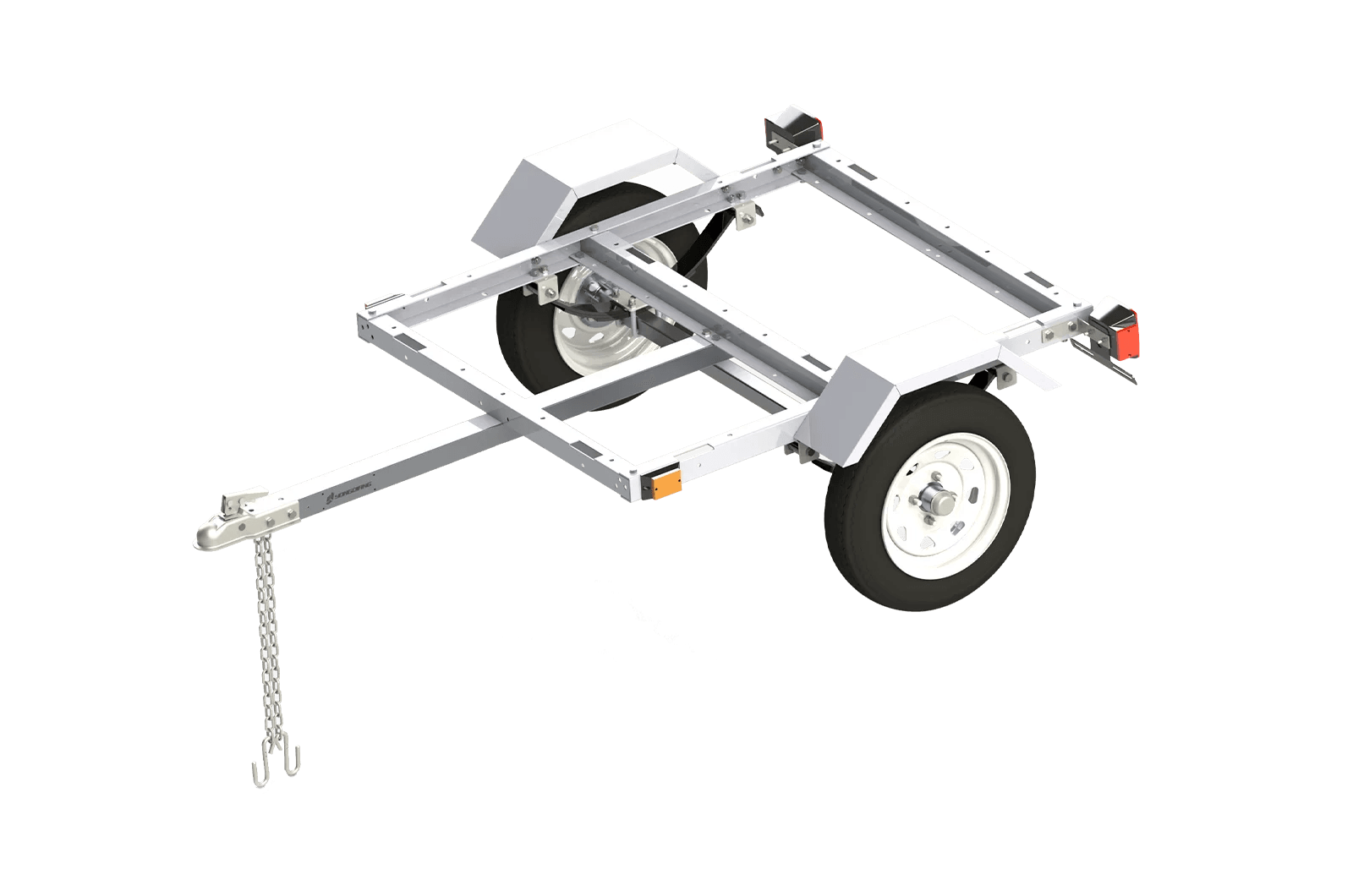
Utility trailers might be the most unglamorous product in the whole lineup, but that's exactly why they sell so consistently. People use them for hauling garden machinery, motorcycles, small equipment, tools, building materials, farm supplies, household goods — basically whatever needs moving and doesn't fit in a car. That broad usefulness is why they show up everywhere from hardware stores and dealer lots to rental fleets and online marketplaces. There's no single niche buyer for a utility trailer; there's just a steady stream of people who need one.

Getting the design right isn't complicated, but it does require attention to the parts that actually matter — bed size that fits real-world loads, side panels tall enough to be useful without adding unnecessary weight, an axle rated correctly for the trailer's intended use, tires suited to that rating, a drawbar that won't flex under stress, a tailgate that holds up to repeated opening and closing, and a surface finish that doesn't start peeling after one season outdoors.

Jinhua Yongqiang Vehicles Factory has built enough of these over the years to know where the weak points usually show up — structural joints, assembly tolerances, and packaging that survives the trip overseas without the trailer arriving with a dent or a bent panel. Getting those details right is less about innovation and more about consistency, which is really what makes a utility trailer easy to stock and sell across different markets.

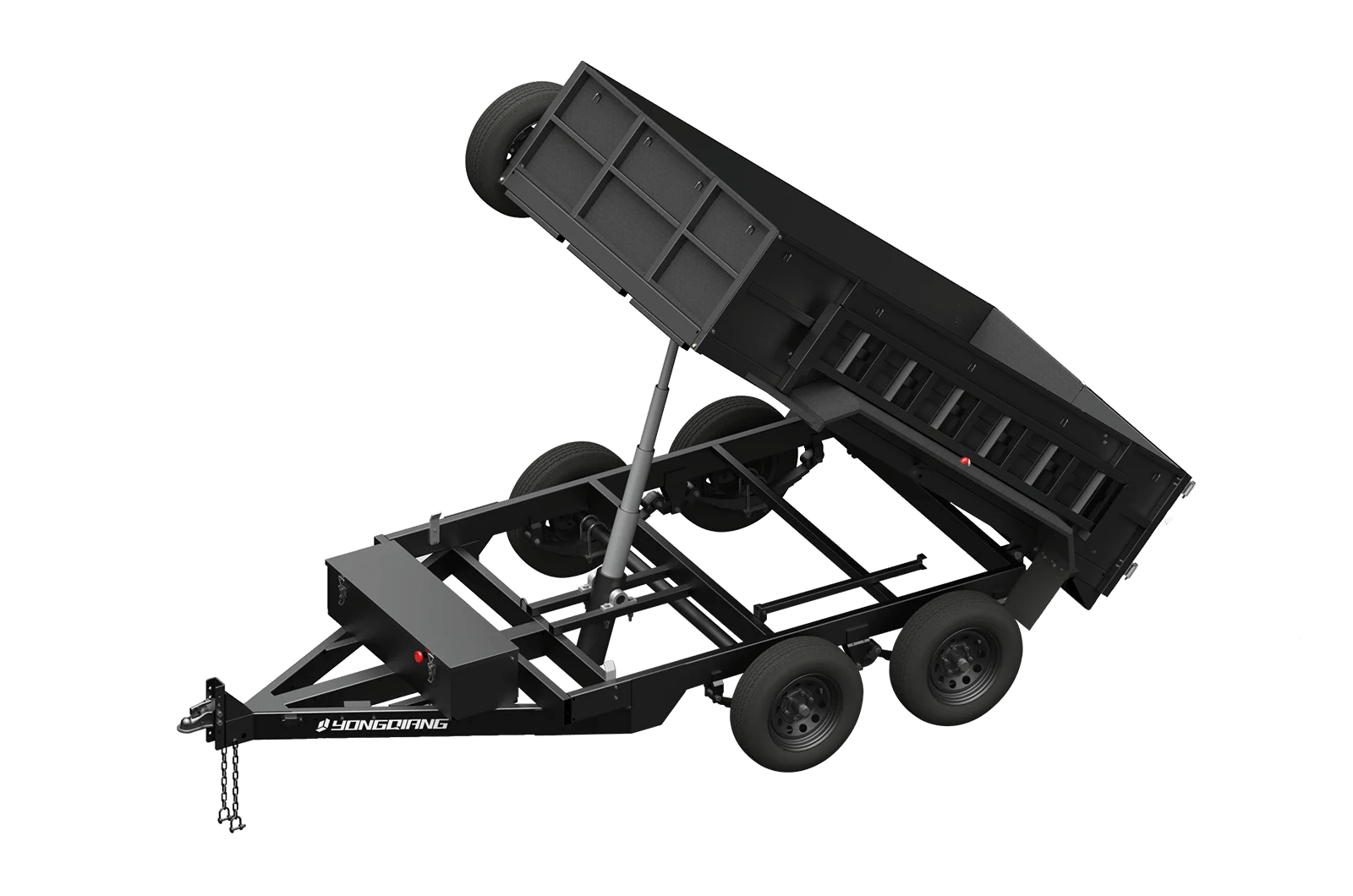
Heavy Duty Trailers

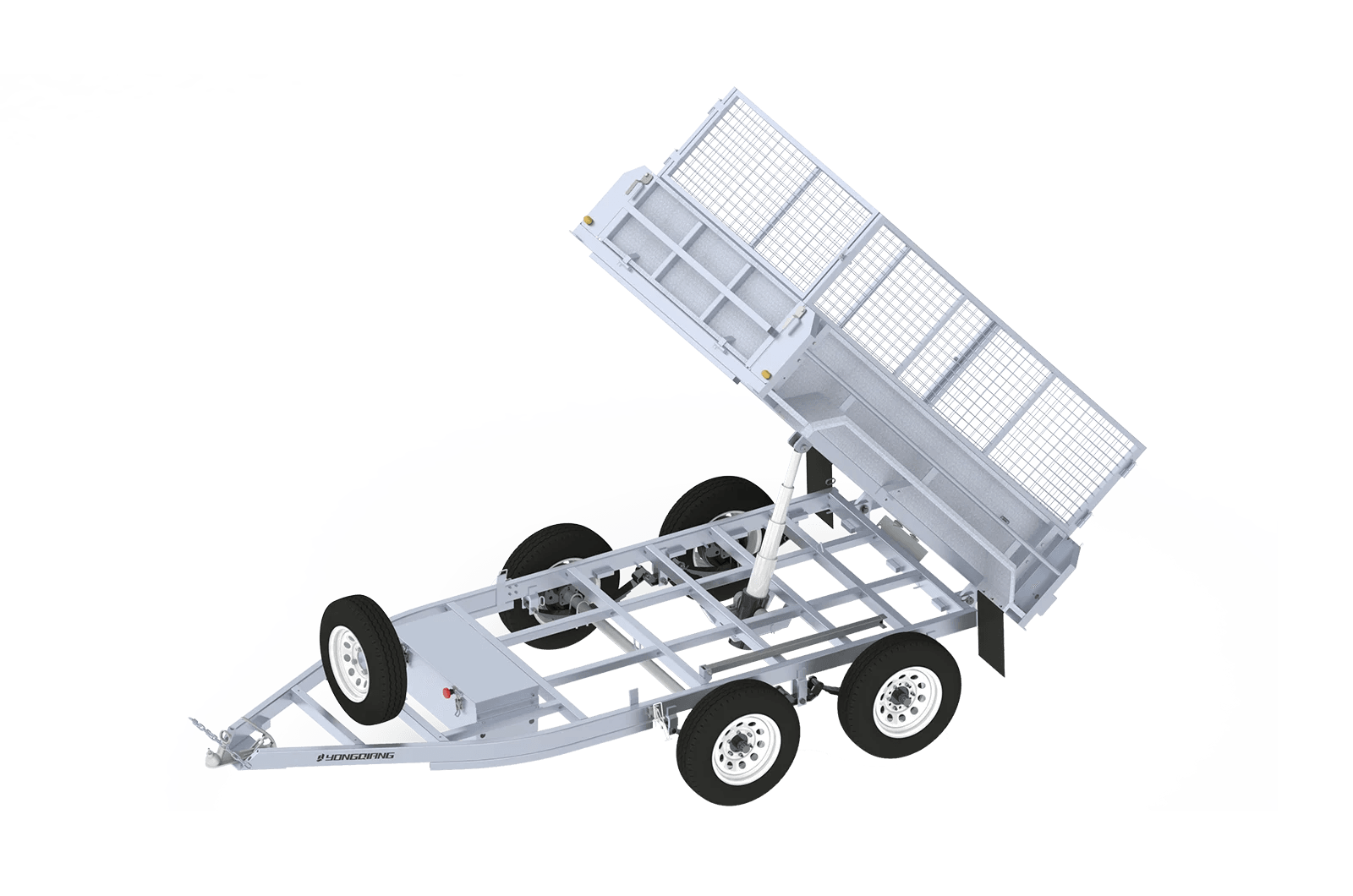
Heavy duty trailers exist for situations where a standard utility model just isn't going to cut it — construction sites, farm operations, landscaping crews, maintenance services, logistics work, and equipment transport all put a different kind of strain on a trailer. The frame needs to be reinforced rather than just adequate, axles need a higher rating, materials run thicker, suspension needs to handle repeated heavy loading, and corrosion protection matters more simply because these units tend to spend more time outdoors under harder conditions.

What separates a heavy-duty trailer that performs well from one that starts causing problems usually comes down to a handful of things: a chassis that doesn't flex where it shouldn't, welds that were done properly rather than quickly, weight distributed the way it's supposed to be, and towing components that don't wear out faster than expected. None of that is exciting to talk about, but it's exactly what keeps maintenance calls down and keeps end users confident the trailer will do what it's supposed to.

The factory's production teams work alongside a quality assurance process built specifically to catch these issues before a unit ships, and by 2025 annual production capacity reached 100,000 units — which gives international buyers a level of supply stability that matters as much as the build quality itself.

Braked and Unbraked Trailers

Whether a trailer needs brakes really comes down to what it's hauling and where it's going. Unbraked trailers work fine for lighter loads — short hauls, garden work, small equipment, that kind of everyday personal use — and they keep things simple and affordable for buyers who don't need anything more complex.

Braked trailers come into play once loads get heavier or local road regulations require them. They stop shorter, handle better under load, and generally make towing safer — which matters a lot once you're dealing with weight that could otherwise push a vehicle around on the road. For suppliers trying to serve more than one region, having both options available isn't optional so much as necessary, since different countries simply have different rules about what's allowed on the road.

That regional variation is something the factory has dealt with directly, producing both commercial and domestic models for markets that include the U.S. and Australia. Years of shipping into those markets tend to teach a supplier things that don't show up in a spec sheet — how packaging needs to hold up over a long ocean transit, what quality checks actually catch problems before they become returns, and what local buyers expect that isn't always obvious from the outside.

Off-Road and On-Road Caravans

Caravans have become a bigger part of the trailer category simply because more people are traveling and camping than they used to. Off-road and on-road models solve fairly different problems, even though they look similar on the surface. An off-road caravan needs to survive rough terrain — which means a tougher chassis, suspension that can absorb real impact, decent ground clearance, sealing that keeps dust and water out, and enough storage to support longer trips away from anywhere convenient.

On-road caravans get judged differently. Nobody's taking one down a dirt track, so the priorities shift toward towing balance, a comfortable interior layout, efficient use of space, and just general ease of travel for family trips and longer vacations.

Bringing caravans into a trailer lineup pushes a manufacturer beyond straightforward cargo equipment and into a market where buyers are paying for comfort and experience, not just capacity. Yongqiang Vehicles Factory has kept refining designs in this category as travel habits and expectations continue to shift.

Aluminum Tool Boxes and Trailer Accessories

Aluminum tool boxes tend to travel alongside trailers and trucks rather than exist as some separate category — they're where people keep tools, spare parts, straps, repair kits, and whatever else needs to stay dry and secure on the move. Contractors, farmers, mechanics, and service vehicle operators tend to be the most consistent buyers, mostly because the lightweight aluminum build and corrosion resistance solve a real problem without adding unnecessary bulk.

The lineup usually includes underbody tool boxes, truck bed tool chests, side-mount storage boxes, pickup cargo boxes, undertray boxes, and general utility storage — sold either on their own or paired with a trailer to round out a full transport-and-storage setup.

Key Manufacturing Factors in Trailer Quality

As a professional trailer factory, manufacturing quality isn't really a separate topic from the product itself — it's what determines whether a trailer actually does its job over years of use rather than just looking fine on day one. A trailer has to carry real weight, stay stable at highway speed, and survive whatever climate or terrain it ends up working in. Getting any one of those wrong tends to show up eventually, usually at the worst possible time.

Frame Structure and Load Performance

Everything else on a trailer sits on top of the frame, so if that part is wrong, nothing downstream really matters. A well-built frame is what gives a trailer its load capacity, keeps it stable while towing, and largely decides how long the unit lasts before something starts to give. The right frame design isn't universal, either — a trailer meant for light cargo doesn't need the same structure as one built for commercial hauling, heavy equipment, or long-distance outdoor travel.

A few things tend to matter more than others here:

  • A chassis reinforced at the points that actually take stress, not just uniformly thick everywhere
  • Steel gauge chosen to match the load, rather than defaulting to "thicker is always better"
  • A drawbar built to handle repeated towing stress without gradually loosening
  • Axle placement that keeps weight balanced rather than shifted too far forward or back
  • A bed structure that stays rigid under load instead of flexing
  • Side panels that actually support the load they're holding, not just enclosing it

When these pieces come together properly, the trailer stays predictable — during loading, while turning, and especially while braking. That predictability matters even more for heavy-duty units doing construction, farm, or equipment-hauling work, where the margin for structural weakness is a lot smaller.

Welding and Assembly Quality

Frame design only matters if the welding holds it together the way it's supposed to. This is one of those areas where the difference between good and mediocre work isn't always obvious at first glance — a poorly welded joint can look fine for months before it starts to crack, deform, or work itself loose under repeated stress.

The areas that need the closest attention during welding are fairly specific: the drawbar connection point, the corners where frame sections meet, axle mounting points, ramp hinges, side panel joints, and suspension brackets. These are the spots that take the most repeated stress over a trailer's working life, so any inconsistency here tends to surface sooner rather than later. With a production team of over 200 skilled machinists who've been doing this work for years, Jinhua Yongqiang Vehicles Factory keeps a fairly tight watch on welding consistency across every model coming off the line — not because it's a selling point, but because it's the kind of thing that's much cheaper to get right during production than to deal with after a trailer's already shipped.

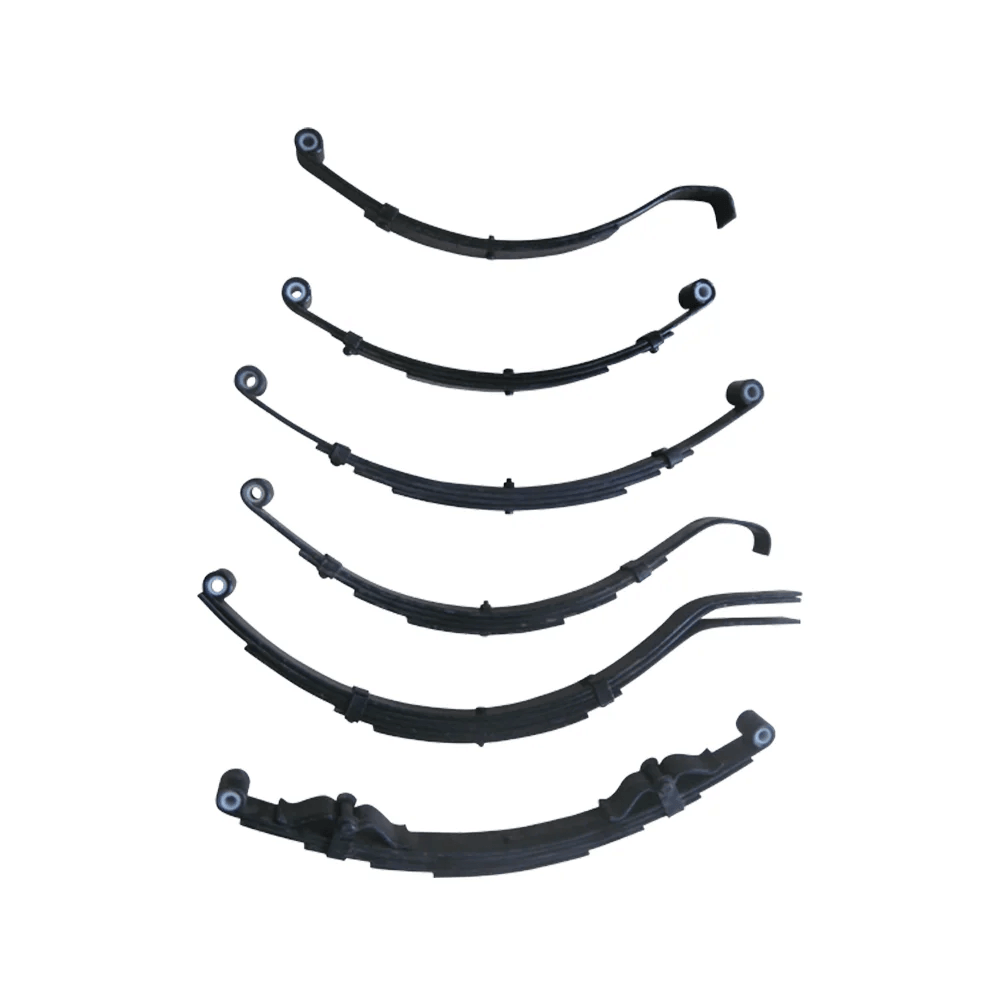
Axles, Tires, and Suspension

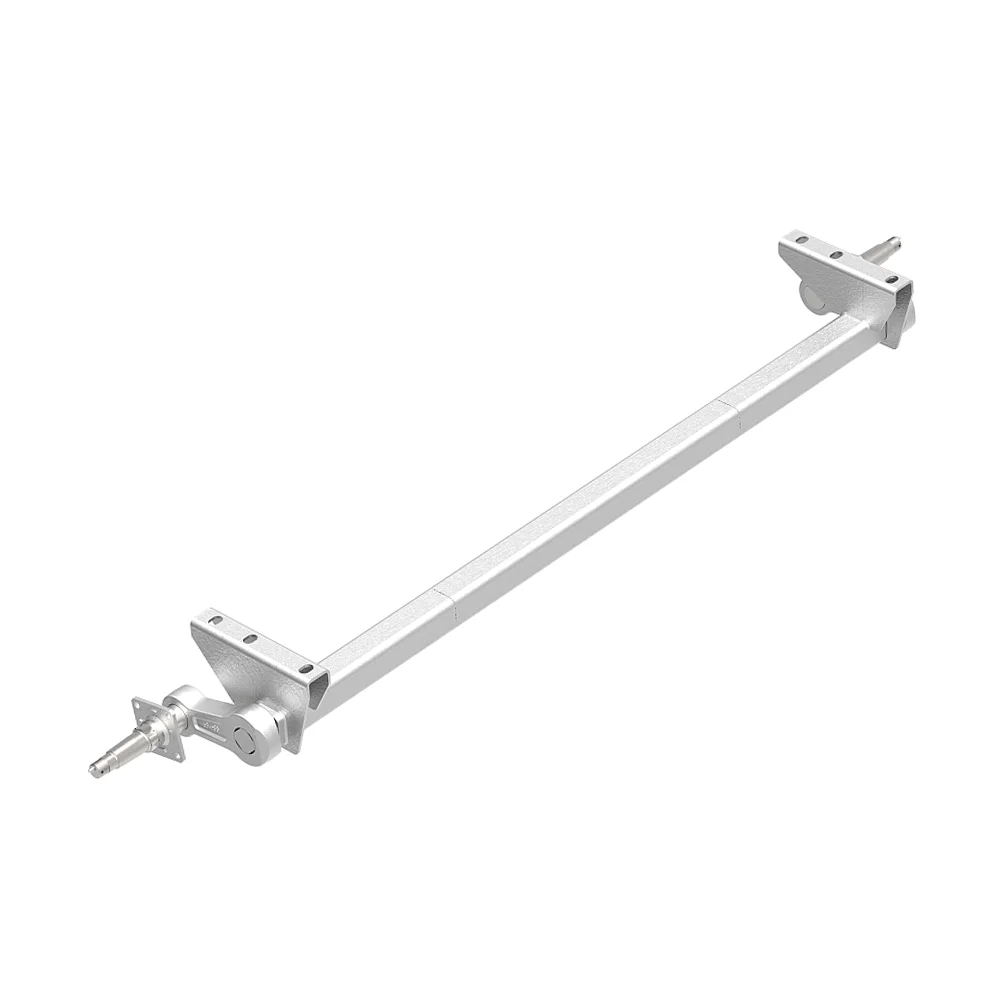
How a trailer actually behaves on the road comes down mostly to axles, tires, and suspension — and these need to be matched to the trailer's load rating and intended use, not just picked from whatever's available.

The details that tend to matter most:

  • Axle capacity that genuinely matches the trailer's rated load, not just close enough
  • Tire size and load index appropriate for that same rating
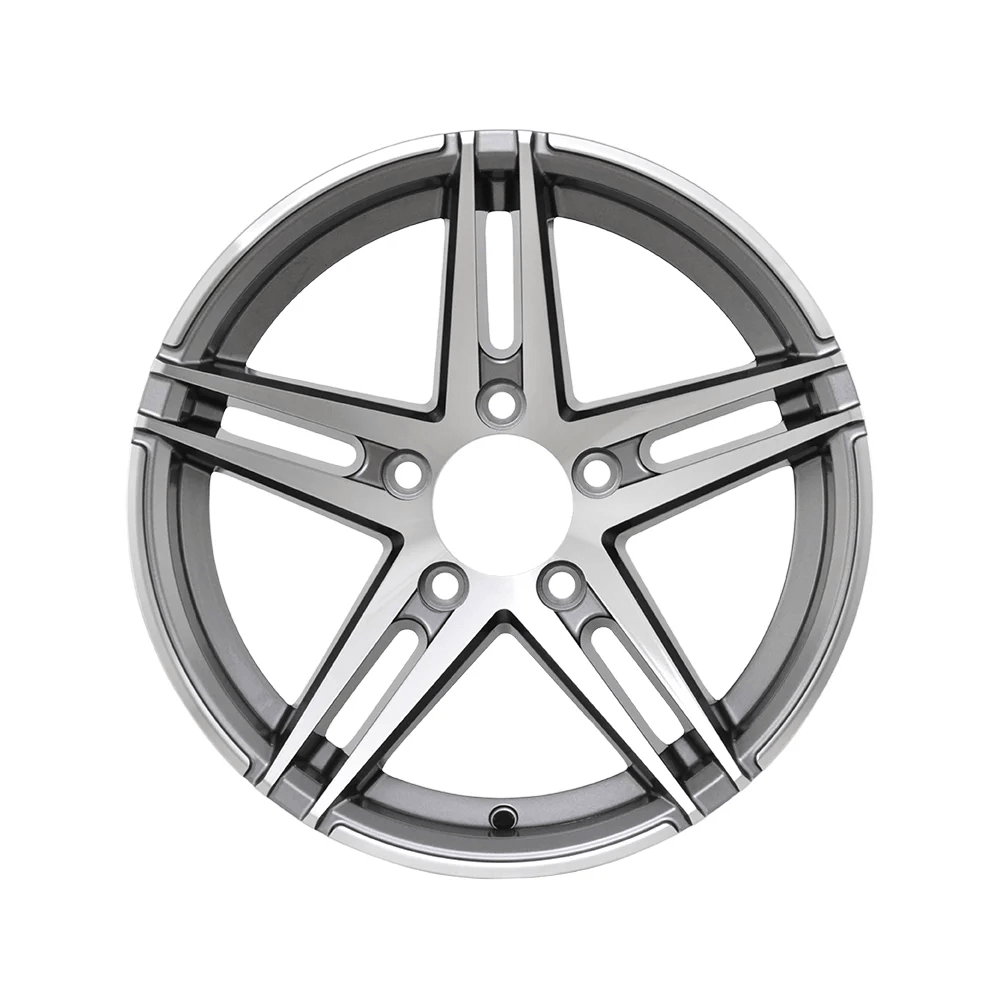
  • Wheel quality that won't fail under repeated stress
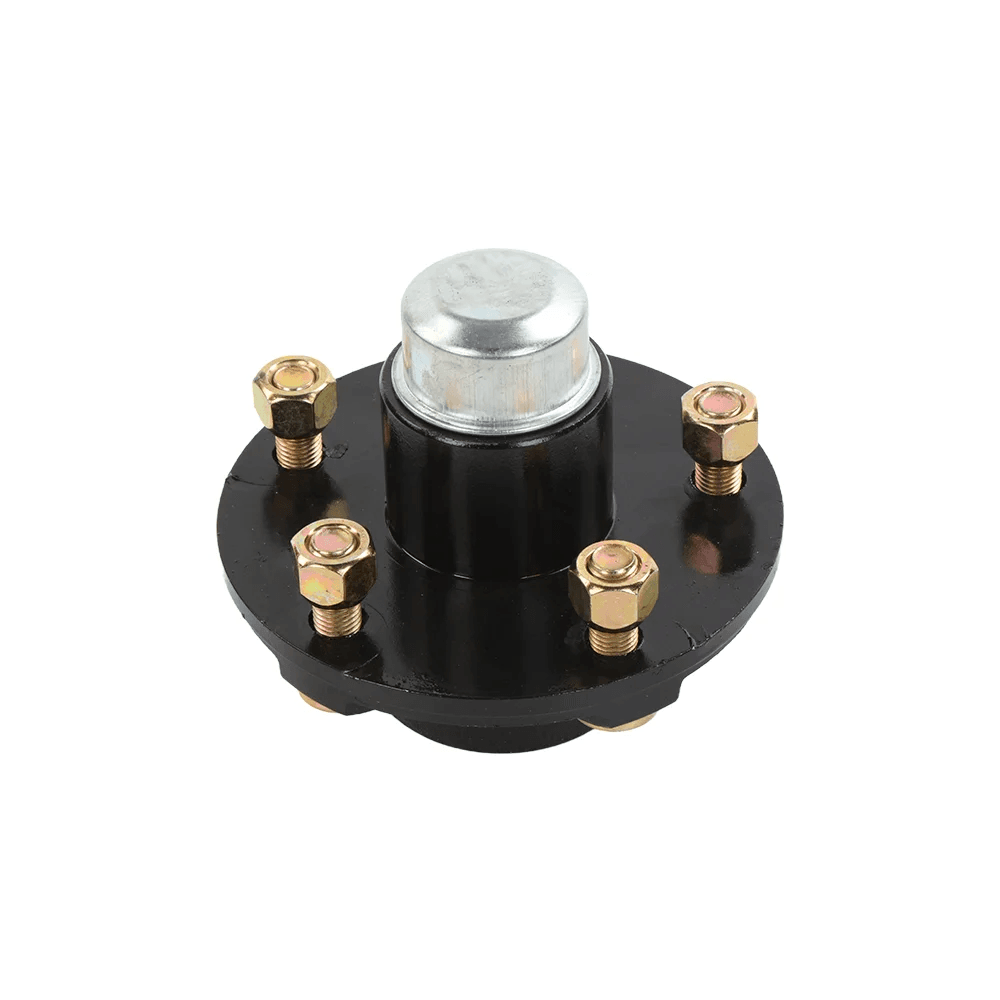
  • Bearings that hold up over long-term use rather than wearing out early
  • Suspension strength suited to the terrain the trailer will actually see
  • Ground clearance appropriate for the environment
  • Compatibility with local road conditions
  • Brake compatibility, where local regulations require it

Heavy-duty trailers need stronger axle systems and tougher tires simply because they're carrying more, more often. Caravans and off-road models lean more on suspension and ground clearance, since comfort and stability over rough terrain matter just as much as raw load capacity there.

Surface Treatment and Corrosion Resistance

Trailers spend a lot of their working life outdoors, dealing with rain, mud, sun, gravel, road salt, and humidity — none of which is kind to bare metal over time. Surface treatment is really the first line of defense against all of that, and it affects both how long a trailer lasts and how it looks after a few years of actual use.

The usual options are galvanizing, powder coating, painting, or some combination of these. Galvanized trailers tend to be the better choice in humid climates, coastal regions, farms, and construction sites — basically anywhere corrosion is a constant threat rather than an occasional risk. Powder coating gives a cleaner, more polished look, which tends to matter more for retail, recreational, and lifestyle-oriented buyers who care about appearance as much as function.

Picking the right finish for a given market isn't just a cosmetic decision — it directly affects how much maintenance a trailer needs down the line and how well it holds its value once it's actually out there working.

Custom Trailer Solutions

No two markets want exactly the same trailer, which is part of why a rigid production process tends to run into trouble sooner or later. Road conditions differ, climates differ, buying habits differ, and what counts as a "standard" trailer in one country might look underbuilt or oversized somewhere else. Being able to adjust the build without starting from scratch each time is really what makes a factory useful to distributors working across multiple regions.

Size and Structure Options

Trailer size and structure usually track pretty closely with what the trailer is actually for. Something compact makes sense for personal use and retail sales, where buyers want manageable size and easy towing. Larger, more robust builds fit commercial hauling and professional applications, where capacity matters more than convenience.

The structural elements that typically get adjusted include:

  • Trailer bed length
  • Trailer bed width
  • Side panel height
  • Frame thickness
  • Ramp design
  • Tailgate structure
  • Cage design
  • Drawbar length
  • Wheel position
  • Ground clearance

Yongqiang Vehicles Factory works directly with customers on these adjustments rather than offering a fixed catalog with no room to move, which gives distributors a way to build out product lines that actually look different from what a competitor down the road is selling.

Functional Accessories

The right accessories can change how a trailer gets used and who it appeals to — sometimes more than the base structure itself. They're also one of the easier ways to create distinct product tiers without redesigning the whole trailer.

Commonly requested accessories include:

  • Spare tire bracket
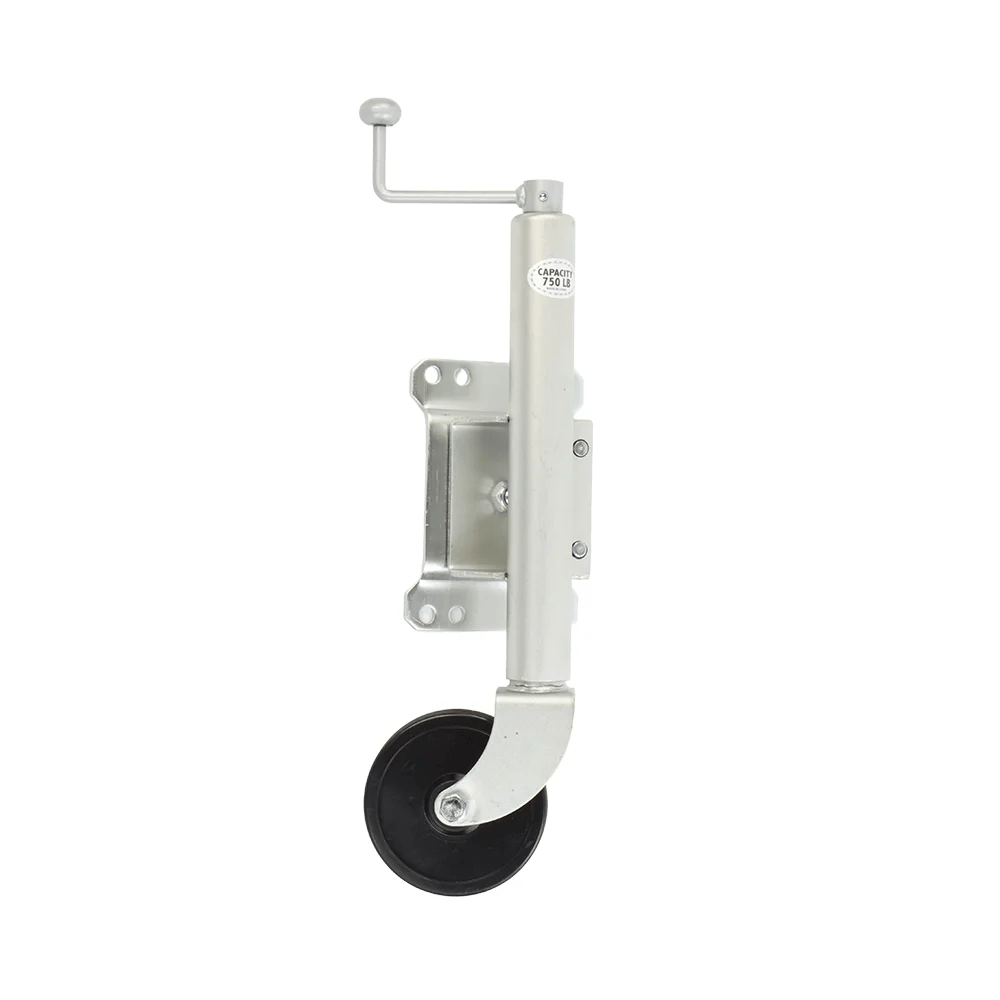
  • Jockey wheel
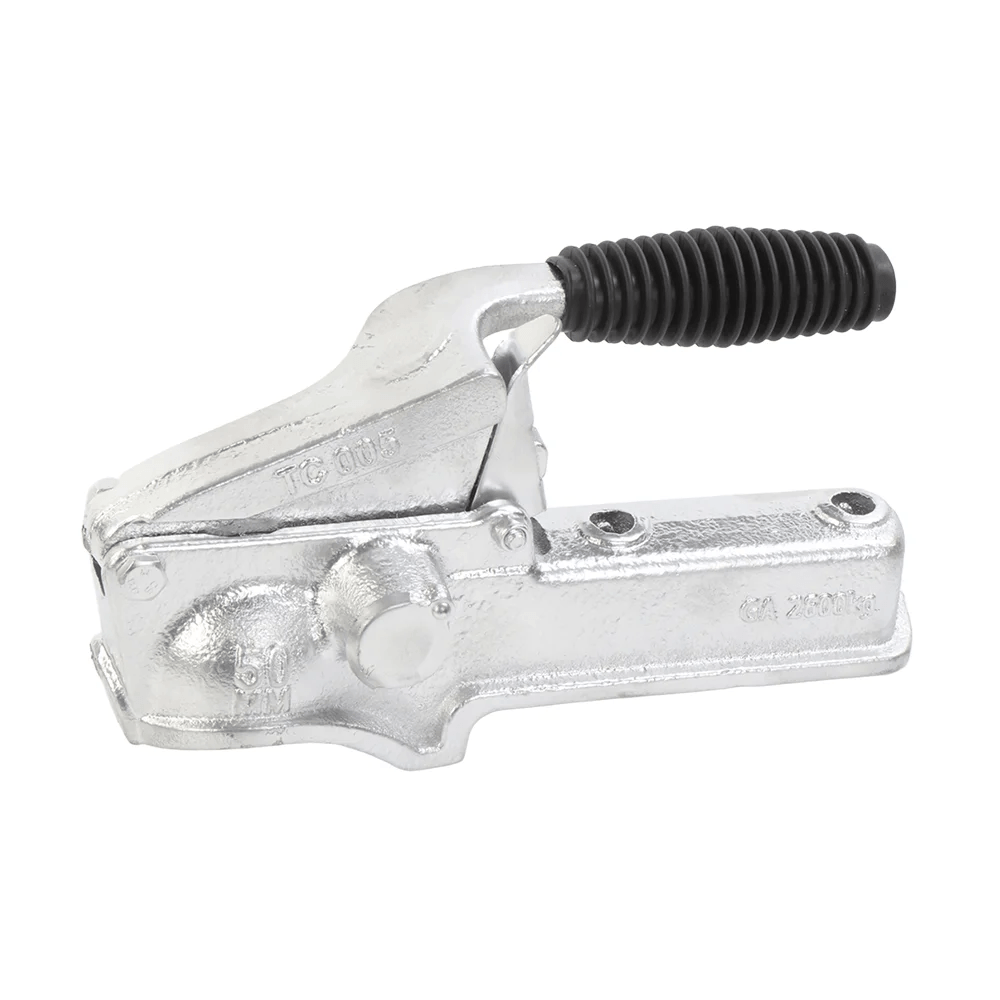
  • Coupler
  • Safety chain
  • LED lighting system
  • Reflectors
  • Tool box
  • Tie-down points
  • Mudguards
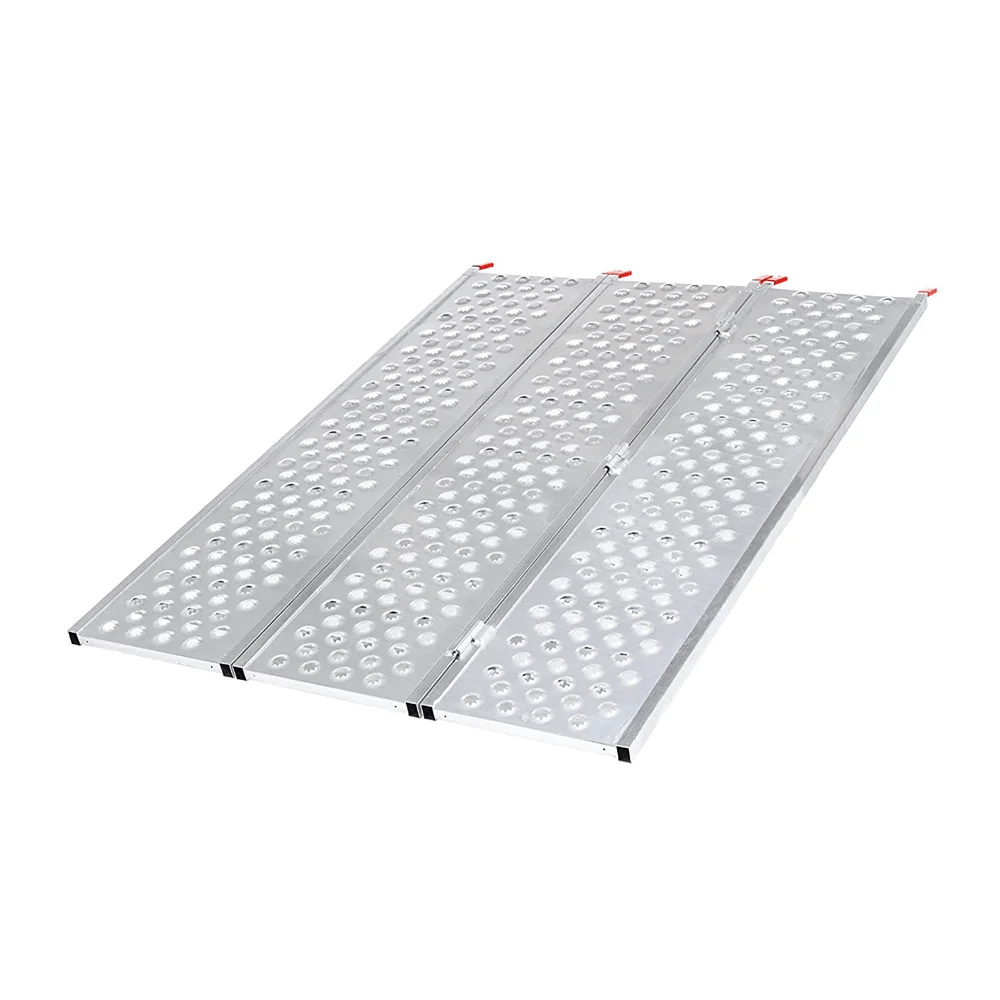
  • Loading ramps
  • Side rails
  • Support legs

A trailer fitted out with the right combination of these tends to sit more naturally into a specific use case — professional work, outdoor travel, or general everyday transport — rather than trying to be everything to everyone.

Branding and Appearance

For distributors and wholesalers competing in crowded markets, how a trailer looks and presents itself matters almost as much as how it performs. A product that looks generic tends to get treated as generic, whether that's fair or not — buyers in a showroom, scrolling through an online listing, or walking a trade show floor tend to form an impression before they've read a single spec.

Branding elements that typically come into play include:

  • Custom color
  • Logo plate
  • Product sticker
  • Nameplate
  • Private label support
  • Instruction labels
  • Printed packaging
  • Model identification

Because the factory offers OEM-style support alongside its product development capability, these branding details can be built into a trailer line from the start rather than added on as an afterthought — which tends to matter more than people expect once a distributor is trying to position a product against everyone else selling something similar.

How to Build a Competitive Trailer Product Line

Putting together a strong trailer product line isn't really about picking one good model and running with it — it's more about building out a selection that actually covers the different jobs people need a trailer for, backed by manufacturing that doesn't waver from batch to batch. That combination of practical range, consistent quality, and enough flexibility to customize when needed tends to matter more than any single standout product.

Define Market Positioning

Before anything else, it helps to know who a trailer is actually being built for. Commercial work, farming, landscaping, outdoor travel, equipment transport, retail sales, rental fleets — each of these pulls in a slightly different direction. A trailer aimed at rental use doesn't need the same finish as one built for a farm, and a retail model doesn't need the same load rating as something meant for daily commercial hauling. Getting this positioning clear early on is what ends up shaping decisions about frame design, load capacity, accessories, and finish later — trying to skip this step usually just means redoing work further down the line.

Select Core Models

A well-rounded lineup tends to include utility trailers, heavy duty trailers, braked and unbraked versions, caravans, aluminum tool boxes, and the accessories that go alongside them. Each one earns its spot for a different reason: utility trailers cover the everyday transport demand that never really goes away, heavy duty models handle the tougher commercial jobs, caravans open the door into leisure and outdoor travel markets, and tool boxes add storage value that pairs naturally with everything else in the range.

Confirm Main Specifications

Once the core models are settled, the specifications need to be nailed down clearly — trailer size, load rating, axle type, tire size, frame material, finish option, accessory selection, and how the finished unit gets packaged. This isn't just paperwork. Clear specs make a product far easier to promote honestly and far easier for buyers to compare against alternatives, which tends to speed up sourcing decisions rather than leaving them stuck in back-and-forth clarification.

Develop Custom Features

This is usually where a product line starts to feel less generic. Custom colors, logo plates, tool box configurations, ramp styles, side panel designs, cage structures, and packaging choices all give distributors a way to build something that doesn't look identical to what every other supplier is offering. None of these changes are dramatic on their own, but together they add up to a product that feels tailored rather than off-the-shelf.

Maintain Production Consistency

For any relationship that's meant to last beyond a single order, consistency ends up mattering more than almost anything else. If the finished trailers stop matching the confirmed sample — in structure, dimensions, materials, accessories, finish, or packaging — trust erodes quickly, and it's hard to win back once a distributor starts second-guessing every shipment. Keeping production stable over time is really what turns a one-off order into a repeat relationship, and it's usually the thing that separates suppliers people stick with from ones they eventually move away from.

Key Features That Improve Trailer Category Value

A trailer category tends to stand out in a crowded market when it manages to combine durability, function, appearance, proper certification, and dependable supply — rarely does just one of these carry a product line on its own. Here's what typically contributes to that combination:

  • Over 20 years spent specifically in trailer design and manufacturing
  • A factory footprint of more than 100,000 square meters
  • A team of over 200 skilled machinists, engineers, and technicians
  • Annual production reaching 100,000 units as of 2025
  • A lineup covering utility trailers, heavy duty trailers, caravans, tool boxes, and accessories
  • Both braked and unbraked options depending on load and local requirements
  • Frames reinforced where they actually need to be, not just uniformly thickened
  • Axle and tire configurations matched to intended load and terrain
  • Surface treatment built to hold off corrosion over years of outdoor use
  • Bed sizes designed around real-world loading needs
  • A towing structure that stays stable rather than swaying under load
  • Custom branding support and bespoke product development for distributors
  • ISO 9001-2000 Quality Management certification
  • WMI Code L4W certification
  • DOT mark certification for the U.S. market
  • Export experience built up through shipments to America and Australia
  • Packaging designed to survive long-distance export shipping
  • Manufacturing consistency maintained across production runs

Put together, these are less a checklist and more the groundwork that makes a trailer line something international distributors can actually build a business around, rather than something they have to keep troubleshooting.

Why Heavy Duty Trailers Remain in Demand

Heavy duty trailers keep showing up in demand for a fairly simple reason — they solve problems that don't go away. Tools, machinery, farm materials, construction supplies, outdoor gear, general cargo — all of it still needs moving, and a trailer built to handle that load reliably tends to save people time and headaches that a weaker one wouldn't. Commercial users care mostly about getting work done efficiently; outdoor and travel users lean more on utility trailers and caravans to support camping trips, road travel, and generally more mobile lifestyles. The use cases differ, but the underlying need for something that just works stays fairly constant.

What the market keeps favoring hasn't changed much either — strength, safety, resistance to corrosion, straightforward operation, proper certification, and value that holds up over time. For wholesalers, importers, and distributors, that translates into a fairly practical requirement: trailers that are easy to sell, consistent in quality, and flexible enough to fit different customer groups without constant special-casing. A well-rounded trailer category ends up covering daily transport needs, professional hauling jobs, recreational travel, and the accessory sales that tend to follow naturally once a customer already owns a trailer.

Between utility trailers, heavy duty models, braked and unbraked options, caravans, aluminum tool boxes, and custom builds, Jinhua Yongqiang Vehicles Factory has put together a product range aimed at giving international distributors more to work with than a single narrow offering. Backed by more than two decades of experience in this specific industry, along with flexible specifications and careful attention to quality control, the goal has generally been to build trailers that hold their value in both commercial settings and the growing recreational travel market.
