

 English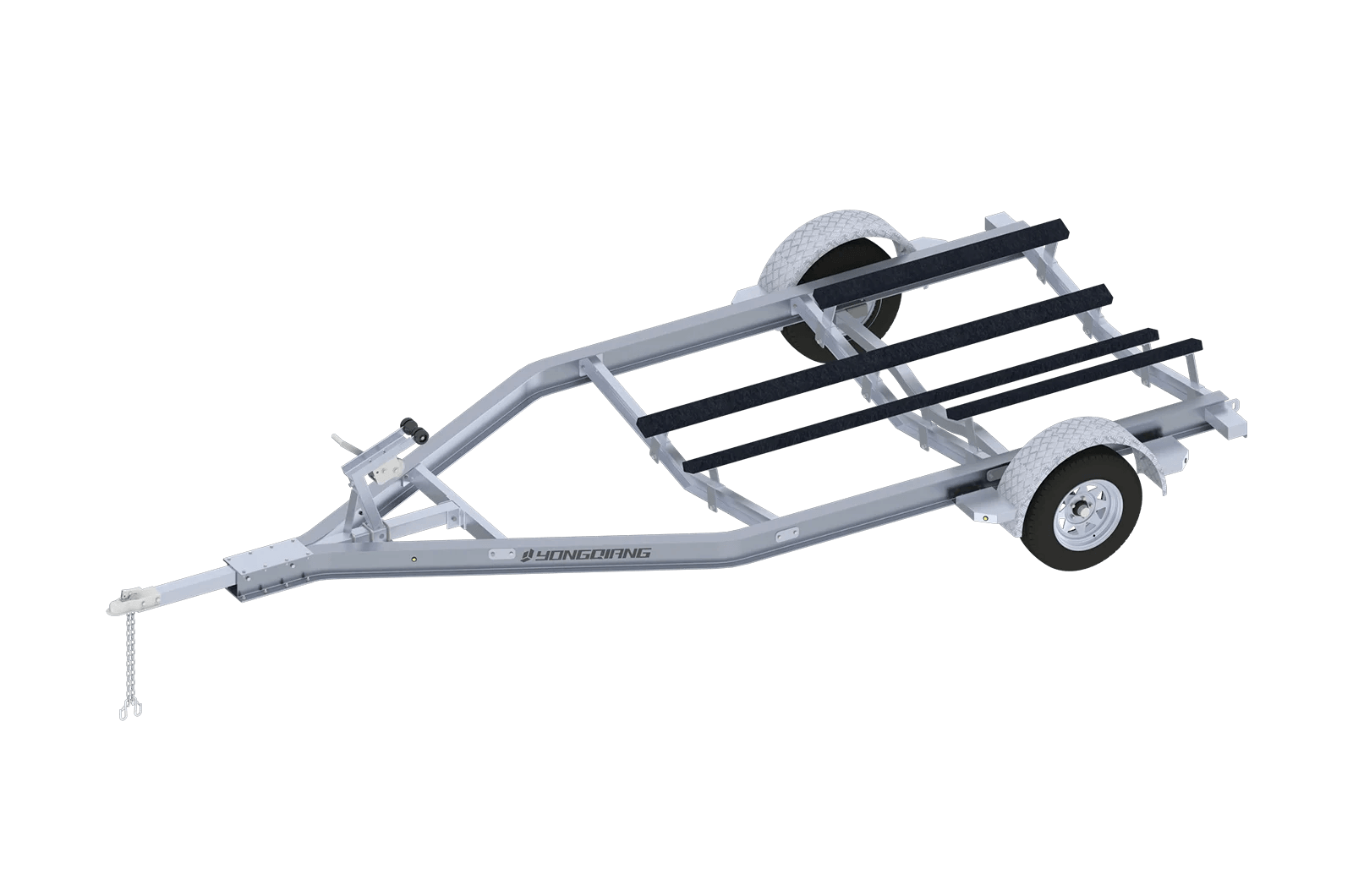
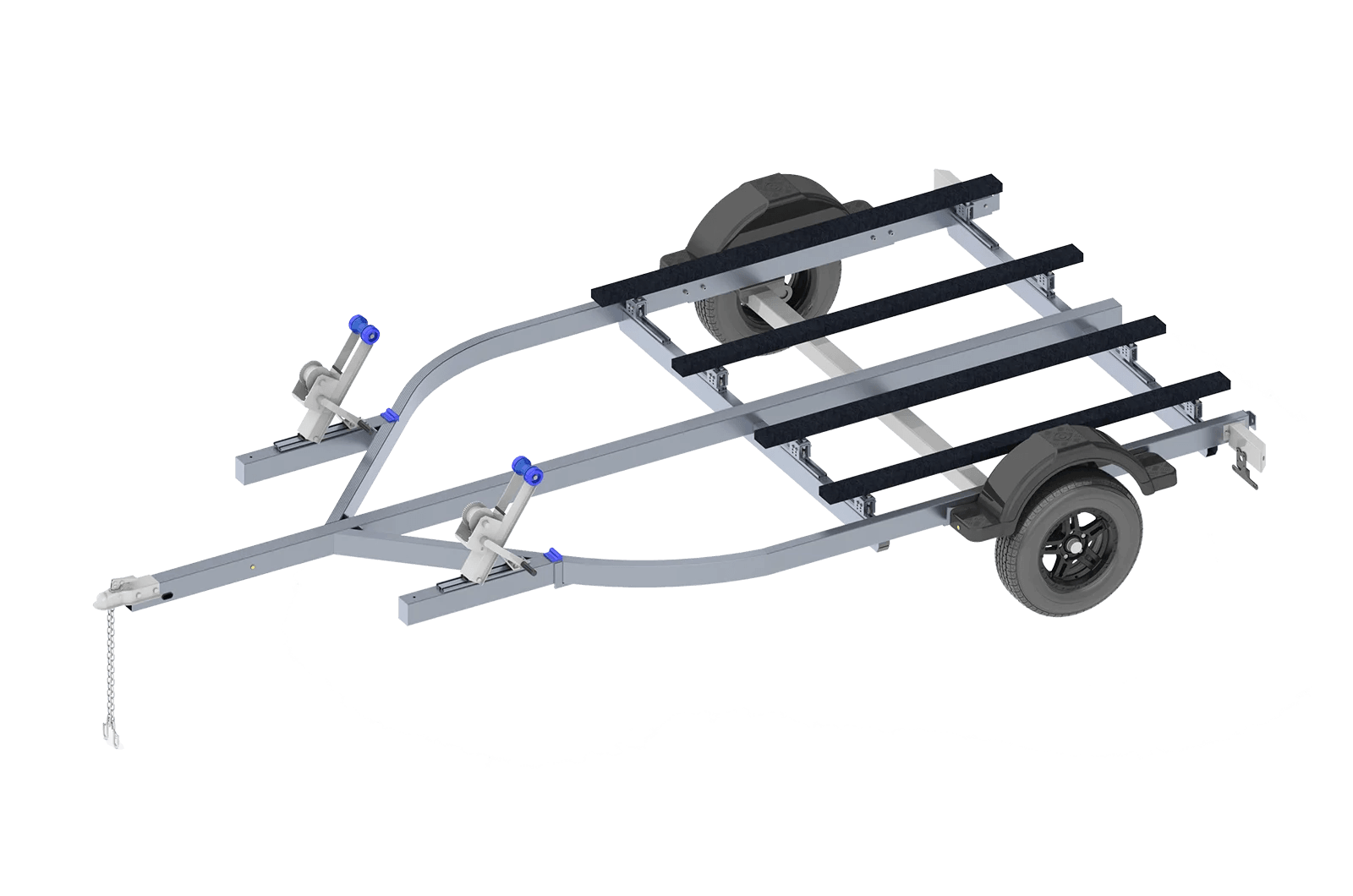



Boat Trailer Structure, Corrosion Protection, and Marine Transport Guide
Between the storage yard and the water, a boat or watercraft trailer covers a lot of ground — homes, marinas, lakes, rivers, coastal launch points, maintenance shops. That routine trip is exactly what separates this category from general utility trailers. Rather than being built around raw hauling capacity, a boat trailer is engineered specifically for hull support, smooth water launching, easy retrieval, corrosion resistance, and stable towing along the way.
Protecting the vessel during transport is only half the job — the trailer also needs to make loading and unloading at the ramp genuinely straightforward, not something that requires wrestling with straps and guesswork every time. How well that works out depends on a handful of design details: the frame shape, where the bunks sit, how the rollers are laid out, the height of the winch stand, axle placement, and the rear support structure. Get any of these wrong, and the watercraft ends up sitting unevenly or shifting more than it should during transport.
This category covers a fairly wide range of configurations, each suited to a different type of vessel or use case:
- Boat trailers for small boats and general recreational vessels
- Jet ski trailer kits built for compact personal watercraft
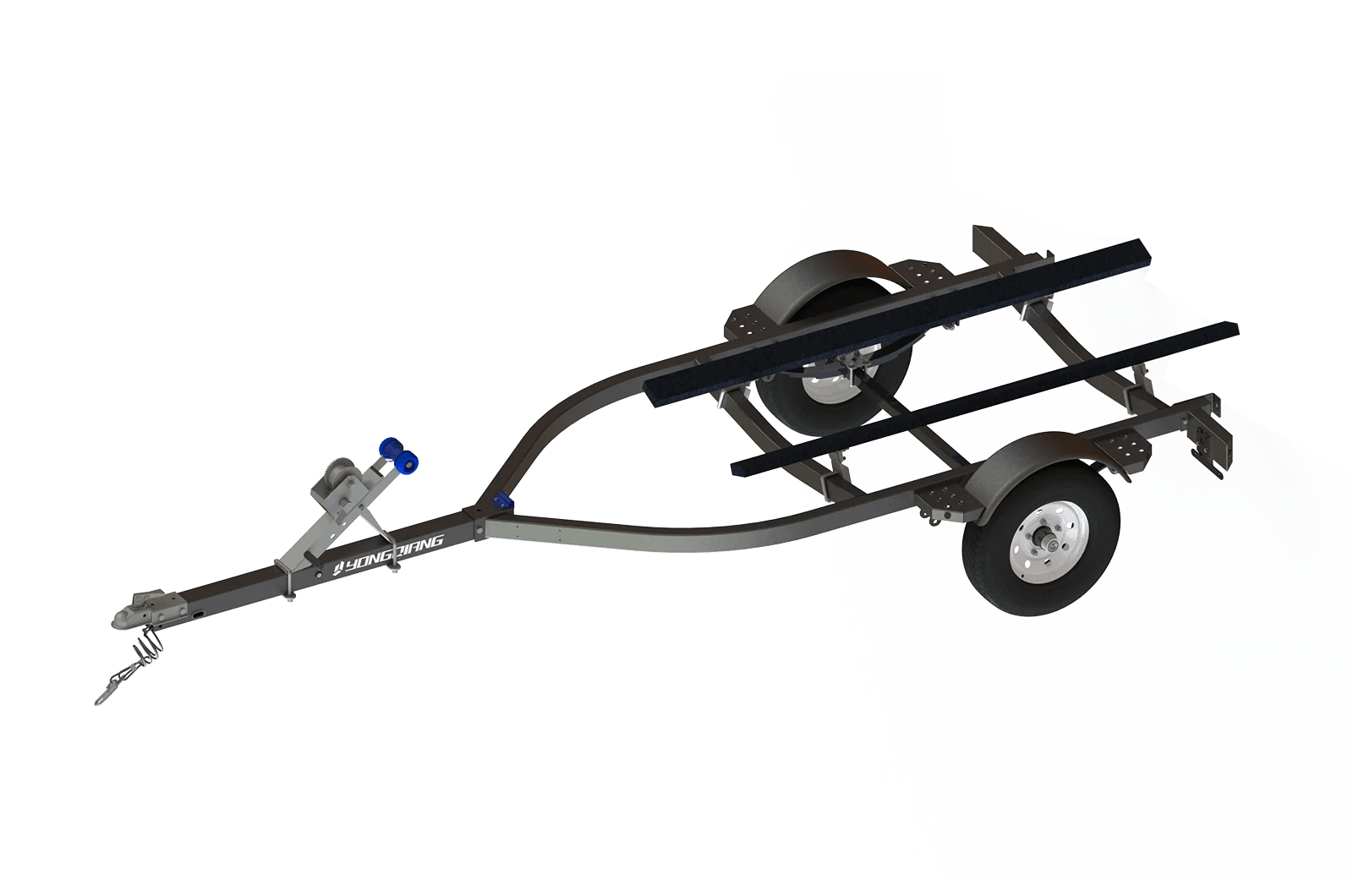
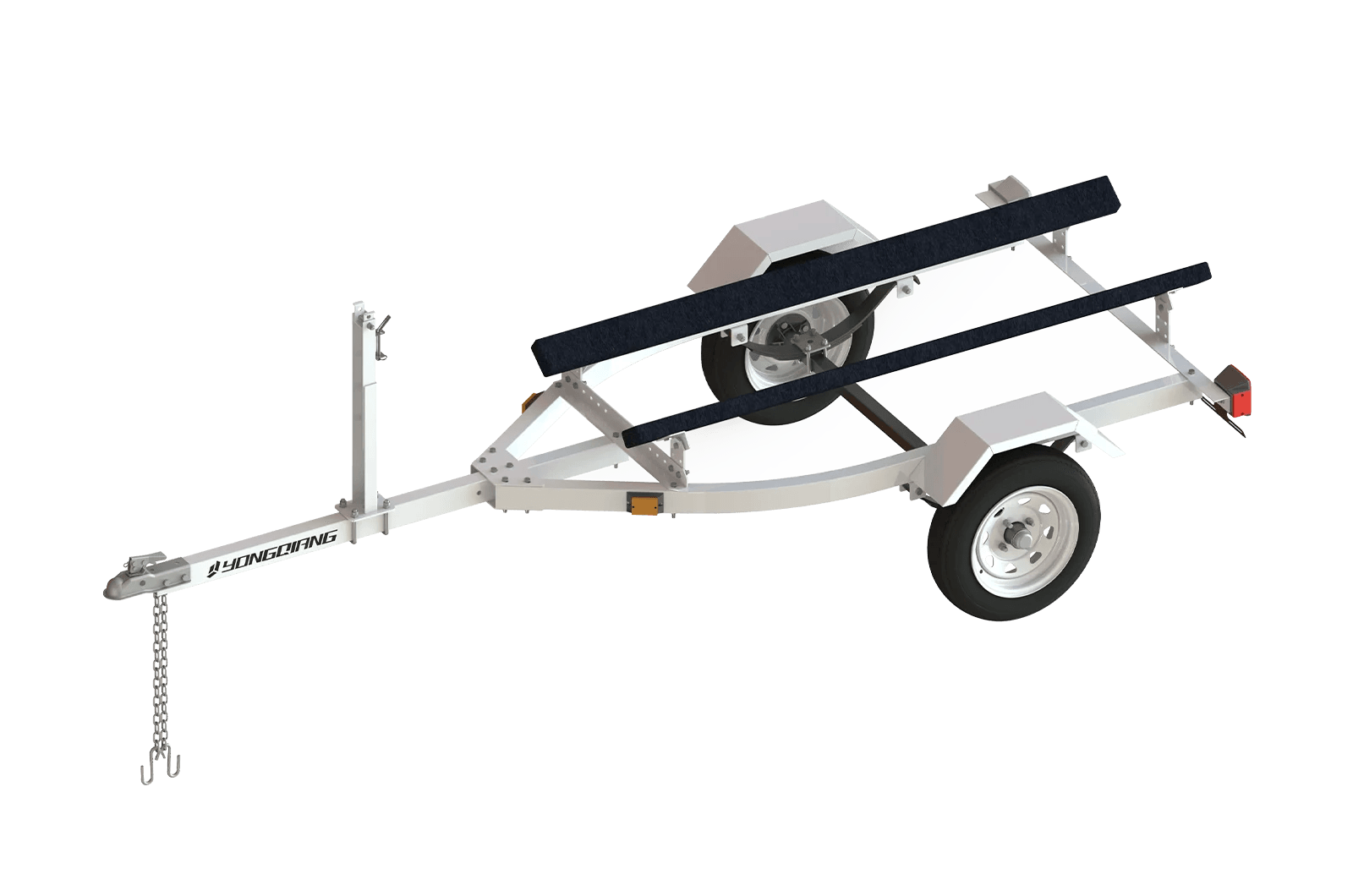
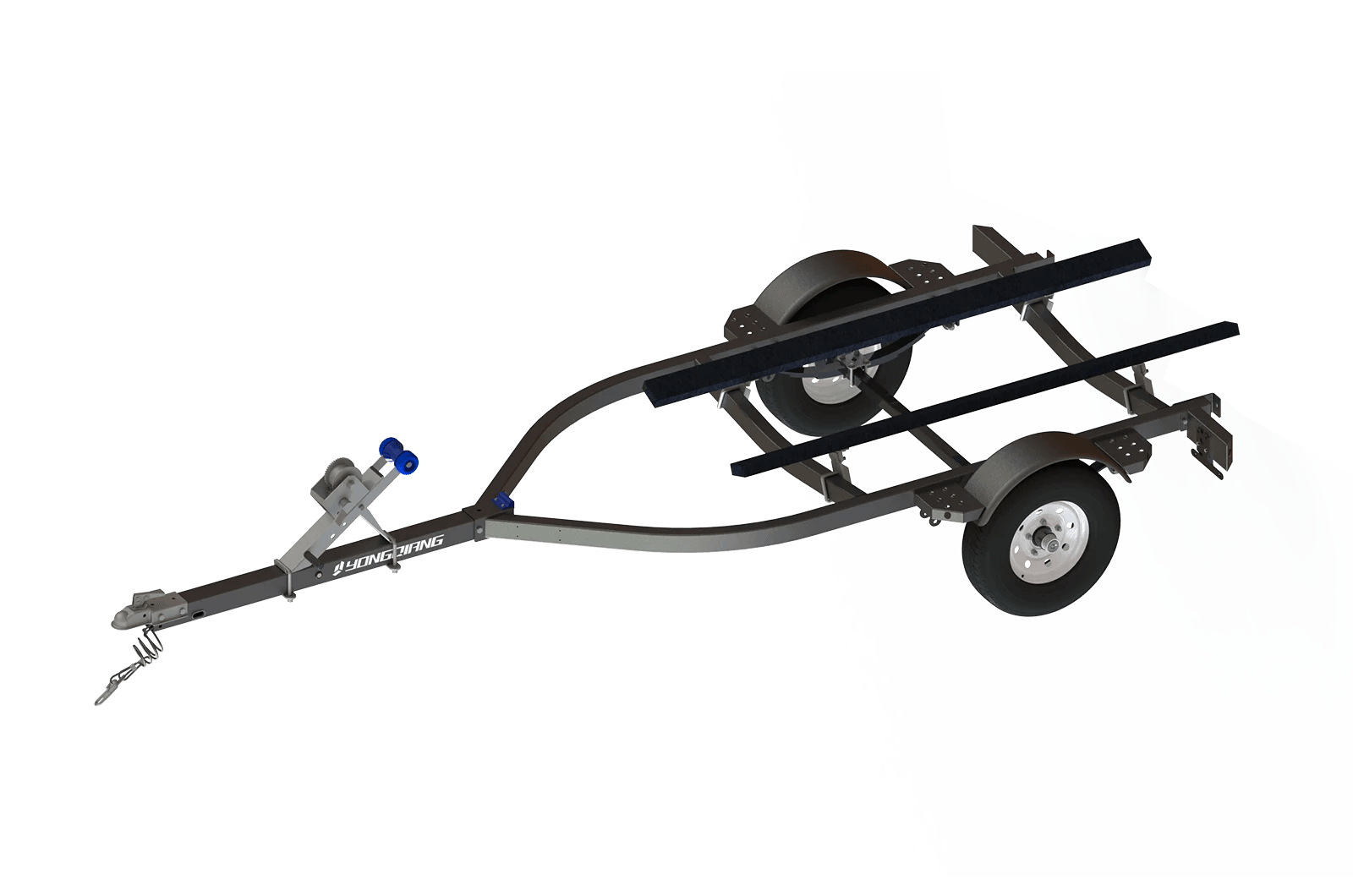
- Single watercraft trailers sized for one jet ski or small marine craft
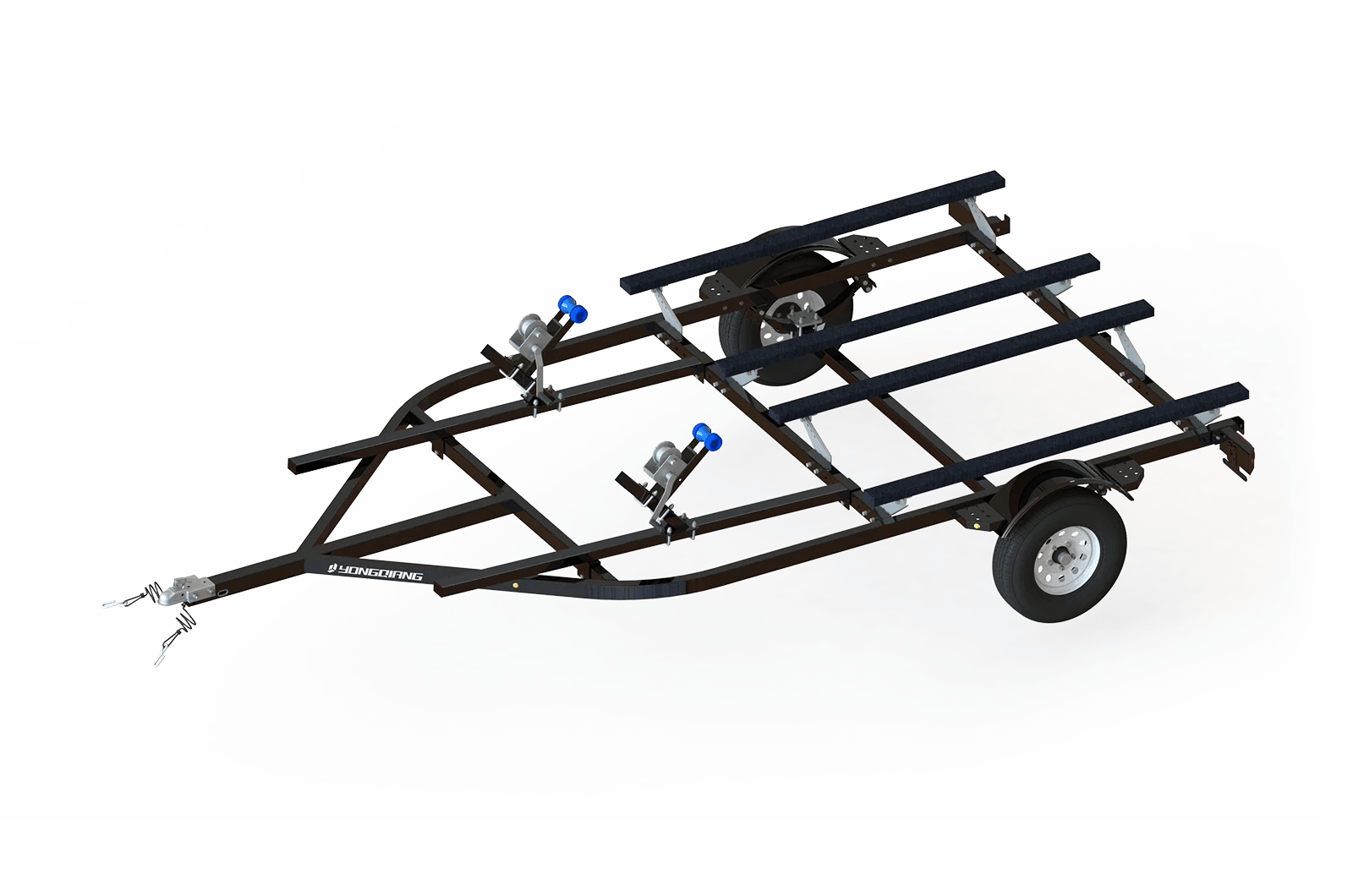
- Double watercraft trailers for hauling two watercraft together
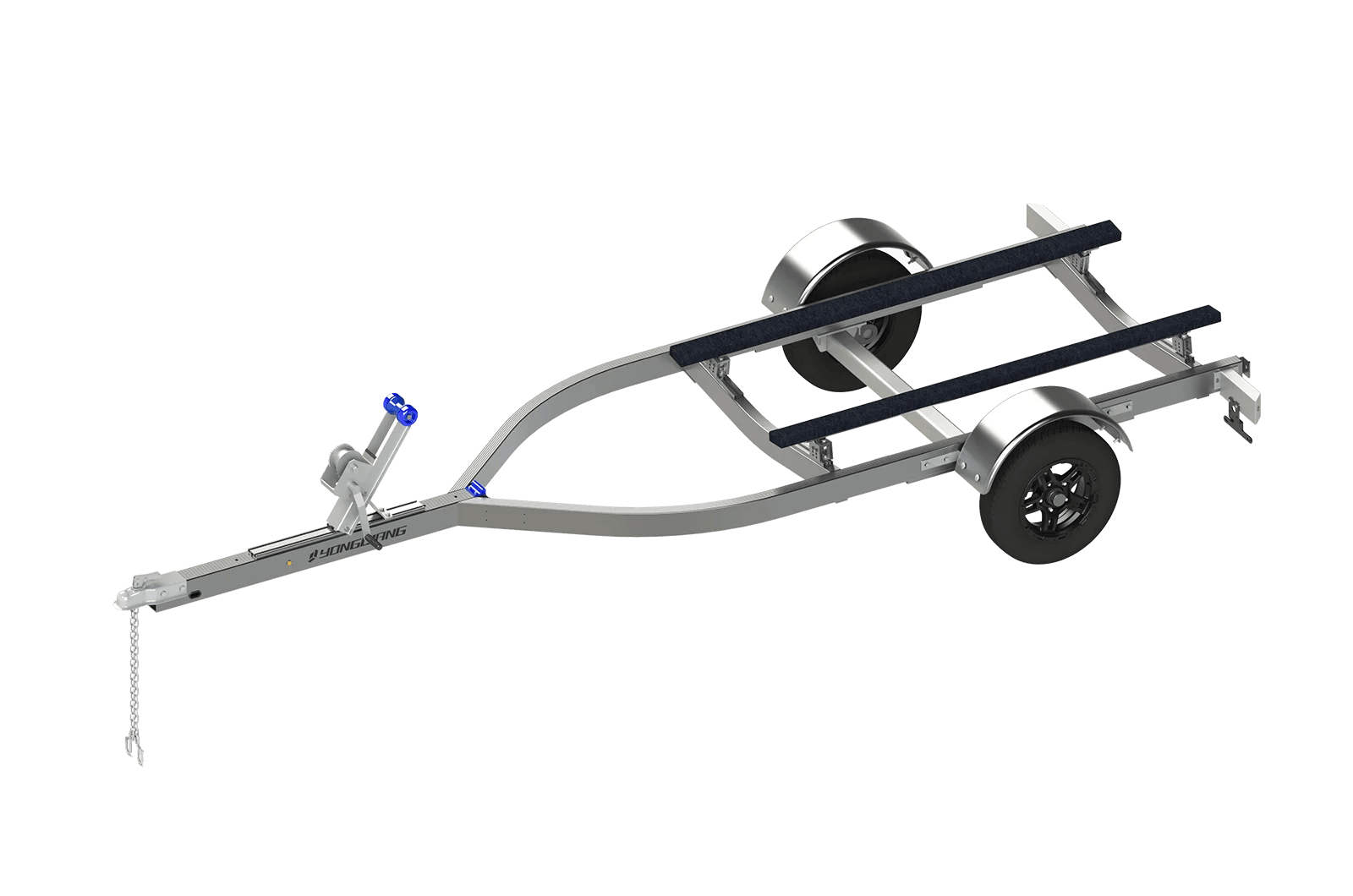
- Aluminum single watercraft trailers where lighter towing weight and corrosion resistance matter most
- Aluminum double watercraft trailers for dual transport without the added weight of steel
Carrying weight is really just the baseline expectation here. A trailer that's actually well suited to marine use goes further — keeping the hull stable through road vibration, resisting the corrosion that comes with constant water exposure, and making the whole launch-and-retrieve process noticeably less of a hassle than it would be otherwise.
Main Applications of Boat and Watercraft Trailers
Boat and watercraft trailers turn up across a wide mix of settings — recreational boating, marine rental services, water sports operations, marina management, lakeside tourism, yacht clubs, maintenance centers, personal watercraft transport. What varies from one setting to the next isn't so much the basic function, but the structural requirements and load ratings each application actually demands.
Someone hauling a single jet ski to the lake on weekends generally doesn't need much beyond a compact jet ski trailer or single watercraft trailer — anything more would just be extra weight and cost for no real benefit. Rental operations and marine recreation centers, on the other hand, often get more value out of a double watercraft trailer, since moving two units in a single trip cuts down on the back-and-forth considerably. For larger recreational boats, the equation shifts again toward a sturdier trailer altogether — one with a longer frame, a wider support layout, and an axle rating that actually matches the added weight.
Across these different scenarios, the practical use cases tend to cluster around a fairly consistent set:
- Jet ski transportation
- Small fishing boat hauling
- Personal watercraft storage and movement
- Marina-to-home transport
- Boat launch and retrieval
- Water sports equipment transport
- Marine rental fleet movement
- Repair shop and maintenance center use
- Lakeside resort and outdoor recreation use
What ties all of these together is exposure — wet boat ramps, mud, sand, saltwater spray, road grime kicked up during towing. Given how consistently these trailers deal with moisture and corrosive elements, durability and rust protection aren't really optional considerations here; they end up shaping nearly every other design decision that follows.
Key Structure of a Watercraft Trailer
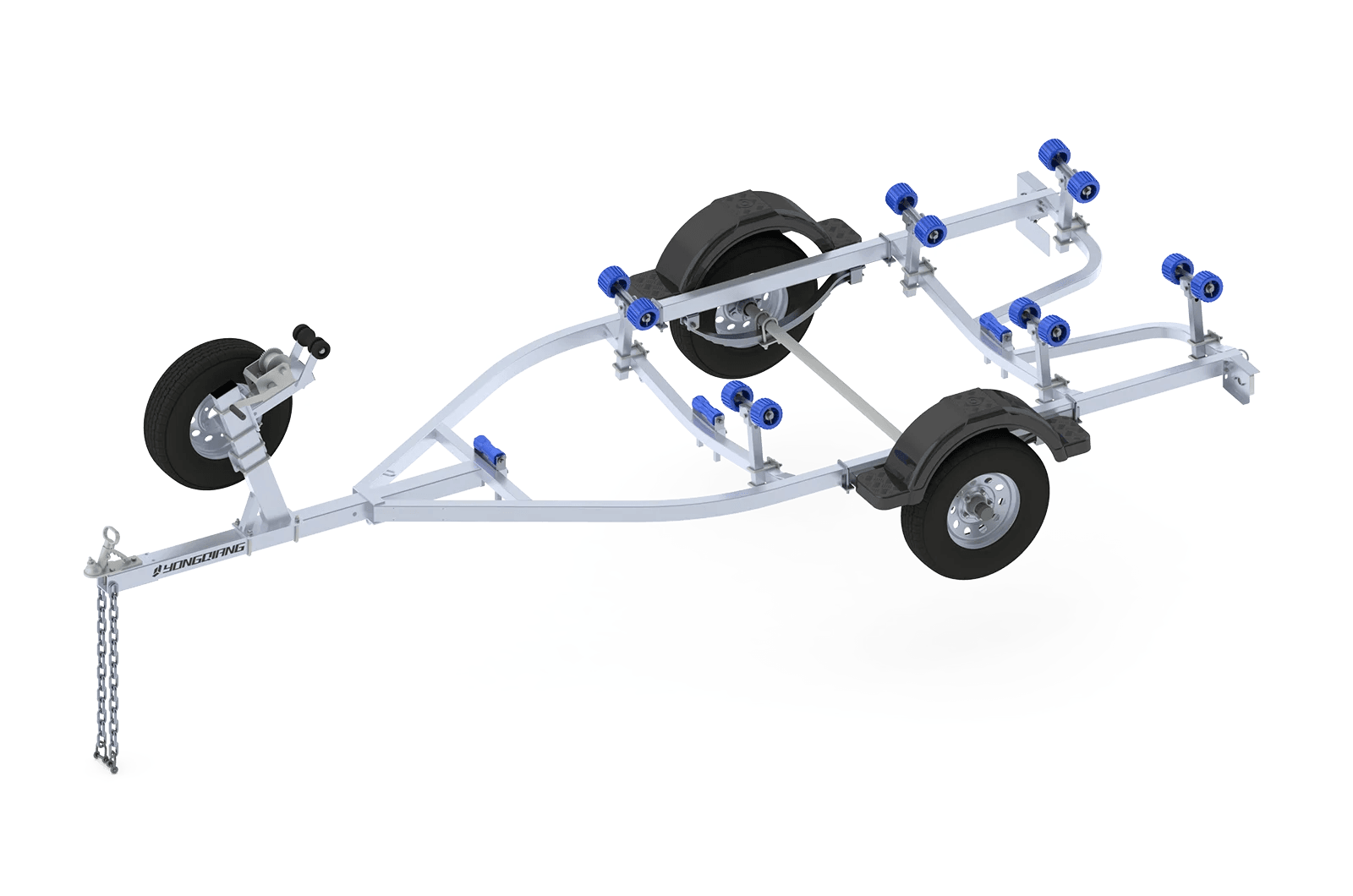
A watercraft trailer is really a collection of individual components, each handling a distinct job — and the overall performance of the trailer depends on how well these pieces work in concert, from towing safety through to loading convenience and keeping the hull protected along the way.
Frame. The main support structure the entire trailer builds around. Steel and aluminum are the two common choices, each bringing different trade-offs between strength and weight.
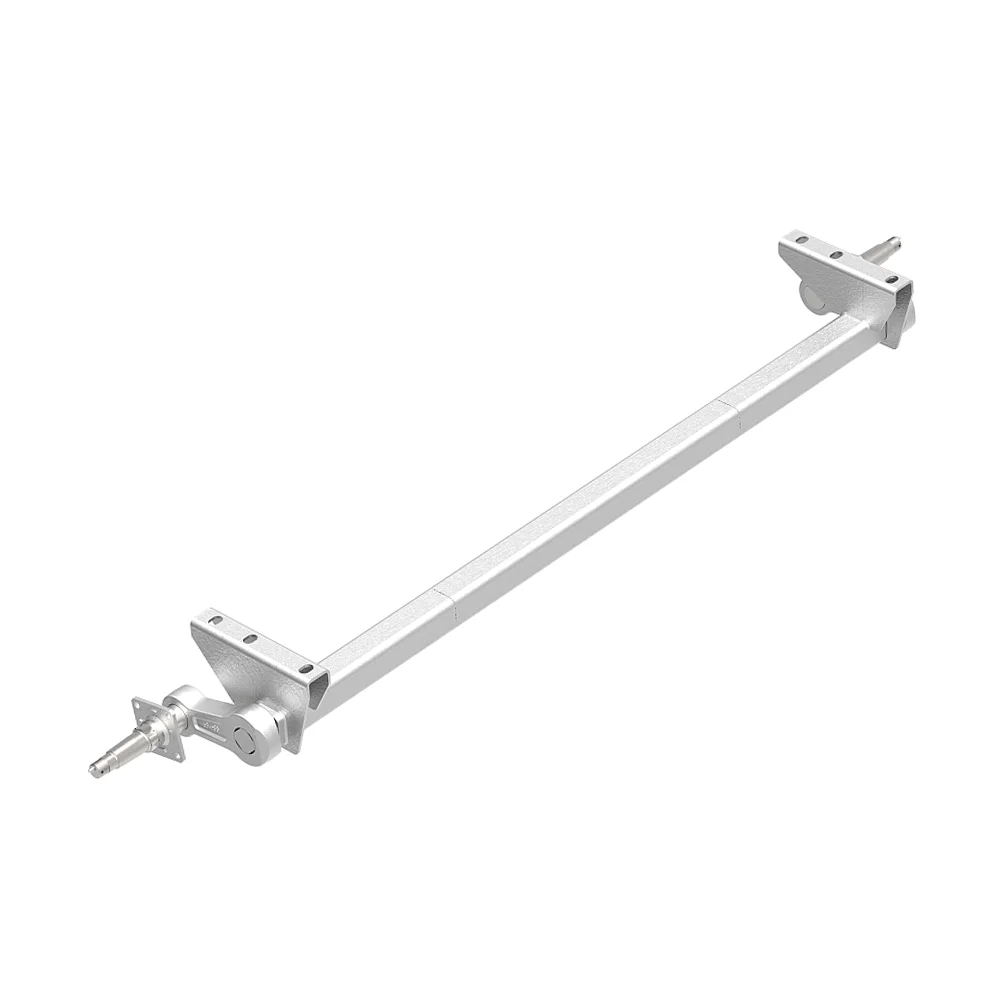
Axle system. Carries the trailer's load and has a direct influence on how stable the whole setup feels during towing.
Bunks or rollers. Give the hull something to rest on, while also helping guide the boat or watercraft smoothly into position as it's loaded.
Winch stand. Pulls the watercraft up onto the trailer and keeps it held securely in place once it's there.
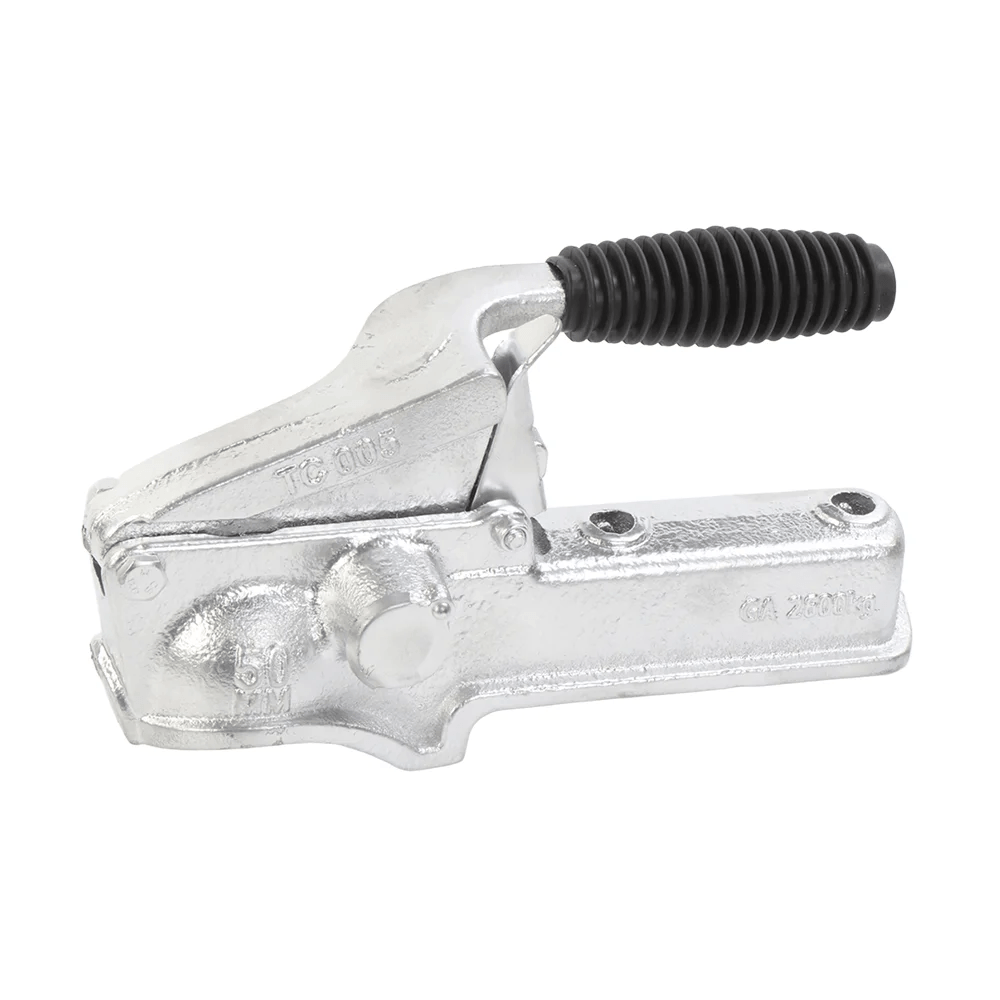
Coupler. The connection point linking the trailer to the towing vehicle.
Safety chains. A backup layer of security for the tow connection.
Fenders. Shield the watercraft from road spray, kicked-up stones, and tire debris during transport.
Lighting system. Covers tail lights, side lights, reflectors, and the wiring that keeps everything visible and legal on the road.
Tie-down points. Keep the boat or watercraft firmly in place while it's being hauled.
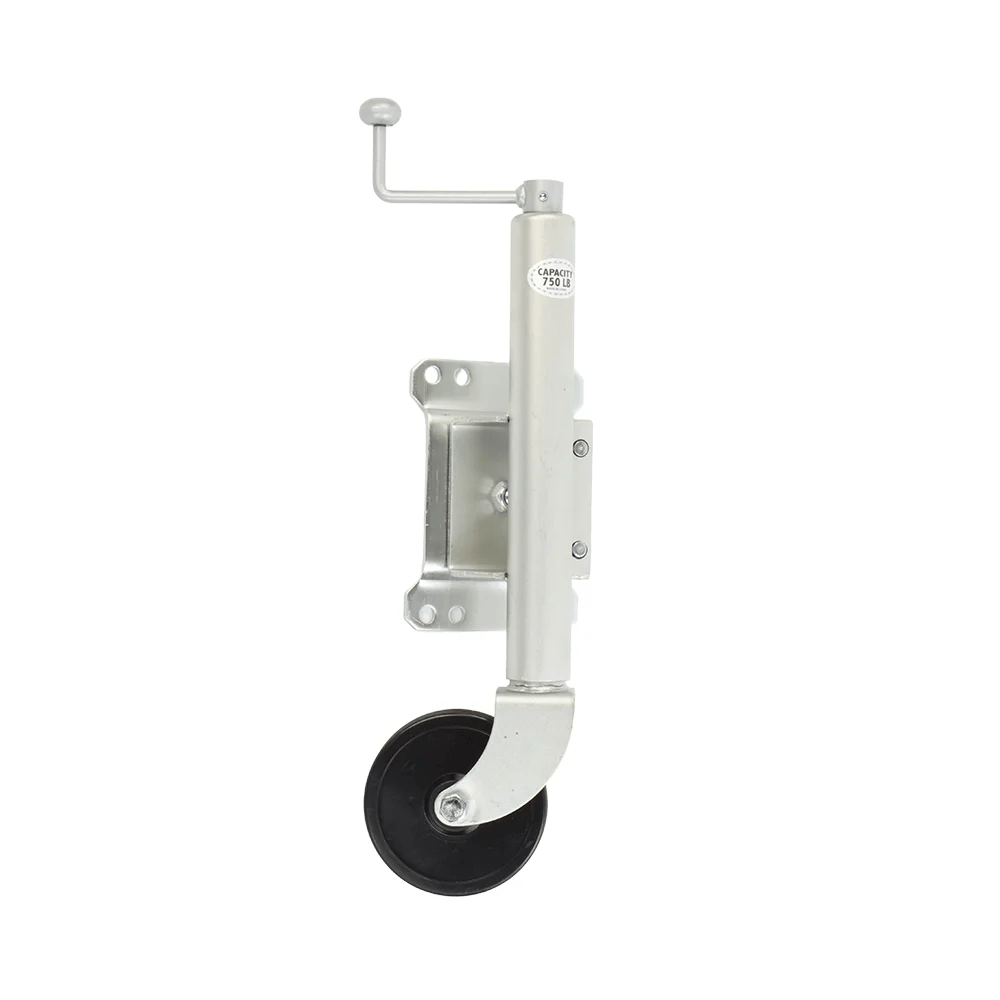
Jack stand. Holds the trailer level and stable once it's detached from the towing vehicle.
One thing that sets boat trailers apart structurally from a standard flatbed is the frame itself — it's typically longer and more open, which gives the hull better support along its length and makes entering the water at a ramp considerably easier than it would be with a more conventional design.
Steel vs. Aluminum Watercraft Trailers
Material choice is one of the most important decisions for boat and watercraft trailers. Since marine trailers frequently contact water, corrosion resistance directly affects service life.
| Material Type | Main Advantage | Best Application |
|---|---|---|
| Steel Trailer | Strong structure and cost-effective production | General freshwater use and heavier-duty hauling |
| Galvanized Steel Trailer | Better rust resistance than painted steel | Wet, humid, and coastal environments |
| Aluminum Trailer | Lightweight and corrosion-resistant | Jet ski, personal watercraft, and saltwater areas |
| Powder Coated Steel Trailer | Clean appearance and color flexibility | Recreational use and dry storage conditions |
Steel trailers are strong and suitable for many common applications. Galvanized steel trailers offer improved corrosion protection and are often preferred in wet or coastal environments. Aluminum trailers are lighter and naturally more resistant to rust, making them popular for personal watercraft and frequent water exposure.
The best material depends on load weight, water condition, budget positioning, and expected maintenance level.
Corrosion Protection for Marine Trailer Use
Compared to most other trailer categories, boat and watercraft trailers deal with a genuinely harsher environment. Water, humidity, salt, mud, sand — all of it works against the trailer over time, and the damage doesn't stop at the frame. Fasteners, wiring, axle components, and general hardware are just as vulnerable, often more so.
A number of protective approaches have become fairly standard responses to this problem:
- Hot-dip galvanizing
- Aluminum frame construction
- Powder coating
- Zinc-plated hardware
- Stainless steel hardware options
- Sealed lighting systems
- Protected wiring routing
- Drainage-friendly frame design
- Regular rinsing after saltwater exposure
Which of these actually makes sense depends a lot on where the trailer will be used. For freshwater lakes and rivers, powder coating or painted steel can hold up reasonably well, provided it's maintained with some consistency. Coastal or saltwater environments are a different story — galvanized steel or aluminum construction tends to be the more dependable choice there, simply because saltwater is far less forgiving of shortcuts. It's also worth paying attention to the smaller components, not just the frame. Hardware and wiring are often the first things to show corrosion, well before the main structure starts showing any wear at all.
Bunk, Roller, and Hull Support Design
How a boat trailer supports the hull is probably the single biggest departure from anything found on a general cargo trailer. There's no flat deck to just set something down on — the watercraft needs to sit securely across its length without any single point taking on more pressure than it should, since concentrated stress in the wrong spot can deform or damage a hull surprisingly quickly.
A few support designs have become the common answers to this problem, each addressing it slightly differently:
- Carpeted bunks. Give the hull a stable, even resting surface while cutting down on scratching from direct contact with harder materials.
- Adjustable bunks. Let the trailer accommodate different hull shapes rather than forcing one fixed setup onto every boat.
- Roller supports. Make the process of launching and retrieving considerably smoother, particularly at ramps where the boat needs to slide on and off with minimal resistance.
- Keel rollers. Support the centerline of certain hull types, where that central contact point matters more than side support alone.
- Side guide posts. Help keep the boat aligned as it's loaded, so it doesn't drift off-center during the process.
Bunk placement carries extra weight for jet ski and personal watercraft trailers specifically, since these hulls tend to be smaller and more curved, leaving less margin for error in how support is distributed. On double watercraft trailers, there's an added layer to think about — both sides need to stay balanced with each other, otherwise towing stability and weight distribution end up compromised even if each side looks fine on its own.
Axle, Suspension, and Towing Stability
A trailer that tows well should feel predictable — smooth at highway speed, steady through turns, controlled under braking, and cooperative when it's time to back down the ramp for launching. A lot of that predictability traces back to one specific factor: axle position, which directly shapes tongue weight and how the load balances overall.
Several elements feed into whether towing actually feels stable or not:
- Proper axle rating
- Correct tongue weight
- Stable frame geometry
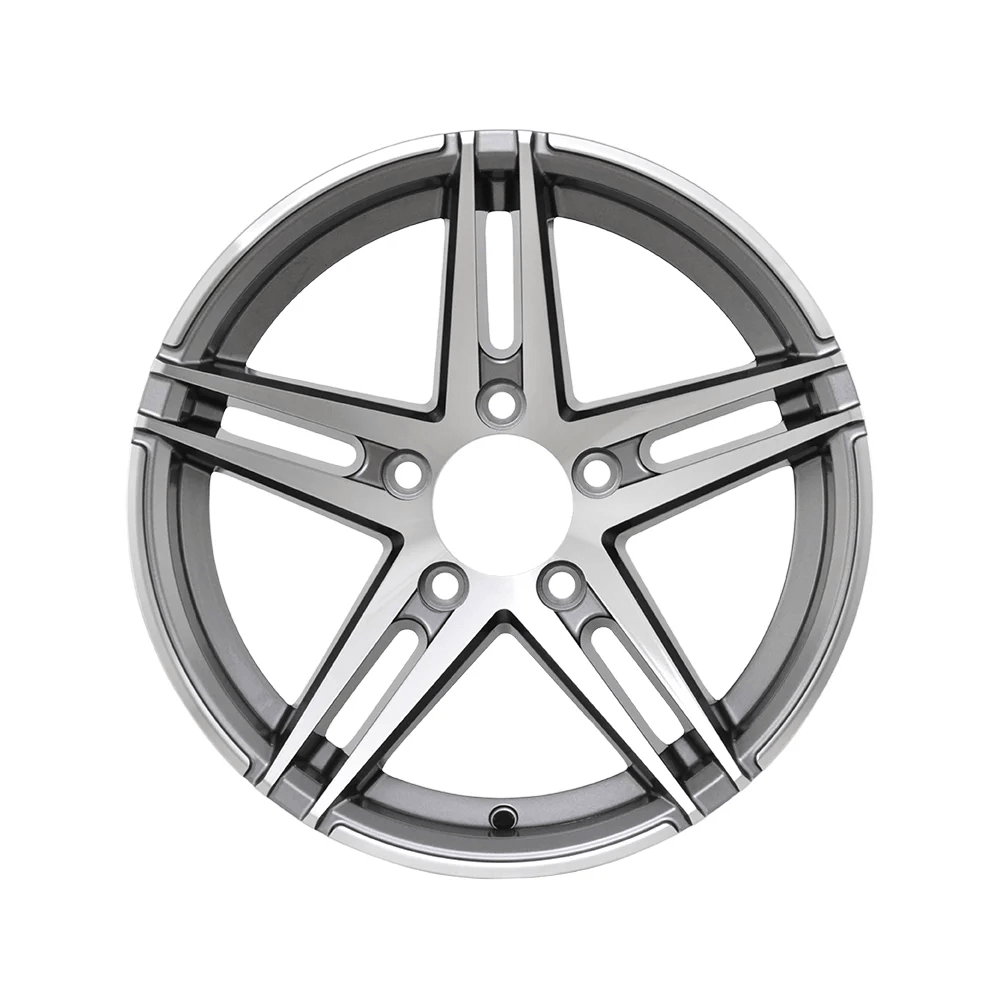
- Suitable tire and wheel size
- Balanced watercraft position
- Reliable coupler and safety chains
- Proper lighting and reflectors
- Strong fenders and mounting brackets
The right axle setup tends to scale with what's actually being hauled. Lighter jet ski trailers usually do fine with a single axle — it's simple, easy to maneuver, and more than adequate for the load. Larger boat trailers or double watercraft trailers are a different case, though; depending on total weight and applicable road requirements, a stronger axle configuration often becomes necessary rather than optional.
Get the balance right, and the payoff shows up in several places at once — less sway on the road, noticeably better towing control, and a watercraft that isn't absorbing unnecessary vibration it really doesn't need.
Custom Boat and Watercraft Trailer Options
Custom watercraft trailers can be developed to match different marine equipment sizes, market preferences, branding needs, and road-use requirements.
Common customization options include:
| Custom Option | Available Choices | Main Benefit |
|---|---|---|
| Frame Size | Custom length and width | Fits different boats and watercraft |
| Material | Steel, galvanized steel, aluminum | Matches strength and corrosion needs |
| Support System | Bunks, rollers, guide posts | Improves hull protection and loading |
| Axle Rating | Light-duty or stronger configurations | Matches total trailer and watercraft weight |
| Lighting | LED lights, waterproof wiring | Improves road safety and durability |
| Finish | Powder coating, galvanizing, aluminum finish | Supports corrosion protection and appearance |
| Branding | Logo, decal, color, nameplate | Builds clearer product identity |
| Accessories | Winch, jack, fenders, spare tire, straps | Improves convenience and usability |
Customization should always begin with the watercraft dimensions, hull type, weight, launching environment, and expected road conditions. This helps avoid poor support, unstable towing, or unnecessary structural weight.
Why Choose YQ Trailer Manufacturer
Picking the right manufacturing partner tends to matter more than people expect — it shows up later in product consistency, structural reliability, and how the trailer actually holds up once it's out in the market for a few years. YQ Trailer brings over 20 years of trailer manufacturing experience to its boat and watercraft trailer lineup, backed by a production facility spanning more than 100,000 square meters and staffed by skilled machinists, engineers, and technicians who've spent years refining this specific type of build.
The focus at YQ Trailer stays fairly grounded: practical design choices, production processes that stay consistent from batch to batch, and configurations flexible enough to adapt across different applications. Frame structures, axle systems, bunk layouts, corrosion-resistant finishes, lighting systems, and branding details can all be adjusted to fit what a particular boat or watercraft trailer actually needs to do.
A few things tend to stand out about how the operation is set up:
- More than 20 years of trailer manufacturing experience
- Large-scale production facility
- Engineering support for custom trailer design
- Steel and aluminum trailer structure options
- Surface treatment options suited to marine environments
- ISO quality management support
- WMI/VIN management capability
- DOT-related compliance support for North American markets
- Factory inspection and load testing processes
- Custom color, logo, label, and accessory options
For boat and watercraft trailers specifically, consistency in manufacturing isn't just a nice-to-have — every frame, weld, axle, bunk, and lighting component feeds directly into how safe the trailer is and how long it actually lasts in service.
Maintenance Tips for Longer Trailer Life
Boat and watercraft trailers ask for a bit more upkeep than most, particularly after time spent around water. The good news is that the maintenance itself doesn't need to be complicated — a handful of simple habits, done consistently, can add years to how long a trailer stays reliable.
A few practices worth building into a routine:
- Rinse the trailer after saltwater use
- Check lights before every trip
- Inspect wiring connections regularly
- Lubricate moving parts and winch components
- Check tire pressure before towing
- Inspect wheel bearings and hubs
- Check bunks, carpet, and fasteners
- Tighten loose bolts and hardware
- Inspect coupler and safety chains
- Look for rust, cracks, or coating damage
- Keep the trailer stored in a dry place when possible
- Replace damaged tie-down straps when needed
Marine environments are simply hard on metal and electrical components — there's no getting around that. But routine cleaning and regular inspection go a long way toward keeping a trailer both safe to use and dependable trip after trip.
FAQ About Boat and Watercraft Trailers
1. What is a boat and watercraft trailer used for?
A boat and watercraft trailer is used to transport boats, jet skis, personal watercraft, and other marine equipment between storage areas, homes, marinas, lakes, rivers, and maintenance locations.
2. What is the difference between a boat trailer and a watercraft trailer?
A boat trailer is usually designed for small boats or larger hulls, while a watercraft trailer is commonly used for jet skis and personal watercraft. Watercraft trailers can be single or double depending on how many units they carry.
3. Is aluminum better for a watercraft trailer?
Aluminum is lighter and more corrosion-resistant, making it suitable for frequent water exposure and saltwater environments. Steel and galvanized steel can also be good choices depending on strength requirements and budget positioning.
4. Why is corrosion protection important for marine trailers?
Boat and watercraft trailers often contact water, mud, sand, humidity, and salt. Without proper corrosion protection, the frame, fasteners, axle parts, and wiring may deteriorate faster.
5. What support system is better: bunks or rollers?
Bunks provide stable hull support and are common for jet skis and many boats. Rollers make launching and retrieval easier, especially on some ramps. The best option depends on hull shape, trailer design, and launching conditions.
6. Can a trailer carry two watercraft at the same time?
Yes. A double watercraft trailer is designed to carry two personal watercraft units. It usually has a wider frame, balanced bunk layout, and stronger load capacity.
7. What should be checked before using a watercraft trailer?
Before towing, check the coupler, safety chains, tires, lights, winch, tie-down straps, bunks, wheel bearings, and overall trailer balance.
8. Can boat and watercraft trailers be customized?
Yes. These trailers can be customized in frame size, material, bunk layout, axle rating, lighting system, surface finish, color, logo, winch, fenders, guide posts, and other accessories.
