

 English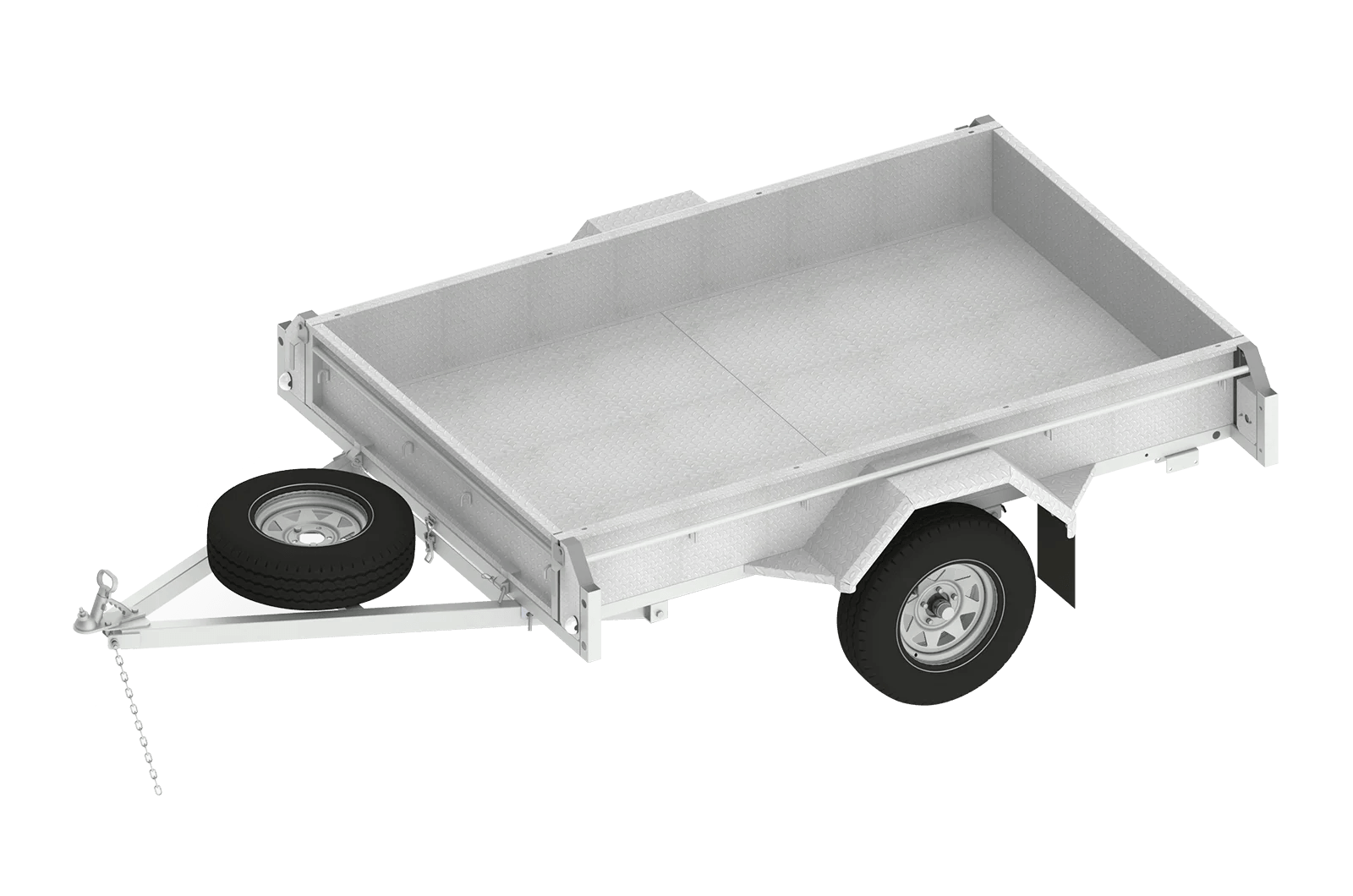



What Makes a High-Quality Box Trailer Reliable for Utility and Equipment Transport
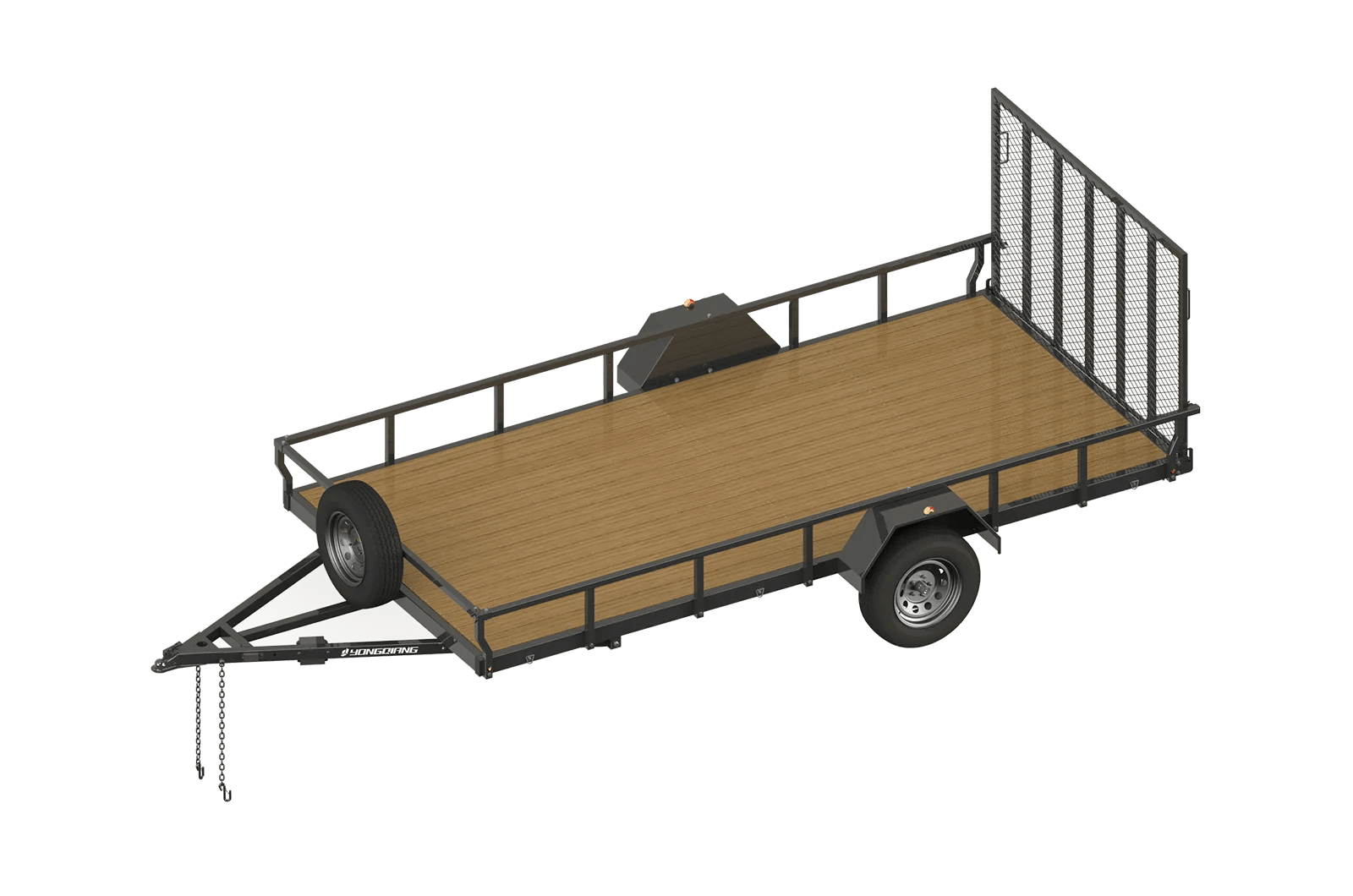
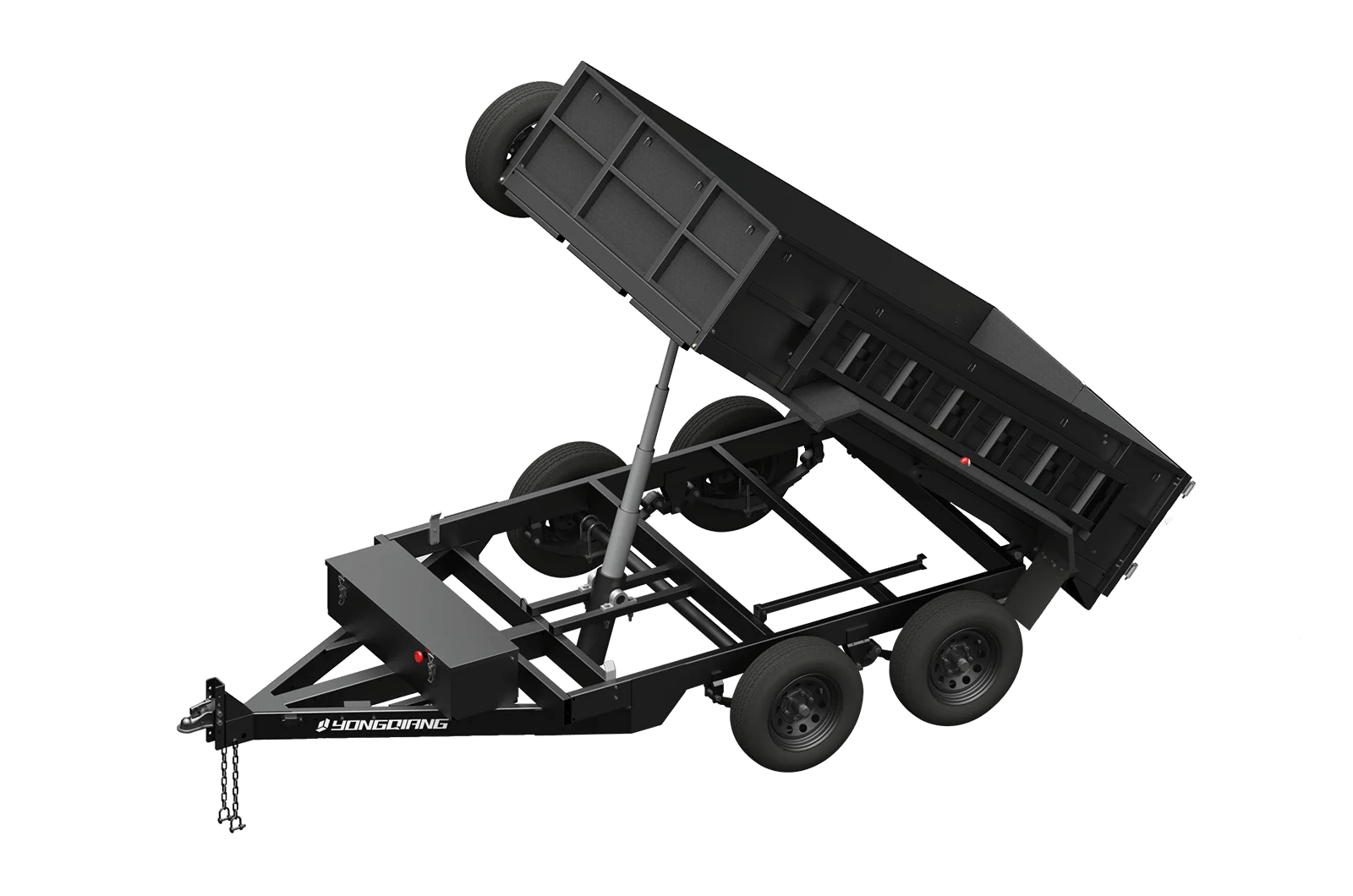
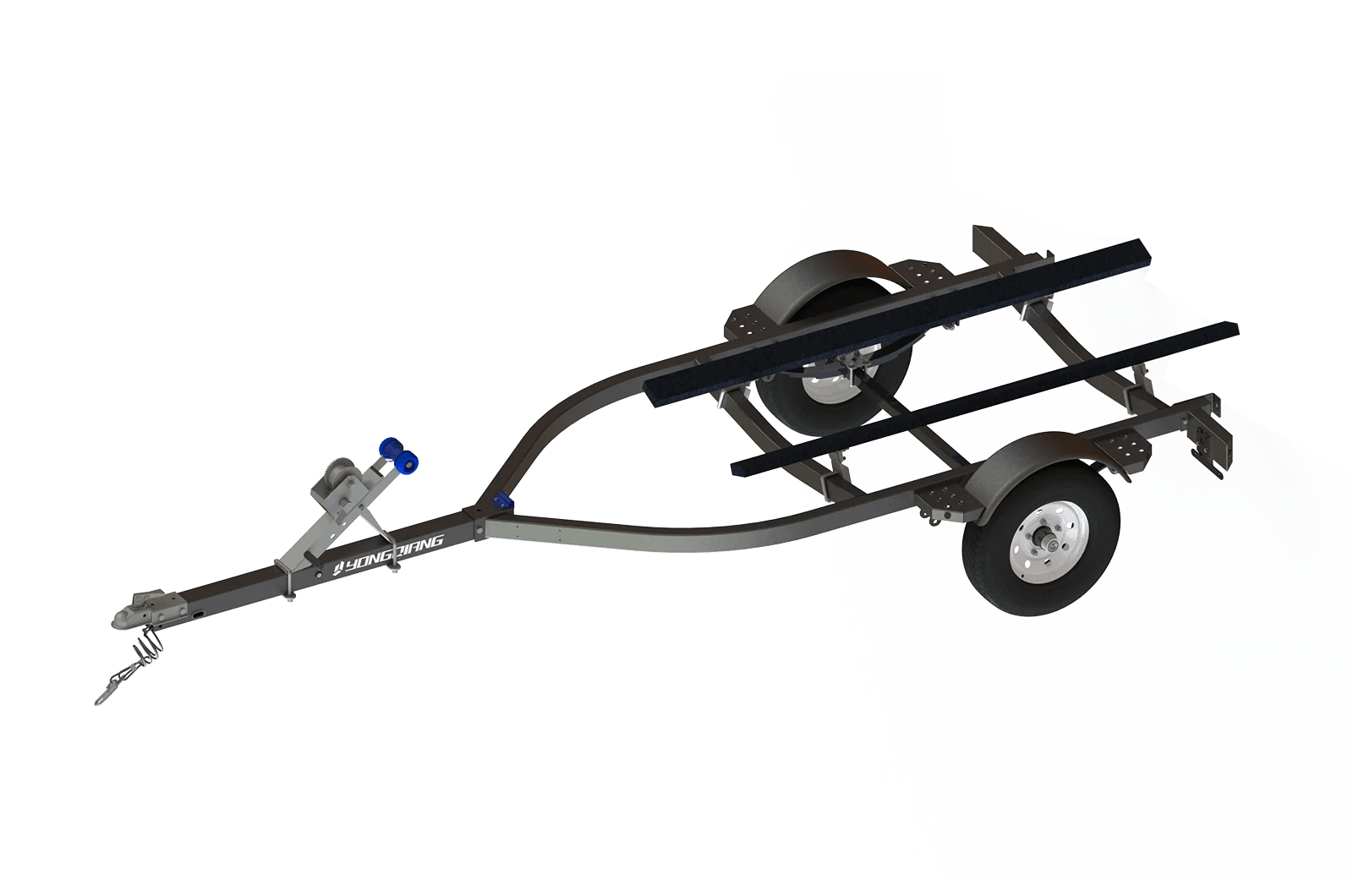
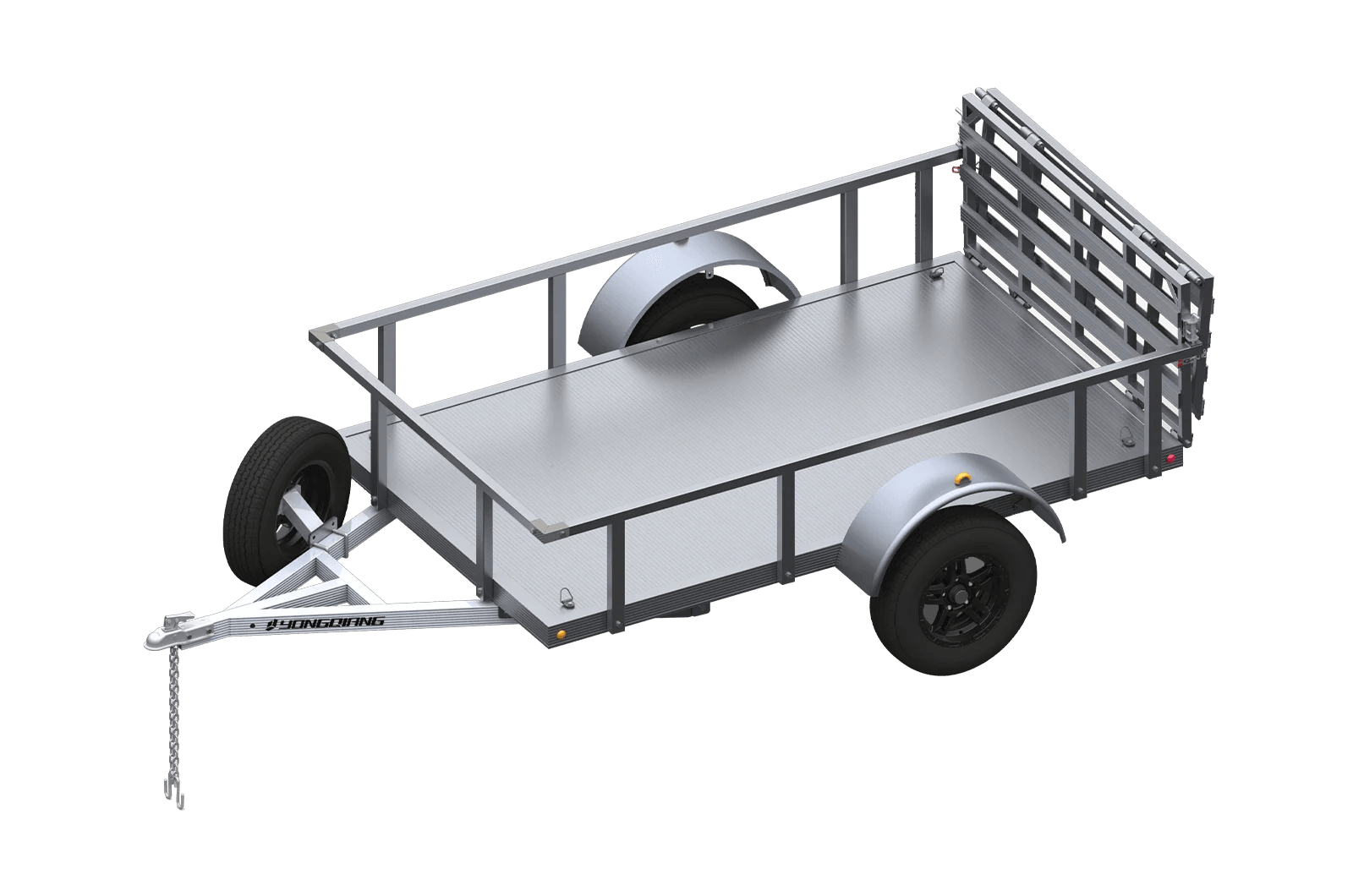
Box trailers show up across almost every corner of the trailer market, mainly because the design stays simple while still handling real work — decent load capacity, low maintenance needs, and enough flexibility to adjust for different buyers. For businesses sourcing trailers for distribution, rental fleets, construction sites, farm operations, or equipment logistics, a few technical points are worth going through carefully before locking in a spec.
Frame Structure and Load-Bearing Performance
The frame is what everything else on a box trailer depends on. A well-built unit typically runs on a reinforced steel chassis, paired with solid cross members, side rails, and a properly supported drawbar. These parts together decide how much weight the trailer can actually carry, how well it resists twisting under load, and how long it lasts in daily use.
For trailers that see regular duty hauling tools, machinery, building materials, landscaping gear, or farm supplies, the frame needs to hold up under both a stationary load and the constant jolting that comes from road travel. When frame design falls short, the usual results are chassis deformation, a trailer that doesn't tow straight, or a shorter working life overall.
A few structural details worth checking:
- Main beam reinforcement
- Cross member spacing that suits the load type
- A drawbar connection built to handle towing stress
- Welded or bolted chassis, depending on the application
- Frame performance backed by load testing
- A payload-to-trailer-weight ratio that stays balanced under real conditions
A manufacturer that knows its product should be able to walk through technical drawings, share load reference data, and suggest frame adjustments based on how the trailer will actually be used in different markets.
Axle Configuration and Suspension Selection
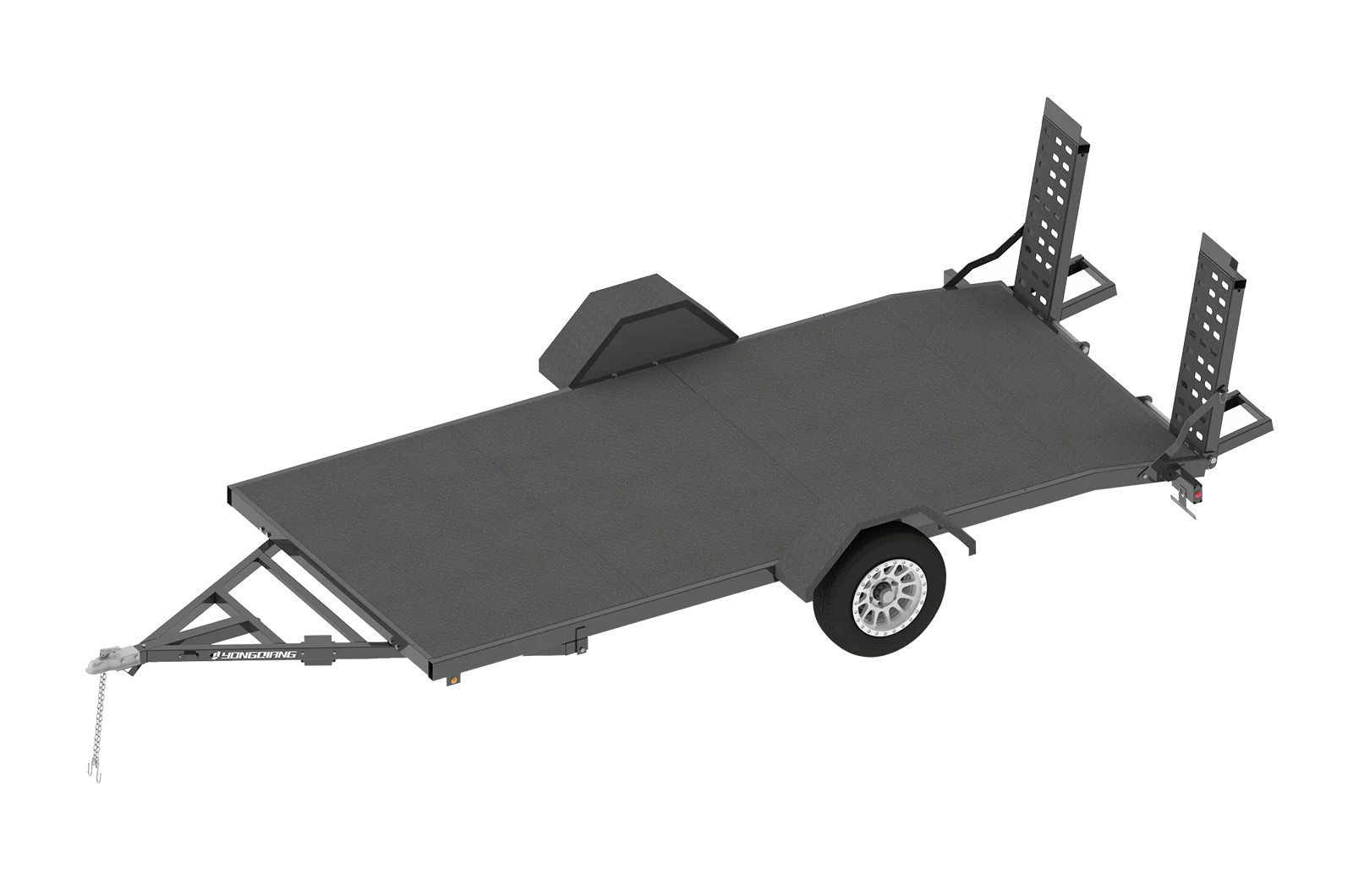
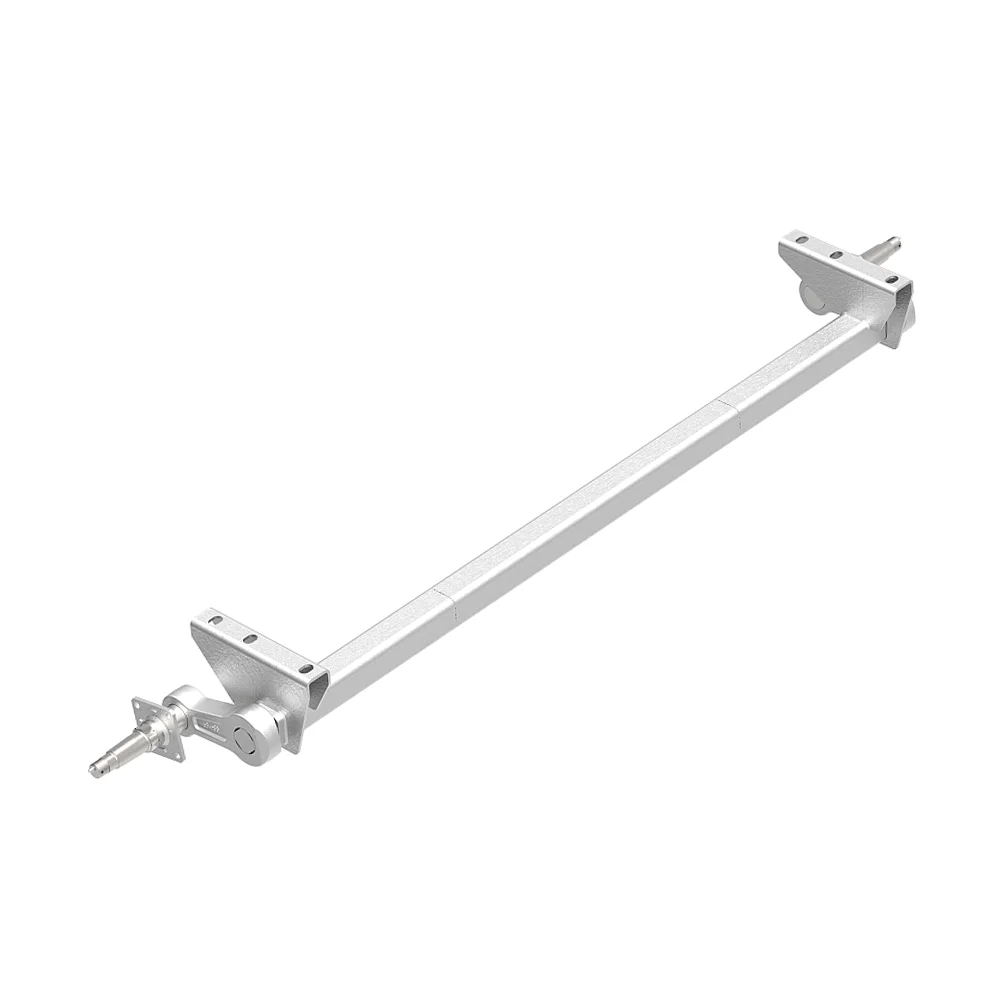
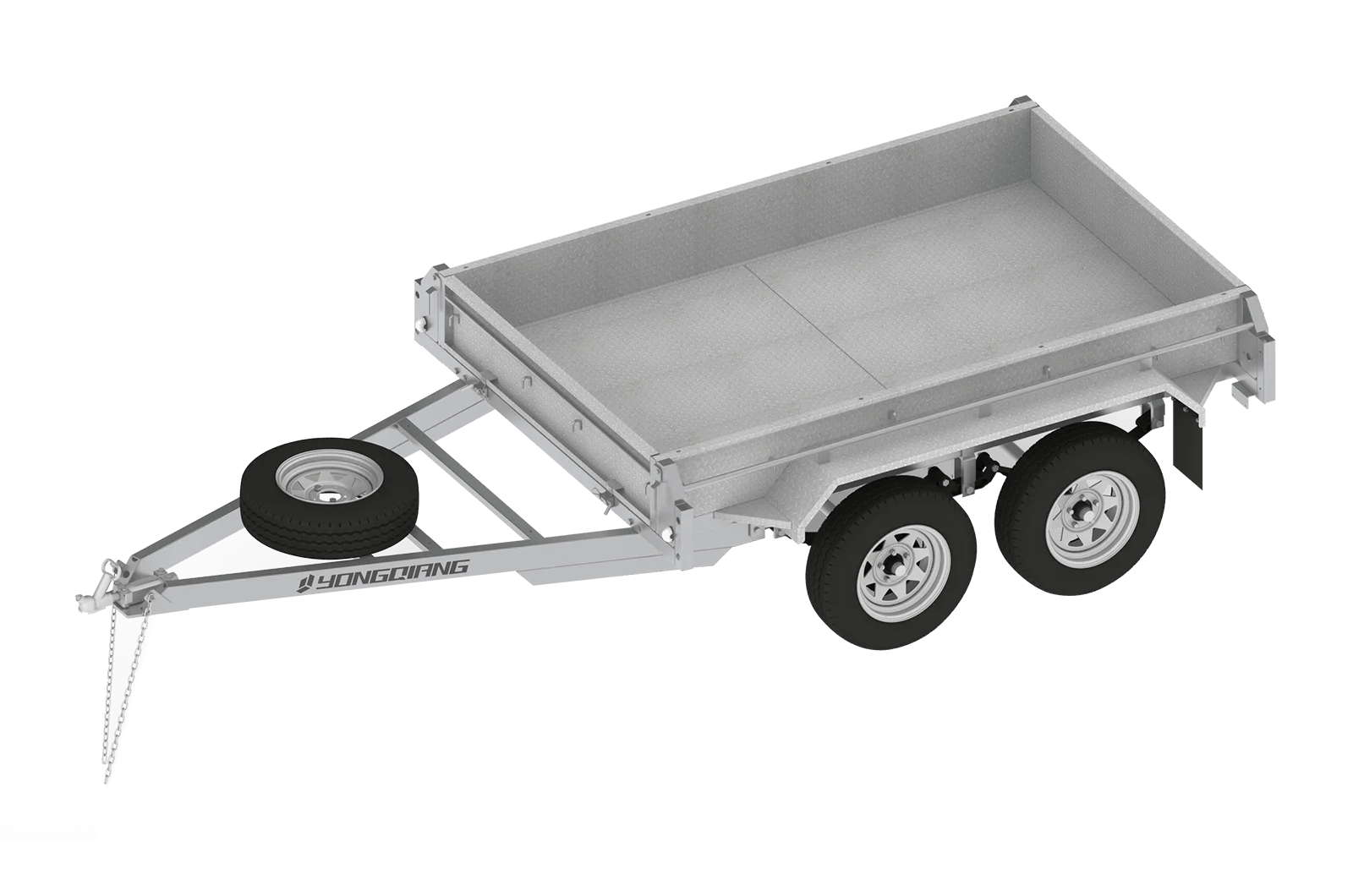
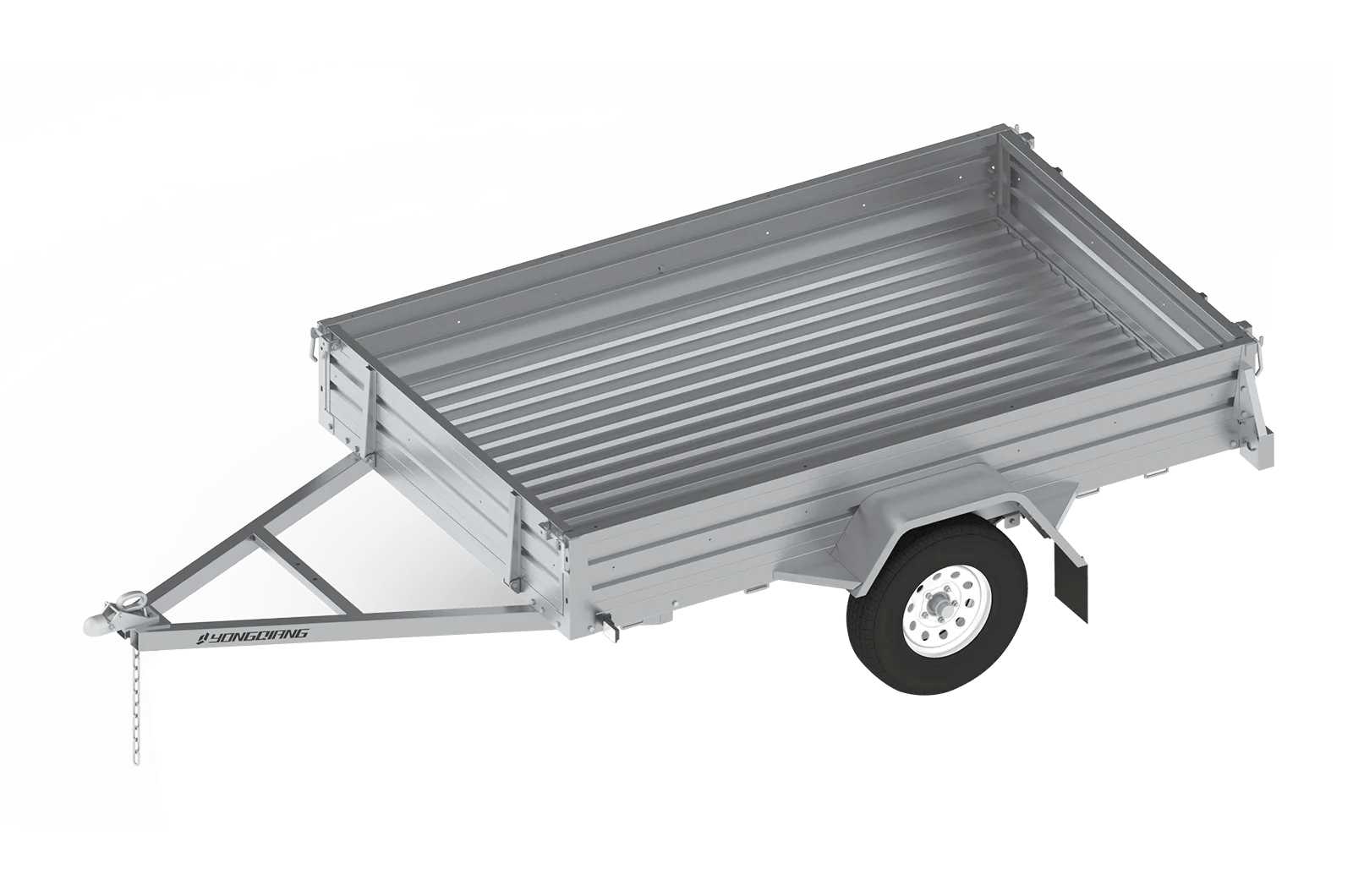
Box trailers are generally available in single axle and tandem axle designs. The correct axle configuration depends on trailer size, payload requirement, road conditions, and braking regulations in the target market.
Single axle box trailers are commonly used for light-duty utility work, garden transport, household goods, and small equipment movement. They are easier to maneuver, lighter in weight, and more cost-efficient.
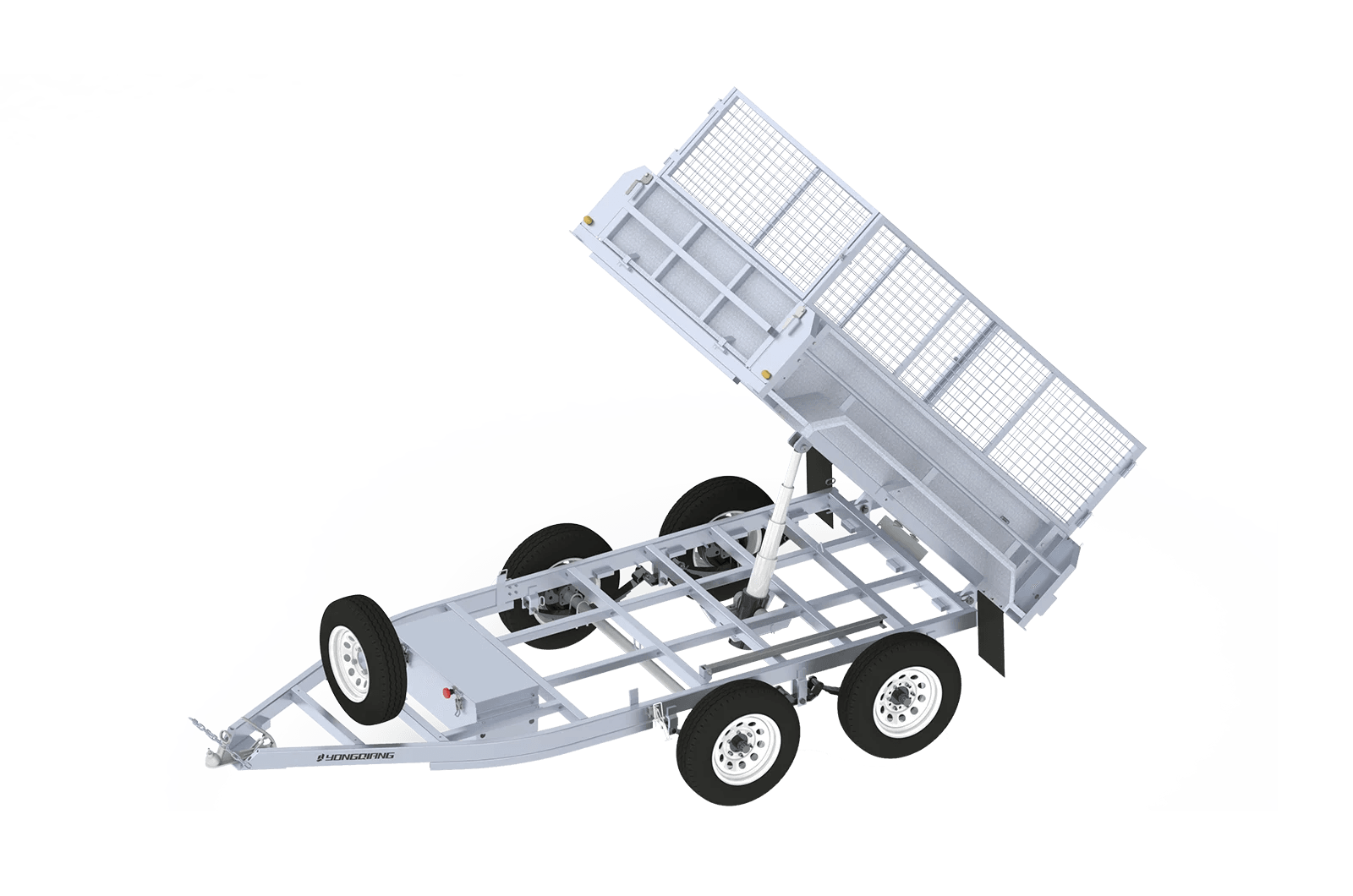
Tandem axle box trailers provide better load distribution, higher stability, and improved road control. They are more suitable for construction equipment, commercial tools, heavy materials, and long-distance transportation.
Common suspension options include:
| Configuration | Main Advantage | Typical Application |
|---|---|---|
| Single Axle | Lightweight and easy to tow | Light utility and garden use |
| Tandem Axle | Better stability and higher capacity | Commercial and equipment transport |
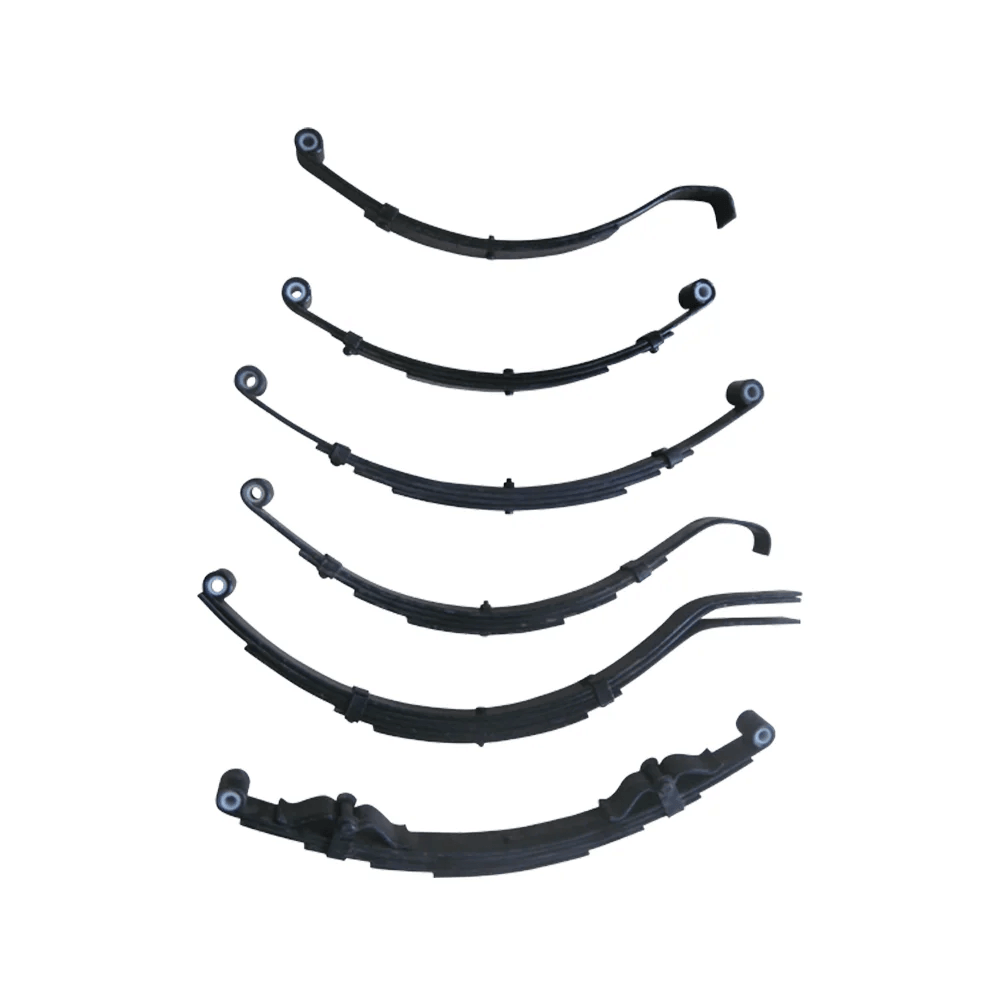
| Leaf Spring Suspension | Durable and cost-effective | General road and worksite use |
| Torsion Axle System | Smoother ride and lower maintenance | Higher-end utility applications |
The axle, tire, hub, and suspension system should match the rated load capacity to ensure safe and consistent performance.
Surface Treatment and Corrosion Protection
How well a box trailer holds up over time often comes down to its surface finishing. Trailers spend a lot of time outdoors — rain, mud, road salt, gravel kicked up from the road, and long stretches sitting in open storage all take a toll on bare steel. That's why corrosion protection needs to be built into the manufacturing process from day one, not treated as an afterthought.
A few surface treatments come up most often in trailer production: hot-dip galvanizing, pre-galvanized steel, powder coating, and standard paint finishes. Among these, galvanized trailers tend to hold up especially well in humid climates, coastal areas, and any setting where the trailer stays outside for most of its working life.
What galvanizing actually brings to the table:
- Solid resistance against rust
- A noticeably longer working life for the steel
- Less time and cost spent on upkeep
- Better protection right at the edges and welded joints, where corrosion usually starts first
- Reliable performance even under rough outdoor conditions
Powder coating, by comparison, leans more toward appearance — a cleaner finish with more color options — while galvanizing is built around durability in tougher environments. For buyers who need both a polished look and strong corrosion resistance, combining the two treatments is often worth considering.
Cargo Box Design and Practical Functionality
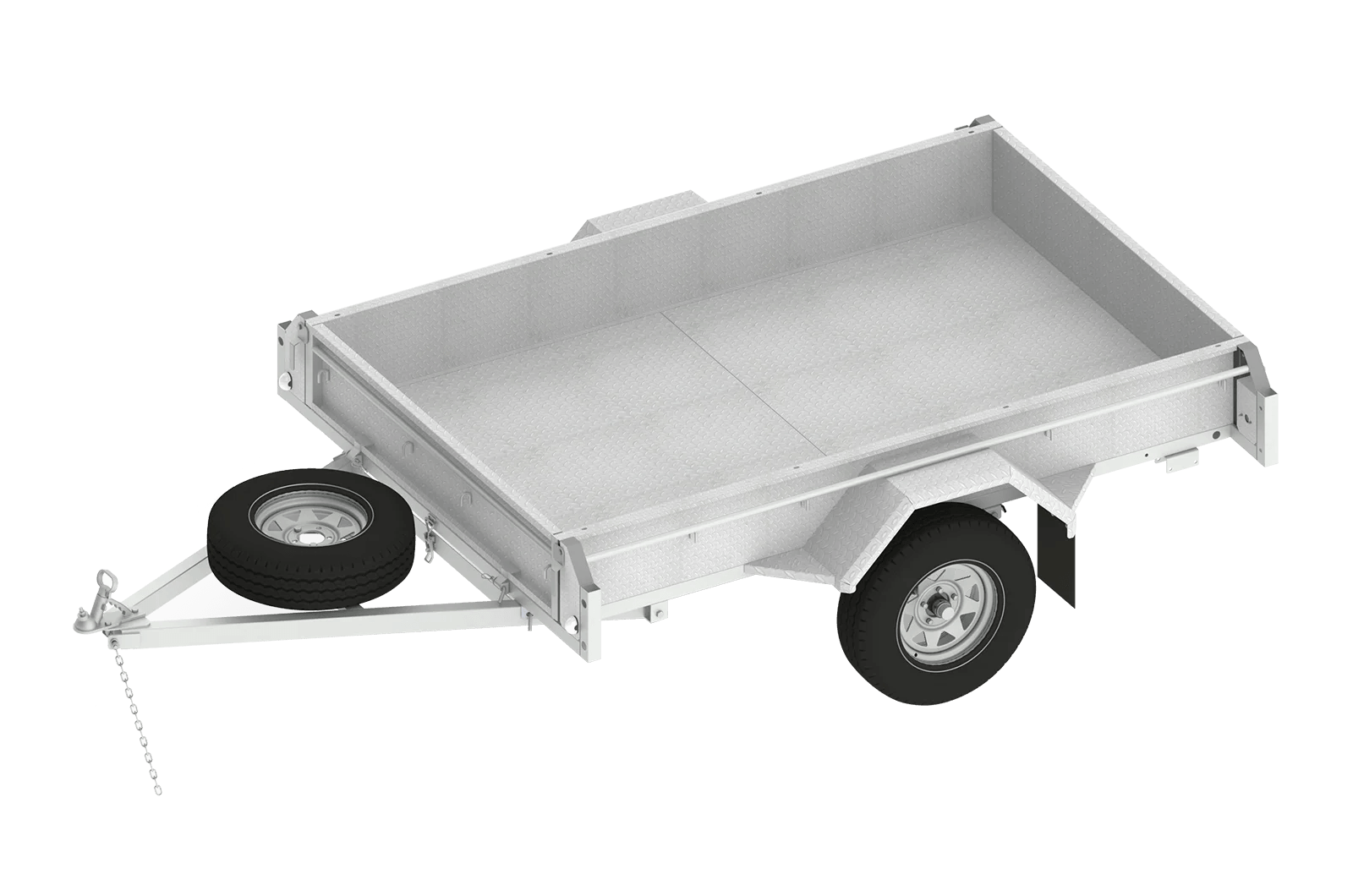
The box structure is what gives this trailer its versatility. Side panels keep cargo from shifting around during transport, and the flat bed underneath makes it straightforward to load tools, machinery, cartons, timber, and other bulky items without much hassle.
A few design details worth paying attention to:
- Side panel height
- Rear tailgate structure
- Removable or fixed panel options
- Non-slip floor surfaces
- Tie-down points
- Spare wheel positioning
- Mudguard design
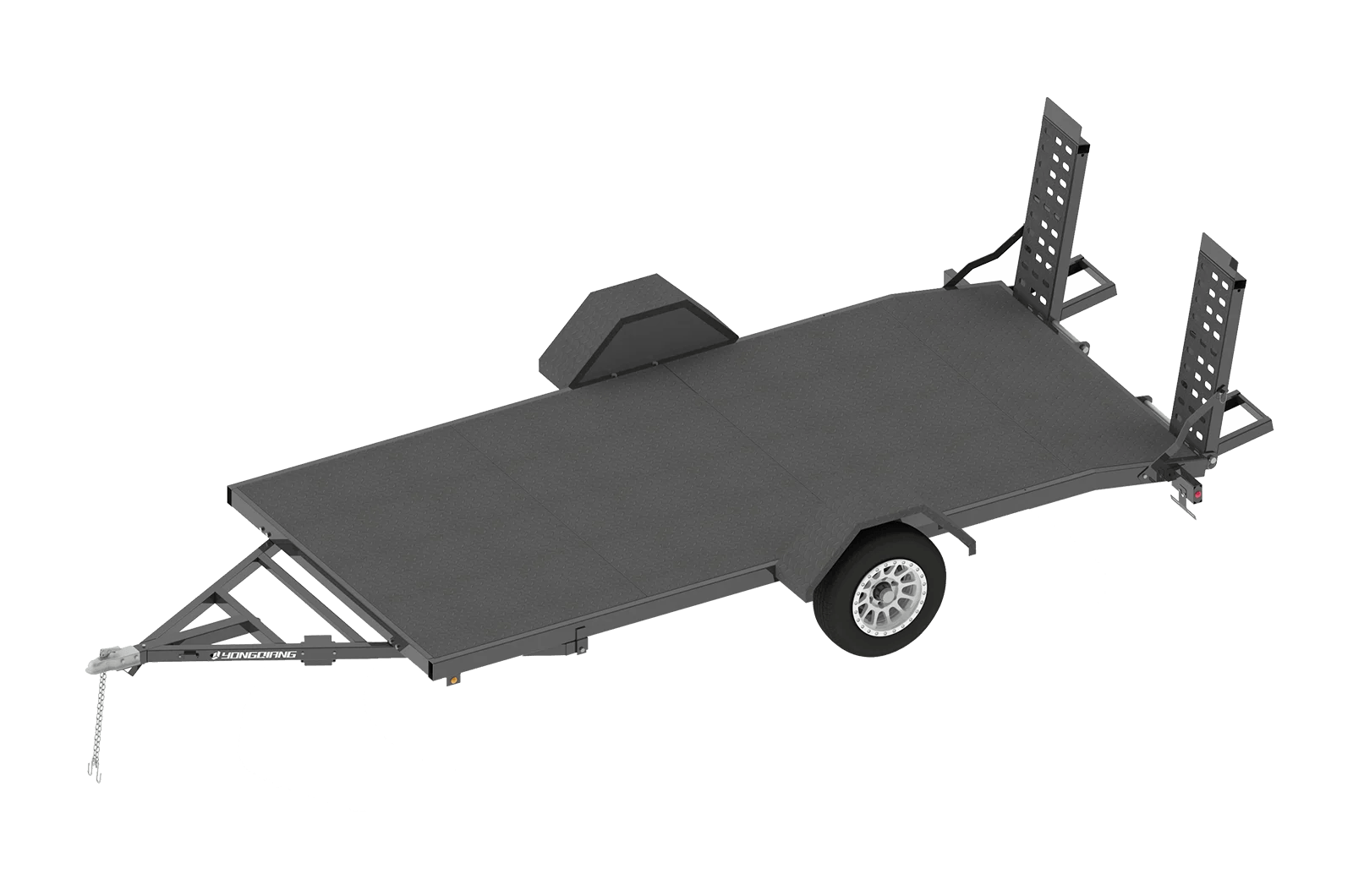
- Ramp compatibility
- LED lighting system
Carrying weight is only part of what a well-designed box trailer needs to do — it should also make everyday loading and unloading less of a chore. Removable side panels, for instance, let you load from whichever direction makes sense for the job at hand, and reinforced tie-down points give irregular or oddly-shaped cargo a much more secure hold during the trip.
Braking System and Road Safety
Once a box trailer starts carrying heavier loads, the braking setup becomes one of the most important safety considerations. Depending on what local road rules require and where the trailer falls on the gross vehicle weight scale, it might run mechanical brakes, hydraulic brakes, or an electric braking system.
A few things worth getting right during production:
- Brake type matched to the trailer's intended use
- Axle load rating
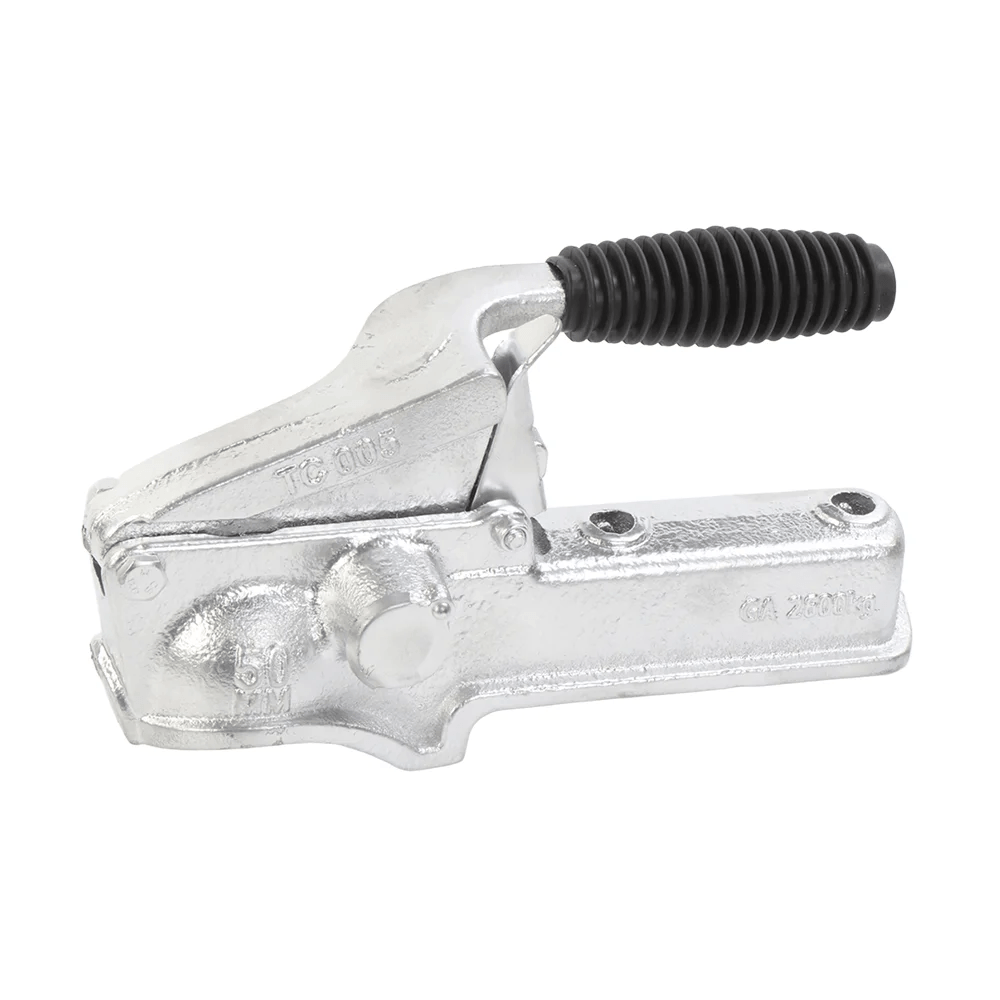
- Coupler and hitch standards
- Safety chain specifications
- Lighting and wiring setup
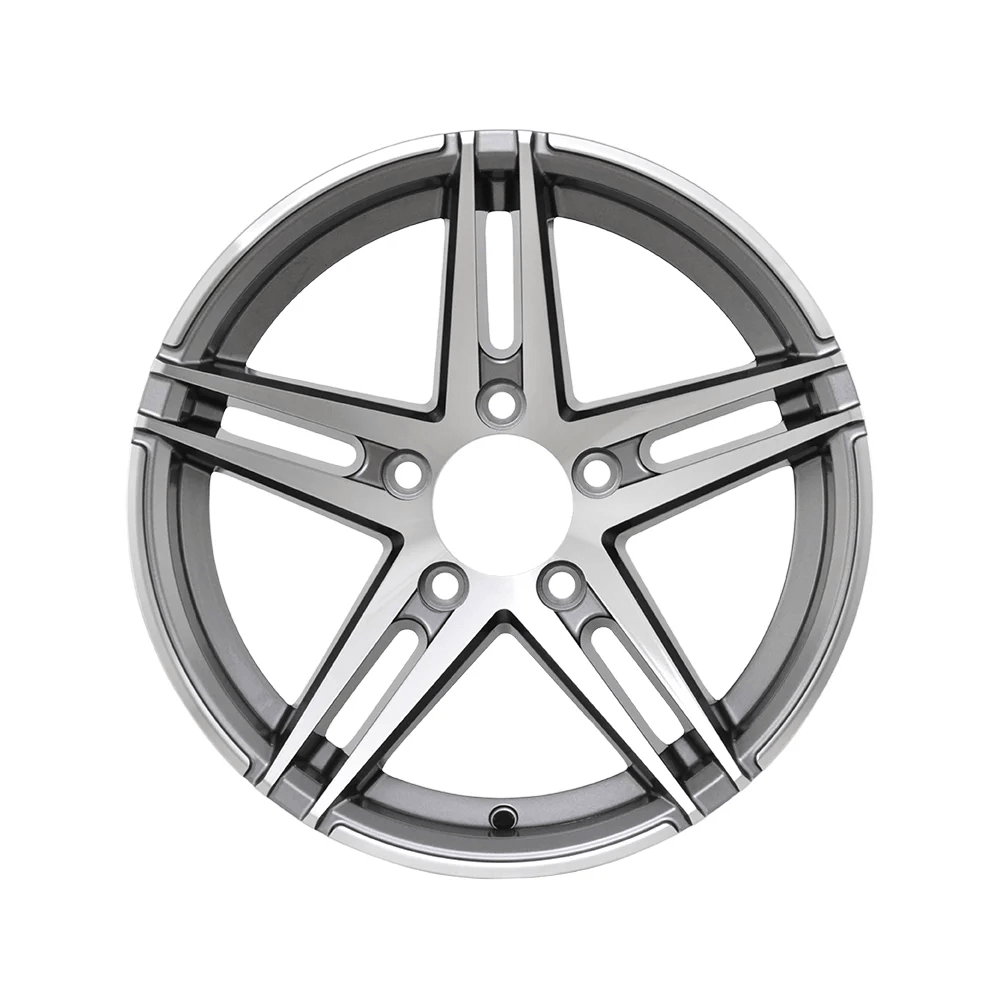
- Tire and wheel certification
- VIN and compliance documentation
Markets like North America, Australia, and Europe each come with their own set of transport regulations, so compliance isn't something to treat lightly when exporting. A factory that knows what it's doing should already be familiar with DOT, ADR, CE-related standards, and whatever other regional rules apply to the destination market.
Custom Manufacturing Capability
Trailer preferences shift quite a bit from one market to another — sizing, load capacity, finish, configuration, all of it varies depending on where the product ends up. That's part of why custom manufacturing capability matters so much for companies building out a trailer product line rather than just selling one fixed spec.
Customization typically covers areas like:
- Bed width and length
- Number of axles and their capacity
- Braked or unbraked setup
- Galvanized or coated finish
- Floor material and thickness
- Side panel height
- Drawbar structure
- Tire and wheel specs
- Rear ramp or tailgate design
- Packaging and shipping method
None of this works without the right foundation on the factory side — engineering support, solid welding capability, controlled surface treatment, careful assembly inspection, and proper final testing before anything ships out. Keeping production quality consistent is what actually cuts down on after-sales headaches and keeps a product line competitive over the long run.
FAQ About Box Trailers
1. What is a box trailer used for?
A box trailer is used for transporting tools, equipment, building materials, garden supplies, farm goods, household items, and general cargo. Its side panel structure helps keep cargo contained and protected during transport.
2. What is the difference between a box trailer and a flatbed trailer?
A box trailer has side panels and an enclosed cargo edge, while a flatbed trailer has an open platform without side walls. Box trailers are better for loose cargo and general utility use, while flatbed trailers are more suitable for large or irregular equipment.
3. Is a single axle or tandem axle box trailer better?
A single axle box trailer is better for light-duty use, easier maneuvering, and smaller loads. A tandem axle box trailer is better for heavier cargo, improved road stability, and frequent commercial applications.
4. What surface finish is best for a box trailer?
Galvanized finish is recommended for long-term rust resistance, outdoor storage, coastal areas, rainy climates, and heavy-duty use. Powder coating is suitable when color, appearance, and smooth surface finish are important.
5. Can box trailers be customized?
Yes. Box trailers can be customized in bed size, side panel height, axle type, braking system, floor material, suspension, tire specification, lighting system, tailgate design, ramp gate, and surface treatment.
6. What floor material is commonly used for box trailers?
Common floor materials include galvanized steel plate, checker plate steel, aluminum plate, and plywood. Checker plate steel is popular for work trailers because it offers strength, wear resistance, and anti-slip performance.
7. Do box trailers need brakes?
It depends on trailer weight, load capacity, and local road regulations. Light-duty models may be unbraked, while heavier trailers usually require mechanical, hydraulic, or electric braking systems.
8. What makes a box trailer durable?
A durable box trailer usually has a reinforced chassis, strong cross members, quality welding, corrosion-resistant surface treatment, matched axle capacity, reliable suspension, and proper quality inspection before shipment.
9. Are galvanized box trailers suitable for outdoor use?
Yes. Galvanized box trailers are highly suitable for outdoor use because the zinc coating helps protect steel from rust caused by rain, humidity, mud, and road salt.
10. What information is needed to design a suitable box trailer specification?
Important information includes trailer size, intended cargo type, required load capacity, axle preference, braking requirements, surface finish, floor type, tailgate style, towing standard, and target market regulations.
