

 English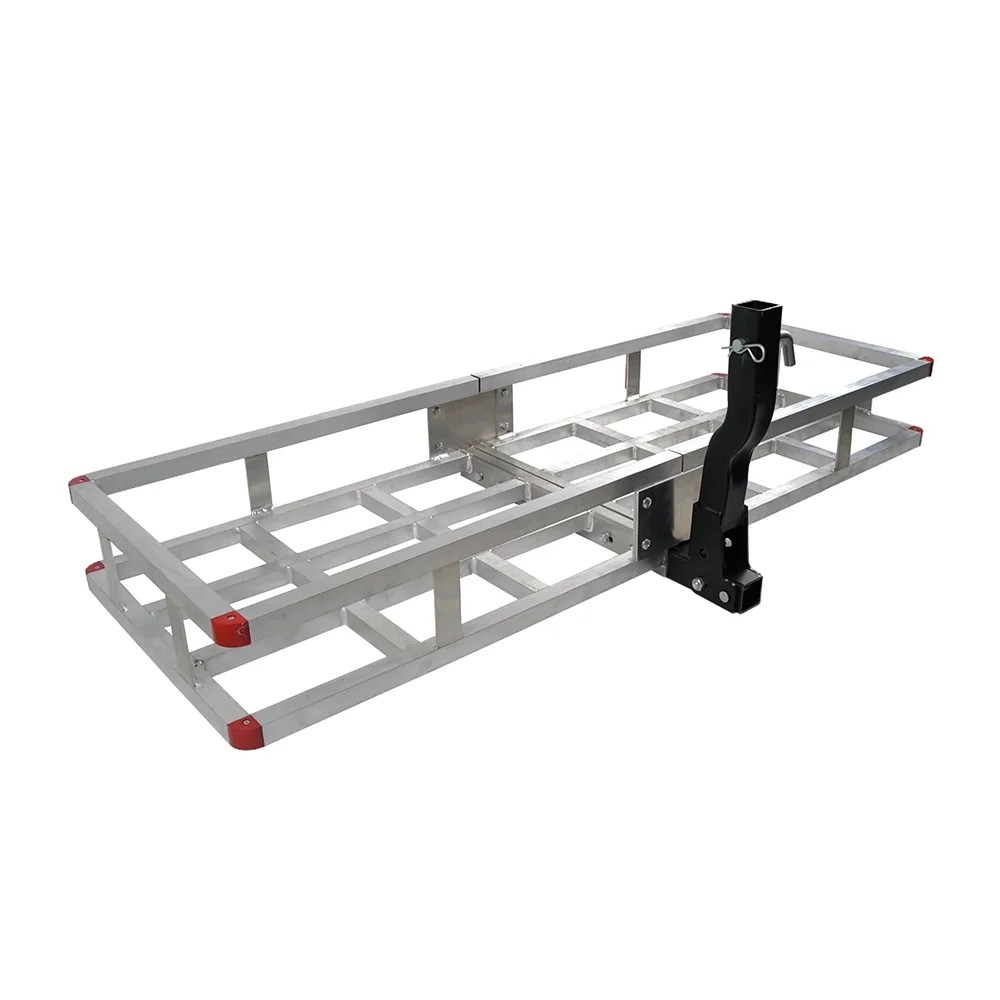
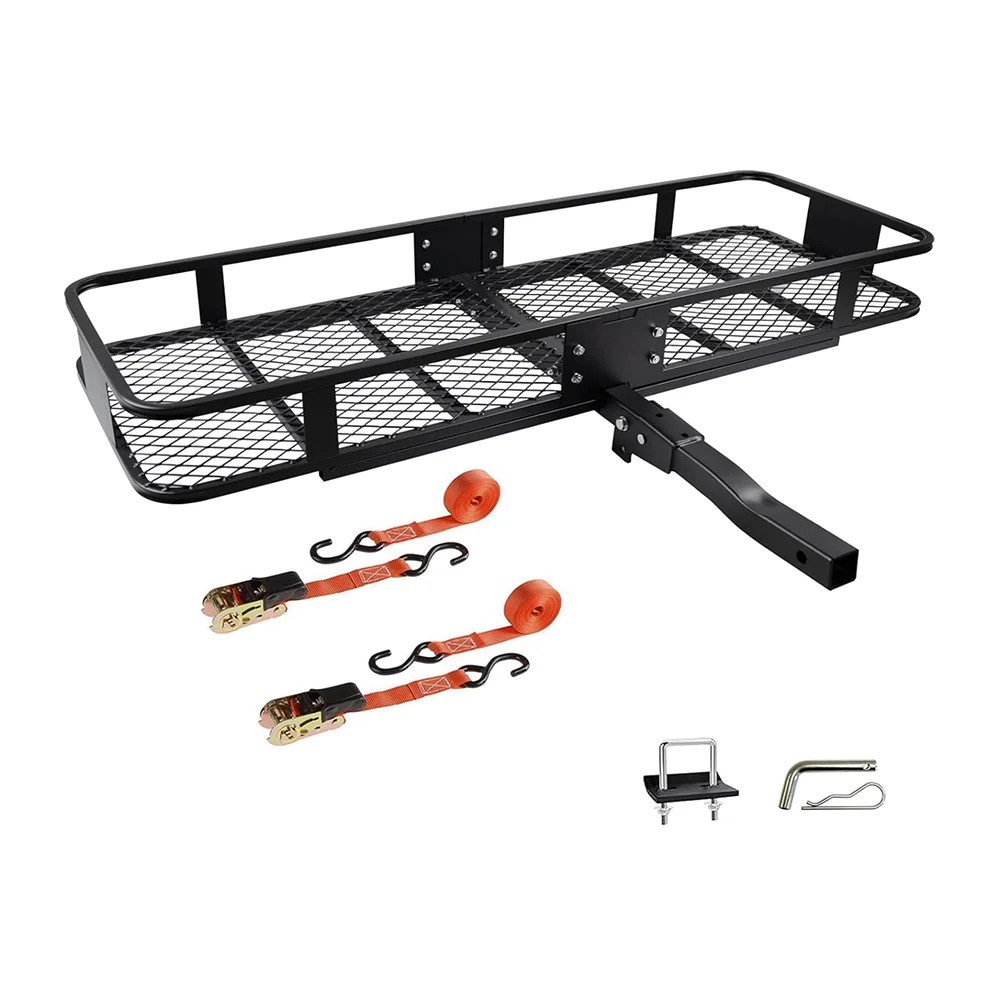



Cargo Carrier Industry Knowledge: Application, Selection and Safety Guide
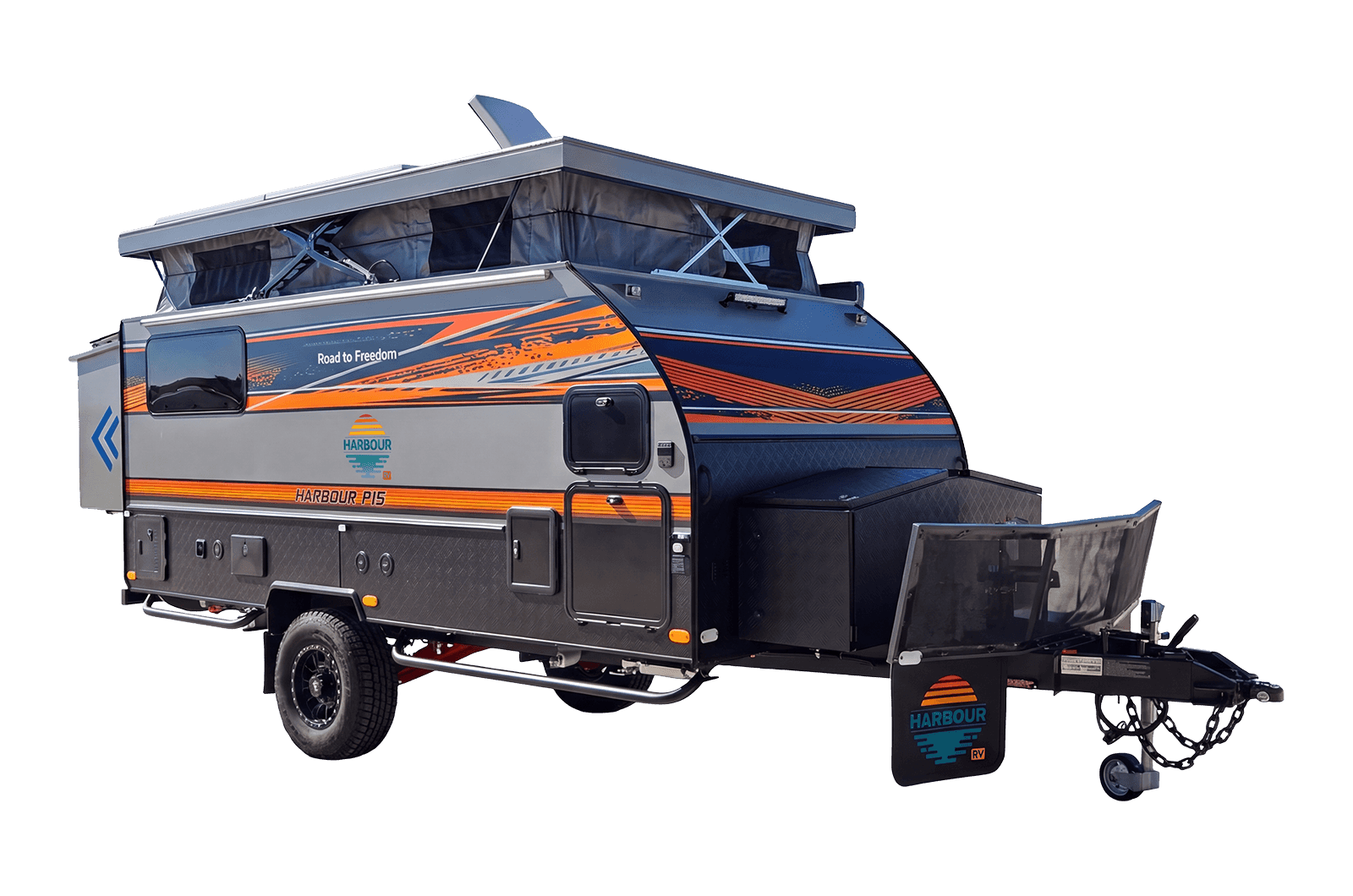
Cargo carriers work as external storage solutions that stretch the usable carrying space on trailers, SUVs, pickup trucks, vans, RVs, and service vehicles. Unlike enclosed storage boxes or permanent trailer modifications, a cargo carrier rack gives you a flexible rear-mounted platform that installs through a hitch receiver or ties into a trailer frame directly.
From a production standpoint, a cargo carrier's value isn't just about platform size. A hitch mounted cargo carrier worth trusting has to balance load capacity, structural strength, hitch compatibility, road safety, corrosion resistance, ease of installation, and how well it keeps cargo in place. These factors together decide whether the product actually holds up through daily transport, outdoor travel, job-site movement, and commercial vehicle use.
For anyone needing extra space for tools, equipment, camping supplies, luggage, coolers, spare parts, generators, storage boxes, or outdoor gear, a cargo carrier offers a straightforward way to add capacity without eating into the main trailer deck or vehicle interior.
Why Cargo Carriers Matter in Trailer and Vehicle Applications
Cargo carriers address a common problem — limited internal space. Most trailers and vehicles have a fixed loading area, but real working conditions often call for extra storage for smaller accessories, dirty tools, or items that need to stay within easy reach.
A cargo carrier rack improves practical transport in several ways:
- Expands rear storage space without modifying the main vehicle body
- Keeps dirty or outdoor-use items away from the vehicle cabin or enclosed trailer
- Improves organization by separating tools, supplies, luggage, and equipment
- Supports flexible use across work, travel, camping, maintenance, and field jobs
- Takes pressure off the main loading area of trailers and vehicles
- Gives easy access to frequently used items during stops or job-site work
For utility trailers, equipment trailers, RVs, pickup trucks, and commercial service vehicles, a rear cargo carrier essentially functions as a modular storage extension.
Main Cargo Carrier Types and Application Differences
Different cargo carrier structures suit different use environments, and picking the right type improves safety, usability, and how long the product lasts.
Hitch Mounted Cargo Carrier
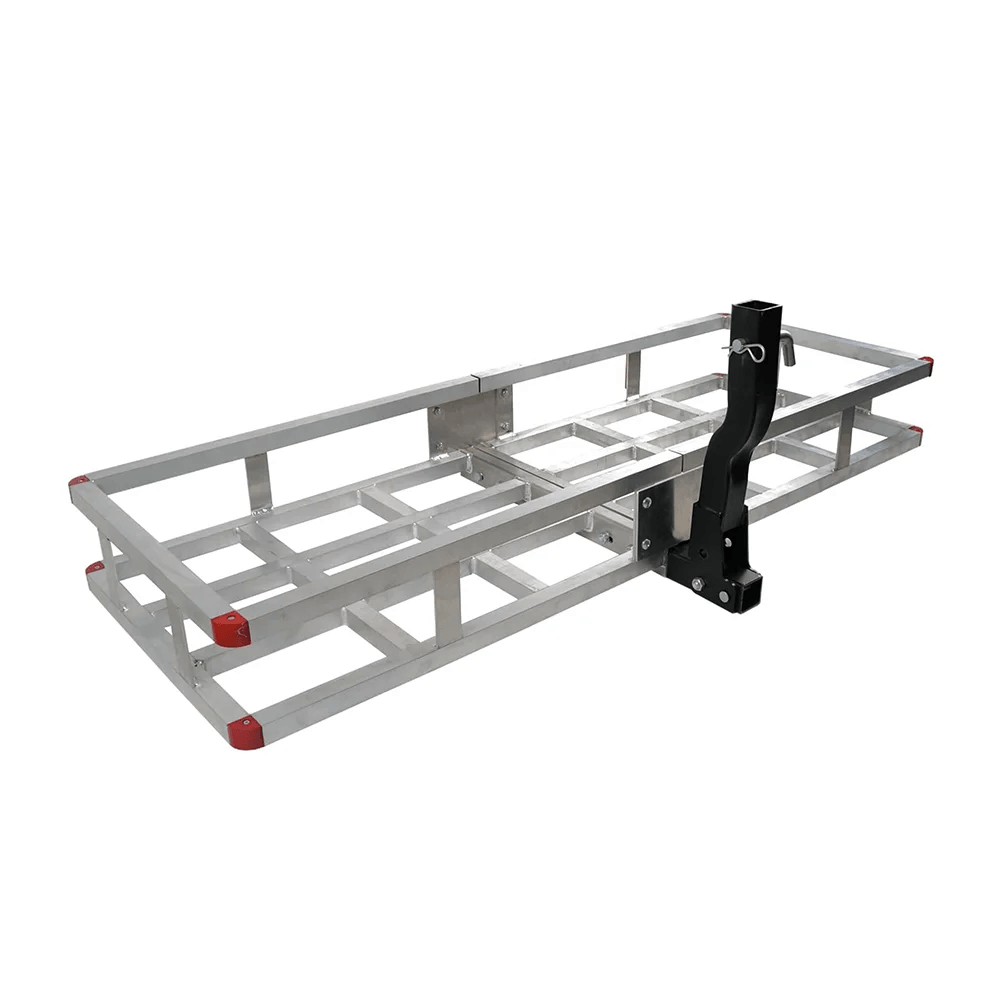
A hitch mounted cargo carrier installs into a receiver hitch, usually at the rear of a vehicle or trailer. It's widely used because it's removable, easy to install, and fits common hitch classes without much fuss.
Typical applications include:
- SUVs and pickup trucks
- RVs and caravans
- Utility trailers
- Camping and outdoor travel
- Service vehicles
- Equipment transport vehicles
This type suits anyone who wants a removable cargo platform without permanently altering the vehicle or trailer structure.
Cargo Carrier Rack with Side Rails
Raised side rails help keep cargo in position during travel, and the rail structure also gives straps or ropes somewhere solid to tie down.
Suits things like:
- Storage boxes
- Tool cases
- Coolers
- Fuel containers
- Camping gear
- Garden equipment
- Maintenance supplies
Raised rails prove especially useful when the cargo mix includes different shapes and sizes.
Aluminum Cargo Carrier
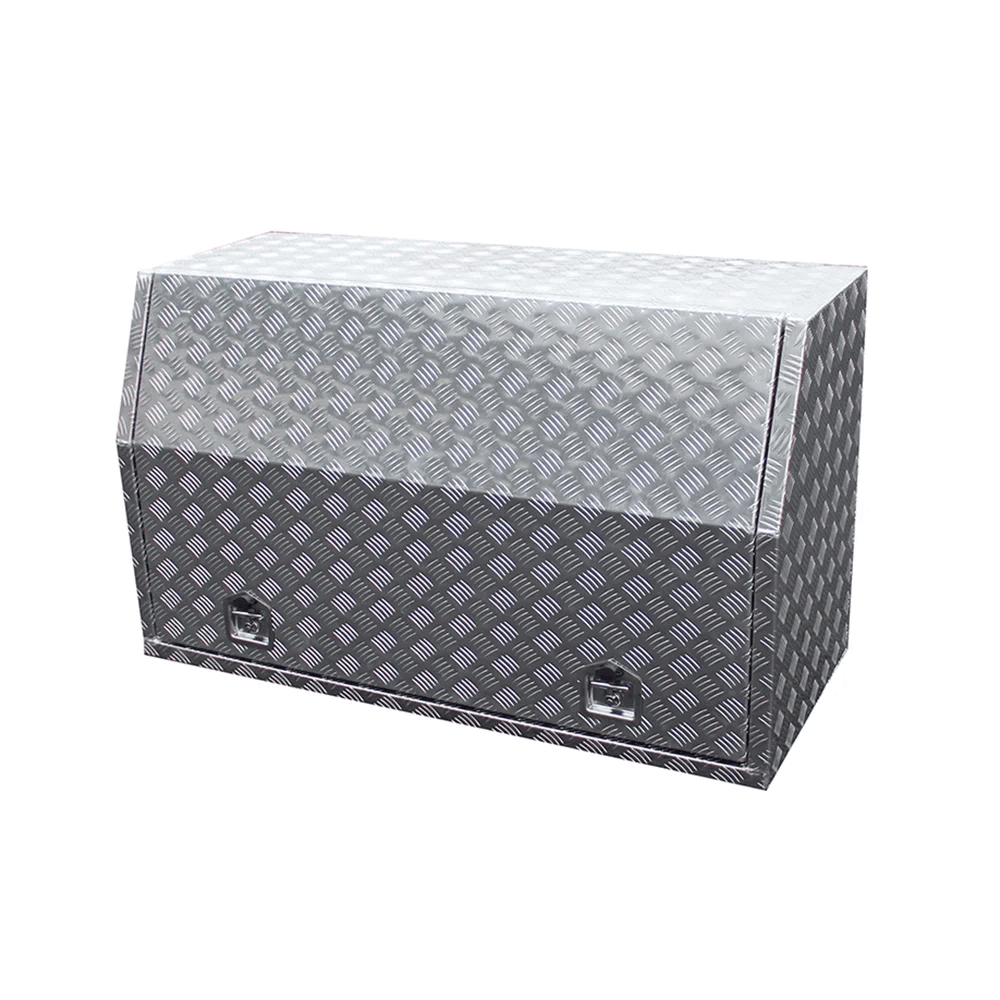
Aluminum cargo carriers stay light and resist corrosion naturally, making them easier to handle during install and removal — a practical fit for RV users, outdoor travelers, and anywhere weight reduction matters.
Advantages worth noting:
- Lower product weight
- Better corrosion resistance
- Clean metallic appearance
- Easier manual handling
- Suited to wet or outdoor environments
Aluminum tends to work well for anyone who installs, removes, or stores the carrier often.
Steel Cargo Carrier
Steel cargo carriers earn their place through strength, impact resistance, and rugged performance — common on job-site transport, maintenance vehicles, farms, and equipment-related work.
Advantages worth noting:
- High structural strength
- Strong impact resistance
- Holds up under demanding use
- Suited to tools and heavier accessories
- Practical for industrial and commercial settings
Steel carriers usually need powder coating, galvanizing, or another protective finish to keep corrosion risk down.
Foldable Cargo Carrier
A foldable cargo carrier rotates upward when not in use, which helps cut down rear overhang and makes parking easier.
Useful for:
- RVs
- SUVs
- Pickup trucks
- Urban parking
- Vehicles with limited storage space
- Anyone wanting permanent hitch installation with compact rear clearance
The hinge and locking mechanism needs to be strong enough to hold up against road vibration and repeated folding.
Key Specifications That Affect Product Selection
A cargo carrier might look simple at a glance, but picking the right one comes down to several technical details.
Load Capacity
Load capacity needs matching against the carrier frame, hitch receiver, vehicle structure, and tongue weight rating. The safe carrying limit ends up set by whichever component in the system is weakest.
Points worth checking:
- Carrier rated capacity
- Hitch receiver class
- Vehicle tongue weight limit
- Rear suspension condition
- Platform extension distance
- Road vibration and impact
- Cargo weight distribution
A heavy item sitting far from the hitch creates extra leverage, which can add stress to the receiver and vehicle frame even when the item's weight technically falls within the carrier's rating.
Platform Size
Platform length and width decide what kind of cargo fits. Bigger platforms give more room but also add rear extension and turning clearance to think about.
Common considerations include:
- Cargo box size
- Tool case dimensions
- Cooler or generator footprint
- Trailer rear clearance
- Vehicle departure angle
- Parking space
- License plate and light visibility
The platform should be sized for the intended cargo — big enough to be useful, not so big that it starts working against road safety or convenience.
Hitch Receiver Size
Most hitch mounted cargo carriers fit common receiver sizes, 2-inch receiver hitches being the usual example, though fitment always deserves confirming before use.
Key fitment points:
- Receiver tube size
- Hitch pin hole alignment
- Mounting tube length
- Ground clearance
- Anti-wobble compatibility
- Rear bumper clearance
- Spare tire clearance
Correct hitch fitment helps cut down on movement, vibration, and installation headaches.
Material Thickness
Material thickness shapes structural strength, product weight, and how well the carrier holds up over time. Thicker steel or aluminum profiles improve load support but tend to add weight too.
For heavy-duty use, reinforced corners, crossbars, and mounting tubes matter more than usual.
Surface Finish
Surface treatment protects the carrier from weather, road salt, dust, and corrosion, with the right finish depending on where it'll actually be used.
Common treatments include:
- Powder coating
- Hot dip galvanizing
- Zinc plating
- Anodized aluminum
- Polished aluminum
- Painted finish
For outdoor, coastal, farm, or winter-road use, corrosion resistance should weigh heavily in the decision.
Cargo Retention and Road Safety Considerations
Cargo safety ranks among the most important parts of using a carrier. Since the platform sits open and exposed, everything loaded onto it needs securing properly before hitting the road.
Tie-Down Points
A carrier worth its salt provides reliable tie-down positions, whether formed by side rails, welded loops, crossbars, or dedicated hook points.
Good tie-down design helps:
- Prevent cargo shifting
- Reduce vibration movement
- Keep weight centered
- Improve road safety
- Protect cargo from falling off
Raised Side Rails
Raised rails help contain the load and give straps more contact points to work with — especially useful for cargo that doesn't come in neat, regular shapes.
Anti-Slip Surface
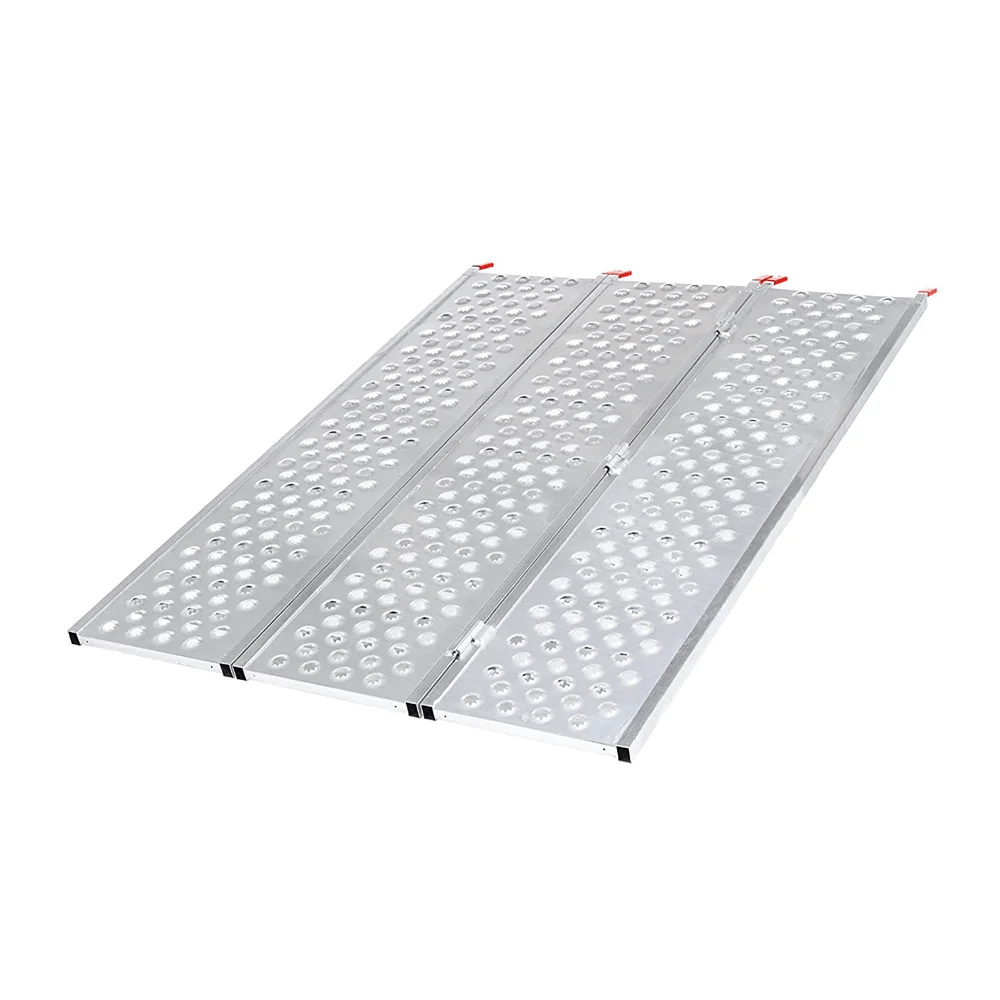
Anti-slip deck structures cut down on cargo movement. Mesh floors, textured platforms, and ribbed surfaces all help improve grip.
Reflectors and Visibility
Since cargo carriers extend past the rear of the vehicle or trailer, visibility deserves attention. Reflectors, rear marker positions, or auxiliary lighting brackets may be needed depending on local road regulations and how big the carrier is.
Worth checking:
- Tail light visibility
- License plate visibility
- Rear reflector position
- Cargo height
- Cargo width
- Night driving visibility
A carrier shouldn't ever block legally required lighting or identification areas.
How Load Position Affects Stability
Where cargo sits has a real impact on handling. Even a strong carrier can turn unsafe if the load's positioned poorly.
Load placement principles worth following:
- Place heavier items closer to the vehicle or trailer
- Keep weight centered left to right
- Avoid stacking cargo too high
- Secure everything with straps
- Don't let cargo hang loosely over the platform edge
- Check rear ground clearance before driving
- Avoid sudden acceleration, braking, or sharp turns when heavily loaded
Because a hitch mounted cargo carrier extends behind the rear axle, it adds leverage on the vehicle or trailer. Getting load position right reduces stress on the hitch and helps keep towing stable.
Cargo Carrier Applications by Industry Scenario
Cargo carriers turn up across work, travel, and equipment transport settings of all kinds.
Construction and Job-Site Use On construction sites, cargo carriers hold toolboxes, cables, cones, straps, gloves, fuel cans, and safety supplies. A steel carrier with a reinforced structure and powder coating tends to be the go-to here.
Logistics and Service Vehicles Service vehicles often need accessible storage for items used daily. A rear cargo carrier keeps tools and supplies separate from the main cargo compartment.
Agriculture and Farm Use Farm vehicles and trailers regularly deal with mud, dust, rain, and uneven terrain, so corrosion-resistant materials and sturdy frame construction matter here.
Outdoor Travel and Camping For camping and outdoor travel, cargo carriers handle coolers, storage boxes, tents, folding chairs, sports gear, and travel accessories. Aluminum carriers tend to be popular thanks to their light weight and rust resistance.
RV and Caravan Applications RVs and caravans often use rear cargo carriers for generators, storage containers, outdoor tables, spare accessories, and recreational gear. Foldable designs help where space runs tight.
Utility Trailer Applications Utility trailers can use cargo carriers to keep smaller tools and accessories separate from the main deck, which makes loading and unloading a bit more organized.
Maintenance Tips for Longer Service Life
Cargo carriers work outdoors, so regular maintenance goes a long way toward keeping them durable.
- Clean mud, salt, and dust after use
- Inspect coating damage on steel surfaces
- Check welds and brackets regularly
- Tighten bolts and fasteners
- Lubricate folding hinge points if needed
- Inspect hitch pin and locking parts
- Store removable carriers in a dry place
- Avoid exceeding rated capacity
- Use straps to secure cargo every time
- Replace damaged hardware promptly
For steel cargo carriers, repairing coating damage matters especially after scratches or impact. For aluminum carriers, keeping connection points clean and checked helps maintain both appearance and structural reliability.
FAQ: Cargo Carrier Rack and Hitch Mounted Cargo Carrier
1. What is a cargo carrier used for? A cargo carrier expands the storage space on a trailer or vehicle, giving you an external platform for tools, luggage, camping gear, storage boxes, coolers, spare parts, generators, and outdoor equipment.
2. What is a hitch mounted cargo carrier? It's a rear cargo platform that installs into a receiver hitch, commonly used on SUVs, pickup trucks, RVs, vans, utility trailers, and service vehicles.
3. What is the difference between a cargo carrier rack and a cargo box? A cargo carrier rack is an open platform, while a cargo box is enclosed. A rack handles oversized, dirty, or irregular cargo more easily, while a box offers better protection from rain and dust.
4. Which is better, aluminum or steel cargo carrier? Aluminum carriers stay lighter and resist corrosion better. Steel carriers hold up stronger in rugged working environments. Which one fits best depends on load weight, how often it's used, road conditions, and corrosion exposure.
5. Can a cargo carrier be used on a trailer? Yes, as long as the hitch structure, rear frame, load rating, and clearance all line up correctly. Installation shouldn't interfere with lighting, license plate visibility, or safe towing.
6. How much weight can a cargo carrier hold? Capacity depends on the carrier design, hitch class, vehicle tongue weight rating, mounting structure, and cargo position. The safe capacity should follow whichever connected component has the lowest rating.
7. Does a cargo carrier affect driving stability? It can, if overloaded or loaded poorly. Heavy cargo should sit close to the vehicle or trailer, centered on the platform, and secured with straps to limit movement.
8. What size hitch is used for cargo carriers? Many hitch mounted cargo carriers fit 2-inch receiver hitches, though other configurations exist. Receiver size, pin hole position, and hitch class should get confirmed before installing.
9. Is a foldable cargo carrier worth choosing? A foldable cargo carrier helps when rear space is tight — it folds upward when empty, making parking and storage simpler. The hinge and locking mechanism should be sturdy and stable.
10. How do you prevent cargo from moving on a carrier? Tie-down straps, side rails, anti-slip mats, cargo nets, or ratchet straps all help. Cargo should be secured from multiple directions, especially over long trips or rough roads.
11. Will a cargo carrier block tail lights or the license plate? Depending on platform size and cargo height, it might. Visibility should get checked after loading, and reflectors or auxiliary light brackets can help where needed.
12. What surface finish is best for outdoor cargo carriers? For steel carriers, powder coating and hot dip galvanizing are the common picks — galvanizing holds up especially well in wet, coastal, or salted-road conditions. Aluminum carriers resist corrosion naturally and suit outdoor use well.
13. Can cargo carrier dimensions be customized? Yes. Platform size, side rail height, load rating, material, folding function, hitch size, surface finish, tie-down points, and reflector positions can all be configured for different trailer and vehicle applications.
14. What should be checked before using a cargo carrier? Before use, check the hitch connection, pin locking, weld condition, platform stability, cargo straps, load weight, lighting visibility, ground clearance, and rear turning clearance.
15. Why choose a factory-produced cargo carrier instead of a generic accessory? A factory-produced cargo carrier comes with controlled material selection, accurate hitch fitment, consistent welding quality, uniform surface treatment, load-focused structural design, and configuration options built around actual application needs — which adds up to better safety, durability, and compatibility across trailer and vehicle platforms.
