

 English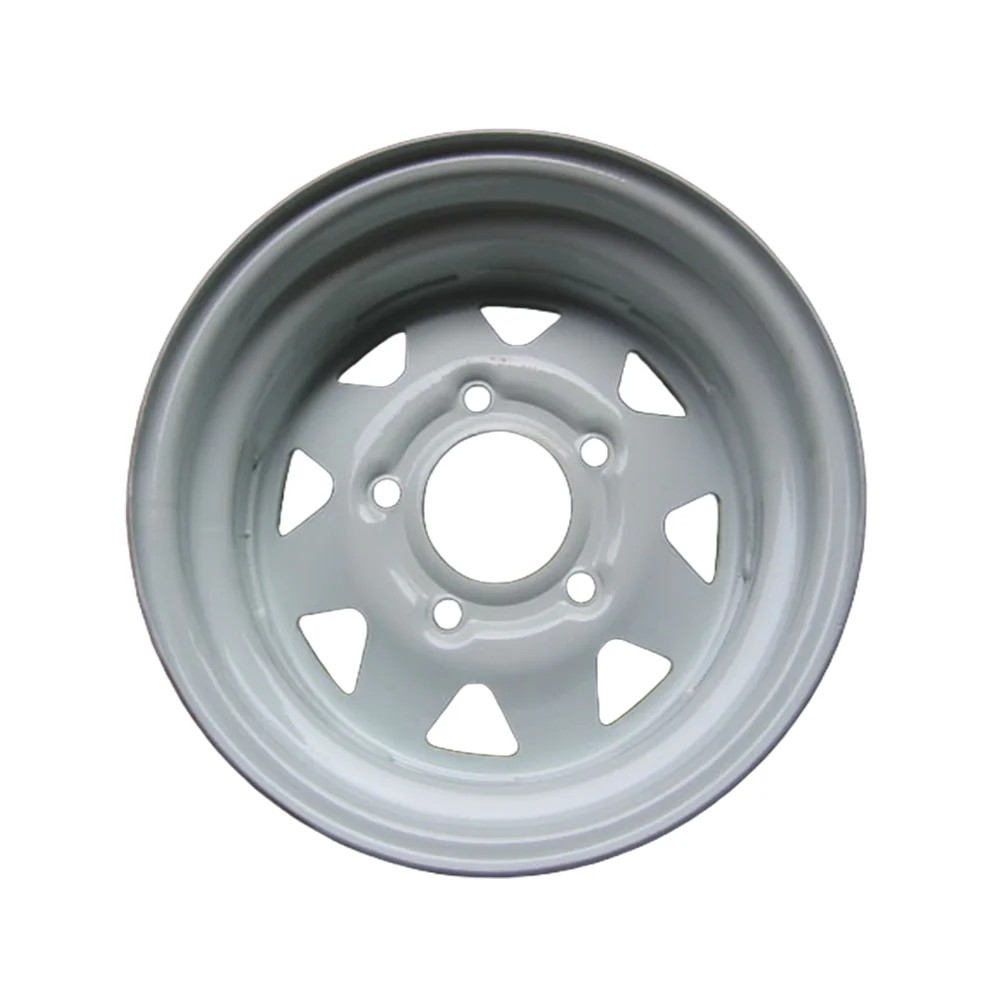



Factory Engineering Knowledge for Wheel & Tyre Systems
As a factory working in trailer parts and running gear, wheel and tyre components here get built for utility trailers, equipment trailers, plant trailers, skid steer trailers, cargo trailers, agricultural trailers, car haulers, caravans, and heavy-duty transport platforms. Wheels and tyres are the only part of a trailer that actually touches the road, which makes them critical for load support, traction, braking response, vibration control, towing stability, and road safety overall.
A trailer wheel set needs to match up correctly with the axle, hub, brake system, trailer GVWR, payload type, road conditions, and operating speed. Get the wheel or tyre spec wrong, and problems tend to follow — uneven tyre wear, overheating, poor tracking, rim deformation, air leakage, weaker braking, or tyre failure on long hauls. For trailers working construction, logistics, agriculture, equipment rental, or industrial transport, how well the wheels and tyres perform feeds directly into uptime and how long the trailer stays in service.
Role of Wheel & Tyre Components in Trailer Running Systems
The wheel and tyre system carries the entire trailer load while absorbing road impact and keeping contact with the ground steady. It works together with the axle, hub, bearings, suspension, and brakes as one connected system.
A complete wheel and tyre setup typically includes:
- Trailer tyre
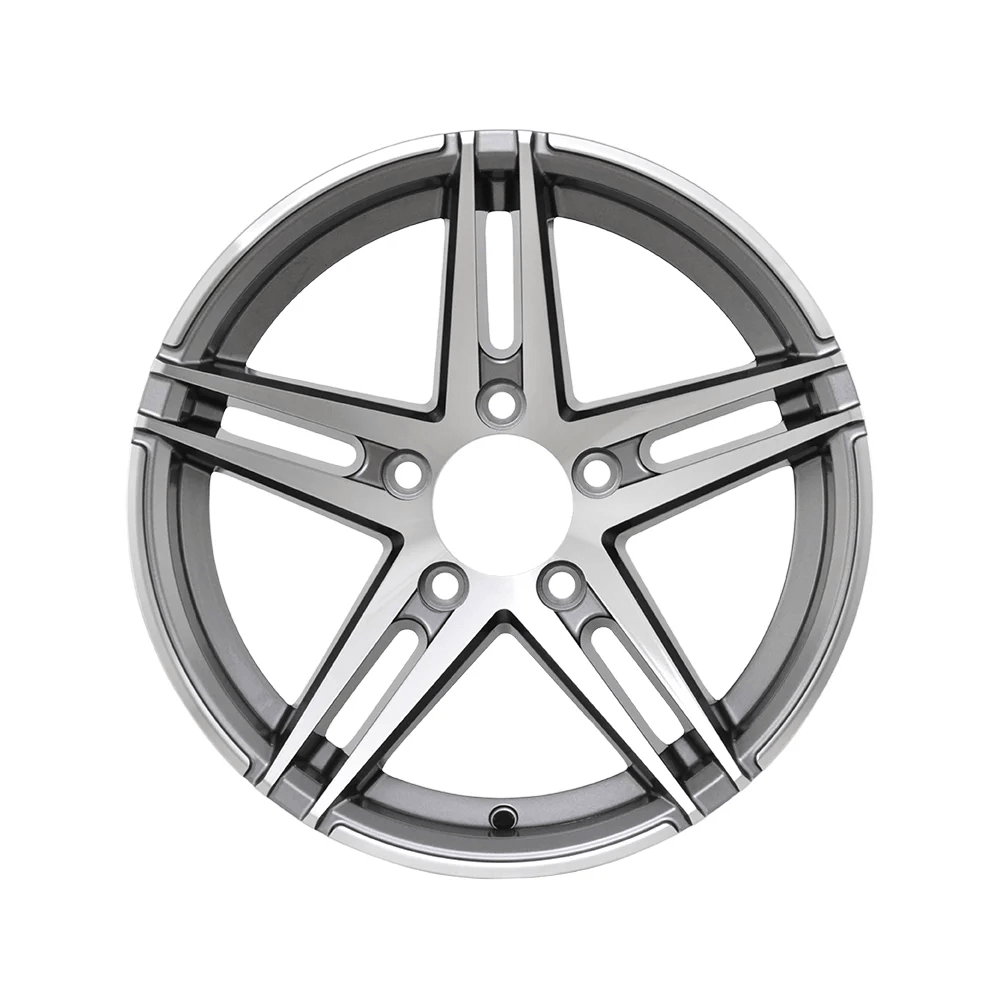
- Steel rim or aluminum alloy rim
- Valve stem
- Wheel studs and lug nuts
- Hub mounting surface
- Tyre bead seating area
- Tread pattern
- Sidewall structure
- Load index marking
- Speed rating marking
- DOT identification marking
Each piece needs selecting and assembling with care. A strong rim paired with the wrong tyre still won't deliver safe road performance, and a good tyre mounted on an incompatible rim can still fail under load. The wheel set only works properly as a complete system, not as isolated parts.
Trailer Tyre Types
Trailer tyres differ from passenger car tyres because they're built primarily around load carrying, sidewall stability, straight-line tracking, and trailer-specific road demands.
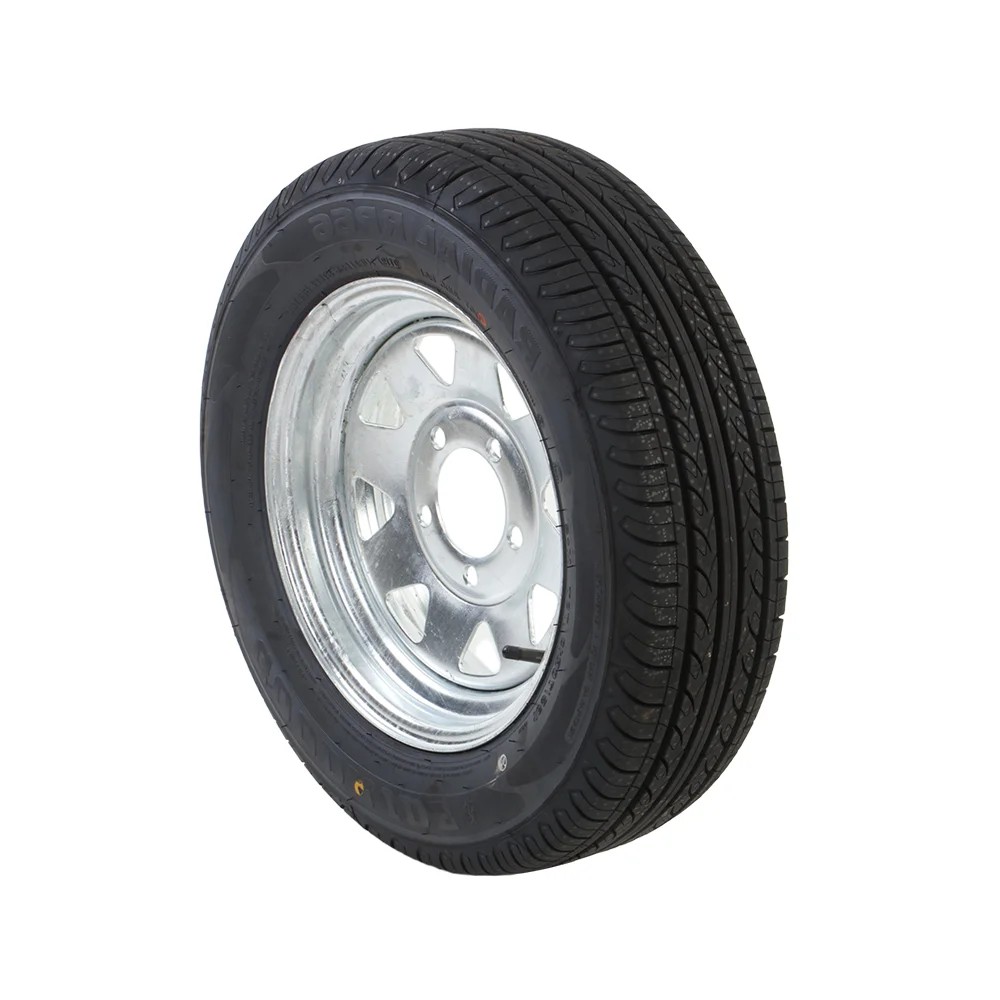
Radial Trailer Tyres Radial tyres use steel belts running across the tread area, which helps with heat dissipation, ride comfort, and tread life. They show up widely on long-distance towing, highway transport, cargo trailers, equipment trailers, and heavy-duty trailer systems.
Advantages worth noting:
- Better heat resistance
- Longer tread life
- Improved fuel efficiency
- Smoother towing performance
- Better highway stability
- Reduced rolling resistance
Radial tyres tend to get chosen for trailers covering longer distances or running at higher speeds.
Bias Ply Trailer Tyres Bias ply tyres use crisscrossed cord layers, which builds a stiffer sidewall structure. They suit off-road conditions, farm use, construction sites, and any application where sidewall strength and impact resistance matter most.
Advantages worth noting:
- Strong sidewall structure
- Good impact resistance
- Suited to rough terrain
- Stable performance at lower speeds
- Practical for agricultural and job-site trailers
Bias ply tyres get chosen often for rough ground, shorter hauls, or lower-speed equipment trailers.
Steel Wheels vs Aluminum Alloy Wheels
Trailer rims commonly come in steel or aluminum alloy, and each material brings its own strengths depending on the application and market preference.
| Feature | Steel Trailer Wheel | Aluminum Alloy Trailer Wheel |
|---|---|---|
| Strength | High strength, good impact resistance | Lightweight with solid structural performance |
| Weight | Heavier | Lighter |
| Appearance | Practical, industrial look | Premium metallic appearance |
| Corrosion Resistance | Depends on coating or galvanizing | Naturally stronger corrosion resistance |
| Cost Efficiency | Economical for heavy-duty use | Higher value, better visual appeal |
| Common Use | Utility, equipment, industrial trailers | Car haulers, caravans, premium trailers |
Steel wheels remain widely used across utility and industrial trailers thanks to strength and cost efficiency. Aluminum alloy wheels tend to get picked where lower weight, corrosion resistance, and a higher-end look matter more.
Rim Surface Treatment Options
Surface treatment matters because trailer wheels spend time exposed to rain, road salt, mud, stones, brake dust, and outdoor storage.
Common finishes include:
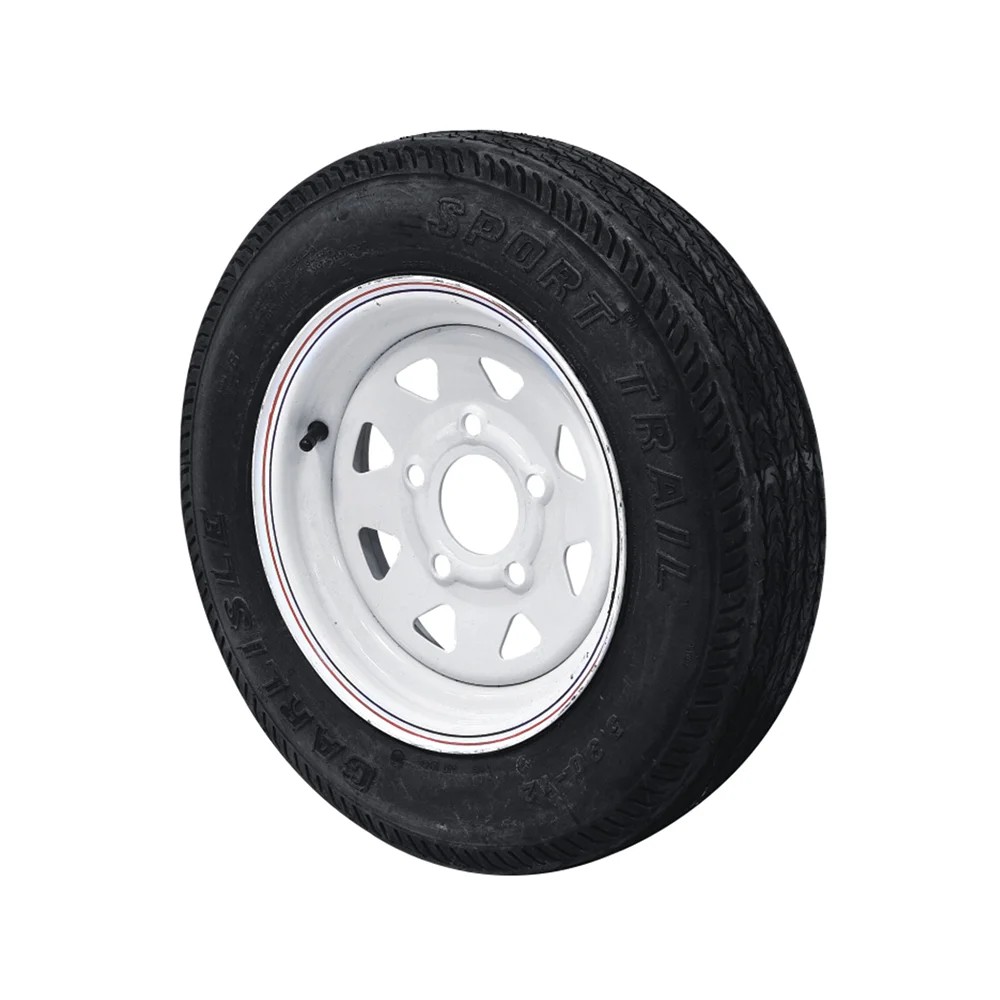
- Powder coated steel wheel
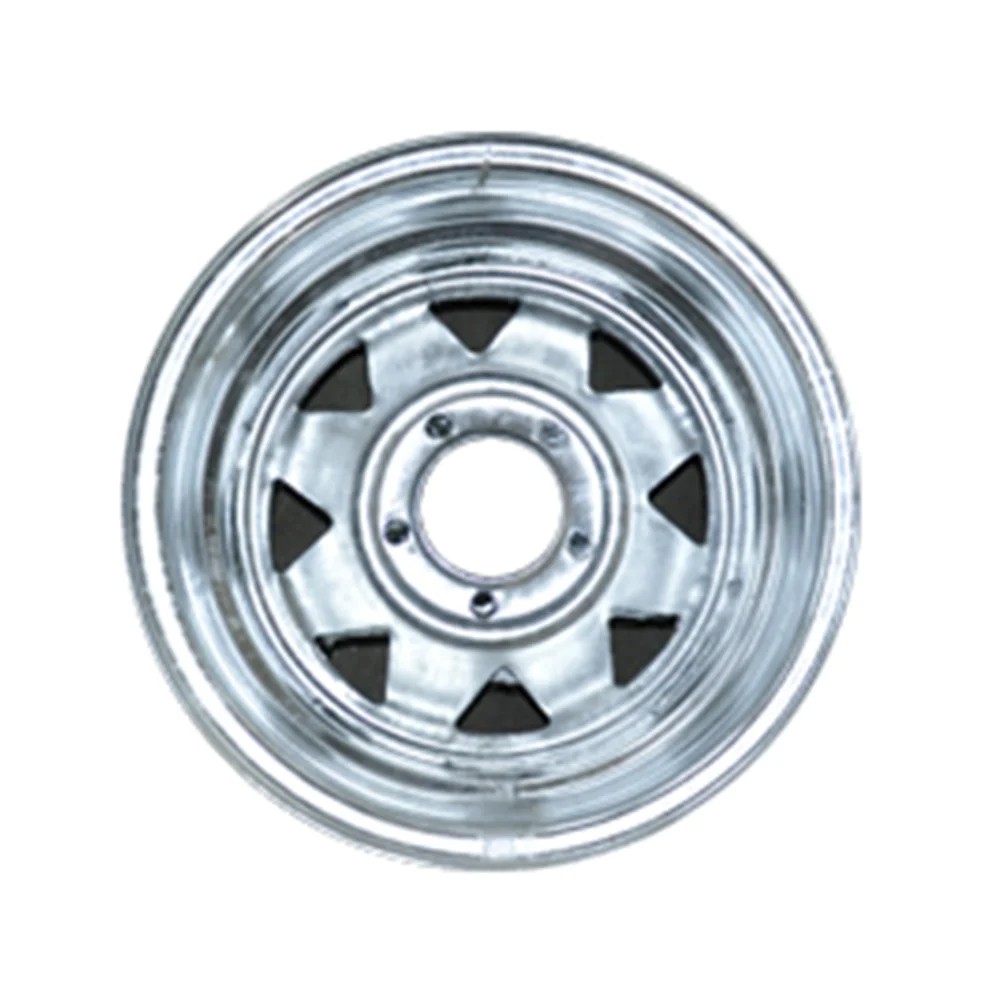
- Hot dip galvanized wheel
- Painted steel wheel
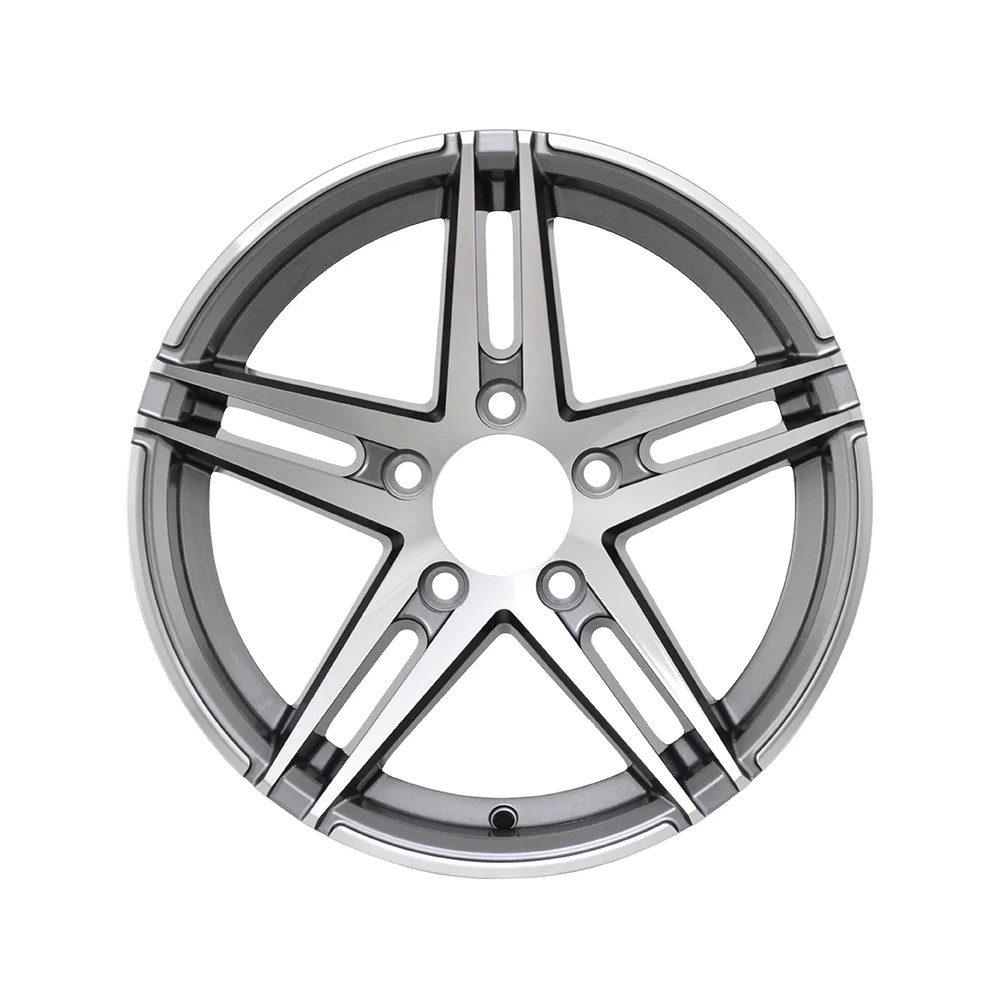
- Polished aluminum alloy wheel
- Machined alloy wheel
- Clear coated alloy wheel
Powder Coated Steel Trailer Wheel Powder coating gives a smooth, durable finish and comes in different colors, suiting general road use while keeping a clean look.
Hot Dip Galvanized Trailer Wheel Hot dip galvanizing brings strong corrosion resistance, especially useful for outdoor, coastal, marine, agricultural, and high-humidity settings — a practical choice for trailers facing harsh weather or road salt.
Aluminum Alloy Wheel Finish Aluminum alloy wheels can be polished, machined, painted, or clear coated. These finishes improve appearance while also helping protect the rim surface underneath.
Load Index and GVWR Matching
Tyre and wheel load ratings need to match the trailer's GVWR and axle capacity — this is one of the more important factors in the whole selection process.
A trailer rated at 14,000 lbs GVWR, for instance, needs tyres, wheels, hubs, axles, and suspension components that can all safely handle that full rated load. The weakest link in the running system ends up setting the real safe capacity, no matter how strong the other parts are.
Key rating factors include:
- Tyre load index
- Wheel load rating
- Axle capacity
- Hub and bearing capacity
- Number of axles
- Tyre pressure
- Speed rating
- Trailer GVWR
- Payload distribution
Overloading tyres or wheels risks overheating, tread separation, sidewall damage, rim cracking, bead failure, or loss of control. Picking the correct load rating isn't optional if safe towing is the goal.
Wheel Size and Trailer Compatibility
Trailer wheel sizes commonly run from 12-inch to 17.5-inch, depending on trailer type and load needs.
Sizing factors worth checking include:
- Rim diameter
- Rim width
- Tyre section width
- Overall tyre diameter
- Bolt pattern
- Center bore
- Offset
- Load rating
- Brake clearance
- Fender clearance
- Suspension travel
A bigger wheel and tyre combination can improve load capacity and road performance, but it still needs to fit the trailer frame, fenders, axle hub, and brake system. Get the size wrong, and rubbing, poor alignment, or unsafe handling tend to follow.
Bolt Pattern and Hub Fitment
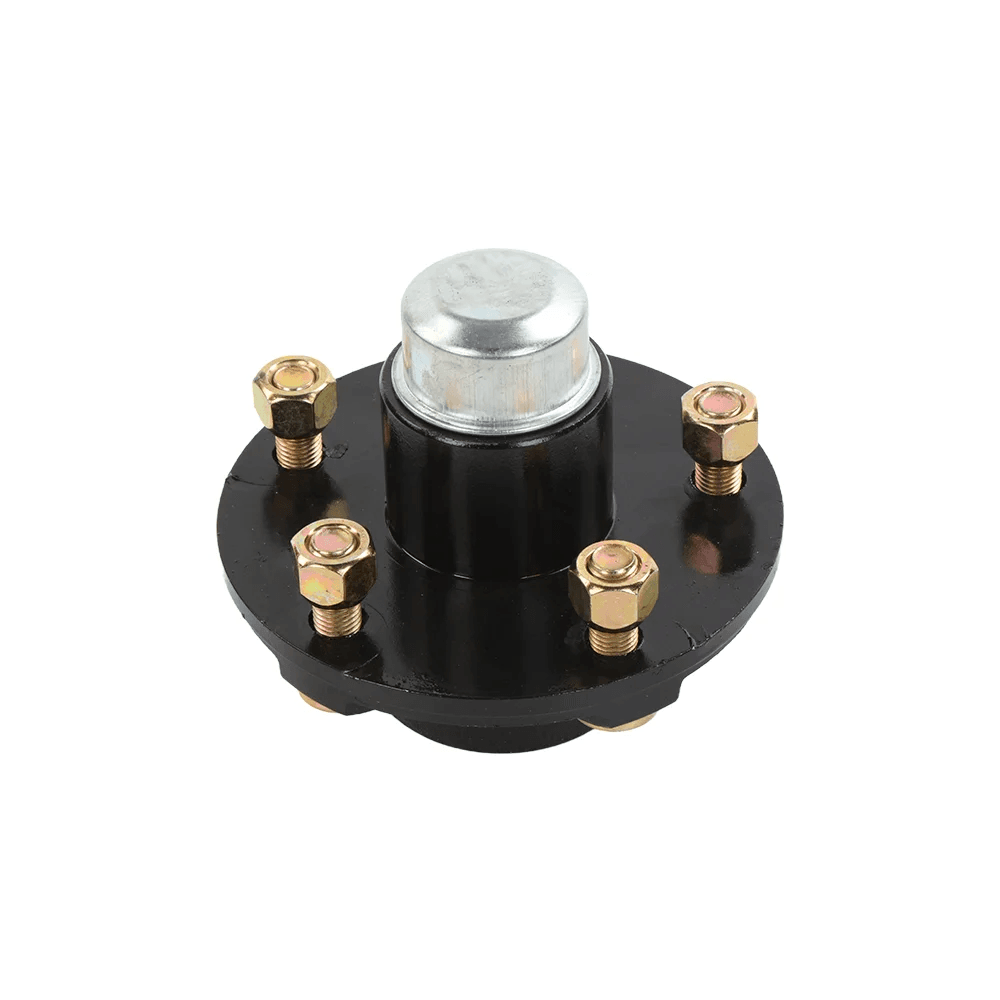
Bolt pattern decides whether a wheel mounts correctly to the trailer hub at all. Common patterns include 4-lug, 5-lug, 6-lug, and 8-lug designs.
Fitment details worth checking:
- Number of bolt holes
- Bolt circle diameter
- Stud thread size
- Center bore diameter
- Wheel offset
- Hub pilot fit
- Lug nut seat type
- Brake drum or rotor clearance
For safe installation, the wheel needs to sit flat against the hub mounting surface. Wrong bolt pattern, center bore, or offset can cause vibration, wheel loosening, stud damage, or uneven tyre wear.
Offset and Load Distribution
Wheel offset shapes how the tyre sits relative to the hub and axle, which in turn affects track width, bearing load, fender clearance, and towing stability.
Zero Offset The wheel centerline sits close to the hub mounting surface — common across many trailer applications, and it helps keep bearing load balanced.
Positive Offset The wheel sits more inward toward the trailer frame. Some trailer designs use this, but clearance needs checking carefully.
Negative Offset The wheel sits more outward, which can widen the track but may add stress to bearings if the engineering isn't dialed in properly.
Getting offset right helps protect hubs, bearings, axles, and suspension components down the line.
Tread Pattern and Road Conditions
Tread design should match the environment the trailer actually operates in.
Highway Tread Built for low rolling resistance, smooth towing, and long-distance road use.
Off-Road Tread Delivers better traction across dirt, gravel, mud, and job-site surfaces.
Agricultural Tread Suits farm trailers and rural ground where grip and durability matter most.
Mixed-Use Tread Balances performance for trailers splitting time between paved roads and rougher surfaces.
For equipment trailers and construction trailers, tread durability and puncture resistance carry extra weight in the decision.
Custom Manufacturing Options
Different trailer platforms and markets need different wheel and tyre specs, so product configurations get developed around axle systems, road conditions, load requirements, and visual preferences.
Customization can cover:
- Rim diameter
- Rim width
- Bolt pattern
- Center bore
- Offset
- Wheel load rating
- Steel or aluminum alloy material
- Powder coated finish
- Hot dip galvanized finish
- Polished or machined alloy finish
- Tyre size
- Radial or bias ply tyre
- Tread pattern
- Load index
- Speed rating
- Complete wheel set assembly
- Packaging and labeling configuration
Custom wheel and tyre assemblies help improve trailer compatibility, cut down on installation headaches, and keep product presentation consistent across different trailer platforms.
Common Applications
Wheel and tyre assemblies show up across many trailer categories.
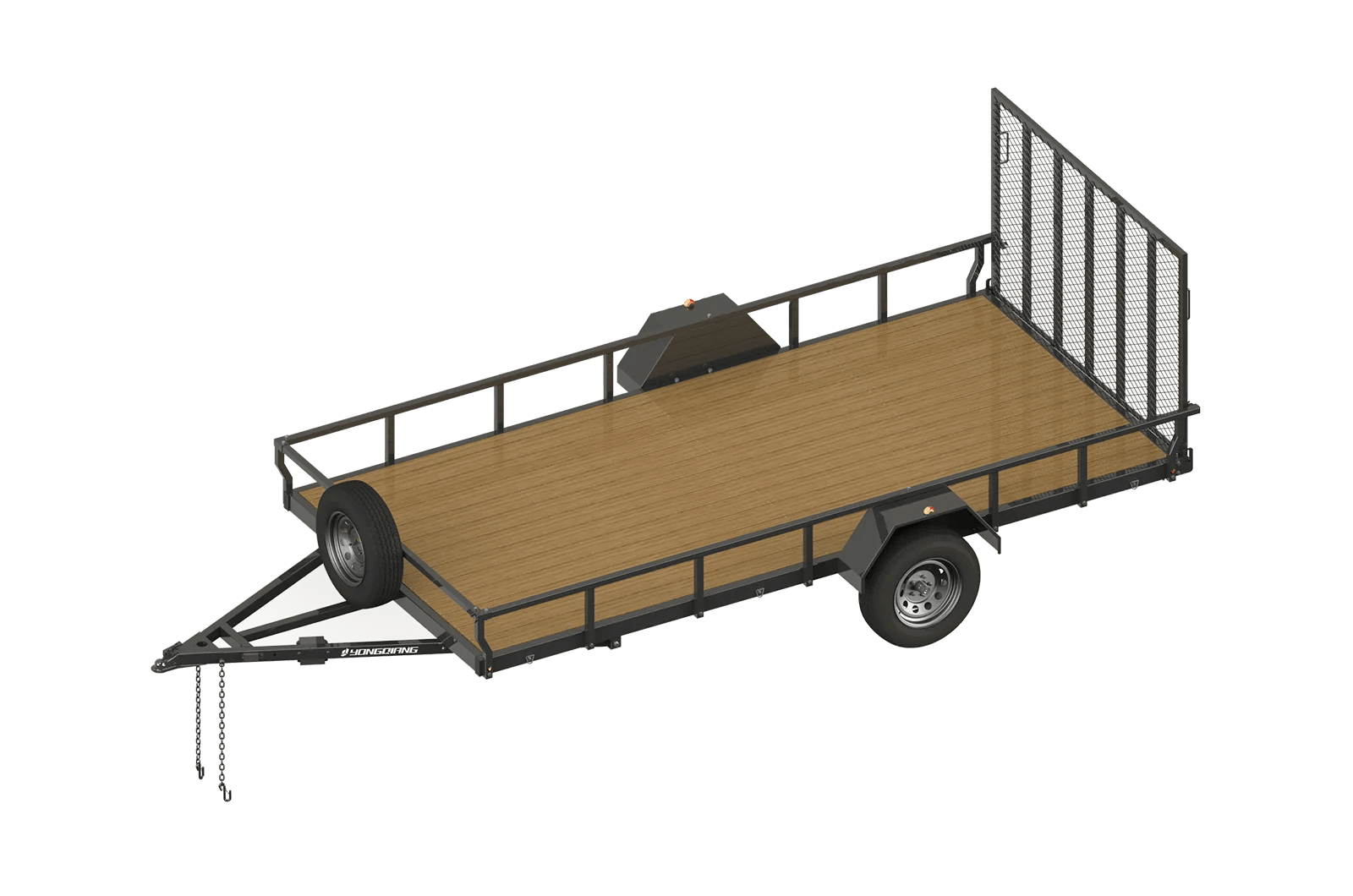
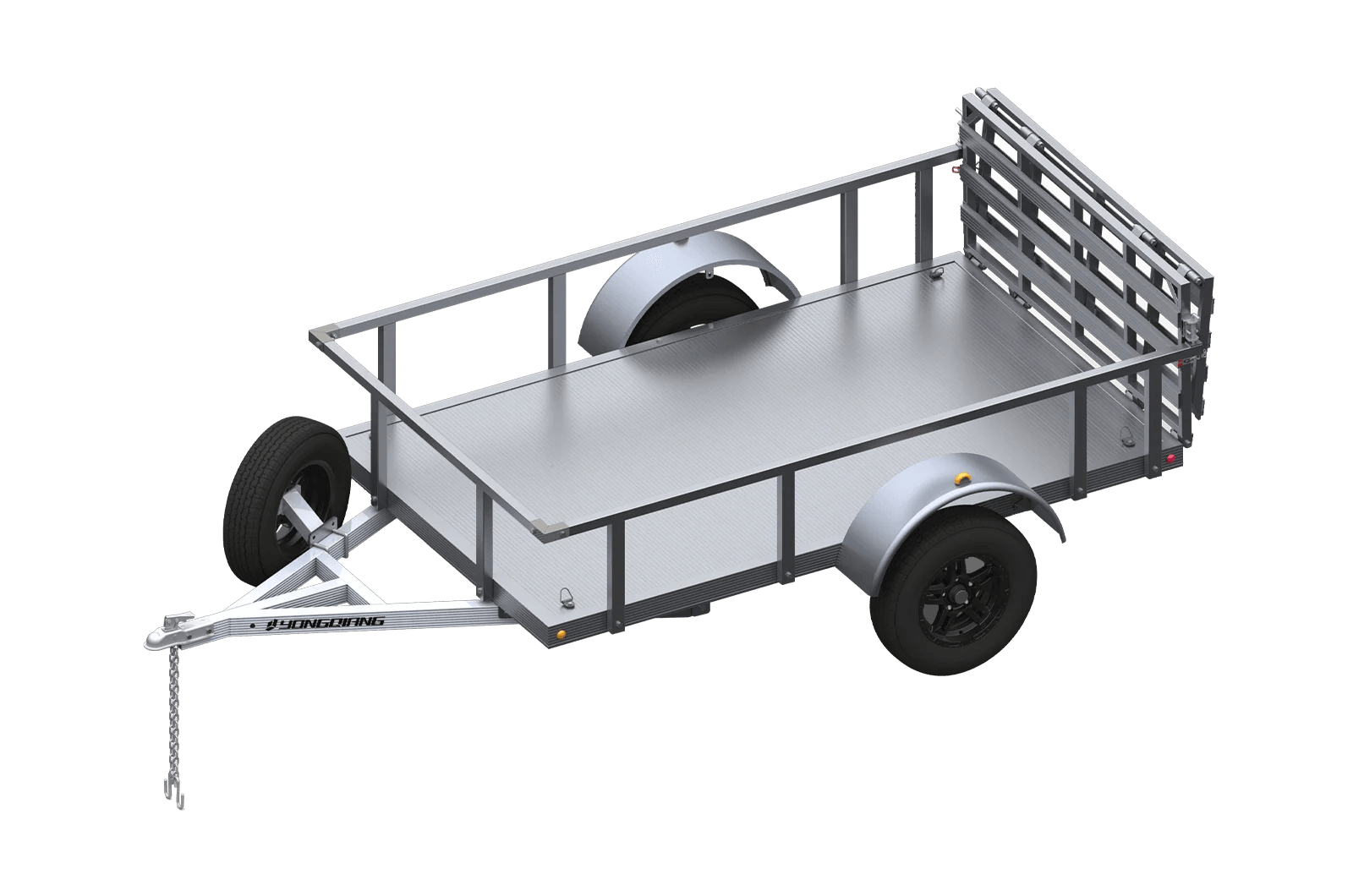
Utility Trailers Utility trailers need durable, economical wheels and tyres for general cargo, landscaping tools, garden equipment, and maintenance transport.
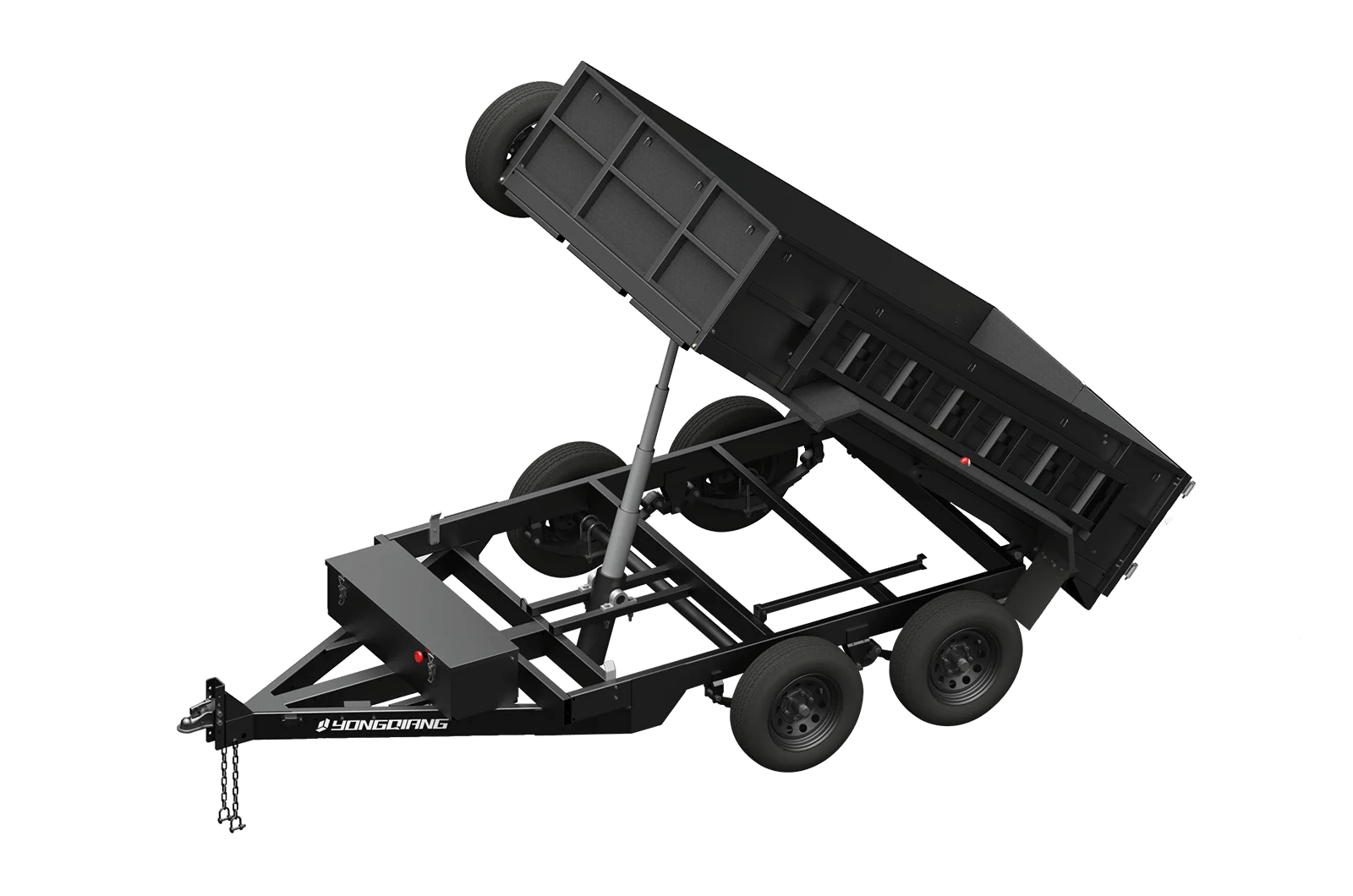
Equipment Trailers Equipment trailers carry machinery, generators, compressors, compact tractors, and job-site equipment, which calls for stronger tyres and wheels with higher load ratings.
Plant Trailers Plant trailers need dependable running components since they transport heavy machinery under demanding conditions.
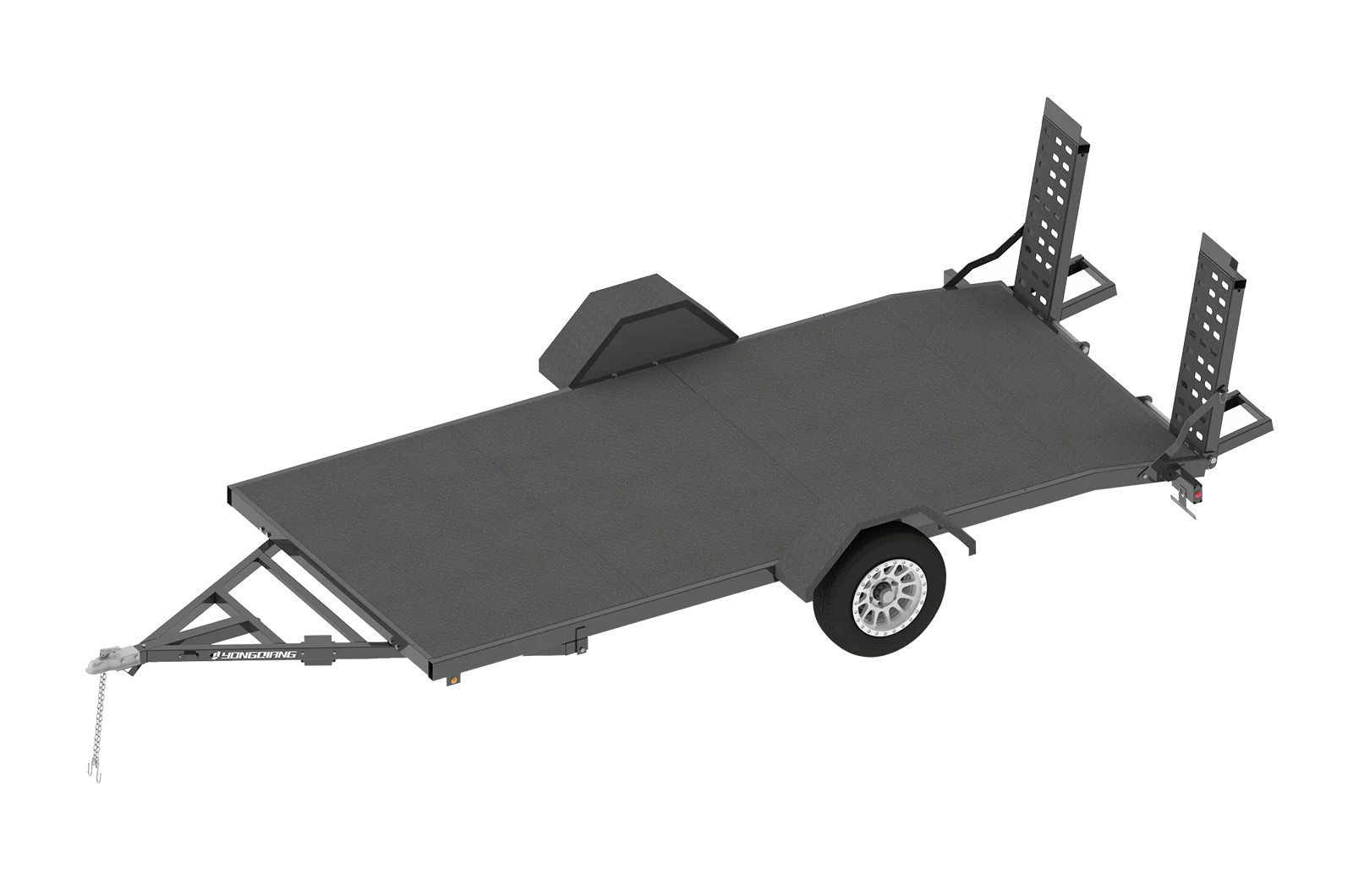
Skid Steer Trailers Skid steer trailers carry concentrated heavy loads, where high-strength tyres and reinforced rims matter for stability and safety.
Agricultural Trailers Agricultural trailers often work rural roads, fields, mud, and gravel — strong sidewalls and corrosion-resistant wheels prove useful in these settings.
Car Haulers and Enclosed Trailers Car haulers and enclosed trailers usually need smoother towing, attractive wheel appearance, and highway-rated radial tyres.
Maintenance Recommendations
Good maintenance stretches out the service life of trailer wheels and tyres.
- Check tyre pressure regularly
- Inspect tread wear and sidewall damage
- Tighten lug nuts to correct torque
- Check valve stems for air leakage
- Inspect rims for cracks, dents, or corrosion
- Avoid exceeding load rating
- Replace tyres showing aging or cracking
- Check wheel balance for high-speed towing
- Inspect tyre temperature during long trips
- Rotate tyres when applicable
- Clean road salt and mud from wheels
- Store spare wheel sets away from direct sunlight when possible
Tyres often fail because of underinflation, overloading, heat buildup, or simple aging — regular inspection remains a simple but genuinely important safety habit.
Why Factory Experience Matters
Wheel and tyre assemblies need to match trailer axles, hubs, brakes, suspension, frame clearance, and load rating all at once. These aren't parts that get picked by looks alone — they have to meet real engineering requirements for safe towing and long-term use.
The focus here centers on:
- Accurate wheel fitment
- Stable load capacity
- Reliable tyre performance
- Strong rim structure
- Corrosion-resistant finish
- DOT-related road safety requirements
- ISO 9001 quality control
- Application-based product configuration
- Consistent production quality
A wheel set engineered properly improves road stability, cuts down vibration, supports braking performance, and helps protect the rest of the trailer's running gear system.
Wheel and tyre components remain essential trailer parts that shape load support, traction, towing stability, braking response, and road safety directly. For utility trailers, equipment trailers, plant trailers, skid steer trailers, agricultural trailers, car haulers, and heavy-duty transport platforms, getting the tyre and rim selection right carries real weight.
Producing trailer wheels, tyres, rims, and complete wheel sets well comes down to load rating, size matching, bolt pattern accuracy, rim strength, tyre durability, surface protection, DOT-related compliance, and ISO 9001 manufacturing control. With multiple material options, tyre types, rim finishes, and custom configurations available, these wheel and tyre assemblies get engineered for safe, durable, and efficient trailer operation.
