

Home > Products > Trailer > Equipment Trailer Custom Equipment Trailer

Equipment Trailer

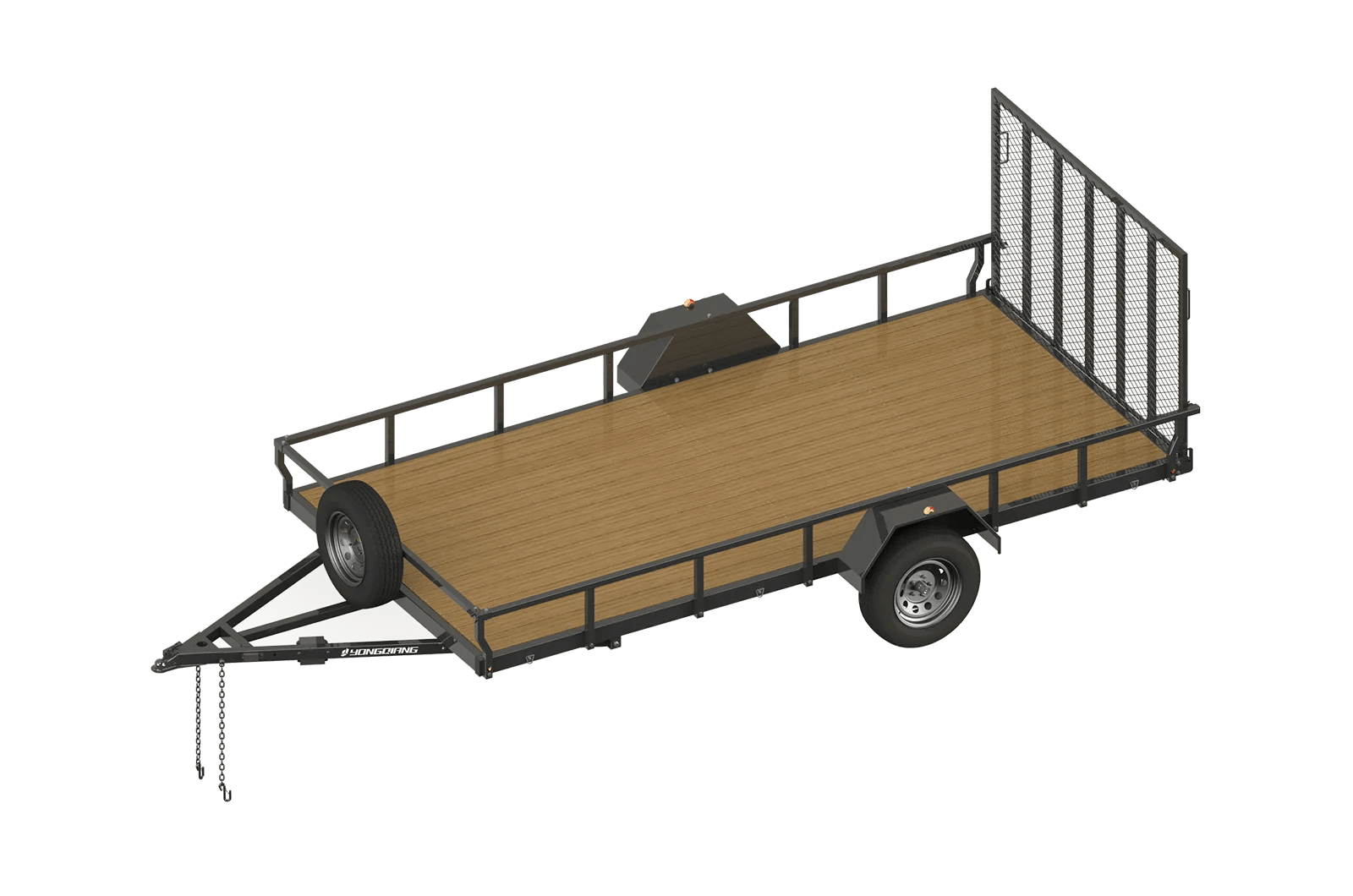
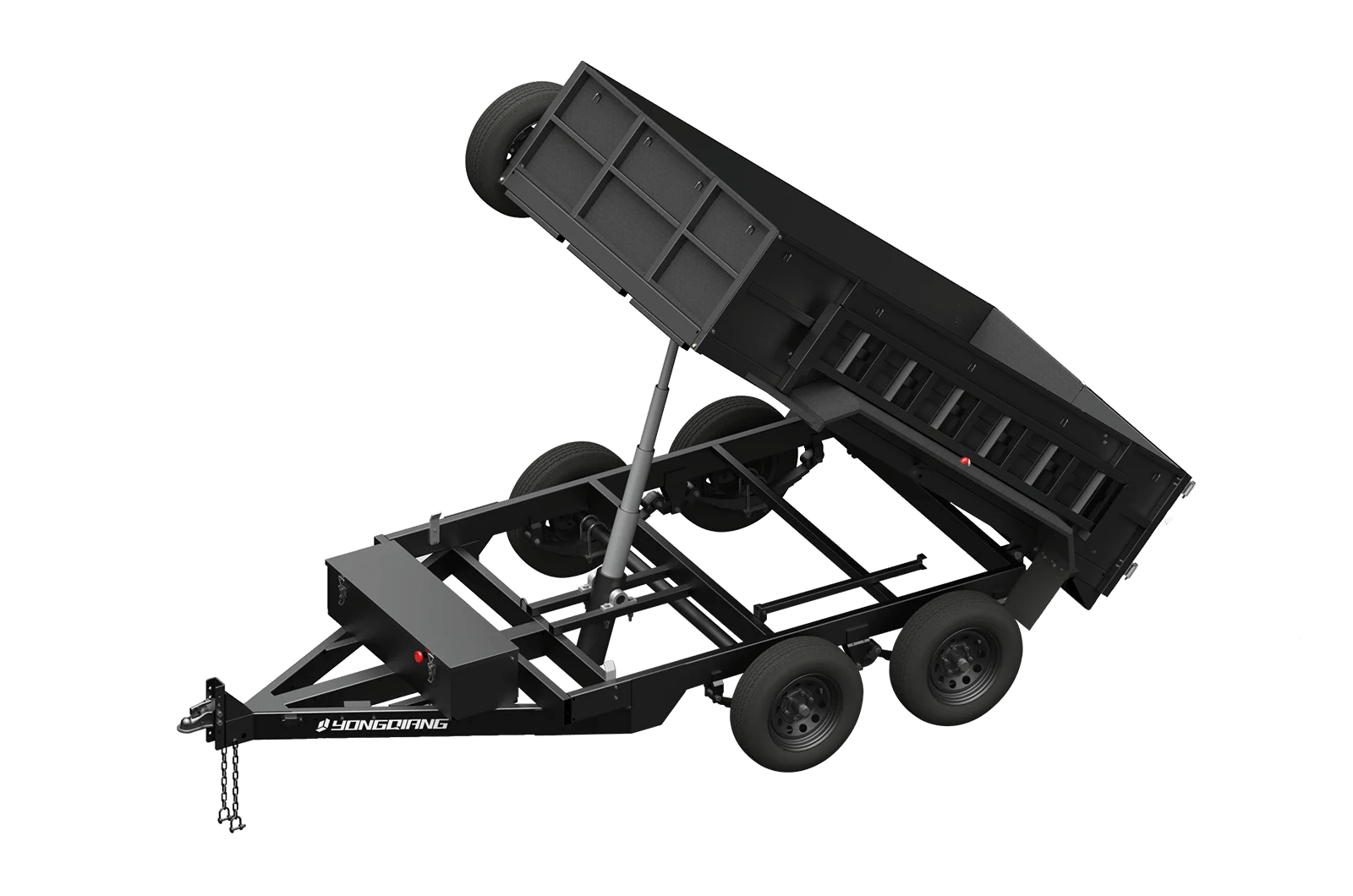
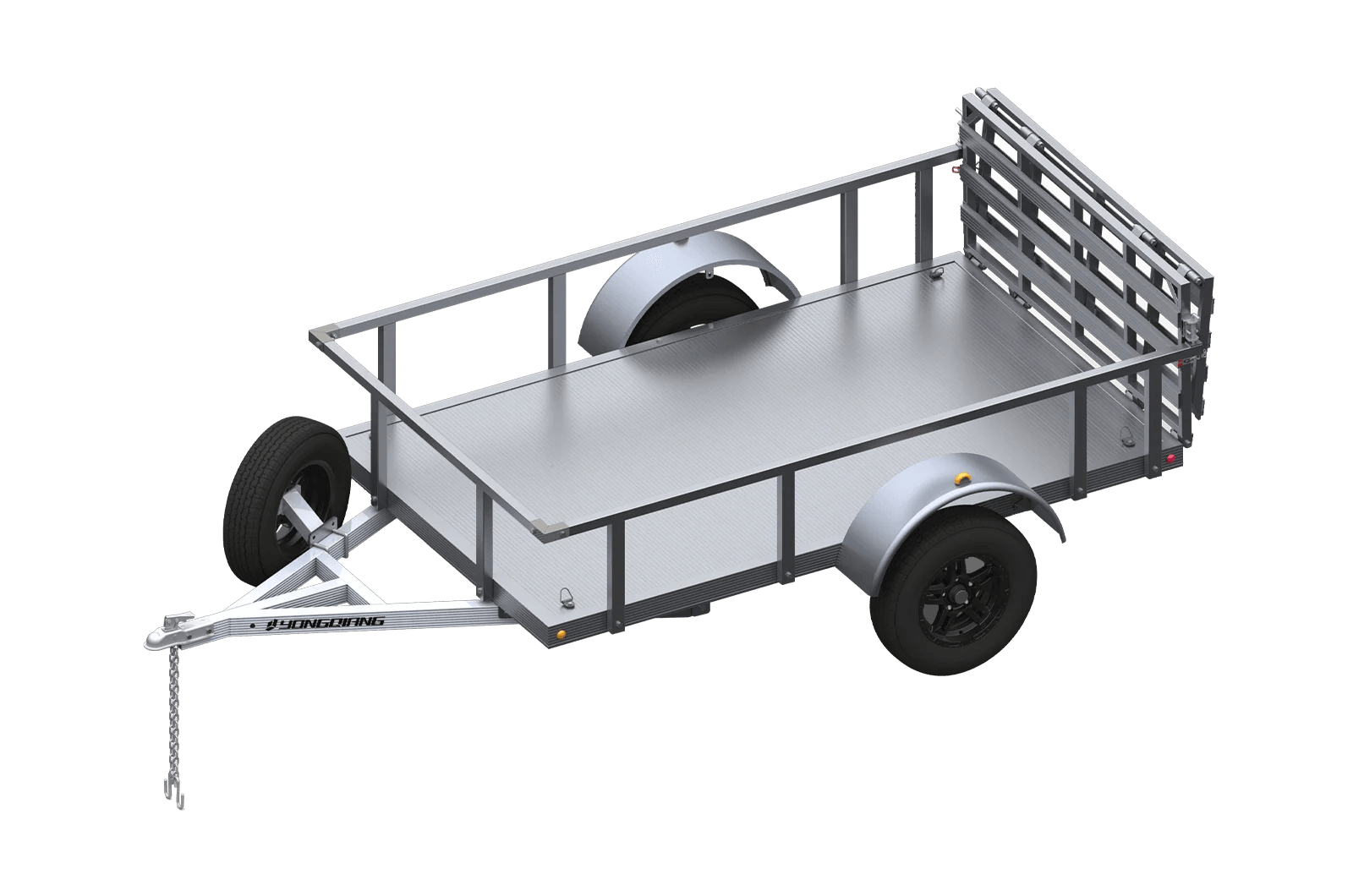
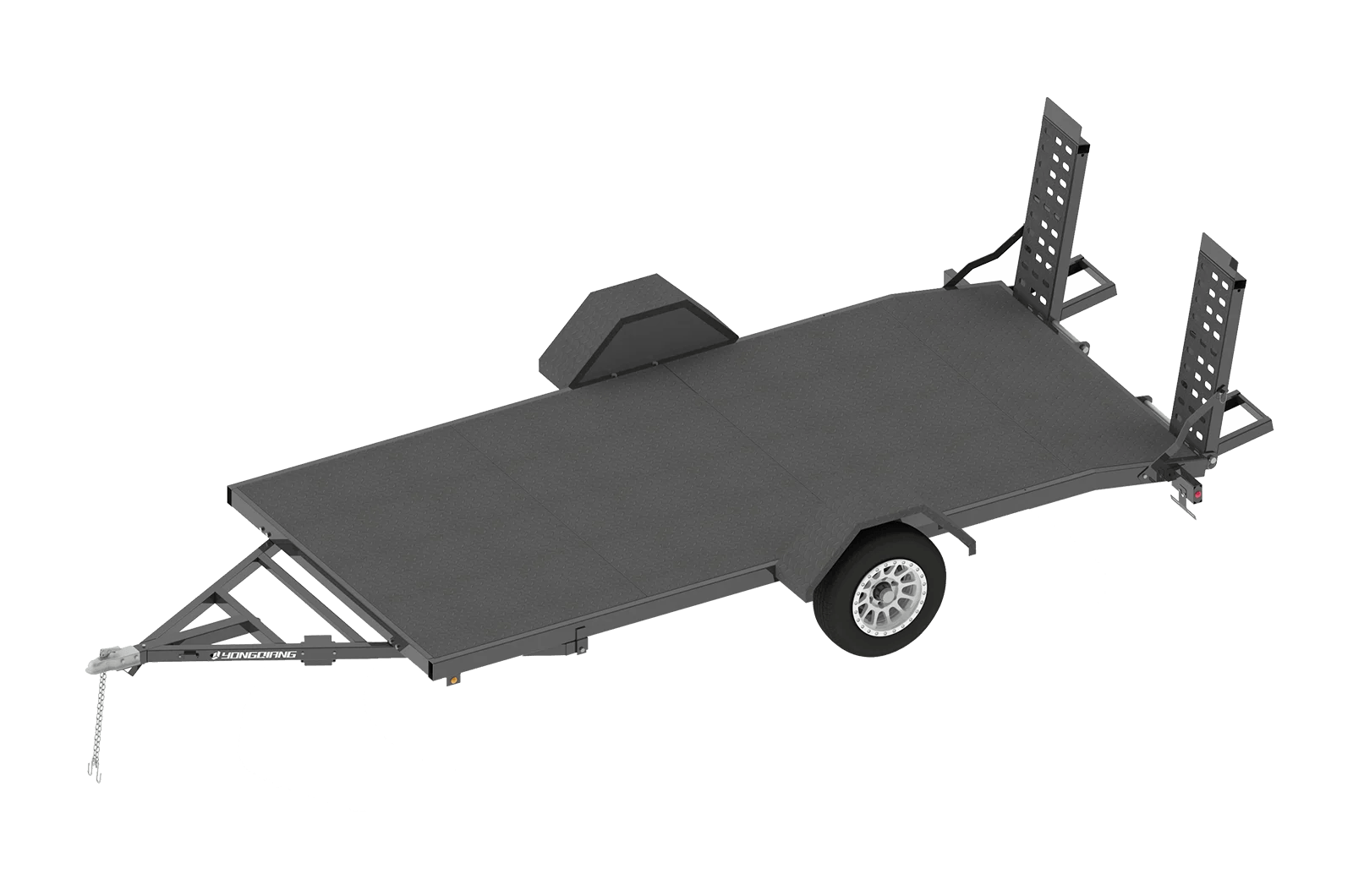
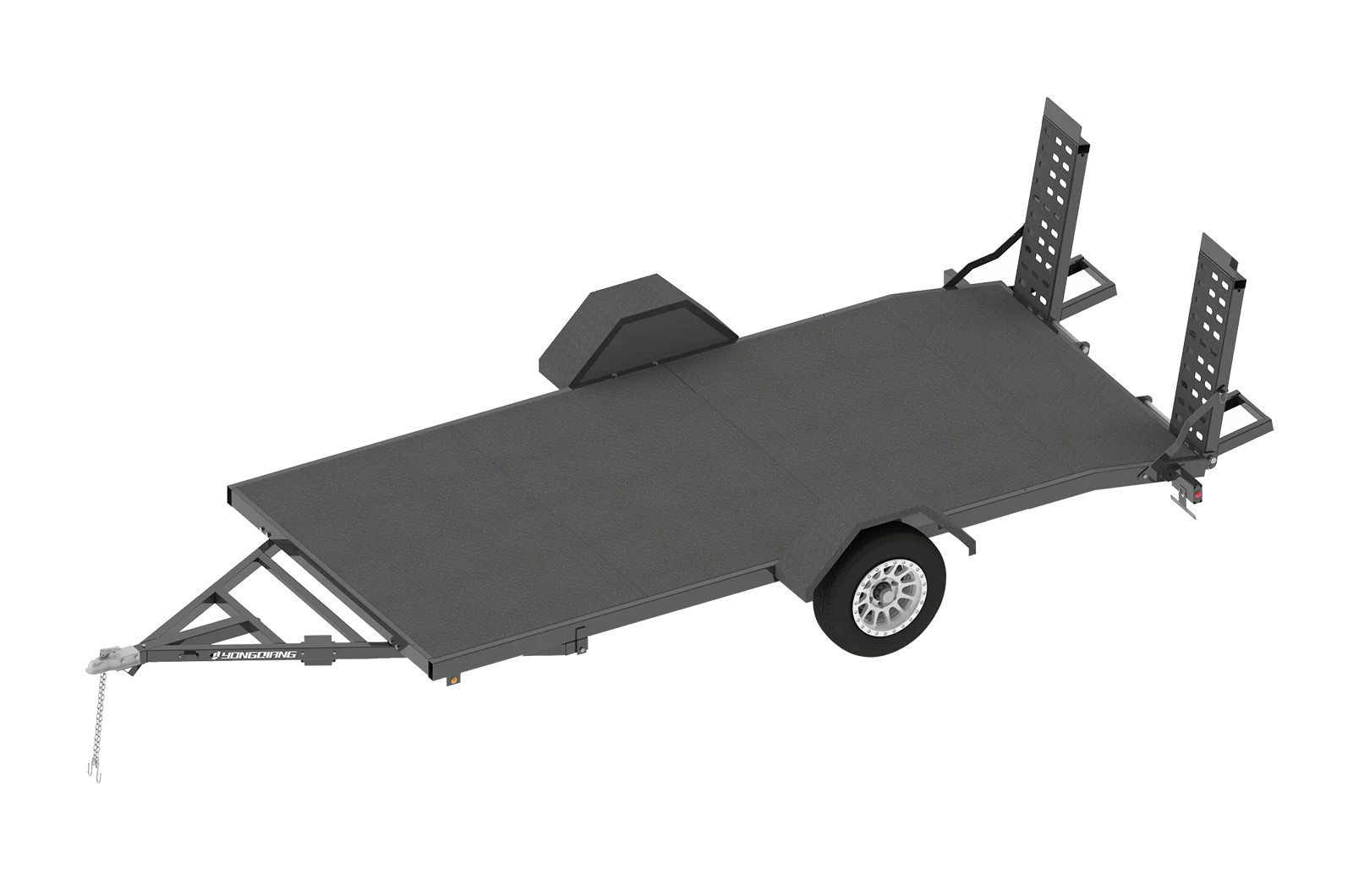
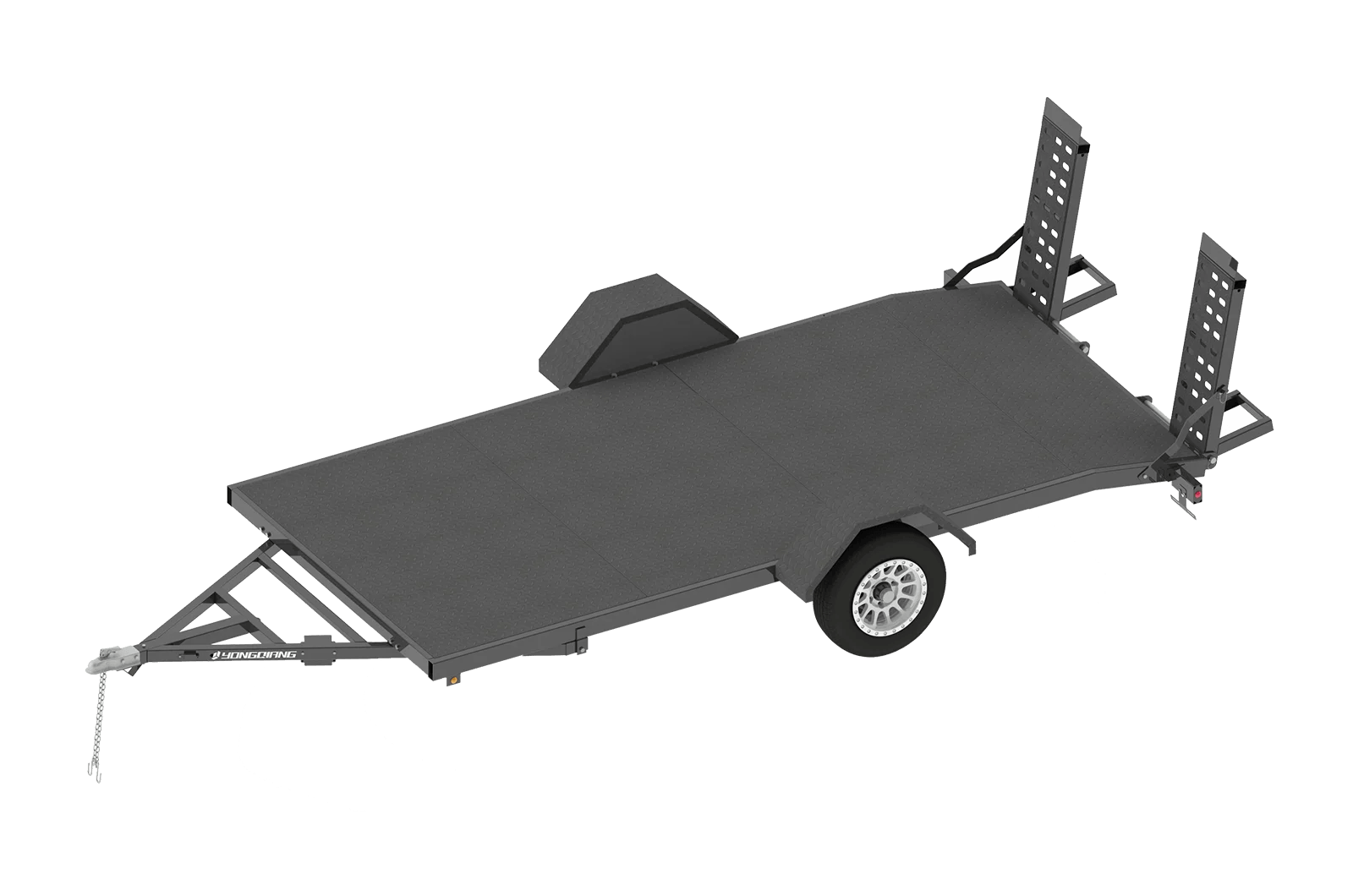
Equipment trailers exist to solve one specific problem — getting compact machinery from one job site to the next without the load shifting, the frame flexing, or the tow vehicle struggling to keep everything under control. That's the territory these flatbed haulers occupy, handling skid steer loaders, small excavators, rollers, ATVs, landscaping equipment, and other wheeled or tracked machines that need a stable low-profile ride rather than a standard cargo bed.

The build behind this usually comes down to a reinforced steel frame paired with a low-profile deck, an axle system sized for the job, secure loading ramps, and braking components that can be trusted under a heavy load — that combination is really what makes stable loading and steady towing possible in the first place.

There's also a fair amount of flexibility built into the category itself. Deck widths, deck lengths, GVWR ratings, axle configurations, ramp styles, suspension systems, surface treatments, and branding options can all shift depending on what's actually being hauled. Custom builds tend to be shaped around specific machinery dimensions, required load capacity, applicable road-use standards, and whatever conditions the job site throws at them.

Where a trailer holds structural integrity well and keeps loading straightforward, it tends to stay useful for years rather than months — which is why this category shows up so often across construction, landscaping, agriculture, rental operations, maintenance services, and industrial transport work.

ABOUT YONGQIANG
JINHUA YONGQIANG VEHICLES FACTORY HAS BEEN AT THE FOREFRONT OF TRAILER DESIGN AND MANUFACTURE FOR OVER 20 YEARS.
With a factory production area exceeding l00,000 square meters and 200 highly skilled machinists and an array of experienced engineers and technicians you can be confident that you requirement can be consistently meet. As a professional a equipment trailer manufacturer & supplier, we manufacture an extensive range of vehicle trailers as standard,including braked and unbraked commercial and domestic trailers suitable for use in countries right across the globe, Our China equipment trailer are supplied across America,Australia with annual quantity reaches 100,000 pcs in 2025.
VIEW MORE
Pay Attention to Our Latest News
  • Jinhua Yongqiang Vehicles Factory
    26-07-24
    Jinhua Yongqiang Vehicles Factory
    Industry News
    How to Select Reliable China Utility Trailer for Different Transportation Applications
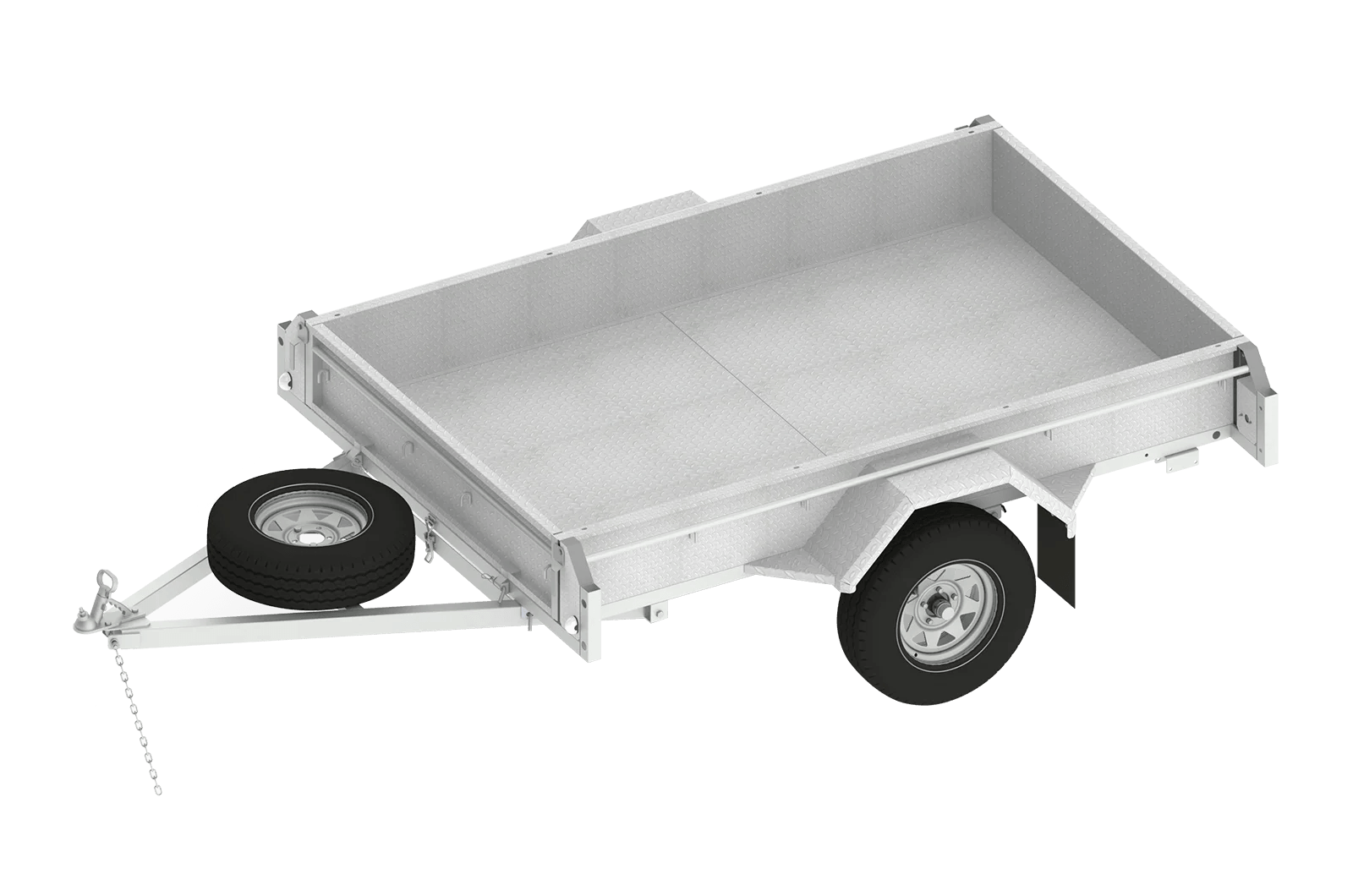
    Lots of businesses and private users need flexible hauling gear these days. Farms, construction crews, landscaping teams and outdoor hobbyists all move tools, gear and materials constantly, and their working conditions shift a lot. Utility trailers fill this gap perfectly for light to medium transport work. Trailers built in China have grown popular with overseas buyers. Factories roll out all kinds of styles to fit different hauling jobs. Still, picking the right unit isn't just comparing looks or price tags. Buyers need to map out their real work, where they'll run the trailer, and how long they plan to use it. A solid utility trailer should fit your exact work, be easy to operate day-to-day, and make hauling less of a hassle. Grab a model that matches your needs, and you'll cut downtime and streamline every load you move. Why Getting the Right China Utility Trailer Matters? People use these trailers for wildly different jobs. Landscapers haul mulch, shrubs and hand tools. Construction crews cart small power tools and building supplies between job sites. Outdoor enthusiasts tow camping gear, bikes and personal equipment for trips. No single trailer design works for every job. Your ideal pick depends on what you're hauling, how often you use it, and the terrain or weather you run it in. A well-suited trailer brings clear real-world perks: Key Point What It Means For Hauling Work Type of Cargo Determines the suitable deck size, load capacity, and frame design required for different transportation tasks. Work Environment Influences whether you need a trailer designed for outdoor conditions, frequent use, or challenging working areas. Loading Demands Affects how easily materials can be loaded, arranged, and unloaded during daily hauling operations. Upkeep Needs Helps determine the time, effort, and cost required for maintenance and long-term use. Most shoppers only fixate on the upfront cost. But skipping a deep dive into your actual use case leads to buying a trailer that doesn't fit your workflow. The best unit integrates into your daily transport routine instead of adding extra headaches. Core Things to Check Before Buying a Chinese Utility Trailer Choosing a trailer takes thoughtful planning. Every buyer has unique hauling goals, so break down your real-world needs before settling on a model. Here are the main points to weigh up: 1. Pin down exactly what you'll haul Your main use case shapes which trailer style you need. Light gardening gear calls for a totally different build than heavy commercial daily hauling. Ask yourself these straightforward questions to narrow your options: What goods or equipment will I move most often? How many days per week will the trailer be in use? Will I drive on smooth pavement, dirt lots or rough farm ground? Could my hauling loads grow or change down the line? Clear answers will instantly rule out ill-fitting trailers. 2. Assess the conditions you'll operate in Working environments vary wildly. Some trailers only hit paved roads, while others sit out in rain, mud and uneven ground all year. Your typical work space decides what frame material, coating and suspension you need. Anyone running the trailer outdoors nonstop should prioritize weather resistance and tough frames. Companies hauling daily will care more about easy operation and simple storage. 3. Figure out your load sizes and weight limits Cargo comes in all shapes and weights. Some users carry uniform power tools, while others haul loose, irregular bulk materials. A smart trailer layout cuts the strain of loading and unloading. Thoughtful side heights, ramp options and deck space save plenty of repetitive labor on every shift. How to Match Trailer Designs to Your Line of Work? Chinese trailer manufacturers stock dozens of designs to cover every market demand. Knowing what each build is made for keeps you from picking a generic model that won't hold up. Industry / Use Case Top Trailer Features to Look For Agriculture Strong frames designed for outdoor field work, suitable space for carrying farm supplies, tools, and daily materials. Construction Durable structures with strong load support, suitable for transporting equipment, building materials, and job site supplies. Landscaping Open and flexible deck designs that make it easier to carry soil, plants, gardening tools, and other landscaping items. Private Outdoor Recreation Lightweight and convenient designs that support easier towing for camping equipment, outdoor gear, and personal items. Commercial Daily Hauling Stable and durable trailer builds designed for regular transportation tasks and re Each design is engineered for specific tasks. Commercial trailers need far more durability than units only used on weekends. Don't buy based on what's popular online — focus on what fits your day-to-day jobs. A properly matched build makes every haul quicker and cuts small operational headaches over time. How to Vet Chinese Trailer Makers? Your supplier makes a huge difference to product quality and your whole buying experience. Trustworthy manufacturers communicate clearly, share full product specs, and offer reliable support after purchase. When screening factories, focus on these four areas: Years of trailer manufacturing experience Makers that have built trailers for a long time understand what overseas buyers actually deal with on job sites. They tweak frame and suspension designs to suit real-world hauling instead of only generic standard builds. Wide product lineup A big range of models lets you pick a trailer sized and built for your exact loads and terrain, instead of settling for a one-size-fits-all compromise. Strict quality control standards How a factory tests and inspects each trailer directly impacts how long it lasts. Reputable brands follow consistent production checks to ensure safety and structural strength. Clear, responsive communication Misunderstandings around custom sizes, shipping or specs slow down orders. Suppliers that listen closely to international buyers deliver smoother, less stressful cooperation long term. Picking a manufacturer isn't just buying a product — it's locking in a steady supply partner for future equipment and after-sales help. What Makes a Trailer Hold Up For Years of Use? Long service life is a top priority for most buyers. Utility trailers spend most of their time outdoors, carrying heavy loads and bouncing over rough ground. Four key traits decide how reliable a unit stays: Practical, user-focused frame design Top trailers are built around real hauling tasks. Loading access, tie-down points and deck layout all simplify daily moving jobs, no fancy unnecessary add-ons. Minimal regular maintenance Well-engineered trailers use simple, easy-to-repair parts. Basic inspections and minor fixes take little time, cutting long-term running costs. Flexibility for shifting hauling needs Business needs change as you take on new jobs. Versatile trailers can handle multiple cargo types instead of being limited to one single load style. Ongoing supplier technical support Good manufacturers stay available to walk you through operation tips, maintenance routines and troubleshooting whenever issues pop up. Overall durability comes from balanced structural design, consistent Utility Trailer Factory quality, and proper regular upkeep from the user. Where Chinese Utility Trailers Work Across Different Industries? These trailers stay in high demand across sectors because they deliver cheap, flexible hauling solutions for all sorts of jobs. Farmers use them to move feed, tools and harvested goods across fields, making daily farm chores far more flexible. Construction sites rely on them to shuttle power tools and building materials between separate work zones, streamlining material scheduling. Landscaping companies tow them between residential and commercial jobs, carrying soil, plants and maintenance gear in one trip. Private outdoor users also depend on them to haul camping gear, bikes and hobby supplies for trips and projects. This wide range of real-world uses shows why buyers must tailor their trailer choice to their own unique work demands. Key Questions to Ask Before Placing an Order Before committing to a purchase, get full clarity on both the trailer and your supplier to avoid costly mismatches. Ask these practical questions: Will this trailer handle my regular hauling tasks without overloading? Can its layout adapt if my cargo types change later on? Can the factory provide full specs, weight ratings and quality documentation? Does the supplier understand transport rules and usage needs for overseas markets? What maintenance guidance and after-sales support will be provided after delivery? A successful order isn't just receiving a trailer — it's securing a transport solution that fits your daily work environment perfectly. Global demand for flexible hauling gear keeps pushing Chinese trailer makers to refine their designs for more industries and tougher working conditions. As businesses everywhere streamline their daily operations, picking a well-matched utility trailer remains a simple way to speed up material transport and organize regular workflows.
  • Jinhua Yongqiang Vehicles Factory
    25-08-29
    Jinhua Yongqiang Vehicles Factory
    Industry News
    Galvanized vs. Powder Coated Trailers
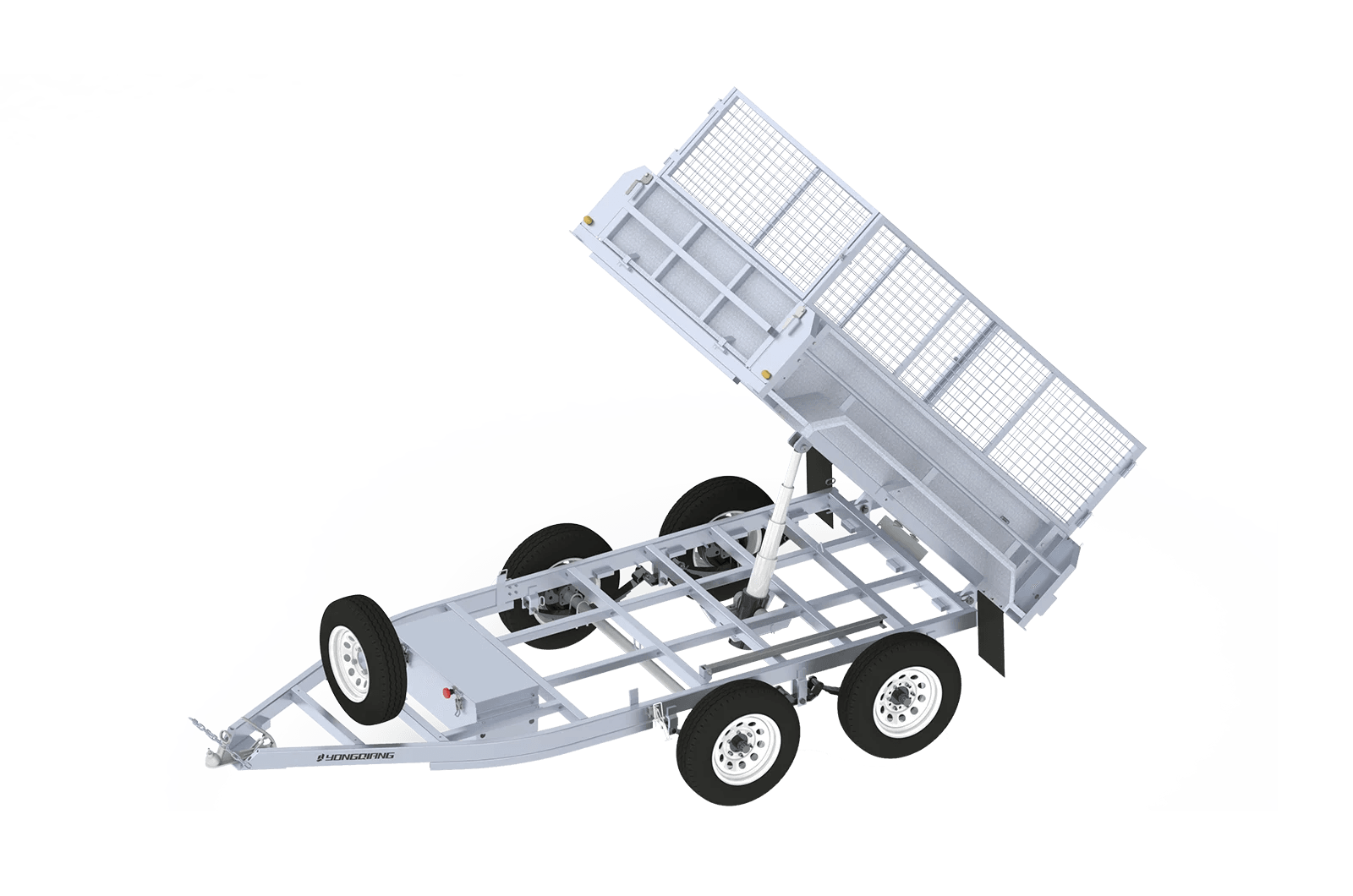
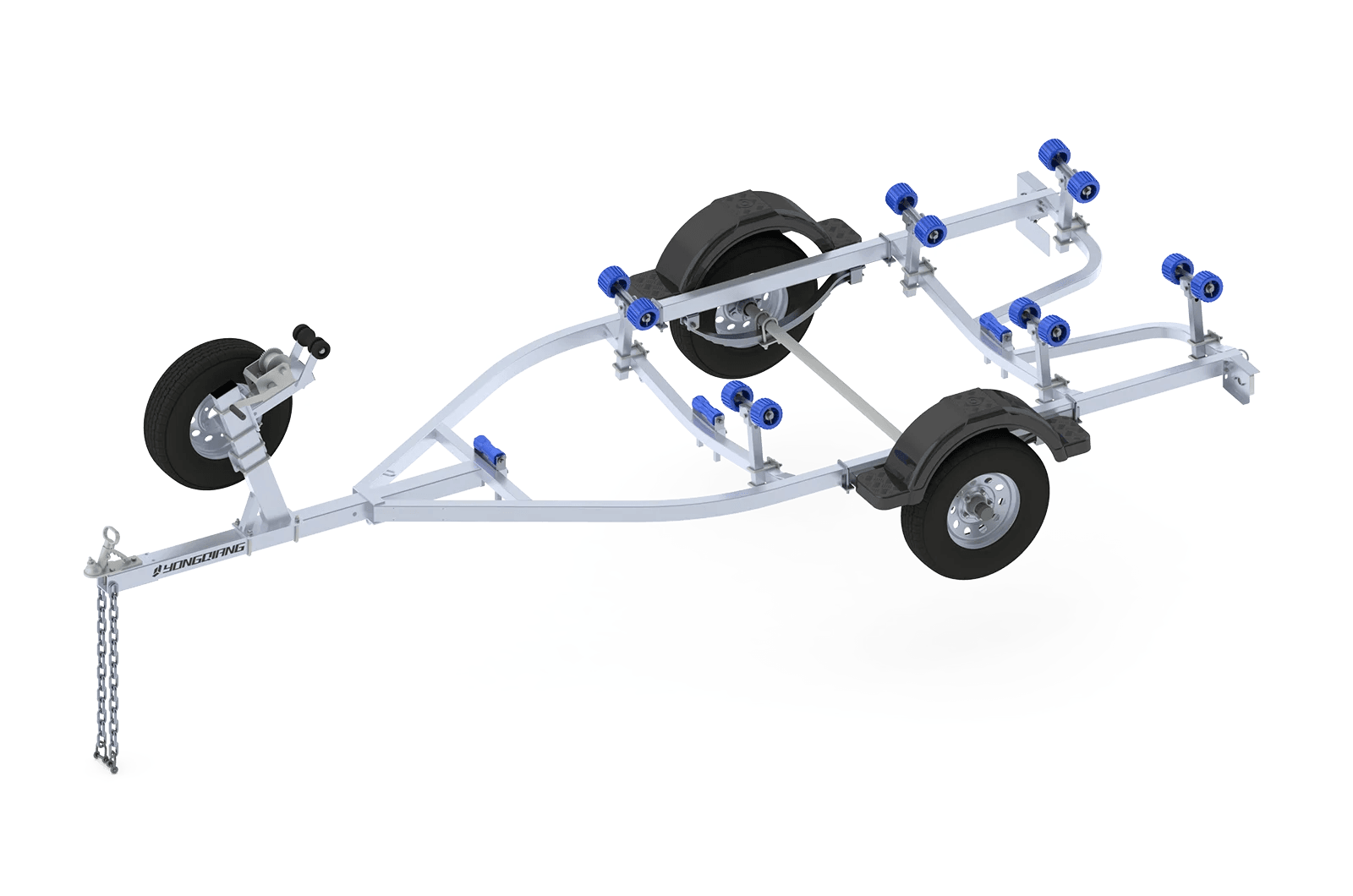
    When protecting a steel trailer from rust, two finishes dominate the market: hot-dip galvanizing and powder coating. China’s trailer giant, Jinhua Yongqiang Vehicles Factory—the nation’s top exporter with over 60,000 units annually—offers both, letting buyers pick the right armor for their environment. Here’s how they stack up in real-world use. Coating Process and Protection Galvanizing involves dipping steel in molten zinc, creating a bonded layer that sacrifices itself to protect the metal (cathodic protection). This coats inside and out—even tubing interiors—making it ideal for salt, humidity, or coastal areas. It lasts 20–30+ years with minimal upkeep. Powder coating sprays electrostatically charged dry paint onto the frame, then bakes it into a hard shell. It’s tough against scratches and chemicals but only covers exteriors unless prepped specially. If chipped (from rocks or branches), rust can creep in underneath, especially in wet conditions. Durability and Maintenance Galvanized finishes are self-healing for minor scratches and resist fading or dulling from UV. Rinse off salt or dirt occasionally; no painting needed. They’re battle-tested for dump trailers or boat haulers in harsh environments. Powder coating holds up well in dry, mild use—scratch-resistant and low-maintenance for 10–15 years. But it can fade in direct sun (UV degradation) and absorbs water if porous, leading to hidden rust. Touch-ups require sanding and recoating; neglect it, and repairs add up fast. Cost and Aesthetics Galvanized trailers cost 20–30% more, but they save on long-term fixes like rust repairs ($500–$1,500 every few years). The silver-gray look is industrial—dulls over time but functional. You can powder coat over galvanizing for color without losing protection. Powder coating is cheaper initially and offers vibrant, custom colors that match your truck or boat. It’s visually appealing right away but may need clearcoating for sun exposure. Resale holds better for galvanized (60–70% value after 5 years) due to less visible wear. Towing and Real-World Performance Both add negligible weight, but galvanized excels in wet or salted roads—less brake strain from corrosion buildup. Powder coated shines on paved, dry routes; it’s smoother and easier to clean but vulnerable to road debris chipping the finish. In tests and user reports, galvanized trailers outlast powder coated in salt water by 2–3x, while powder holds its own in freshwater or garages. Best For Galvanized: Saltwater boats, winter roads, heavy-duty hauling (e.g., landscaping, construction), or long-term ownership in moist climates. Worth the premium if you hate maintenance. Powder Coated: Budget buys, recreational use on clear roads, or when color matters (e.g., matching your RV). Great for freshwater lakes or covered storage. Galvanized wins for ultimate rust-proofing and low-hassle longevity, especially in tough conditions—it’s the “set it and forget it” choice. Powder coated is a solid, attractive alternative for milder use where savings and style count. Consider your routes, climate, and budget; many opt for galvanized with a powder topcoat for the best of both. Test one at a dealer to feel the difference.
  • Jinhua Yongqiang Vehicles Factory
    25-08-29
    Jinhua Yongqiang Vehicles Factory
    Industry News
    Steel vs. Aluminum Trailers
    Choosing between steel and aluminum trailers boils down to strength, weight, cost, and upkeep. Steel has ruled heavy-duty hauling for decades; aluminum wins fans with lightness and rust resistance. Here’s a concise breakdown to guide your decision. Material & Strength Steel delivers raw power—50,000–100,000 psi tensile strength—and shrugs off dents and scrapes on job sites. Aluminum (35,000–45,000 psi) dents easier but resists fatigue and uses I-beam frames to handle heavy loads. Weight & Payload A 16-ft steel trailer weighs 1,500–3,000 lbs empty; aluminum cuts that to 800–1,800 lbs. That 20–30% savings means more cargo, less strain on your truck, and better mpg. Durability & Maintenance Steel rusts fast in salt or humidity—needs paint, galvanizing, and annual checks. Rust can kill a frame in 5–10 years. Aluminum self-protects with an oxide layer; just wash it. It lasts 20–30+ years with near-zero upkeep. Cost Steel starts 20–40%, but repairs and repaints add $500–$2,000 over a decade. Aluminum pays off long-term, especially in wet climates. Towing & Resale Aluminum eases wear on brakes and transmission; fuel savings add up fast. It also resells stronger—60–70% of value after 5 years vs. steel’s 40–50%. Best For Steel: Budget buys, brutal loads (scrap, rocks), dry regions, custom welds. Aluminum: Lighter trucks, salt roads, boats/RVs, long hauls, low-hassle ownership. Bottom line: Steel for short-term muscle on a budget. Aluminum for efficiency, longevity, and peace of mind. Match it to your tow rig, roads, and timeline. No matter which one you would like to choose, Yongqiang trailer, as one of the leading trailer manufactures in China, can always provide you with a lot of choices.

Professional Equipment Trailer Industry Knowledge Content

Moving machinery safely across a job site isn't quite the same challenge as hauling general cargo, and that's really the reason equipment trailers exist as their own category rather than just being a variant of the standard utility trailer. Stronger frames, lower decks, reinforced loading areas, and ramps built specifically to support wheeled or tracked machines — these are the details that separate an equipment trailer from something that just happens to have a flat surface on top.

That distinction shows up across a fairly consistent set of uses:

  • Compact excavator transport
  • Skid steer loader movement
  • Roller and compactor transport
  • ATV and UTV hauling
  • Landscaping equipment movement
  • Farm machinery transfer
  • Small construction machine transport
  • Maintenance tool and generator hauling
  • Roadwork and job-site equipment support

Loading space alone doesn't make an equipment trailer good at its job, though. What actually determines whether it performs reliably comes down to weight distribution, frame rigidity, axle strength, braking performance, and how safely a machine can actually get loaded and unloaded — none of which show up if you're just eyeballing the deck size. Get those fundamentals right, and long-term durability tends to follow on its own.

Key Specifications That Matter for Equipment Trailers

Getting an equipment trailer's specifications right isn't really about picking the biggest or strongest option available — it's about matching each spec to the actual machine being carried and the conditions it'll be towed through. Sizing something incorrectly or leaning on under-rated components tends to catch up with you eventually, whether that shows up as a safety issue, a shortened service life, or just a nagging feeling that the setup isn't quite trustworthy.

A handful of specifications carry more weight than the rest:

  • Deck width and deck length The platform needs to actually accommodate the machine's wheelbase, track width, and overall loading footprint — not just come close.
  • GVWR and payload capacity The rated capacity has to account for more than the bare machine weight. Attachments, fuel, and any extra tools riding along all add up.
  • Frame structure A reinforced chassis is what keeps the trailer from twisting or bending under load during transport, particularly over rough terrain.
  • Deck height Going with a low-profile deck lowers the center of gravity and makes loading noticeably safer.
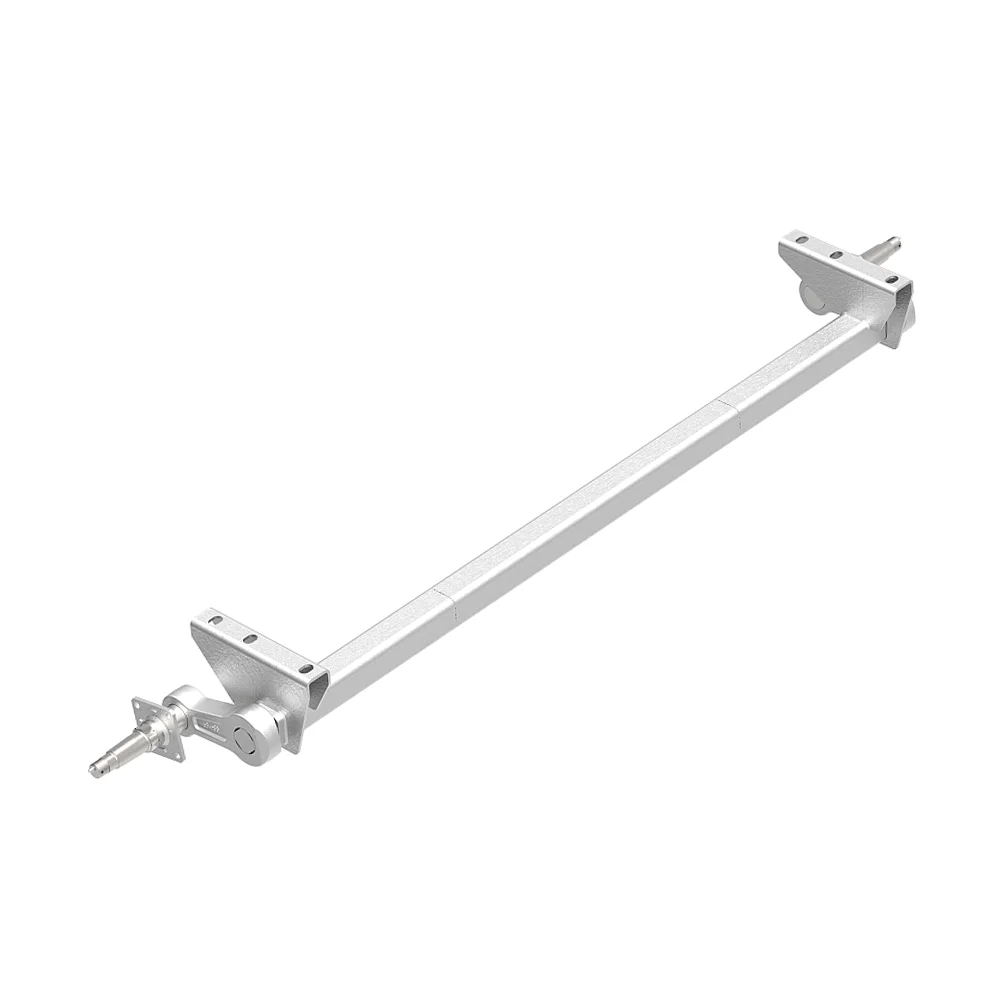
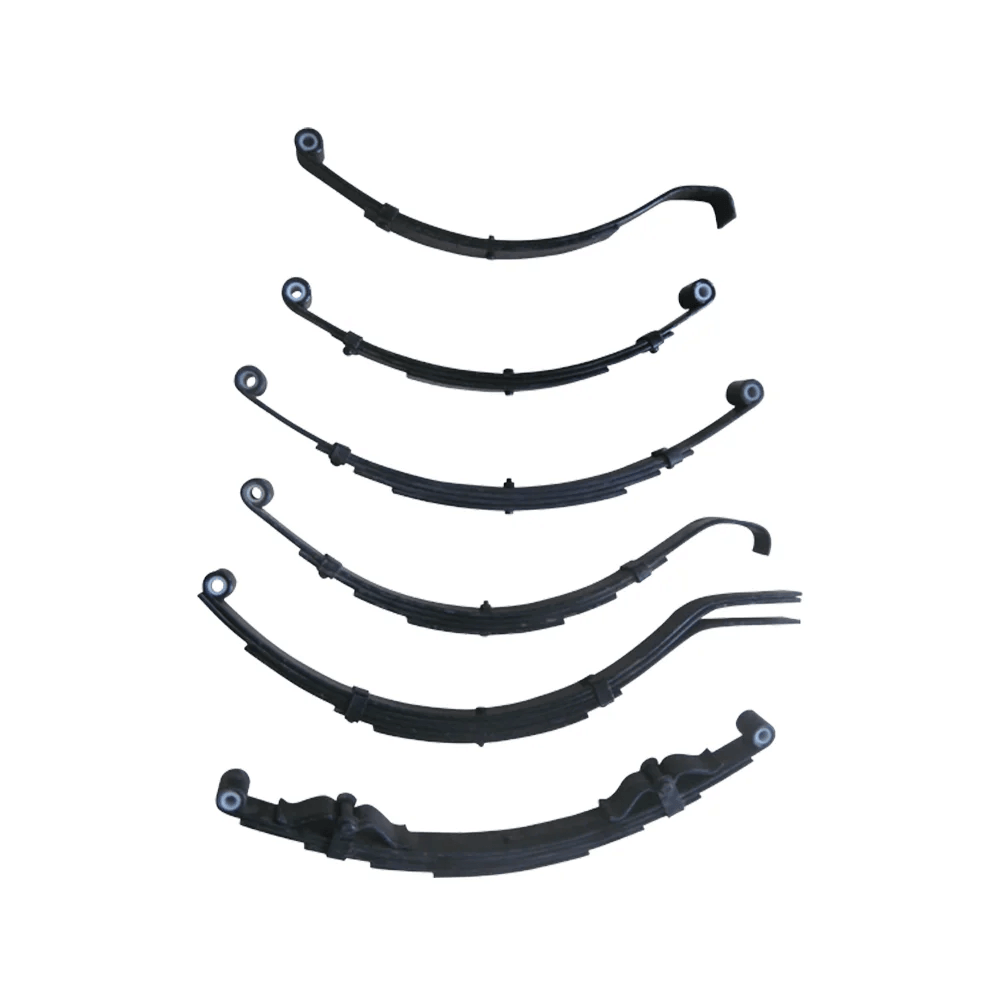
  • Axle configuration Single axle, tandem axle, leaf spring, or torsion — each option shifts stability and capacity in a different direction depending on the load.
  • Brake system Electric brakes become important once loads get heavier, mainly because stopping control matters more than people tend to assume until it doesn't work.
  • Ramp design Ramp angle, length, width, and surface grip all factor into how convenient — or frustrating — loading ends up being.
  • Tie-down points Solid anchor points are what keep machines secured once they're actually on the road, not just sitting still.
  • Surface treatment Powder coating, painting, or galvanizing each offer a different level of protection against rust and general outdoor wear.
  • Lighting and wiring LED lights, reflectors, and properly protected wiring do double duty — better road visibility now, less wiring trouble later.

None of these specifications function well in isolation. A strong ramp doesn't count for much if the frame, axle, tires, and brakes underneath it aren't matched to the same standard — the whole system has to work together for any single component to actually deliver.

Equipment Trailer Types and Application Differences

Different equipment trailers are developed for different load sizes, road conditions, and machine types. A clear product structure helps match each trailer to its intended use.

Trailer Type Typical Use Main Feature
Low-Profile Equipment Trailer Compact machines and landscaping equipment Easier loading and lower center of gravity
Flatbed Equipment Trailer General machinery and tool transport Open platform for flexible cargo placement
Tandem Axle Equipment Trailer Heavier machines and frequent road use Better stability and load support
Tilt Equipment Trailer Wheeled equipment and easier loading Reduces need for separate ramps
Custom Equipment Trailer Special machinery dimensions or configurations Designed around specific equipment needs

A low-profile equipment trailer is useful for compact excavators, small loaders, and machines that require safer loading angles. Tandem axle models are often preferred for heavier equipment because they distribute weight more effectively and improve towing stability.

Frame Design and Structural Strength

Everything else on an equipment trailer ultimately rests on the frame — quite literally. It has to absorb machine weight, road vibration, loading impact, and the torsional stress that builds up during turns or when crossing uneven ground. If the frame can't handle that load, nothing built on top of it really matters much.

A handful of design factors determine how well it holds up over time:

  • Main beam size and material thickness
  • Cross-member spacing
  • Reinforced tongue structure
  • Rear loading support
  • Weld quality and frame alignment
  • Deck-to-frame connection strength
  • Fender and ramp mounting strength
  • Load distribution across the chassis

Tracked equipment tends to stress a frame differently than wheeled machines do, mainly because the load concentrates over a much smaller contact area instead of spreading out evenly. That's precisely where a properly reinforced deck and a well-planned cross-member layout earn their keep — they're what separates normal wear from actual deformation, and getting that layout right often ends up being the deciding factor in how long a trailer actually lasts.

Loading Ramp Design and Safety

Ramps rarely get the attention they deserve, yet they're one of the features most likely to make or break an equipment trailer's usability. A poorly designed ramp can turn a routine loading job into a genuinely risky one, especially with compact machines that sit low to the ground or carry heavy attachments.

A few considerations tend to matter more than the rest:

  • Ramp length
  • Ramp width
  • Loading angle
  • Anti-slip surface
  • Hinge strength
  • Locking mechanism
  • Rear support structure
  • Ramp storage method
  • Machine tire or track compatibility

Length and width both play into this more directly than people expect. Longer ramps typically create a gentler, smoother loading angle, while wider ramps give varied tire widths more room for error. Tracked machines are less forgiving here — surface grip and structural thickness on the ramp matter more for tracks than they do for wheels.

Ramp styles themselves vary depending on how the trailer gets used:

  • Stand-up rear ramps
  • Slide-in ramps
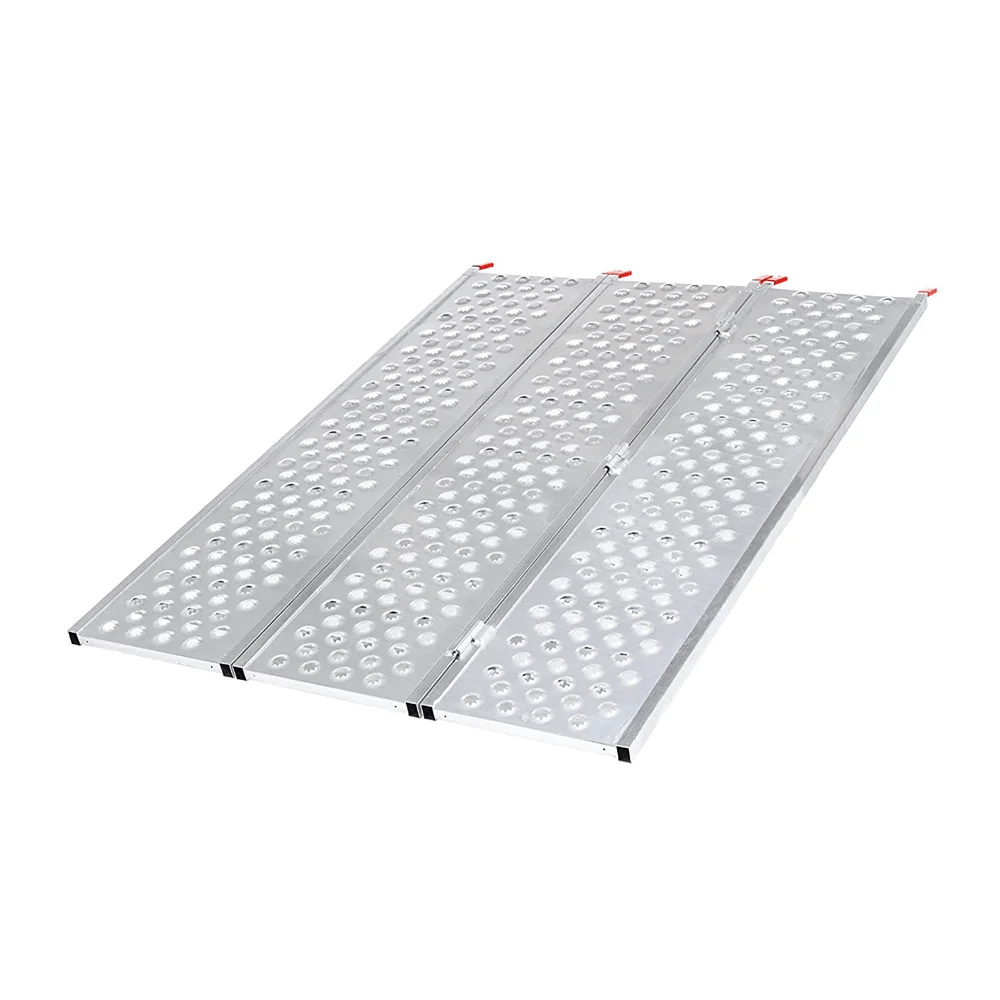
  • Fold-flat ramps
  • Full-width ramp gate
  • Heavy-duty equipment ramps
  • Spring-assisted ramps

Whatever style ends up chosen, the underlying requirement stays the same — the ramp system has to support the rated machine weight and stay stable through the entire loading and unloading process, not just most of it.

Axles, Suspension, Brakes, and Tires

Towing safety comes down to a handful of components working correctly together, and axles, suspension, brakes, and tires sit right at the center of that. Choosing these correctly means matching them to trailer capacity, expected road conditions, and the actual weight being hauled — not just picking whatever fits.

A quick breakdown of what each piece contributes:

  • Axles: Higher-capacity axles are what allow heavier machines to be carried safely in the first place.
  • Suspension: Multi-leaf spring setups are common for a reason — they hold up well under rugged, repeated use.
  • Brakes: Electric brakes make a real difference in control once a trailer is actually under load.
  • Tires: Tire ratings need to line up with both GVWR and expected road speed, not just whatever's cheapest.
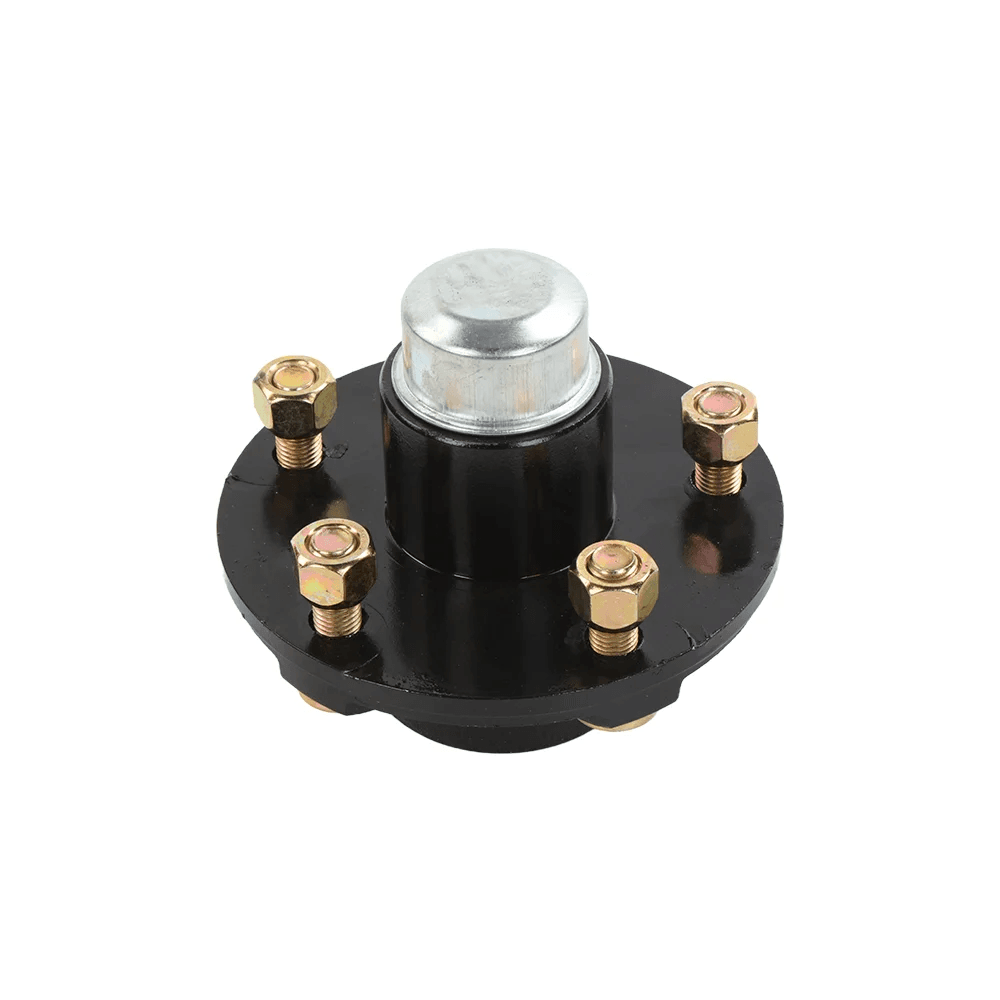
  • Hubs and bearings: Regular inspection here is what catches small problems before they turn into roadside failures.
  • Wheel alignment: Properly aligned axles improve both towing stability and how long the tires actually last.

Braking and tire capacity are two areas where cutting corners tends to backfire quickly on an equipment trailer. The running system underneath the deck rarely gets noticed when it's working correctly — but it's doing more of the heavy lifting than most people realize.

Custom Equipment Trailer Options

Custom equipment trailers can be developed to match different machine sizes, market preferences, loading methods, and road-use requirements.

Common customization options include:

Custom Area Available Options Main Benefit
Deck Size Custom width and length Fits different machinery dimensions
Capacity Rating Different GVWR options Matches machine weight requirements
Ramp System Stand-up, slide-in, fold-flat, full-width Improves loading efficiency
Axle System Single axle or tandem axle Supports different load classes
Deck Surface Steel deck, wood deck, anti-slip surface Matches cargo type and grip needs
Surface Finish Powder coating, paint, galvanizing Enhances corrosion resistance
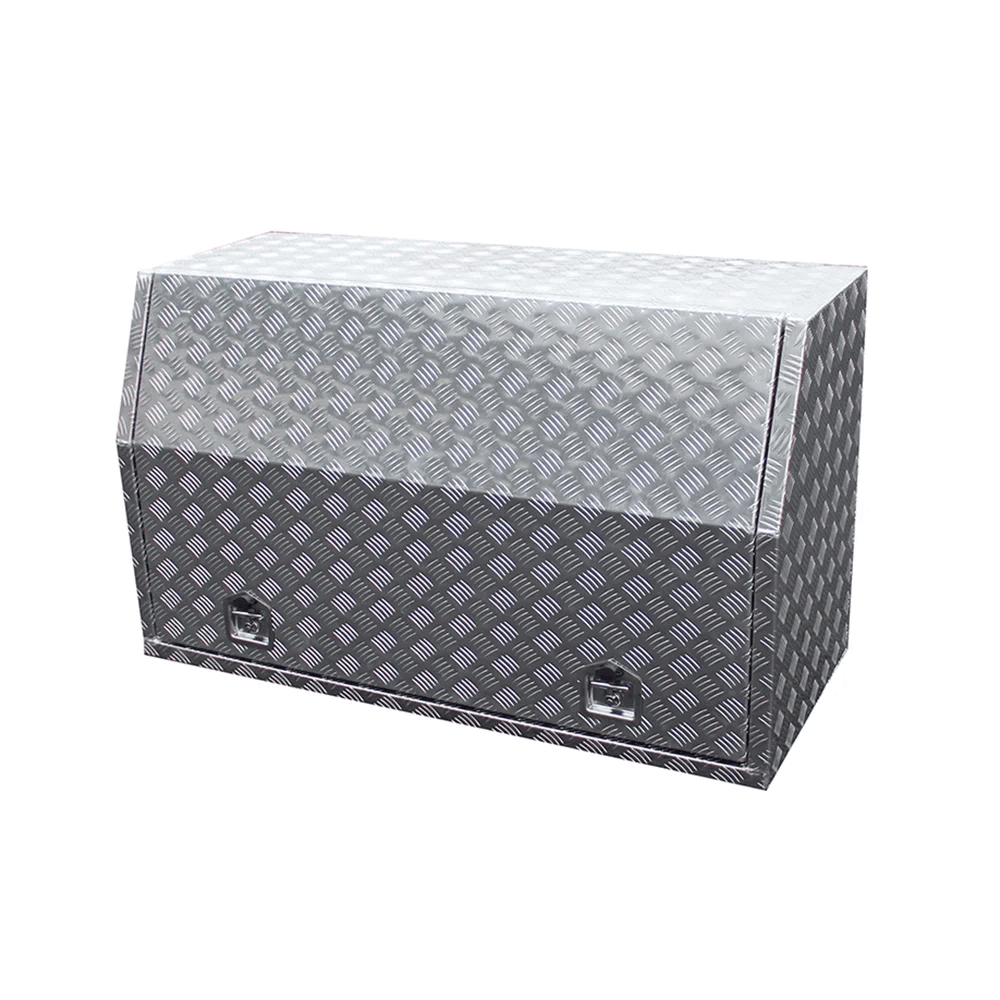
Accessories Toolbox, spare tire, jack, tie-downs Improves daily usability
Branding Logo, color, nameplate, VIN plate Builds product identity

Customization should focus on actual use. A trailer used for compact loaders may need stronger ramps and reinforced rear support, while a trailer for landscaping tools may benefit from side rails, toolboxes, or multiple tie-down points.

Surface Treatment and Corrosion Protection

Equipment trailers often work outdoors and face mud, rain, gravel, road salt, chemicals, and job-site impact. A durable surface finish helps protect the frame and maintain appearance.

Common surface treatments include:

Powder coating

Provides a clean look and good protection for general outdoor use.

Painted finish

Offers flexible color options and practical coverage.

Hot-dip galvanizing

Provides stronger rust resistance for humid, coastal, or road-salt environments.

Galvanized plus coating

Combines corrosion protection with improved appearance.

The right finish depends on climate, road conditions, storage method, and expected maintenance level.

Documentation and Compliance Considerations

For any equipment trailer meant for road use, the paperwork attached to it matters almost as much as the build quality itself — proper documentation is what makes registration straightforward, keeps the trailer market-ready, and allows it to be traced accurately throughout its working life.

The documentation set typically includes:

  • Product specification sheet
  • GVWR information
  • VIN or WMI-related data
  • Factory inspection record
  • Load test information
  • Wiring and lighting details
  • User manual
  • Safety labels
  • Packing list
  • Accessory list

North American markets add another layer to this, with DOT-related requirements around lighting, braking, VIN marking, and general safety labeling all factoring into whether a trailer is actually road-ready. None of this is paperwork for its own sake, either — clear, well-organized documentation is genuinely what makes a trailer easier to identify correctly, maintain properly, and manage over the years it stays in service.

Maintenance Tips for Longer Equipment Trailer Life

Routine maintenance is what actually keeps an equipment trailer safe and extends how long it stays in service, and that matters even more on construction sites or rough roads where wear happens faster than usual.

Worth keeping up with regularly:

  • Check tire pressure before towing
  • Inspect wheel bearings and hubs
  • Test brake function regularly
  • Check lights and wiring
  • Tighten loose bolts and fasteners
  • Inspect ramps and hinges
  • Check tie-down points
  • Clean mud and debris from the deck
  • Inspect welds after heavy use
  • Lubricate moving parts
  • Rinse road salt from the frame
  • Repair coating scratches early
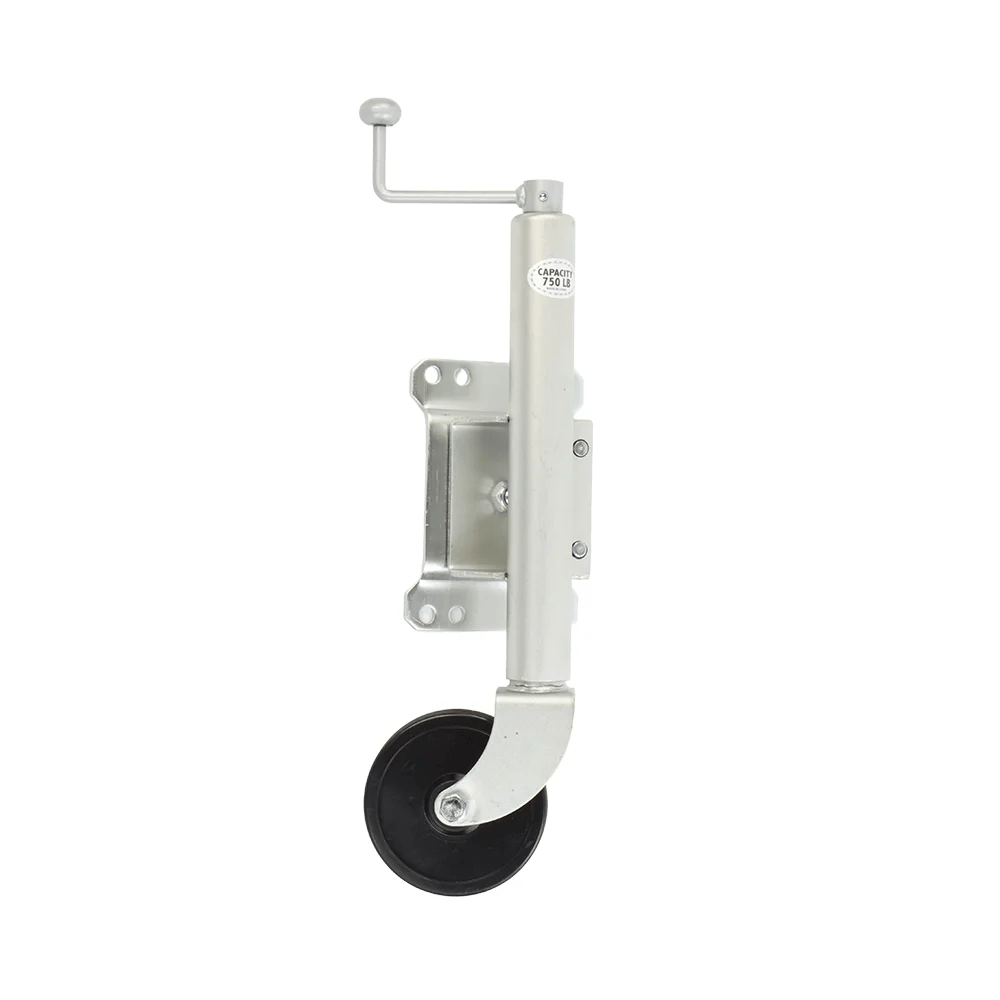
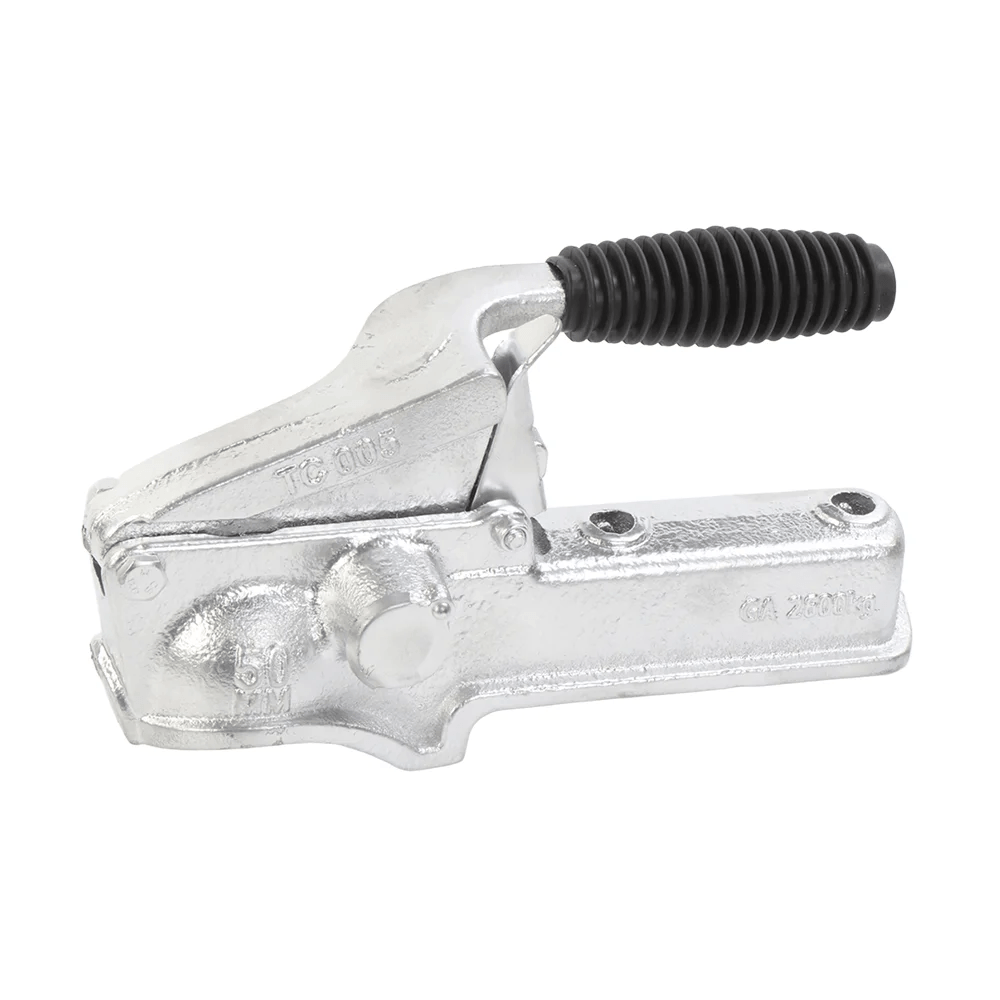
  • Check coupler, jack, and safety chains

None of these tasks take long individually, but skipping them consistently is usually how small issues turn into bigger ones. Kept up with, an equipment trailer tends to deliver stable performance across years of machinery transport and job-site work rather than needing early repairs.

Choosing and designing an equipment trailer really comes down to working backward from the actual job — machine dimensions, load weight, loading method, towing distance, and road conditions all shape what the right trailer looks like. Deck size, GVWR, frame reinforcement, ramp structure, axle configuration, brake system, surface treatment, and quality inspection each play into how well that trailer holds up over the long run.

What separates a dependable trailer manufacturer from an average one usually shows up in a few places — consistent production quality, customization that's actually practical rather than superficial, complete road-use documentation, and structural testing that can be trusted. Get those elements right, and an equipment trailer ends up doing exactly what it's meant to: improving transport safety, loading efficiency, and equipment mobility across construction, landscaping, agriculture, maintenance, and industrial work.
