

 English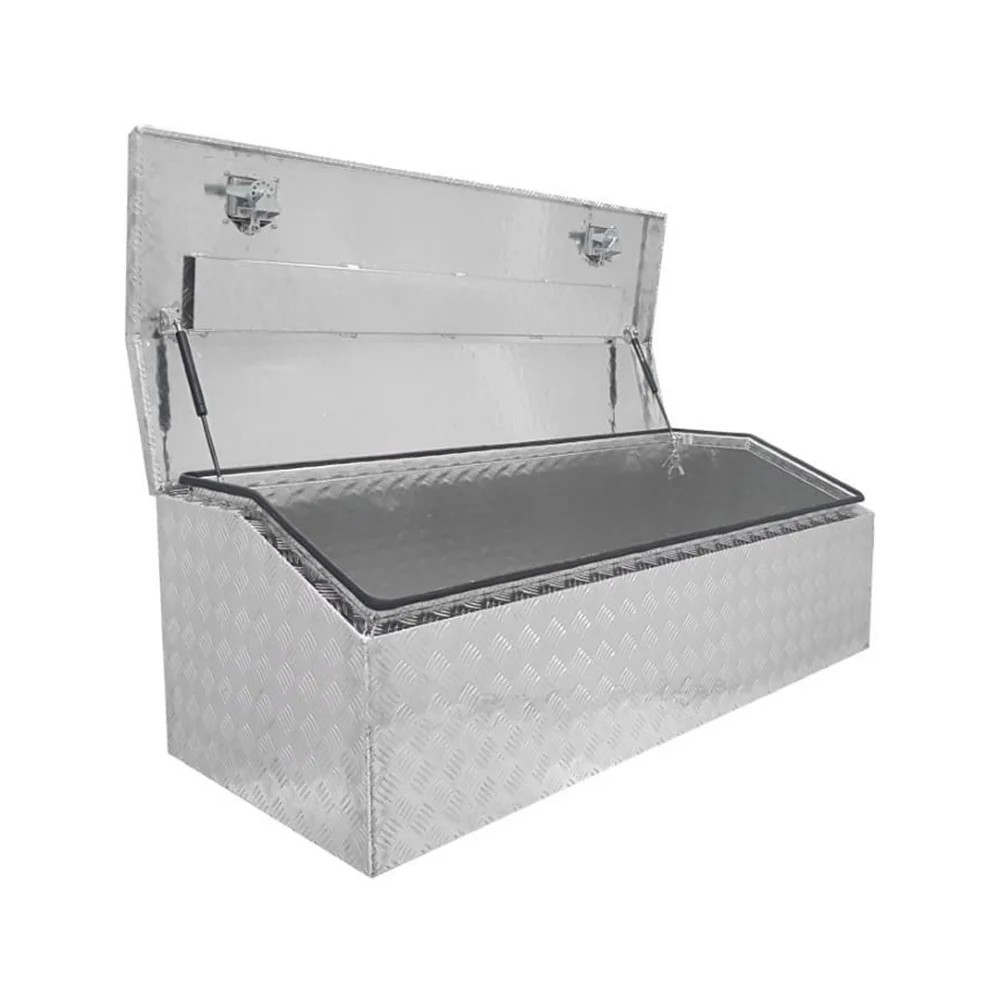



Professional Industry Knowledge for Aluminum Tool Box
As a factory that works in trailer parts and vehicle storage solutions, aluminum tool boxes get built here for trucks, trailers, utility vehicles, service vehicles, caravans, and industrial transport work. A tool box like this does more than just hold things — it protects tools, spare parts, towing accessories, maintenance equipment, electrical components, and whatever else gets used during daily operation.
Building these boxes comes down to a few priorities: keeping them lightweight without sacrificing strength, resisting corrosion, holding up against weather, and lasting a long time. Aluminum tool boxes strike a better balance here than traditional steel ones between durability and weight — which matters a lot on trailers and commercial vehicles, where every extra kilogram adds up. A lighter box means less unnecessary load on the vehicle structure, easier installation, and generally smoother day-to-day operation.
Material Advantages of Aluminum Tool Boxes
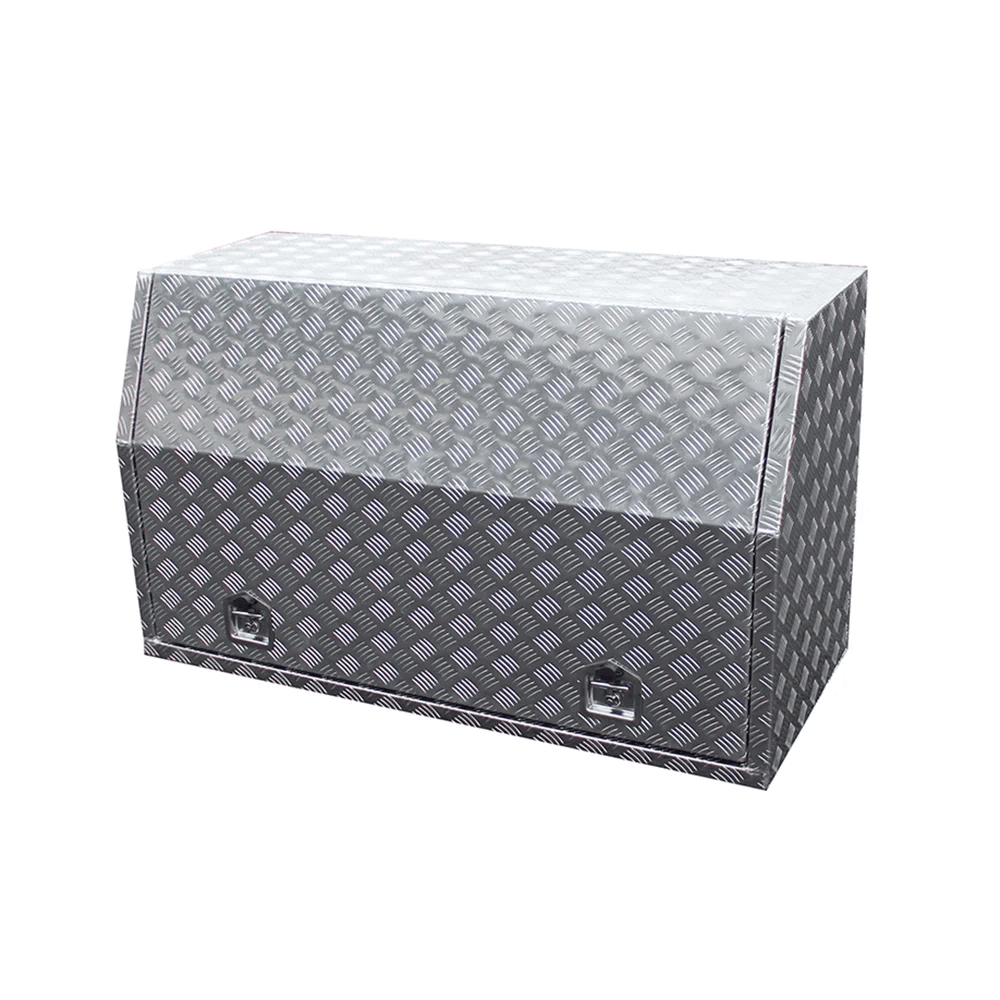
The core material here is high-strength aluminum sheet with a diamond plate surface. That diamond pattern shows up across vehicle and trailer accessories for good reason — it's not just decorative. It adds rigidity to the surface, resists scratching better, and gives the box a clean, professional metallic look.
Aluminum also brings natural corrosion resistance to the table. Exposed to air, it forms a thin oxide layer on its own that helps keep rust and oxidation at bay. That matters a great deal for outdoor vehicle accessories, since tool boxes end up dealing with rain, road mud, dust, snow, salt spray, and humid air on a regular basis.
In coastal areas, on construction sites, on farms, along highways, or during long-distance hauls, this corrosion resistance turns out to be one of the biggest practical advantages aluminum has over other materials.
Steel boxes often need regular painting or anti-rust treatment to stay in decent shape. Aluminum tool boxes skip most of that — they hold their performance with far less upkeep, which makes them a solid fit for harsh working environments over the long haul.
Structural Design and Manufacturing Process
Every aluminum tool box needs to withstand vibration, impact, loading pressure, and constant opening and closing while the vehicle's in operation — so structure isn't something to gloss over.
Production generally runs through material cutting, bending, welding, surface treatment, assembly, inspection, and packaging, with each stage feeding into the final quality of the box.
Key Manufacturing Details
Precision Cutting Aluminum sheets get cut to drawing and size specifications, which keeps dimensions accurate and assembly consistent down the line.
CNC Bending Panels are bent into shape with controlled angles, which keeps the box looking clean and holding its structure well.
Welded Construction Welding builds strength into the joints and avoids weak connection points — a box welded properly holds up far better under vibration and heavy use.
Reinforced Edges Corners and edges can get reinforced to resist impact and reduce deformation during transport or installation.
Lock and Hinge Installation Locks, hinges, gas struts, handles, and mounting hardware need precise installation for smooth operation and dependable security.
Sealing Treatment Weather-resistant seals around the lid help keep water, dust, and debris from getting inside.
Final Inspection Every box gets checked for appearance, dimensions, lid function, lock operation, weld quality, sealing condition, and how well it's packaged.
The quality of an aluminum tool box comes from more than just the aluminum plate itself — welding accuracy, hinge strength, how well the lid fits, and how stable the locking structure is all play a part too.
Weatherproof Performance and Outdoor Protection
Aluminum tool boxes usually mount on the outside of a vehicle — underneath the trailer bed, along the side of a trailer, inside a pickup bed, or on a utility vehicle frame. Given that positioning, weatherproofing isn't optional.
A box built to handle weather properly should keep rain, dust, mud, road splash, and sun exposure away from whatever's stored inside. The lid design, sealing strip, weld seams, lock placement, and drainage all play into how well that protection actually holds up.
Vehicle-mounted boxes face continuous vibration, shifting temperatures, road debris, and long stretches of outdoor exposure — conditions that call for a stronger build than any ordinary indoor storage cabinet would need.
Locking System and Security Design
Security matters here too, since tools and vehicle accessories often carry real value — the box needs to protect them whether the vehicle's parked or out on the road.
Lockable designs are standard across trailer tool boxes, truck bed tool chests, contractor tool boxes, and underbody storage boxes. Depending on the model, that might mean paddle locks, stainless steel locks, recessed locks, T-handles, or something built custom.
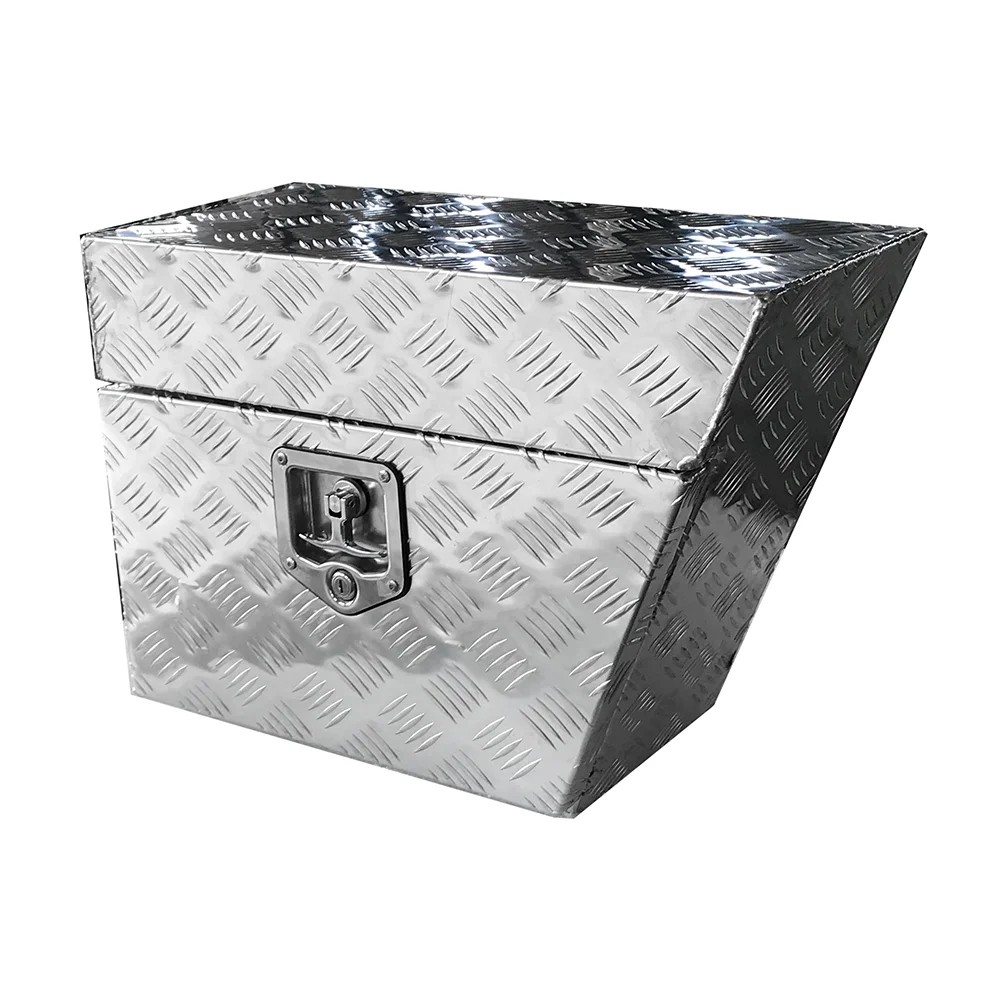
A lock structure worth trusting should be easy to operate, resistant to loosening from vibration, and shielded from road impact. Recessed lock designs tend to work particularly well for vehicle-mounted applications, since they don't stick out as far and face less risk of getting damaged in transport.
Common Types of Aluminum Tool Boxes
Different vehicles and job scenarios call for different tool box designs, which is why several structural types get produced to match various mounting positions and storage needs.
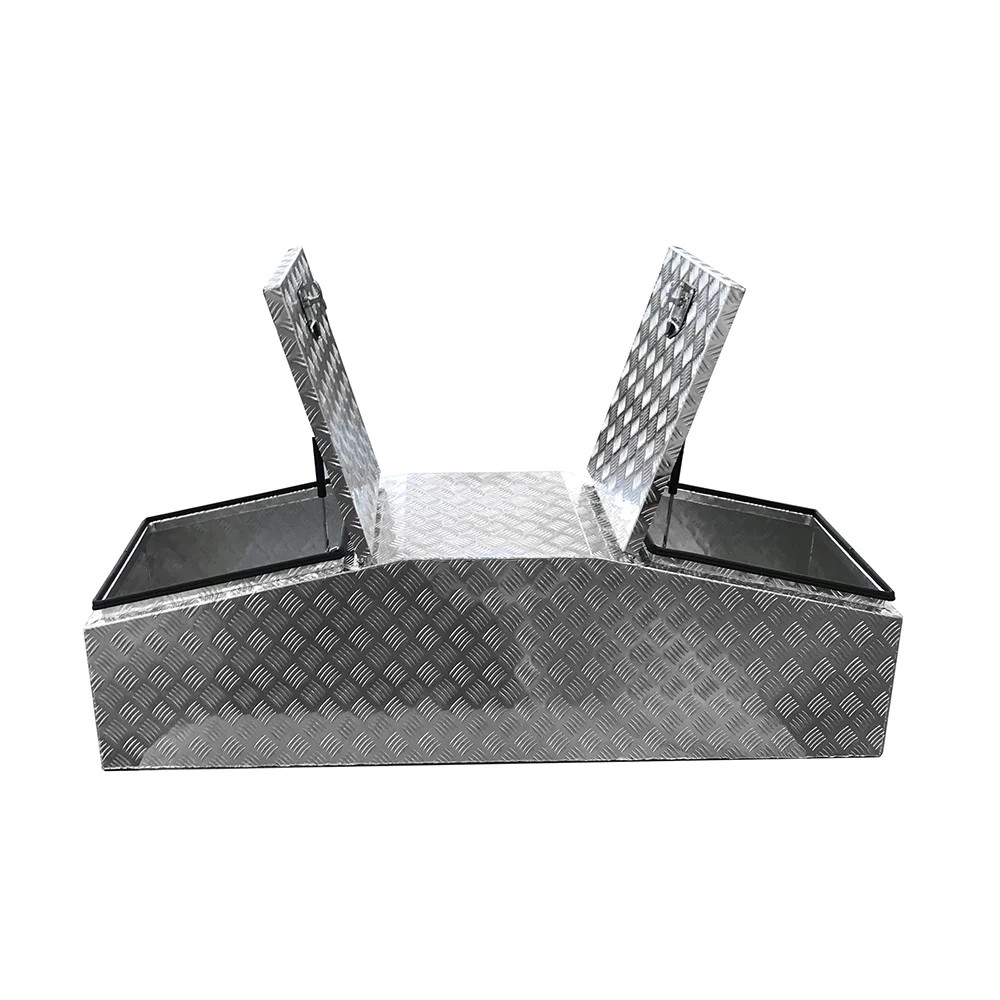
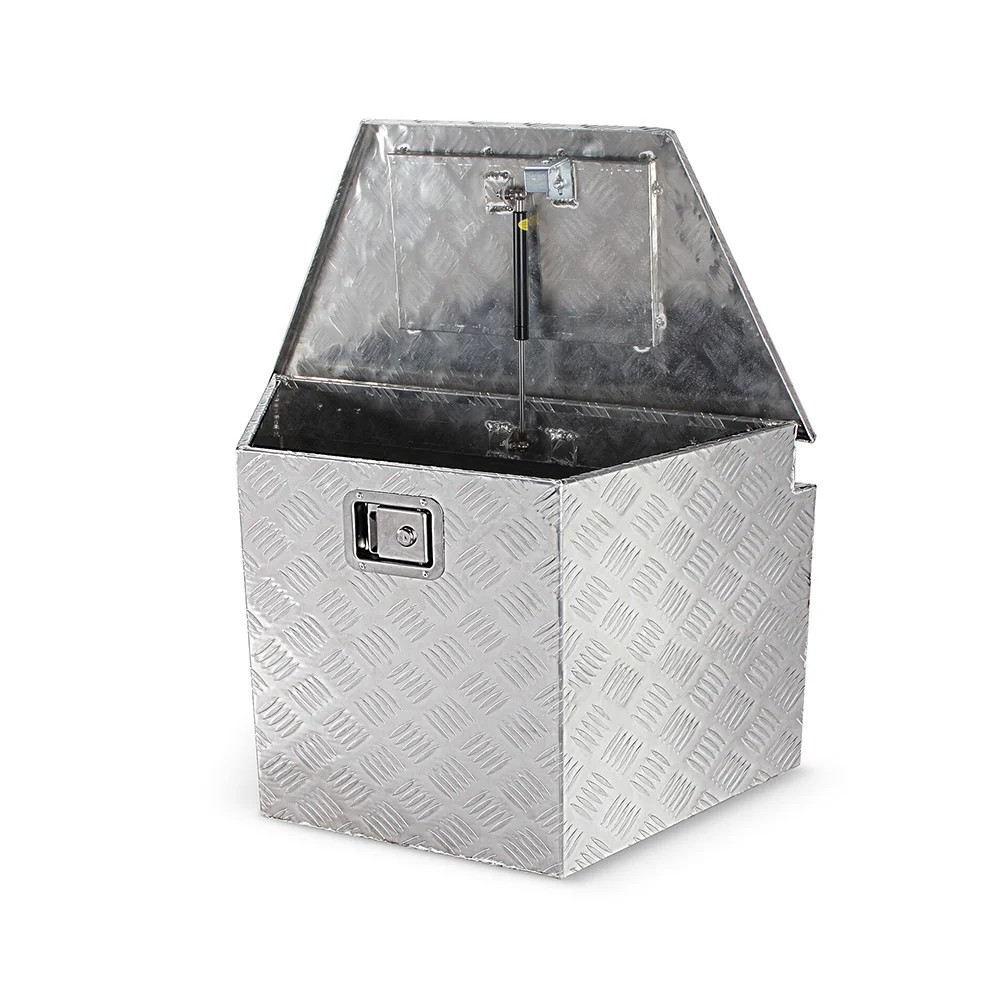
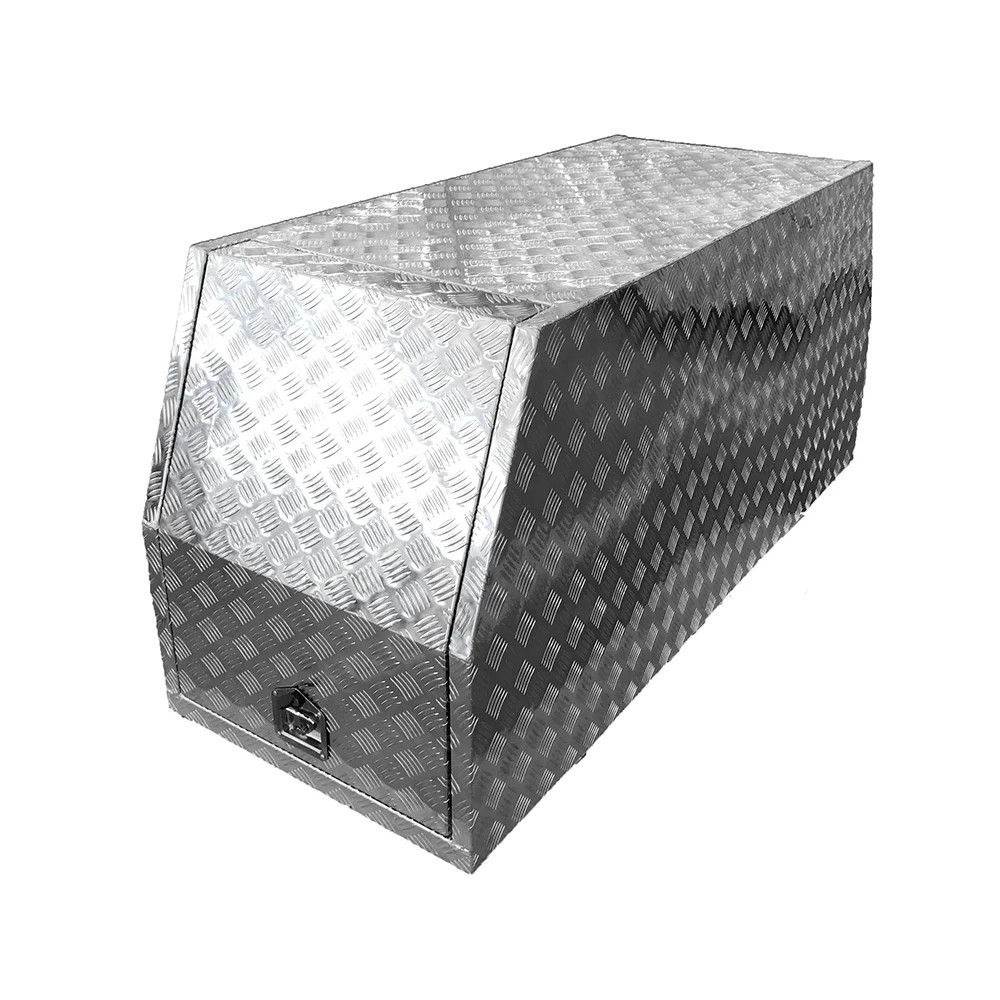
Underbody Aluminum Tool Box Mounted beneath the trailer or truck body, this design saves space and gives convenient storage for straps, chains, repair tools, towing equipment, and safety gear. It fits well on utility trailers, flatbed trailers, commercial trucks, and industrial vehicles.
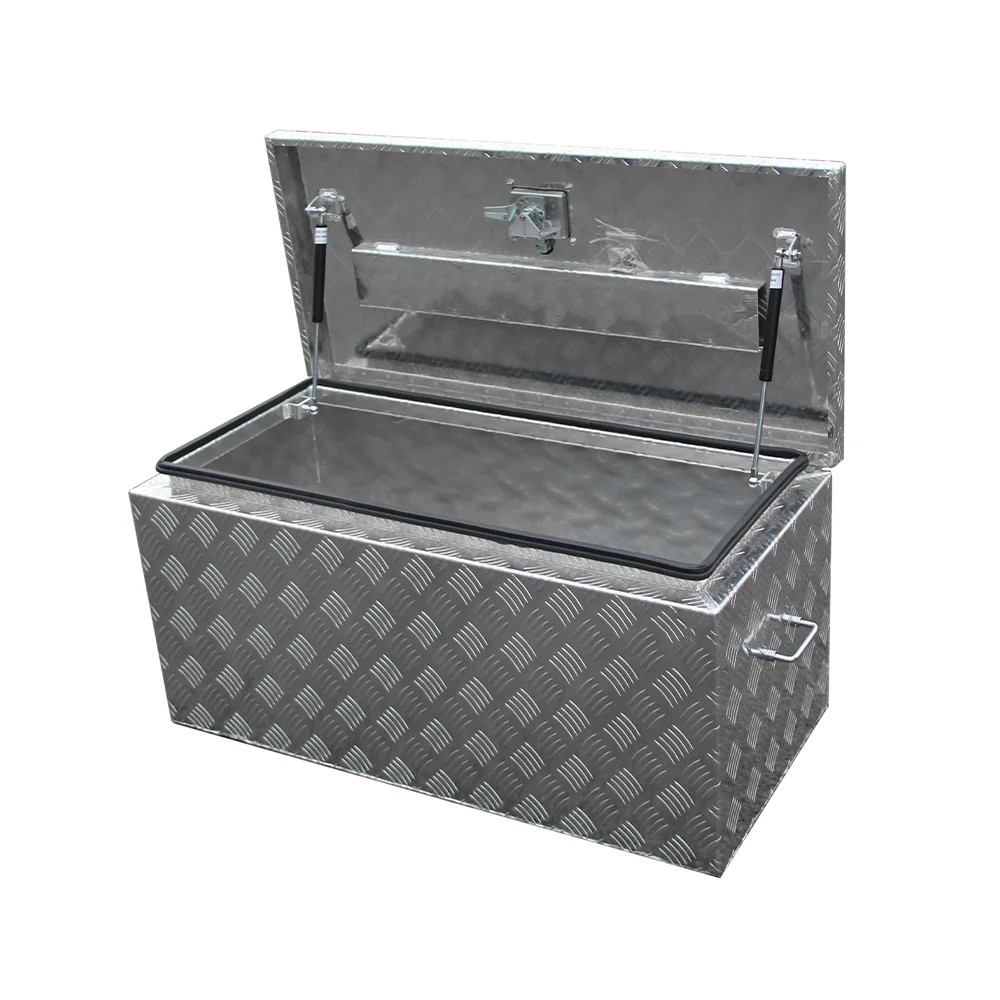
Truck Bed Aluminum Tool Chest Placed inside the cargo bed of a pickup or work vehicle, this type gets used a lot by maintenance teams, construction workers, electricians, plumbers, and outdoor service crews. It offers plenty of capacity and easy access.
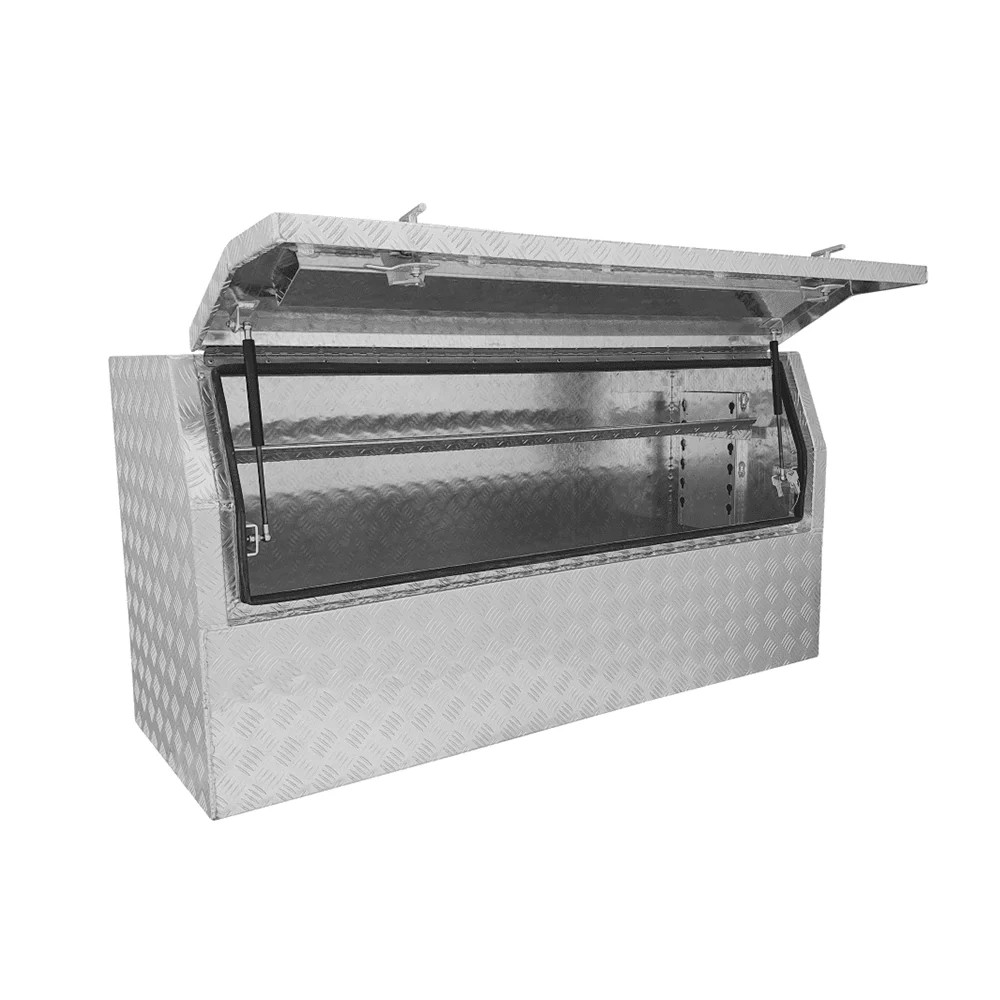
Side Mount Aluminum Tool Box Installed along the side of a trailer or vehicle body, this lets users grab tools without climbing into the cargo area — practical for service trailers, landscaping trailers, and mobile repair vehicles.
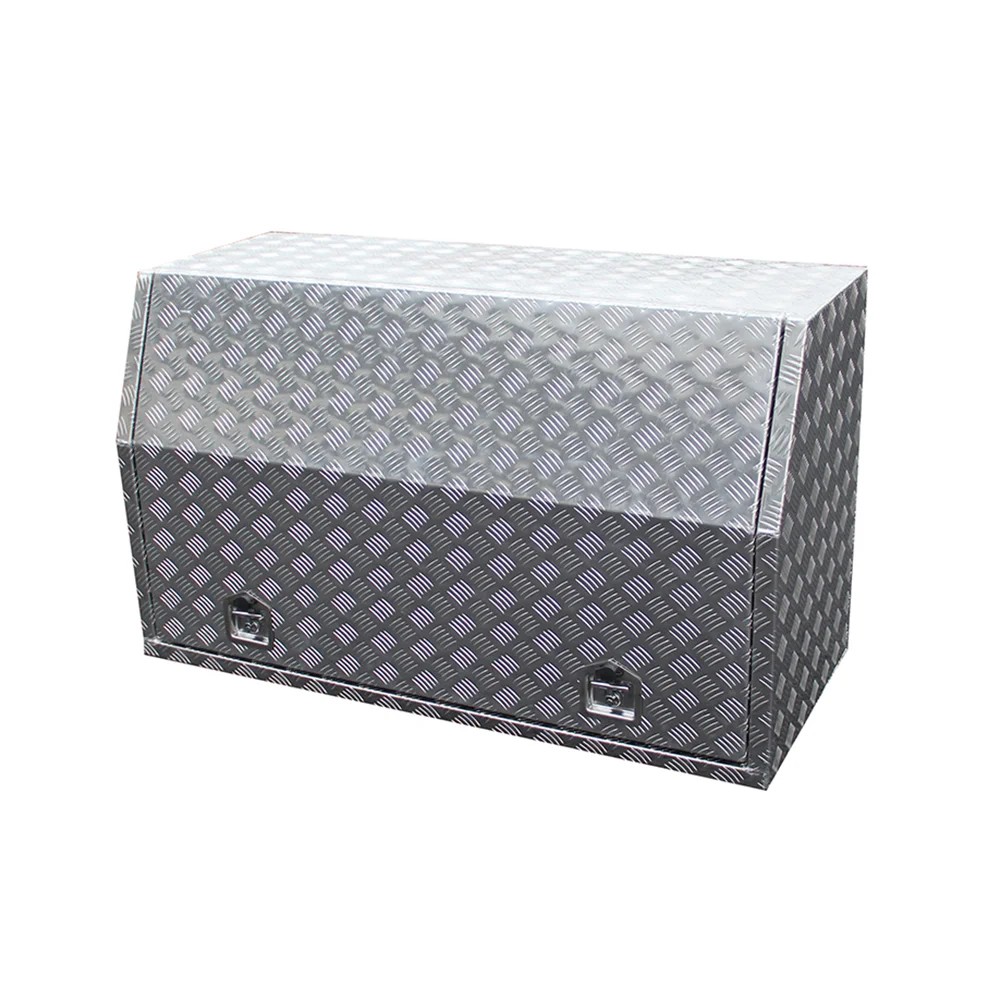
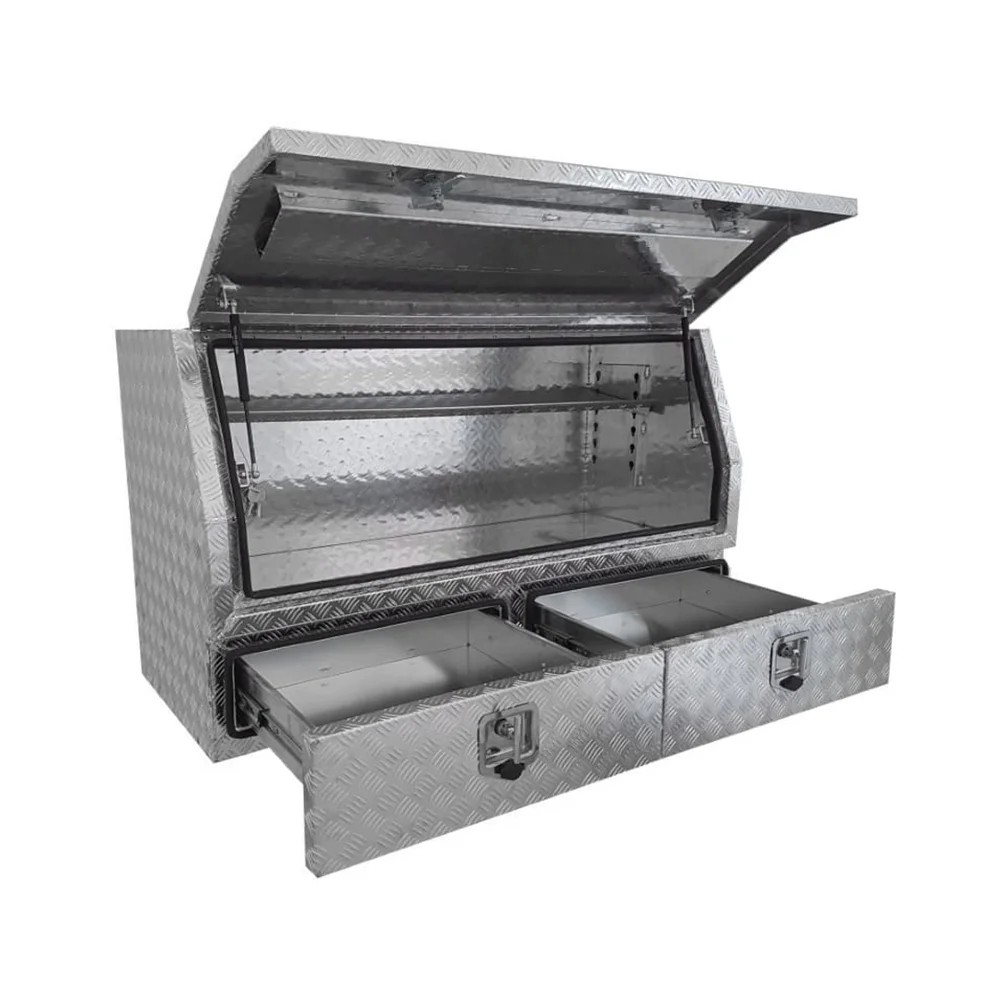
Contractor Aluminum Tool Box Built with larger capacity, reinforced construction, and secure locking, this style suits high-frequency use in construction, road service, machinery maintenance, and equipment transport.
Custom Aluminum Trailer Tool Box Built to specific vehicle dimensions, mounting methods, opening directions, internal layouts, and application needs — useful whenever a standard size just doesn't fit a particular trailer frame or storage space.
Application Fields of Aluminum Tool Boxes
Aluminum tool boxes show up across a wide range of vehicle and industrial settings, thanks to how light and rust-resistant they are.
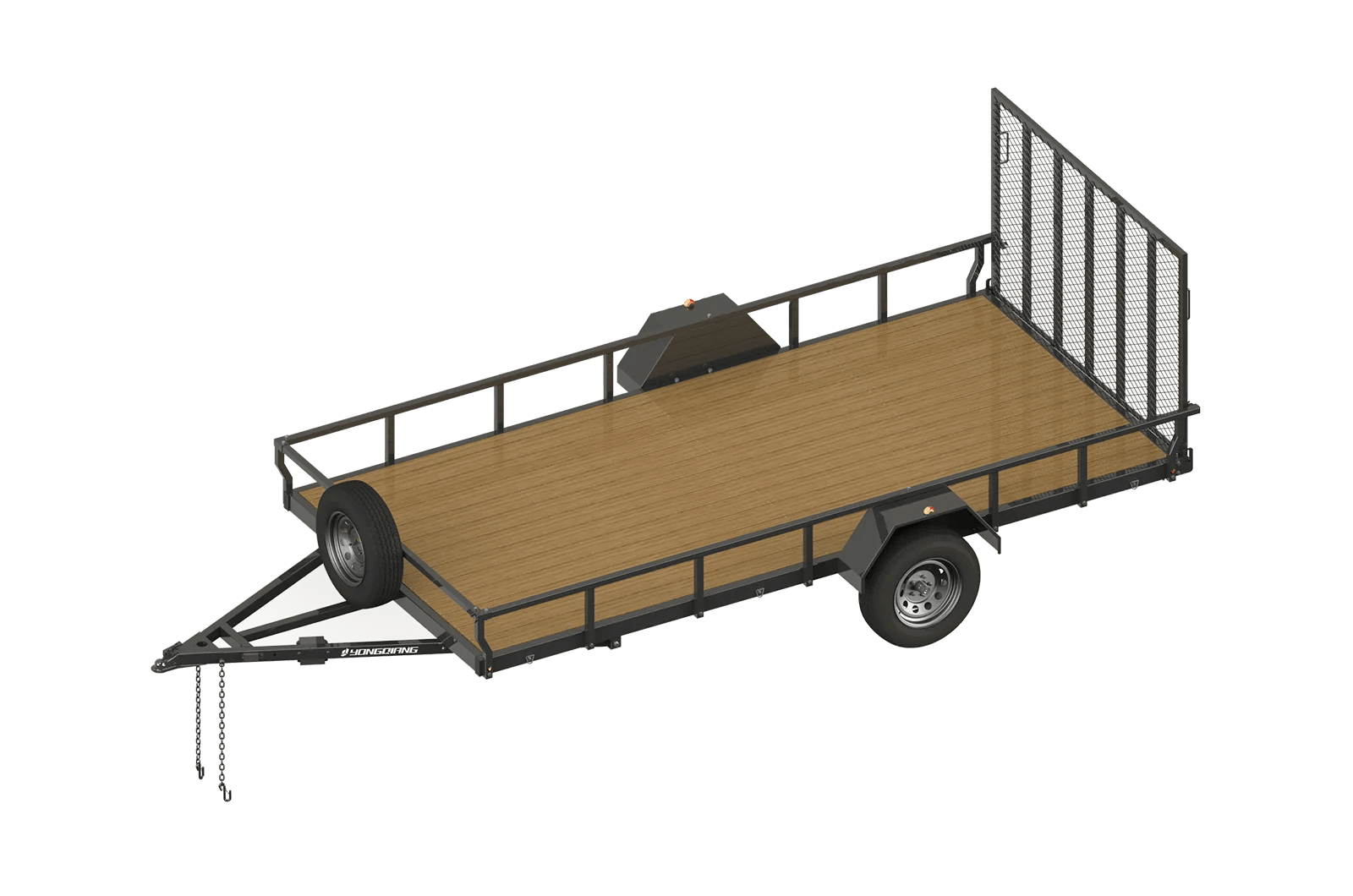
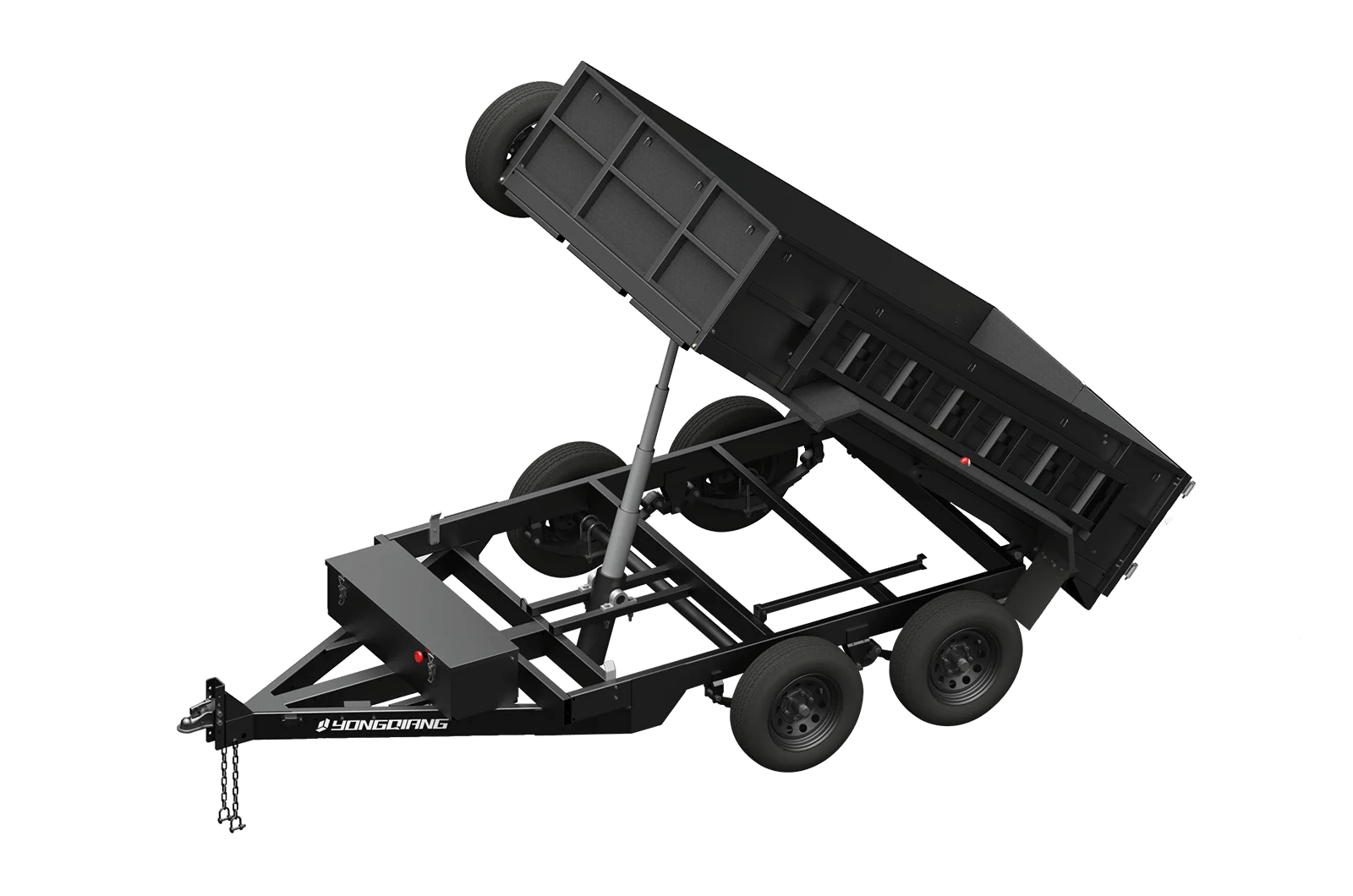
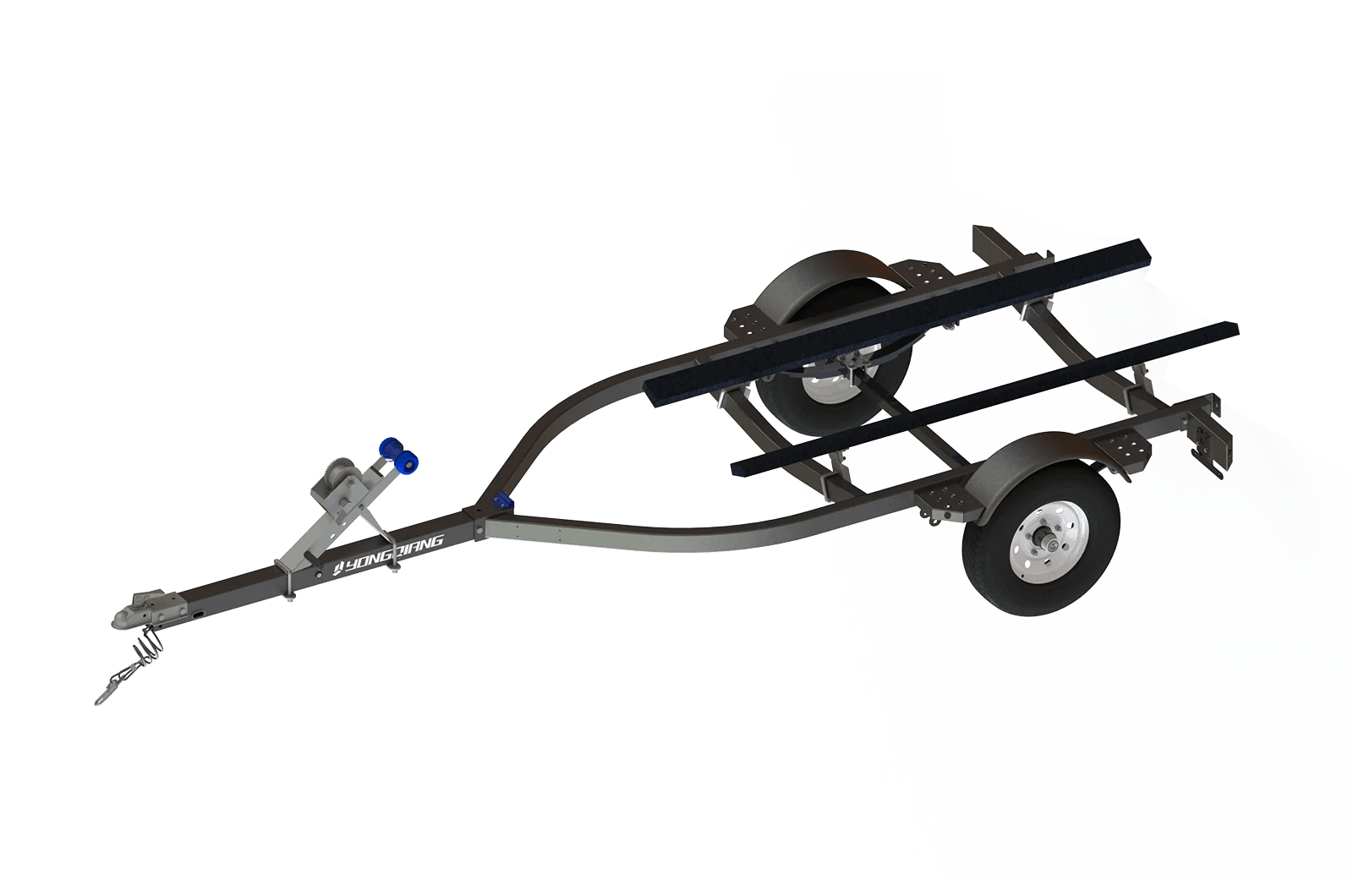
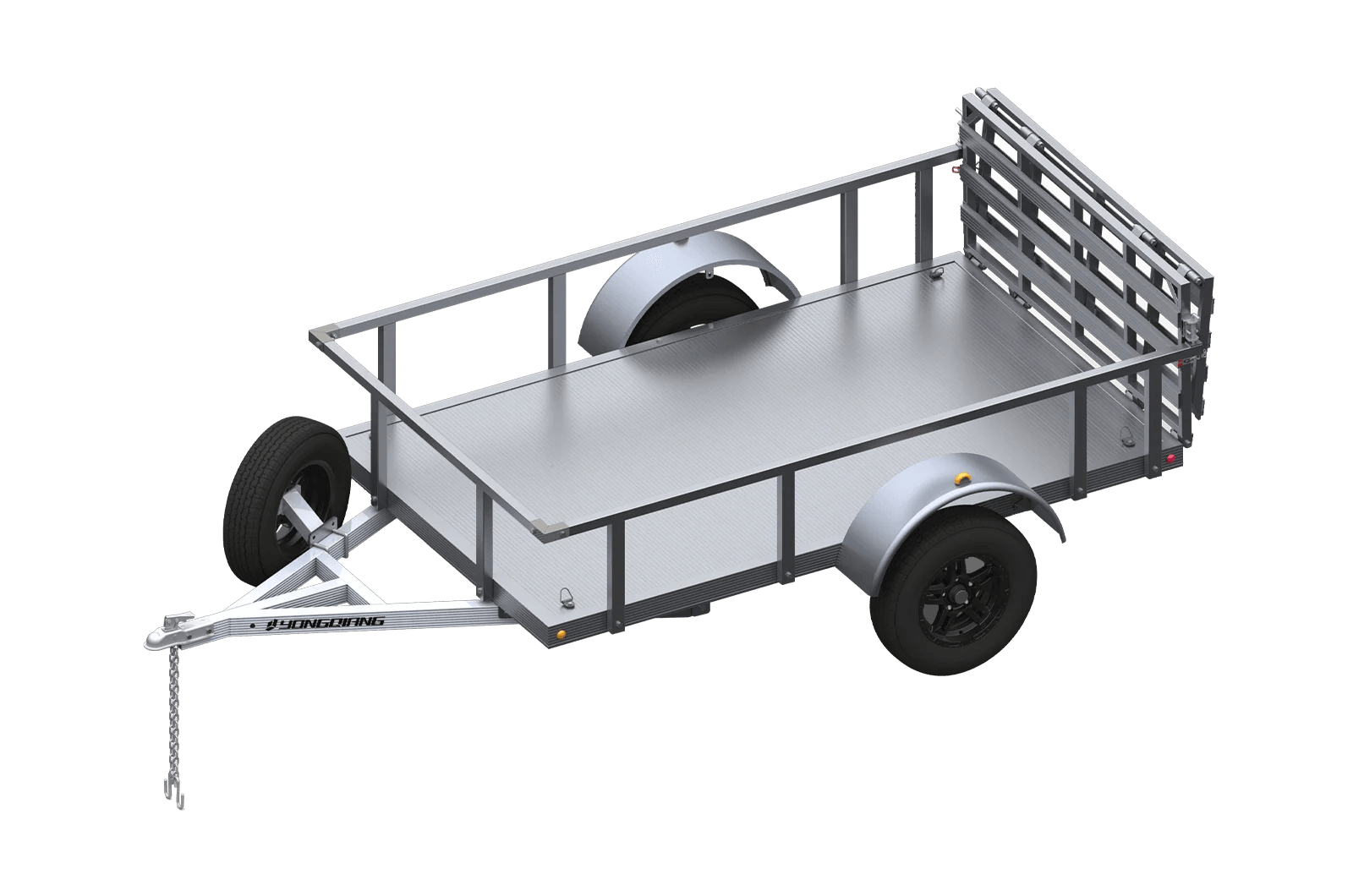
Trailer Applications On utility trailers, cargo trailers, flatbed trailers, ATV trailers, and boat trailers, these boxes keep straps, ropes, jacks, wheel chocks, towing pins, gloves, and emergency tools organized and ready during transport.
Truck and Pickup Applications Pickup trucks and commercial trucks often need secure storage for hand tools, power tools, spare parts, and jobsite accessories. Aluminum tool boxes keep the truck bed organized while shielding equipment from weather and theft.
Construction and Engineering Vehicles Construction vehicles work in dusty, wet, rough conditions regularly. Aluminum tool boxes hold up well for storing measuring tools, repair kits, hydraulic accessories, fasteners, and safety gear on demanding job sites.
Agriculture and Farm Equipment Farm vehicles and trailers deal with mud, rain, fertilizer, and outdoor exposure constantly. Aluminum tool boxes give farm tools, maintenance parts, ropes, sprayers, and equipment accessories a durable place to sit.
Marine and Coastal Use Rust protection matters a great deal in coastal or marine settings. Aluminum tool boxes suit boat trailers, marina service vehicles, fishing equipment transport, and seaside maintenance vehicles well, since aluminum simply performs better than ordinary steel in high-humidity, salt-air conditions.
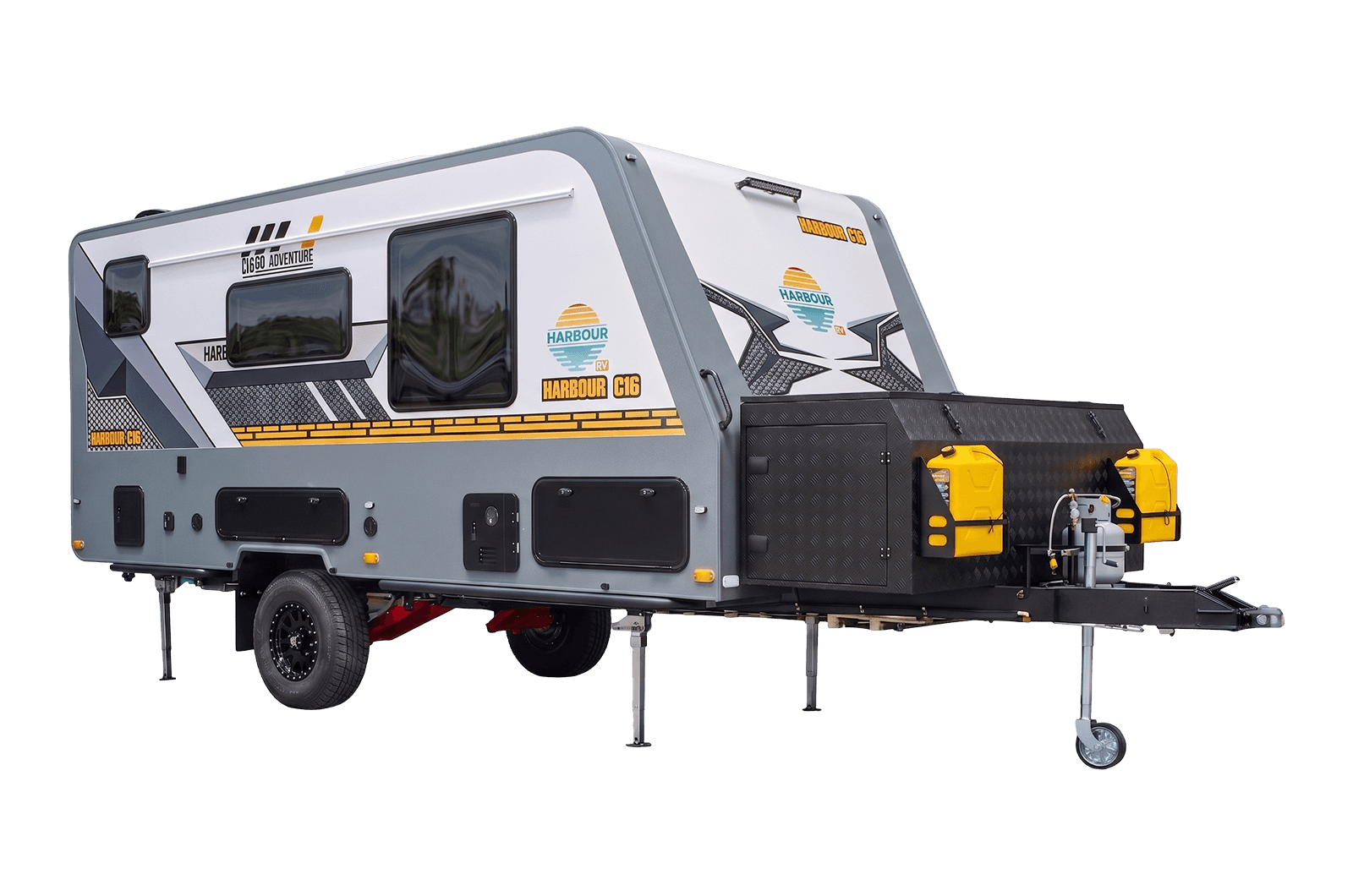
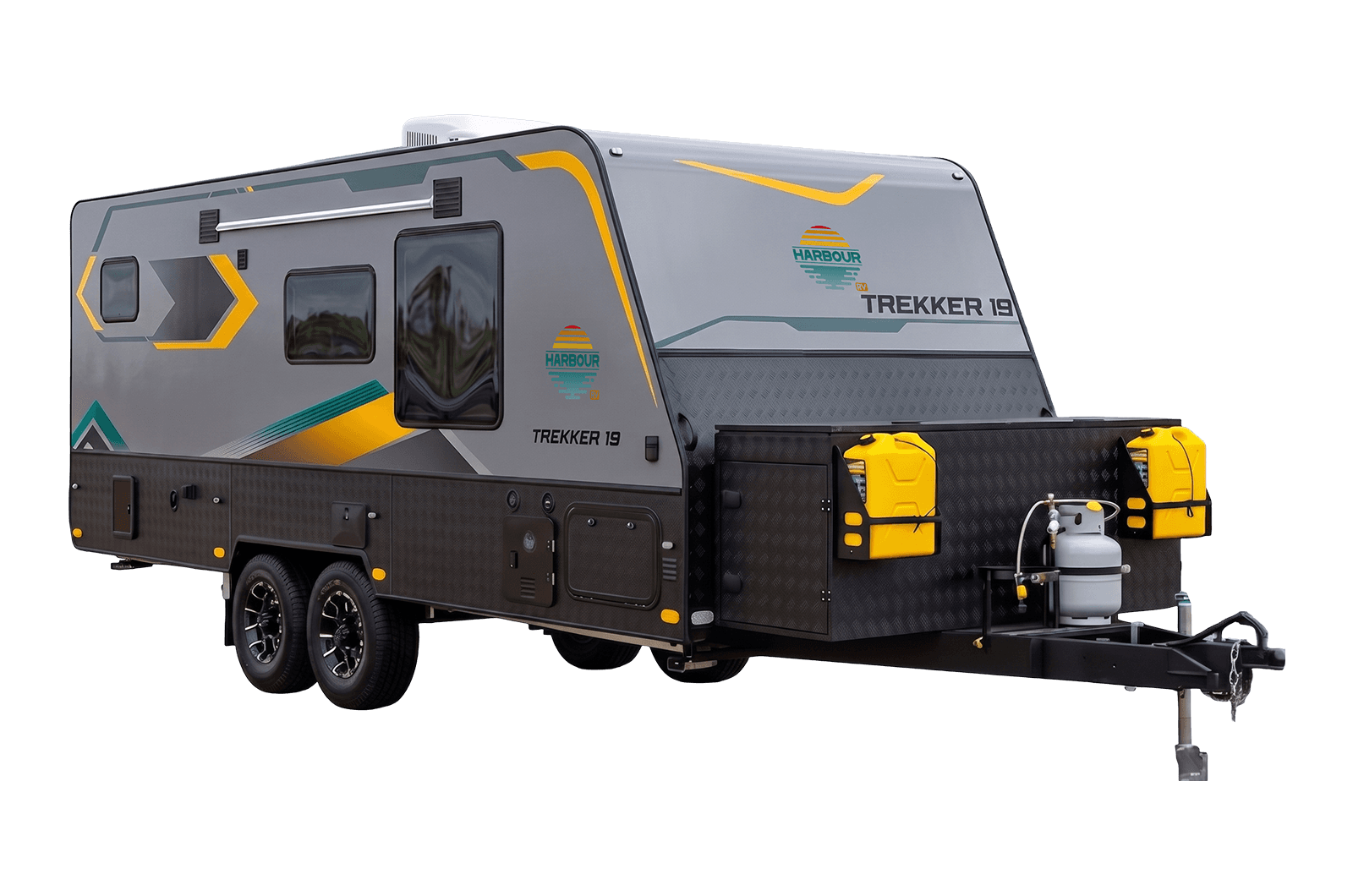
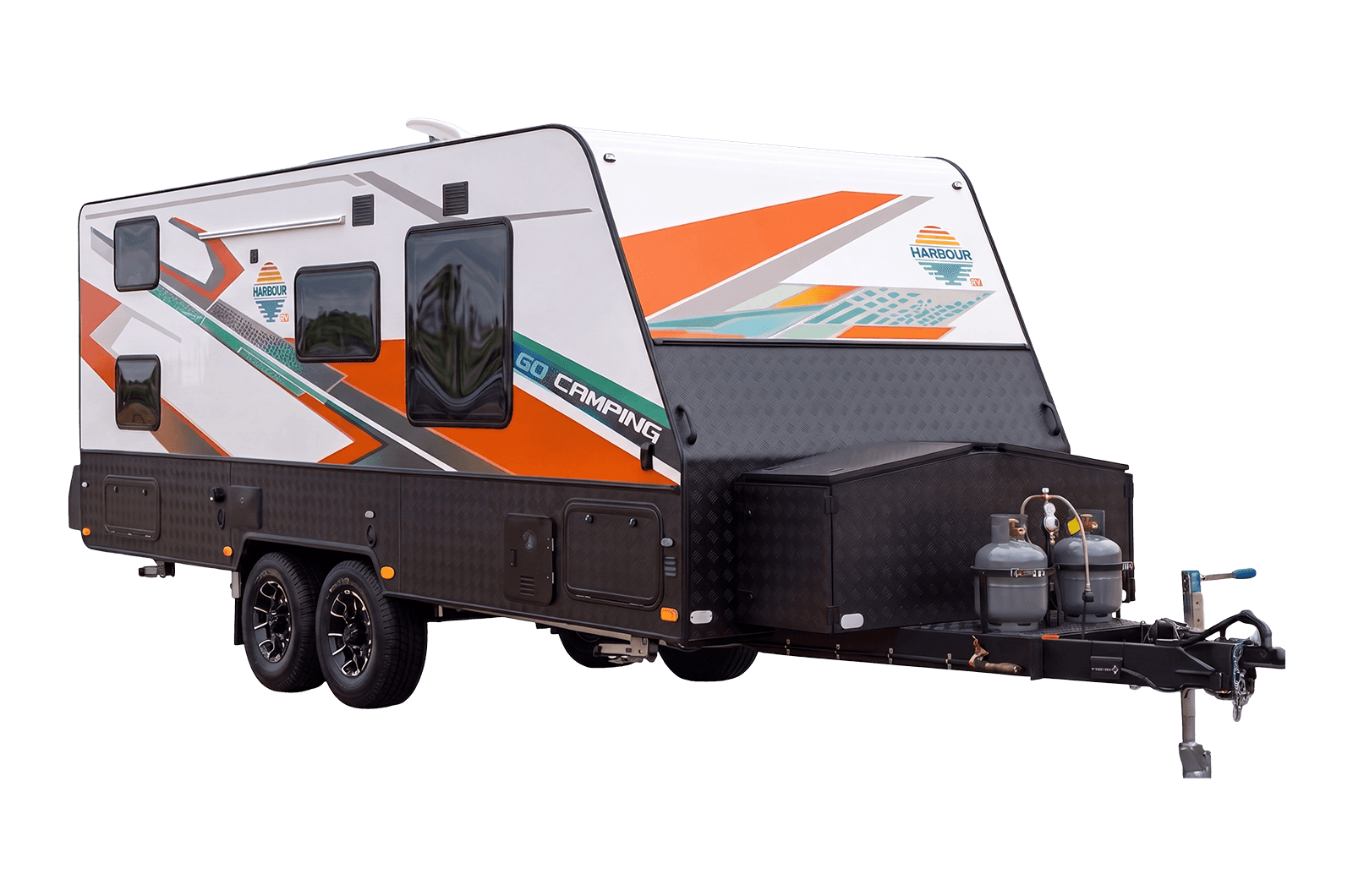
Caravan and Outdoor Travel For caravans, campers, and outdoor trailers, aluminum storage boxes work well for camping gear, repair tools, hoses, electrical accessories, and outdoor equipment. Being lightweight matters a lot here, since payload control is a real concern for recreational vehicles.
Key Factors When Choosing an Aluminum Tool Box
A handful of technical factors are worth weighing to make sure a tool box actually fits its intended use.
1. Aluminum Thickness Thickness affects strength, weight, and cost together. Thicker aluminum resists impact better and carries more load, while thinner aluminum suits lighter storage needs. The right choice depends on where it's mounted and what's being stored.
2. Box Size and Capacity The box needs enough interior space without getting in the way of vehicle movement, trailer clearance, wheels, suspension, or the loading area. Underbody installations especially need careful attention to ground clearance.
3. Lid Opening Direction Mounting position dictates lid style — top-opening lids suit truck bed storage well, while side-opening or drop-down lids tend to work better for underbody boxes.
4. Waterproof Sealing For anything mounted outdoors, sealing performance matters. Rubber sealing strips, a tight lid fit, and clean welding all contribute to keeping rain and road splash out.
5. Lock Quality Locks need to be durable, smooth to operate, and built for outdoor use. Stainless steel or corrosion-resistant lock components tend to hold up better long-term.
6. Hinge Strength Hinges see constant use. Strong ones keep the lid aligned properly and extend the product's overall lifespan.
7. Mounting Method The installation structure needs to match the vehicle frame — mounting brackets, bolt positions, and reinforcement points all factor into the decision.
8. Surface Finish Diamond plate aluminum stays popular for good reason — it's strong, grippy, scratch-resistant, and looks good. Other finishes are available too, depending on the project.
Custom Manufacturing Capability
Different vehicles and markets call for different tool box designs. Standard models work fine for common trailer and truck setups, but plenty of specific frame structures or functional needs call for something custom-built instead.
Customization options typically include:
- Custom length, width, and height
- Different aluminum thickness options
- Top-opening, side-opening, or drop-down lid designs
- Single-door or double-door structures
- Lock type selection
- Gas strut installation
- Internal dividers or trays
- Mounting bracket design
- Surface finish options
- Logo plate or branding position
- Packaging configuration for export transport
Custom builds let the tool box fit the vehicle structure, installation environment, and end-use requirements far more precisely than a standard model can.
Advantages of Aluminum Tool Boxes Compared with Steel Boxes
Both aluminum and steel show up in vehicle storage products, but aluminum tends to offer a few clear advantages for trailer and truck use.
| Feature | Aluminum Tool Box | Steel Tool Box |
|---|---|---|
| Weight | Lightweight, easier to install | Heavier, adds to vehicle load |
| Corrosion Resistance | Naturally rust resistant | Needs coating or anti-rust treatment |
| Maintenance | Low maintenance | May need repainting or rust repair |
| Appearance | Bright metallic diamond plate finish | Usually painted or powder coated |
| Outdoor Use | Suited to humid, coastal environments | More vulnerable once coating gets damaged |
| Vehicle Efficiency | Helps cut total equipment weight | Adds more load to trailer or truck |
For anyone prioritizing lightweight performance, weather resistance, and long service life, aluminum tool boxes usually come out ahead as the more practical option.
Why Factory Manufacturing Experience Matters
Producing an aluminum tool box that actually holds up takes experience in vehicle accessory manufacturing specifically — not just metal fabrication in general. Vehicle-mounted storage needs to handle vibration, road impact, outdoor weather, and constant use, which is more than a general-purpose storage box is typically built to take.
Designing these boxes with vehicle installation and road performance in mind shapes every part of the build — structure, lid, lock, hinge, welding, and mounting all get developed around practical use on trailers, trucks, caravans, and utility vehicles.
Manufacturing experience also feeds directly into production consistency. When boxes get built for different vehicle models and different export markets, stable dimensions, accurate assembly, and protective packaging all matter a great deal. That consistency is what keeps installation problems from cropping up and keeps performance predictable once the box is out in the real world.
Maintenance Tips for Aluminum Tool Boxes
Aluminum tool boxes don't demand much upkeep, but a little care goes a long way toward keeping them working well and looking sharp.
- Clean the surface regularly with water and a mild detergent
- Avoid strong acidic or alkaline cleaners
- Check locks and hinges periodically
- Lubricate moving parts as needed
- Inspect sealing strips for aging or damage
- Clear off mud, salt, and road debris after long trips
- Avoid loading beyond the designed capacity
- Make sure mounting bolts stay tight after heavy vibration use
With a bit of routine care, an aluminum tool box can keep providing reliable storage across both commercial and outdoor settings for years.
Aluminum tool boxes end up being a fairly essential piece of the puzzle for trailers, trucks, utility vehicles, caravans, and industrial transport systems generally. Their light weight, corrosion resistance, diamond plate surface, weatherproof design, and how customizable they are all make them a solid fit for demanding outdoor and vehicle-mounted use.
Building them well comes down to material quality, structural strength, precise welding, dependable sealing, secure locking systems, and customization that actually matches the application. Whether it ends up on a trailer, a pickup truck, a service vehicle, a construction site, a farm, or a coastal transport route, a properly built aluminum tool box protects equipment, keeps a vehicle organized, cuts down on maintenance, and supports smoother operation over the long run.
