

 English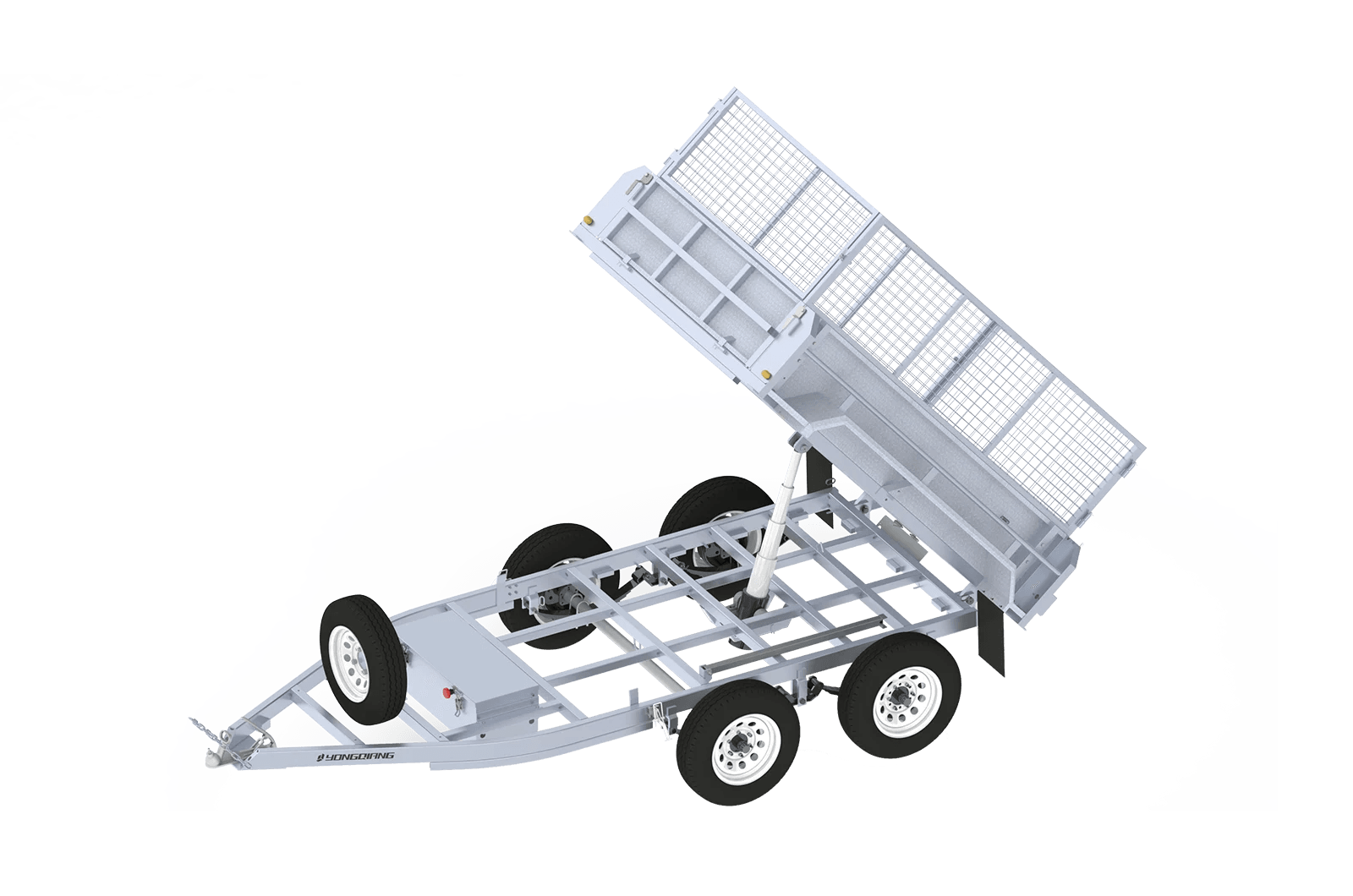



Professional Industry Knowledge About Hydraulic Tipper Trailers
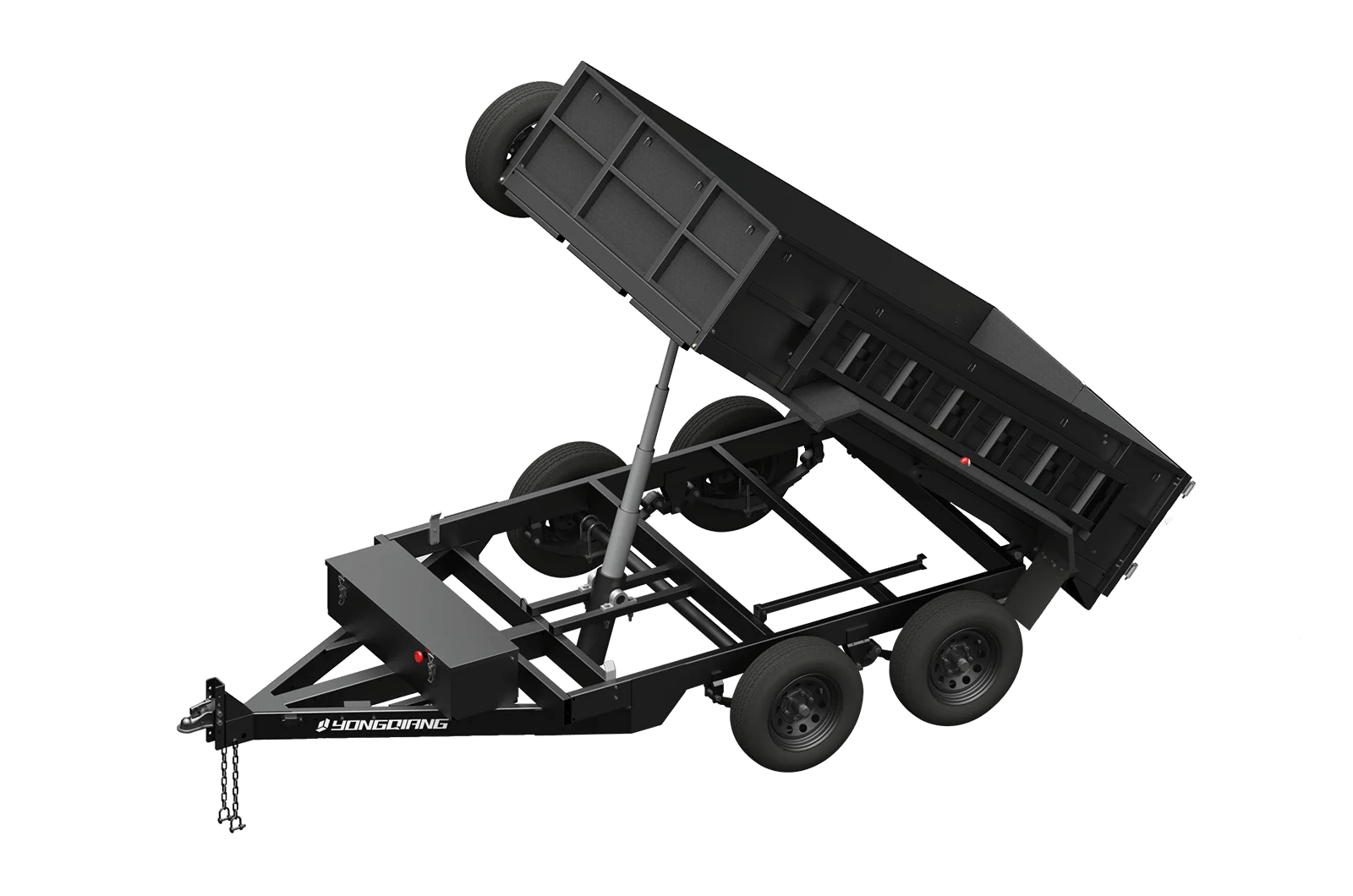
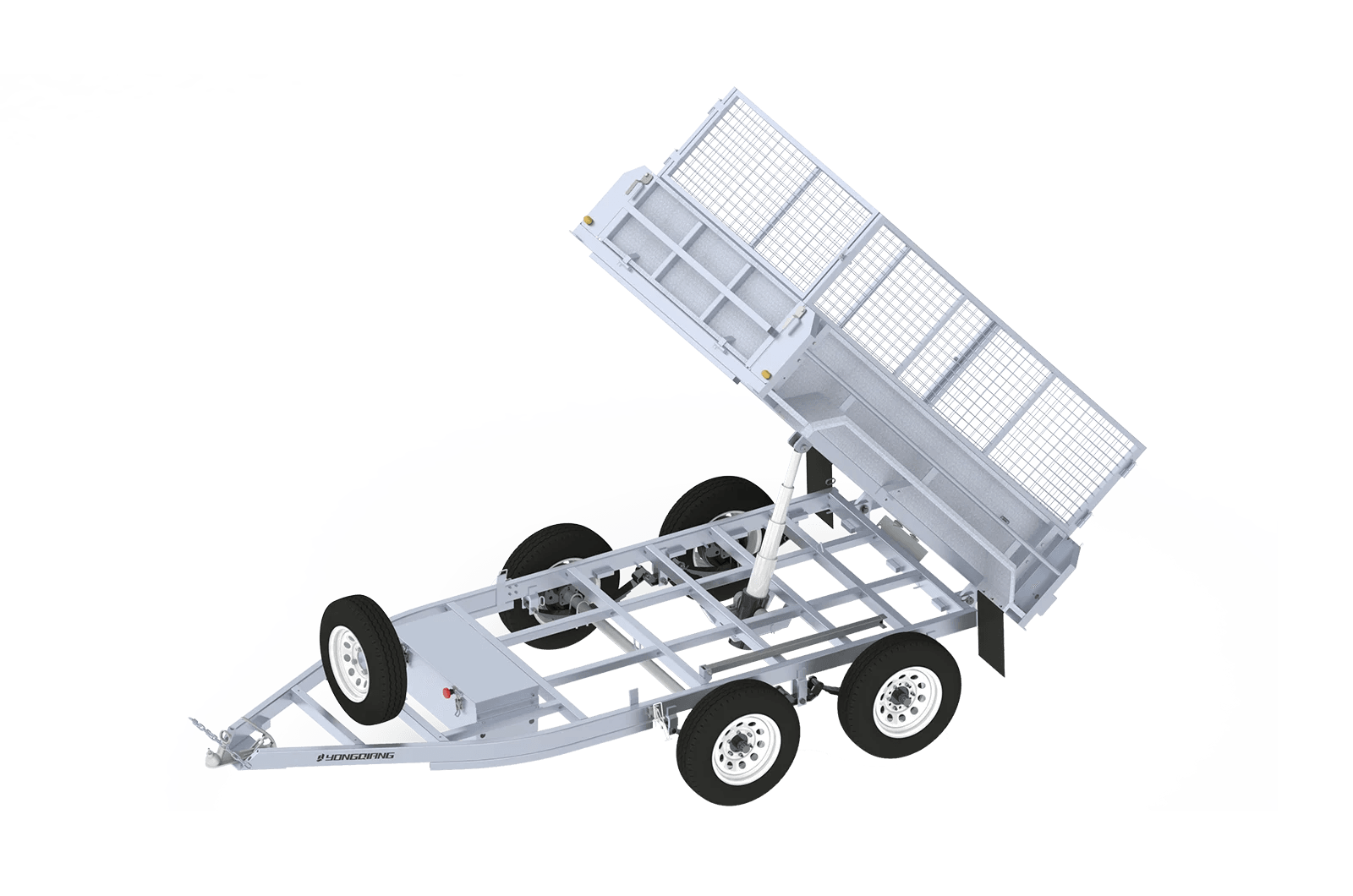
Hydraulic tipper trailers solve a fairly specific problem for industries that move material constantly and need it unloaded fast without slowing down site work. What sets them apart from a standard utility trailer is the lifting system built into the bed — instead of shoveling or hauling material off by hand, the bed tilts and lets it slide out on its own. That's why these trailers show up so often in construction, landscaping, agriculture, municipal work, rental fleets, and general commercial transport.
Anyone evaluating a hydraulic trailer shouldn't really start with size or appearance. What matters more is whether the trailer fits the actual job — the material being hauled, the payload range, road conditions on site, local towing rules, and how much maintenance the buyer is realistically prepared to handle. Get that right, and the payoff shows up as better working efficiency, less physical strain on whoever's running it, a longer service life, and steadier field performance.
A factory that actually understands these trailers isn't just welding a frame and bolting on a lifting cylinder. It's building a complete system — chassis strength, hydraulic power, axle capacity, braking safety, cargo bed design, corrosion protection, all tied together around how the trailer will actually be used.
Application Value of Hydraulic Tipper Trailers
These trailers earn their place mainly by solving one recurring headache: unloading takes almost as much time as loading, sometimes more. Dumping soil, sand, gravel, waste, tools, or site materials by hand eats into the workday fast, and that's exactly the gap a hydraulic bed closes.
Construction Site Applications
On construction sites, these trailers regularly move and dump:
- Sand
- Gravel
- Cement bags
- Bricks
- Rubble
- Timber pieces
- Metal scraps
- Small machines
- Site tools
- Demolition waste
Given rough ground, repeated loading cycles, and the impact of heavy materials, a construction-grade unit needs a reinforced chassis, a heavy-duty floor, a strong rear hinge, dependable brakes, and a stable tipping angle. Frame strength and floor durability matter more here than almost anywhere else.
Landscaping and Garden Maintenance
Landscaping jobs usually involve materials that are light but take up a lot of space. Trailers here typically carry:
- Mulch
- Soil
- Grass clippings
- Branches
- Leaves
- Plants
- Fertilizer
- Lawn mowers
- Garden tools
Mesh side extensions, removable panels, ramp gates, and a galvanized finish tend to be the practical choices for this kind of work. A hydraulic bed that dumps mulch or garden waste in seconds adds up to real time saved across multi-site daily rounds.
Agricultural and Farm Use
On farms, hydraulic trailers cover routine transport tasks like:
- Feed bags
- Seeds
- Fertilizer
- Harvested crops
- Small farm tools
- Fencing materials
- Water tanks
- Animal bedding
- General farm supplies
Farm trailers spend a lot of time on muddy roads, wet ground, and open-air storage, so galvanized finishing, sturdy tires, stable suspension, and parts that are easy to service become the priorities for anyone planning to keep the trailer running for years.
Municipal and Property Maintenance
Municipal and property maintenance crews use these trailers for:
- Roadside waste
- Park maintenance materials
- Tree branches
- Snow removal support
- Soil repair materials
- Public facility tools
- Cleaning equipment
Here the priorities shift slightly toward safety lighting, reflectors, braking compliance, straightforward operation, and a finish that holds up to daily wear.
How to Choose the Right Hydraulic Trailer Configuration
Picking a hydraulic tipper trailer should start with the task at hand, not the trailer's dimensions. Different materials and work patterns call for genuinely different structural choices.
Cargo Type Determines Trailer Structure
What's being hauled shapes almost every other decision — the floor, side panels, tailgate, and hydraulic setup all follow from it.
| Cargo Type | Recommended Trailer Features | Reason |
|---|---|---|
| Sand, soil, gravel | Smooth steel floor, strong tailgate, high tipping angle | Easier discharge, less residue left behind |
| Branches, leaves, garden waste | Mesh cage, higher side panels, rear tipping function | More usable volume for bulky, light material |
| Construction debris | Reinforced chassis, heavy-duty floor, strong hinges | Holds up better against impact |
| Small machines | Ramp gate, anti-slip floor, tie-down points | Safer loading and secure hold during transit |
| Farm supplies | Galvanized finish, removable panels, durable tires | Built for regular outdoor exposure |
The trailer body needs to match the material, not just the general use case. A unit built for garden waste probably won't hold up under gravel if the floor, axle, and frame weren't rated for that kind of weight.
Payload Capacity Should Match Real Use
Payload rating is arguably the single most important spec, and it should reflect the actual working load rather than the theoretical maximum.
Worth factoring in:
- Cargo weight per trip
- How often the trailer gets used
- Road surface condition
- Towing vehicle capacity
- Axle rating
- Tire load index
- Braking requirement
- Frame strength
For heavier material like gravel or sand, a tandem axle setup is usually the more sensible choice. For lighter work — garden jobs, small property tasks — a single axle model tends to be easier to maneuver and just as practical.
Tipping Angle Affects Unloading Efficiency
The tipping angle decides how cleanly material actually leaves the trailer. Loose stuff like soil, sand, and gravel generally needs a steeper angle than boxed tools or equipment would.
A properly engineered tipping mechanism should deliver:
- Smooth lifting movement
- A stable bed angle throughout the lift
- Balanced weight transfer as the bed rises
- A strong rear pivot structure
- Controlled, safe lowering
- Enough clearance for material to actually clear the bed
If the angle falls short, material sits in the bed and someone ends up cleaning it out by hand anyway — which defeats the point of having a hydraulic trailer in the first place.
Hydraulic System Selection
The hydraulic system is really the heart of a tipper trailer, and it drives lifting strength, how easy the trailer is to operate day-to-day, how often it needs servicing, and how reliable it stays over time.
Manual Hydraulic System
A manual pump keeps things simple and keeps costs down. It fits smaller trailers and lighter jobs well.
Where it works well:
- Simple mechanical design
- Low maintenance
- No battery to worry about
- Fine for occasional tipping
- Budget-friendly
Typical uses: garden work, small farms, light-duty utility jobs, low-frequency tipping.
Electric Hydraulic System
An electric power unit makes more sense once tipping becomes a frequent, daily task. It usually pairs a battery, pump, control switch, cylinder, oil tank, and hoses into one system.
Where it works well:
- Easier to operate
- Faster lift cycles
- Holds up under frequent use
- Less physical effort required
- Better fit for commercial work
Typical uses: construction sites, landscaping companies, municipal work, rental fleets, regular material hauling.
Hydraulic Cylinder Layout
Cylinder position and type need to match the bed size and load the trailer is rated for.
Common layouts include:
- Underbody cylinder
- Front-mounted cylinder
- Single-stage cylinder
- Multi-stage cylinder
An underbody cylinder keeps things compact and suits small-to-medium trailers well. A front-mounted or multi-stage cylinder gives a longer lifting stroke and more tipping power for heavier-duty work.
Axle and Braking Choices for Different Markets
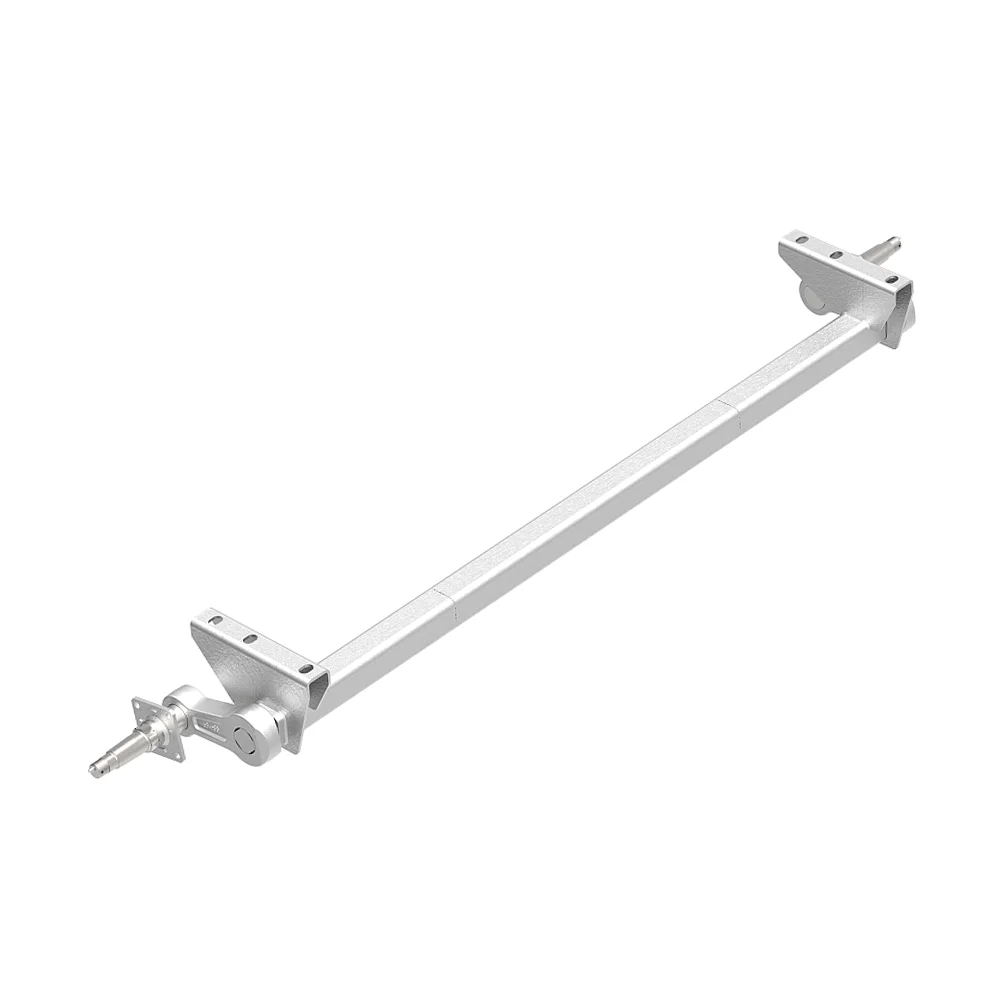
Axle and brake selection should follow load rating, towing speed, local road rules, and what the target market actually expects.
Single Axle Hydraulic Tipper Trailer
Single axle units suit compact, lighter-duty transport.
Advantages:
- Easier to maneuver
- Lighter overall trailer weight
- Simpler upkeep
- Lower running cost
- Works with smaller towing vehicles
Best suited to: home use, garden maintenance, small farm tasks, light landscaping, short local hauls.
Tandem Axle Hydraulic Tipper Trailer
Tandem axle models handle heavier, more demanding work better.
Advantages:
- Better weight distribution
- Steadier towing
- Higher capacity ceiling
- Improved road control
- Holds up under frequent, heavy use
Best suited to: construction material hauling, landscaping operations, agricultural work, commercial utility service, longer tows.
Braking Configuration
Braking matters a lot for hydraulic trailers, mainly because they often carry dense material like sand, gravel, or soil that adds up in weight fast.
Common options:
- Unbraked design for light-duty models
- Mechanical brake
- Hydraulic brake
- Electric brake
- Drum brake
- Disc brake
For heavier trailers, electric or hydraulic brakes generally give better control — particularly at full load, on downhill runs, or with frequent stop-and-go towing.
Side Panel and Tailgate Design
Side panel and tailgate design shape how easy loading is, how fast unloading goes, and how securely cargo stays put along the way.
Side Panel Options
Panel choice usually comes down to what's being hauled.
Common options:
- Fixed side panels
- Drop-side panels
- Removable side panels
- Mesh cage extensions
- Solid galvanized panels
- Aluminum side panels
Drop-side and removable panels make side-loading much easier. Mesh extensions add usable volume for light material like branches and garden waste. Solid steel panels hold up better against sand, gravel, soil, and debris.
Tailgate Options
The tailgate should suit however the load is meant to come out.
Common types:
- Top-hinged tailgate
- Bottom-hinged tailgate
- Removable tailgate
- Split tailgate
- Ramp tailgate
- Automatic release tailgate
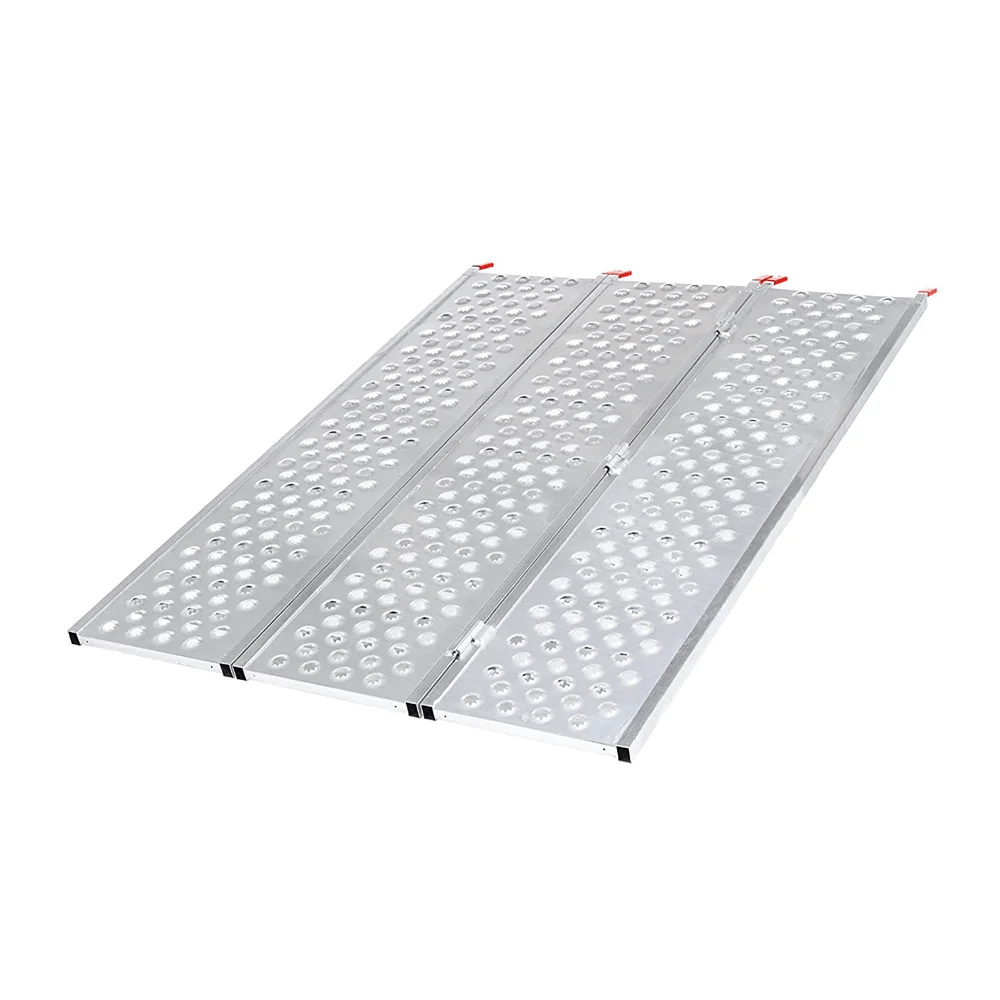
For loose material, a top-hinged or automatic release tailgate speeds up unloading. For small machines or wheeled equipment, a ramp tailgate makes more sense.
Cargo Floor Selection
Floor material affects both durability and how smoothly material clears the bed.
| Floor Type | Main Advantage | Suitable Application |
|---|---|---|
| Smooth steel floor | Easier material discharge | Sand, soil, gravel |
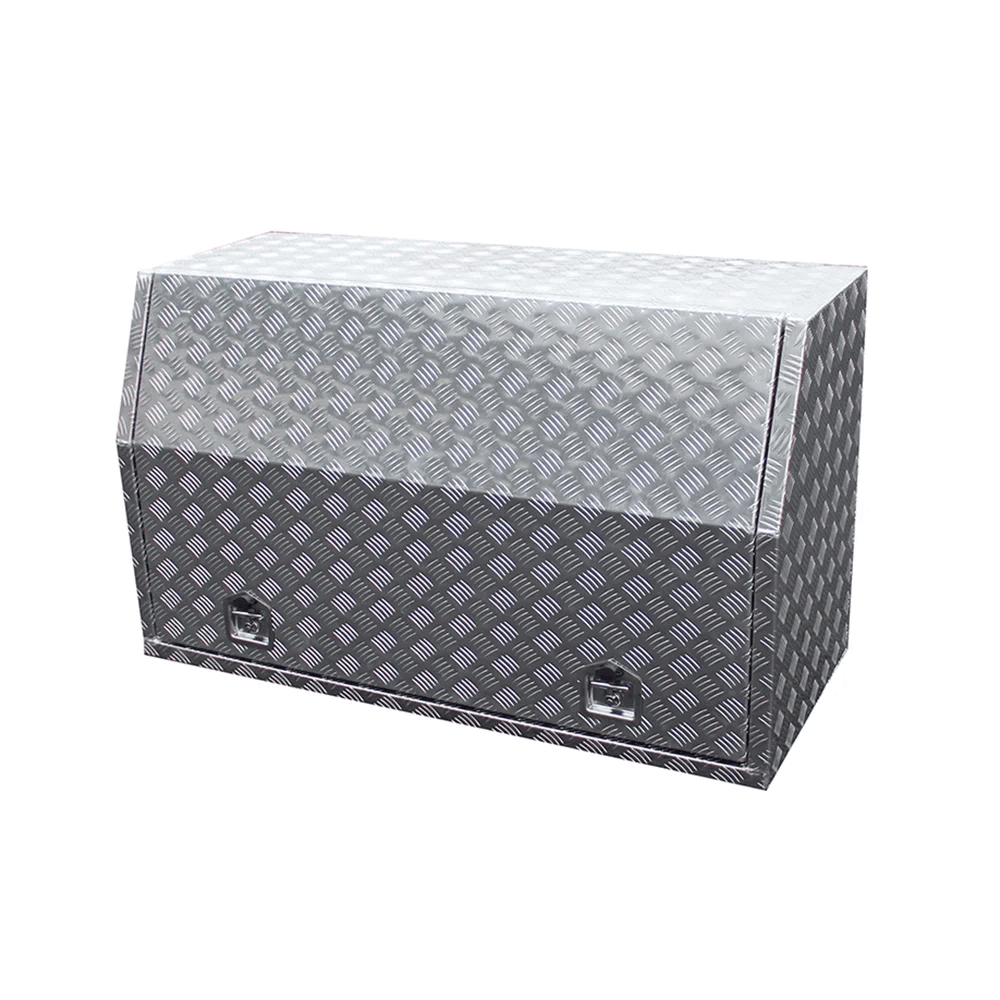
| Checker plate floor | Anti-slip, wear-resistant | Tools, machines, mixed cargo |
| Galvanized steel floor | Corrosion-resistant | Outdoor and wet environments |
| Aluminum floor | Lightweight, rust-resistant | Light-duty premium trailers |
| Plywood floor | Lower weight and cost | General utility use |
For trailers hauling loose material, a smooth steel floor is usually the preferred choice simply because it lets material slide out more easily.
Surface Treatment and Service Life
Hydraulic trailers spend a lot of time outdoors, exposed to road dirt, rain, fertilizer, mud, gravel, and general impact. Surface treatment ends up playing a bigger role in long-term durability than most buyers expect.
Galvanized Hydraulic Trailer
Galvanized units tend to be the go-to for tougher working environments.
Main benefits:
- Strong rust resistance
- Handles outdoor storage well
- Performs better in wet climates
- Less maintenance over the long run
- Extra protection at frame edges and welded joints
- A rugged look that fits work use
Hot-dip galvanizing fits particularly well with agriculture, landscaping, construction, and coastal settings.
Powder Coated Hydraulic Trailer
Powder coating leans more toward appearance, with a smoother finish and color choices to match.
Main benefits:
- Clean surface finish
- Range of color options
- Stronger visual appeal
- Fits branded product lines well
- A smoother, more polished look overall
Powder coating suits markets where appearance carries weight, while galvanizing is the better fit for harsher working conditions.
Galvanized vs. Powder Coated Finish
| Finish Type | Strength | Best Suitable For |
|---|---|---|
| Galvanized | Rust resistance, long service life | Outdoor, farm, coastal, construction use |
| Powder Coated | Appearance, color flexibility | Retail display, light-to-medium use |
| Galvanized + Coating | Protection plus appearance | Higher-end custom trailer ranges |
For trailers expected to work outdoors for years, galvanizing is usually the more practical route.
Custom Options for Hydraulic Tipper Trailers
A hydraulic tipper trailer can be adjusted to fit different applications and regional requirements.
Common custom options include:
- Trailer bed length
- Trailer bed width
- Payload rating
- Single axle or tandem axle
- Braked or unbraked design
- Electric hydraulic pump
- Manual hydraulic pump
- Hydraulic cylinder type
- Side panel height
- Mesh cage extension
- Tailgate type
- Ramp gate design
- Floor plate thickness
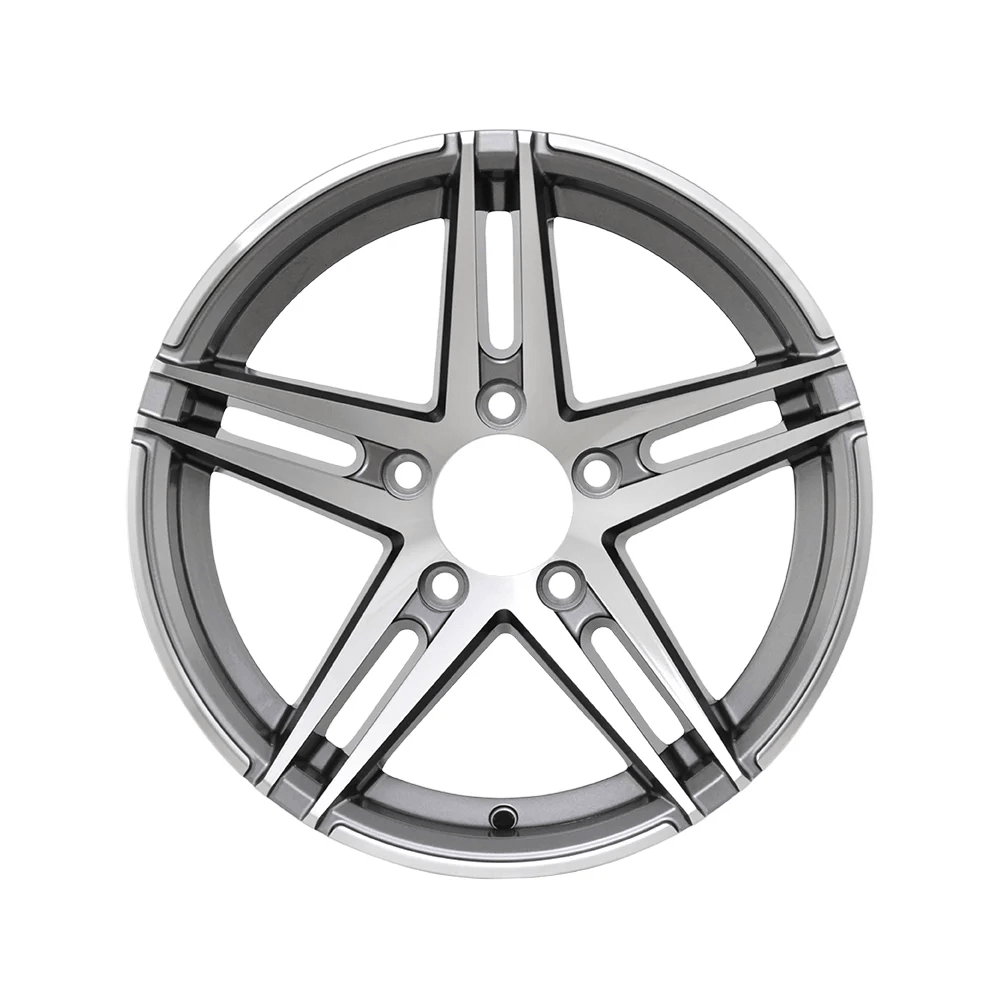
- Tire and wheel size
- Coupler standard
- Lighting system
- Mudguard design
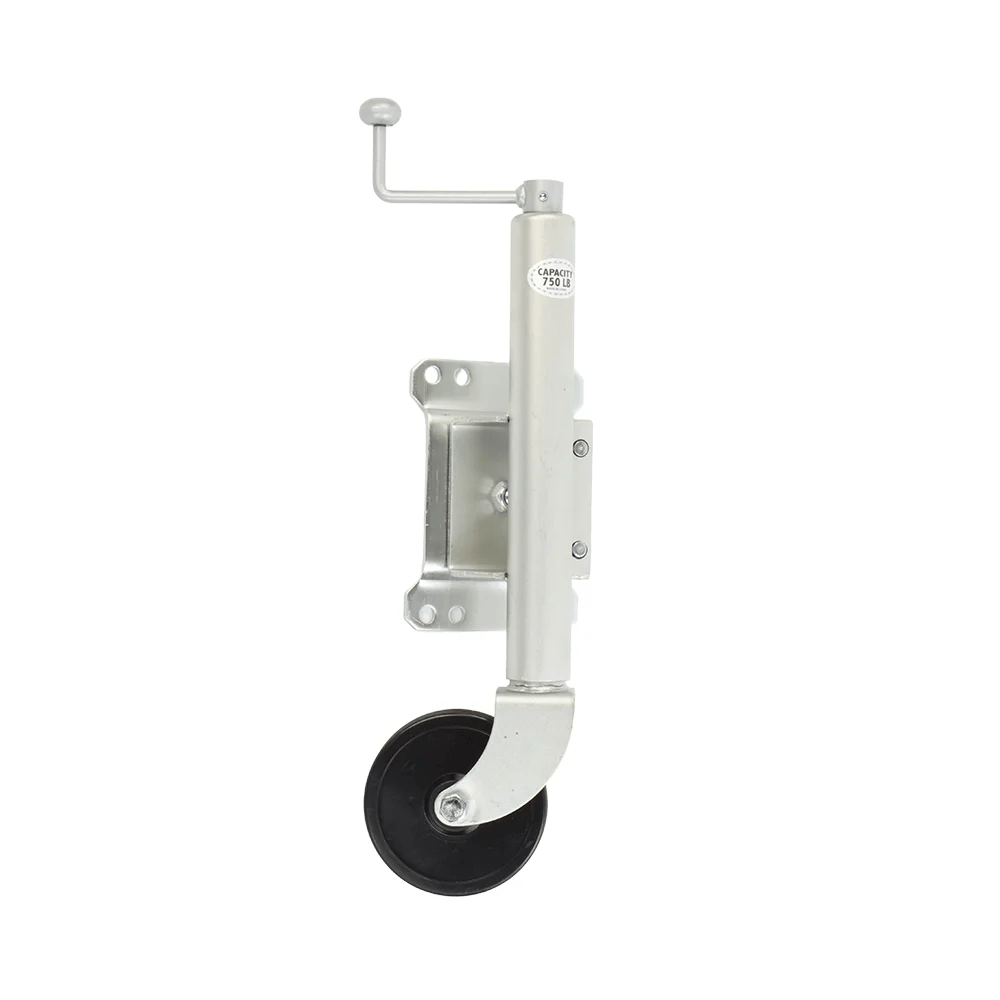
- Jockey wheel
- Spare wheel bracket
- Surface treatment
- Packaging solution
Customization only works when it's approached as one connected system — the axle, chassis, hydraulic setup, tires, brakes, and towing components all need to work together rather than being picked separately.
FAQ About Hydraulic Tipper Trailers
1. What is a hydraulic tipper trailer used for?
It's used for hauling and unloading material like soil, sand, gravel, mulch, garden waste, farm supplies, construction debris, tools, and small equipment.
2. What is the difference between a hydraulic trailer and a standard utility trailer?
A hydraulic trailer has a lifting system that raises the bed for unloading. A standard utility trailer generally needs to be unloaded by hand or with separate equipment.
3. Is an electric hydraulic system better than a manual hydraulic system?
Electric systems work better for frequent use since they save labor and speed up unloading. Manual systems are fine for lighter loads and occasional jobs.
4. What type of axle is better for a hydraulic tipper trailer?
Single axle trailers suit lighter tasks and easier maneuvering. Tandem axle trailers handle heavier loads, offer more road stability, and hold up better under frequent worksite use.
5. What materials can be carried by a tipper trailer?
Common loads include sand, soil, gravel, mulch, branches, leaves, farm supplies, tools, construction materials, and small machines, depending on the trailer's capacity and design.
6. What surface finish is recommended for outdoor use?
Hot-dip galvanizing tends to be the better choice for outdoor use, given its rust resistance and longer service life in wet, muddy, or coastal conditions.
7. Can a hydraulic tipper trailer carry small machinery?
Yes — with the right ramp gate, a reinforced floor, and tie-down points, these trailers can transport lawn mowers, compact tools, and other light equipment.
8. Why is tipping angle important?
It directly affects how cleanly material unloads. A properly designed, steeper tipping angle helps material slide out fully instead of leaving residue that needs manual cleanup.
9. Does a hydraulic trailer need brakes?
That depends on the trailer's weight, payload capacity, and local road regulations. Heavier hydraulic trailers generally need a braking system for safer towing.
10. What information is useful when selecting a hydraulic tipper trailer?
It helps to know the cargo type, expected load weight, trailer size, towing vehicle capacity, road conditions, hydraulic system preference, axle configuration, braking requirement, side panel style, and surface finish before deciding on a spec.
