
 English
When protecting a steel trailer from rust, two finishes dominate the market: hot-dip galvanizing and powder coating. China’s trailer giant, Jinhua Yongqiang Vehicles Factory—the nation’s top exporter with over 60,000 units annually—offers both, letting buyers pick the right armor for their environment. Here’s how they stack up in real-world use.
Coating Process and Protection
Galvanizing involves dipping steel in molten zinc, creating a bonded layer that sacrifices itself to protect the metal (cathodic protection). This coats inside and out—even tubing interiors—making it ideal for salt, humidity, or coastal areas. It lasts 20–30+ years with minimal upkeep.
Powder coating sprays electrostatically charged dry paint onto the frame, then bakes it into a hard shell. It’s tough against scratches and chemicals but only covers exteriors unless prepped specially. If chipped (from rocks or branches), rust can creep in underneath, especially in wet conditions.
Durability and Maintenance
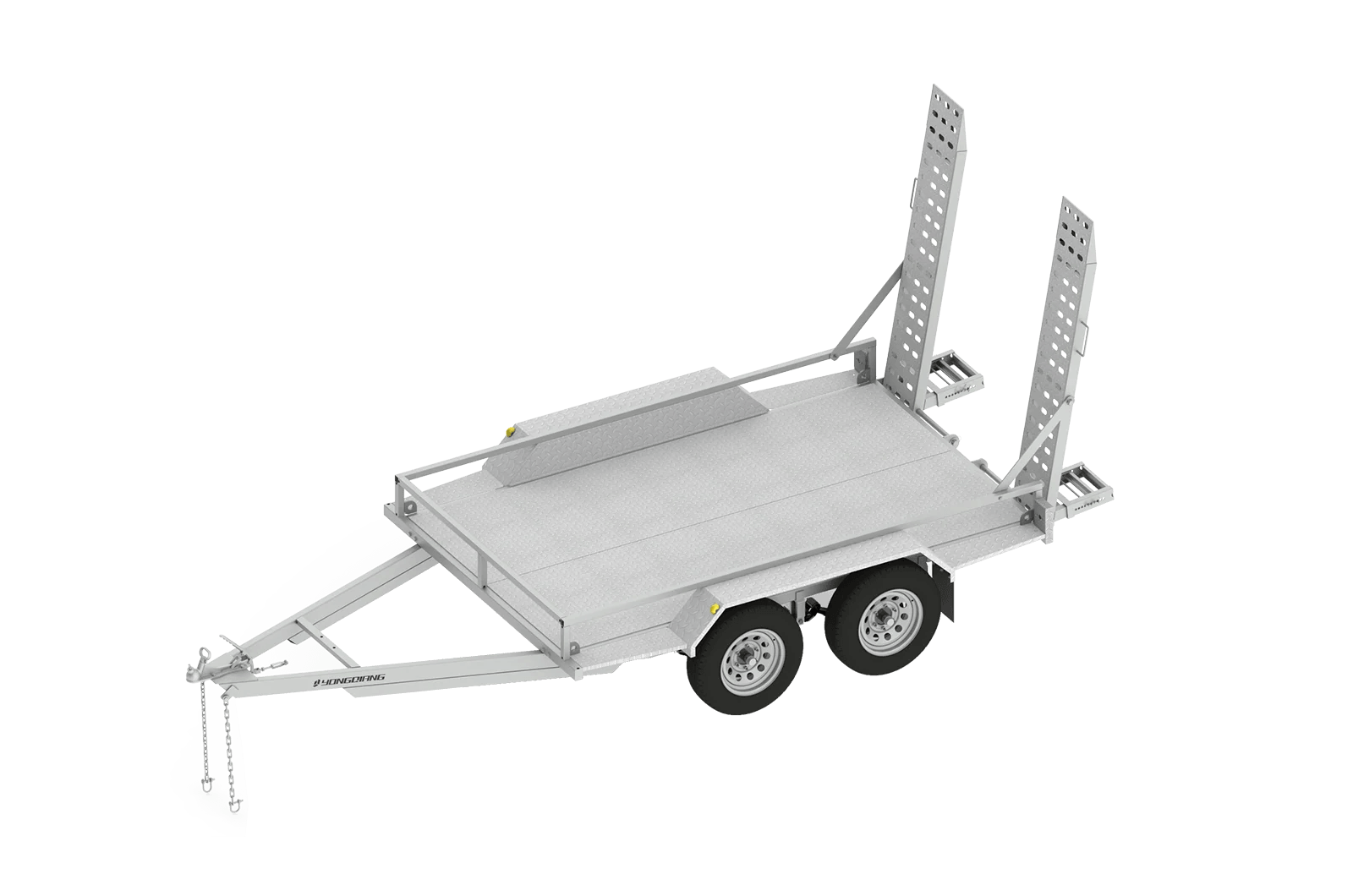
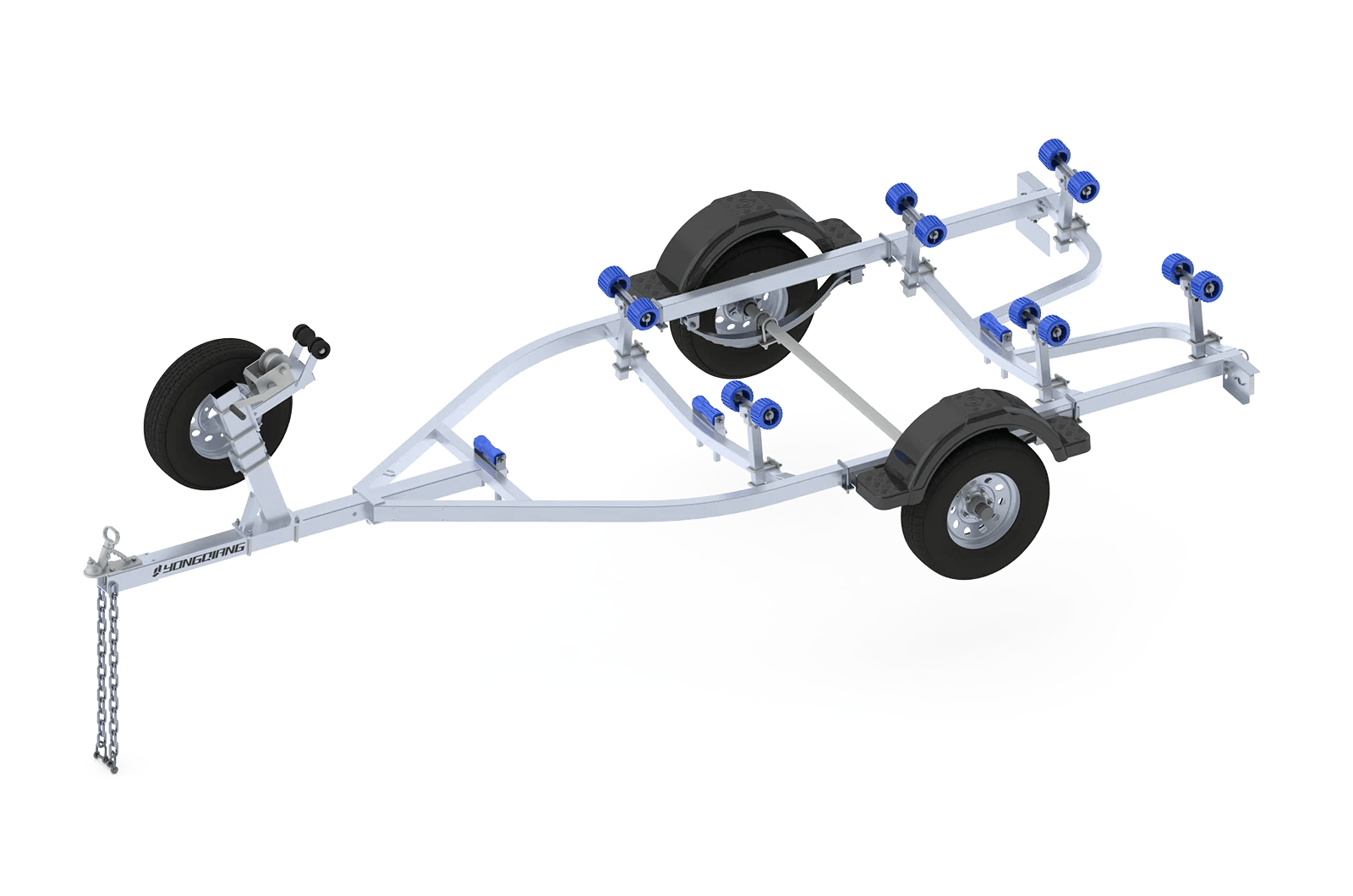
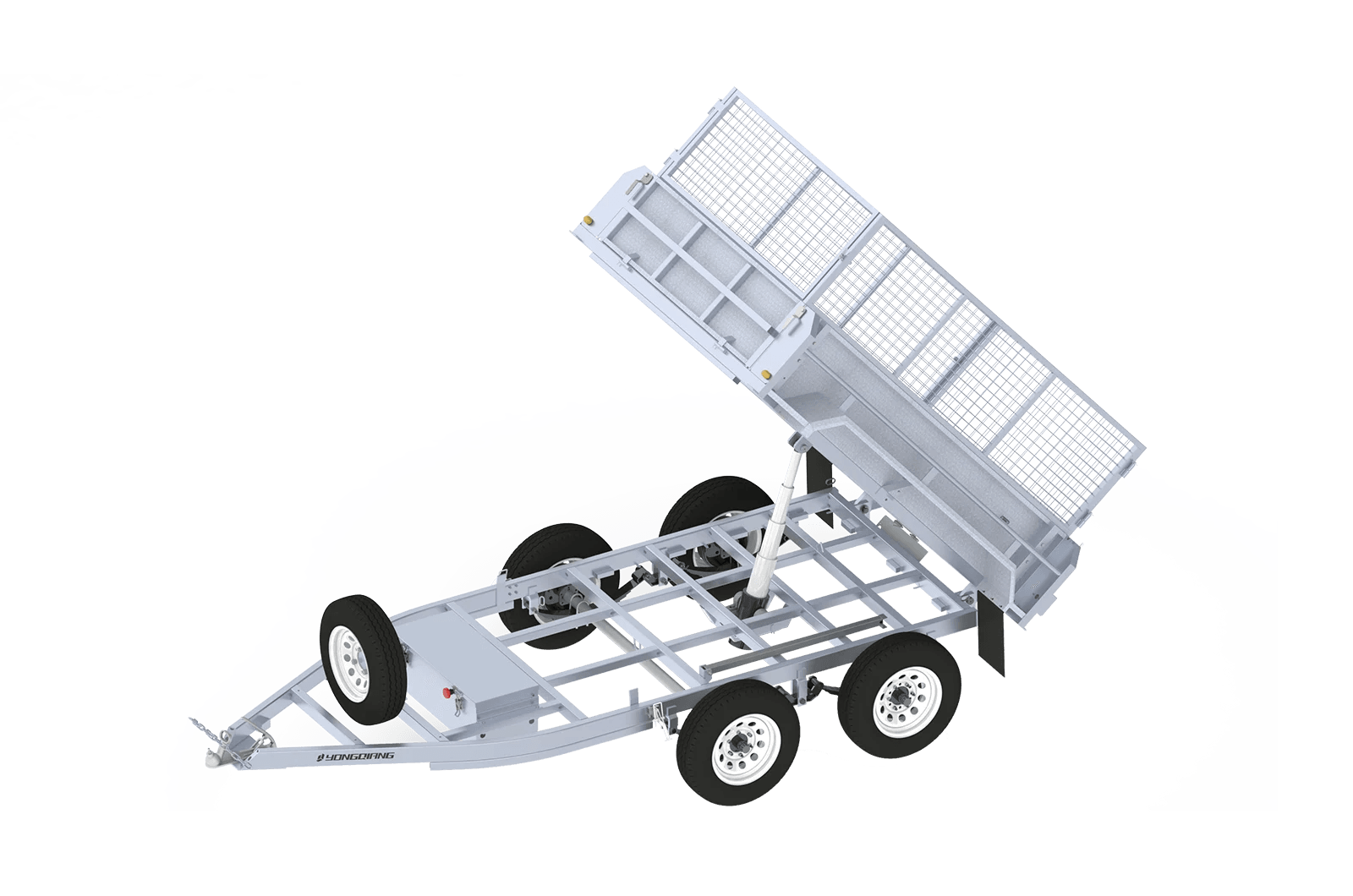
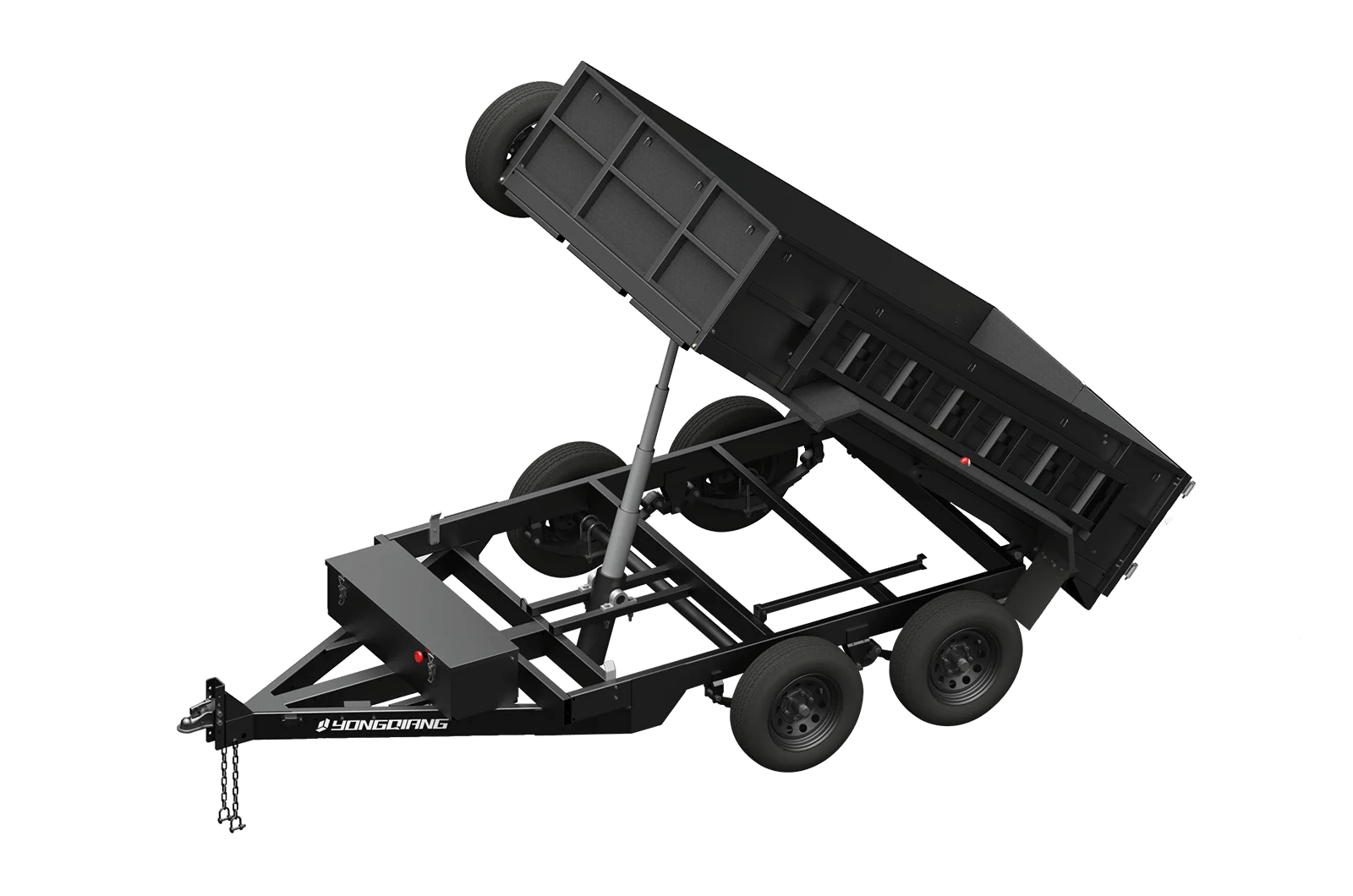
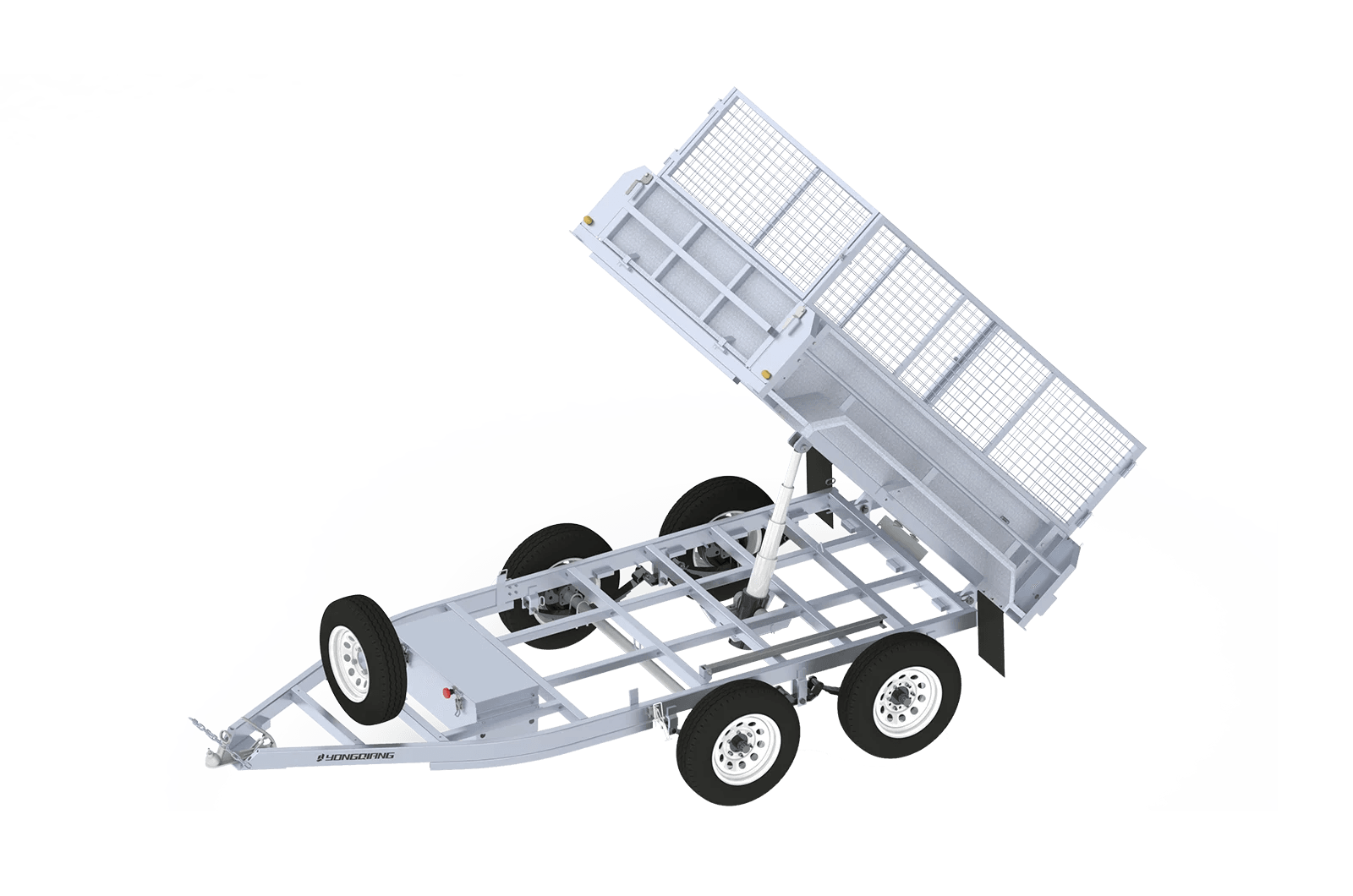
Galvanized finishes are self-healing for minor scratches and resist fading or dulling from UV. Rinse off salt or dirt occasionally; no painting needed. They’re battle-tested for dump trailers or boat haulers in harsh environments.
Powder coating holds up well in dry, mild use—scratch-resistant and low-maintenance for 10–15 years. But it can fade in direct sun (UV degradation) and absorbs water if porous, leading to hidden rust. Touch-ups require sanding and recoating; neglect it, and repairs add up fast.
Cost and Aesthetics
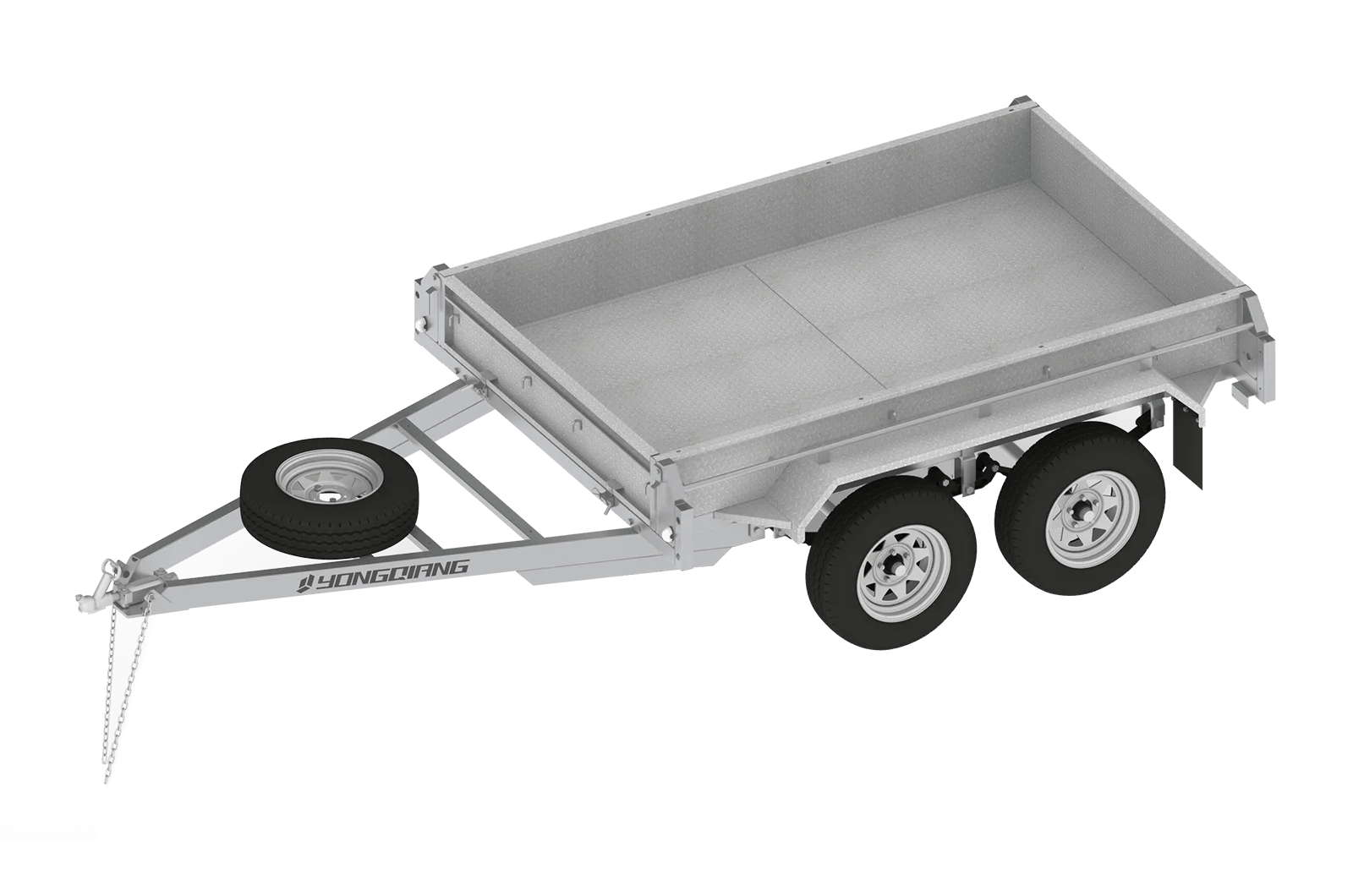
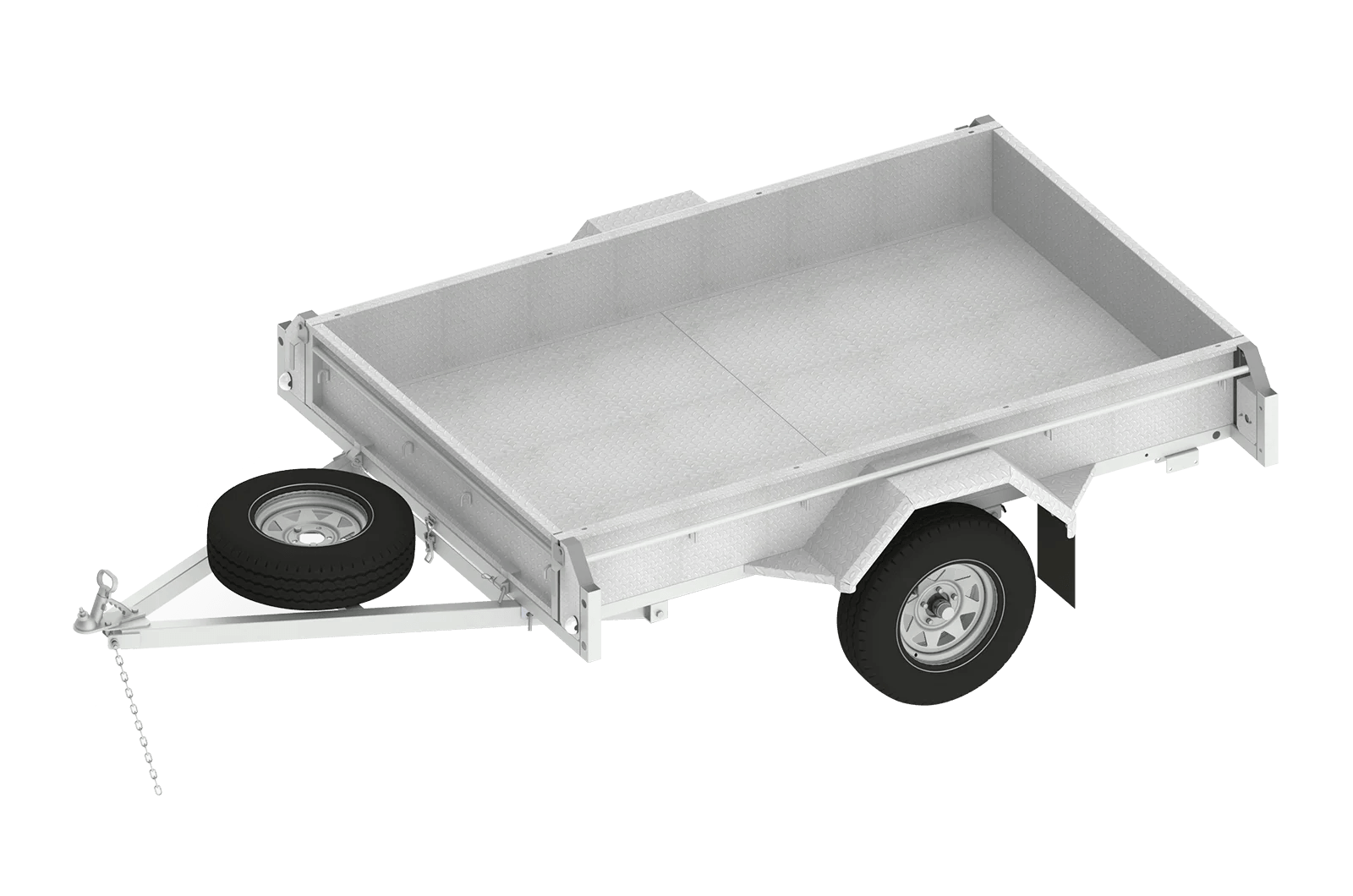
Galvanized trailers cost 20–30% more, but they save on long-term fixes like rust repairs ($500–$1,500 every few years). The silver-gray look is industrial—dulls over time but functional. You can powder coat over galvanizing for color without losing protection.
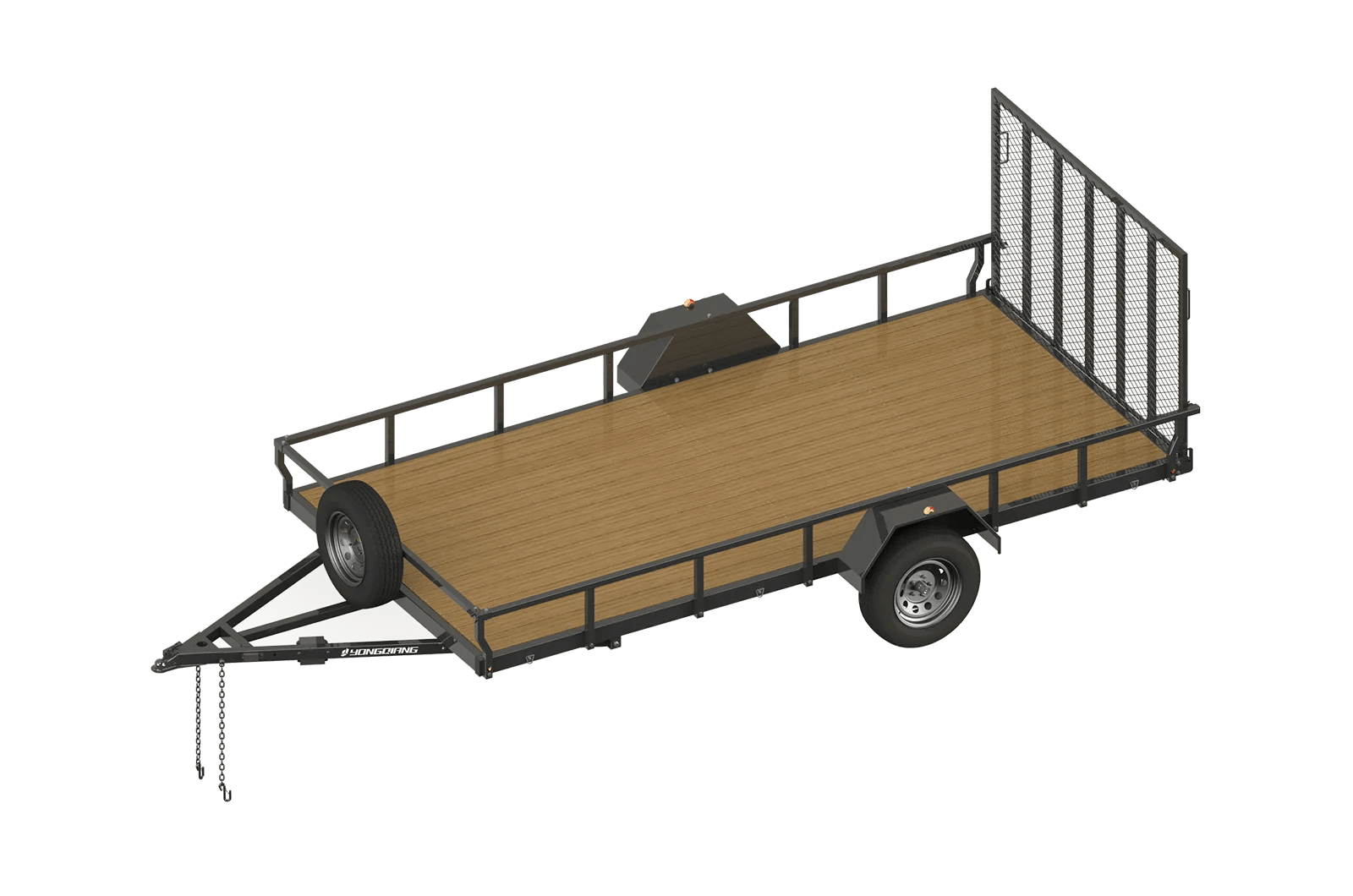
Powder coating is cheaper initially and offers vibrant, custom colors that match your truck or boat. It’s visually appealing right away but may need clearcoating for sun exposure. Resale holds better for galvanized (60–70% value after 5 years) due to less visible wear.
Towing and Real-World Performance
Both add negligible weight, but galvanized excels in wet or salted roads—less brake strain from corrosion buildup. Powder coated shines on paved, dry routes; it’s smoother and easier to clean but vulnerable to road debris chipping the finish.
In tests and user reports, galvanized trailers outlast powder coated in salt water by 2–3x, while powder holds its own in freshwater or garages.
Best For
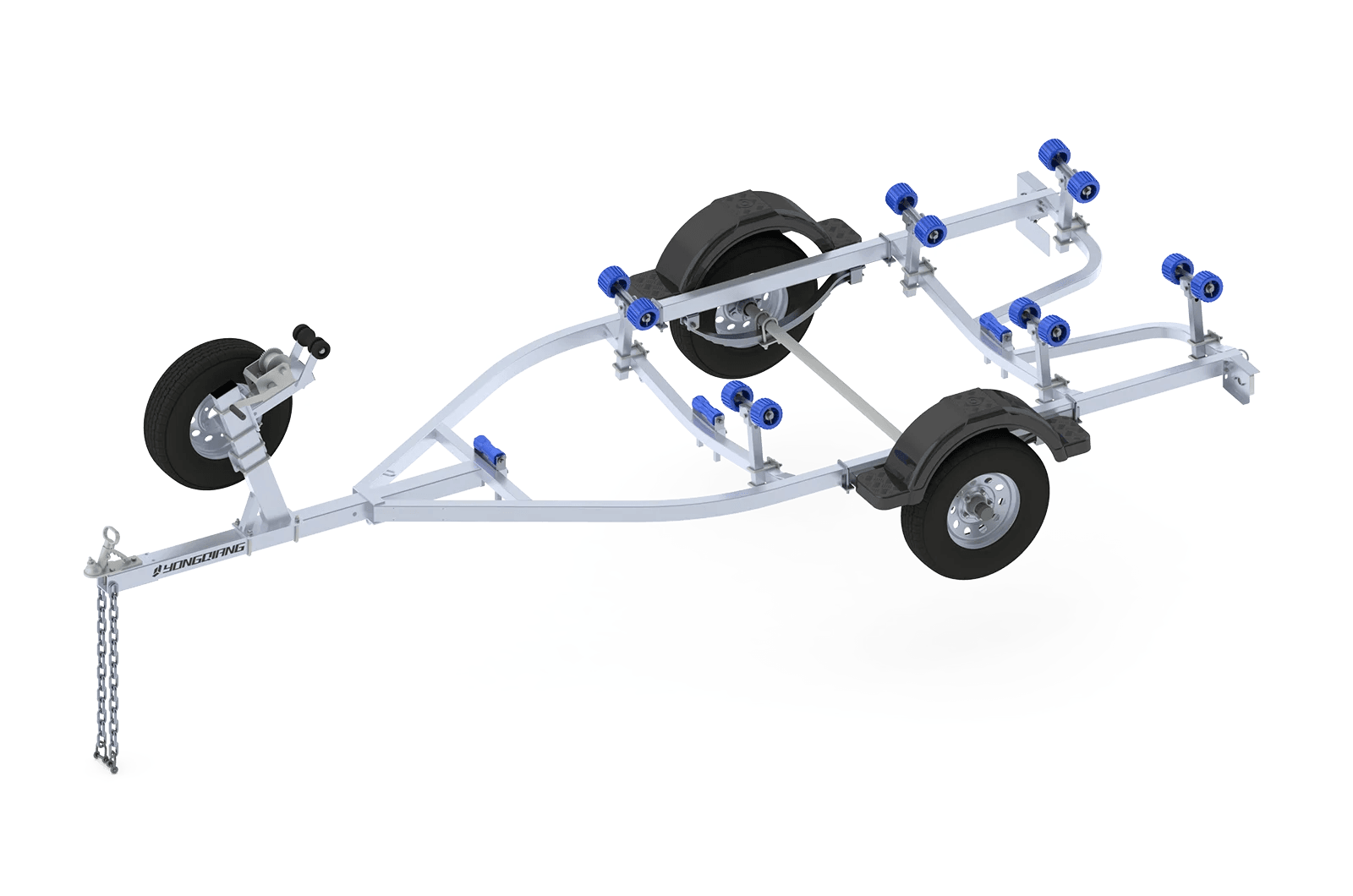
- Galvanized: Saltwater boats, winter roads, heavy-duty hauling (e.g., landscaping, construction), or long-term ownership in moist climates. Worth the premium if you hate maintenance.
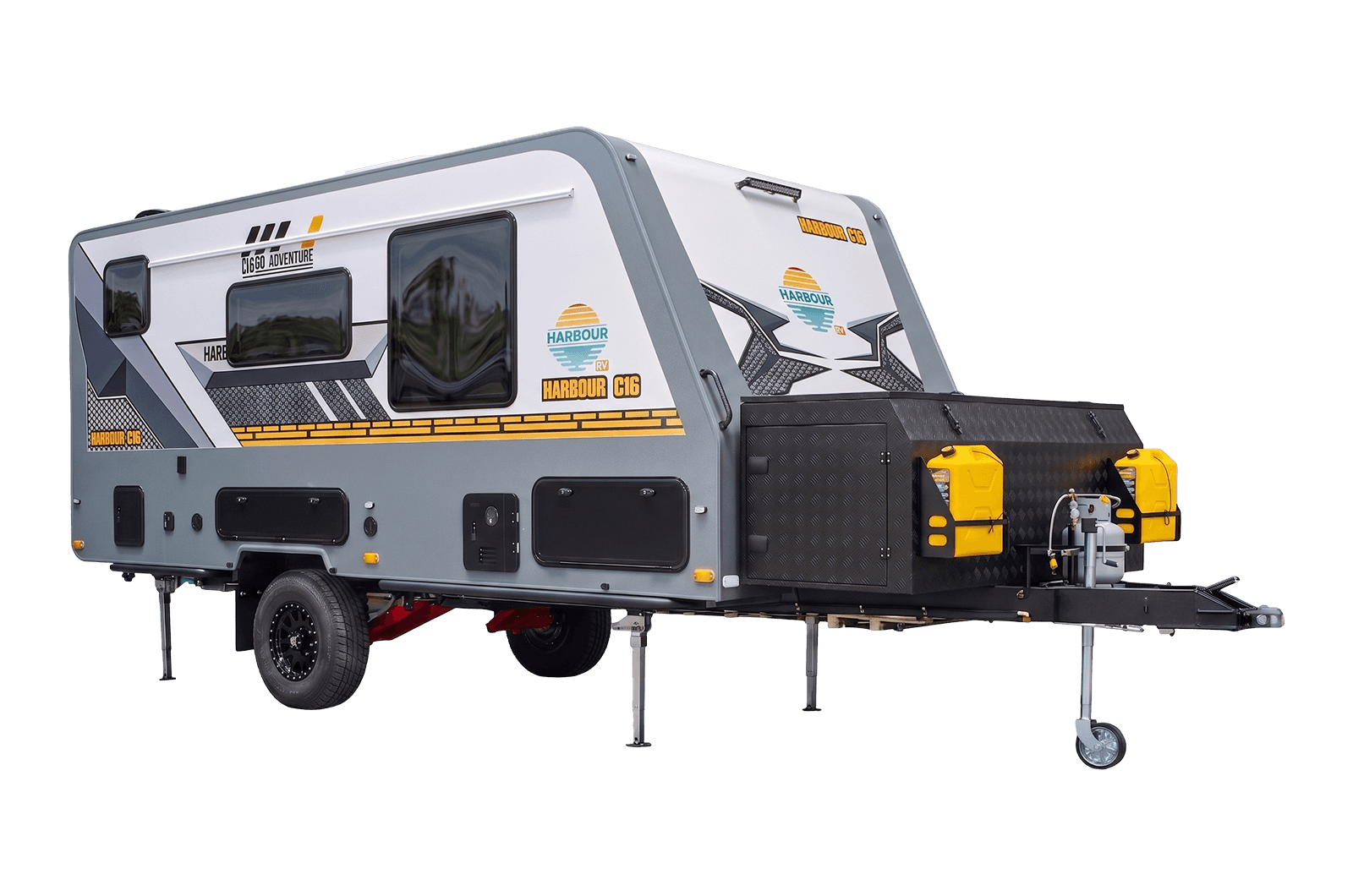
- Powder Coated: Budget buys, recreational use on clear roads, or when color matters (e.g., matching your RV). Great for freshwater lakes or covered storage.
Galvanized wins for ultimate rust-proofing and low-hassle longevity, especially in tough conditions—it’s the “set it and forget it” choice. Powder coated is a solid, attractive alternative for milder use where savings and style count. Consider your routes, climate, and budget; many opt for galvanized with a powder topcoat for the best of both. Test one at a dealer to feel the difference.