
-
North America Models
-
Oceania Models
 English
How a China Trailer Factory Supports Different Trailer Applications
Trailers are used in many parts of daily work and transportation. Some are designed to carry goods. Others support equipment, tools, vehicles, or materials that need to move from one place to another. Although these products share the basic idea of being towed, their actual uses can be quite different.
This difference creates a practical challenge for trailer manufacturing. A trailer cannot always be designed around one general use. Its structure, storage area, loading arrangement, access points, and overall form may need to reflect the work it is expected to perform.
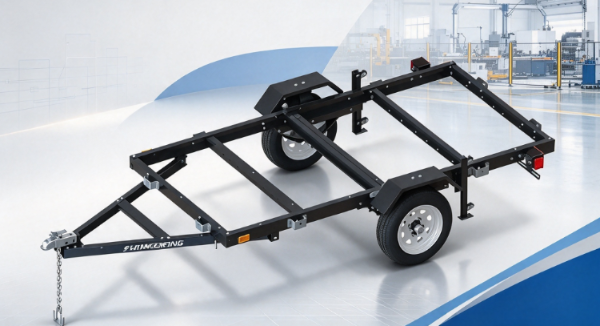
A China Trailer Factory can be involved in this process from product design through production and assembly. By working with different trailer concepts, a factory can support a range of applications while adjusting the product around its intended use.
For buyers, understanding this relationship can make trailer sourcing easier. It also shows why trailer manufacturing is closely connected with application requirements rather than being limited to a single product style.
What Types of Applications Can a China Trailer Factory Support?
The application of a trailer usually determines what kind of product needs to be developed. A trailer used to move general goods may have a different layout from one intended for equipment or specialized cargo.
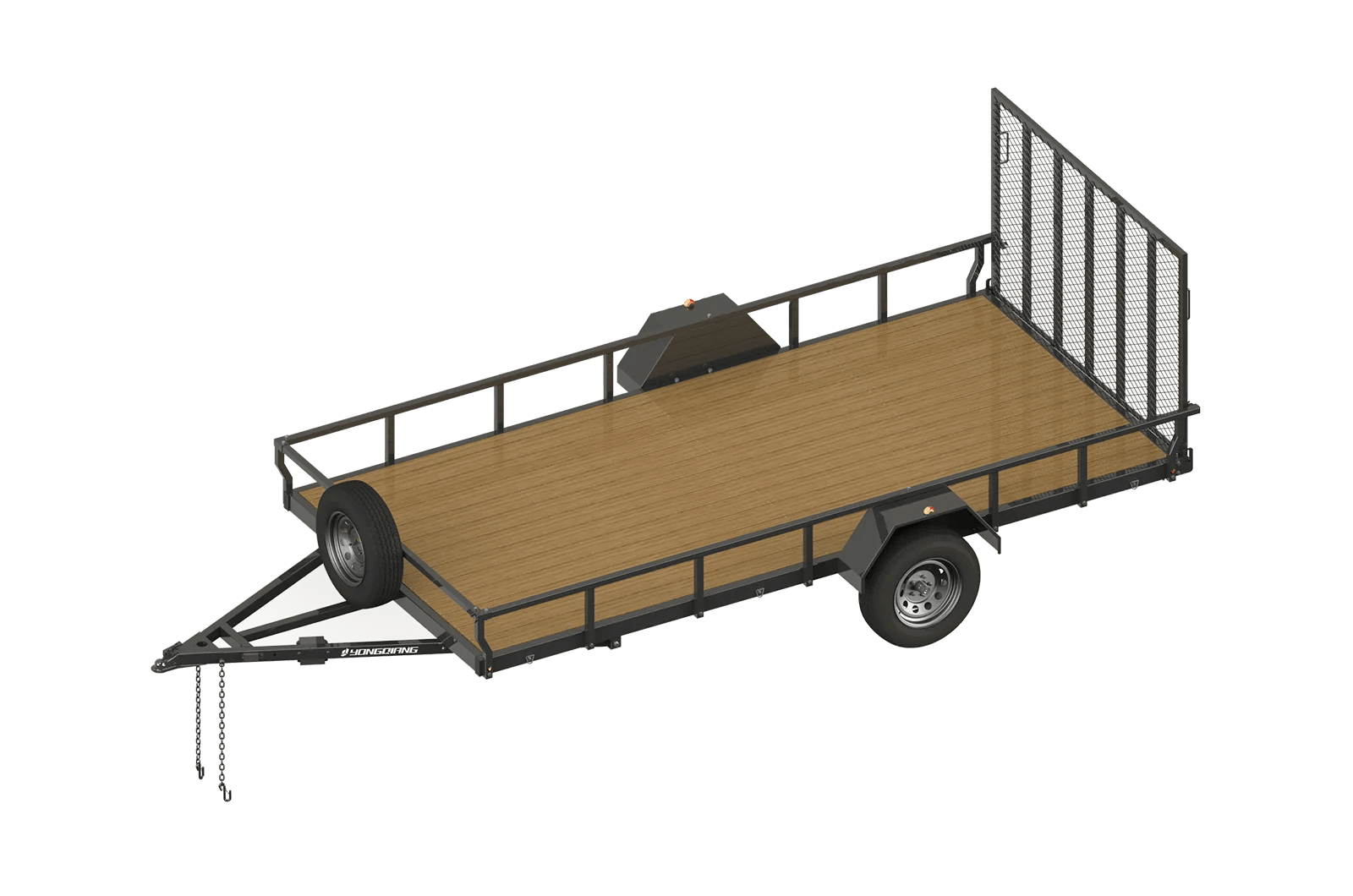
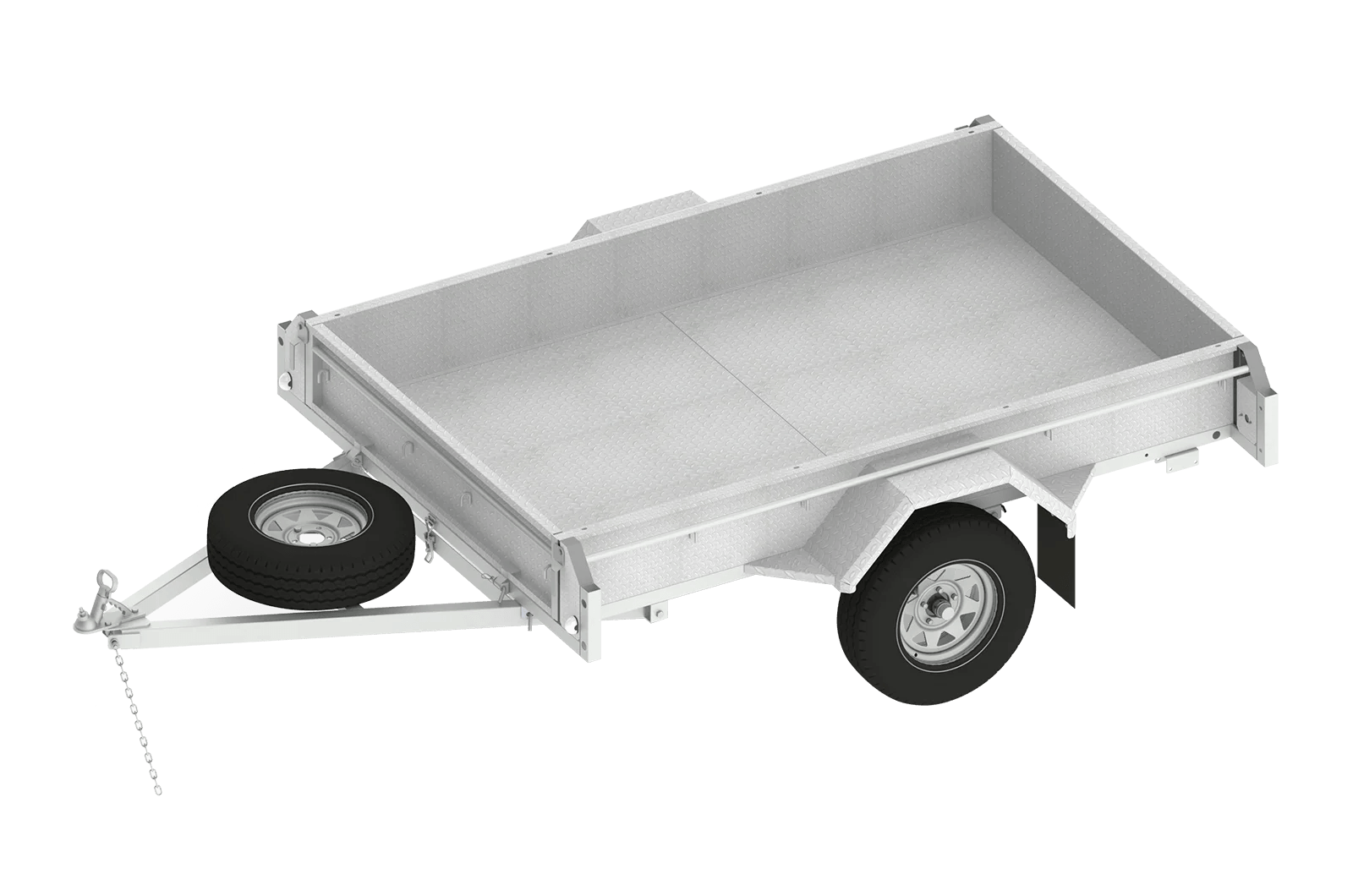
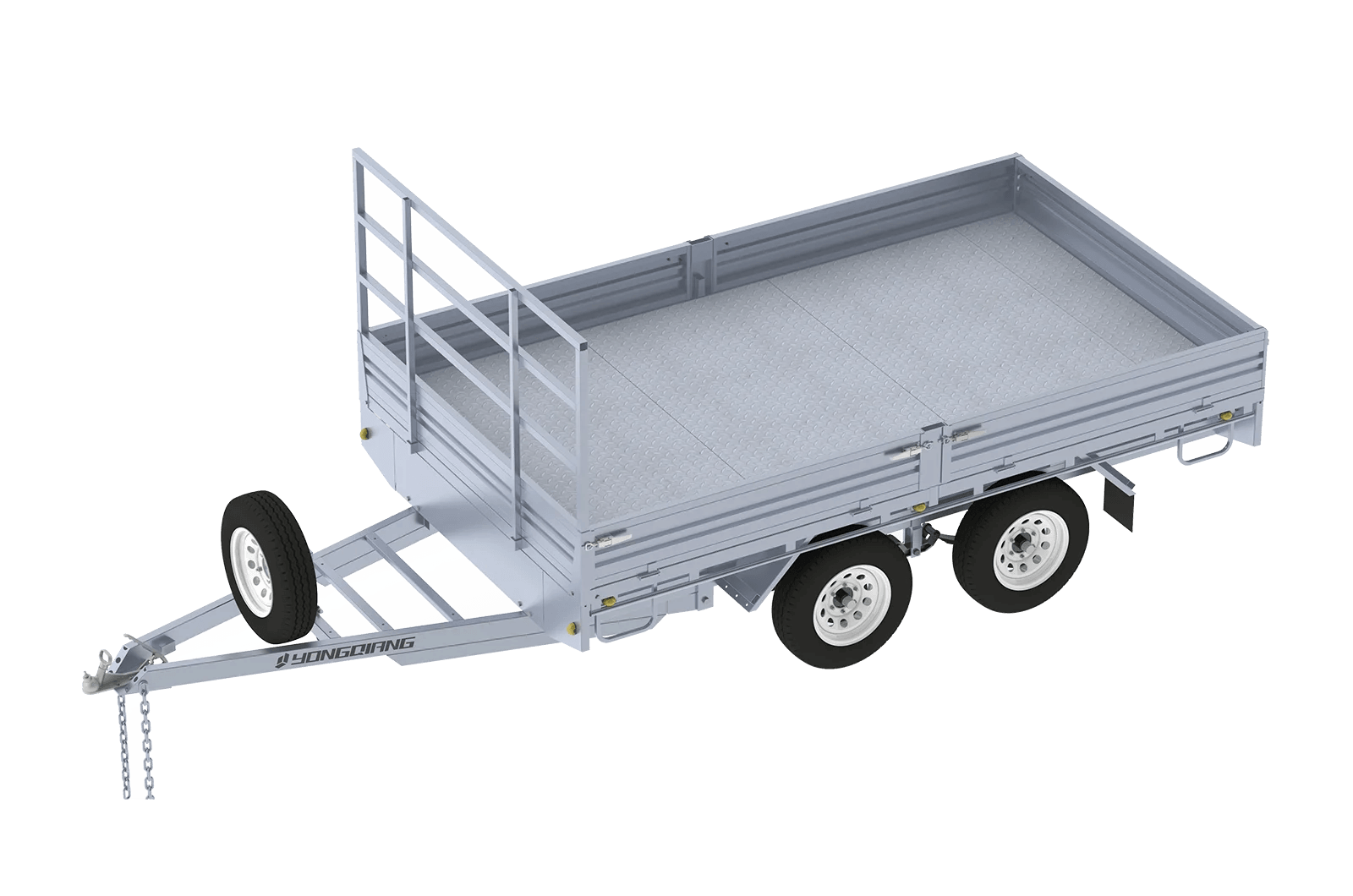
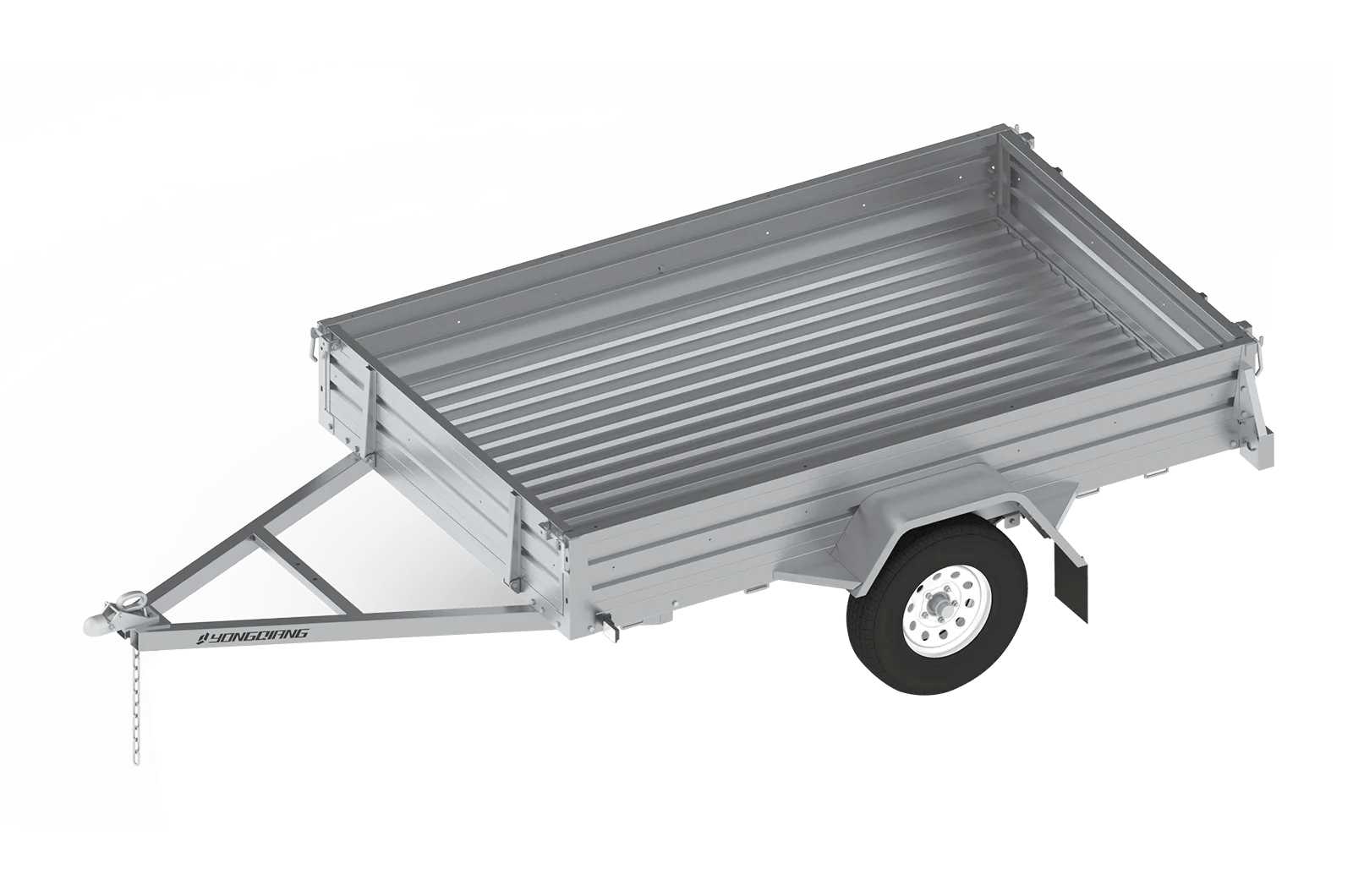
Cargo transportation is one common application. These trailers provide a defined area for goods that need to be moved between locations. The design may focus on loading access, available storage space, and the way cargo is arranged.
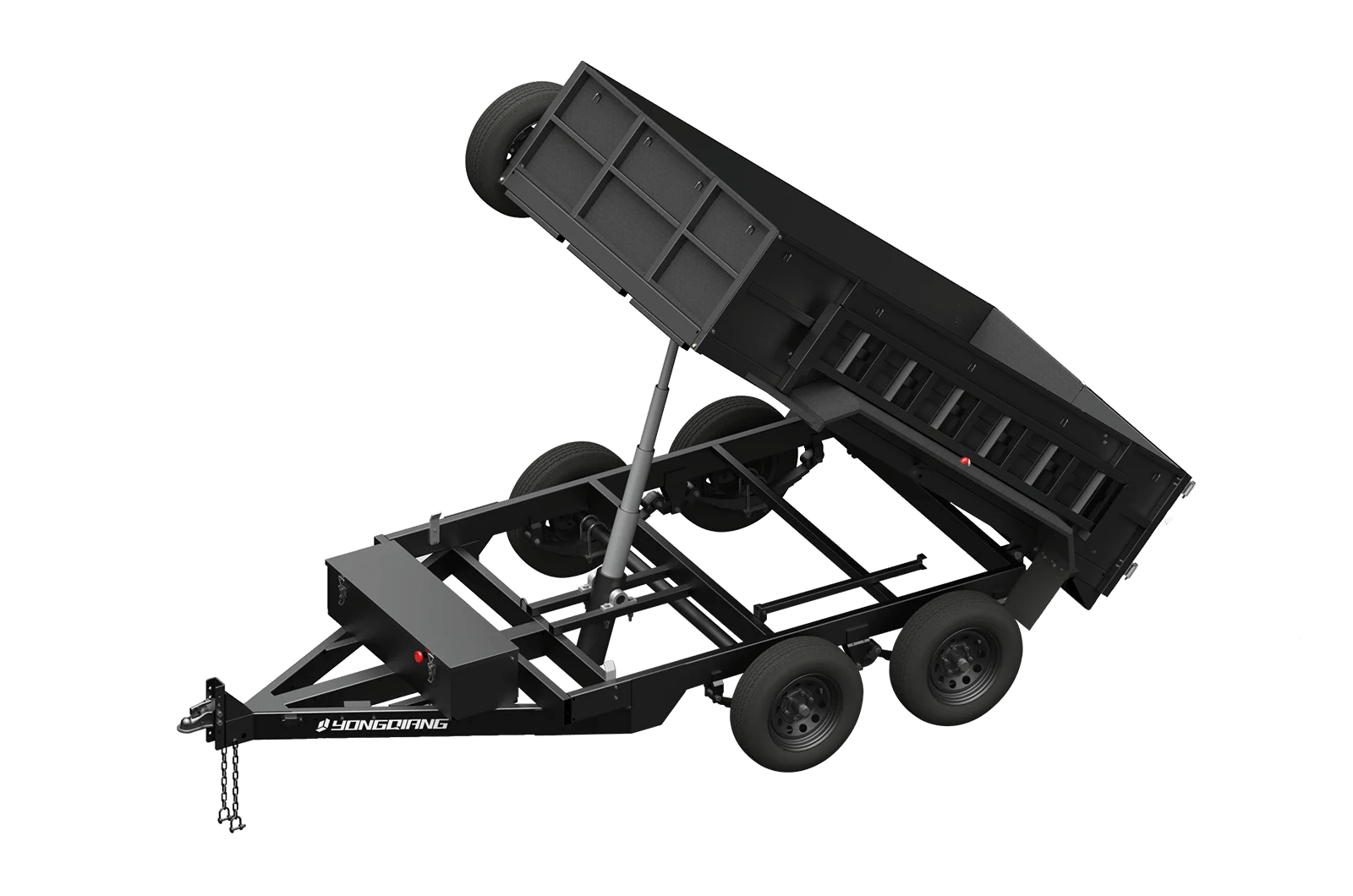
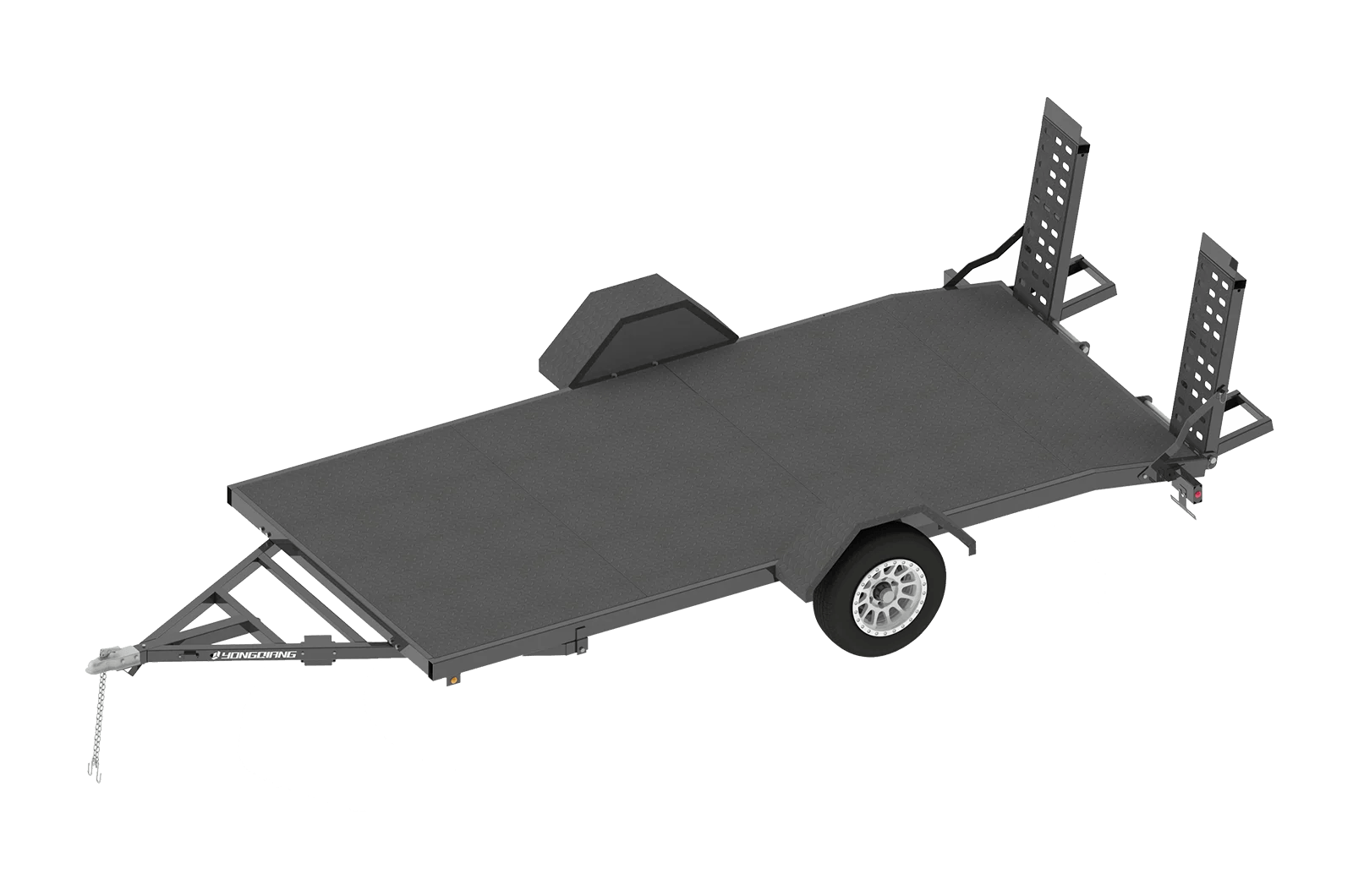
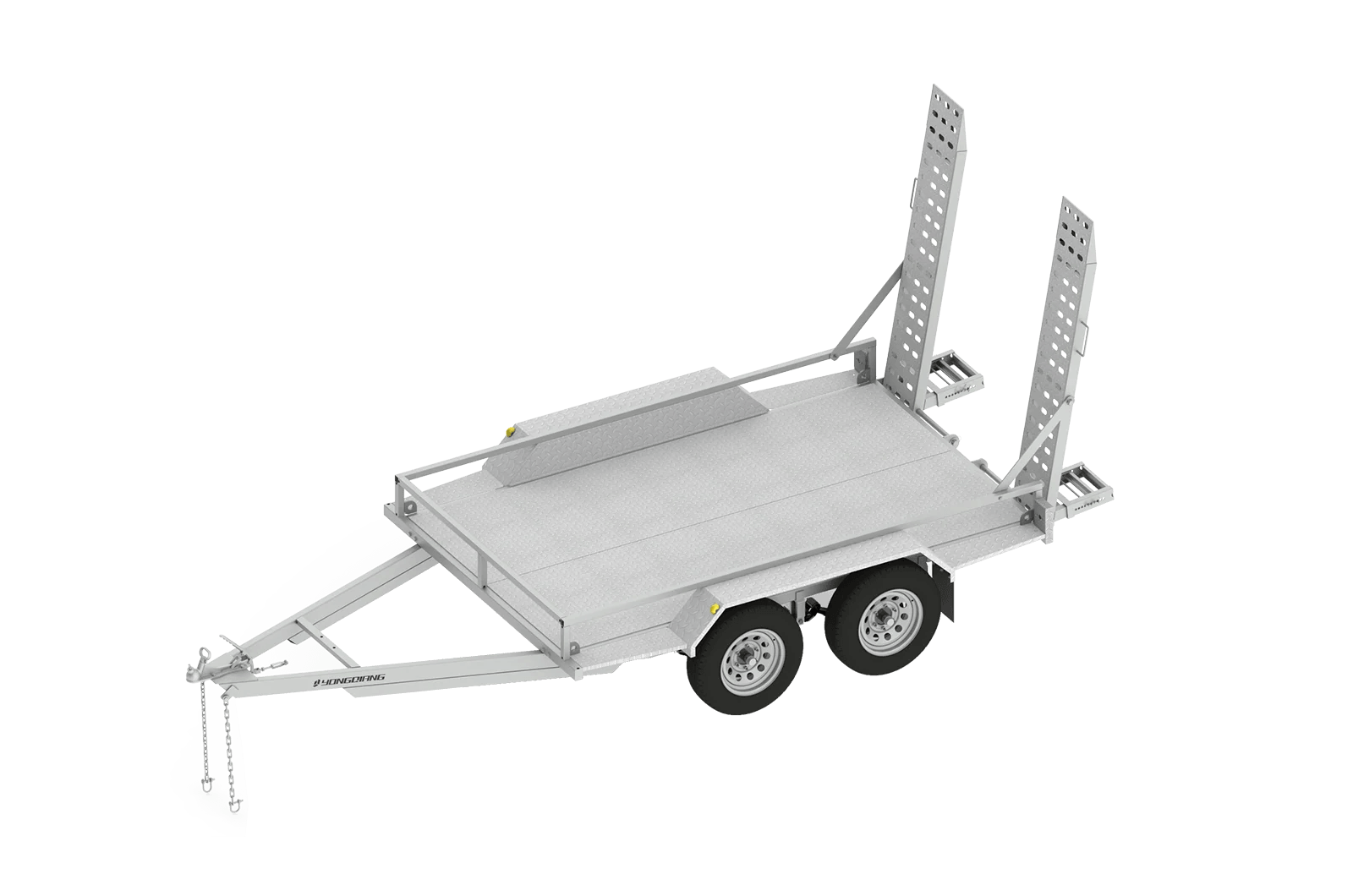
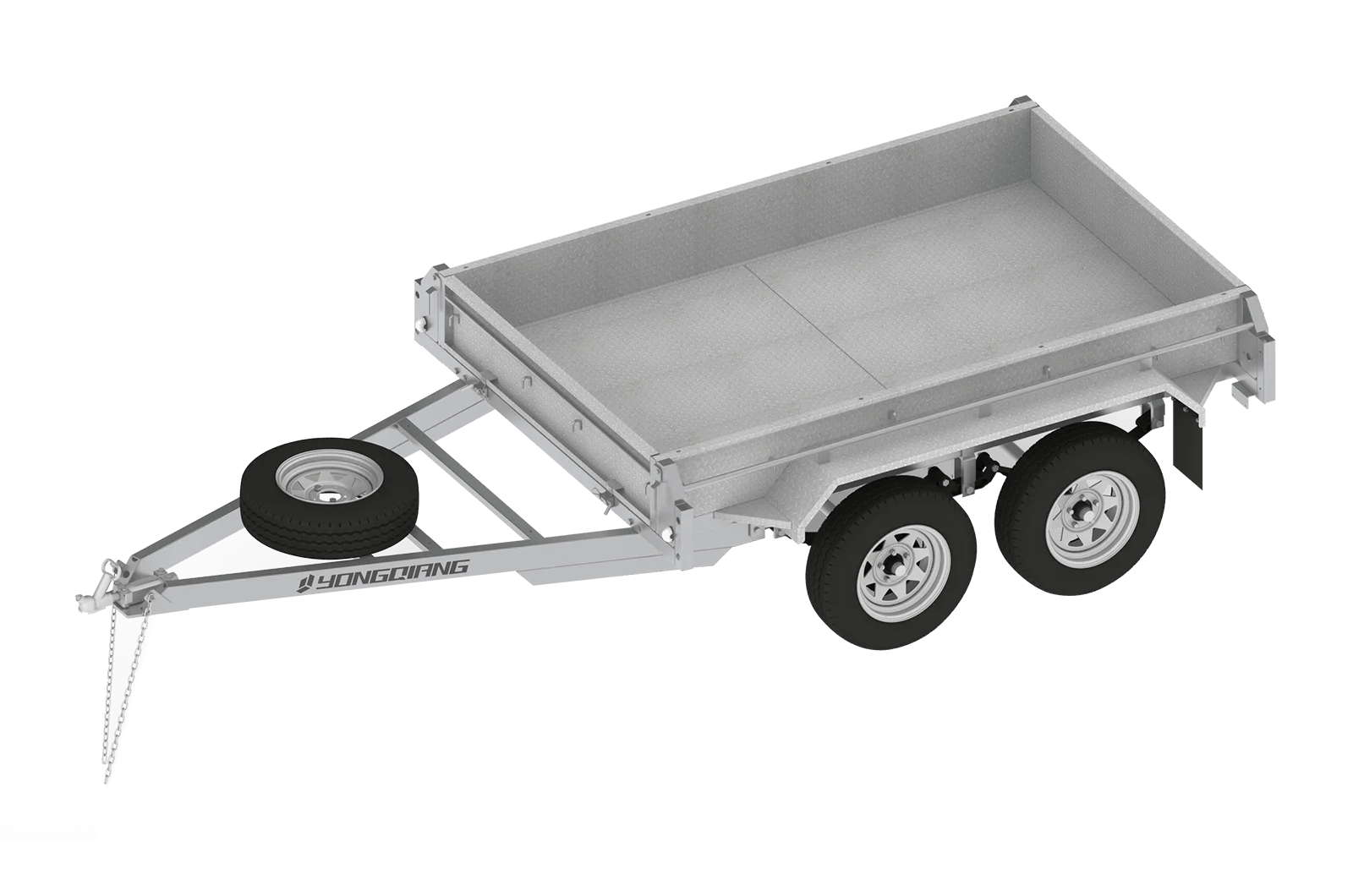
Equipment transport creates another set of needs. Large or irregular equipment may require a different loading arrangement. The trailer needs to provide enough usable space while allowing the equipment to be positioned in a practical way.
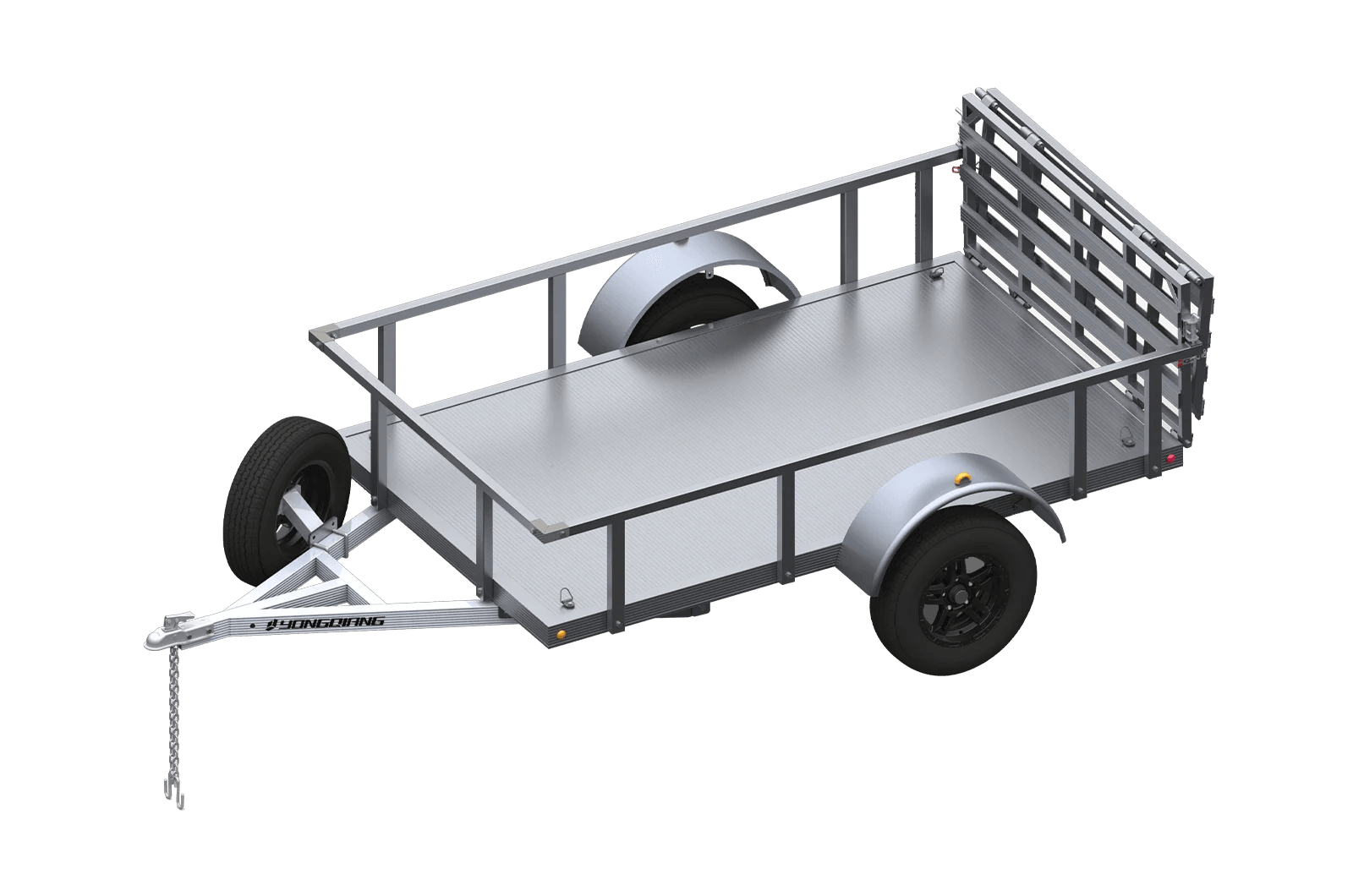
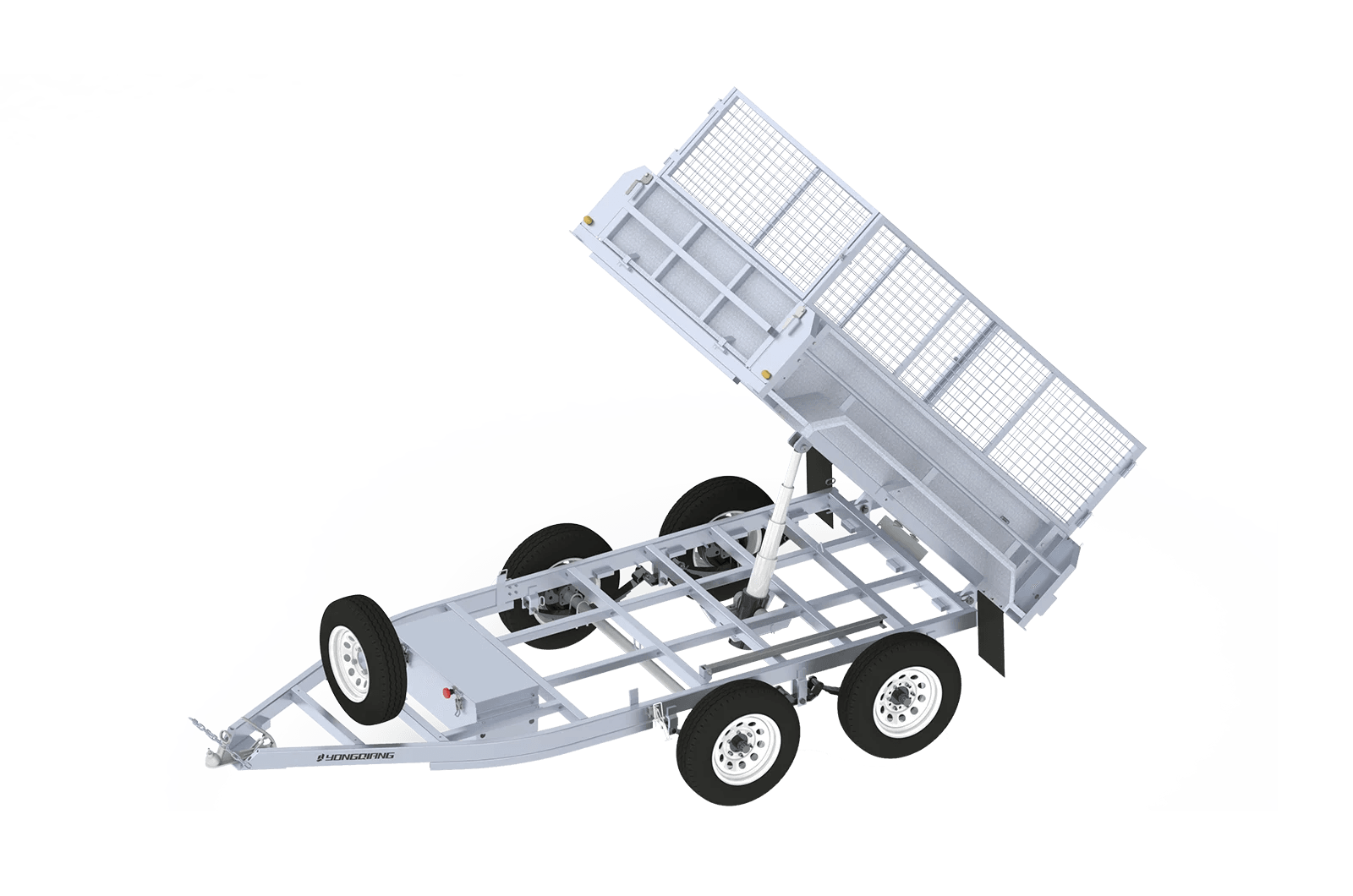
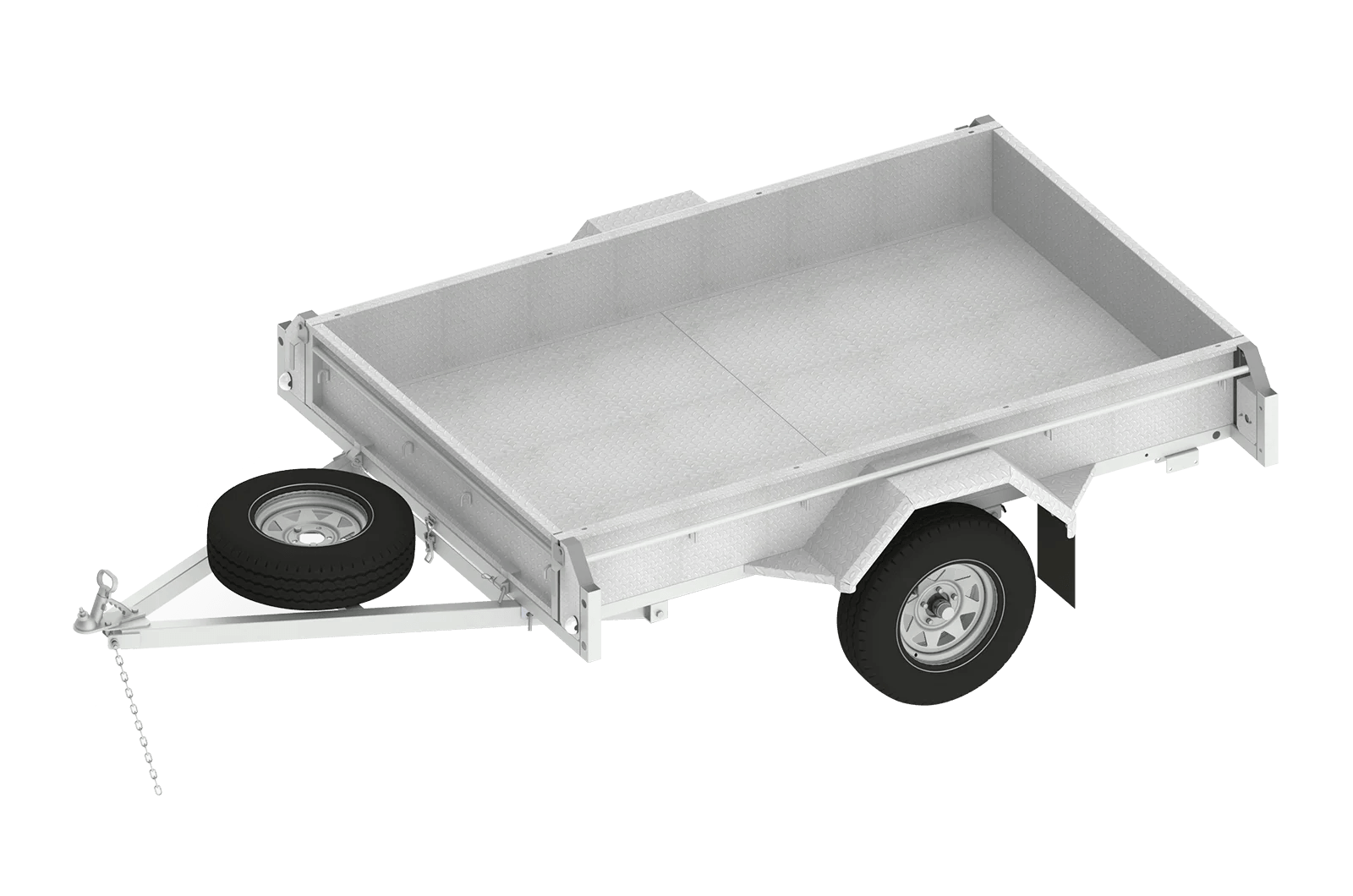
Utility applications can also influence the design. A trailer may be used to carry tools, materials, or working equipment to different locations. In this situation, storage and accessibility can become closely connected.
There are also trailers designed around specific working environments. Construction work, maintenance services, agriculture, outdoor activities, and other fields may each require different forms of transport support.
A factory can organize its production around these differences:
| Trailer Application | Main Design Consideration |
|---|---|
| General Cargo | Open and practical loading space |
| Equipment Transport | Suitable support and placement |
| Tool Transport | Storage and easy access |
| Worksite Use | Functional layout and handling |
| Agricultural Use | Space for related equipment and materials |
| Outdoor Use | Flexible transport and storage |
The important point is that the trailer is designed around a task. The application gives the product a purpose, while manufacturing turns that purpose into a usable physical structure.
How Does Trailer Application Influence Product Design?
Trailer design begins with the question of what the product needs to carry and how it will be used.
A cargo trailer may need an open loading area because different types of goods need to be placed inside. A trailer used for tools may benefit from a more organized storage arrangement. A product intended for equipment transport may require a layout that makes loading and unloading easier.
The surroundings also matter. A trailer may be used on roads, at worksites, in storage areas, or in locations where access is limited. These conditions can influence the shape and arrangement of the product.
Access is another important consideration. Users need to interact with the trailer during loading, unloading, inspection, or storage. A design that looks simple from the outside can involve many practical decisions once regular use is considered.
The relationship between the trailer and the cargo is therefore important. The trailer needs to provide a suitable space for the items it carries without making everyday handling unnecessarily complicated.
This is where a China Trailer Factory can work with different product concepts. Instead of treating all trailers as variations of the same product, the factory can develop different structures around different applications.
Such flexibility is useful when buyers serve several markets. A supplier may need one trailer for general cargo and another for a particular type of equipment. The products can share a manufacturing foundation while having different layouts and functions.
Why Does Trailer Structure Matter for Different Uses?
The structure of a trailer affects how it carries and supports its intended load. It also influences how users interact with the product.
A trailer needs a body or platform that creates a usable carrying area. It also needs supporting parts that connect the trailer with the towing vehicle and help keep the product organized during use.
Different applications place attention on different areas of the structure.
For cargo transportation, the relationship between the carrying area and access may be important. For equipment transport, the arrangement of the carrying surface may receive more attention. For utility work, storage and access can become a larger part of the design.
The structure can also affect how the trailer fits into the user's workflow. If tools need to be removed regularly, easy access can matter. If equipment stays on the trailer for longer periods, the layout may focus more on stable placement and protection.
A factory needs to understand these differences before production begins. Manufacturing a trailer is not only a matter of assembling individual parts. Those parts need to work together around the intended application.
This makes product planning an important part of trailer manufacturing. A clear understanding of use can help guide decisions about the body, storage area, access points, support structure, and overall arrangement.
How Can a China Trailer Factory Handle Different Trailer Designs?
Different trailer applications naturally lead to different product designs. A factory therefore needs a production process that can accommodate variation.
The process can begin with a product concept or drawing. The factory reviews the intended structure and identifies the parts needed to create the trailer. Materials are then prepared and formed according to the product design.
Assembly brings these parts together. The body, support structure, wheels, connection parts, and other components need to work as one product.
Different designs may require different assembly arrangements. A cargo trailer may have a relatively open structure, while another product may include enclosed storage areas or additional support features.
This does not mean that every trailer requires a completely different manufacturing system. Many products can share basic production knowledge while changing specific parts of the design.
For a China Trailer Factory, this ability to work with product variation can support different types of buyers. Some customers may need standard trailer products. Others may have a product concept that needs to be adapted for a particular market or application.
The factory's role can therefore extend beyond physical production. It may also involve translating a buyer's requirements into a practical manufacturing plan.
Clear communication is important during this stage. Drawings, product descriptions, usage information, and samples can help both sides understand what the finished trailer needs to accomplish.
Where Are Different Trailer Applications Commonly Found?
Trailer applications are closely connected with the industries and activities that depend on mobile transportation.
Construction is one example. Tools, materials, and equipment often need to move between different work locations. A trailer can provide additional carrying space without requiring every item to be transported inside the main vehicle.
Agriculture creates another set of needs. Equipment and materials may need to move around farms or between different working areas. Trailer design can be adapted to the type of items being transported and the way they are handled.
Maintenance and service work can also benefit from mobile storage. Workers may need to bring tools and equipment to customers or work locations. In this setting, the trailer can function as both a transport product and a working storage area.
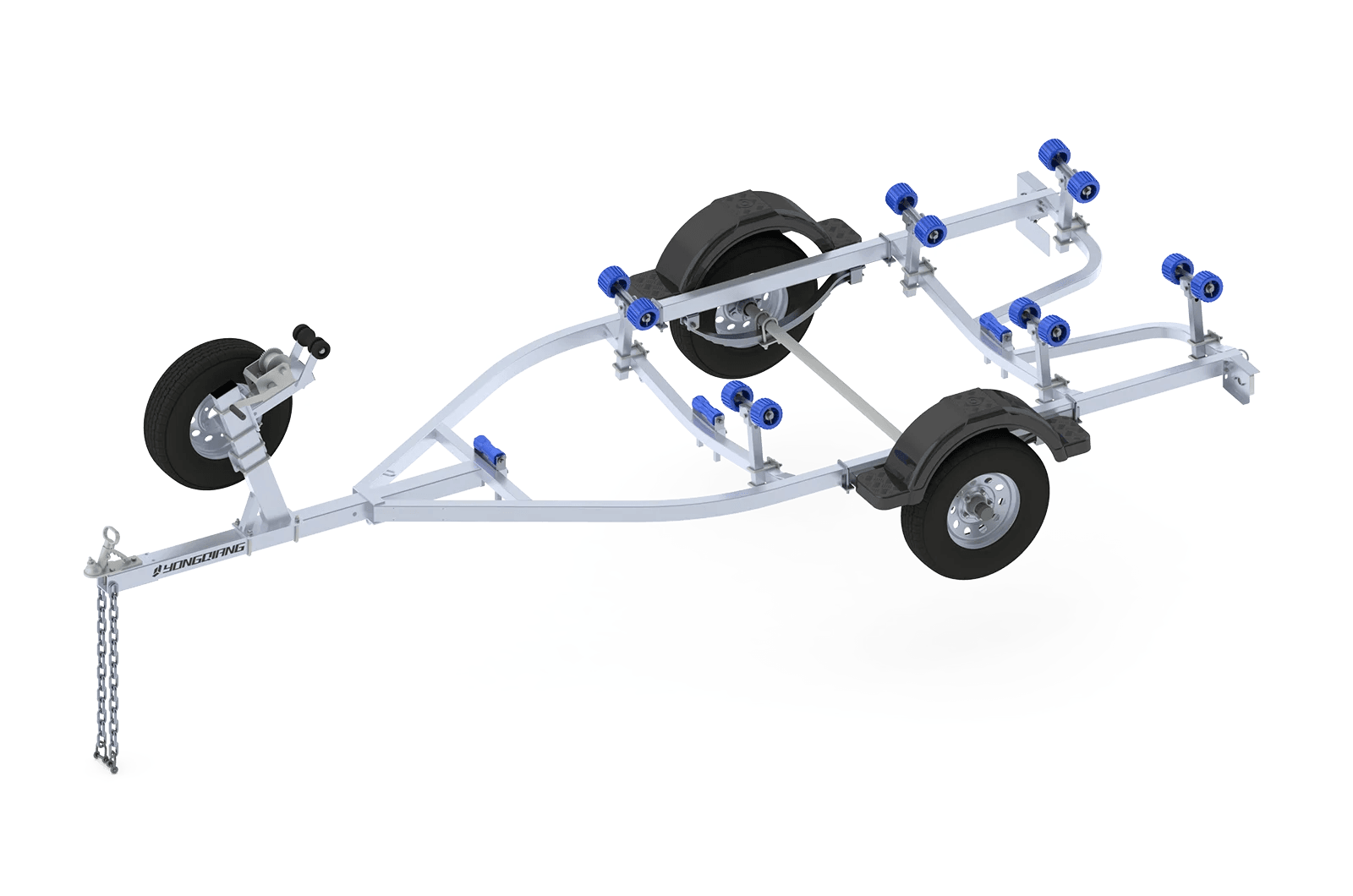
Outdoor activities create different requirements. Equipment used for travel, recreation, or field activities may need a dedicated transport solution.
The same manufacturing category can therefore support a wide range of users.
| Application Area | Possible Trailer Role |
|---|---|
| Construction | Moving tools, materials, and equipment |
| Agriculture | Transporting working equipment and supplies |
| Maintenance | Carrying service tools and related items |
| Outdoor Activities | Moving recreational equipment |
| Commercial Transport | Supporting movement of goods |
| General Utility | Providing additional transport and storage space |
This variety also explains why trailer design cannot be separated from application. The working environment changes, and the product needs to respond to that change.
Can a China Trailer Factory Support Custom Trailer Requirements?
Not every buyer needs a standard trailer. Some businesses have customers with specific storage or transportation requirements. In these cases, customization can become part of the product development process.
Customization may involve the overall shape, internal arrangement, access design, storage areas, or other product features. The exact changes depend on what the trailer needs to do.
For example, a buyer serving equipment users may need a layout designed around a particular type of cargo. A business focused on mobile services may need more attention on tool storage and access.
The purpose of customization is not simply to make a trailer look different. It is about adjusting the product so that its design fits a particular use.
A factory can support this process by discussing the intended application before production. Understanding what the trailer will carry, where it will be used, and how users will interact with it can provide useful direction.
The development process can involve several stages:
Application discussion
The buyer explains how the trailer will be used.
Product planning
The factory considers the overall structure and storage arrangement.
Design adjustment
The product is adapted to the intended application.
Production preparation
The factory organizes the required materials and manufacturing steps.
Assembly and inspection
The trailer is assembled and checked against the planned design.
This type of cooperation can help connect market requirements with manufacturing work.
What Should Buyers Consider When Choosing a China Trailer Factory?
Buyers often focus on the finished trailer, but the factory behind the product can also affect the sourcing process.
One useful consideration is product range. A business that serves several applications may need more than one trailer design. A factory that understands different product structures may be easier to work with in such situations.
Manufacturing flexibility is another consideration. Buyers may want to adjust certain parts of a trailer based on customer requirements. The factory needs to understand how those changes affect the product and production process.
Communication should also be considered. Trailer projects can involve many details, and unclear requirements may create problems during development. A factory that can discuss product use and design requirements clearly can help both sides maintain a shared understanding.
Buyers may also review:
- Trailer application knowledge
- Product design capability
- Manufacturing range
- Customization support
- Assembly process
- Quality inspection practices
- Communication during production
- Packaging and delivery arrangements
These points can help buyers understand whether a factory matches the needs of a particular project.
The relationship is especially relevant for wholesale buyers. A buyer may not be purchasing a single trailer for personal use. Instead, the buyer may need a product range for different customers. In that situation, the factory becomes part of a wider product supply process.
How Does a China Trailer Factory Connect Manufacturing With Changing Applications?
Trailer applications are not always fixed. The same basic trailer concept can be adapted for different users as transportation and storage needs change.
A business may discover that customers need more accessible storage. Another may require a different loading arrangement. A third may want a trailer that combines transportation with mobile work space.
These changes can influence product development.
A China Trailer Factory can respond by working with different designs while maintaining a clear manufacturing process. The connection between application and production allows the factory to develop products around actual use rather than relying on one fixed structure.
This approach can also support a wider product range. Different trailer models may share certain manufacturing knowledge while serving different purposes. One may focus on cargo. Another may support equipment. Another may be organized around tools or mobile work.
The key relationship is between the user's task and the trailer's design. When that relationship is understood clearly, manufacturing becomes a way to turn different transportation needs into practical product forms.
For buyers, this means that a China Trailer Factory can be more than a place where trailers are assembled. It can become part of the product development process, connecting application requirements, design decisions, manufacturing, and final use.
- Trailer
- Utility Trailer
- Dump Trailer
- Boat/Watercraft Trailer
- Aluminum Trailer
- Equipment Trailer
- Box Trailer
- Hydraulic Tipper Trailer
- Boat Trailer
- Specialist Trailer
- Caravan
- Off Road Caravan - Crest 16
- On Road Caravan - Trekker 19
- On Road Caravan - Trekker 22F
- Pop-top Caravan - Pod 15C
- Trailer Parts
- All Parts
- Contact Us
-
- No.888 South Longqian Ave, Bailongqiao Town Jinhua Zhejiang, China
-
+86-579-82217008
+86-579-82221688 -
sales@yqtrailer.com
 High-Quality Trailers & Caravans Manufacturer