
-
North America Models
-
Oceania Models
 English
How Does a China Trailer Factory Ensure Better Production Management
Trailer manufacturing is never really one job — it's dozens of smaller jobs stacked on top of each other, from material prep all the way through final inspection. Every one of those stages leans on the one before it, and any small hiccup in an early step tends to echo through everything downstream. For a china trailer factory , production management isn't just about physically building trailers. It's about organizing people, equipment, materials, and daily operations into something that actually holds together under real-world pressure.
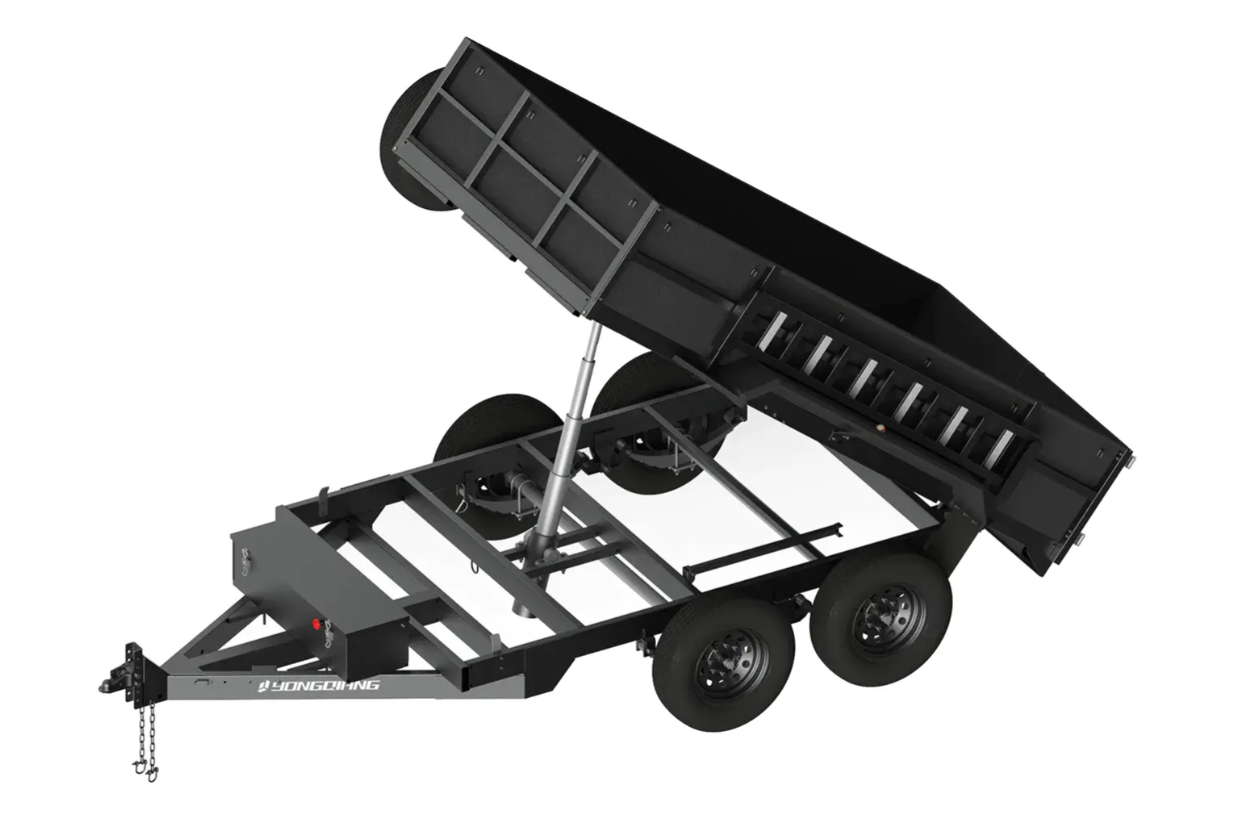
As global demand for different trailer types keeps expanding, manufacturers are paying a lot closer attention to how their production systems are actually run. Buyers have moved past just judging a trailer by how it looks — they want a real sense of how a factory handles its workflow, keeps quality consistent, and responds when requirements shift mid-project.
A well-managed production process is exactly what lets a factory handle a wide range of projects without everything falling apart at the seams. It's what lets teams coordinate tasks, cut out unnecessary delays, and keep the whole manufacturing environment stable even when orders get complicated.
What Challenges Do Trailer Factories Face During Production Management?
Trailer manufacturing runs on a lot of moving parts that all have to sync up. A small delay in one corner of the operation has a way of rippling straight into the next stage without much warning.
Factories generally have to manage:
- Material preparation
- Production scheduling
- Worker coordination
- Quality checks
- Order adjustments
- Packaging and delivery arrangements
Every one of these areas needs real attention. Skip the organization, and problems start showing up fast — materials that don't arrive on schedule, teams that struggle to sync up on handoffs, customer changes that blow up a plan that was already in motion.
A China trailer factory needs a genuinely clear production structure to handle situations like this. Good management is what lets workers actually understand their responsibilities and keeps every stage connected to the ones around it.
The real goal was never just cranking out more volume. It's building a balanced process where every piece of production is actually working with the others instead of against them.
How Does a China Trailer Factory Organize Daily Production Processes?
Daily organization carries a lot of weight in manufacturing. A factory floor has dozens of activities running in parallel at any given moment, and workers need clear instructions plus schedules that actually make sense.
A lot of trailer factories focus on tightening up their workflow through organized production planning — arranging materials before work even starts, prepping the work areas properly, and getting different teams genuinely coordinated with each other.
That kind of structure cuts down on confusion in a real way. Workers know exactly what needs finishing and exactly when each task should move forward to the next stage.
A typical production workflow tends to look something like this:
| Production Stage | Main Activity | Management Focus |
|---|---|---|
| Material Preparation | Organizing required materials | Ensuring smooth production flow |
| Component Assembly | Combining trailer parts | Maintaining task coordination |
| Surface Processing | Preparing product appearance | Supporting consistent results |
| Final Checking | Reviewing completed trailers | Identifying possible issues |
| Packaging Preparation | Arranging shipment process | Protecting finished products |
Organization at this level lets factories respond a lot more easily when order requirements shift from one customer to the next.
Why Is Production Planning Important for Trailer Manufacturing?
Production planning is really what balances customer needs against whatever resources the factory actually has on hand. Skip the planning, and even a genuinely skilled production team ends up fighting problems that never needed to happen in the first place.
Trailer orders vary a lot in practice. Some customers stick with standard designs, others need adjustments built around a specific application. A flexible production plan is what lets a factory absorb that variation without the whole operation losing its footing.
Planning also just gets more out of the resources already on hand. Workers can prep materials and line up tasks before production even starts, which cuts down considerably on interruptions once the line is actually running.
For a China trailer factory, effective planning builds a much smoother connection between what a customer actually asked for and what the factory floor is doing day to day.
It also improves communication across departments in a very direct way. Once everyone's working off the same schedule, cooperation stops being something people have to force.
How Do China Trailer Factories Manage Quality During Production?
Quality management sits at the center of trailer manufacturing, and for good reason — a trailer has to perform reliably across all sorts of working environments, which demands real attention throughout the entire production run, not just at the very end.
A lot of factories run inspections at multiple stages rather than saving all the scrutiny for the finished product. That approach catches problems noticeably earlier, before they've had a chance to compound into something bigger.
Quality management tends to involve:
- Checking incoming materials before they enter production
- Reviewing individual production steps as they happen
- Inspecting assembled parts before moving forward
- Confirming final appearance against expectations
- Reviewing customer requirements against the finished unit
Watching multiple stages this way gives factories genuinely more stable production results overall.
Quality management ties directly into customer trust, too. Buyers want real confidence that a factory can deliver products matching what they were promised, and a clear, visible production process is exactly what builds that confidence over time.
Can Technology Improve Production Management in Trailer Factories?
Technology has reshaped a lot of manufacturing, and trailer production is no exception. Digital tools and modern management methods genuinely support better organization on the floor.
Factories often lean on technology to sharpen communication, track production progress in real time, and manage information a lot more efficiently than manual methods ever allowed.
None of this is about replacing workers. Skilled labor stays absolutely central to manufacturing — technology just gives teams extra support in organizing the tasks already in front of them.
Production teams, for instance, might use digital systems to manage schedules and push updates across departments instantly. That keeps everyone connected without relying purely on verbal handoffs that can get lost along the way.
When information actually flows smoothly, decisions get made with a lot more clarity. That's exactly what lets a factory respond faster the moment production conditions shift.
What Role Do Skilled Workers Play in Factory Management?
Even with organized systems running in the background, people still sit at the center of production. Trailer manufacturing genuinely demands experience, sharp attention, and practical knowledge that no system can fully replace.
Skilled workers understand how materials actually behave, how parts should go together, and — critically — how to handle the unexpected situations that inevitably come up on any real production floor.
A trailer factory typically puts real effort into worker skill-building through training and accumulated daily experience. When employees genuinely understand their roles, production settles into something far more stable.
Good management tends to combine several elements at once:
| Management Element | Contribution to Production |
|---|---|
| Worker Training | Improves task understanding |
| Team Communication | Supports smoother cooperation |
| Experience Sharing | Helps solve practical problems |
| Safety Awareness | Creates better working conditions |
The relationship between workers and the management systems around them shapes the entire production environment, for better or worse.
How Does a China Trailer Factory Handle Customized Orders?
Customization has become a genuinely central part of trailer manufacturing. Different industries need trailers built for very different purposes, and that variety demands production methods flexible enough to keep up.
A factory that's genuinely well-managed can adjust its workflow around whatever a customer actually needs, rather than forcing every order into the same rigid mold.
Customization leans heavily on communication between customers and the factory team. Every detail needs to be nailed down clearly before production even begins.
A well-organized factory tends to manage customization through:
- Clear requirement discussions upfront
- Organized design preparation before production starts
- Flexible production arrangements that can absorb changes
- Careful final checks against the original request
That approach lets manufacturers juggle different projects side by side while still holding onto production efficiency.
Customization doesn't just test raw manufacturing capability, either. It tests communication and management skill just as much, if not more.
Could Better Production Management Improve Customer Experience?
Customer experience ties directly into how a factory actually operates behind the scenes. Buyers are weighing more than just the finished product — they're also judging communication, delivery coordination, and how well problems get handled when they inevitably come up.
A factory running organized production management can offer noticeably clearer updates throughout the manufacturing process.
Better management tends to show up as:
- More predictable production progress
- Faster response times to buyer questions
- Smoother coordination across orders
- Better handling of last-minute changes
For international buyers especially, this kind of communication matters a lot. They need real confidence that their order is being managed properly, even from thousands of miles away with no direct line of sight into the factory floor.
Production management essentially becomes the bridge connecting the factory to the customer on the other end of that distance.
How Do China Trailer Factories Prepare for Changing Market Needs?
The trailer industry keeps shifting. Customer expectations, application requirements, and broader market conditions all shape how a factory ends up operating over time.
A genuinely flexible production system is what lets manufacturers respond to that shifting ground. Instead of locking into one fixed approach, factories can adjust their methods as new situations actually demand it.
That might mean tightening up workflow organization, updating management methods, or building out stronger communication systems across the board.
The ability to adapt has become a genuinely important part of modern manufacturing. A yongqiang trailer factory that keeps its focus on production management ends up building a far more stable foundation for whatever comes next.
Effective management was never built through one single decisive action. It comes from continuous improvement across planning, communication, quality control, and teamwork — and those elements working together are exactly what support a more organized trailer manufacturing process, order after order.
- Trailer
- Utility Trailer
- Dump Trailer
- Boat/Watercraft Trailer
- Aluminum Trailer
- Equipment Trailer
- Box Trailer
- Hydraulic Tipper Trailer
- Boat Trailer
- Specialist Trailer
- Caravan
- Off Road Caravan - Crest 16
- On Road Caravan - Trekker 19
- On Road Caravan - Trekker 22F
- Pop-top Caravan - Pod 15C
- Trailer Parts
- All Parts
- Contact Us
-
- No.888 South Longqian Ave, Bailongqiao Town Jinhua Zhejiang, China
-
+86-579-82217008
+86-579-82221688 -
sales@yqtrailer.com
 High-Quality Trailers & Caravans Manufacturer