
-
North America Models
-
Oceania Models

 English
How Is a Dump Trailer Manufactured for Heavy-Duty Applications
Heavy-duty dump trailers move sand, gravel, soil, demolition debris and other dense materials on construction sites and haul routes. The weight, abrasiveness and unloading behavior of each material influence the design of the body, chassis and lifting system. Before fabrication begins, payload capacity, body volume, overall dimensions, axle arrangement and towing conditions are fixed so that strength, stability and operational needs stay in balance. Dump Trailer Manufacture therefore starts with a clear definition of the intended duty rather than a single standard design applied to every job.
Defining the Performance Requirements of a Heavy-Duty Unit
Construction, aggregate hauling, earthmoving and waste removal each place different demands on the trailer. Dense materials raise the load on the floor and side walls; abrasive loads accelerate wear; free-flowing loads require a tailgate and lift geometry that empty cleanly. Payload rating, body volume, trailer length and width, number of axles and the capacity of the towing vehicle are established at the outset. Matching these figures to the real working conditions keeps the finished trailer within its design limits and avoids over- or under-building the structure.
Choosing Steel for the Body and Load-Bearing Sections
The floor, side panels and main structural members must resist both the static weight of the load and the abrasion that occurs during filling and emptying. Steel thickness, strength grade and surface hardness are selected according to the expected material. Heavier or more abrasive loads call for thicker or more wear-resistant plate; lighter duties allow a balance that keeps the trailer's own weight lower. The chosen combination of strength and thickness determines how long the body remains serviceable under repeated loading cycles.
Designing the Chassis, Axles and Suspension to Carry the Load
The chassis supports the body, the payload and the hydraulic lifting forces. Axle ratings and suspension type are matched to the total weight and to the mix of road and site conditions the trailer will meet. Drawbar or fifth-wheel connections, wheels and braking systems are sized so that the trailer remains stable and controllable when loaded. A chassis that distributes weight evenly and stays within the rated limits of its axles and brakes forms the foundation for safe transport.
Fabricating the Body by Cutting, Forming and Welding
Steel plate is cut to the patterns given in the design drawings and then formed into floor, side and front panels. These panels are assembled with longitudinal and cross members that reinforce the structure against bending and impact. Welding joins the main load paths; the quality and consistency of the welds directly affect the body's ability to carry repeated heavy loads. Dimensional accuracy during assembly ensures that the body sits square on the chassis and that the tailgate and lift points align correctly. Additional stiffeners and support beams are added where the design requires them to handle the specified payload.
Fitting the Hydraulic System That Raises and Lowers the Body
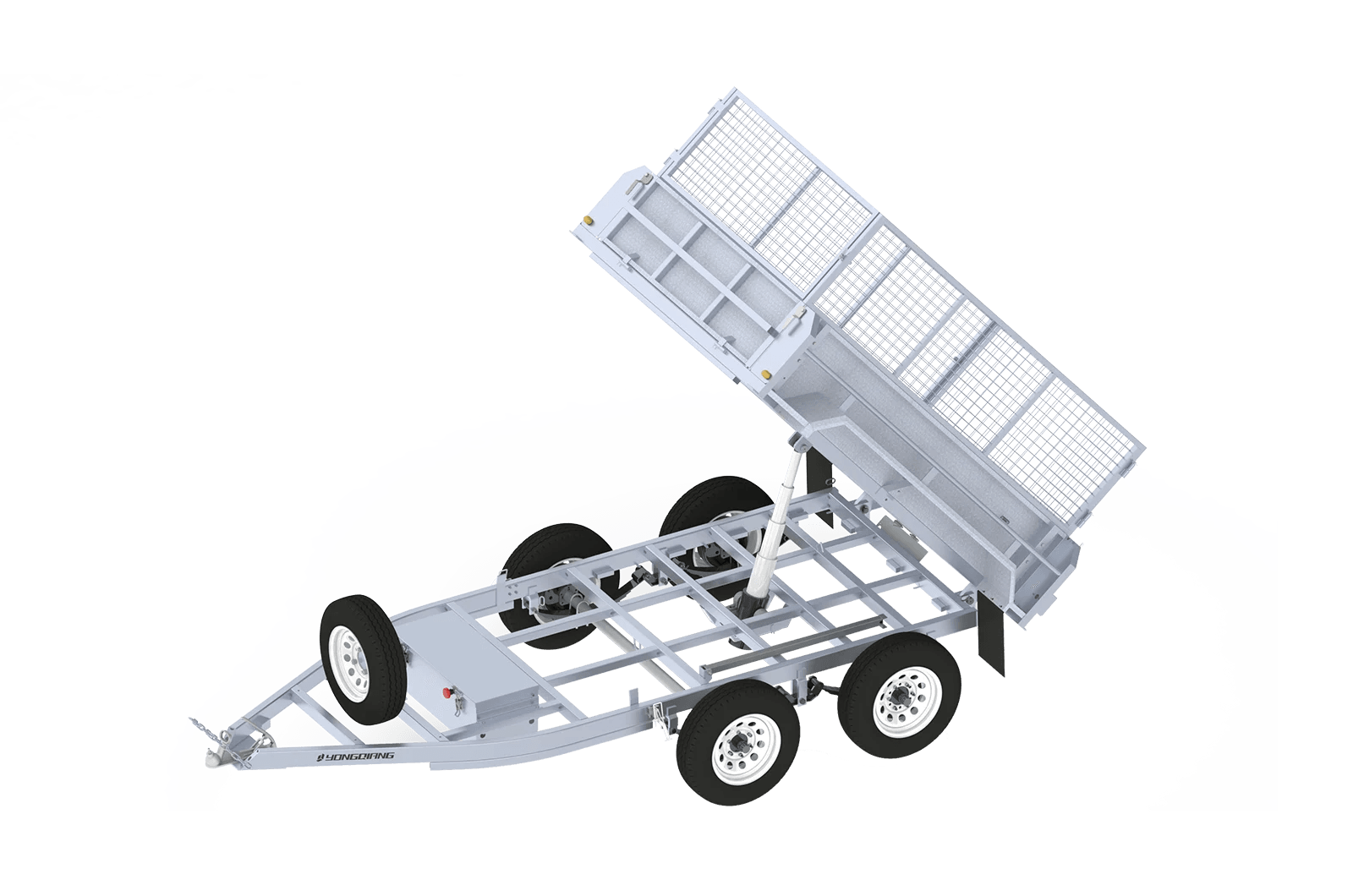
Hydraulic cylinders, pump, reservoir and controls work together to lift the loaded body to the dump angle and to lower it again under control. Cylinder capacity and stroke are matched to the weight of the body plus the maximum payload and to the geometry of the lift. Mounting points, pivot pins and hose routing are arranged so that the system operates smoothly through its full range. After assembly the circuit is checked for leaks and the lift-and-lower cycle is tested to confirm that the body rises and returns without binding or excessive speed.
Adding Features That Adapt the Trailer to Specific Duties
Body Layout Matched to the Material
Volume, side height and floor construction are chosen according to the density and flow characteristics of the material that will be carried. Higher sides suit lighter bulk loads; reinforced floors suit abrasive or impact-heavy materials.
Tailgate Arrangement Suited to Unloading Method
The tailgate may be hinged, barn-door style or otherwise configured so that the load exits cleanly when the body is raised. The choice depends on whether the material is free-flowing or tends to stick.
Axle and Brake Packages Scaled to Total Weight
The number of axles, their individual ratings and the brake system are selected to keep the trailer within legal and operational limits for the roads and sites it will use.
Tires Chosen for Load and Surface Conditions
Tire size and load rating match the axle capacity and the mix of paved roads and rough site surfaces expected in service.
Protective Coatings Applied for the Working Environment
Surface preparation and coating systems are selected according to the degree of corrosion exposure and the need for abrasion resistance on the body interior.
Inspecting the Completed Trailer Before It Leaves the Plant
Body and chassis dimensions are verified against the design. Welds at critical load points are examined according to the inspection plan. The hydraulic system is checked for secure connections, absence of leaks and correct lift-and-lower function. Axles, wheels, brakes and towing connections are confirmed to be correctly installed and adjusted. Functional tests and final visual inspection complete the process before the trailer is released.
How a Properly Built Trailer Supports Daily Heavy-Duty Work
A body and chassis designed for the intended payload keep the trailer stable under load and during transport. The hydraulic lift allows the material to be discharged at the point of use without additional handling equipment. Body geometry matched to the material improves the speed and completeness of unloading. Correct component selection and regular maintenance extend the interval between major repairs. The same trailer can therefore serve construction sites, aggregate yards and landscaping projects when its configuration matches the work.
Selecting a Trailer Configuration That Fits the Actual Hauling Task
Payload rating, body dimensions, chassis and axle arrangement, hydraulic capacity and braking performance must all be confirmed against the material, the site conditions and the towing vehicle. Supplying the manufacturer with a clear description of the duty cycle and the required capacities allows the configuration to be matched rather than guessed. Available body styles, axle packages and hydraulic options can then be reviewed to arrive at a trailer that meets the operational need.
Overview of Manufacturing Stages and Their Contribution to Durability
| Manufacturing Stage | Main Focus | Contribution to Heavy-Duty Performance |
|---|---|---|
| Requirement definition | Payload, volume, dimensions, axle and tow capacity | Ensures the design matches the real working load |
| Material selection | Steel strength, thickness and wear resistance | Resists abrasion and structural overload |
| Chassis and running gear design | Frame, axles, suspension, brakes, towing connection | Distributes weight and maintains control |
| Body fabrication | Cutting, forming, welding, reinforcement | Creates a rigid, dimensionally accurate container |
| Hydraulic system installation | Cylinders, pump, controls, leak and function tests | Enables controlled raising and lowering of the body |
| Final inspection | Dimensions, welds, hydraulics, running gear | Confirms the trailer is ready for service |
Matching Trailer Construction to the Demands of Heavy Material Transport
Payload capacity, body strength, chassis integrity, hydraulic reliability and component suitability together determine how well a dump trailer performs under continuous heavy use. Clear definition of the material and the operating environment at the design stage allows each of these elements to be sized correctly. YONGQIANG produces dump trailers for construction, aggregate and earth-moving applications. Review of available body configurations, chassis options and hydraulic packages against the required payload, material type and site conditions allows selection of a trailer suited to reliable heavy-duty material transport.
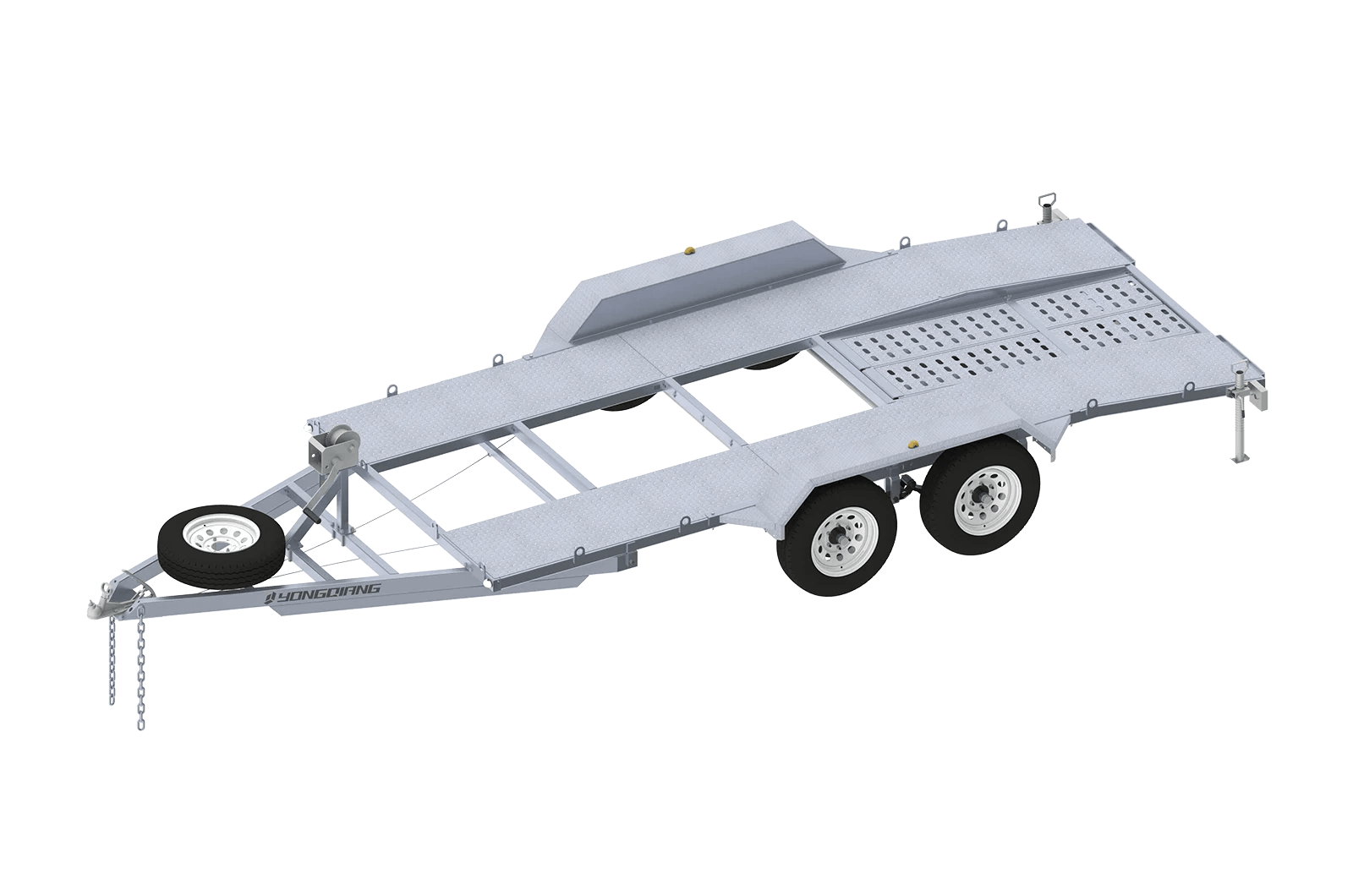
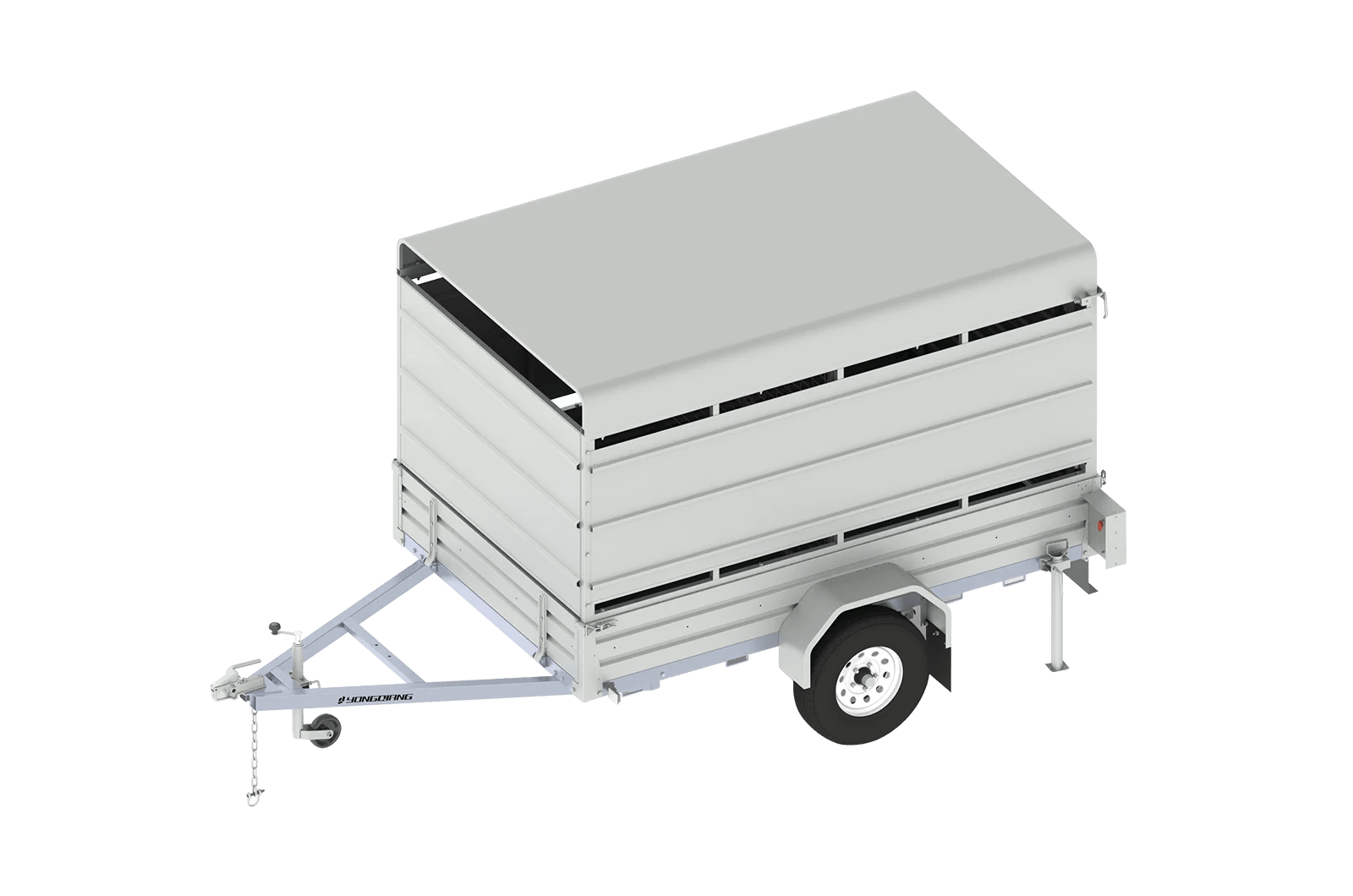
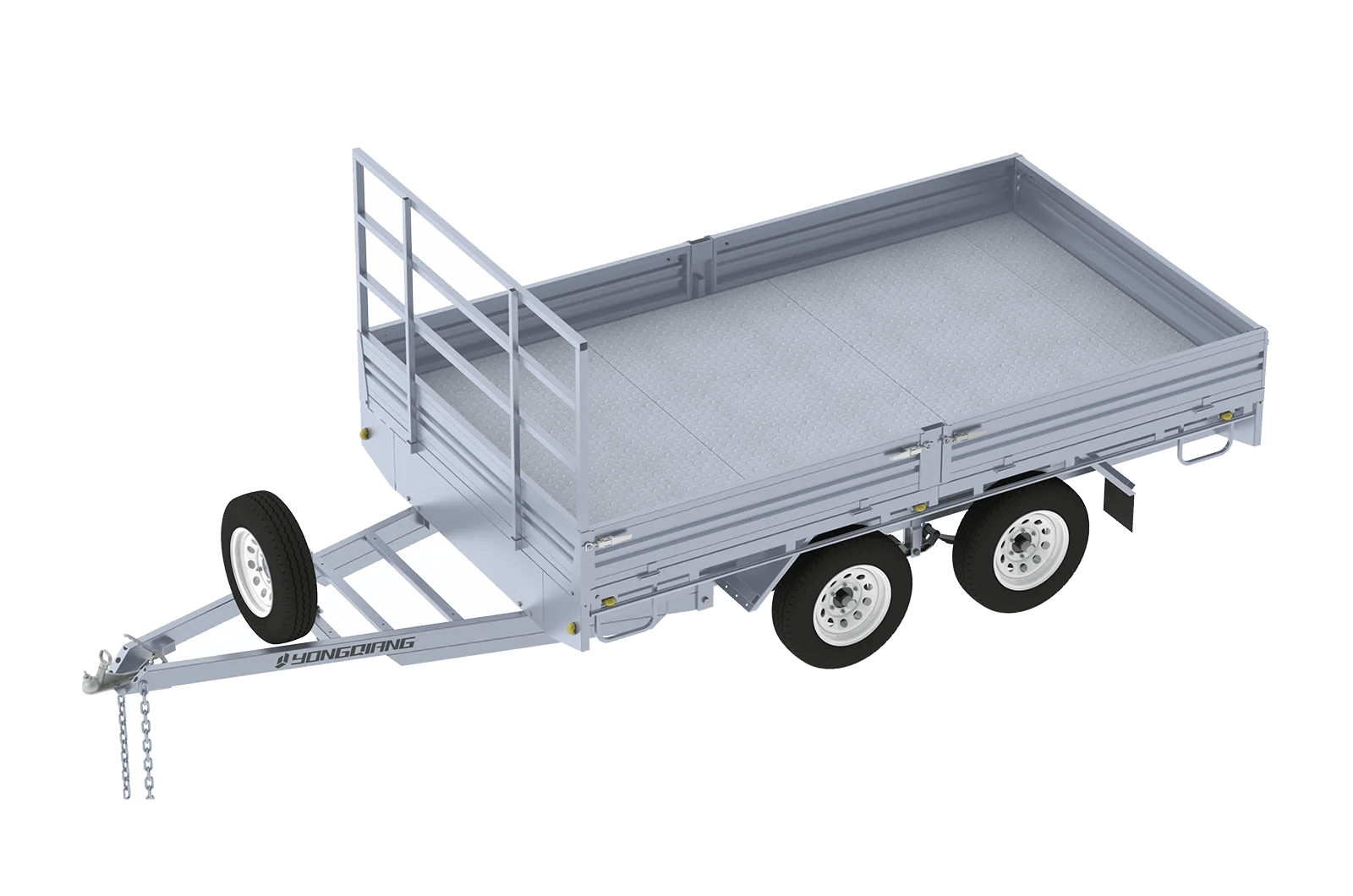
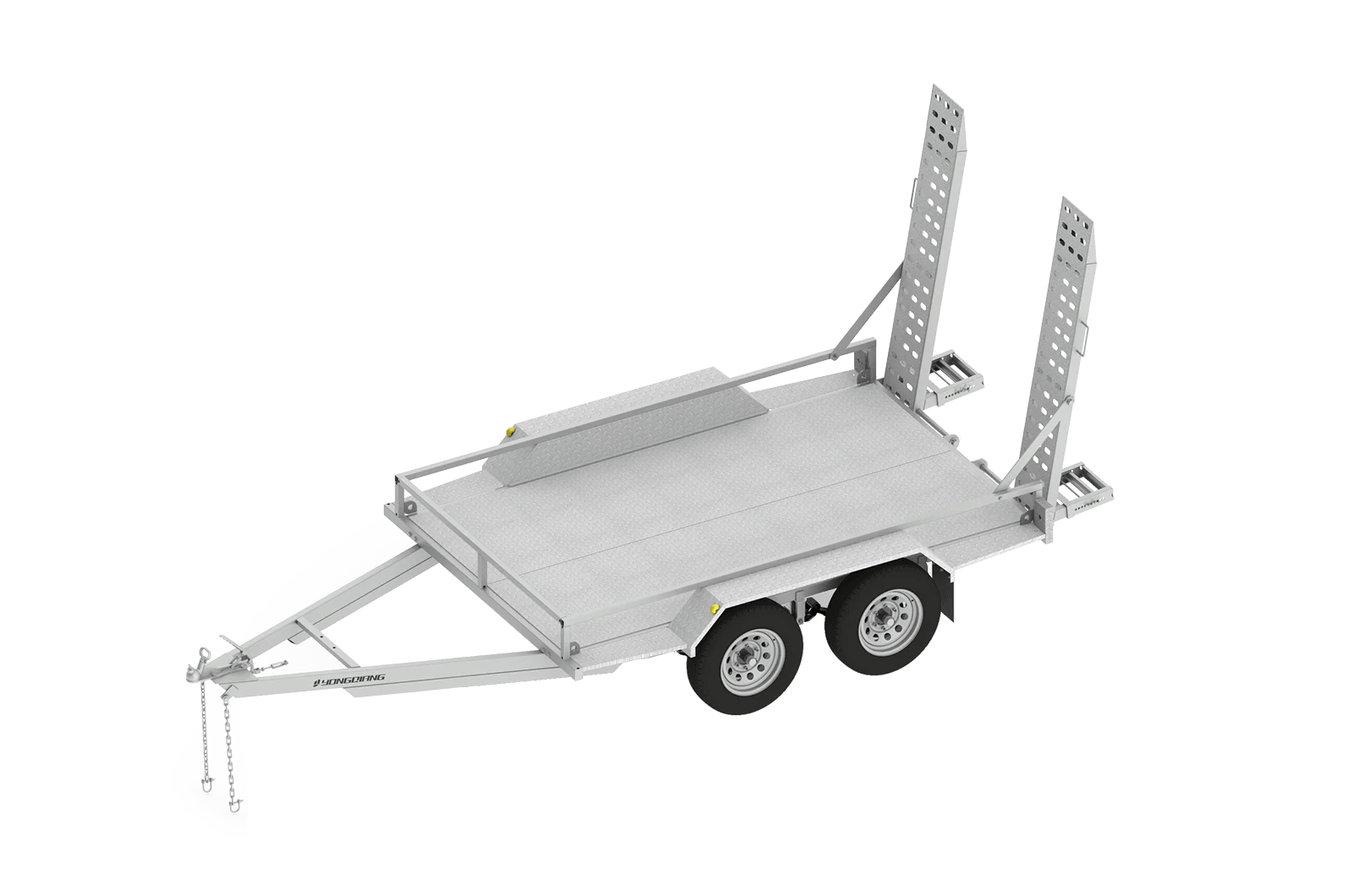
- Trailer
- Utility Trailer
- Dump Trailer
- Boat/Watercraft Trailer
- Aluminum Trailer
- Equipment Trailer
- Box Trailer
- Hydraulic Tipper Trailer
- Boat Trailer
- Specialist Trailer
- Caravan
- Off Road Caravan - Crest 16
- On Road Caravan - Trekker 19
- On Road Caravan - Trekker 22F
- Pop-top Caravan - Pod 15C
- Trailer Parts
- All Parts
- Contact Us
-
- No.888 South Longqian Ave, Bailongqiao Town Jinhua Zhejiang, China
-
+86-579-82217008
+86-579-82221688 -
sales@yqtrailer.com
 High-Quality Trailers & Caravans Manufacturer