
-
North America Models
-
Oceania Models

 English
Is Smaller Always Better When Choosing Mini Utility Trailers for Sale
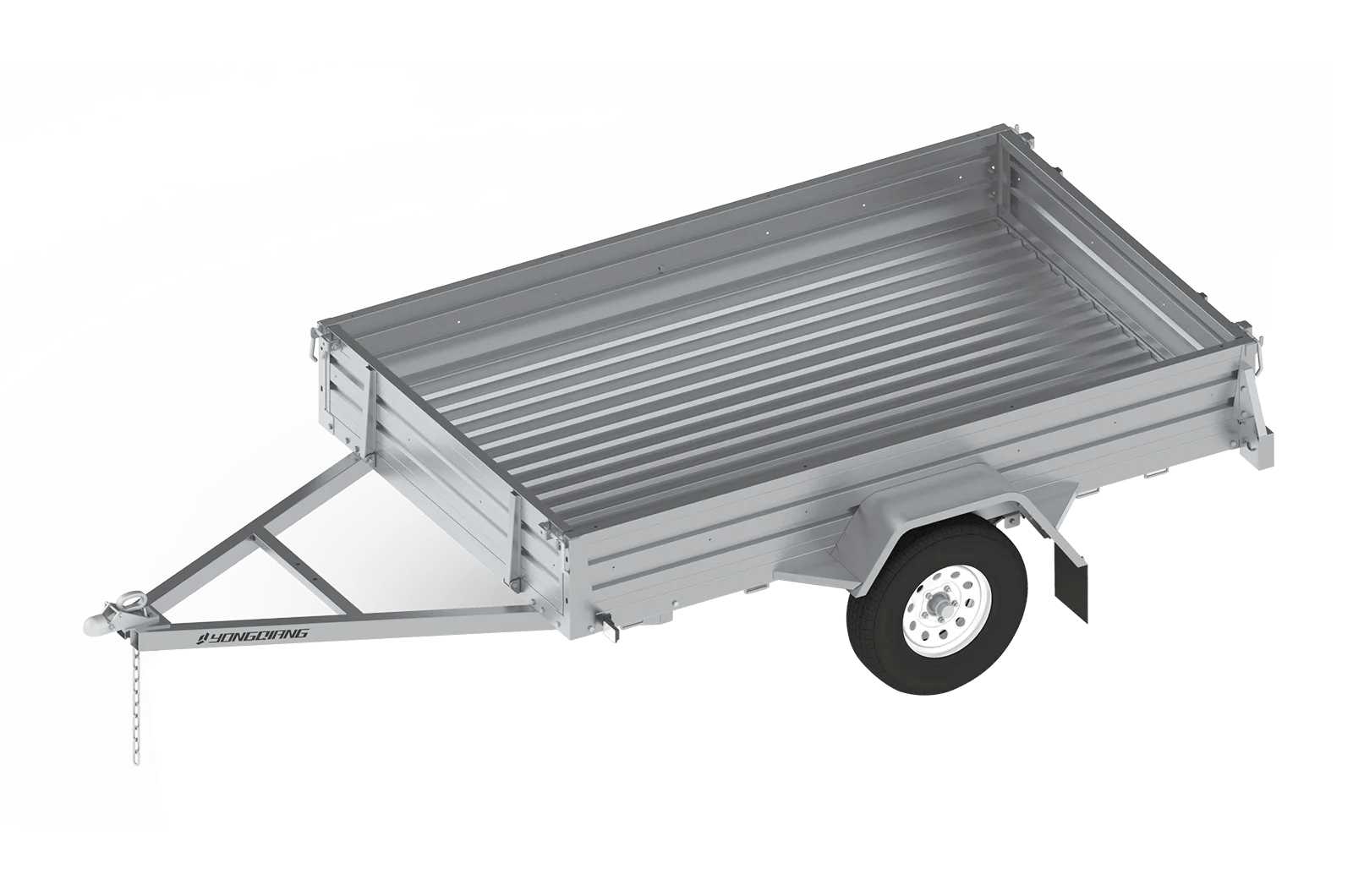
The market for compact transport equipment is drawing attention from people who do not need a large trailer for everyday tasks. Mini utility trailers for sale can look appealing because they take up less space and are easier to think about for smaller jobs. They may fit into a home garage, a narrow storage area, or a vehicle setup where a larger trailer would feel unnecessary.
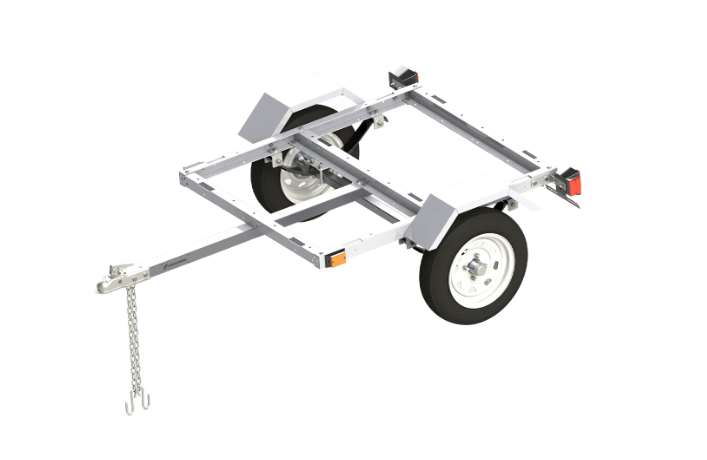
But there is an important question behind the growing interest in smaller trailers.
Is smaller always better?
The answer depends on what the trailer is expected to do. A compact trailer can be practical for one user and limiting for another. Choosing a trailer is not simply about finding the smallest available option. It is about matching the trailer with the work, the vehicle, the storage area, and the way it will be used.
This shift in thinking is becoming more relevant as buyers look for flexible equipment instead of large equipment that may spend much of its time unused.
Why Are Mini Utility Trailers for Sale Attracting Attention?
A utility trailer is designed around a simple idea. It gives users another way to move items that may not fit comfortably inside a vehicle.
The mini version takes that idea into a smaller space.
For homeowners, small contractors, gardeners, outdoor enthusiasts, and people working on occasional projects, a large trailer may feel excessive. A compact trailer can be easier to store and easier to bring into a smaller property.
This can make a difference in everyday use.
Consider a homeowner who wants to move garden materials, tools, furniture, or project supplies. The transportation need may be real, but it may not justify keeping a large trailer on the property.
A smaller trailer can offer a middle ground.
It provides additional carrying space without making the trailer itself a major part of the user's daily environment.
There is also a lifestyle factor. Many buyers do not use trailers every day. They may need one during home improvement work, seasonal yard projects, outdoor activities, or occasional moving tasks. For these users, a compact option can make more sense than equipment designed around heavier or larger loads.
The appeal is therefore not only about physical size. It is also about how much equipment a person actually wants to manage.
Does a Smaller Trailer Always Make Transportation Easier?
A smaller trailer can be easier to handle in some situations, but size alone does not determine convenience.
A compact trailer may be easier to position in a driveway. It can also require less storage space. Moving it around a property may feel more manageable when the working area is tight.
These advantages become noticeable when the trailer is used around homes or small work areas.
However, transportation involves more than maneuvering the trailer.
The user also needs to think about what will be carried. A trailer that is easy to store but cannot comfortably accommodate the intended load may create more work rather than less.
For example, imagine someone regularly moving long garden materials. A smaller trailer may look attractive when parked, but the limited bed area could make loading awkward. The user might need to make several trips or arrange the load in a less convenient way.
That changes the meaning of convenience.
A trailer should make the overall task easier, not simply make the trailer itself easier to store.
This is why buyers are increasingly looking beyond the word "mini." The useful question is not whether the trailer is small. The useful question is whether its size matches the job.
What Types of Jobs Are Better Suited to Mini Utility Trailers?
Mini utility trailers can make sense for a wide range of light and occasional transport tasks.
Their compact format can work particularly well when the items being moved are manageable in size and the number of loads is limited.
Common applications can include:
- Garden and yard projects
- Home improvement supplies
- Outdoor equipment
- Small furniture moves
- Tools and work materials
- Recreational equipment
- Household cleanup
- Local property maintenance
The trailer can also be useful for people who need flexibility rather than constant heavy hauling.
A homeowner may use it during a weekend project and then store it away. A small business may use it for occasional transportation between nearby locations. Someone with outdoor hobbies may need extra space for equipment without wanting a large trailer taking up room all year.
This is where the mini utility trailer can find its place.
It is not necessarily intended to replace every type of trailer. Instead, it serves situations where a smaller transport platform can provide enough room without creating unnecessary bulk.
The distinction matters because buying equipment based only on a general idea of "more capacity" can lead to a poor fit.
More space is useful only when that space is needed.
Could a Larger Trailer Actually Be More Practical?
There are situations where a larger trailer may make more sense.
A user who regularly carries bulky items may quickly find a small trailer restrictive. Repeated trips can take more time. Loading and unloading may also become less convenient when items need to be arranged carefully to fit within a limited area.
This is especially important for people whose transportation needs change from one project to another.
One week may involve small garden supplies. Another project may involve larger furniture or several pieces of equipment. A trailer chosen around the smaller job may not provide enough flexibility for the larger one.
This creates an interesting balance.
| Smaller Trailer Considerations | Larger Trailer Considerations |
|---|---|
| Easier to store in limited spaces | More room for larger loads |
| Suitable for occasional small projects | Useful for broader transport needs |
| Can fit naturally into compact work areas | May reduce the need for repeated trips |
| Easier to keep available for everyday tasks | Can offer more flexibility for changing loads |
| May suit users with limited storage space | May suit users with frequent hauling needs |
Neither side automatically wins.
The right choice depends on how often the trailer will be used and what the user expects from it.
A buyer who chooses a small trailer because it looks convenient may later discover that the limited space changes the way every project is handled. A buyer who chooses a large trailer may discover that most of the available space is rarely used.
The better decision comes from understanding the pattern of use.
How Should Buyers Think About Vehicle Compatibility?
The trailer and the vehicle should be considered as one system.
A trailer may look suitable on its own, but the vehicle used to tow it also matters. Buyers should check the vehicle manufacturer's guidance and the trailer's applicable requirements before making a decision.
This includes considering the vehicle's towing capability, hitch arrangement, braking requirements, and other relevant conditions.
The important point is that "small trailer" does not automatically mean "suitable for every vehicle."
Vehicle compatibility should be checked rather than assumed.
The same principle applies to the type of driving involved. A trailer used for occasional local trips may face different practical conditions from one used frequently across different roads.
The relationship between vehicle and trailer can also affect how comfortable the overall setup feels. A well-matched combination can make loading, connecting, parking, and storing the equipment easier to manage.
This is another reason why the smallest option is not necessarily the simplest choice.
A trailer should fit the vehicle as carefully as it fits the intended load.
Is Storage Space More Important Than Load Space?
Storage is an often-overlooked part of trailer ownership.
People may spend considerable time thinking about what they want to carry but less time thinking about where the trailer will stay between uses.
For users with limited property space, this can become a major consideration.
A mini utility trailer can fit into areas where a larger trailer would be difficult to store. It may be easier to position beside a home, inside a suitable storage area, or within a compact work environment.
That convenience can influence purchasing decisions.
But storage should not completely control the choice.
If the trailer is stored easily but regularly struggles with the work it is expected to perform, the convenience may disappear during actual use.
A practical approach is to think about both sides.
Ask where the trailer will be stored. Then ask what will normally be placed inside it.
The two answers should work together.
For occasional users, storage may carry more weight in the decision. For frequent users, the ability to handle regular tasks may become more important.
When Can a Mini Utility Trailer Become Too Small?
The word "mini" can create a psychological trap.
Smaller sounds efficient. Smaller sounds easier. Smaller may even sound like a safer purchase because it takes up less room.
But a trailer can become too small when its limitations begin affecting everyday tasks.
Several signs may point in this direction.
The same project requires repeated trips.
A trailer that cannot carry enough for a typical job may increase travel time and handling work.
Items are difficult to arrange.
Limited bed space can make ordinary objects harder to load.
Future projects are being ignored during the purchase decision.
Buying only for today's smallest task may leave little flexibility later.
The trailer is frequently used for purposes outside its original plan.
A user may discover new applications after purchasing it. A trailer that seemed sufficient at the beginning may feel restrictive as its role grows.
The vehicle has more practical capability than the trailer can use.
In some situations, the trailer itself becomes the limiting part of the setup.
These situations do not mean that mini utility trailers are unsuitable. They simply show why the word "mini" should not be treated as a purchasing goal by itself.
What Should Buyers Look At Beyond Size?
Size is easy to compare. Practical usability requires a wider view.
The shape of the trailer matters. The arrangement of the bed can affect how items are placed and removed. Access to the load area can also influence everyday convenience.
Construction and maintenance should receive attention as well. Buyers should consider how the trailer is expected to be maintained and whether routine checks are easy to perform.
Storage features can matter for some users. Others may care more about how quickly the trailer can be connected and prepared for a job.
The type of cargo is another major factor.
Loose garden material has different handling needs from boxed household goods. Long items can create different challenges from compact equipment. A trailer intended for one type of work may not be equally convenient for another.
A useful buying checklist can therefore include:
- What will usually be transported?
- How often will the trailer be used?
- Where will it be stored?
- What vehicle will tow it?
- How easy is the load area to access?
- Could future projects require more space?
- How much maintenance will the trailer need?
- Does the overall setup fit the user's normal routine?
These questions can produce a more useful answer than simply asking which trailer is smaller.
Could the Right Trailer Be About Balance Rather Than Size?
The discussion around mini utility trailers for sale reflects a broader change in how people think about equipment.
Buyers are not always looking for more. They may be looking for enough.
That distinction is important.
A trailer that is too large can take up valuable storage space and may be inconvenient for occasional tasks. A trailer that is too small can create extra trips and restrict the kinds of projects a user can handle.
Between these two situations is a practical middle ground.
The ideal size for one user may be unnecessary for another. A homeowner with limited storage space may value compactness. A small business handling different materials may need more flexibility. An outdoor enthusiast may care about the shape of the loading area. Someone who uses a trailer only occasionally may prioritize easy storage.
The purchasing decision therefore becomes less about finding the smallest trailer and more about finding a trailer that fits the user's actual routine.
This perspective also changes how manufacturers and sellers present mini utility trailers for sale. Instead of focusing only on physical dimensions, the conversation can move toward use cases, storage needs, vehicle compatibility, loading habits, and the types of work customers want to complete.
That makes the product easier to evaluate in real-life terms.
A mini utility trailer can be a practical choice when compactness supports the way it will be used. It can be a less suitable choice when small size becomes a restriction. The difference is determined not by the label on the trailer, but by the relationship between the equipment, the vehicle, the workspace, and the work ahead.
- Trailer
- Utility Trailer
- Dump Trailer
- Boat/Watercraft Trailer
- Aluminum Trailer
- Equipment Trailer
- Box Trailer
- Hydraulic Tipper Trailer
- Boat Trailer
- Specialist Trailer
- Caravan
- Off Road Caravan - Crest 16
- On Road Caravan - Trekker 19
- On Road Caravan - Trekker 22F
- Pop-top Caravan - Pod 15C
- Trailer Parts
- All Parts
- Contact Us
-
- No.888 South Longqian Ave, Bailongqiao Town Jinhua Zhejiang, China
-
+86-579-82217008
+86-579-82221688 -
sales@yqtrailer.com
 High-Quality Trailers & Caravans Manufacturer