
-
North America Models
-
Oceania Models

 English
Steel vs. Aluminum Trailers
Choosing between steel and aluminum trailers boils down to strength, weight, cost, and upkeep. Steel has ruled heavy-duty hauling for decades; aluminum wins fans with lightness and rust resistance. Here’s a concise breakdown to guide your decision.
Material & Strength
Steel delivers raw power—50,000–100,000 psi tensile strength—and shrugs off dents and scrapes on job sites. Aluminum (35,000–45,000 psi) dents easier but resists fatigue and uses I-beam frames to handle heavy loads.
Weight & Payload
A 16-ft steel trailer weighs 1,500–3,000 lbs empty; aluminum cuts that to 800–1,800 lbs. That 20–30% savings means more cargo, less strain on your truck, and better mpg.
Durability & Maintenance
Steel rusts fast in salt or humidity—needs paint, galvanizing, and annual checks. Rust can kill a frame in 5–10 years. Aluminum self-protects with an oxide layer; just wash it. It lasts 20–30+ years with near-zero upkeep.
Cost
Steel starts 20–40%, but repairs and repaints add $500–$2,000 over a decade. Aluminum pays off long-term, especially in wet climates.
Towing & Resale
Aluminum eases wear on brakes and transmission; fuel savings add up fast. It also resells stronger—60–70% of value after 5 years vs. steel’s 40–50%.
Best For
- Steel: Budget buys, brutal loads (scrap, rocks), dry regions, custom welds.
- Aluminum: Lighter trucks, salt roads, boats/RVs, long hauls, low-hassle ownership.
Bottom line: Steel for short-term muscle on a budget. Aluminum for efficiency, longevity, and peace of mind. Match it to your tow rig, roads, and timeline.
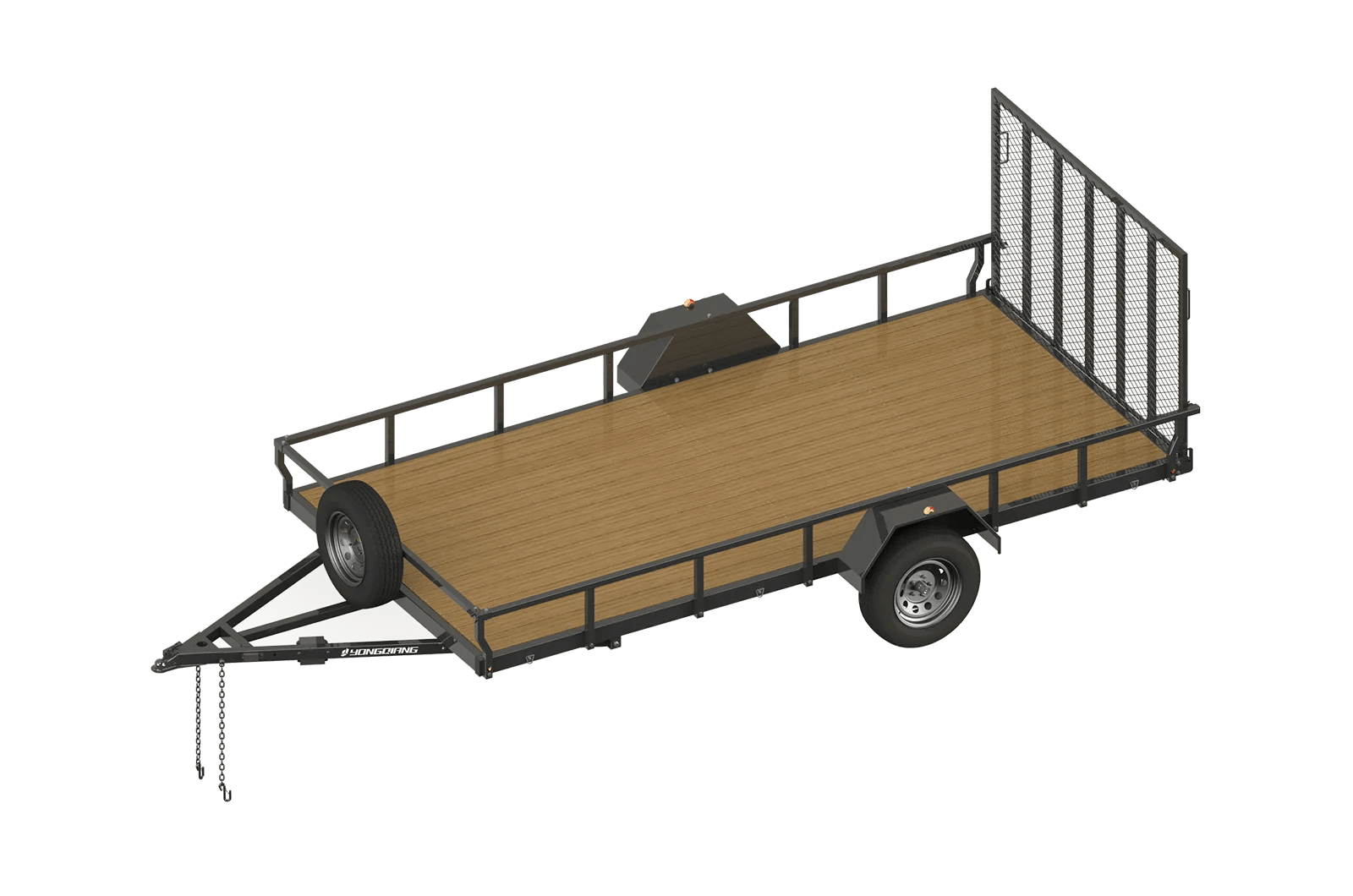
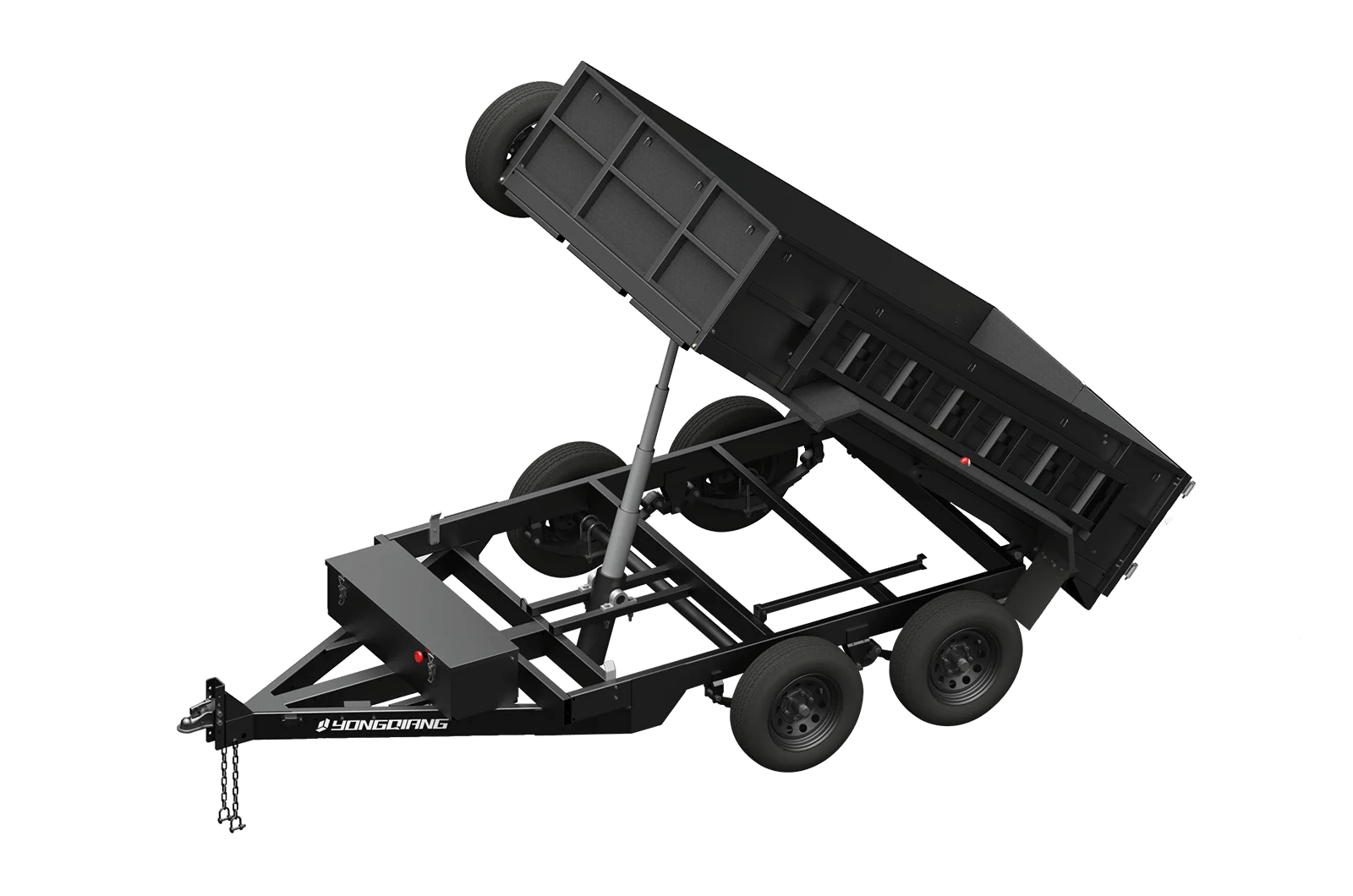
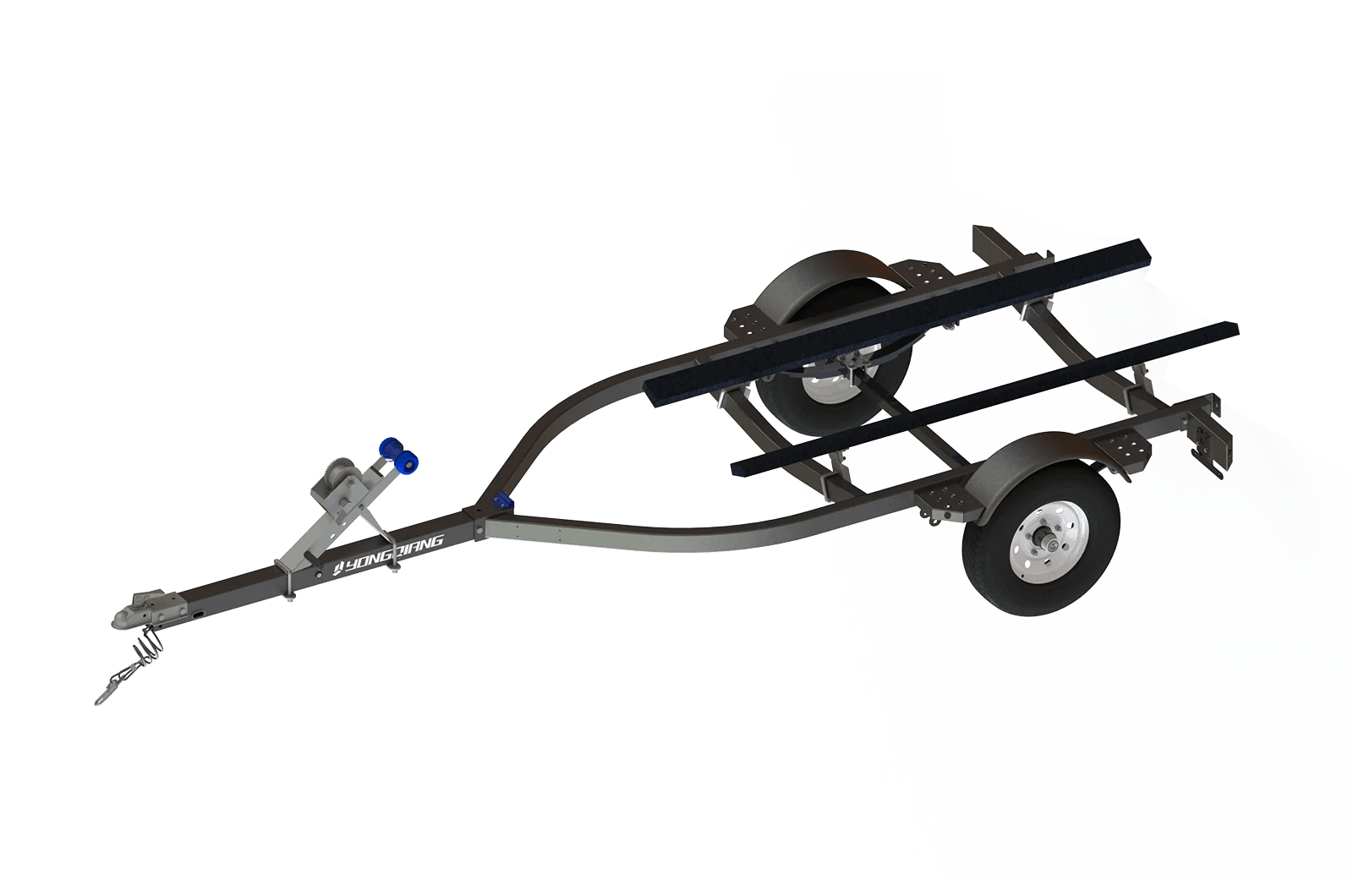
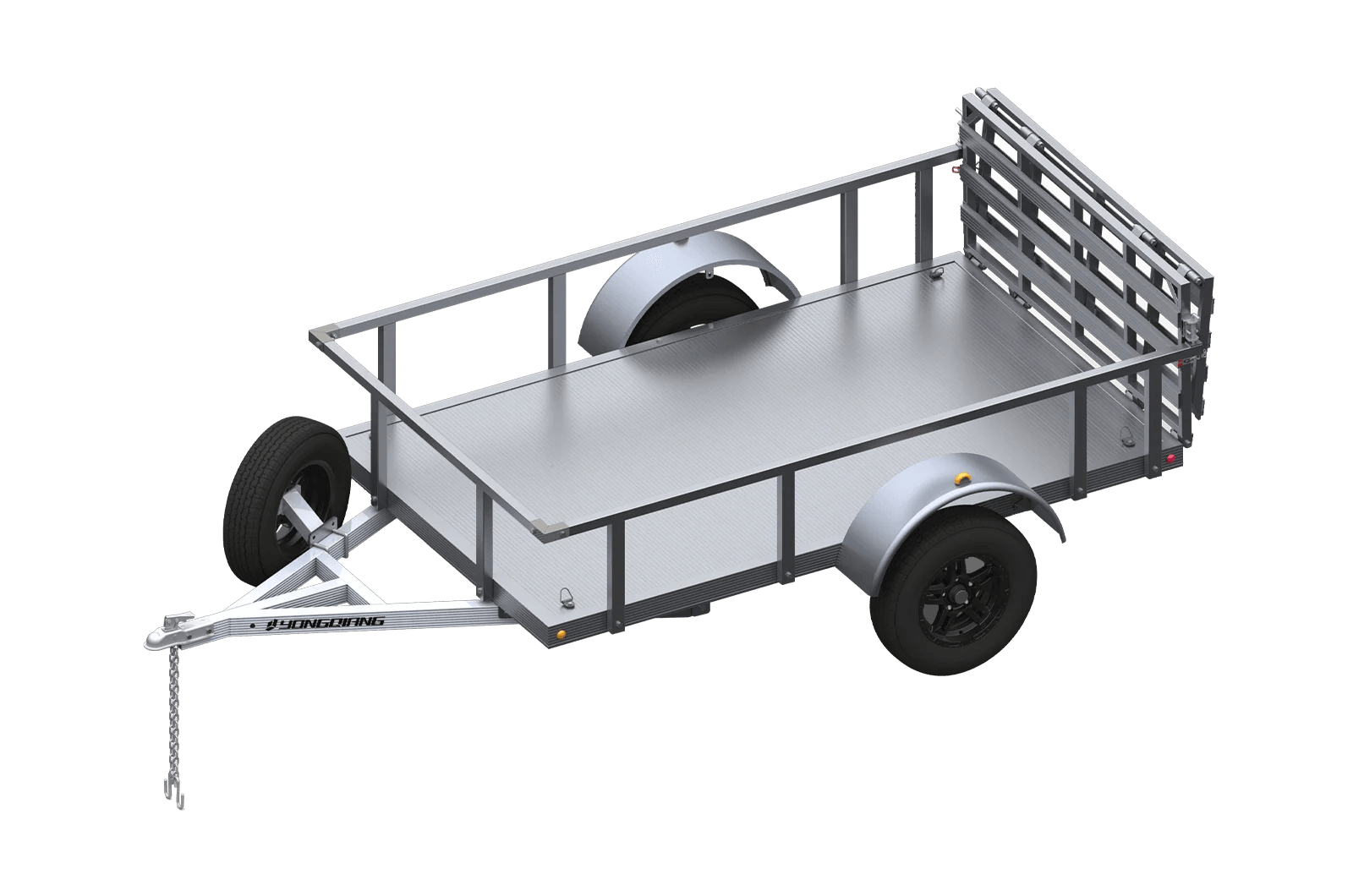
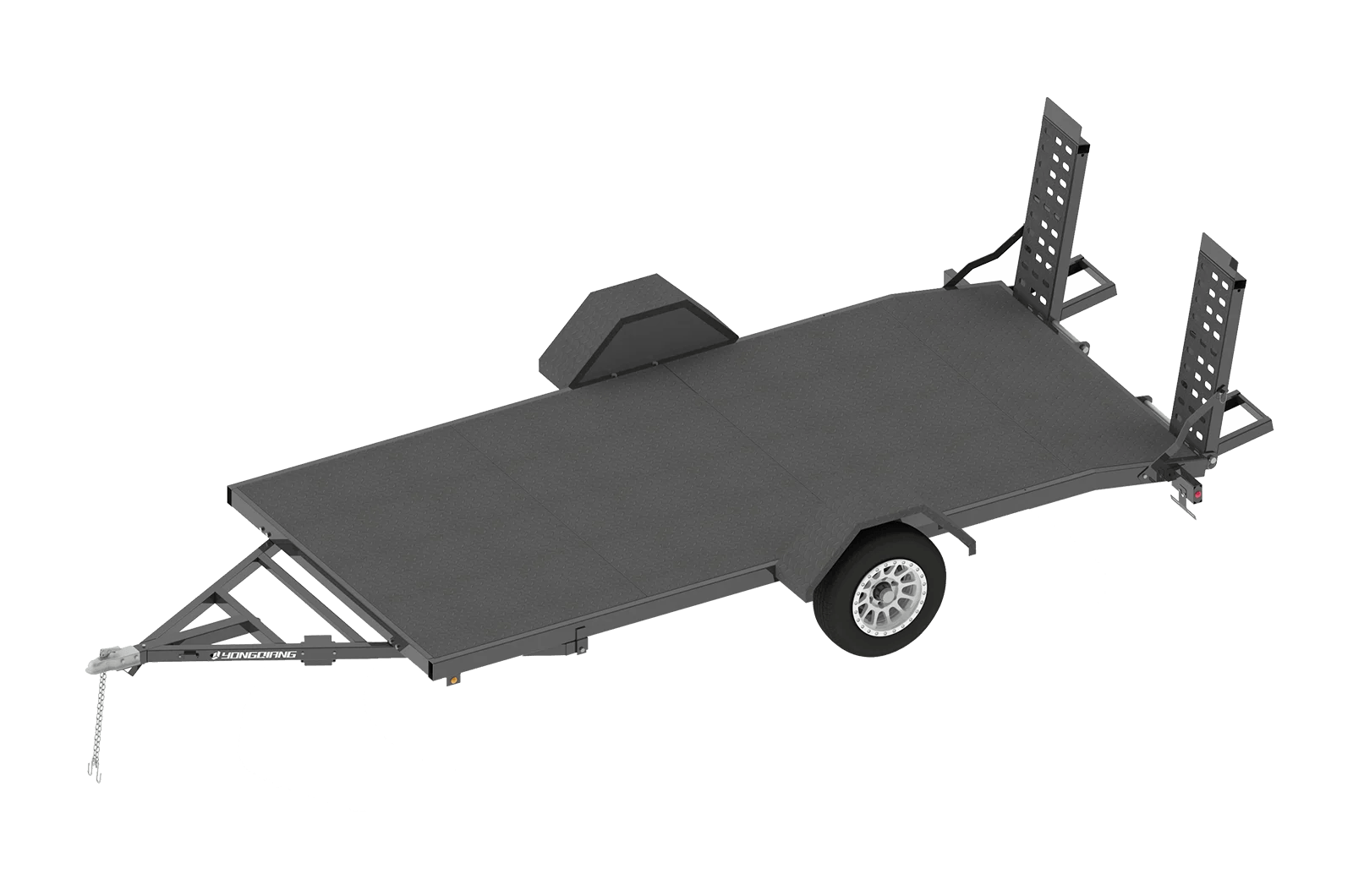
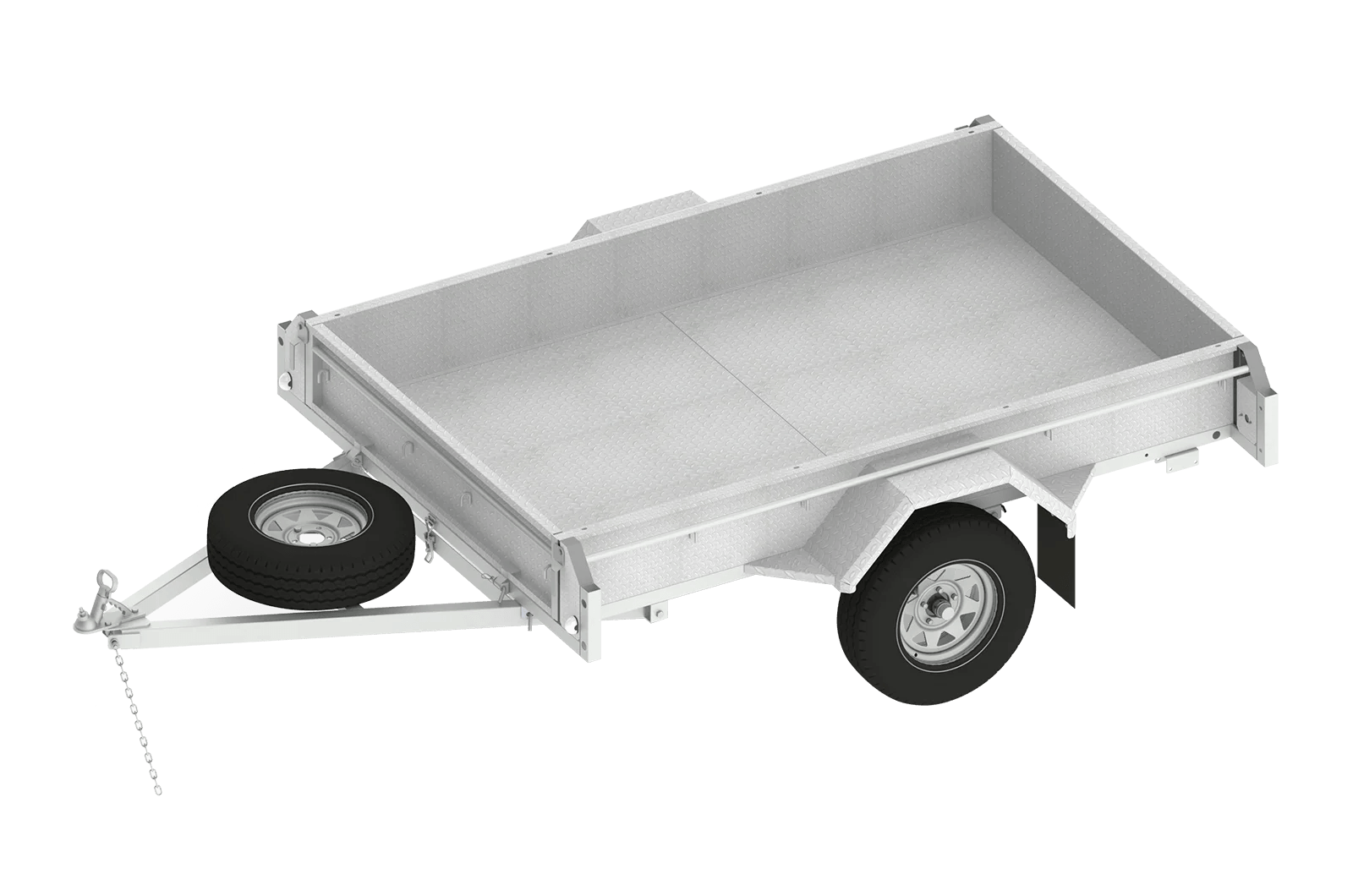
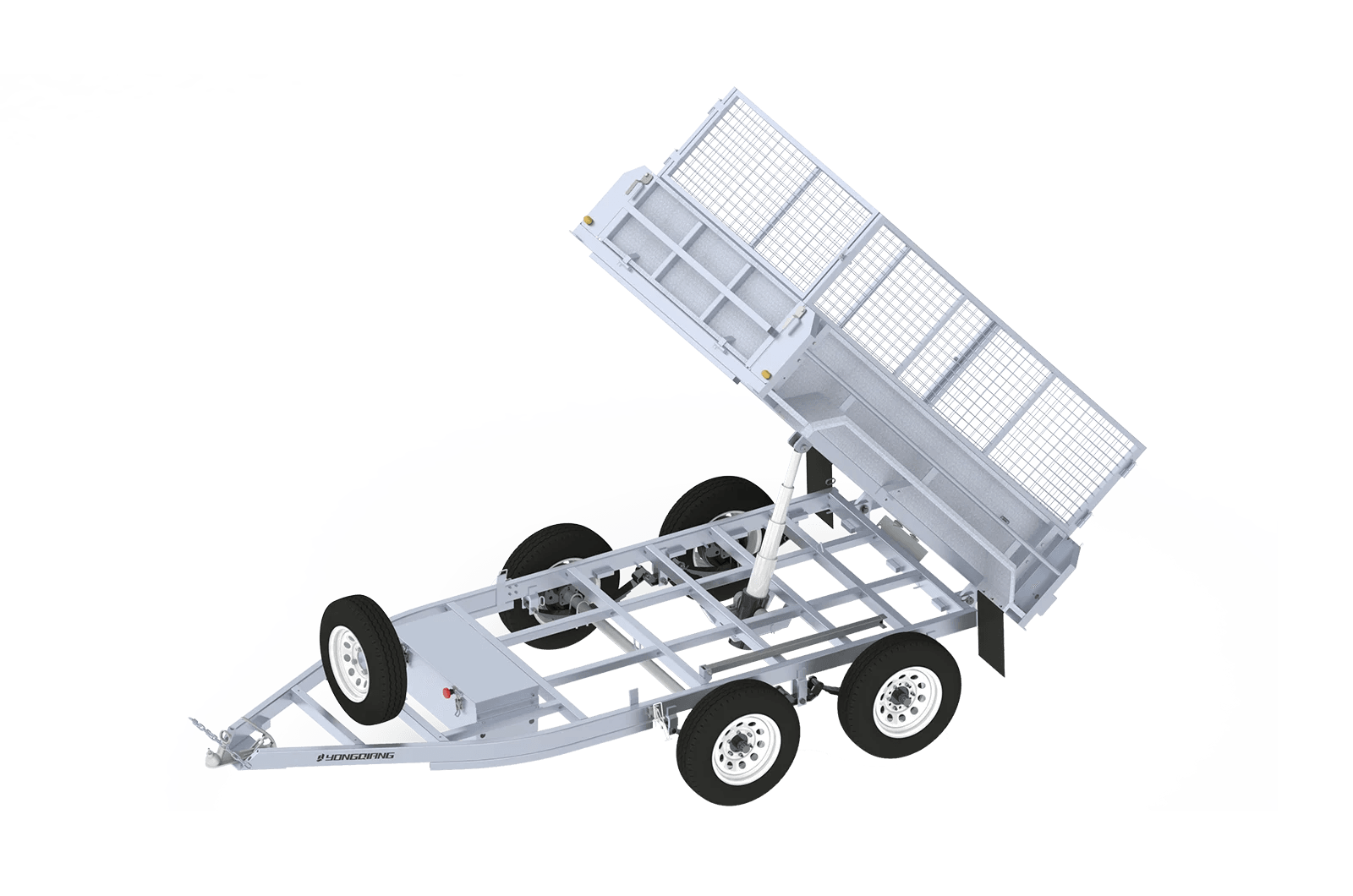
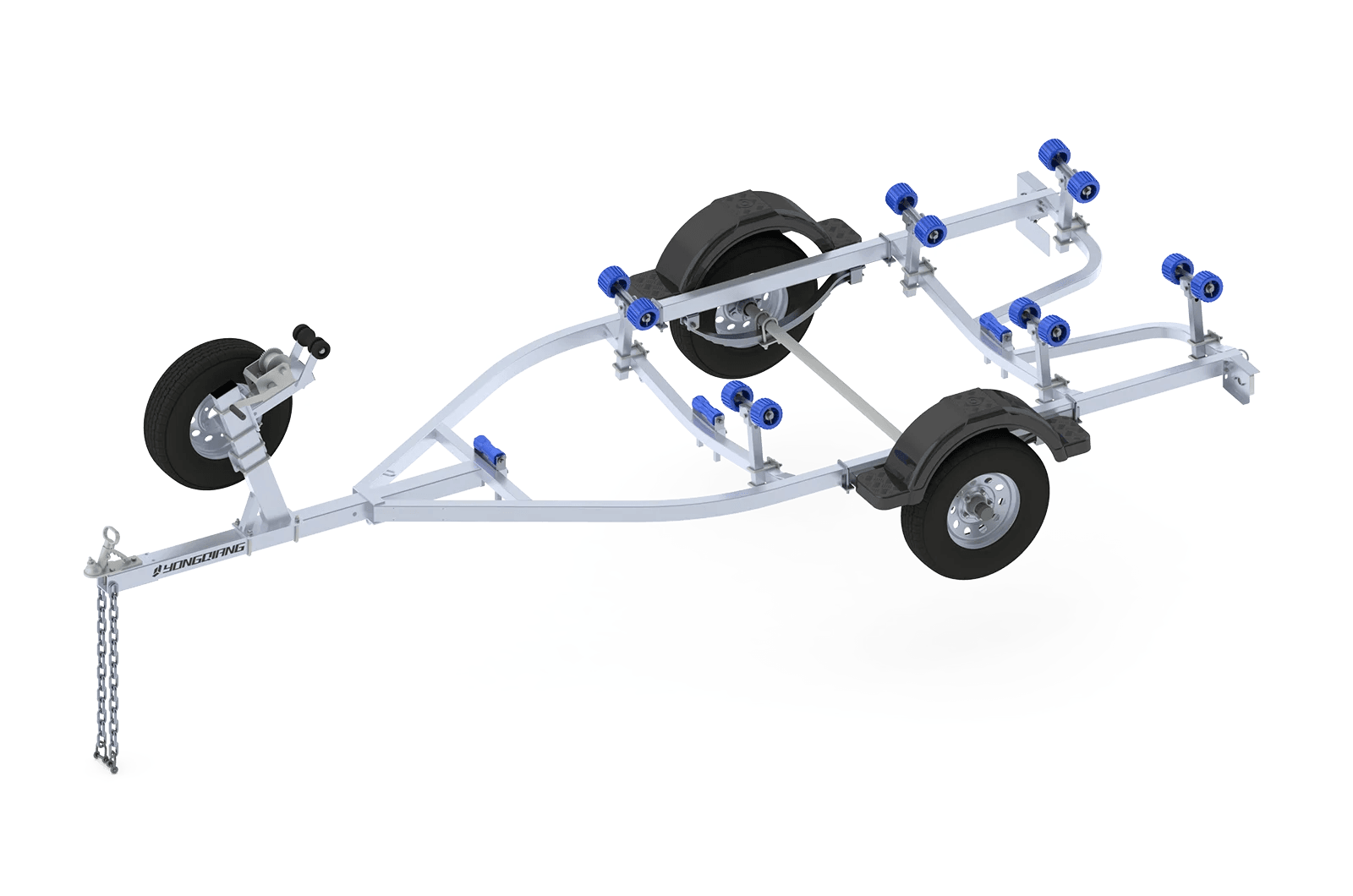
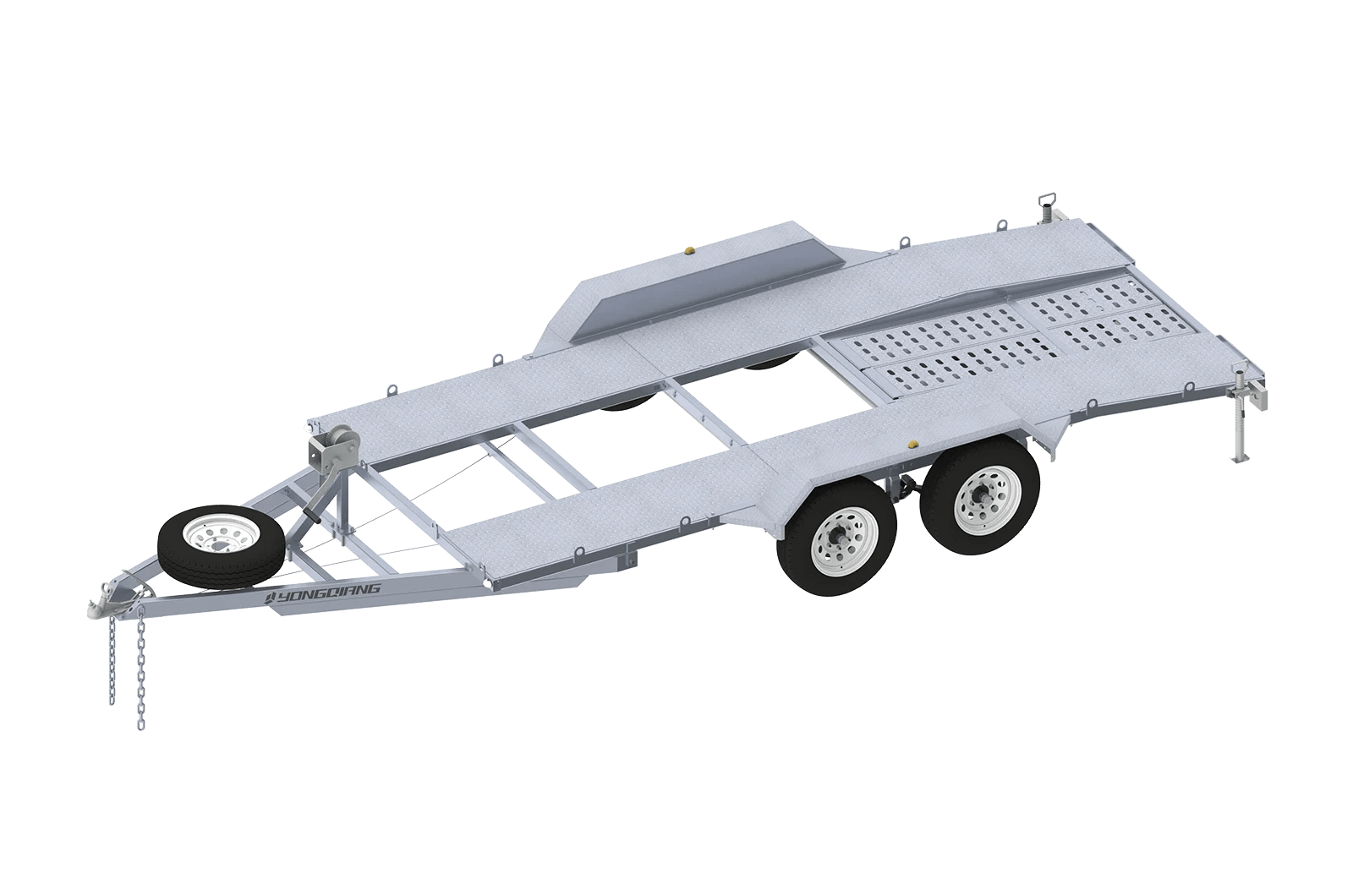
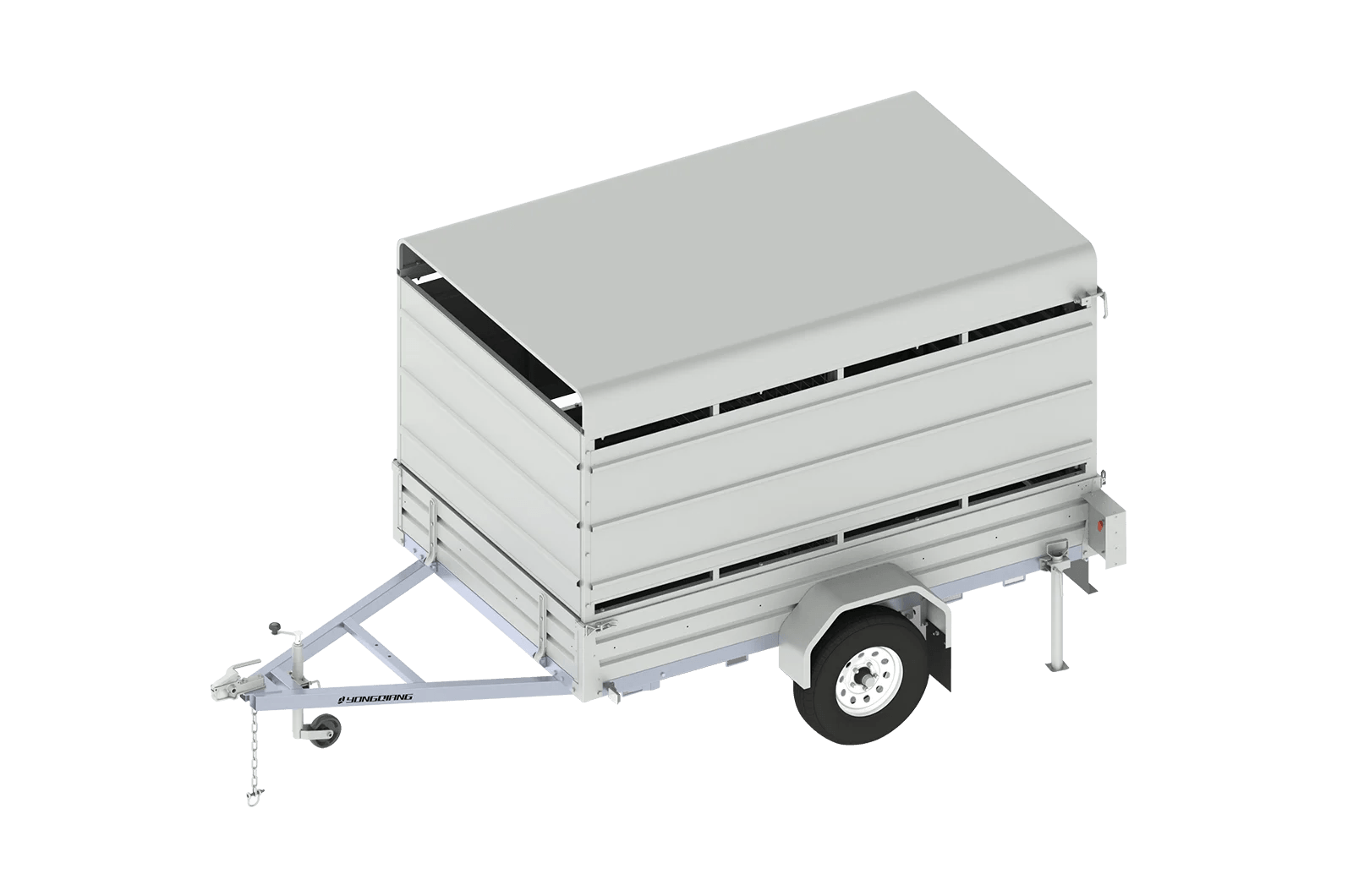
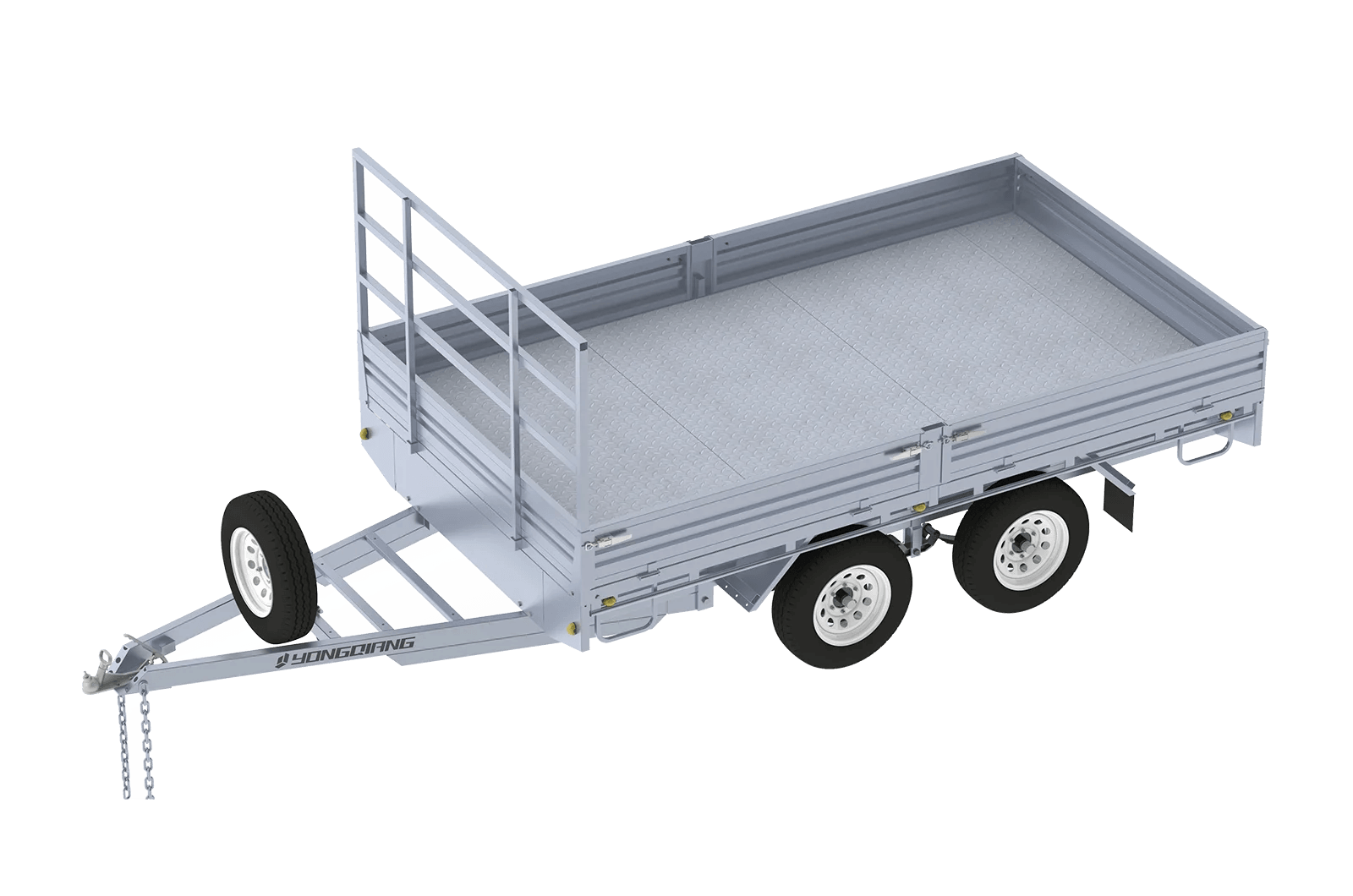
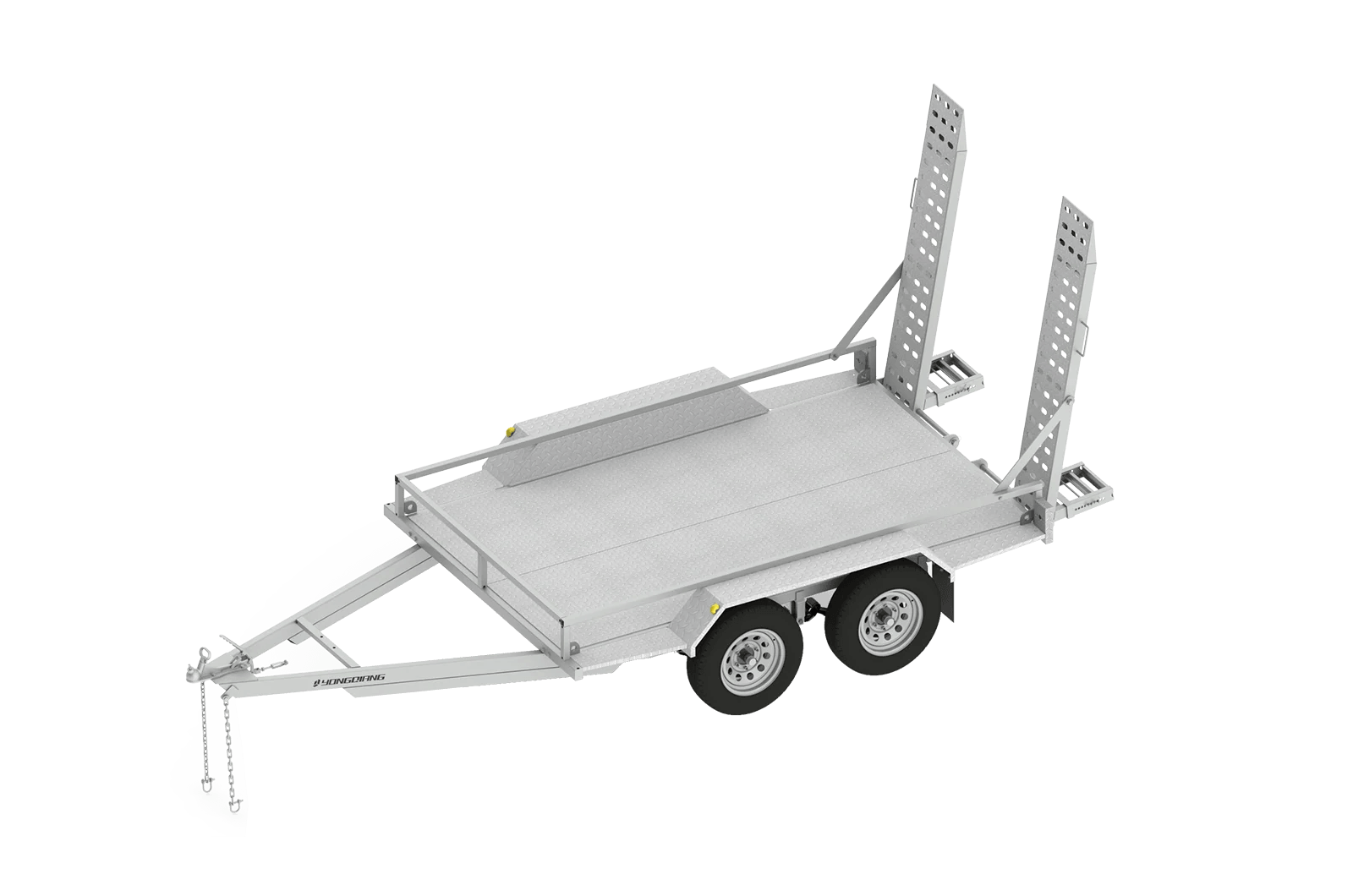
No matter which one you would like to choose, Yongqiang trailer, as one of the leading trailer manufactures in China, can always provide you with a lot of choices.
- Trailer
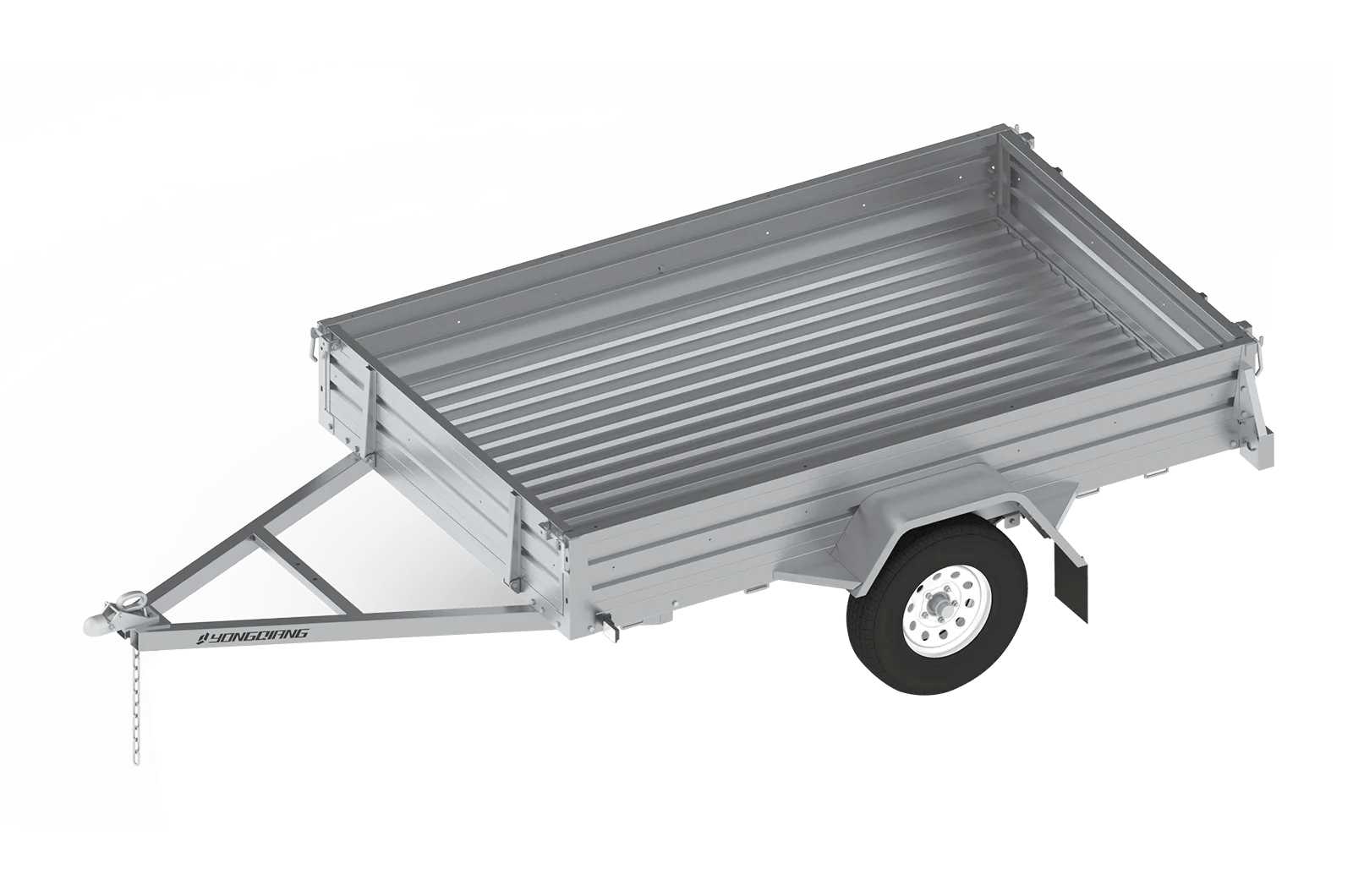
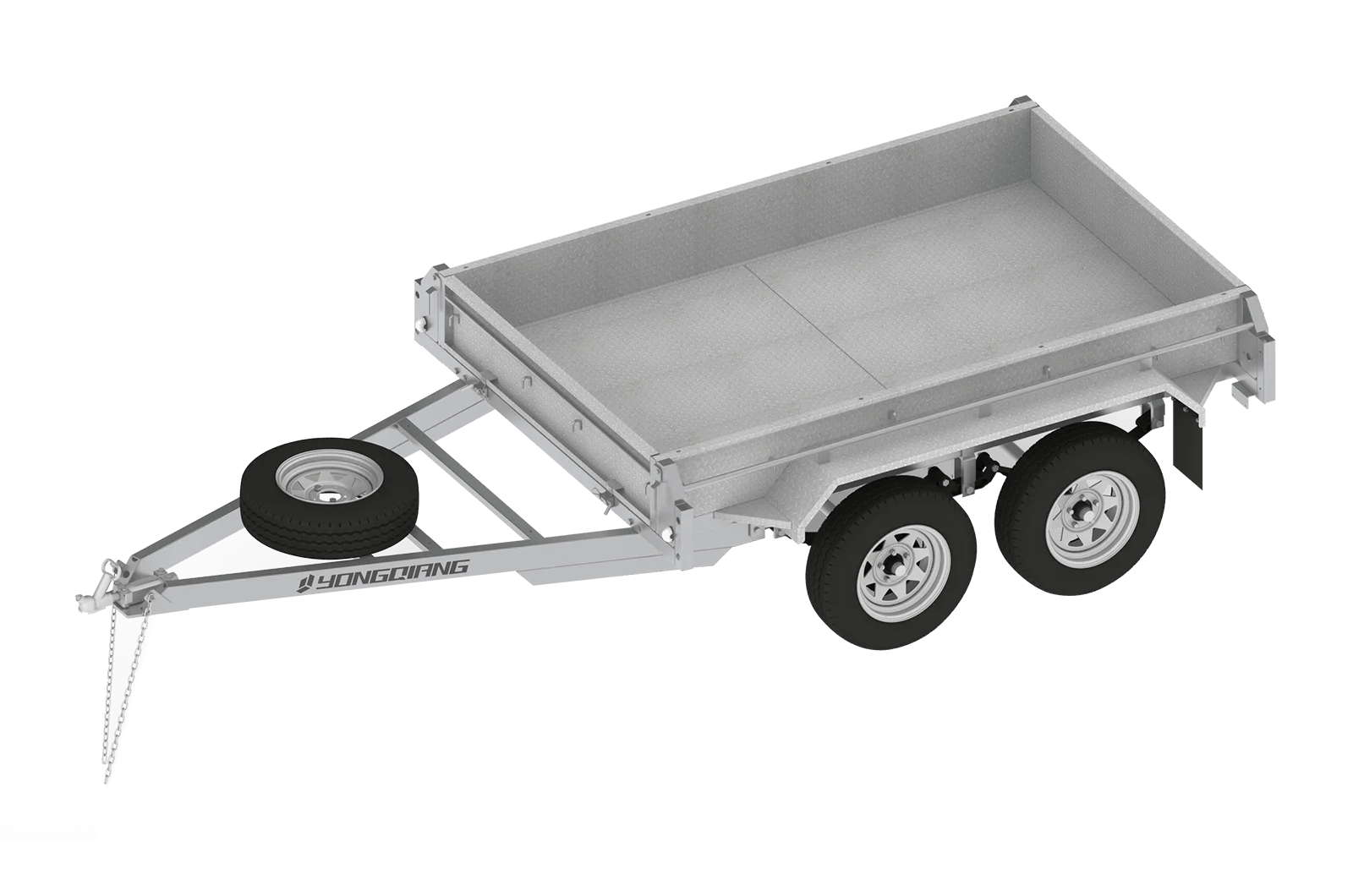
- Utility Trailer
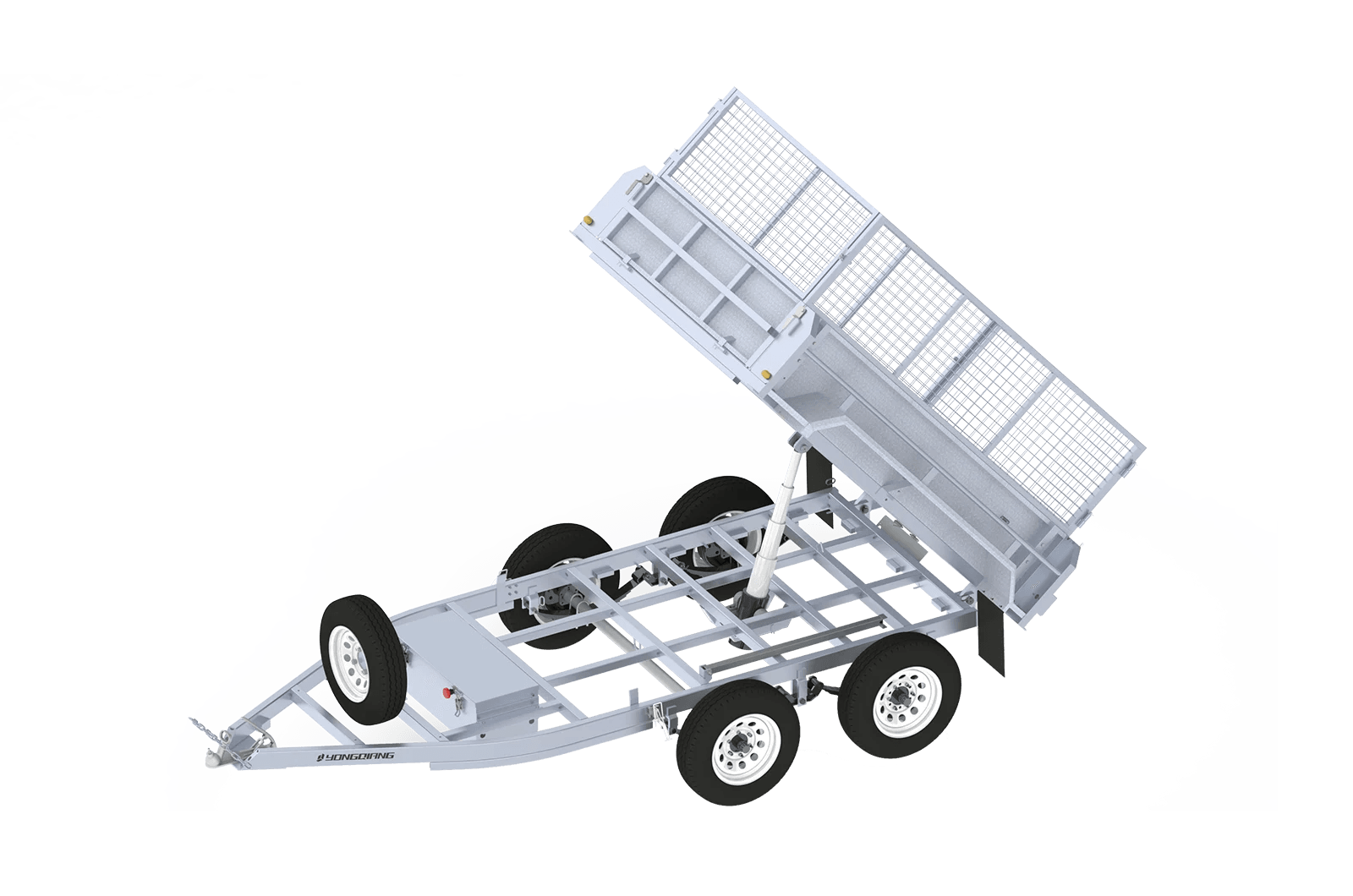
- Dump Trailer
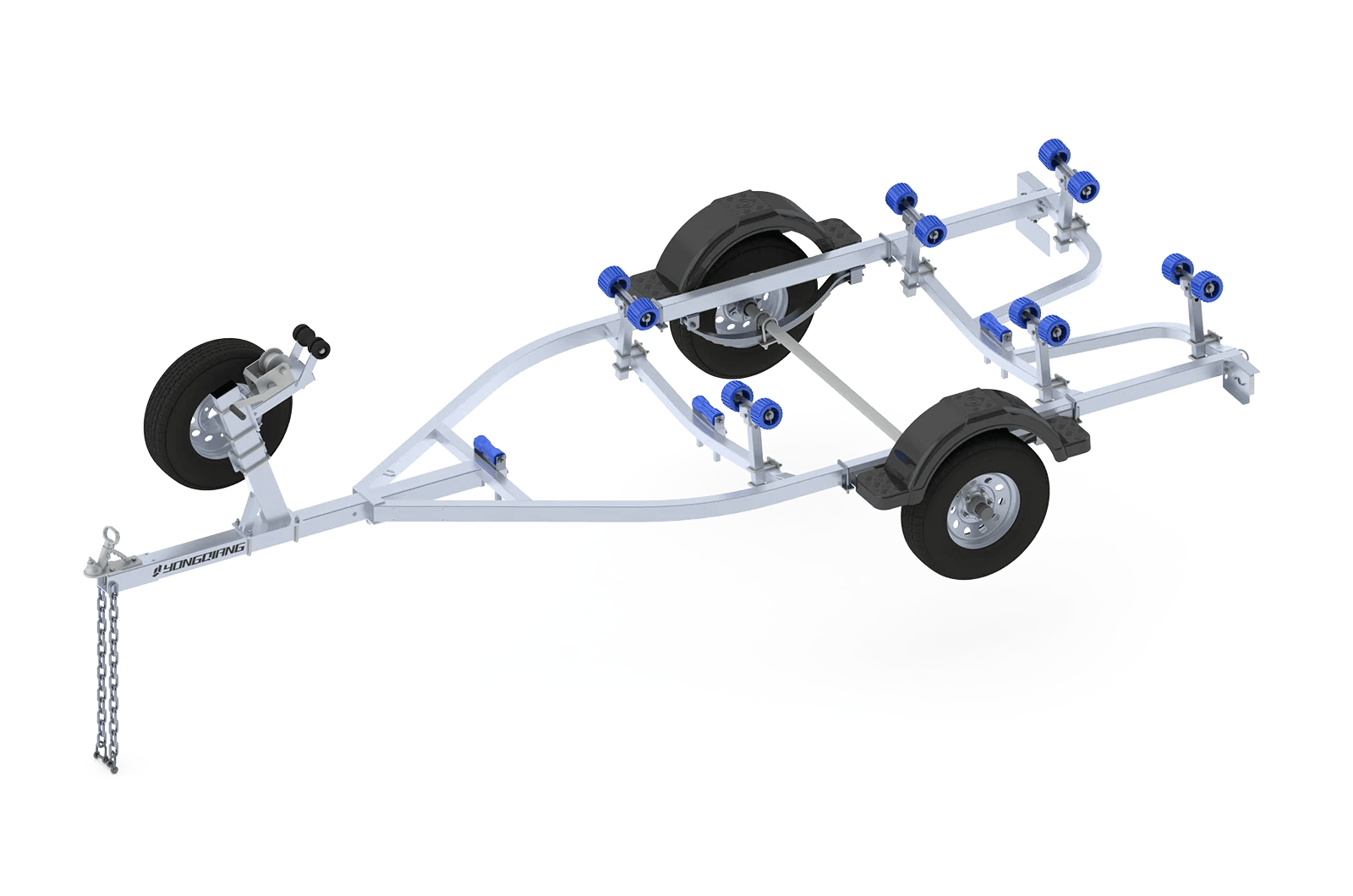
- Boat/Watercraft Trailer
- Aluminum Trailer
- Equipment Trailer
- Box Trailer
- Hydraulic Tipper Trailer
- Boat Trailer
- Specialist Trailer
- Caravan
- Off Road Caravan - Crest 16
- On Road Caravan - Trekker 19
- On Road Caravan - Trekker 22F
- Pop-top Caravan - Pod 15C
- Trailer Parts
- All Parts
- Contact Us
-
- No.888 South Longqian Ave, Bailongqiao Town Jinhua Zhejiang, China
-
+86-579-82217008
+86-579-82221688 -
sales@yqtrailer.com
 High-Quality Trailers & Caravans Manufacturer