
-
North America Models
-
Oceania Models

 English
Underbody Tool Box Mounting Options for Flatbed Work Trucks
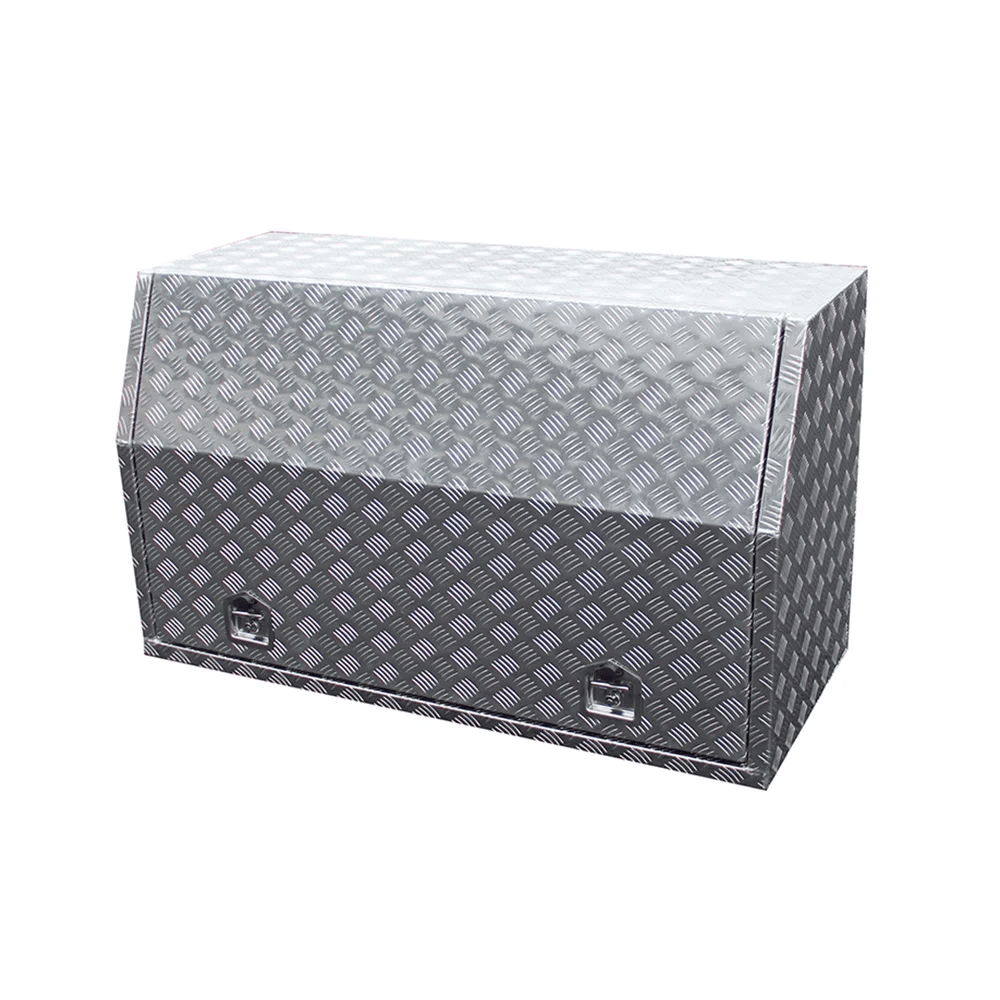
Flatbed work trucks need clear cargo space on the deck while still carrying tools and equipment for the job. Storage that hangs beneath the body keeps the bed free for materials and still puts hand tools within reach at the roadside or on site. The success of that arrangement depends on where the box is placed, how it is fastened to the chassis, and whether doors can open fully without striking wheels, tanks or suspension parts. Underbody Tool Boxes for Flatbeds are therefore planned around measured clearances, approved mounting points and the way the vehicle is actually used, rather than fitted by eye alone.
Typical Locations Beneath a Flatbed Body
Placement Along the Outer Side of the Chassis
A box mounted beside the frame rail can be opened from the side of the truck. The available length is limited by the rear of the cab, the wheel arches, fuel or hydraulic tanks, and any steps or battery boxes already fitted. Door swing must clear the tyre through full suspension travel. Side mounting suits crews who work beside the vehicle and who need to reach the contents without climbing onto the bed.
Placement Between the Frame Rails Under the Deck
Space between the longitudinal frame members can accept a box that sits fully under the flatbed. Width is constrained by the distance between the rails and by any cross-members, exhaust runs or wiring that cross the same zone. Height is limited by ground clearance and by the underside of the bed structure. Access may be from the side or from the rear, depending on how the box and its doors are oriented. This position keeps the storage completely clear of the outer silhouette of the truck but can make door operation tighter.
Placement Toward the Rear of the Flatbed
A rear underbody position puts tools close to the tail of the vehicle, which is convenient when work is done at the back of the truck or when the bed is frequently loaded from the rear. Departure angle, rear suspension movement and any tow hitch or rear bumper equipment must be checked so that the box does not strike the ground on ramps or rough ground. Clearance around the rear wheels is verified through the full range of suspension travel.
Fastening Methods and Structural Points
Support Through Dedicated Brackets
Brackets that bolt to approved points on the chassis or body structure transfer the weight of the box and its contents into the vehicle frame. Bracket design must match the box mounting pattern and the vehicle's available holes or reinforced areas. Fasteners are selected for the combined weight and for resistance to vibration. Installation follows both the box manufacturer's instructions and any guidance issued by the vehicle manufacturer concerning additional equipment.
Support From the Chassis Frame Itself
In some layouts the box is carried on members that attach directly to the frame rails. Only locations permitted by the vehicle manufacturer are used. Drilling or welding on the frame is avoided unless the vehicle maker explicitly allows it and the work is carried out to the required standard. Interference with brake lines, fuel lines, wiring and moving suspension parts is checked before any hole is drilled or any bracket is welded.
Hardware Suited to Work-Truck Service
Fasteners must hold under constant vibration and exposure to road spray and dirt. Material and protective finish are chosen for the climate and for contact with the box and bracket materials so that galvanic corrosion is limited. After installation, fasteners are rechecked at the intervals recommended for body equipment so that loosening is caught early.
Fitment Checks Before the Box Is Ordered or Installed
Measurement of the Usable Envelope
Width, height and depth of the open space under the bed are measured with the vehicle on level ground. Allowance is made for suspension travel, tyre growth with load, and the space occupied by exhaust components, wiring looms and existing tanks. The measured envelope is then compared with the external dimensions of the candidate box, including door handles and hinges in the open position.
Ground Clearance Under Expected Load
Mounting height determines how much clearance remains when the truck is loaded and when it crosses ramps, kerbs or uneven ground. Clearance is assessed with the suspension in a representative loaded condition, not only with an empty vehicle. Operating terrain—highway, construction site or mixed use—influences how much margin is prudent.
Door Swing and Working Access
The direction in which the doors open and the space needed for a person to stand and reach inside are checked against the chosen mounting location. Side access can be blocked by adjacent vehicles in a depot or by equipment on site. Rear access can be blocked by a trailer or by the way the truck is parked against a loading dock. The opening design of the box is confirmed against the product specification so that the planned access path is realistic.
Matching Location to the Type of Work
Frequent Access for Service and Maintenance Tasks
Tools that are used at most stops should sit where they can be reached quickly and at a comfortable height. The distance from the usual work position to the box, and the height of the door sill from the ground, affect how practical the storage is during a long shift. Underbody mounting keeps those tools off the main deck while still leaving them accessible from the ground.
Storage of Heavier Items
Weight of the contents is added to the weight of the box when the mounting structure and the vehicle's remaining payload are assessed. The box's own rated capacity, the strength of the brackets and the vehicle manufacturer's limits on additional equipment are all observed. Not every underbody box is intended for dense, heavy loads; the specification is checked before such use is assumed.
Vehicles That Work in Dirty or Wet Conditions
Road spray, mud and dust collect on anything mounted under the body. Box construction, the design of the door seals, the corrosion resistance of the mounting hardware and the ability to clean around the installation are considered together. Any claim of resistance to water or dust is verified against the product's documented ratings rather than inferred from appearance.
Planning Installation of an Undertray Storage Box
Preservation of Deck Space
An undertray box leaves the flatbed surface free for cargo, stillages or job-specific equipment. The trade-off is that all access to the stored tools occurs from below or from the side of the vehicle, so the mounting position must still allow practical reach.
Alignment of Access Needs With Opening Design
The types of tools and the frequency of use dictate whether side or rear opening is more convenient. Product dimensions and the way the doors move are compared with the measured clearances on the truck so that the box can be opened fully in the intended parking and working situations.
Confirmation of Vehicle Compatibility
Chassis layout, available mounting points, ground clearance and the location of existing components are reviewed against the box and its brackets. Vehicle details and measured spaces are supplied when advice on fitment is requested so that compatibility can be assessed before purchase.
Mistakes That Commonly Cause Fitment Problems
Ordering Before the Space Has Been Measured
A box chosen only by nominal capacity may prove too deep, too tall or too long for the actual underbody envelope, leading to interference with the chassis or with moving parts.
Mounting Too Close to the Ground
Insufficient clearance results in ground strikes on ramps, steep drives or rutted sites and can damage both the box and the mounting structure.
Obstructing Doors or Service Points
A box that blocks its own doors, or that prevents access to fuel fillers, battery compartments or lubrication points, creates daily inconvenience and can delay maintenance.
Inadequate Support or Unsuitable Fasteners
Under-specified brackets or hardware that loosens under vibration allow the box to shift, which can damage the box, the chassis and the contents.
Overview of Mounting Locations and Fitment Checks
| Consideration | Relevance to Installation | Action Before Fitting |
|---|---|---|
| Side chassis position | Access from beside the truck; clearance to wheels and tanks | Measure length and door swing through suspension travel |
| Between-frame undertray position | Full under-deck storage; limited by rail spacing | Check width, cross-members and exhaust routing |
| Rear underbody position | Tools near the tail; departure-angle sensitivity | Verify ground clearance and rear equipment conflict |
| Bracket or frame attachment | Load path into the chassis | Use approved points; follow vehicle and box instructions |
| Measured envelope vs box size | Prevents interference after installation | Compare width, height, depth and open-door clearance |
| Ground clearance under load | Avoids contact with ramps and rough ground | Assess with representative payload |
| Door access in real parking | Ensures tools remain reachable on site | Check side and rear clearance in typical work settings |
Selecting a Mounting Approach That Matches Truck and Task
Underbody storage keeps the flatbed clear while still carrying tools, but only when the location, the fastening method and the access path are planned around the real chassis and the real work pattern. Underbody Tool Boxes for Flatbeds are specified after measuring the available space, confirming ground clearance and verifying that doors can open where the truck is actually used. Jinhua Yongqiang produces underbody tool boxes for flatbed and work-truck applications. Review of box dimensions, opening design, mounting provisions and vehicle clearances against the intended installation position supports a fitment that preserves deck space and keeps tools accessible under working conditions.
- Trailer
- Utility Trailer
- Dump Trailer
- Boat/Watercraft Trailer
- Aluminum Trailer
- Equipment Trailer
- Box Trailer
- Hydraulic Tipper Trailer
- Boat Trailer
- Specialist Trailer
- Caravan
- Off Road Caravan - Crest 16
- On Road Caravan - Trekker 19
- On Road Caravan - Trekker 22F
- Pop-top Caravan - Pod 15C
- Trailer Parts
- All Parts
- Contact Us
-
- No.888 South Longqian Ave, Bailongqiao Town Jinhua Zhejiang, China
-
+86-579-82217008
+86-579-82221688 -
sales@yqtrailer.com
 High-Quality Trailers & Caravans Manufacturer