
-
North America Models
-
Oceania Models

 English
Utility Trailer Orders: Map the Loading Process Before Choosing Options
A utility trailer can look right in a catalogue and still make the intended job awkward. The deck may suit the cargo, while the opening does not suit the loading method. An attractive option list will not resolve that mismatch.
Before choosing ramps, gates or accessories, map one ordinary loading and unloading cycle. The exercise gives the supplier a concrete use case rather than a collection of disconnected preferences.
Describe what is being carried
Record the cargo dimensions, mass and any unusual shape or handling requirements. Identify whether the load is one item, loose material or several pieces. Ask the supplier to review the proposed configuration against that information.
Rated trailer capacity is only one part of the selection. The towing vehicle, coupling and other system limits must also be checked using the relevant manufacturer information and destination-market requirements.
Walk through the loading route
Explain where the cargo starts, what equipment moves it and how it enters the trailer. Include the available space and any limitations at the loading location.
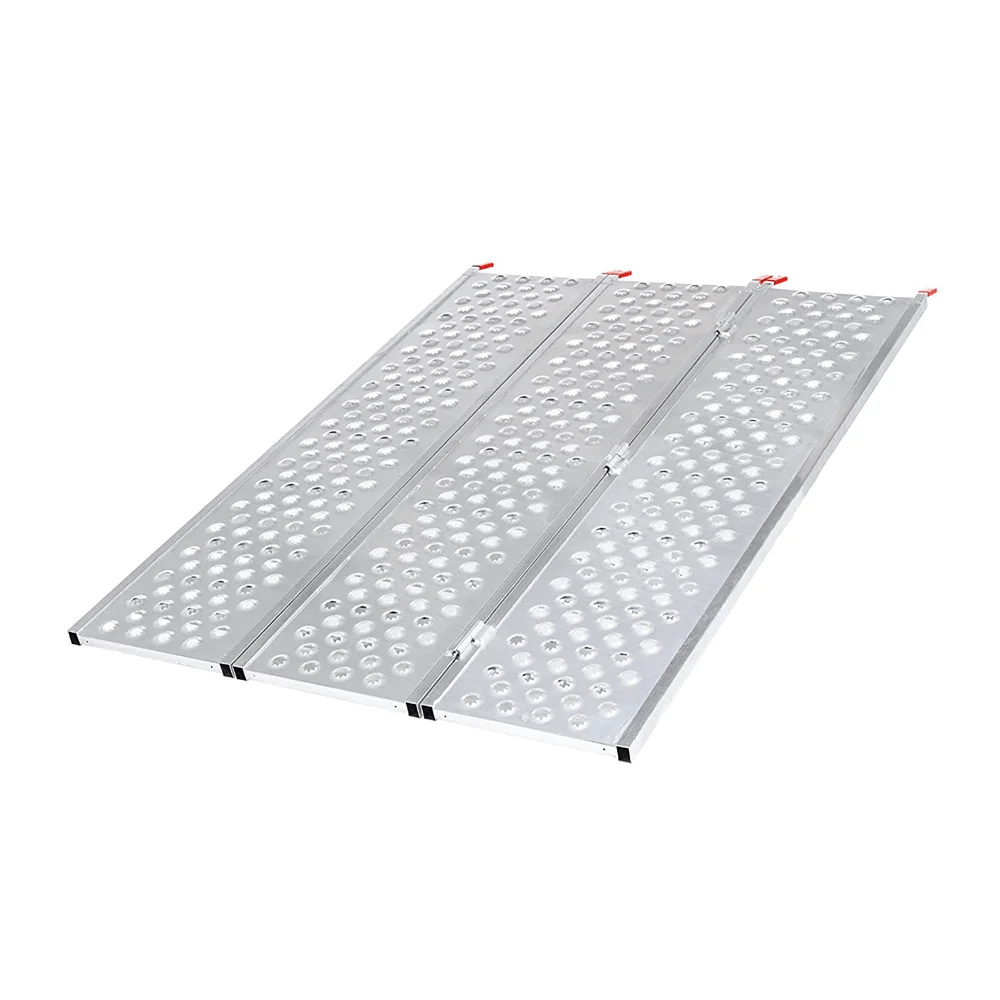
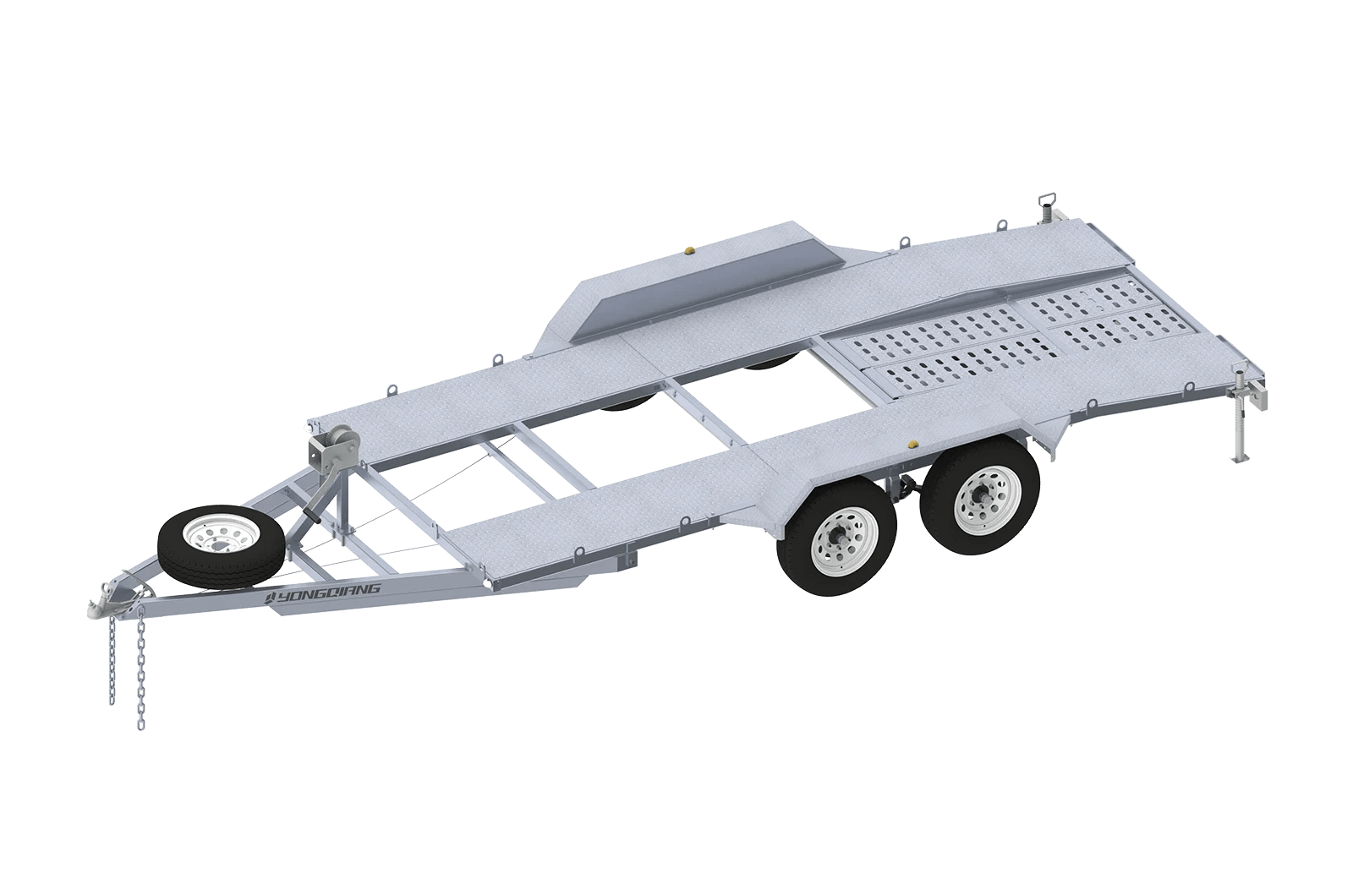
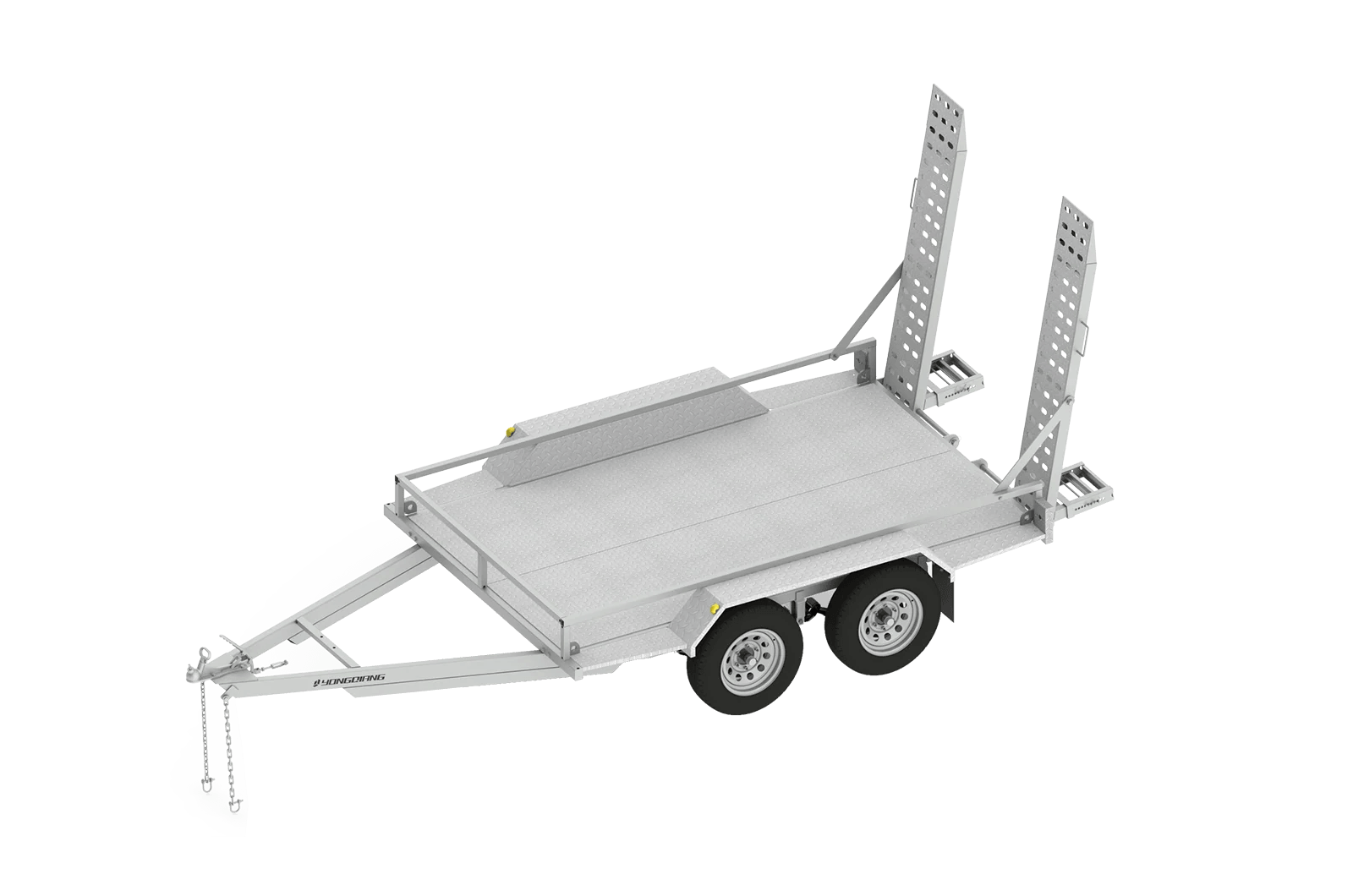
If ramps are proposed, their specification must suit the application and be reviewed with the equipment involved. Do not treat a ramp supplied with one configuration as suitable for any load that fits on the deck.
Review unloading separately
The receiving location may be very different from the loading location. Ask whether access, ground conditions and handling equipment change. A rear opening that works in the warehouse may not be practical at the customer's site.
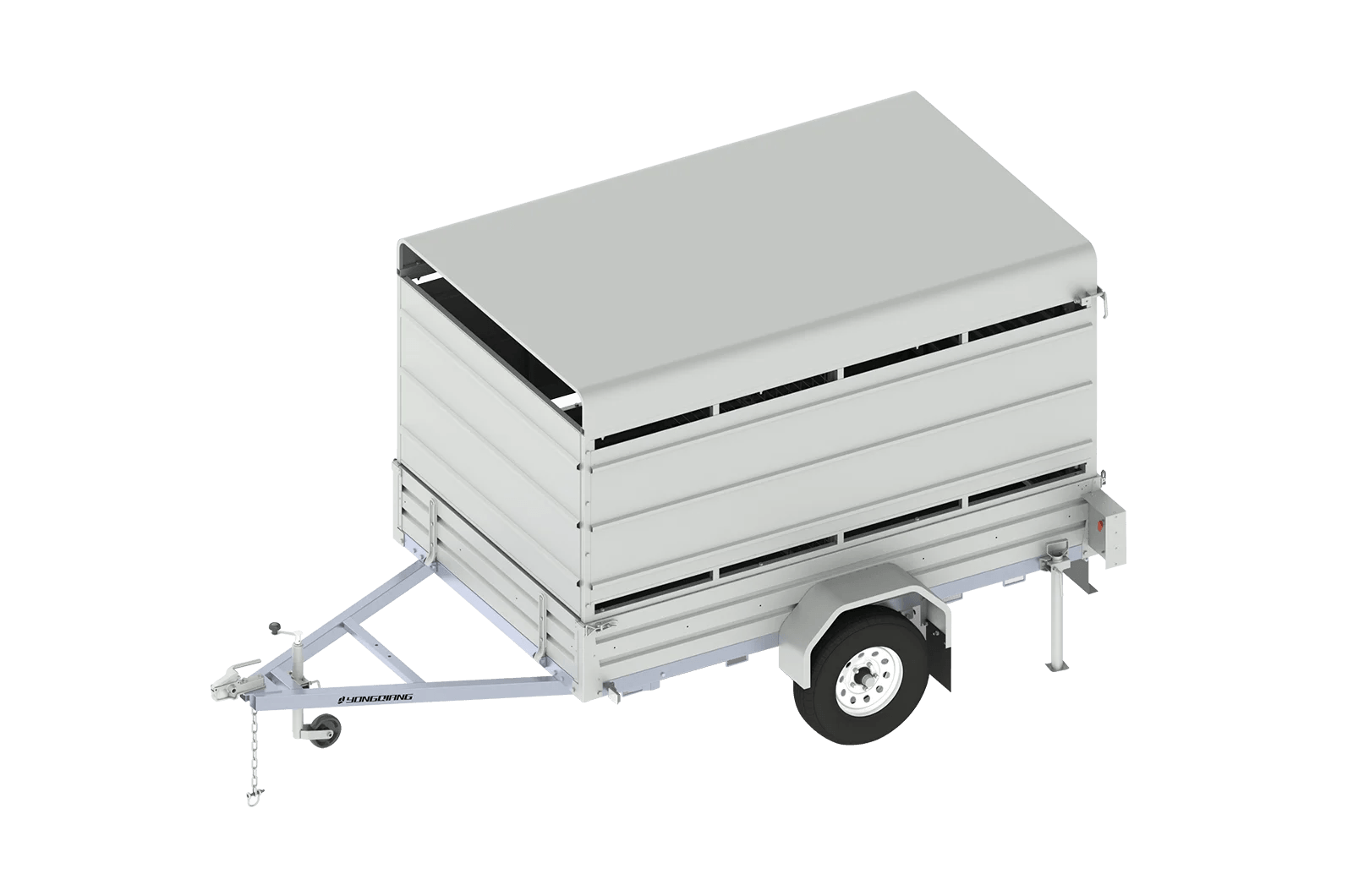
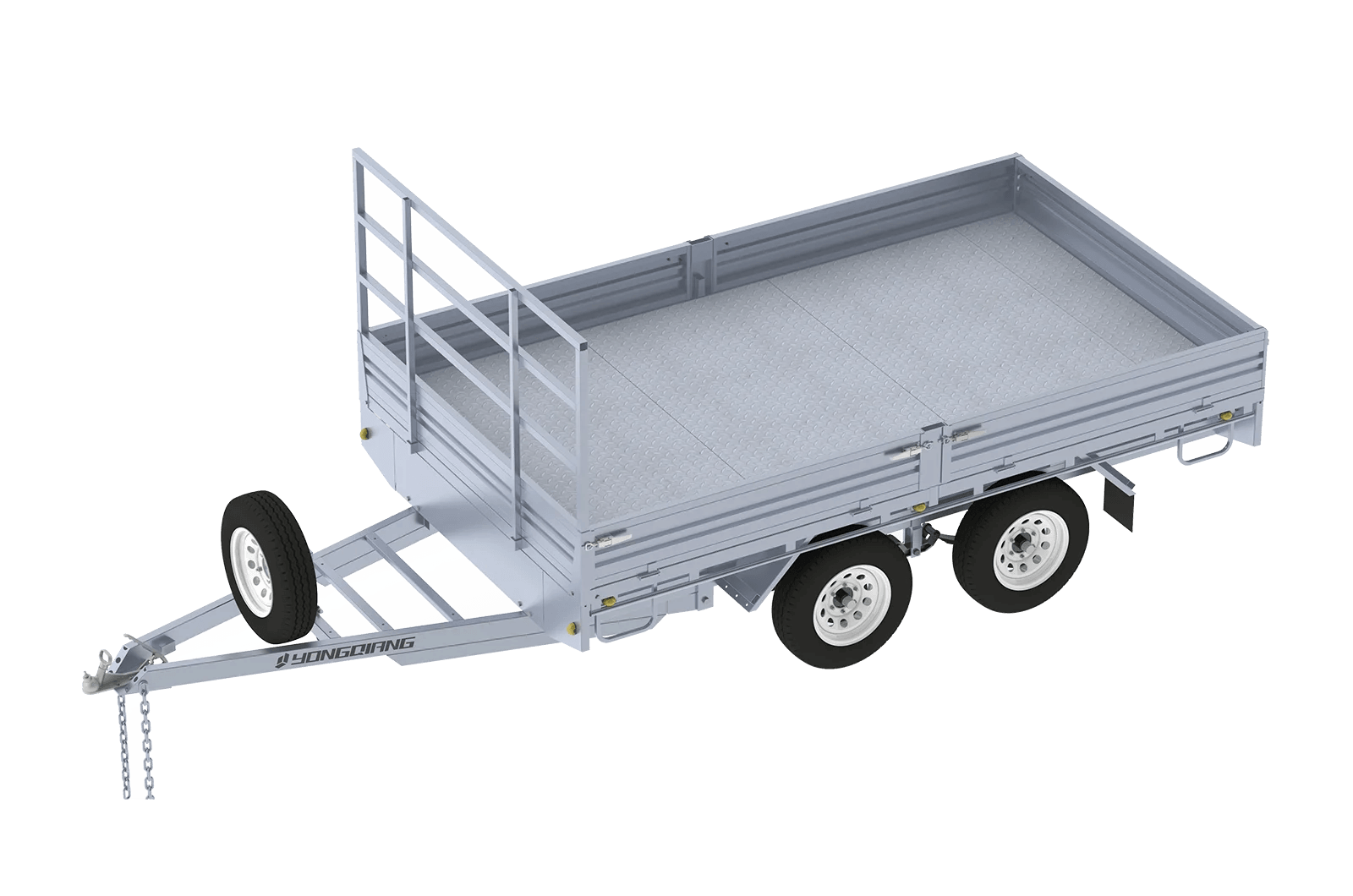
For a trailer with several access options, identify which will be used for each task. This helps establish whether an accessory is necessary or simply adds complexity to the order.
Document the complete supply scope
The quotation should identify the agreed trailer model, supplied equipment, connection details and relevant documentation. Ask for the drawings and market-specific information needed for review before purchase.
Keep the loading scenario with the approved specification. Operation, cargo restraint and towing must follow the applicable instructions and rules; a purchasing review is not a substitute for them.
The best option is not automatically the trailer with the longest accessory list. It is a configuration that has been checked against the actual job. Starting with the loading process gives purchasing and operations teams a practical way to explain that job and evaluate the supplier's proposal.
- Trailer
- Utility Trailer
- Dump Trailer
- Boat/Watercraft Trailer
- Aluminum Trailer
- Equipment Trailer
- Box Trailer
- Hydraulic Tipper Trailer
- Boat Trailer
- Specialist Trailer
- Caravan
- Off Road Caravan - Crest 16
- On Road Caravan - Trekker 19
- On Road Caravan - Trekker 22F
- Pop-top Caravan - Pod 15C
- Trailer Parts
- All Parts
- Contact Us
-
- No.888 South Longqian Ave, Bailongqiao Town Jinhua Zhejiang, China
-
+86-579-82217008
+86-579-82221688 -
sales@yqtrailer.com
 High-Quality Trailers & Caravans Manufacturer