
-
North America Models
-
Oceania Models

 English
What Is a Snowmobile Trailer Kit Used For
Winter travel often involves more than getting on a snowmobile and heading out. Riders need to move their machines from storage areas to suitable riding locations. That can mean loading equipment onto a trailer, securing it for the journey, and unloading it again when the destination is reached.
A Snowmobile Trailer Kit is designed around this part of the process. Rather than referring to one universal product, the term can describe a group of components used to prepare, equip, or adapt a trailer for snowmobile transport. The exact contents can vary according to the trailer design and the intended application.

For some users, the kit may help with loading. For others, it may provide useful support for securing the snowmobile or organizing the trailer deck. Certain kits may also be used when adapting an existing trailer instead of purchasing a completely new setup.
This has made trailer kits an interesting area within the outdoor equipment market. Riders increasingly look at the complete transport arrangement rather than treating the trailer as a simple platform with wheels.
Why Is a Snowmobile Trailer Kit Needed?
A snowmobile is not designed to travel long distances on ordinary roads under its own power. The machine needs another way to reach a trail, recreation area, service location, or storage site.
A trailer provides that transport option. Yet a basic trailer may not always be arranged around the shape and movement of a snowmobile. Loading can be awkward if there is no suitable ramp. Securing the machine can also require additional components.
This is where a Snowmobile Trailer Kit can become useful.
Depending on the product, a kit may help with several practical tasks:
- Preparing the trailer for snowmobile loading.
- Creating a more suitable loading path.
- Providing places to secure the machine.
- Improving the organization of the trailer deck.
- Supporting access during loading and unloading.
- Adapting an existing trailer to a particular use.
The purpose is not necessarily to transform every trailer into a dedicated snowmobile trailer. In some cases, the kit simply adds features that make the existing setup more suitable.
That distinction matters for buyers. A trailer kit should be considered as part of a larger transport system, not as an isolated accessory.
How Does a Snowmobile Trailer Kit Support Loading and Unloading?
Loading is one of the most noticeable parts of snowmobile transport. The machine needs to move from the ground onto the trailer in a controlled manner. After the journey, the process is reversed.
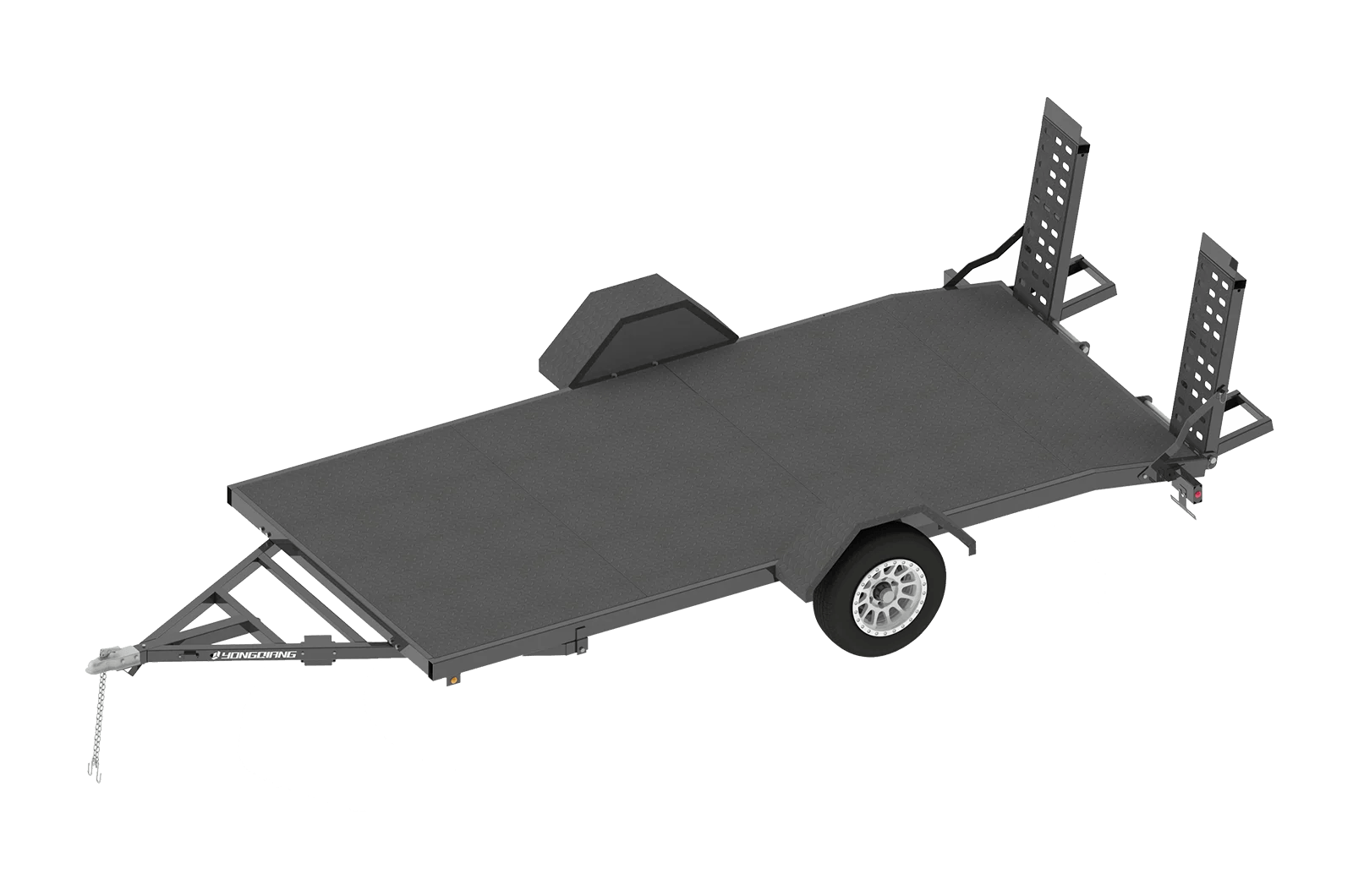
A suitable ramp or loading arrangement can make this task easier to organize. The trailer needs to provide enough space for the machine to enter and leave without unnecessary contact with surrounding components.
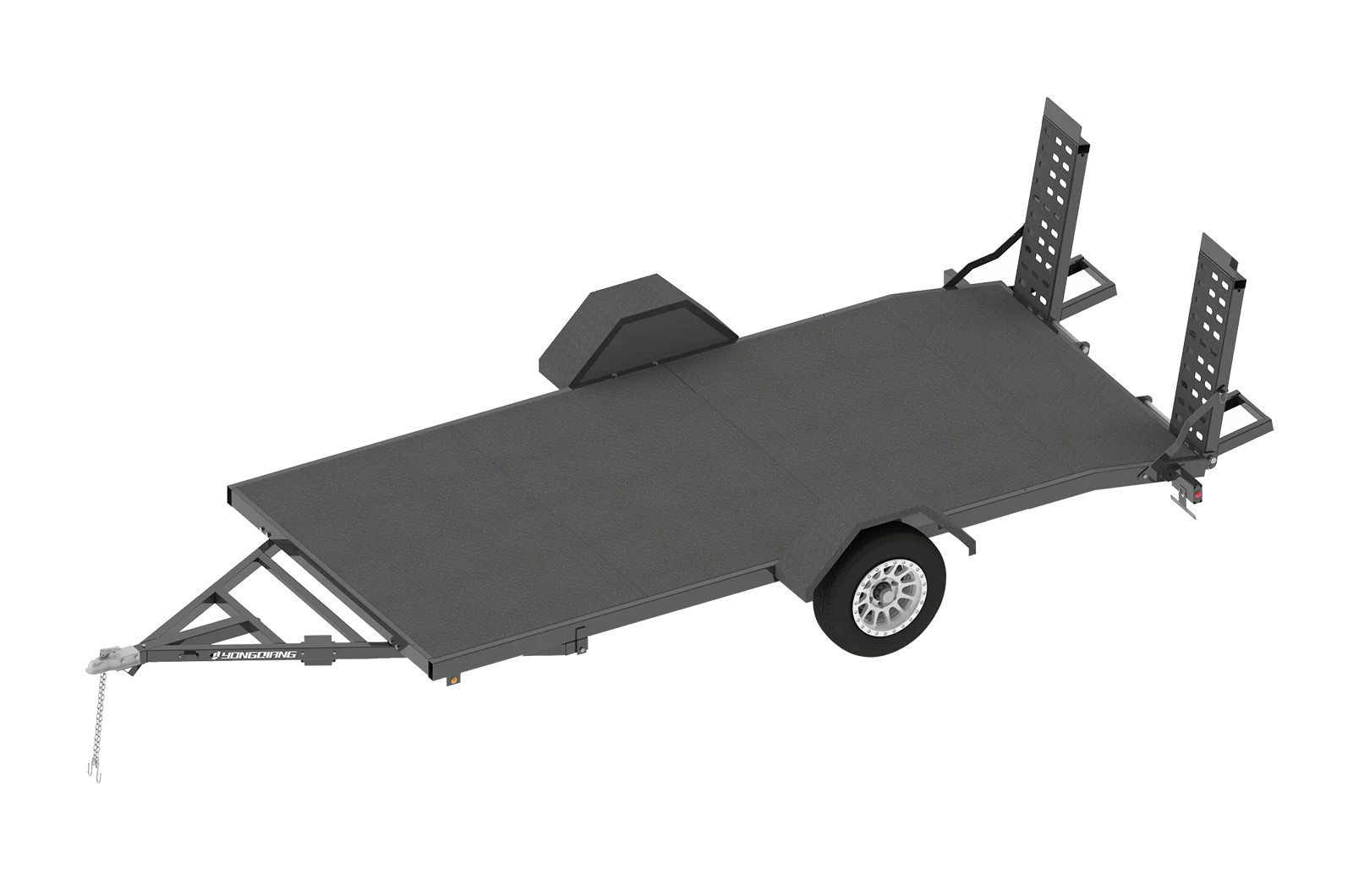
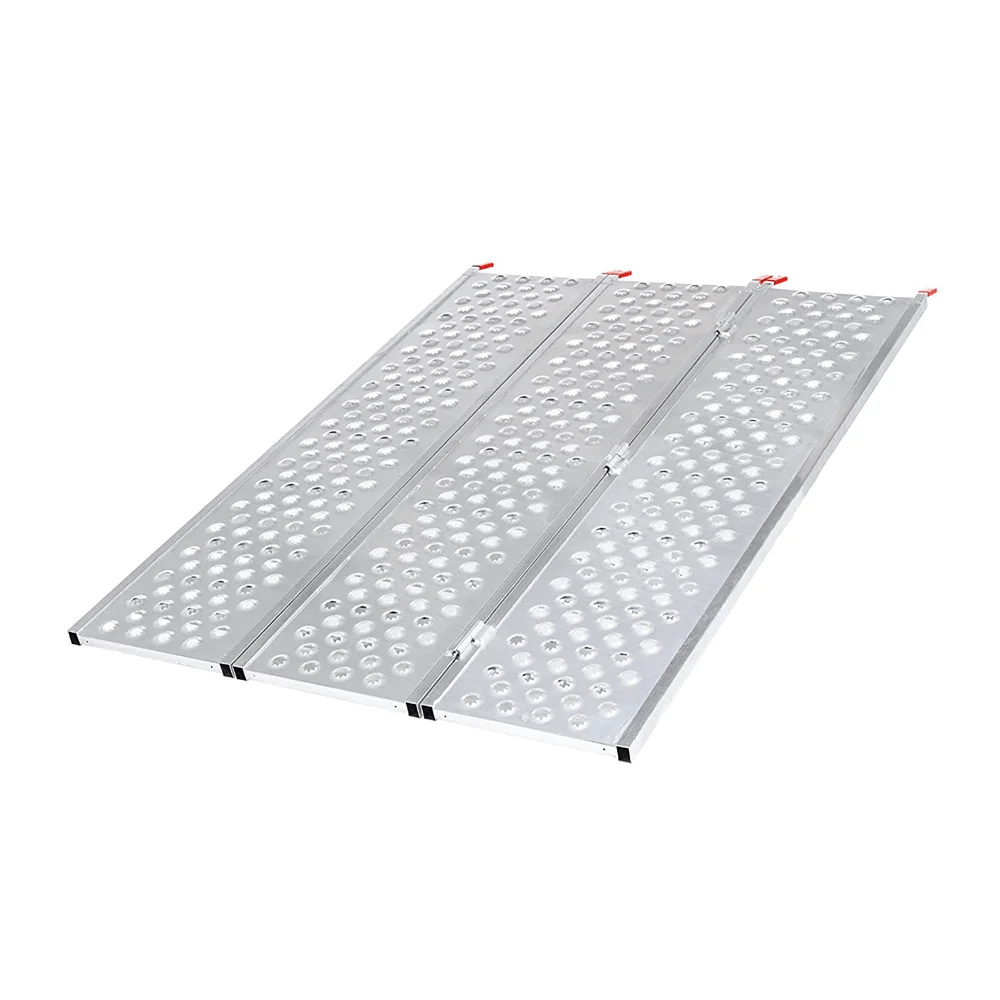
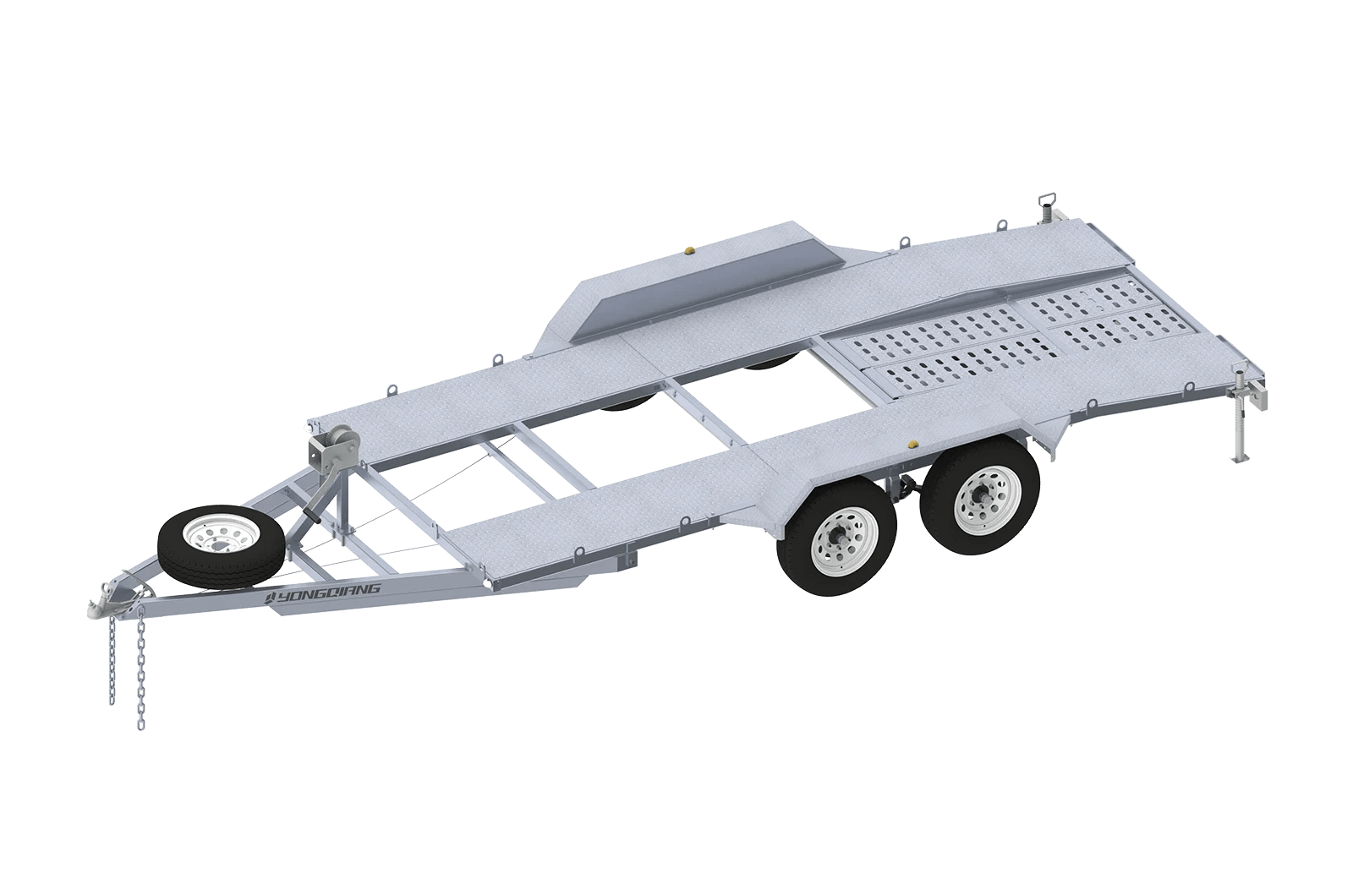
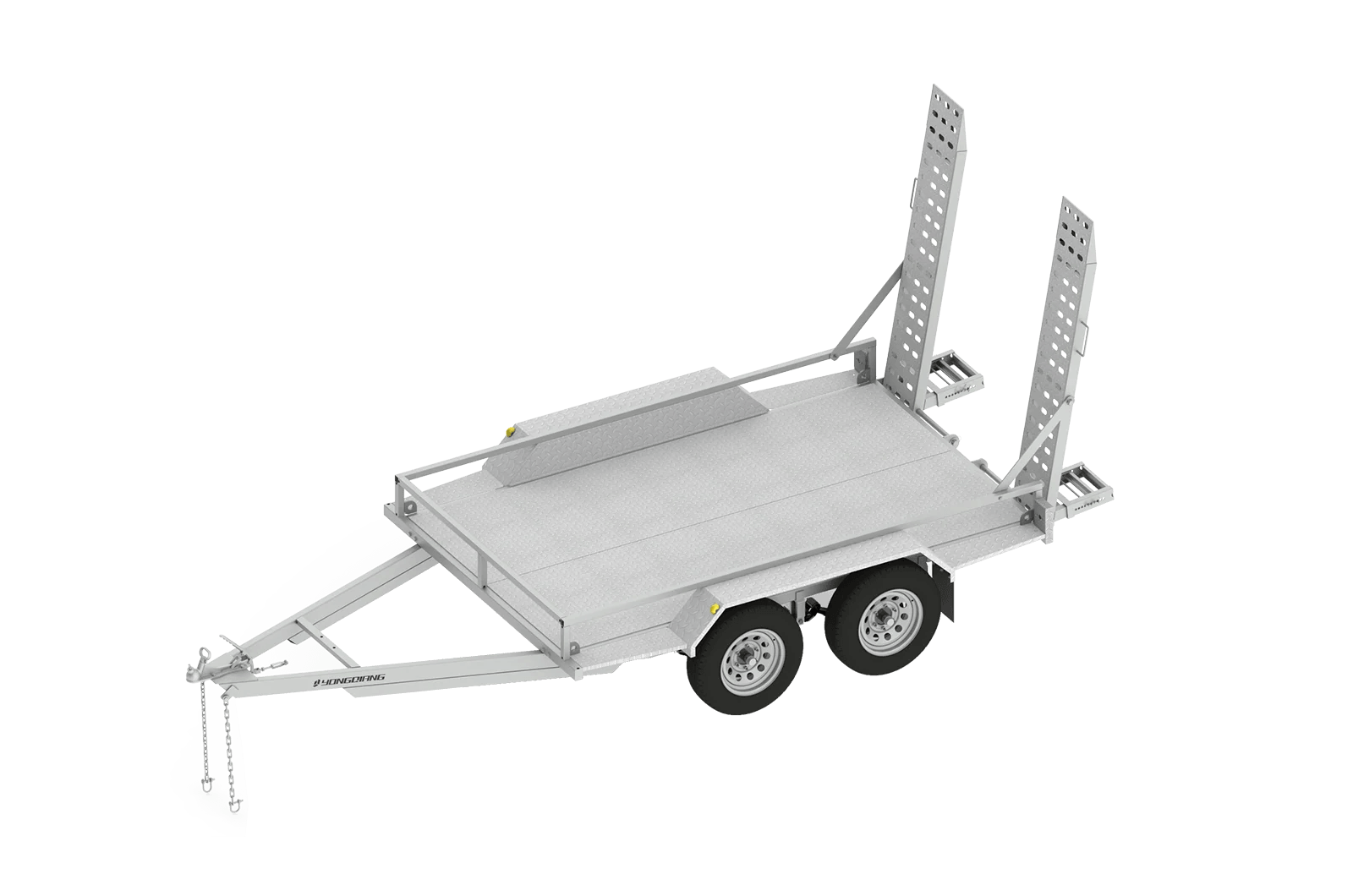
Some kits are built around loading ramps, guides, supports, or related accessories. The exact arrangement depends on the trailer and snowmobile involved.
A practical loading setup may involve:
Preparing the trailer surface.
The deck should be clear of unnecessary objects before loading begins.
Checking the loading path.
The route from the ground to the trailer should be unobstructed.
Positioning the snowmobile carefully.
The machine should approach the trailer in the intended direction.
Securing the machine after loading.
The transport arrangement should use suitable restraint methods.
Checking the setup before departure.
Loose accessories or unsecured equipment can create problems during travel.
The benefit of a trailer kit is often found in these small practical details. A better-organized loading area can make preparation less frustrating, particularly when equipment needs to be moved repeatedly during a riding season.
Can a Snowmobile Trailer Kit Help Secure a Snowmobile During Transport?
Moving a snowmobile on a trailer involves more than placing the machine on the deck. The machine needs to remain in its intended position while the trailer is moving.
Road surfaces can change. The trailer may encounter turns, braking, uneven ground, or other movement. A suitable restraint arrangement helps keep the snowmobile from shifting unnecessarily.
Some Trailer Kits include components intended to support this task. These may relate to tie-down points, guides, supports, or deck arrangements. The exact method depends on the kit and trailer design.
The important point is that restraint should be compatible with the machine and trailer. A component that works for one setup may not automatically suit another.
Buyers should consider:
| Consideration | Why It Matters |
|---|---|
| Tie-down location | Determines how the machine can be secured |
| Trailer layout | Affects where the snowmobile sits |
| Deck design | Influences loading and positioning |
| Machine size and shape | Affects compatibility |
| Access to securing points | Can influence loading convenience |
| Trailer movement | Makes proper restraint important |
A trailer kit can support a more organized securing system, but users still need to follow the instructions supplied for their particular equipment.
What Types of Trailer Tasks Can a Snowmobile Trailer Kit Support?
The term "kit" can cover a range of applications. One kit may focus heavily on loading, while another may contain several components intended to prepare a trailer for regular snowmobile use.
Common functions can include:
Loading support:
Ramps and related parts can help create a practical route onto the trailer.
Positioning support:
Guides or deck components can help users place the snowmobile in the intended area.
Securing support:
Tie-down points and related components can help keep the machine positioned during transport.
Trailer organization:
Additional accessories may provide places for equipment that would otherwise be loose on the deck.
Adaptation:
Some kits can be used to modify an existing trailer for a different transport purpose.
This variety explains why buyers should look beyond the product name. Two Trailer Kits may have very different contents and intended uses.
Reading the product description carefully can help prevent a mismatch between the kit and the trailer.
Could a Snowmobile Trailer Kit Be Used to Adapt an Existing Trailer?
Not every rider needs a completely new trailer. Some already own a utility or recreational trailer that has a suitable basic structure. In such cases, a kit may provide a way to add snowmobile-related functions.
This approach can be attractive when the existing trailer is still useful for other tasks. Instead of replacing the entire trailer, the owner may be able to change or add selected components.
The practicality depends heavily on compatibility.
The existing trailer may have a different deck arrangement, mounting structure, or available space. A kit designed for another trailer type may not fit without modification.
Before purchasing, users can check:
- The existing trailer design.
- Available mounting locations.
- Deck arrangement.
- Access for loading.
- Space required by the snowmobile.
- The intended use of the trailer after modification.
- Installation requirements supplied by the manufacturer.
This is also an area where customization can become relevant. Some users may need a transport arrangement that serves more than one outdoor activity. A flexible trailer can then become useful beyond snowmobile transportation.
How Does Trailer Design Influence the Choice of a Snowmobile Trailer Kit?
A trailer is not simply a flat surface. Its deck, sides, access points, suspension arrangement, and loading method all influence how a Trailer Kit can be used.
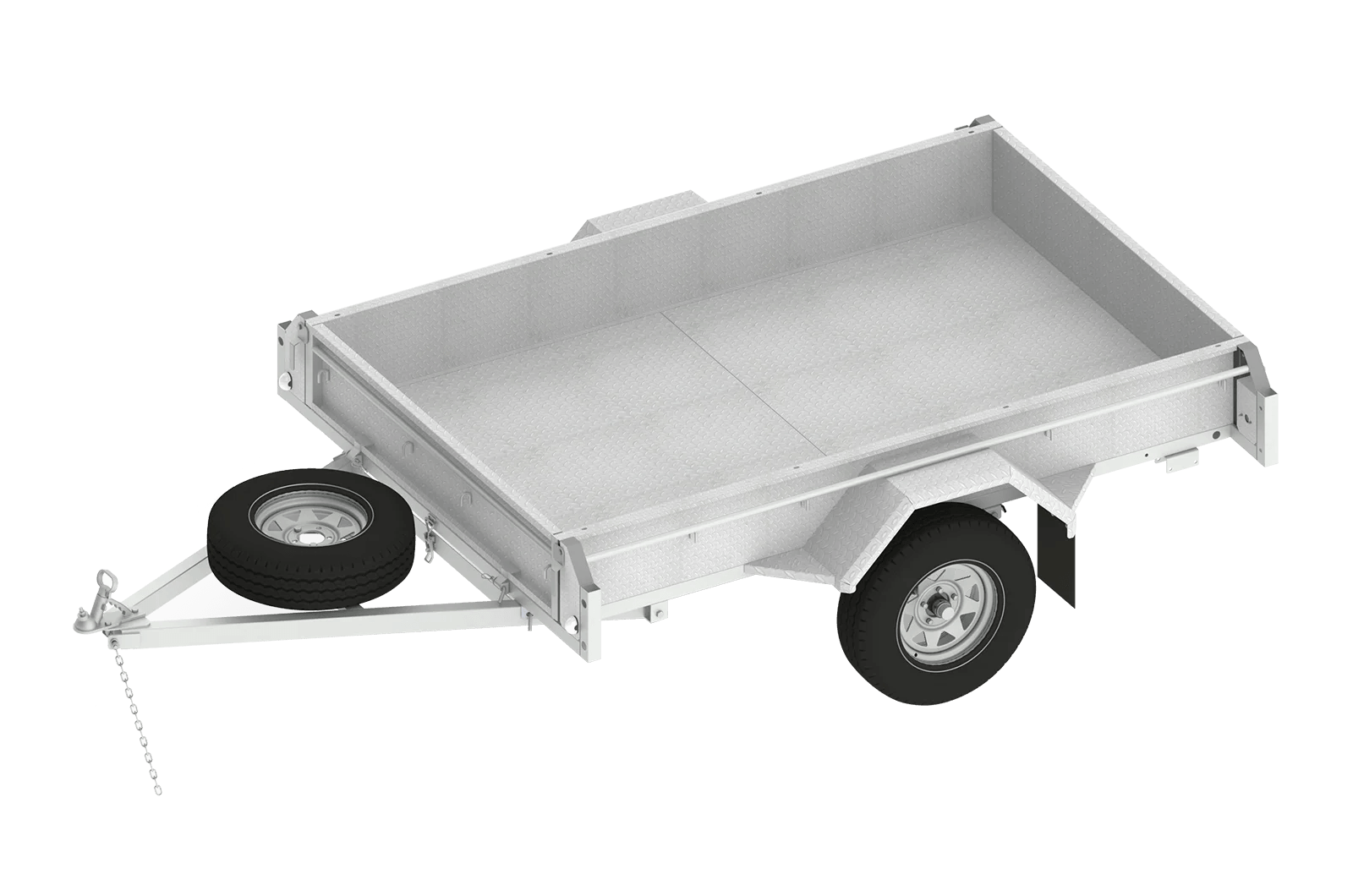
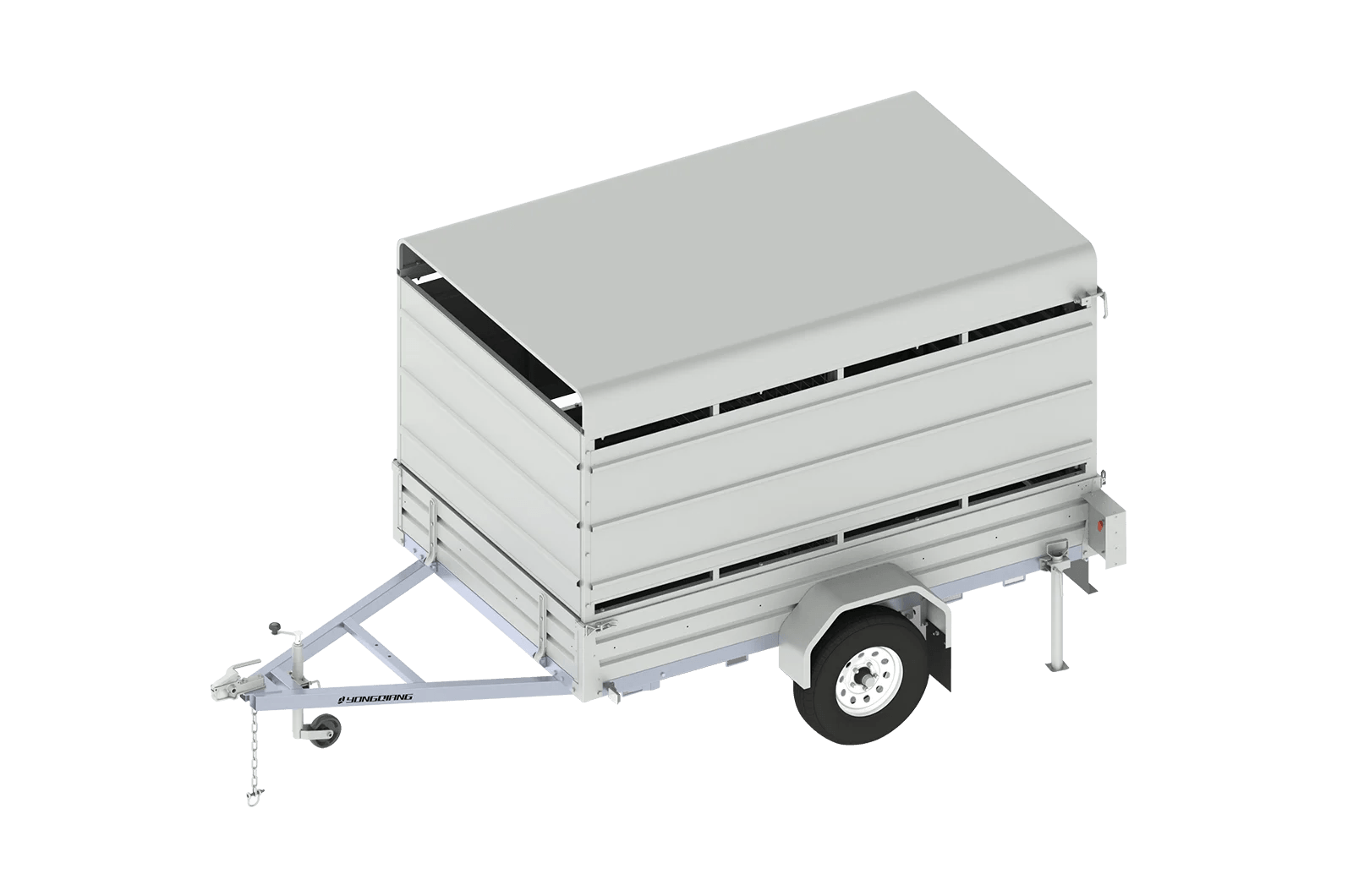
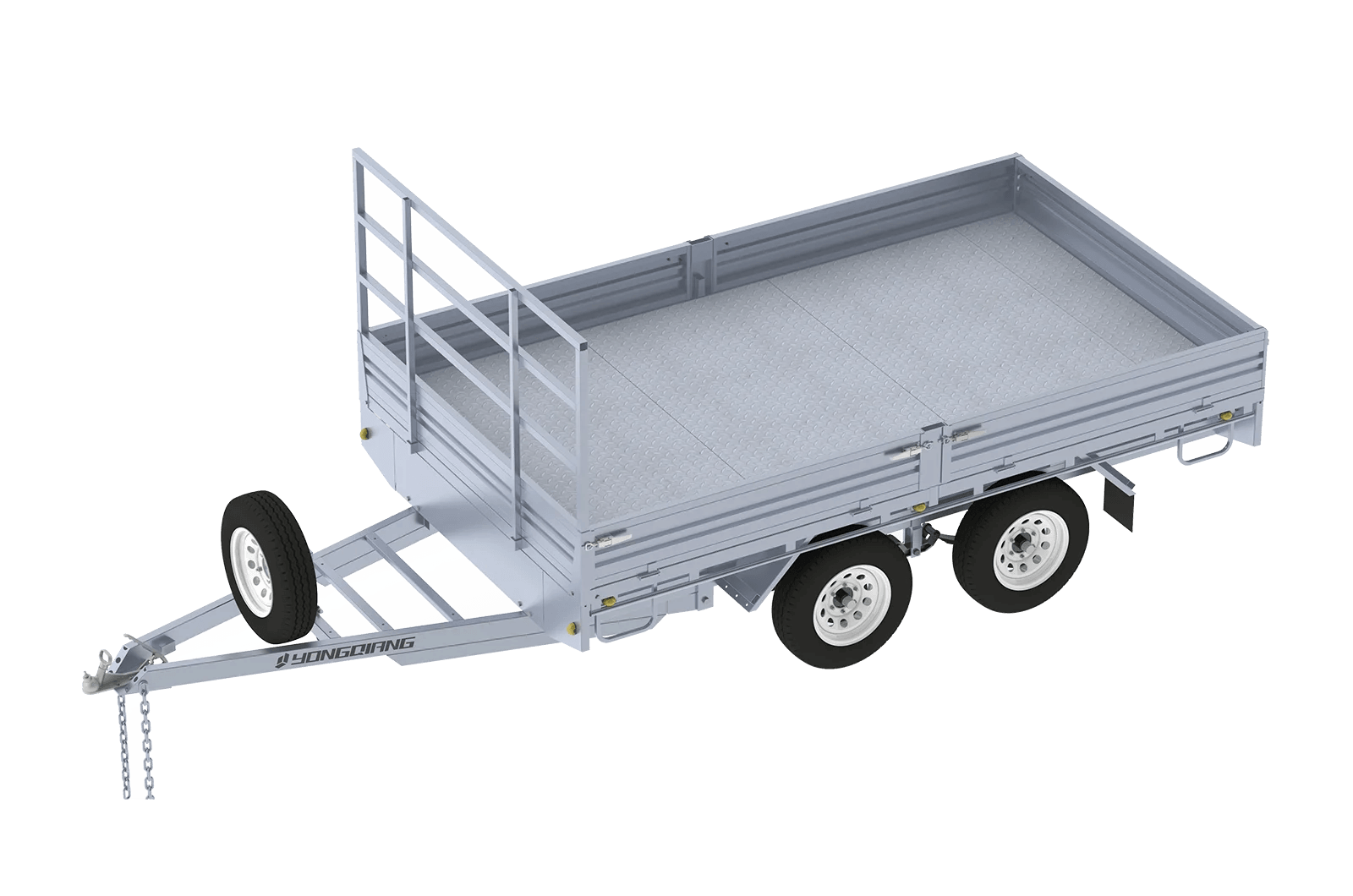
An open trailer can provide quick access from several directions. It may also make loading and unloading straightforward. An enclosed trailer offers a different experience because the machine sits inside a protected space.
The number of snowmobiles being transported can also influence the layout. A setup for one machine may have different space requirements from a trailer used for several machines.
Trailer design can therefore affect:
- Where ramps can be installed.
- Where securing points are available.
- How machines are positioned.
- How users walk around the trailer.
- Where additional equipment can be stored.
- How easily the trailer can be cleaned.
A kit should fit the overall design rather than being selected in isolation.
This is particularly important when a trailer has already been modified. Previous additions may change available mounting areas or interfere with new components.
Can a Snowmobile Trailer Kit Make Winter Transport More Practical?
Winter transport brings environmental conditions that are different from ordinary outdoor use. Snow, moisture, road dirt, and changing temperatures can affect both the trailer and its accessories.
A practical transport setup needs to account for these conditions. Mud and snow can accumulate around the deck. Wet equipment may need to be cleaned after use. Metal components can also require attention when exposed to moisture and road materials.
The trailer kit itself is only one part of this process. Storage and maintenance matter as well.
After use, owners can pay attention to:
- Removing accumulated snow and dirt.
- Checking visible components for damage.
- Keeping securing equipment organized.
- Allowing wet equipment to dry when appropriate.
- Following care instructions for the individual components.
- Inspecting the trailer before its next use.
Winter equipment often moves between cold outdoor conditions and warmer storage areas. That repeated change can make regular inspection useful.
The goal is not complicated maintenance. It is about noticing small issues before they interfere with the next transport task.
What Accessories Can Be Part of a Snowmobile Trailer Kit?
There is no single universal list of components for every kit. Different manufacturers may group different accessories together according to the intended trailer application.
Potential components can include ramps, guides, tie-down hardware, support pieces, deck accessories, and other trailer-related items.
Some products may focus on one particular function. Others may combine several parts into a package intended to simplify trailer preparation.
| Accessory Type | Possible Use |
|---|---|
| Loading ramp | Supports movement onto or off the trailer |
| Guide component | Helps with positioning |
| Tie-down point | Supports securing arrangements |
| Deck accessory | Helps organize the loading surface |
| Support component | Provides additional trailer support |
| Storage accessory | Helps keep equipment organized |
Buyers should check exactly what is included rather than assuming that every kit contains the same components.
This also makes product descriptions important. Clear information about compatibility, installation, and intended use can help buyers compare different options without relying on the product name alone.
How Should Buyers Choose a Snowmobile Trailer Kit?
Choosing a kit starts with the trailer that the buyer already owns or plans to use. The kit needs to work with that setup.
The snowmobile itself also matters. Different machines can vary in size, shape, weight distribution, and loading requirements. The transport arrangement should account for these differences.
The intended frequency of use is another consideration. Someone who transports a snowmobile occasionally may have different priorities from a rider who regularly travels to different riding locations.
A useful selection checklist includes:
Trailer compatibility
Check whether the kit is intended for the trailer type and layout.
Loading method
Consider how the snowmobile will move onto and off the trailer.
Securing arrangement
Look at how the machine will be held in place during transport.
Available space
Make sure the kit does not interfere with other equipment.
Installation
Understand whether the components are intended for straightforward installation or require additional work.
Maintenance
Consider whether the parts can be inspected and cleaned easily.
Future use
Think about whether the trailer will also transport other outdoor equipment.
This approach can prevent a common purchasing mistake: choosing a kit because it looks suitable without checking how it interacts with the actual trailer.
Where Does a Snowmobile Trailer Kit Fit Into Outdoor Equipment Transport?
Snowmobile transportation is part of a wider outdoor equipment market. Riders may need to move machines, tools, protective equipment, fuel containers, spare parts, and other gear together.
A well-organized trailer can make this process easier to manage. A Snowmobile Trailer Kit can contribute by addressing specific transport needs instead of requiring users to improvise with unrelated accessories.
For some users, the kit may be mainly about loading. For others, securing and positioning may be more important. Someone using a trailer for several outdoor activities may value adaptability.
That is why the role of the kit is best understood through the complete transport process:
Prepare the trailer → load the snowmobile → position it → secure it → transport it → unload it → clean and inspect the equipment.
Each stage creates different practical requirements. A suitable kit can address some of those requirements while fitting into the broader design of the trailer.
The result is a transport arrangement built around how the trailer will actually be used, rather than around a single accessory or component.
- Trailer
- Utility Trailer
- Dump Trailer
- Boat/Watercraft Trailer
- Aluminum Trailer
- Equipment Trailer
- Box Trailer
- Hydraulic Tipper Trailer
- Boat Trailer
- Specialist Trailer
- Caravan
- Off Road Caravan - Crest 16
- On Road Caravan - Trekker 19
- On Road Caravan - Trekker 22F
- Pop-top Caravan - Pod 15C
- Trailer Parts
- All Parts
- Contact Us
-
- No.888 South Longqian Ave, Bailongqiao Town Jinhua Zhejiang, China
-
+86-579-82217008
+86-579-82221688 -
sales@yqtrailer.com
 High-Quality Trailers & Caravans Manufacturer