
-
North America Models
-
Oceania Models

 English
What to Look for When Buying a Dump Trailer
The main work the trailer will perform shapes every later decision. Construction sites, landscaping jobs, farm operations, road upkeep, and general material transport each place different demands on bed size, strength, and dumping behavior. Soil, gravel, sand, broken debris, and farm produce all vary in density and handling, so the trailer must suit the typical load rather than an occasional extreme. Dump trailers built for these varied settings differ in capacity, bed shape, and hydraulic setup to match the real daily load.
Assessing Payload Limits and Overall Weight Ratings
Payload capacity describes how much material the trailer can carry once its own weight is subtracted. Gross vehicle weight rating covers the combined mass of trailer and load. Estimating the usual weight of the materials to be moved prevents overloading. Trailer weight, cargo weight, and the towing vehicle's own rating must be viewed together. Selecting a trailer whose ratings cover regular daily loads rather than relying only on bed volume keeps the unit within safe operating bounds.
Reviewing Bed Length, Width, and Sidewall Height
Bed length, width, and the height of the sides control both how much material fits and how easily loading equipment can reach the space. Dimensions should line up with the size of the materials and the space available at the work site. Compact beds suit smaller repeated jobs while larger beds handle heavier commercial volumes. Confirming the range of sizes and layouts offered by the builder ensures a practical match exists.
Inspecting Frame Strength and Material Construction
Heavy loads place continuous stress on the frame. Steel grade, the way the frame is laid out, the quality of the welds, and any corrosion protection all influence how long the structure lasts. Floor thickness and sidewall build affect resistance to dents, bending, and wear from abrasive loads. Checking the actual construction details of the trailer before purchase reveals whether the frame will hold up under repeated dumping cycles.
Understanding the Hydraulic System That Raises the Bed
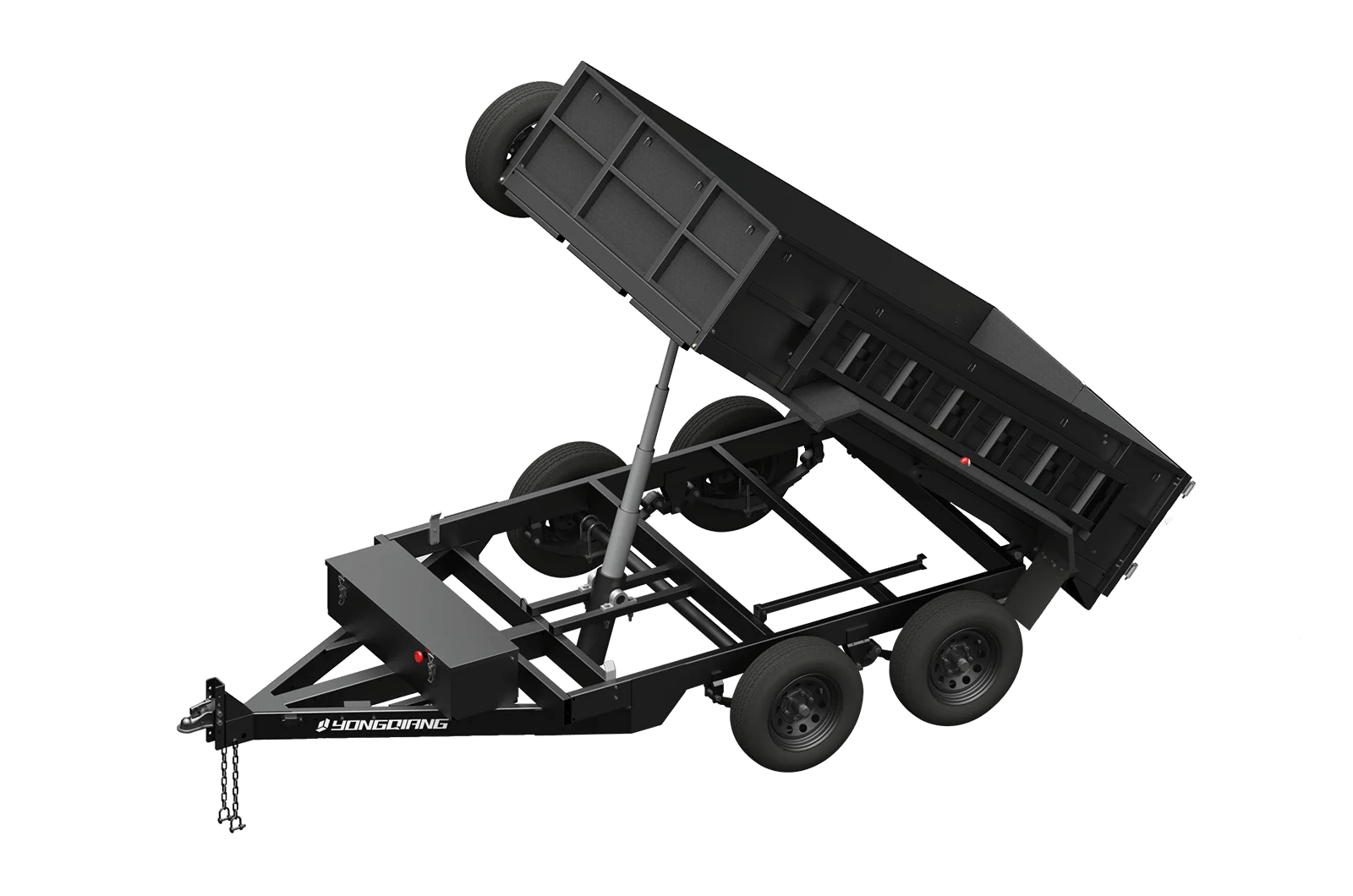
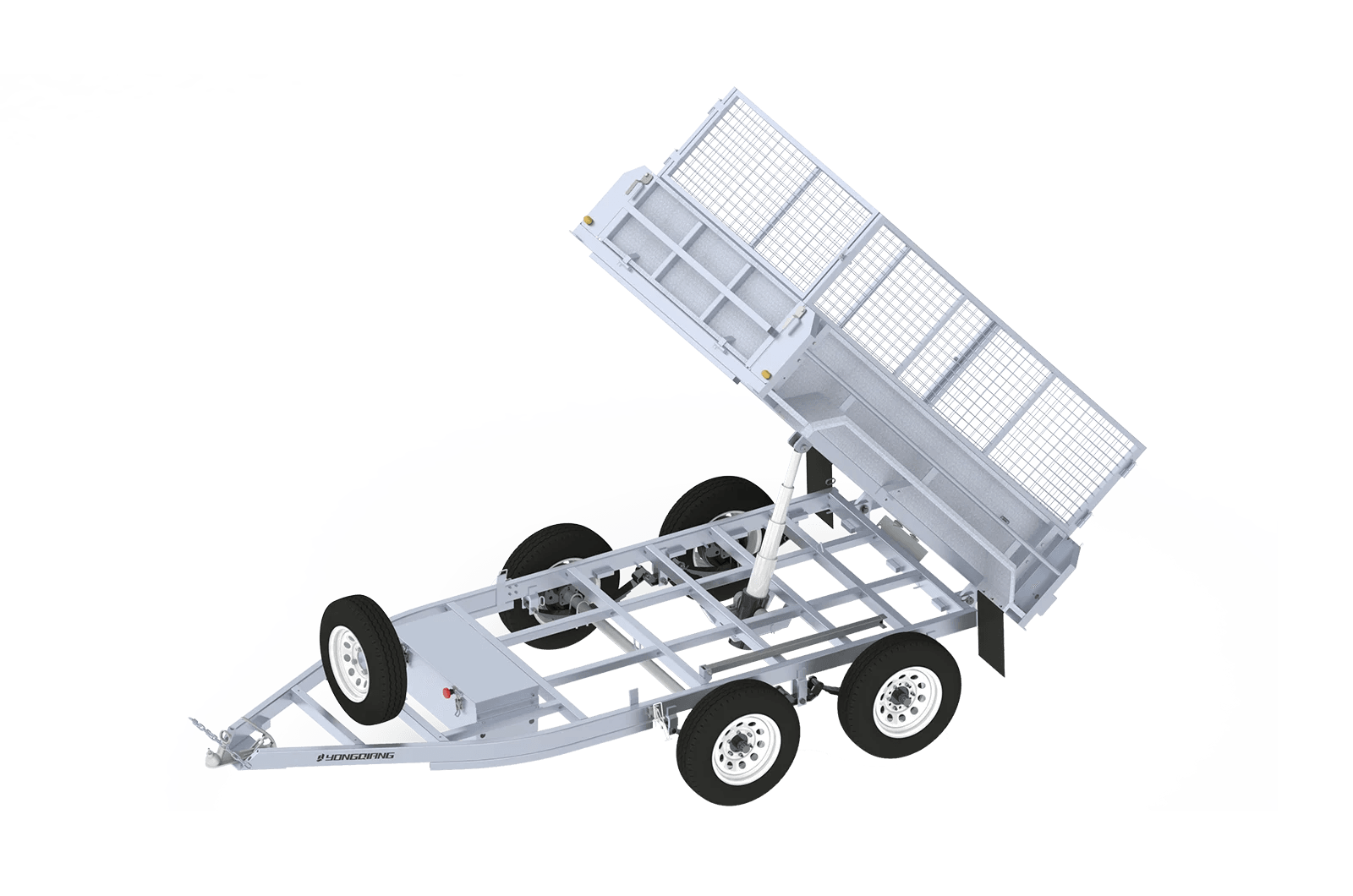
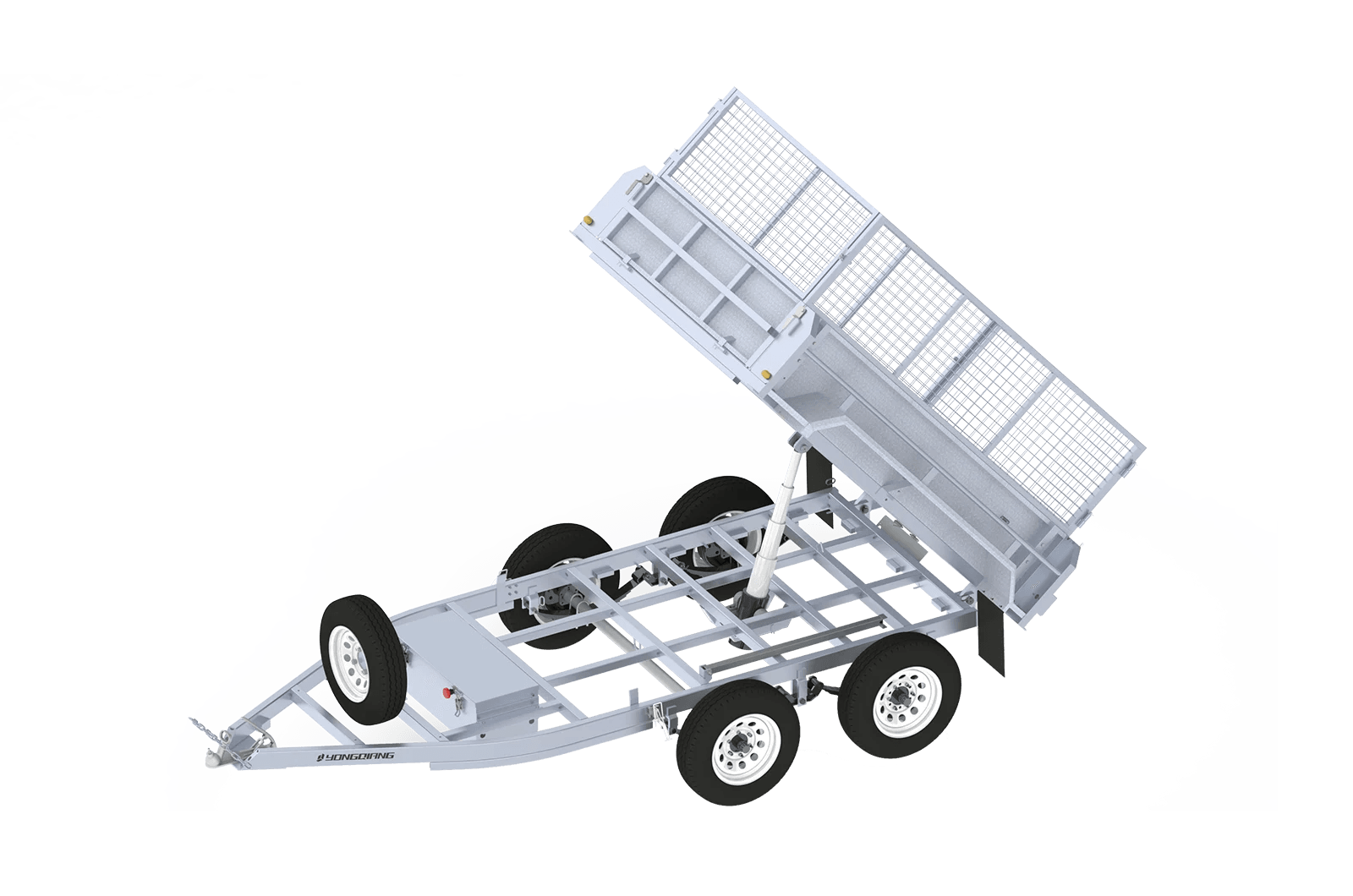
The hydraulic cylinder, pump, fluid reservoir, and power source work together to lift the bed. Cylinder size, the geometry of the lift, and the overall hydraulic package determine how smoothly and how high the bed rises under load. The system must be able to handle the trailer's rated capacity and the density of the intended material. Component quality, ease of routine maintenance, and the availability of service parts deserve attention before any decision is final.
Selecting Axles, Suspension, and Running Gear
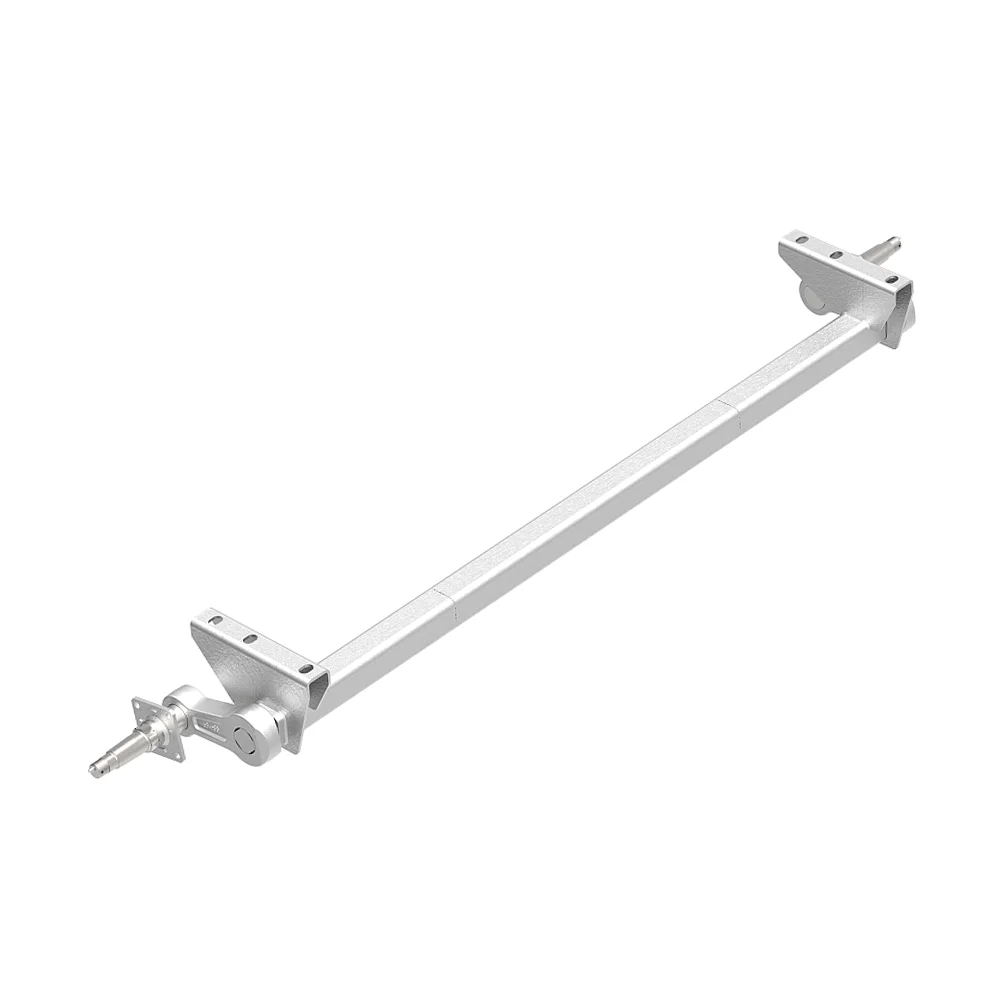
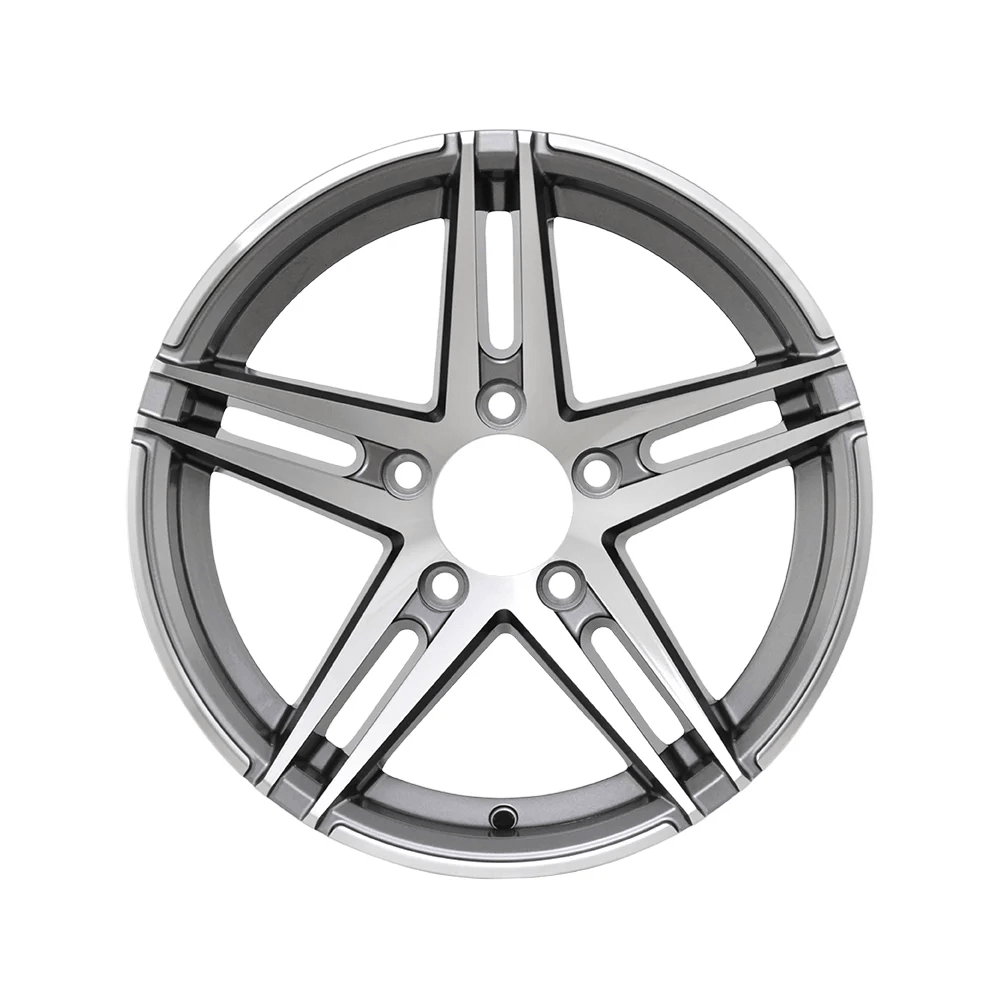
Axle ratings set the upper limit of what the trailer can legally and safely carry. Suspension type affects how the load rides over rough ground or uneven job sites. Tires and wheels must match both the weight and the speed the trailer will travel. Confirming that axles, suspension, wheels, and tires form a matched set prevents weak points under full load.
Confirming Safety Equipment and Towing Fit
A compatible hitch, coupler, safety chains, braking system, and lighting package keep the trailer secure on the road. The towing vehicle's rated capacity must exceed the combined weight of trailer and load. Braking equipment and electrical connections need to meet the rules that apply in the operating area. Safe loading, level parking, and firm ground under the trailer during the dump cycle reduce the chance of tip-over or instability.
Weighing Standard Features Against Optional Additions
Tailgate style, loading access points, tarp systems, ramps, and tie-down locations change how the trailer is used day to day. Optional items should be chosen only when they solve a real work problem. Extra accessories that are rarely used simply raise the purchase cost without improving daily output. Customization available through dump trailer manufacture operations can address specific site needs when standard layouts fall short.
Evaluating a Builder's Experience and Production Strength
Experience producing trailers for construction, agriculture, landscaping, and similar work shows whether the builder understands the actual demands of those trades. Production capacity must cover the required bed sizes, load ratings, hydraulic layouts, and any requested options. Material inspection, welding standards, dimensional checks, hydraulic testing, and final inspection procedures indicate how consistently quality is maintained. The ability to hold the same specifications across repeat orders, the availability of documentation, spare parts, and after-sales help, plus the capacity to handle order volume, lead times, packaging, and shipping, all affect the reliability of the supply relationship. Working directly with a capable builder allows clearer comparison of specifications, customization scope, and total cost.
Balancing Purchase Price Against Long-Term Operating Cost
The initial figure should be weighed against rated capacity, frame and floor construction, hydraulic component quality, and the features that are actually included. Ongoing costs such as tire replacement, hydraulic fluid and seal service, and corrosion protection accumulate over the life of the trailer. A unit that matches the real workload avoids the extra expense of frequent repairs or premature replacement. Quotations compared on identical technical lists, warranty terms, delivery conditions, and included accessories give a clearer picture of value. Requesting a detailed quotation based on the actual hauling requirements produces a figure that reflects the true scope.
Pre-Purchase Review Points for Dump Trailer Selection
Confirming the main work and the usual materials sets the starting point. Payload capacity, overall weight rating, bed dimensions, and towing vehicle compatibility follow next. Frame construction, hydraulic system details, axle ratings, tires, and safety equipment need close review. Available features, any customization, and maintenance demands are checked against daily needs. The builder's quality process, technical support, and delivery ability complete the evaluation. Product drawings, full technical sheets, and a formal quotation should be obtained before any order is placed.
Summary of Selection Factors Across Typical Work Conditions
| Selection Factor | Primary Consideration | Related Daily Impact |
|---|---|---|
| Intended work and materials | Density and handling of typical loads | Bed size and hydraulic demand |
| Payload and weight ratings | Combined trailer and cargo mass | Towing vehicle match and road legality |
| Bed dimensions | Volume and loading access | Fit to site space and equipment |
| Frame and floor construction | Resistance to heavy repeated loads | Service life under abrasive materials |
| Hydraulic system | Lift capacity and smoothness under load | Dumping reliability and maintenance |
| Axles, suspension, tires | Load distribution and ground conditions | Stability and tire wear |
| Safety and towing fit | Hitch, brakes, lights, chains | Road and job-site security |
| Features and customization | Tailgate, tarp, ramps, tie-downs | Daily usability versus extra cost |
Selecting a Trailer That Matches Actual Working Conditions and Available Supply
Capacity, construction quality, hydraulic performance, safety equipment, and total ownership cost all need joint review. Choosing according to the real daily workload rather than the lowest figure alone produces a trailer that stays serviceable longer. A reliable builder supplies consistent specifications, steady quality, and practical customization when needed. YONGQIANG produces dump trailers suited to construction, landscaping, agricultural, and material transport work. Review of the required capacity, bed layout, hydraulic arrangement, and site conditions against the available range allows selection of a unit that fits the intended hauling tasks without excess cost or shortfall in performance.
- Trailer
- Utility Trailer
- Dump Trailer
- Boat/Watercraft Trailer
- Aluminum Trailer
- Equipment Trailer
- Box Trailer
- Hydraulic Tipper Trailer
- Boat Trailer
- Specialist Trailer
- Caravan
- Off Road Caravan - Crest 16
- On Road Caravan - Trekker 19
- On Road Caravan - Trekker 22F
- Pop-top Caravan - Pod 15C
- Trailer Parts
- All Parts
- Contact Us
-
- No.888 South Longqian Ave, Bailongqiao Town Jinhua Zhejiang, China
-
+86-579-82217008
+86-579-82221688 -
sales@yqtrailer.com
 High-Quality Trailers & Caravans Manufacturer