
-
North America Models
-
Oceania Models

 English
Why is an Aluminum End Dump Trailer a Practical Choice for Heavy-Duty Hauling
Moving sand, gravel, soil and similar bulk materials across job sites and between facilities puts repeated stress on the trailer body, frame and dump mechanism. Commercial work needs adequate strength, usable load space and unloading that does not rely on manual shovelling. Frequent load–haul–dump cycles expose weak joints, soft floors and awkward tailgates quickly.
A trailer that fits daily routes and dump points keeps crews productive without constant work-arounds. An aluminum end dump trailer is one practical format for operators who move bulk materials on a regular schedule.
Why Aluminum Is Used in Dump Trailer Bodies
Aluminum influences both empty weight and how the trailer behaves in wet or corrosive conditions. Compared with conventional steel construction, aluminum structures can reduce tare weight, which affects how payload is planned against legal and tractor limits. Lower structural mass can also change fuel and handling considerations over a working week.
Aluminum's resistance to rust is useful when the trailer sees rain, road spray and damp aggregates. An aluminum dump trailer is often considered when operators want that mix of material behaviour and transport practicality rather than a steel-only default.
Moving Bulk Materials with a Suitable Body
Bulk hauling needs a body that loads cleanly from excavators or loaders and empties without excessive hang-up. Sand, gravel, soil and aggregates are typical cargos. Body length, side height and floor design should match the material and the loading method used on site.
A coherent structure helps the day's sequence of loading, travel and dumping stay orderly. Construction, infrastructure and commercial haulers use this type of trailer when the cargo is free-flowing and rear discharge fits the tip location.
How End Dump Unloading Works on Site
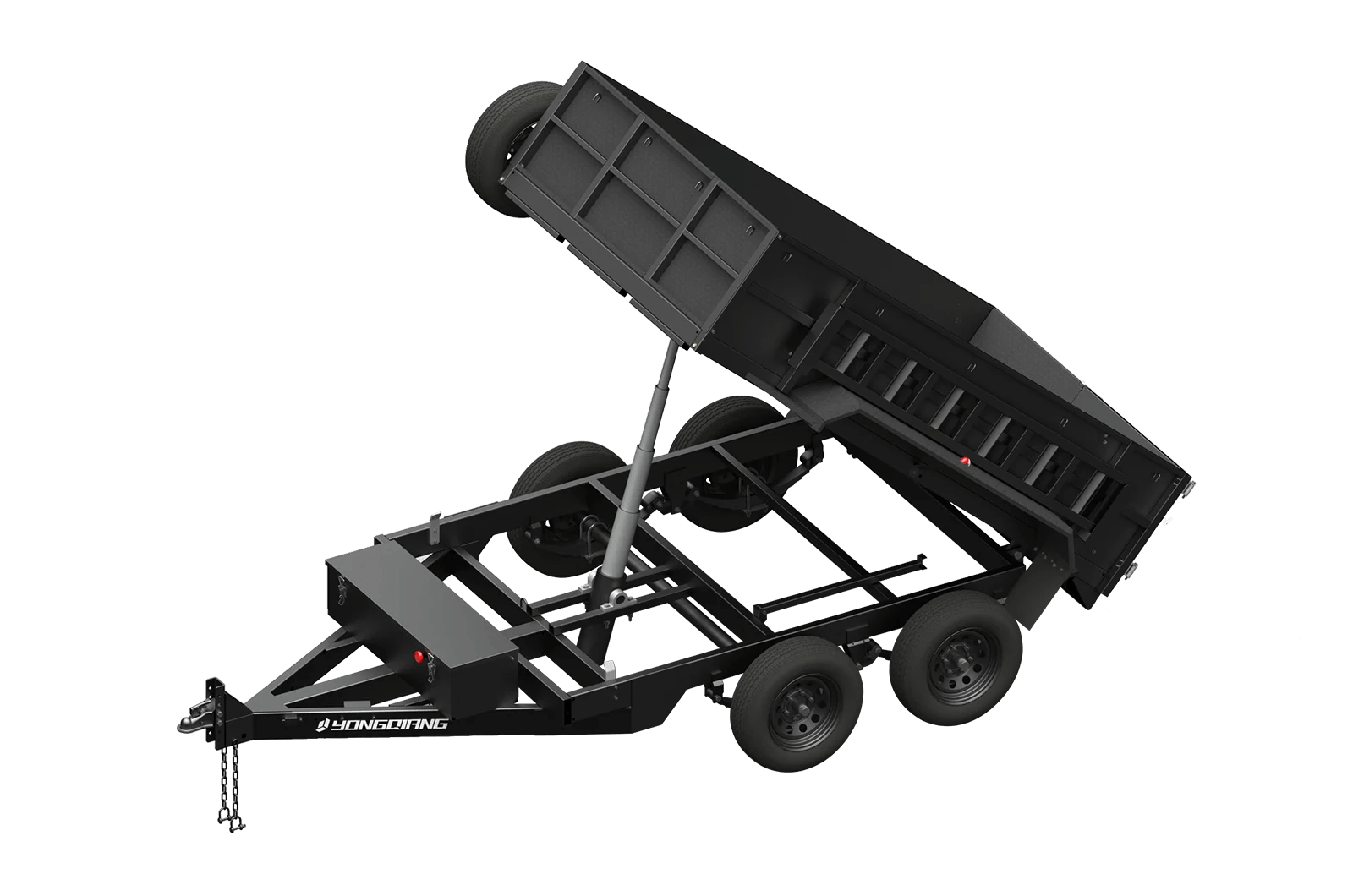
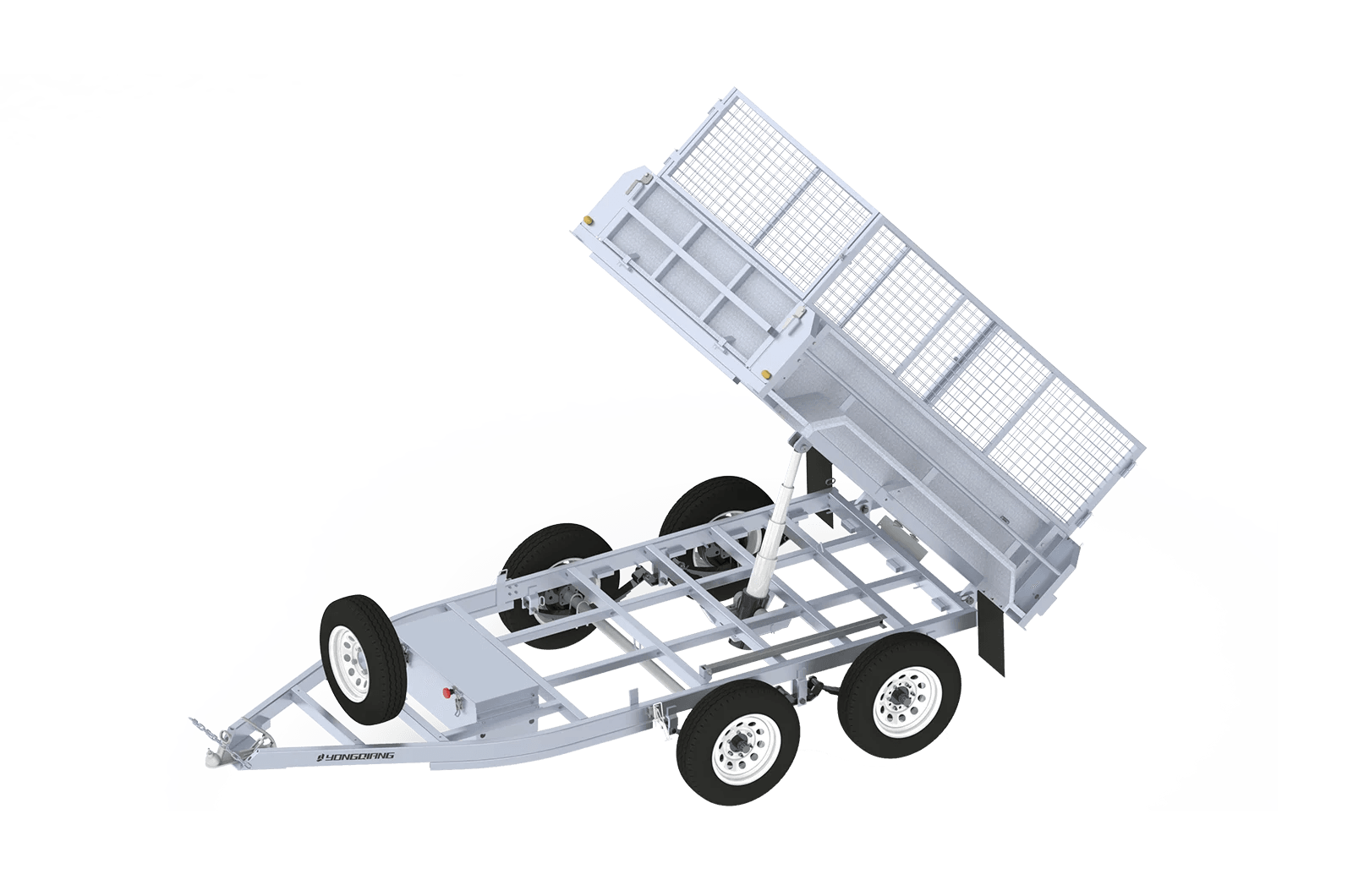
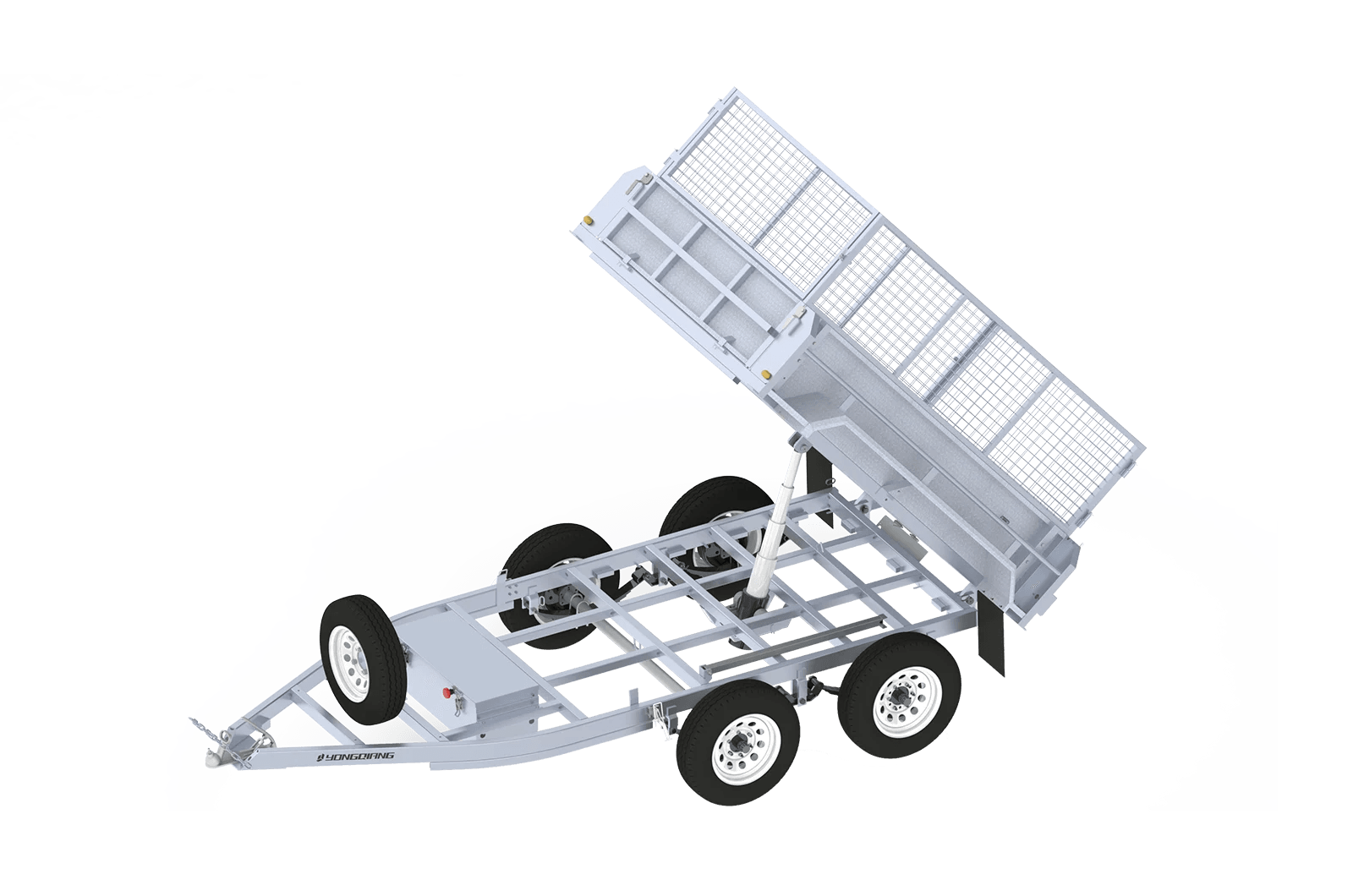
An end dump raises the body so material leaves through the rear. Hydraulic cylinders lift the front of the body; the tailgate releases or swings to let the load flow onto the designated pile or hopper. Directing the discharge to a fixed spot reduces spreading and re-handling.
Tailgate type and latch arrangement affect how cleanly the load leaves and how safe the area behind the trailer stays during the tip. End dump layout simplifies many construction and industrial drop-offs when the ground is suitable and the trailer is positioned correctly.
Structure Under Repeated Load and Dump Cycles
Frame stiffness and the way crossmembers, floor and sides share load influence long-term integrity. Body-to-chassis connections and the path of hydraulic force must stay aligned through many cycles. Suitable structure helps the trailer absorb the shock of loading and the changing geometry of dumping without progressive distortion.
A well-planned aluminum end dump is intended for demanding transport environments where downtime for structural repair is costly.
Corrosion and Outdoor Exposure
Dump trailers collect rain, mud and residual fines. Corrosion on steel can affect appearance, hinges and eventually structural sections if protection is neglected. Aluminum's inherent corrosion behaviour reduces some of that concern in outdoor fleets.
Material choice also affects washing routines and how quickly the body returns to a clean state after sticky loads. Aluminum construction is a relevant factor for fleets that operate year-round in wet climates.
Where These Trailers Are Applied
Construction sites use them for sand, gravel and fill. Road and infrastructure work relies on steady aggregate supply. Agricultural and general commercial hauling can use the same format when the product is bulk and free-flowing. Versatility comes from matching body and duty rather than from one trailer doing every specialised job.
Matching Body Details to Cargo Behaviour
Different materials abrade floors, stick to sides or impact tailgates differently. Body dimensions, side profile and floor specification should reflect the dominant cargo. Evaluating an Aluminum End Dump Trailer against actual materials avoids ordering a general body that underperforms on the main haul.
Hydraulics and Day-to-Day Operation
The lift system must raise and lower the body in a controlled way. Cylinder placement and structural reinforcement around lift points affect durability. Controls should be clear; service points for hoses and cylinders should be reachable. Inspection before shifts supports dependable unloading. A coherent hydraulic package is central when specifying a Dump Truck Dump Trailer style unit for bulk work.
Stability While Dumping
Raising a loaded body shifts the centre of gravity. Level, firm ground, sensible positioning and even loading reduce tip risk. Operators should stay within stated load practice and site rules. Tyres, suspension, hydraulics and structure deserve pre-use checks. Design and disciplined operation together support safer hauling.
Maintenance Habits That Preserve the Trailer
Inspection after hard weeks catches floor wear, side damage and tailgate issues early. Cleaning off packed mud and aggregate protects surfaces and hinges. Hydraulic hoses and cylinders need scheduled attention. Storage and timely repair keep the unit available. Accessible components make those routines realistic for busy fleets.
Aluminum Bodies Compared with Steel Alternatives
Aluminum offers lower mass and strong corrosion behaviour; steel remains a valid choice where impact resistance or specific duty traditions favour it. Maintenance patterns, structural detail and cargo type should drive the comparison. Full configuration and operating context matter more than material slogans alone.
Purchase Checks for Aluminum End Dump Units
Confirm that end dump suits the materials and tip sites. Review body size, structure, floor and tailgate. Assess aluminum quality and frame layout. Verify hydraulic compatibility and control layout. Check axles, suspension, tyres, brakes and tractor match. Weigh maintenance access and site conditions. Choice should follow real haul patterns and longer operating plans.
Practical Value for Hauling Businesses
Aluminum construction brings useful weight and corrosion characteristics. Combined with end dump unloading and a structure sized for the cargo, it supports regular bulk handling. The Al Dump Trailer line is aimed at construction, aggregate and commercial operators who need that combination for everyday work.
Hauling Factors and Trailer Responses
| Operating factor | Trailer consideration | Practical effect |
|---|---|---|
| Bulk free-flowing cargo | End dump body and rear discharge | Faster, directed unloading |
| Wet outdoor service | Aluminum corrosion behaviour | Less rust-driven maintenance |
| Payload planning | Lower structural mass versus steel | Different payload and tractor matching |
| Repeated tip cycles | Frame, floor and lift-point design | Longer structural service life |
| Mixed site conditions | Stability practice and pre-use checks | Safer raising of the body |
| Fleet upkeep | Cleanable body, accessible hydraulics | Sustainable daily care |
Material, Structure and Unloading in One Working Package
Aluminum end dump trailers suit heavy-duty bulk hauling when material choice, body structure, hydraulic dump function and site practice align with the cargos and routes involved. YONGQIANG produces aluminum dump trailers for construction and commercial bulk transport. Review of cargo types, tip-site conditions and tractor compatibility against trailer specifications supports selection of equipment suited to demanding hauling tasks.
- Trailer
- Utility Trailer
- Dump Trailer
- Boat/Watercraft Trailer
- Aluminum Trailer
- Equipment Trailer
- Box Trailer
- Hydraulic Tipper Trailer
- Boat Trailer
- Specialist Trailer
- Caravan
- Off Road Caravan - Crest 16
- On Road Caravan - Trekker 19
- On Road Caravan - Trekker 22F
- Pop-top Caravan - Pod 15C
- Trailer Parts
- All Parts
- Contact Us
-
- No.888 South Longqian Ave, Bailongqiao Town Jinhua Zhejiang, China
-
+86-579-82217008
+86-579-82221688 -
sales@yqtrailer.com
 High-Quality Trailers & Caravans Manufacturer