

 English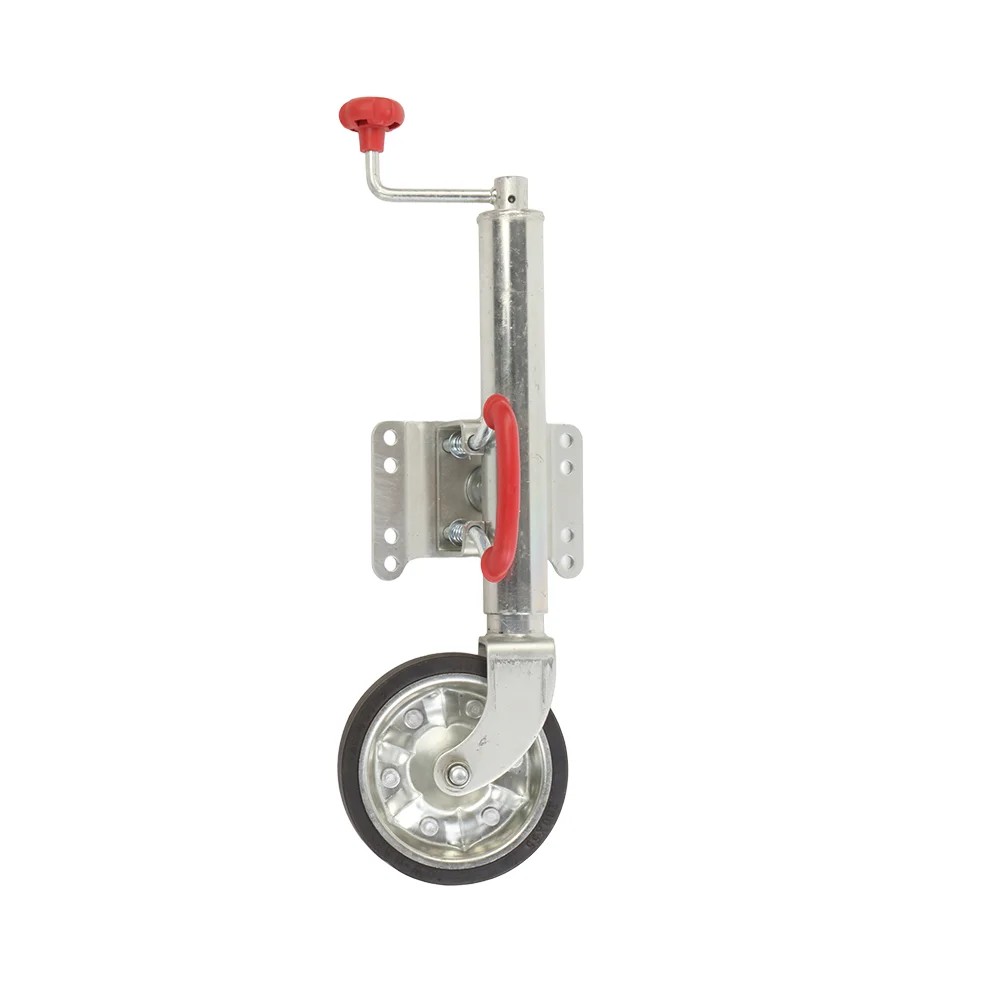
How High-Quality Trailer Parts Improve Safety, Durability and Towing Performance
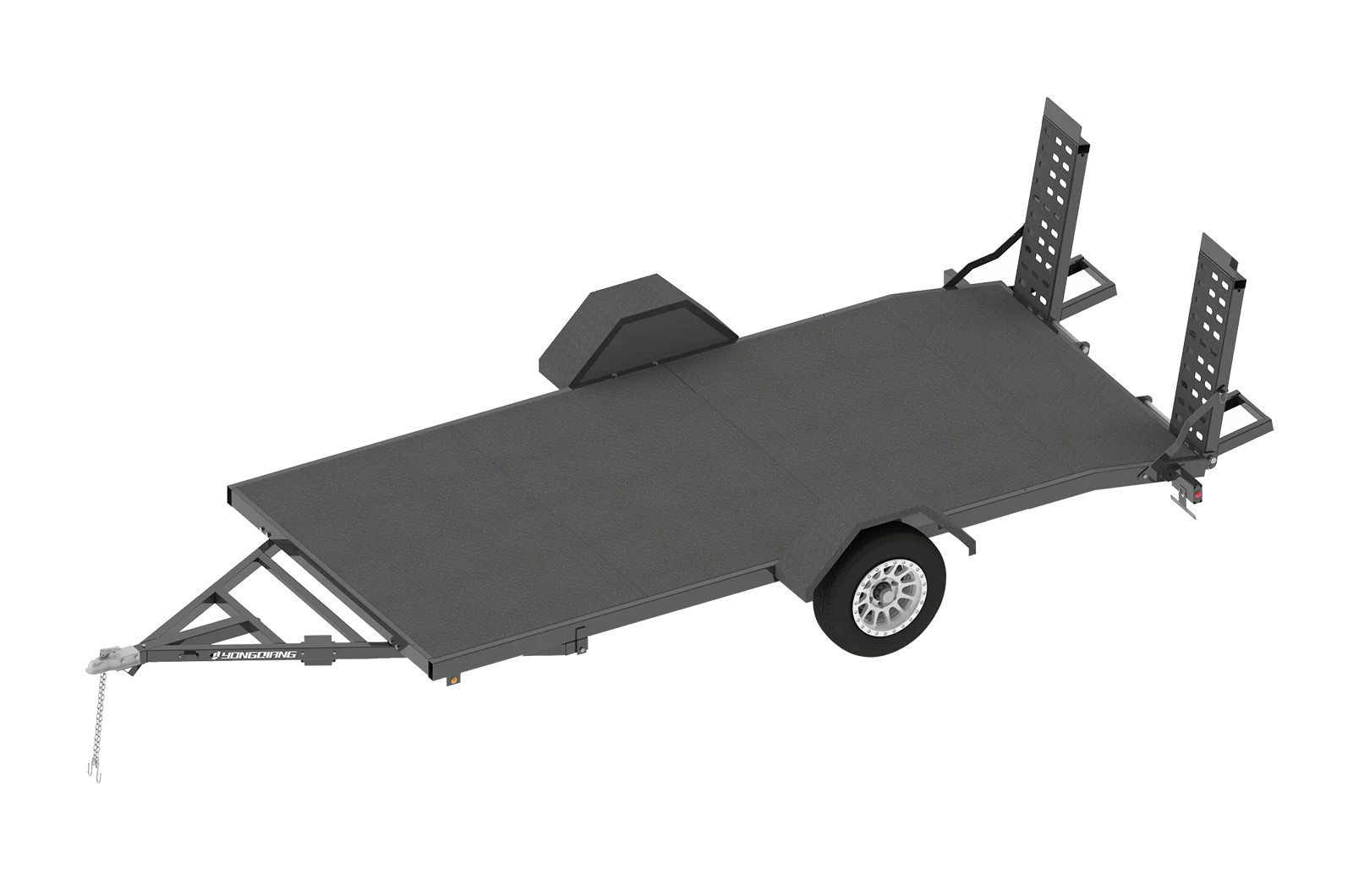
The safety, stability, and lifespan of any trailer system comes down to the parts holding it together. Whether it's logistics transport, construction equipment, agricultural machinery, RV travel, marine hauling, or utility work, every component has to hold up under real road conditions, real loads, and whatever the environment throws at it. A trailer's reliability never rests on a single part — it comes from how well the axle system, brakes, suspension, coupling mechanism, wheels, frame accessories, and cargo components all work together.
Key Trailer Parts and Their Functions
A trailer parts system generally breaks down into several major groups, each carrying its own weight — literally.
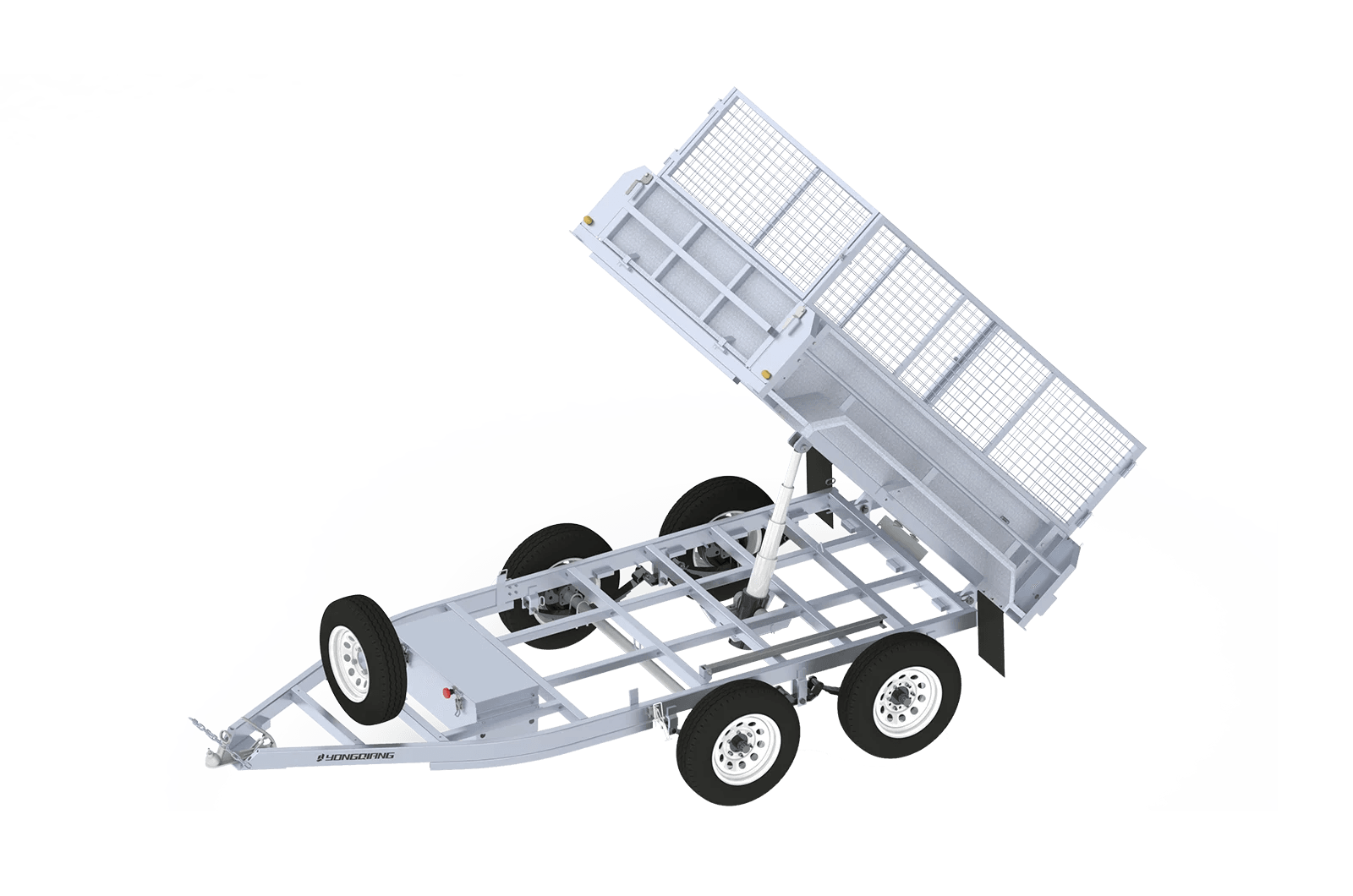
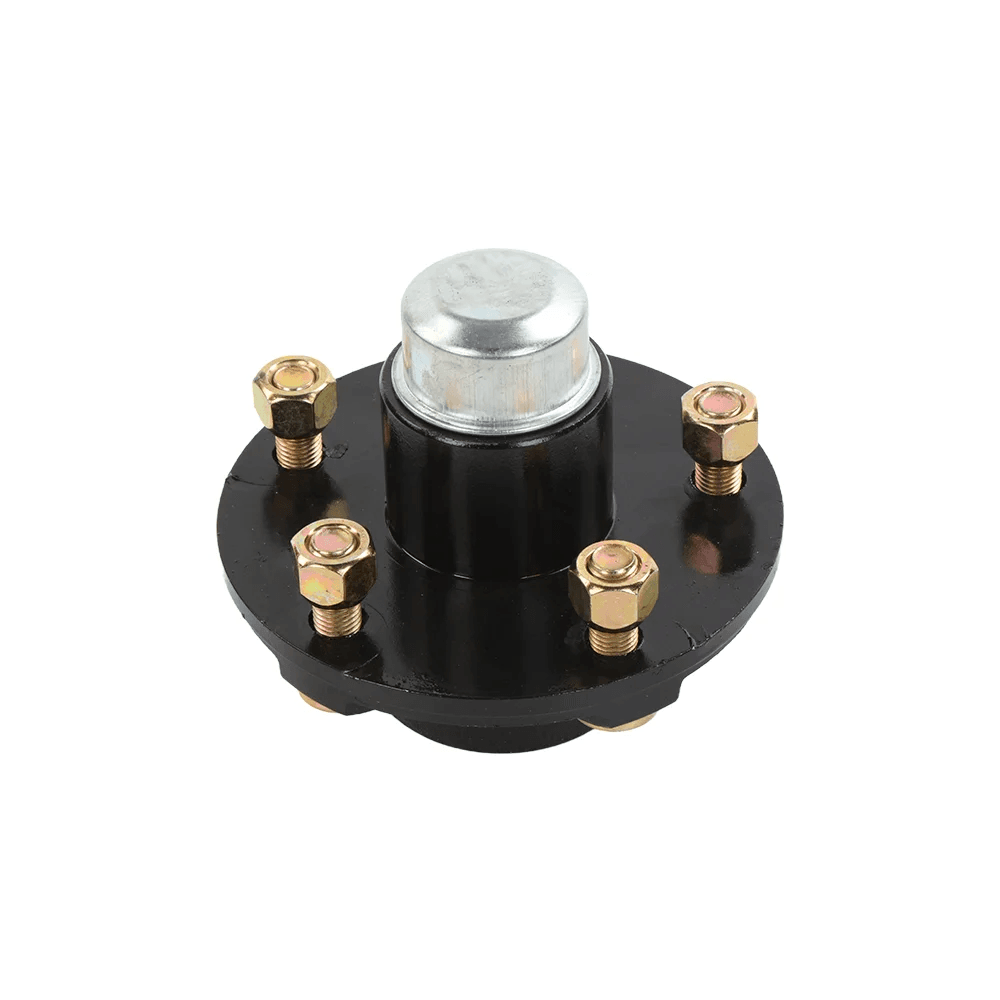
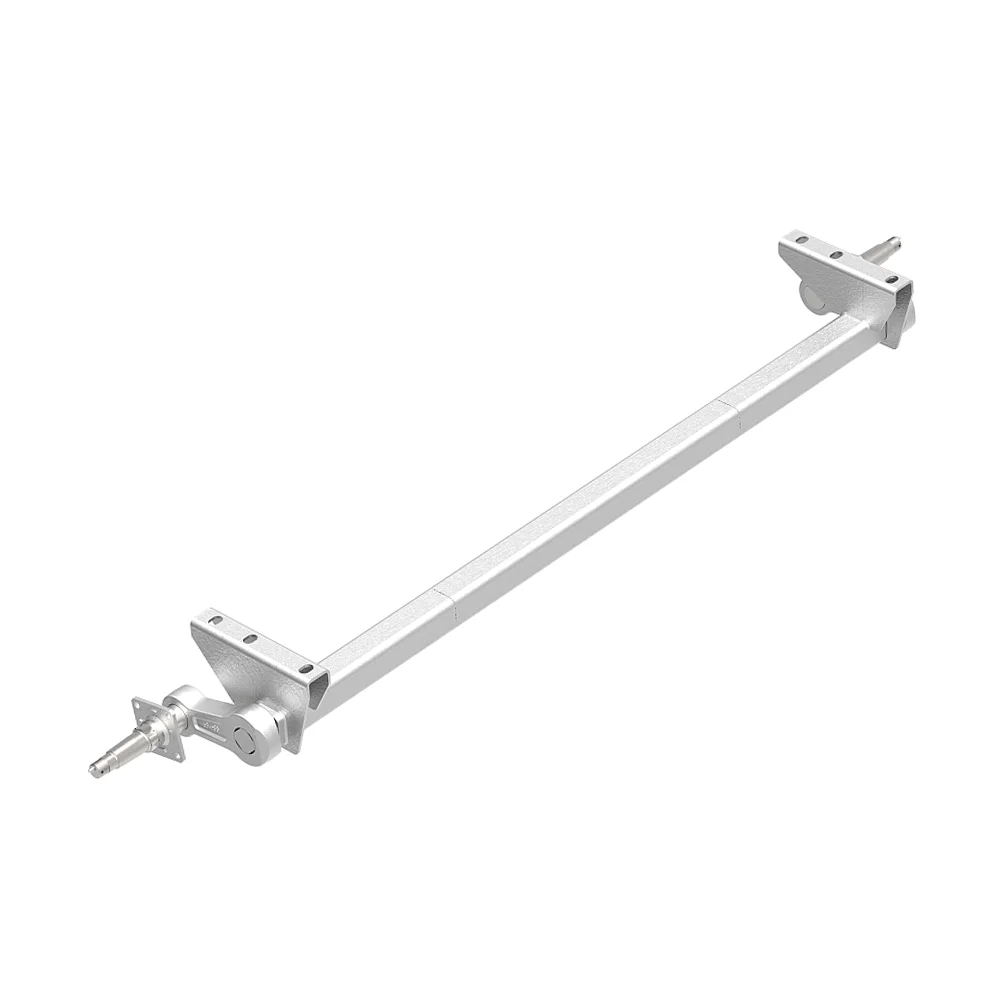
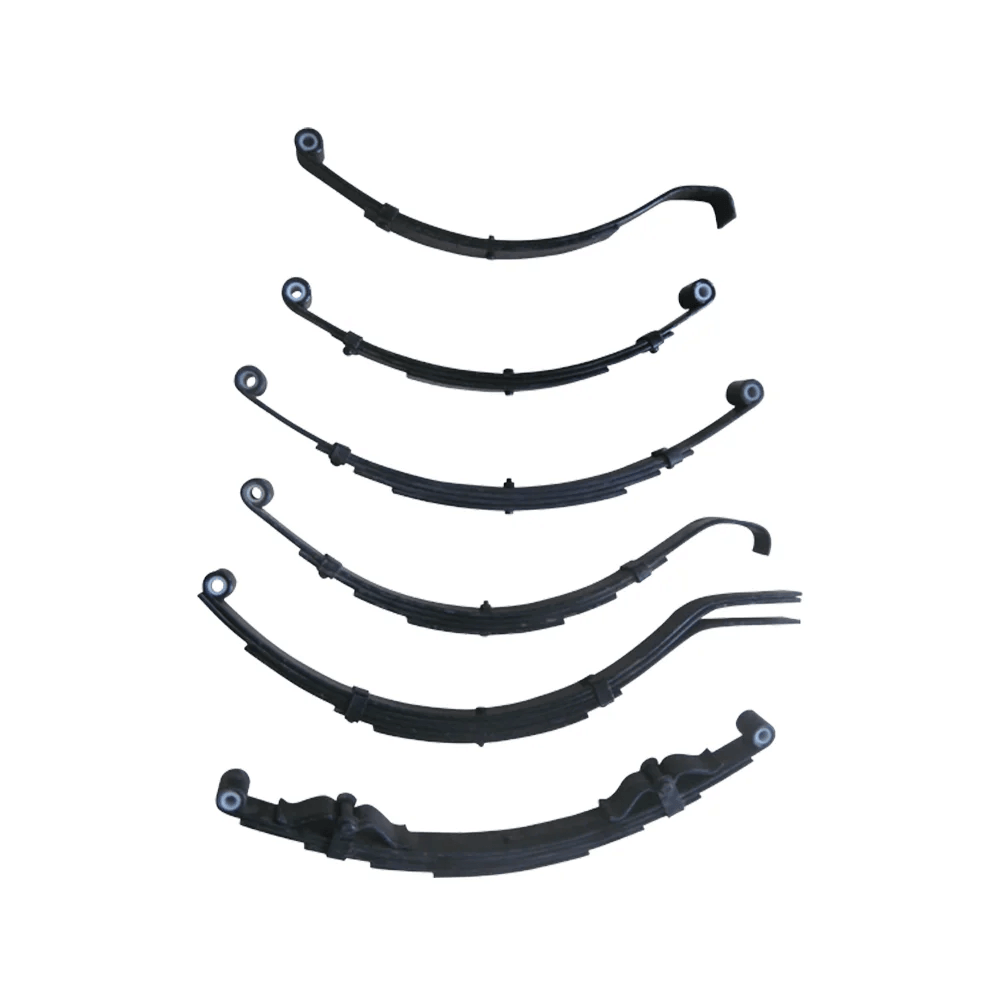
Trailer axles carry the main load and set the tone for rated capacity, road stability, and how balanced the structure feels overall. Hub and brake systems shape stopping performance and heat resistance directly, which matters a lot once trailers start running heavy loads over long distances. Leaf springs and suspension parts absorb the impact from rough roads, cut down on vibration, and protect both the frame and whatever's being hauled.
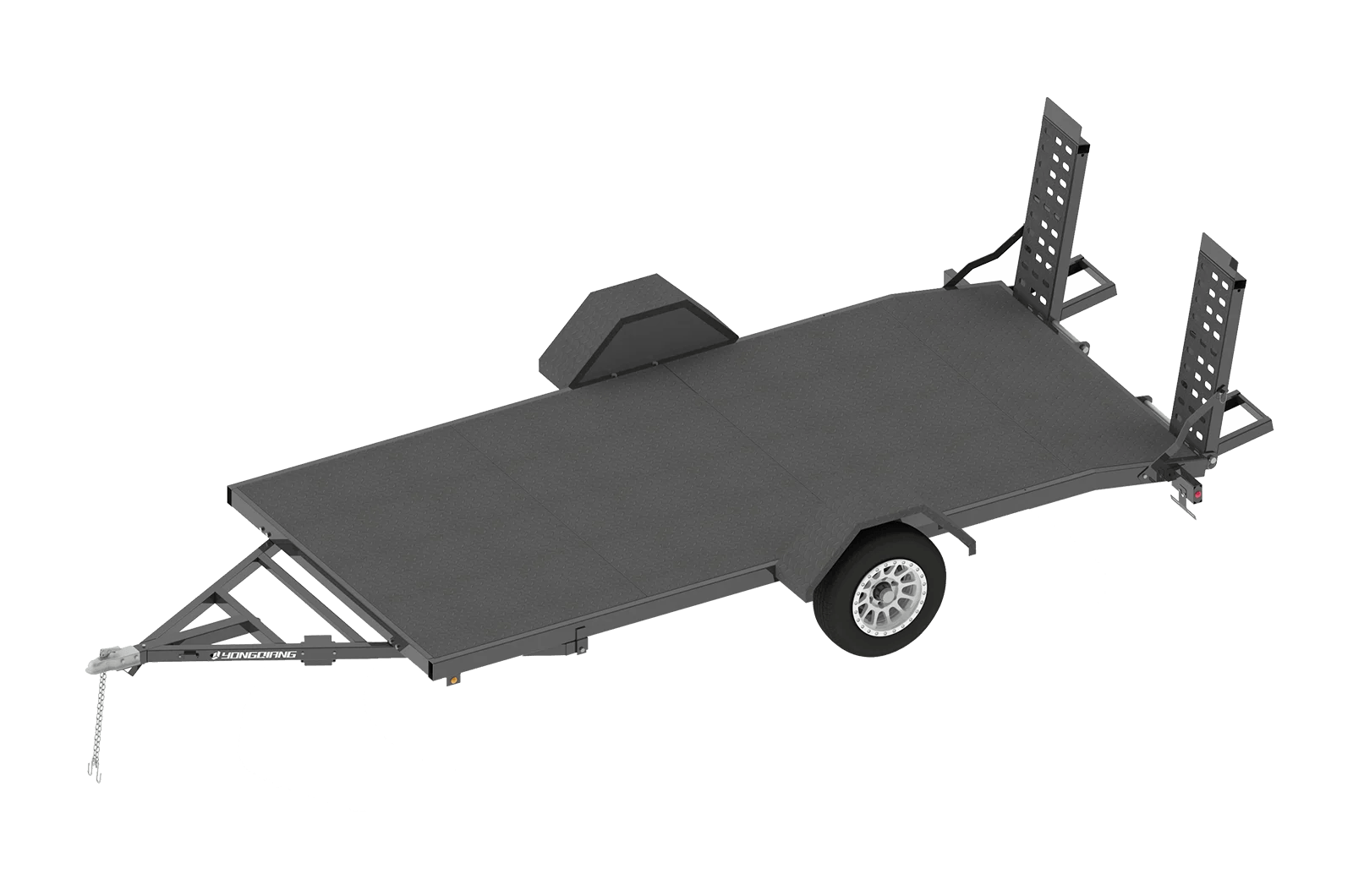
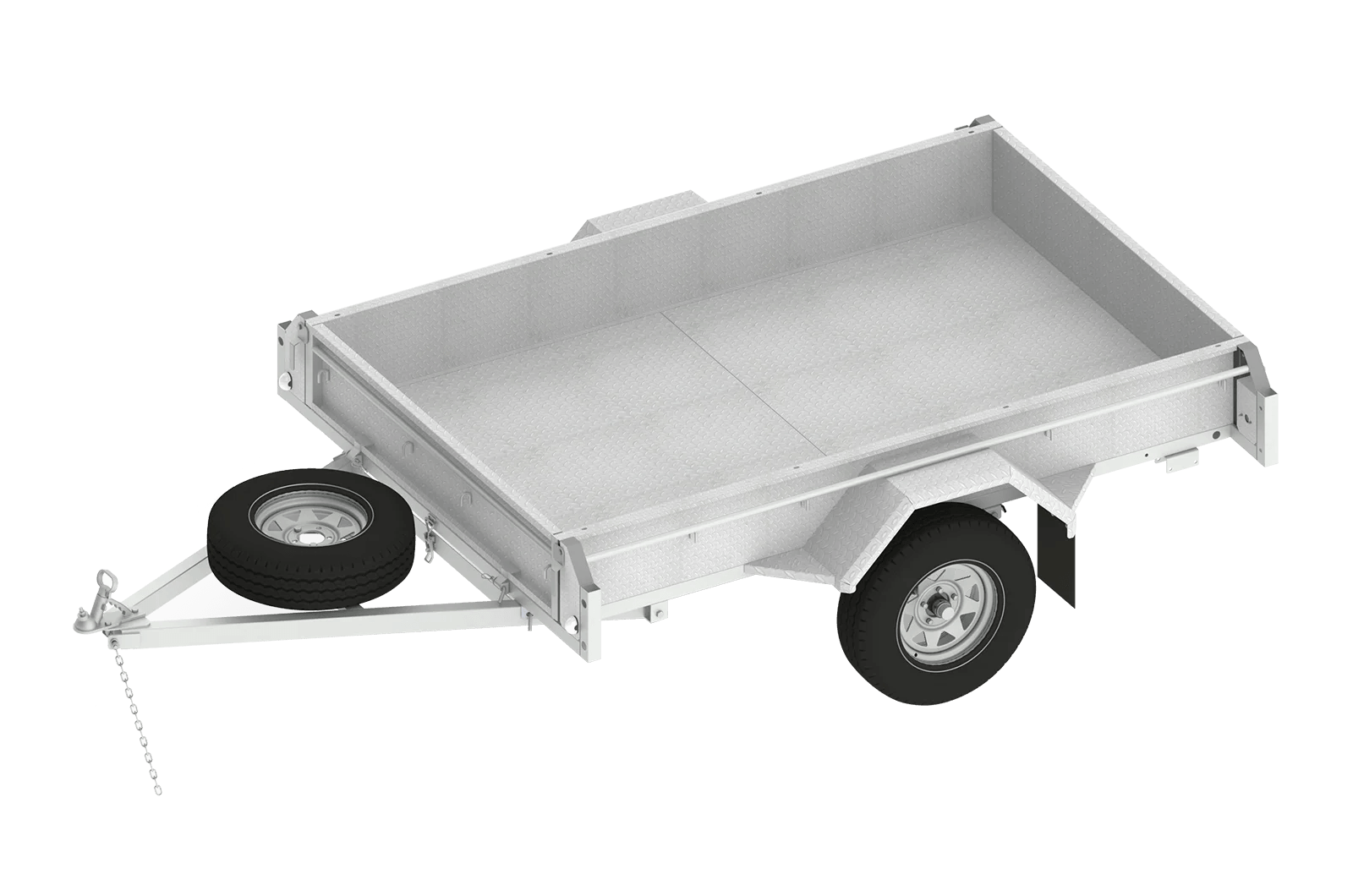
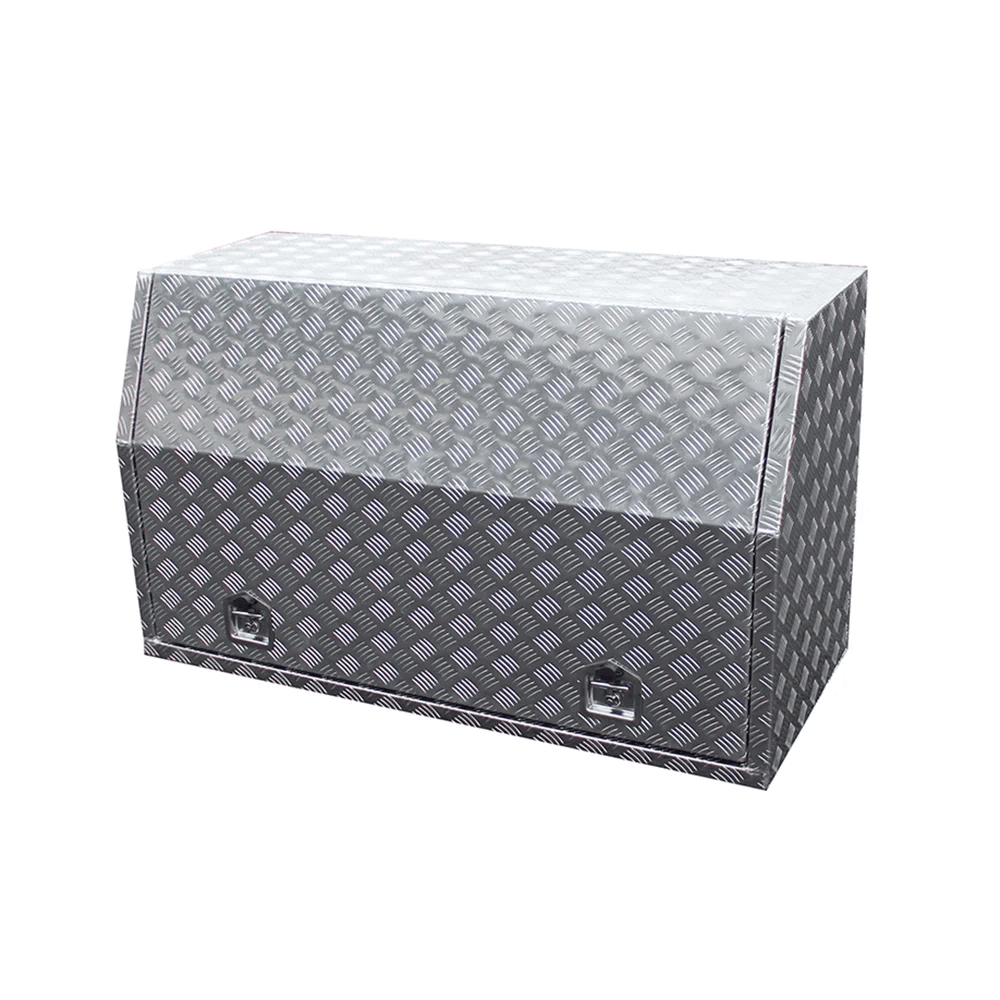
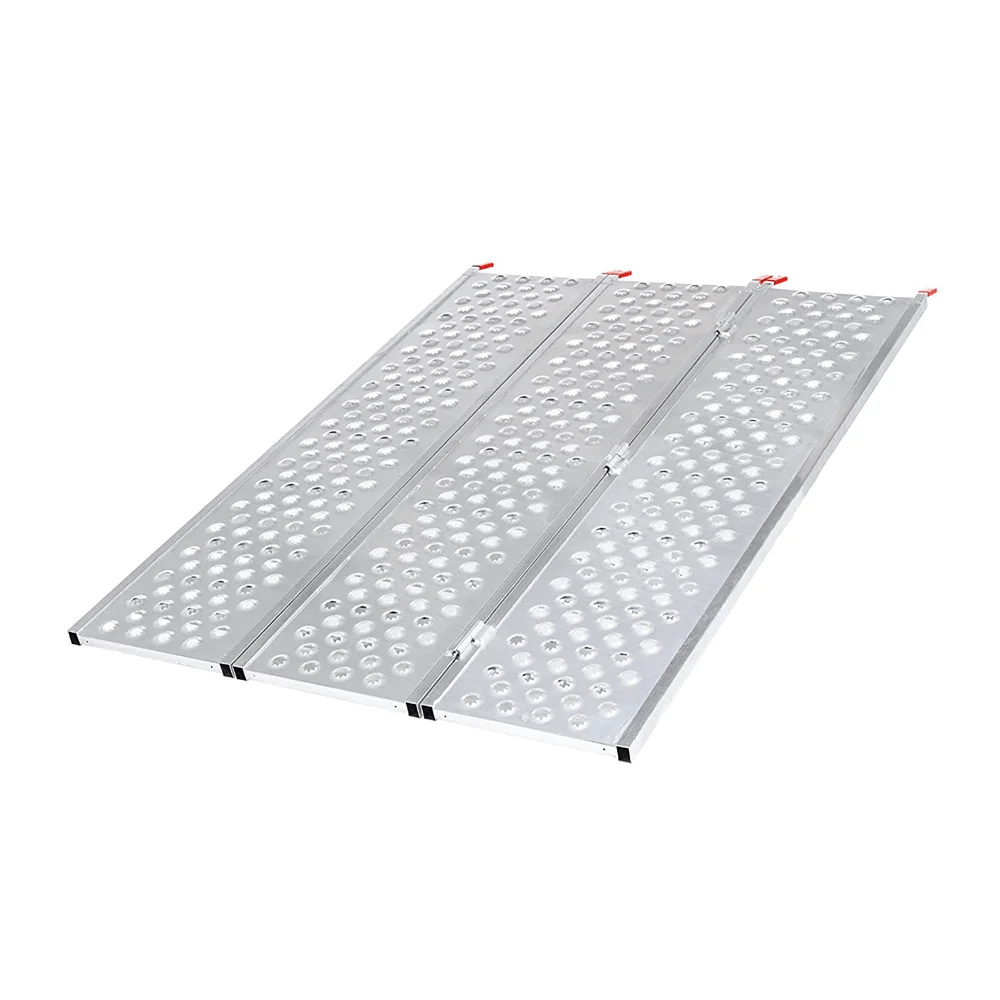
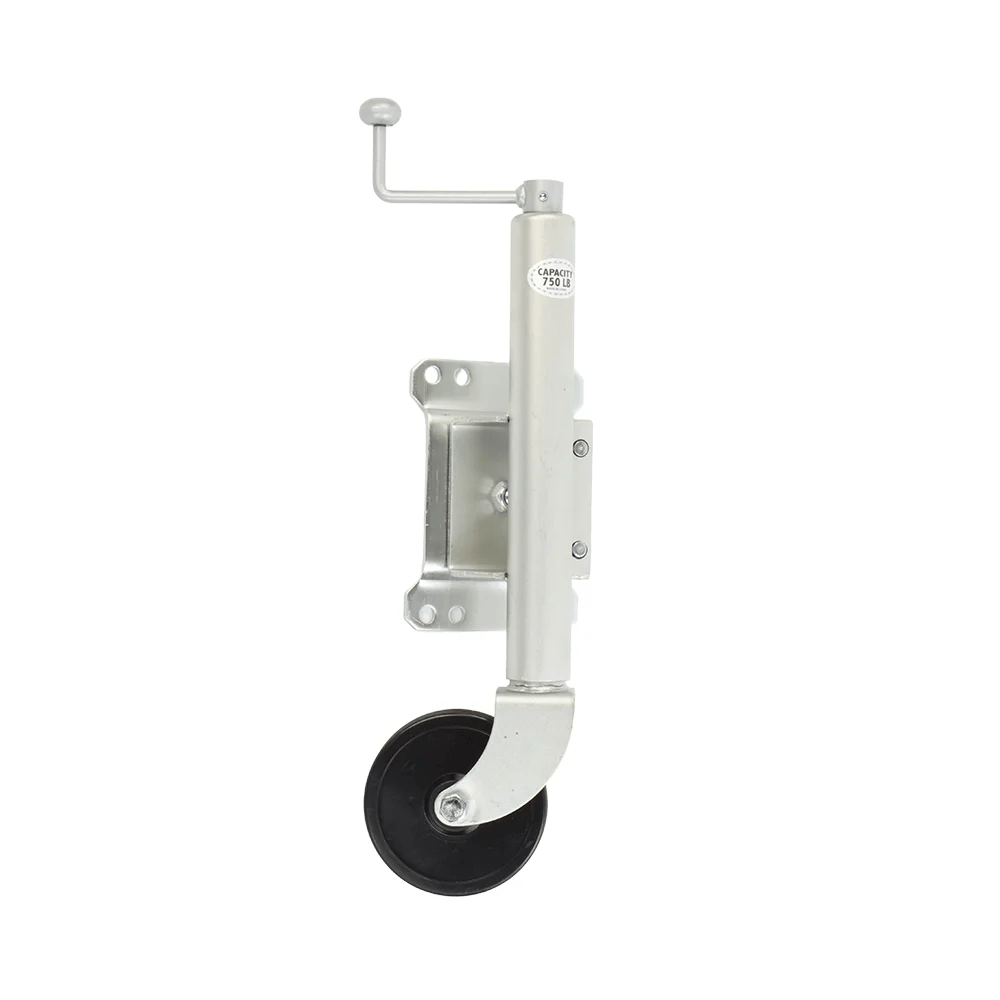
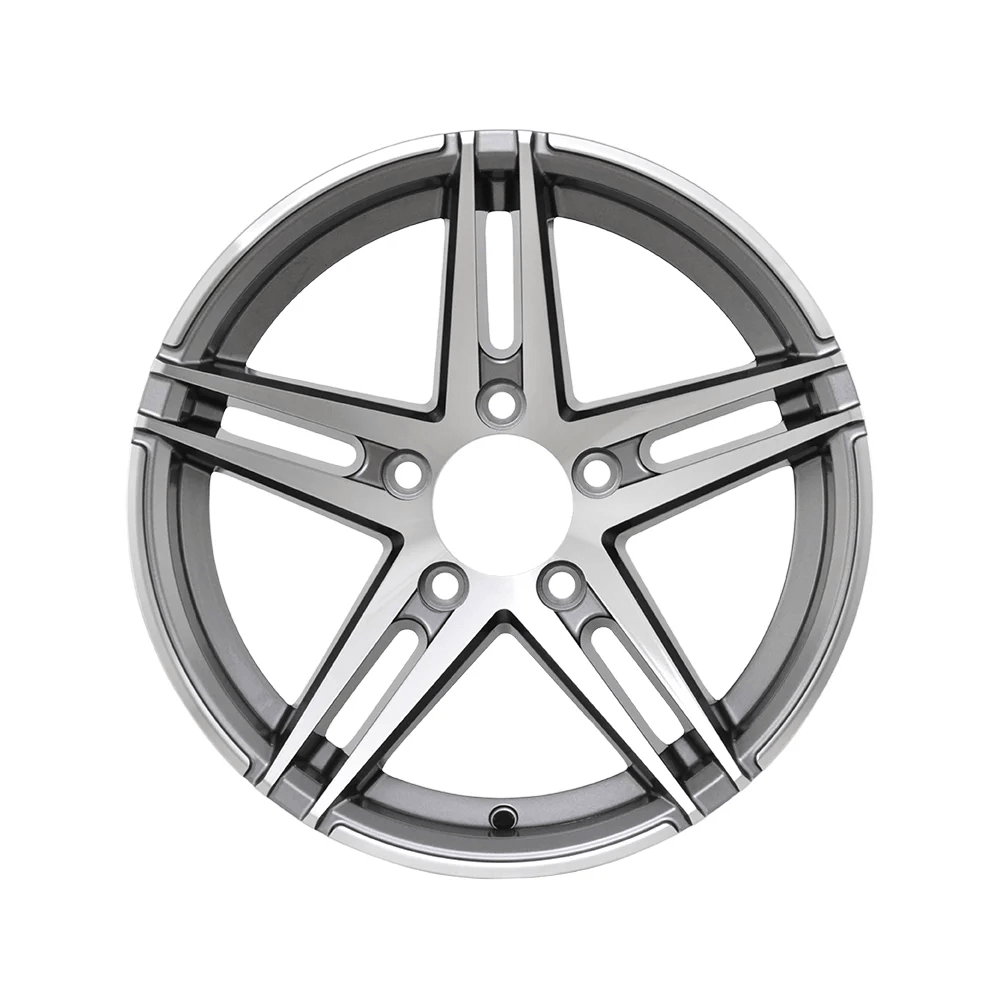
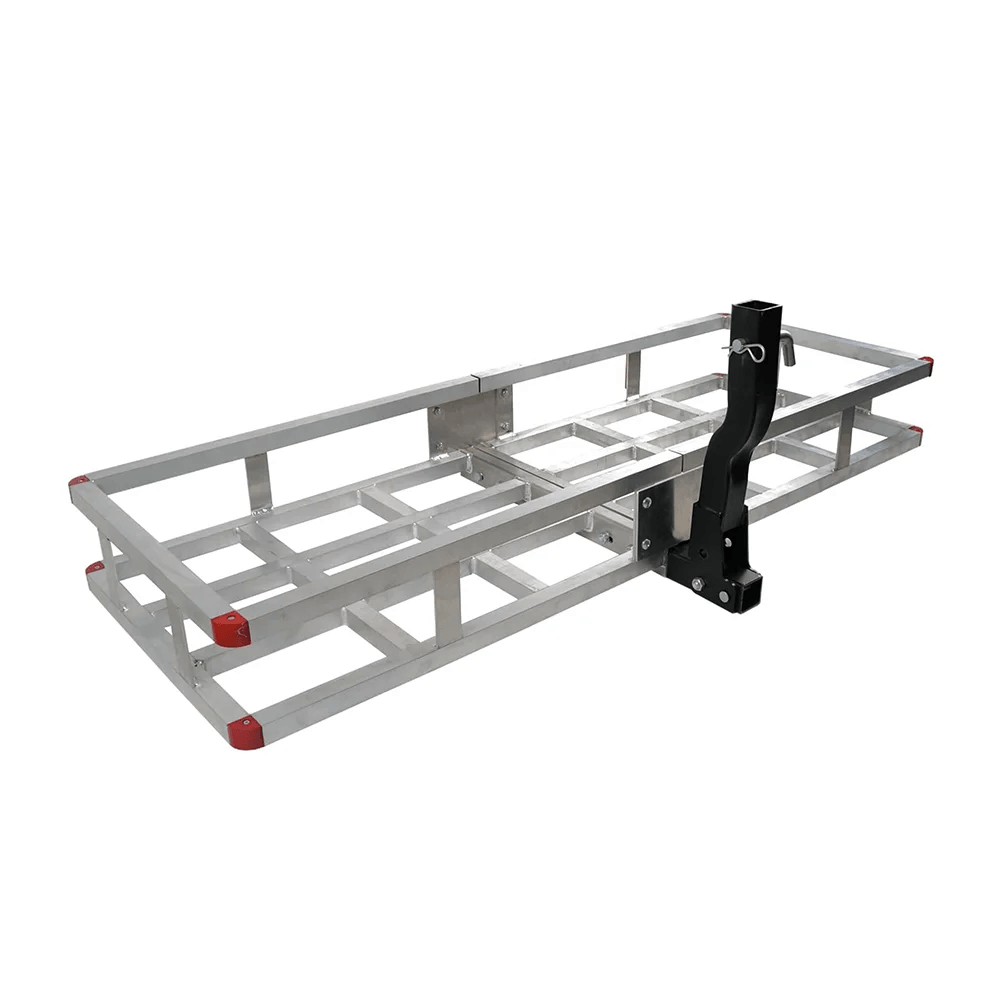
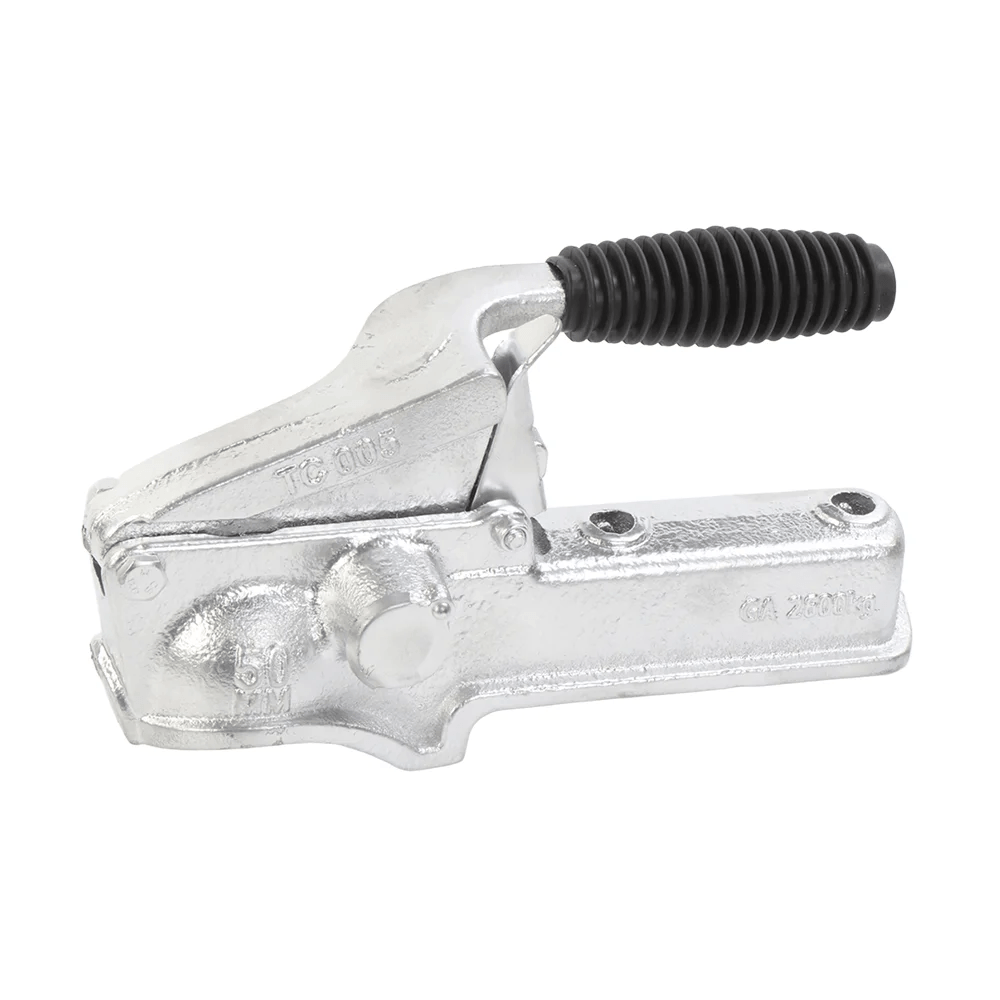
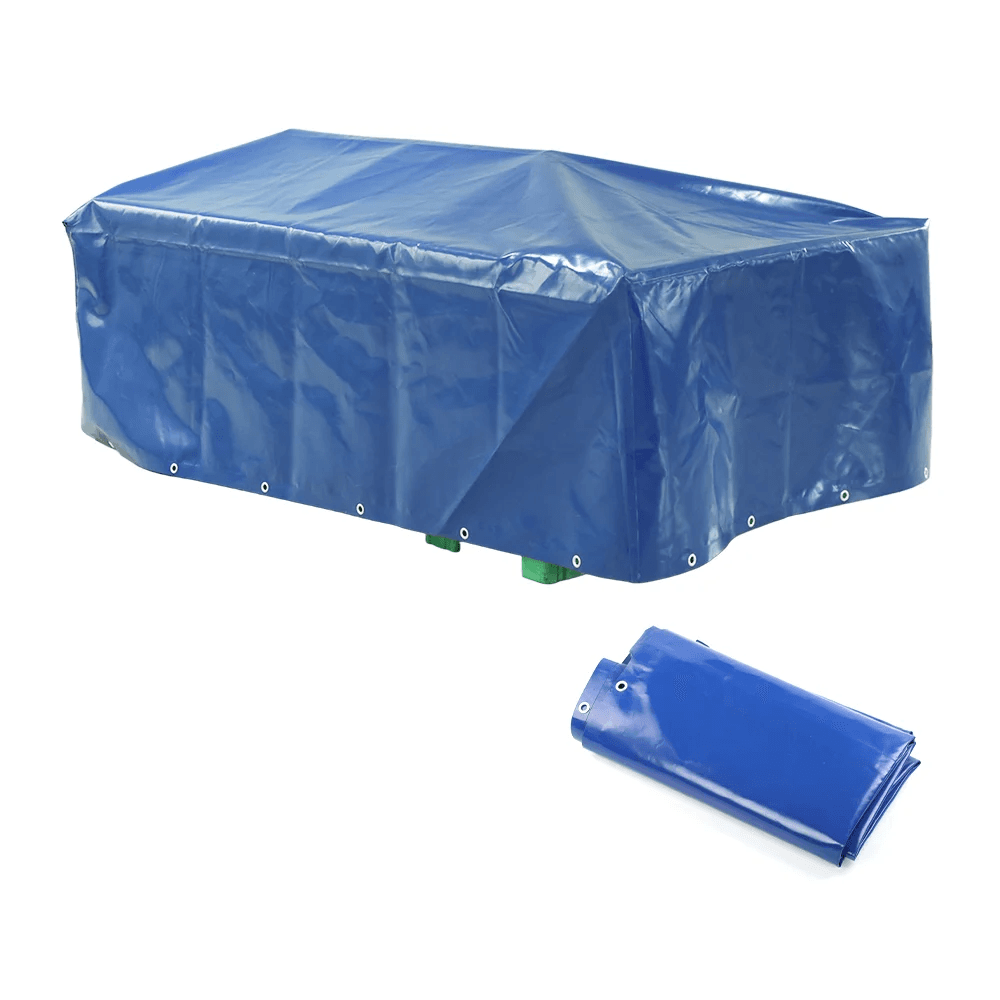
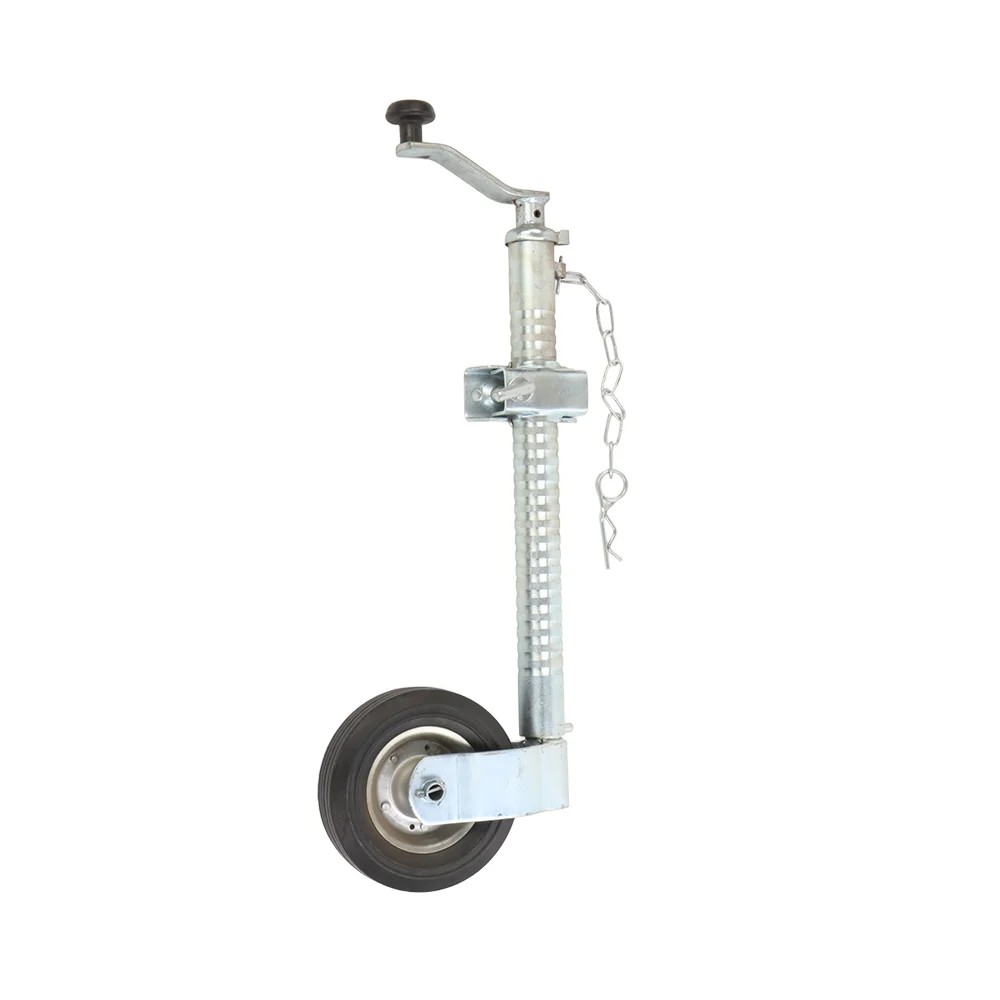
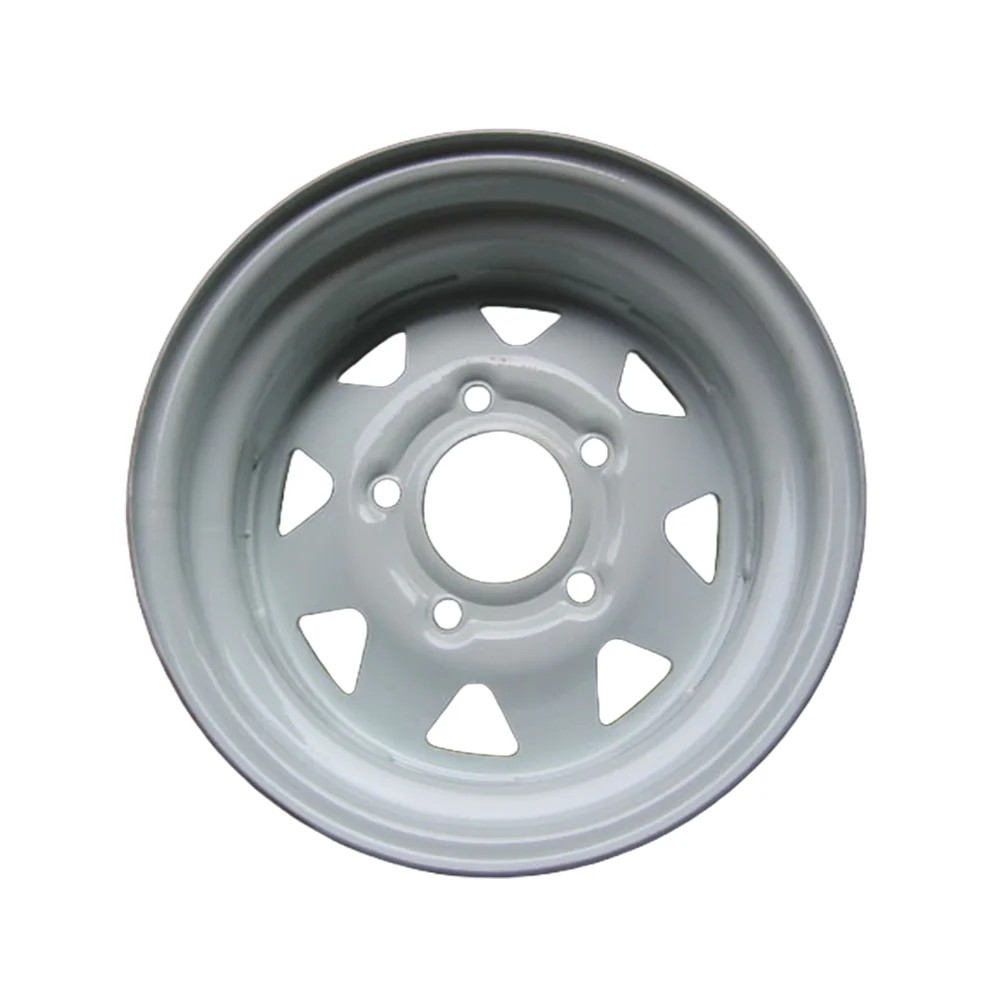
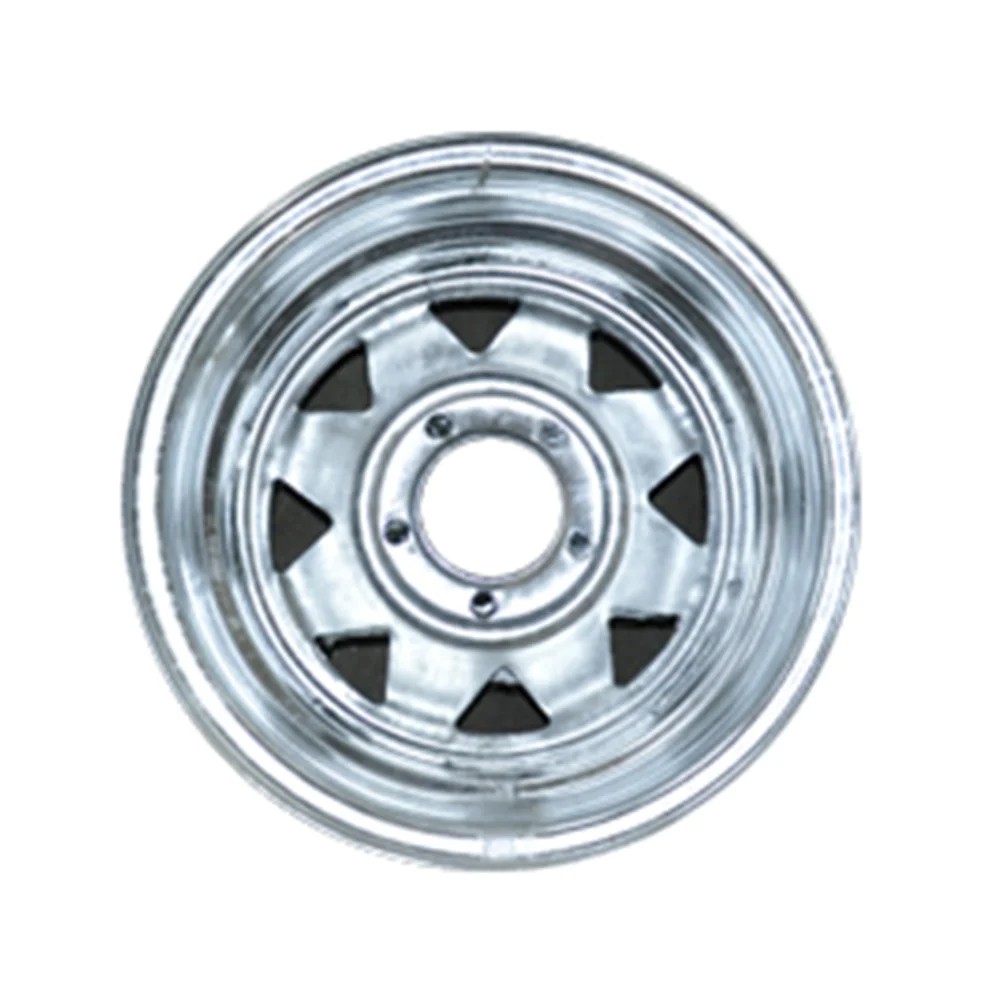
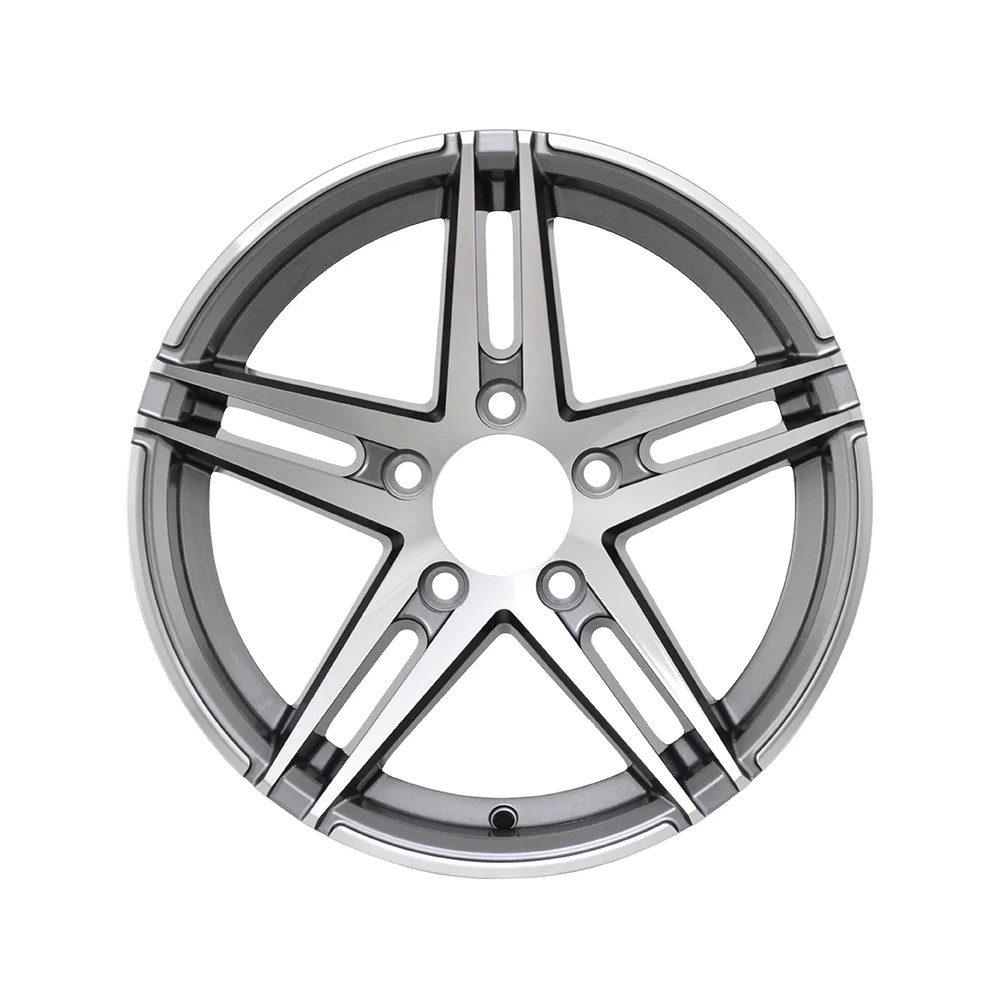
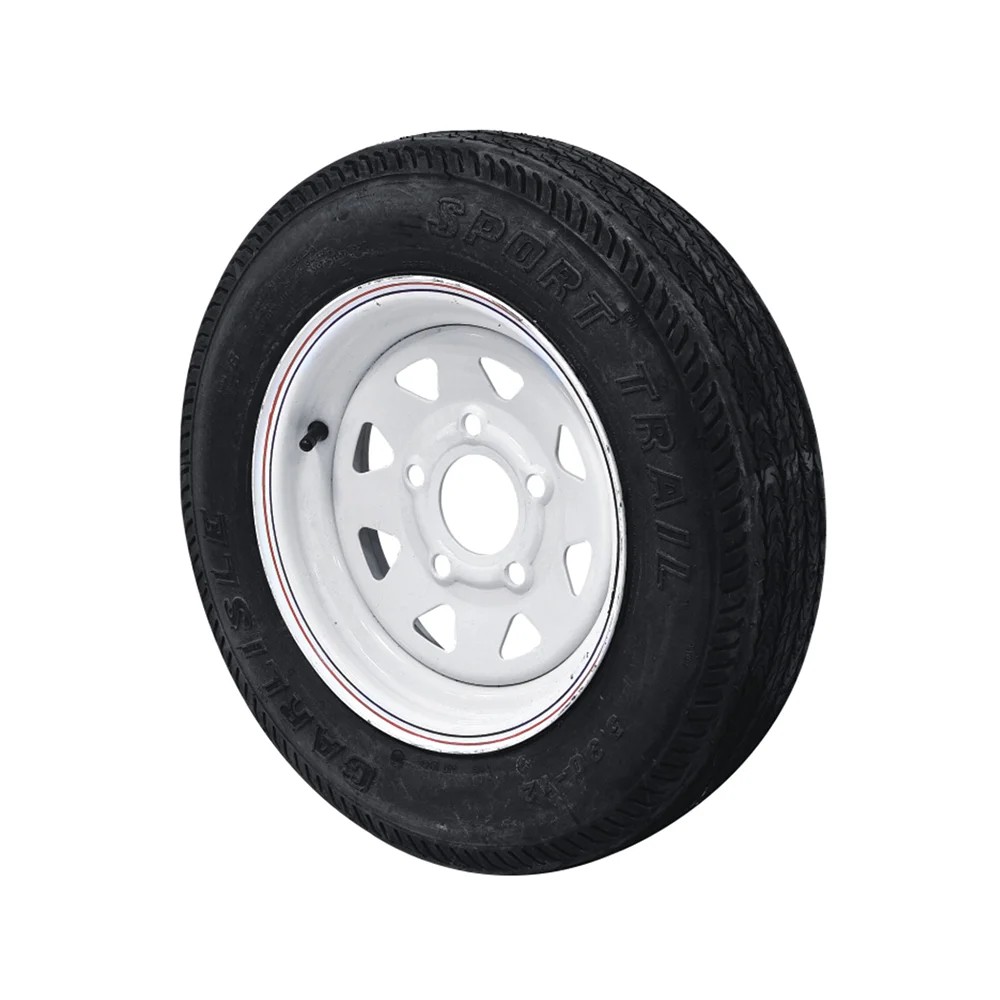
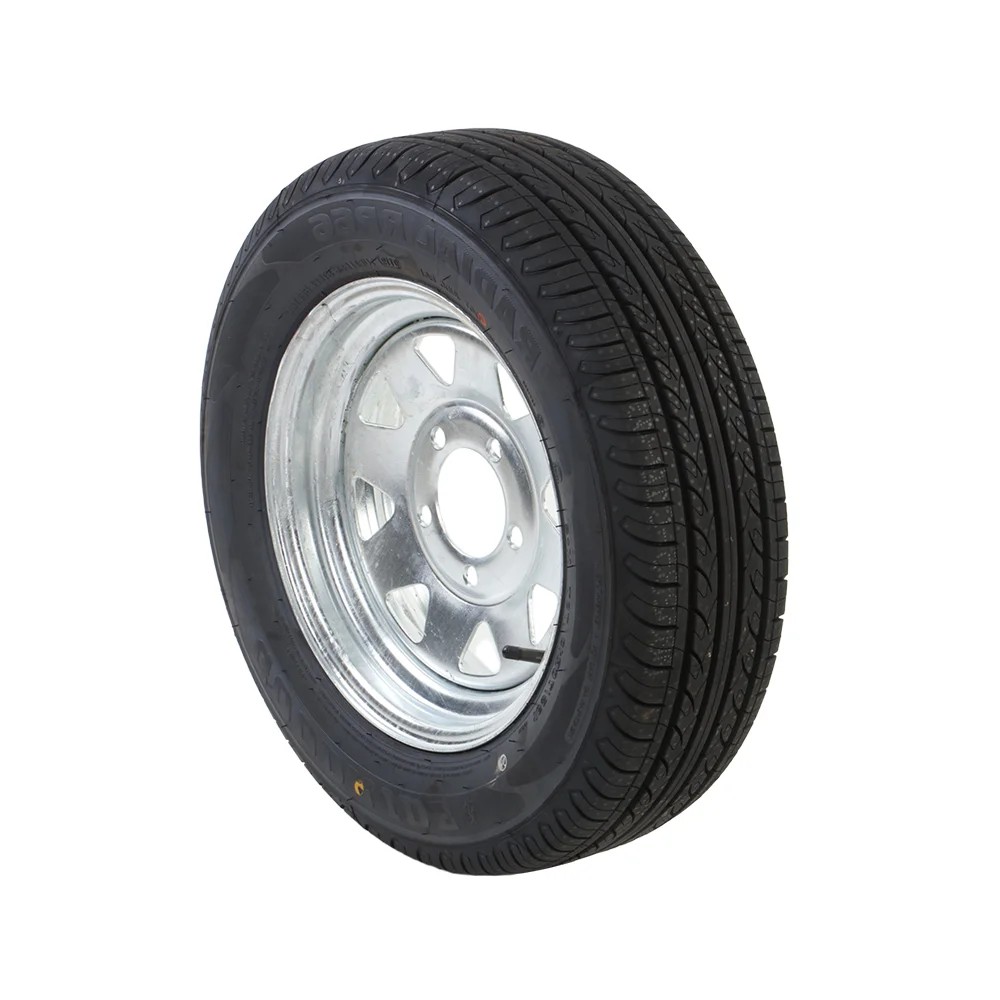
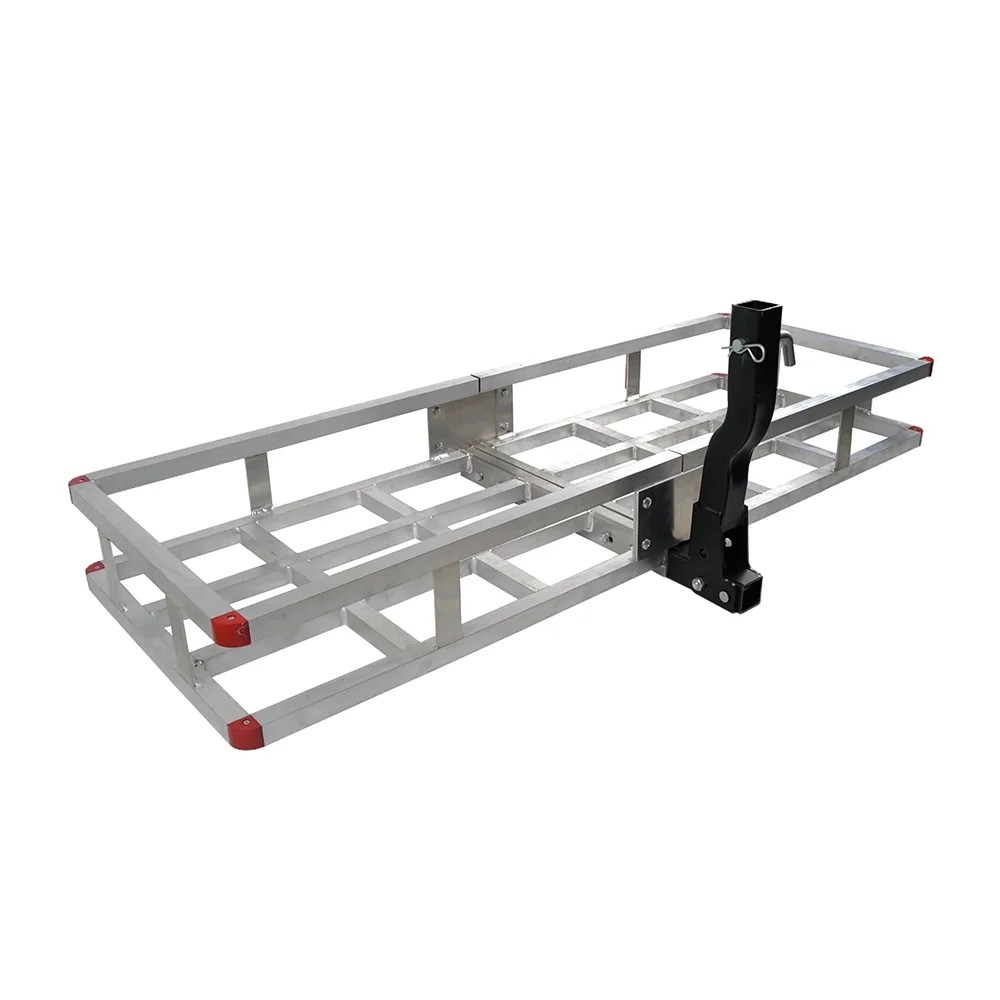
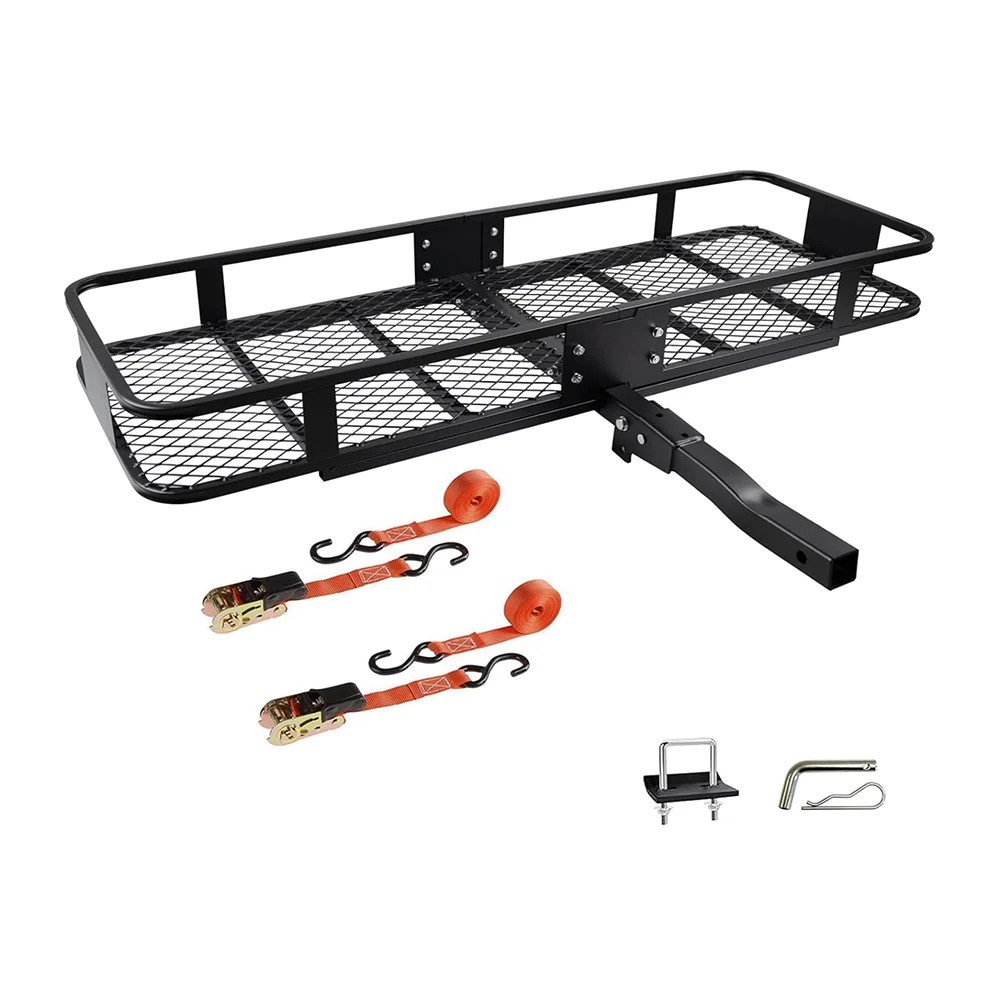
Couplers, hitch balls, jockey wheels, and support legs handle connection, parking, positioning, and maneuvering. Loading ramps speed up loading for machinery, motorcycles, ATVs, lawn equipment, and construction tools. Aluminum tool boxes and cargo carriers give tools, spare parts, straps, chains, and worksite gear somewhere secure to sit. Wheels and tyres need to be picked based on load rating, road conditions, speed, and whatever regional safety standards apply.
Material Selection and Surface Treatment
Material choice has a direct bearing on strength, corrosion resistance, and how long a part actually lasts. Steel shows up most often in axles, couplers, ramps, and suspension systems because of how much load it can bear. Aluminum alloy tends to get used for tool boxes and lighter accessories instead, since it resists corrosion well, keeps weight down, and looks clean.
Surface treatment matters just as much. Hot-dip galvanizing holds up well against rust in marine, coastal, agricultural, and outdoor settings. Powder coating gives a clean finish with more color flexibility, which suits general transport and recreational trailers better. Zinc plating, electrophoresis, painting, and polishing all have their place too, depending on function and exposure.
For trailers working in humid, muddy, salty, or high-impact conditions, corrosion protection needs to be part of the decision from the start — not an afterthought.
Load Capacity and Compatibility
Getting the load rating right across every component is one of the more important technical details in selecting trailer parts. Axles, hubs, brakes, wheels, tyres, leaf springs, and couplers all need to match the trailer's rated capacity — because if one part is rated lower than the rest, it becomes the weak link, and that's where safety problems start.
A heavy-duty trailer, for instance, needs more than just a strong axle. It needs hubs that match, brake assemblies suited to the load, reinforced suspension, the right tyres, and a coupling system built for the same working range. The same logic holds for light-duty utility trailers, boat trailers, car trailers, camping trailers, and equipment trailers.
When components are properly matched, towing stays more stable, wear stays more even, and the whole system lasts longer.
Braking Systems and Safety Performance
Trailer brakes generally come in electric, hydraulic, drum, and disc configurations. Electric brakes show up frequently in utility, cargo, RV, and equipment trailers because they're controllable and pair well with towing vehicles. Hydraulic systems tend to get chosen for marine or heavy-duty work where smooth braking and environmental resistance matter more.
Disc brakes dissipate heat well and respond quickly, while drum brakes stick around because they're stable and cost-effective.
Safety performance also depends on how the system gets installed and maintained — accurate installation, proper brake adjustment, and regular inspection all matter. Hub bearings, brake shoes, drums, rotors, seals, and grease caps need routine attention to avoid overheating, noise, uneven braking, or parts wearing out before they should.
Manufacturing and Customization Capabilities
Producing trailer parts well goes beyond just churning out standard components. It involves engineering support, drawing development, tooling, welding, machining, surface treatment, assembly inspection, packaging design, and quality control from start to finish. Different markets bring different requirements — coupling sizes, axle dimensions, lighting standards, brake specifications, tyre types, and certification all shift depending on where the product's headed.
Customization can touch material thickness, load rating, mounting hole positions, bracket design, finish, logo plates, carton design, pallet packing, and documentation. For private label programs, rental fleets, trailer assembly plants, repair networks, and engineering vehicle projects, keeping production consistent matters enormously.
Every batch needs to hold accurate dimensions, reliable weld strength, a clean surface finish, and performance that doesn't vary from one run to the next.
Quality Control and Testing Standards
Solid trailer parts production means checking things carefully at every stage. Raw materials get checked for thickness, hardness, surface condition, and chemical composition where it's relevant. Welded parts need a visual check plus strength verification. Machined components like hubs, shafts, bearings, and couplers need to hit precise dimensions.
Surface-treated products get checked for coating thickness, adhesion, salt spray resistance, and consistent appearance.
Depending on the application, load-bearing components may need fatigue testing, impact testing, road simulation, or static load checks. Products headed for different regional markets might need to meet DOT, CE, ISO, ADR, or Australian standards. Testing and documentation done properly is what makes trailer parts perform the way they're supposed to once they're out in real working conditions.
Application Industries
Trailer parts touch a wide range of industries where transport efficiency and load safety both carry weight. Logistics fleets need axles, brakes, tyres, and suspension that can handle frequent road use without breaking down. Construction companies need strong ramps, tool boxes, couplers, and reinforced parts for hauling machinery and building materials.
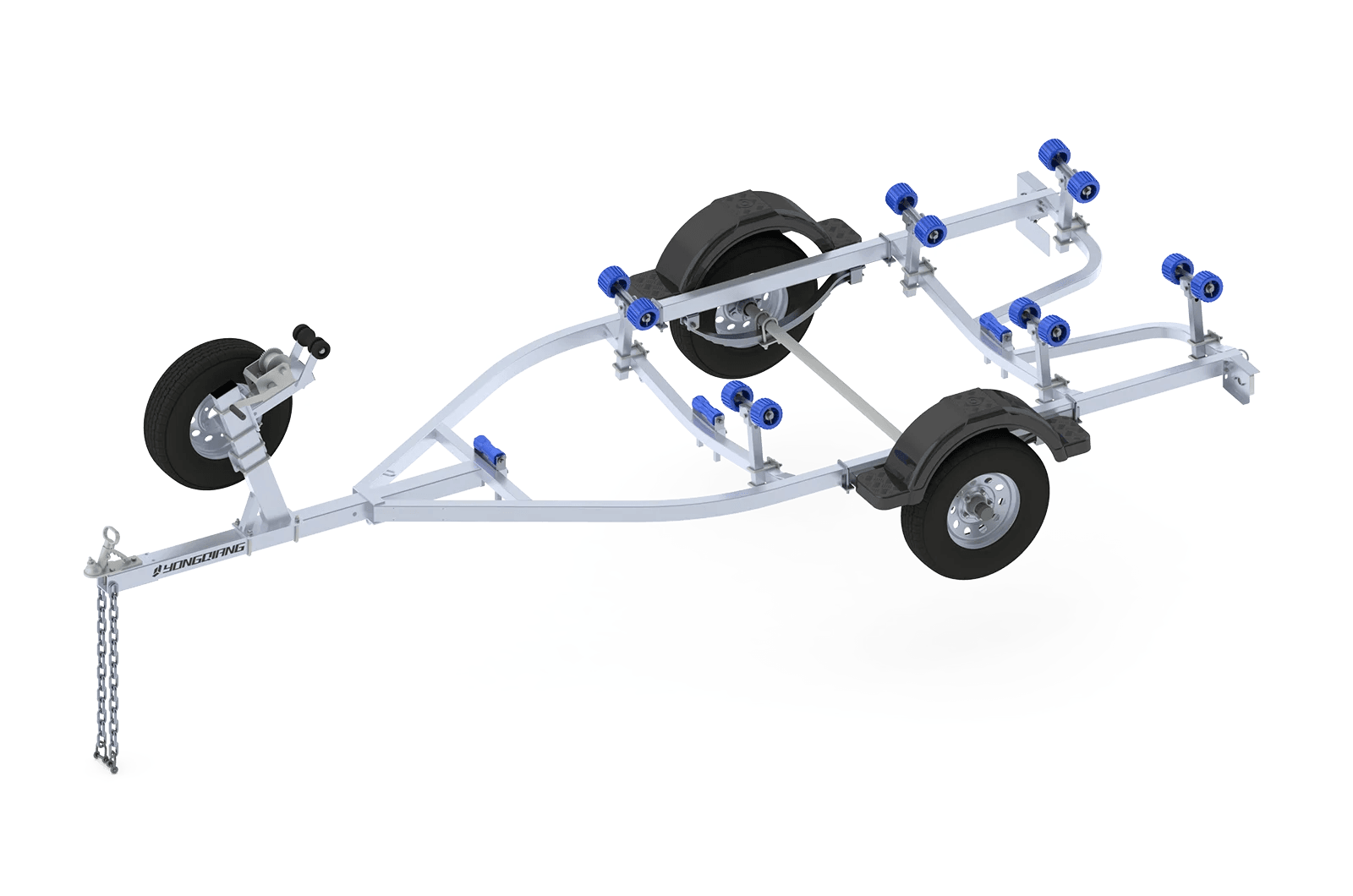
Agricultural users lean toward corrosion-resistant, low-maintenance parts for field equipment and farm trailers. RV and camping trailer manufacturers tend to prioritize components that are light, stable, and finished well. Marine trailer applications demand strong anti-corrosion performance given constant exposure to water, salt, and humidity. Equipment rental companies value parts that are simple to replace, standardized, and able to handle repeated heavy use.
How to Choose Reliable Trailer Parts
A few technical factors are worth weighing carefully before deciding on trailer components:
- Load rating — match it to the trailer's designed capacity and how it's actually used
- Material — steel, aluminum alloy, or galvanized components depending on strength needs and environment
- Compatibility — axles, hubs, brakes, wheels, tyres, suspension, and couplers all need to work as one system
- Surface protection — galvanizing, powder coating, zinc plating, or other finishes based on corrosion risk
- Regional standards — coupling systems, braking requirements, lighting compatibility, and certification needs
- Maintenance access — parts that are easy to inspect, lubricate, adjust, and swap out
- Production consistency — stable dimensions and quality matter a lot for long-term assembly and replacement programs
A trailer parts system that's put together thoughtfully improves towing safety, cuts down on how often
