

 English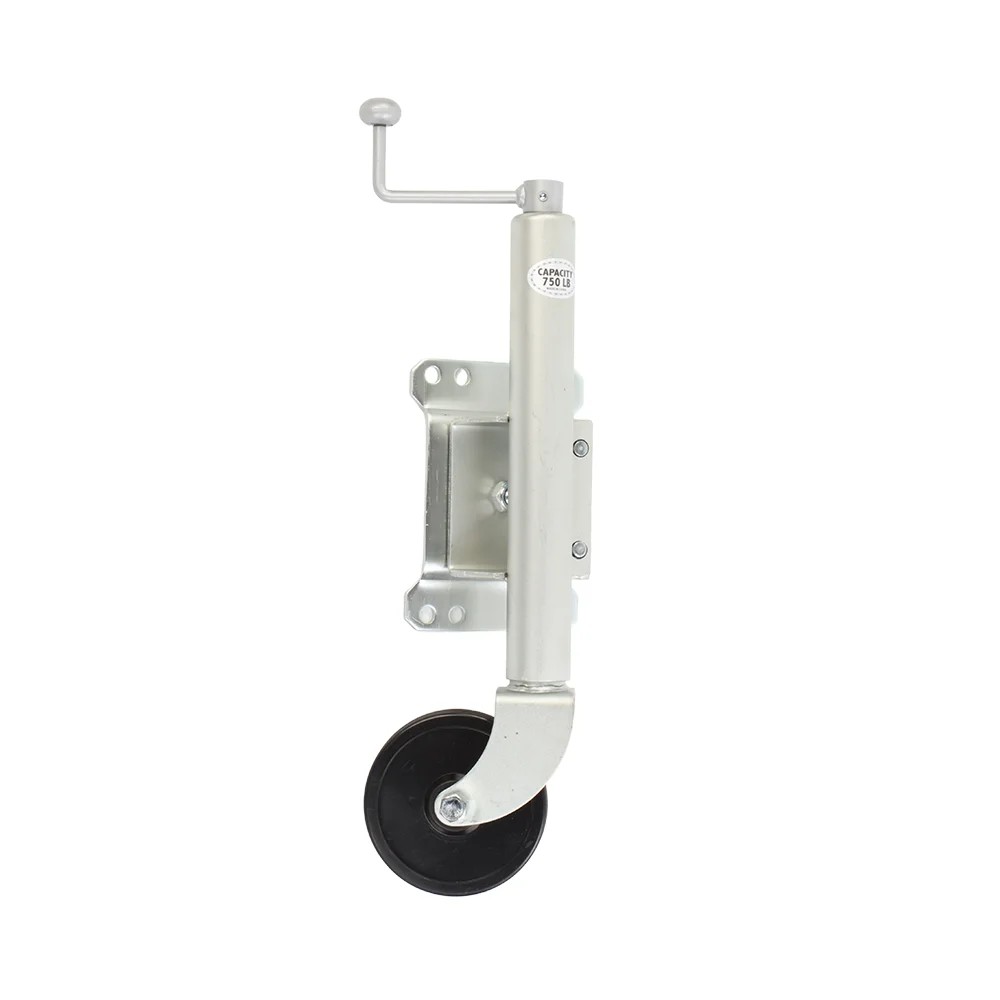
Heavy Duty Trailer Industry Knowledge
Trailers don't get talked about much until you actually need one — and then suddenly it matters a great deal whether the thing can handle what you're asking of it. Commercial work, farming, construction sites, landscaping jobs, road trips, equipment hauling, general cargo — each of these puts different pressure on a trailer, and that's part of why the category has changed shape over the years. What used to be a fairly basic piece of towing equipment has turned into something closer to a purpose-built product, expected to hold up under repeated use, adapt to different setups, and fit into everything from daily regional distribution runs to weekend camping trips.
Jinhua Yongqiang Vehicles Factory has been building trailers for more than two decades now, and that kind of tenure tends to show up in the details rather than in any single feature. The factory operates across a production area of over 100,000 square meters, with a team that includes more than 200 skilled machinists plus engineers and technical staff who've spent years refining how these units get put together for markets outside China. The lineup itself covers a fairly wide stretch of needs — utility trailers, heavier-duty models built for tougher jobs, both braked and unbraked versions depending on the load, off-road and on-road caravans, aluminum tool boxes, and the smaller accessories that round out a working trailer setup.
Buyers in this space tend to fall into a few familiar categories — wholesalers, importers, distributors, trailer brands — and what they're usually after is consistency more than anything flashy. A utility trailer just needs to do its job day after day without drama. A heavy-duty unit gets pushed harder and needs a build that won't loosen up or crack under repeated commercial use. Caravans answer to a different kind of scrutiny altogether, since outdoor travel and camping buyers care about ride comfort and long-distance stability as much as raw hauling capacity. Aluminum tool boxes solve a narrower but very practical problem — giving pickup trucks, service vehicles, and work fleets secure, weather-resistant storage without piling on extra weight.
Price obviously comes up in every sourcing conversation, but it's rarely the whole story once buyers start digging into specifics. How the frame is put together, how clean the welds are, whether the axle setup actually matches the load it's rated for, what kind of tires make sense for the terrain, how well the surface treatment holds off rust over time, how stable the trailer feels while being towed — these are the things that quietly decide whether a trailer earns repeat business or ends up as a one-time purchase. Add in whether a supplier can handle custom requests, support the right certifications, run proper inspections before shipping, and manage export logistics without headaches, and it becomes clear why sourcing decisions in this category usually take more than a quick spec comparison. A trailer that's engineered with all of that in mind tends to perform the way it's supposed to once it's actually out there working.
Product Range for Trailer Distribution
A broad trailer lineup gives international distributors and wholesalers room to move — instead of chasing one narrow market, they can cover commercial hauling, outdoor recreation, and tool storage all under one supplier relationship. Each model in the range earns its place for different reasons, and it's worth looking at what makes each one useful on its own terms.
Utility Trailers
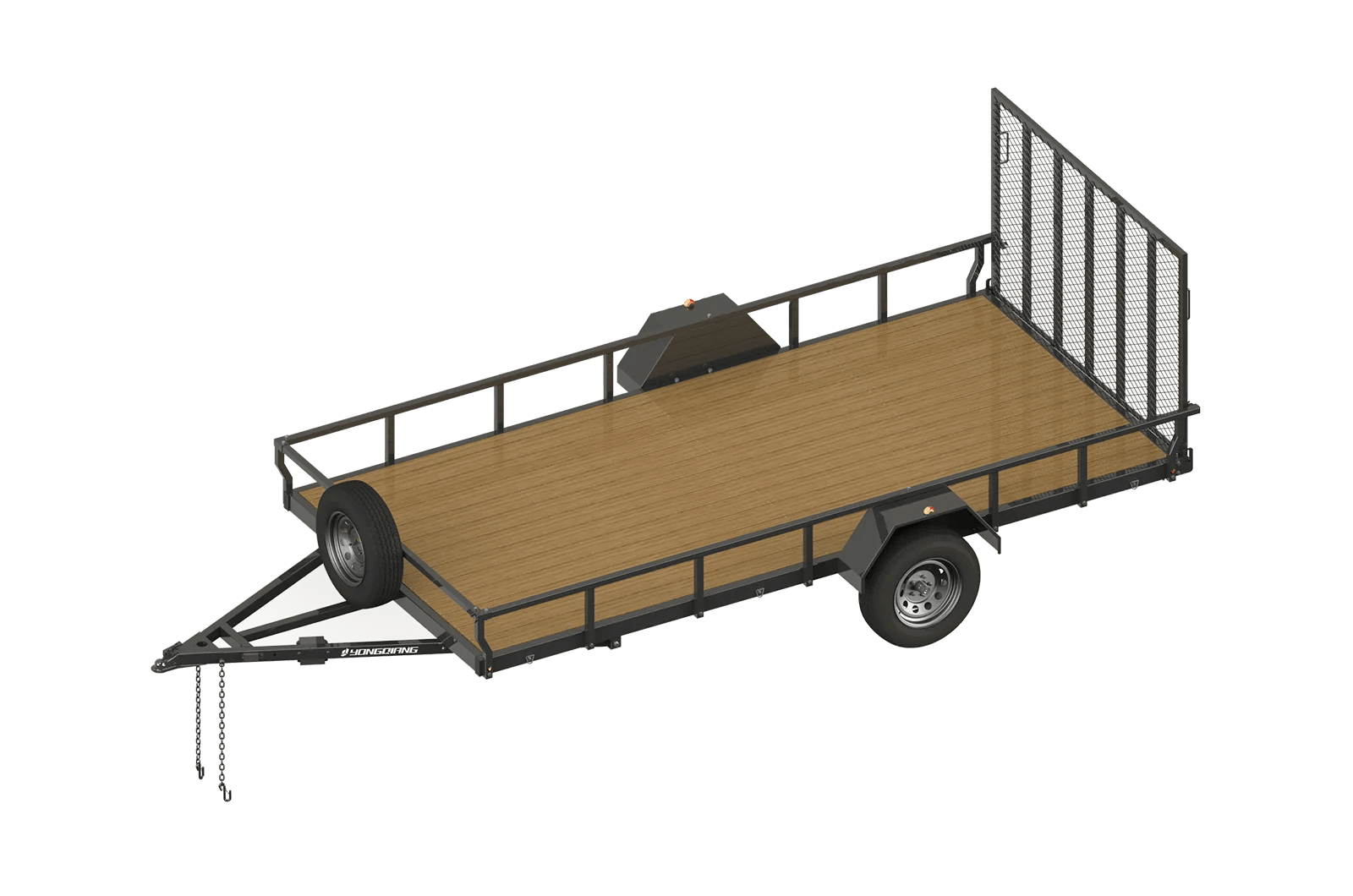
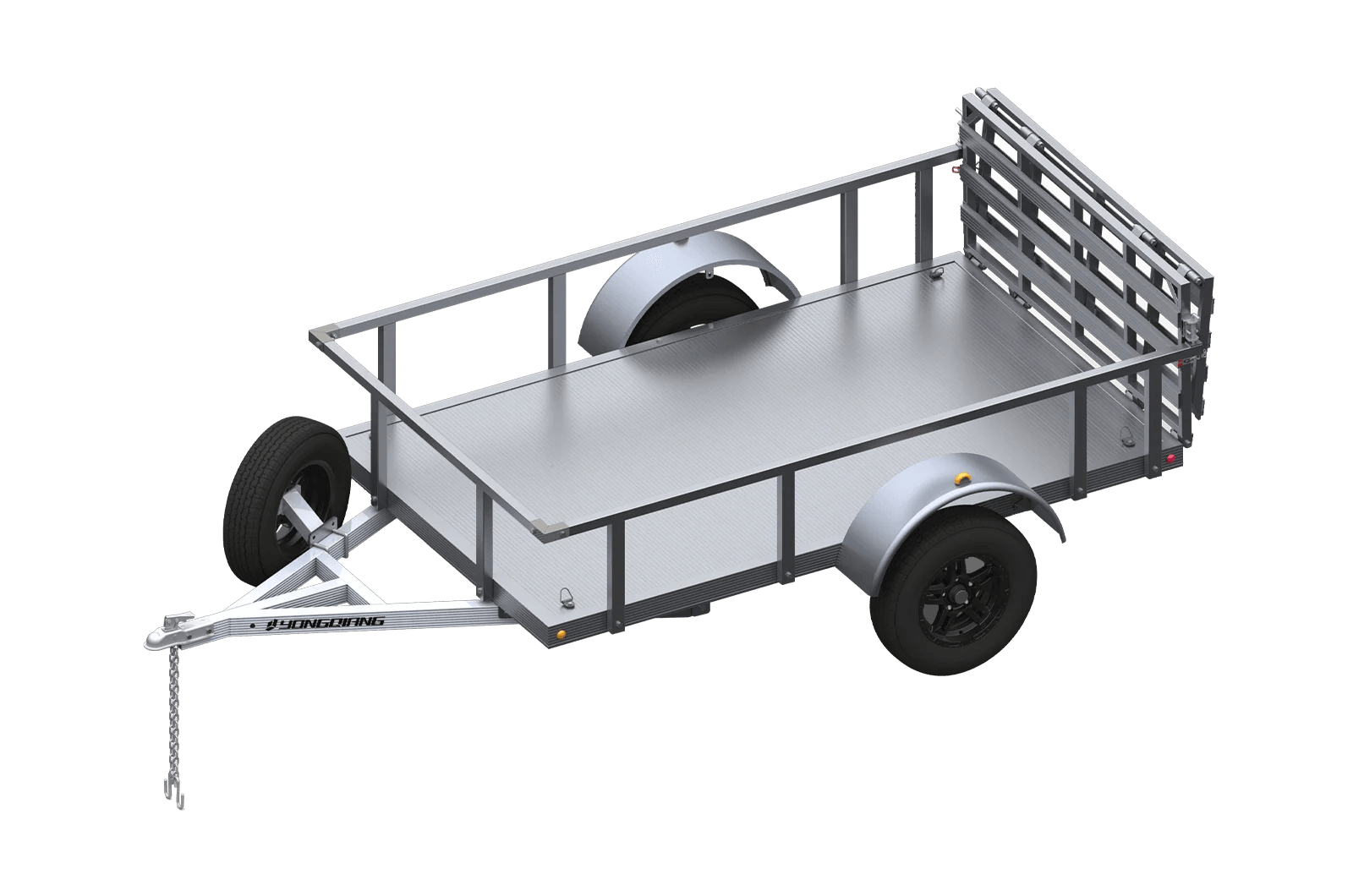
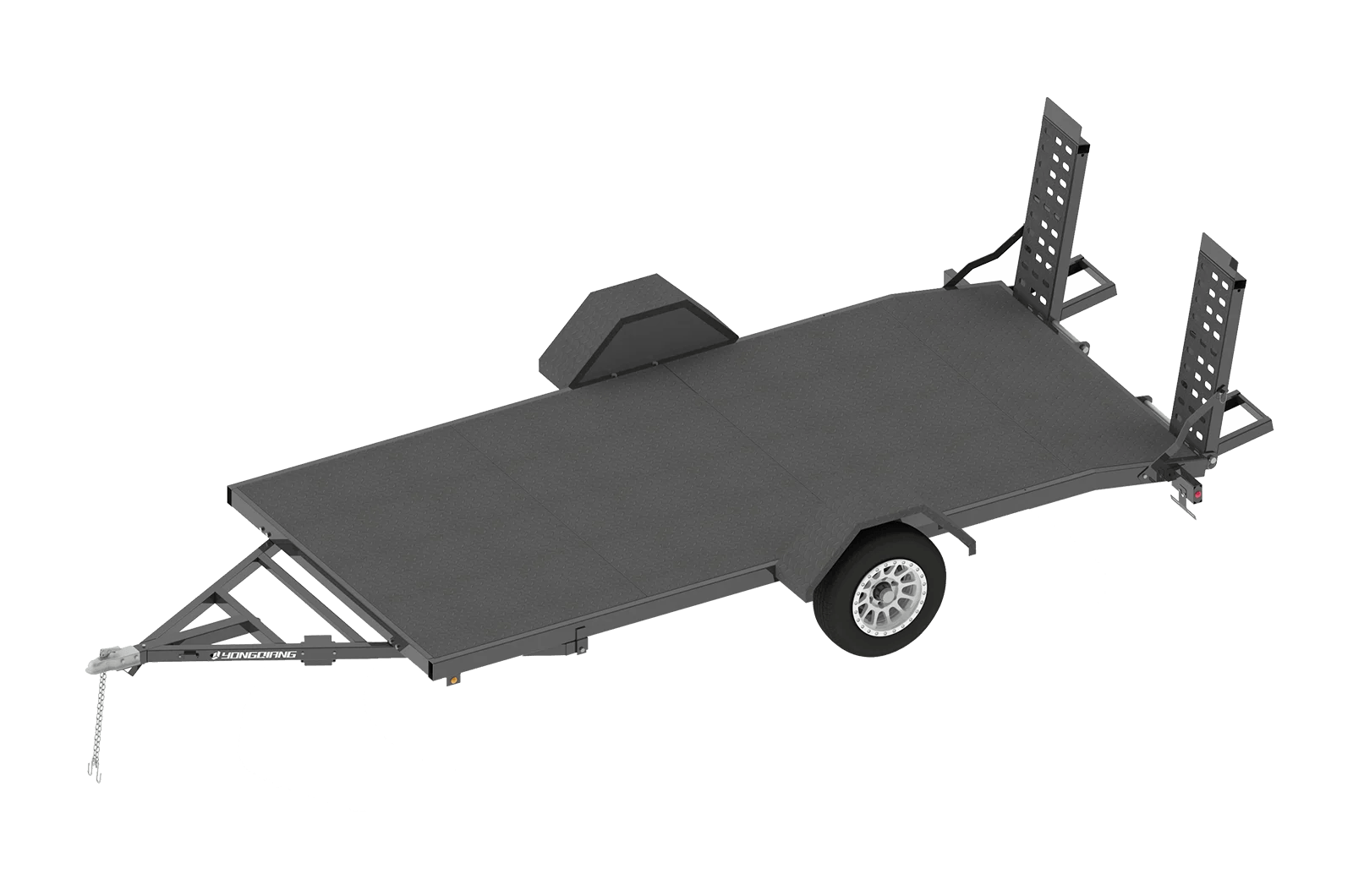
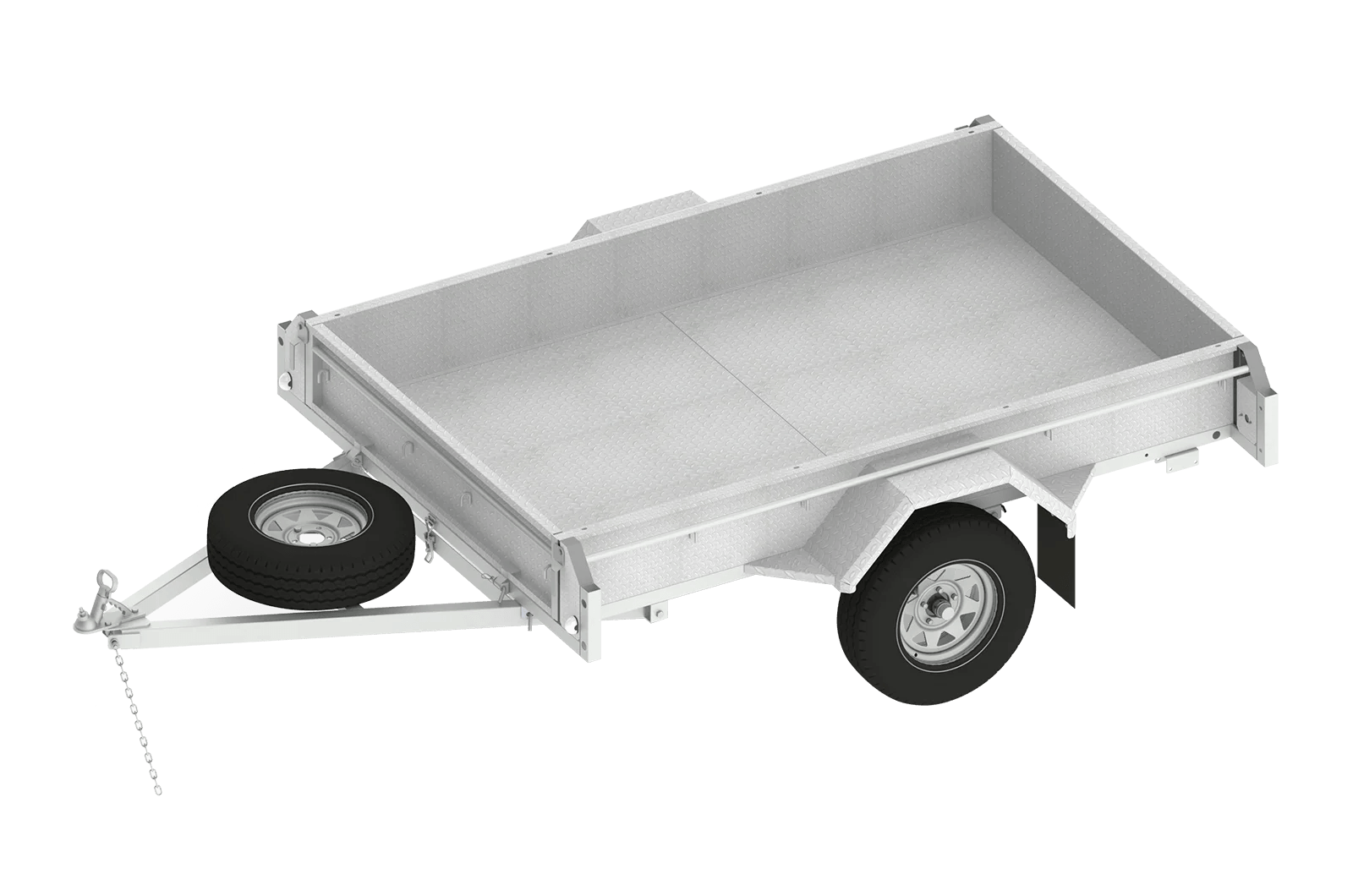
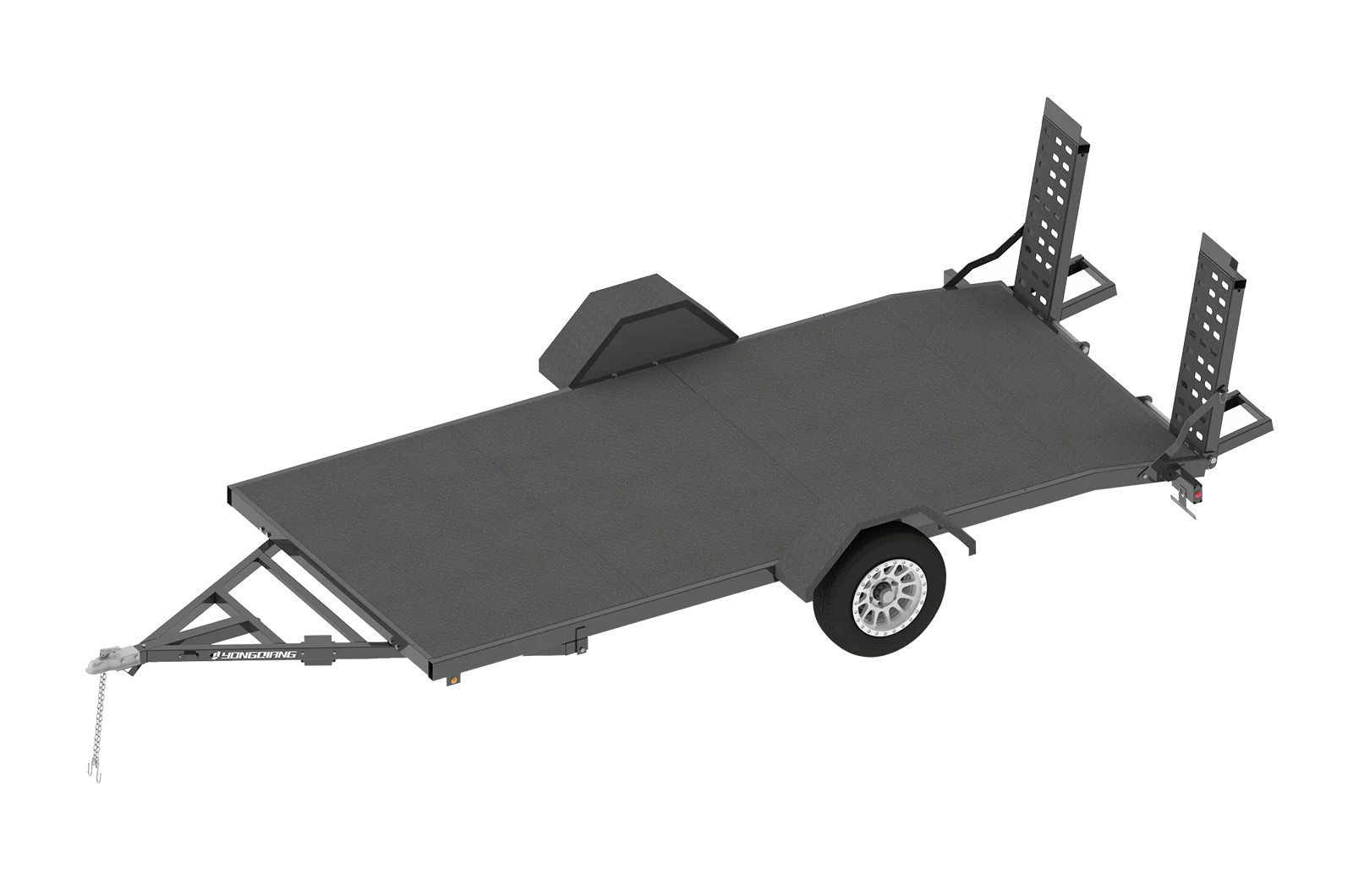
Utility trailers might be the most unglamorous product in the whole lineup, but that's exactly why they sell so consistently. People use them for hauling garden machinery, motorcycles, small equipment, tools, building materials, farm supplies, household goods — basically whatever needs moving and doesn't fit in a car. That broad usefulness is why they show up everywhere from hardware stores and dealer lots to rental fleets and online marketplaces. There's no single niche buyer for a utility trailer; there's just a steady stream of people who need one.
Getting the design right isn't complicated, but it does require attention to the parts that actually matter — bed size that fits real-world loads, side panels tall enough to be useful without adding unnecessary weight, an axle rated correctly for the trailer's intended use, tires suited to that rating, a drawbar that won't flex under stress, a tailgate that holds up to repeated opening and closing, and a surface finish that doesn't start peeling after one season outdoors.
Jinhua Yongqiang Vehicles Factory has built enough of these over the years to know where the weak points usually show up — structural joints, assembly tolerances, and packaging that survives the trip overseas without the trailer arriving with a dent or a bent panel. Getting those details right is less about innovation and more about consistency, which is really what makes a utility trailer easy to stock and sell across different markets.
Heavy Duty Trailers
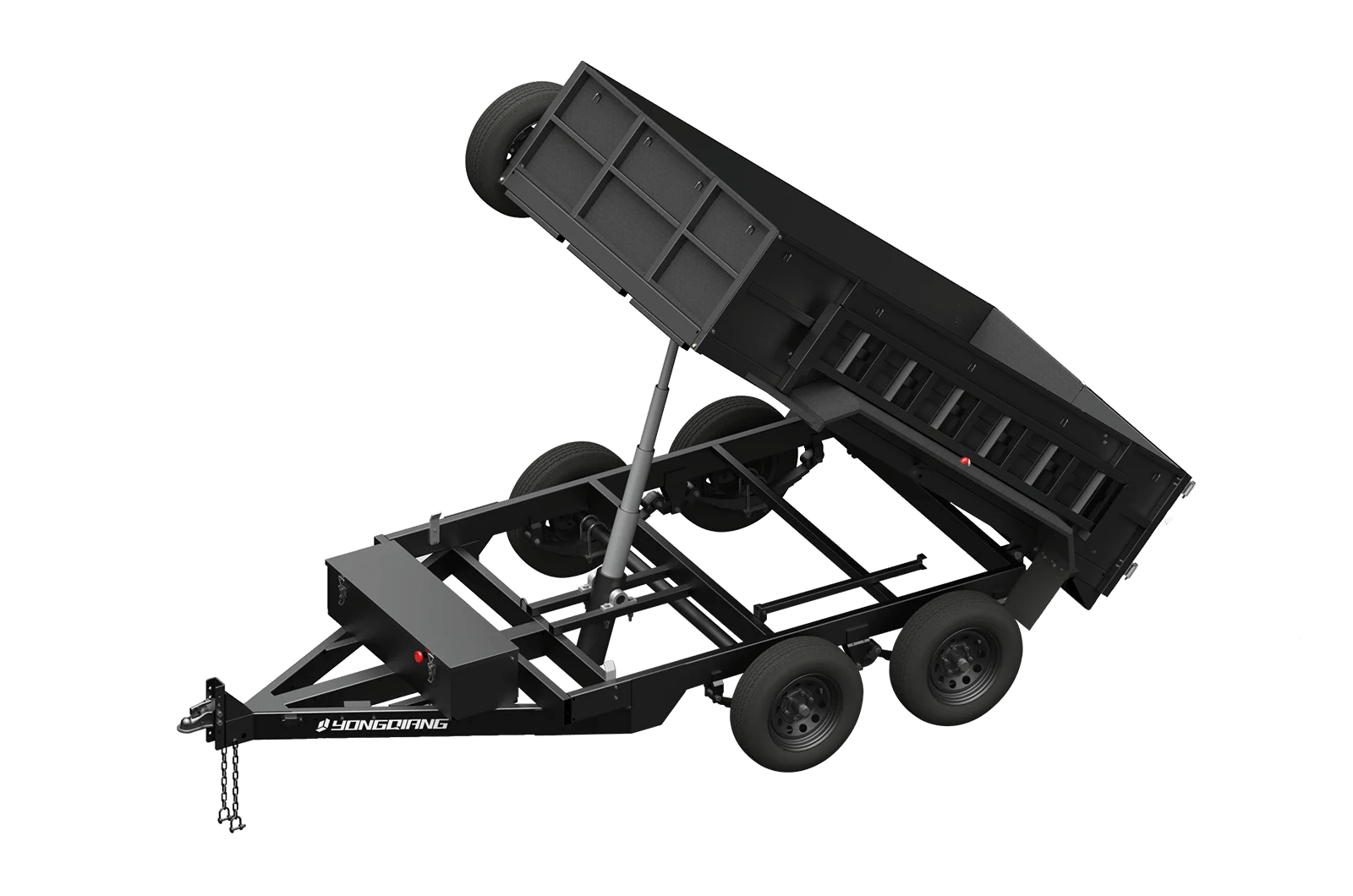
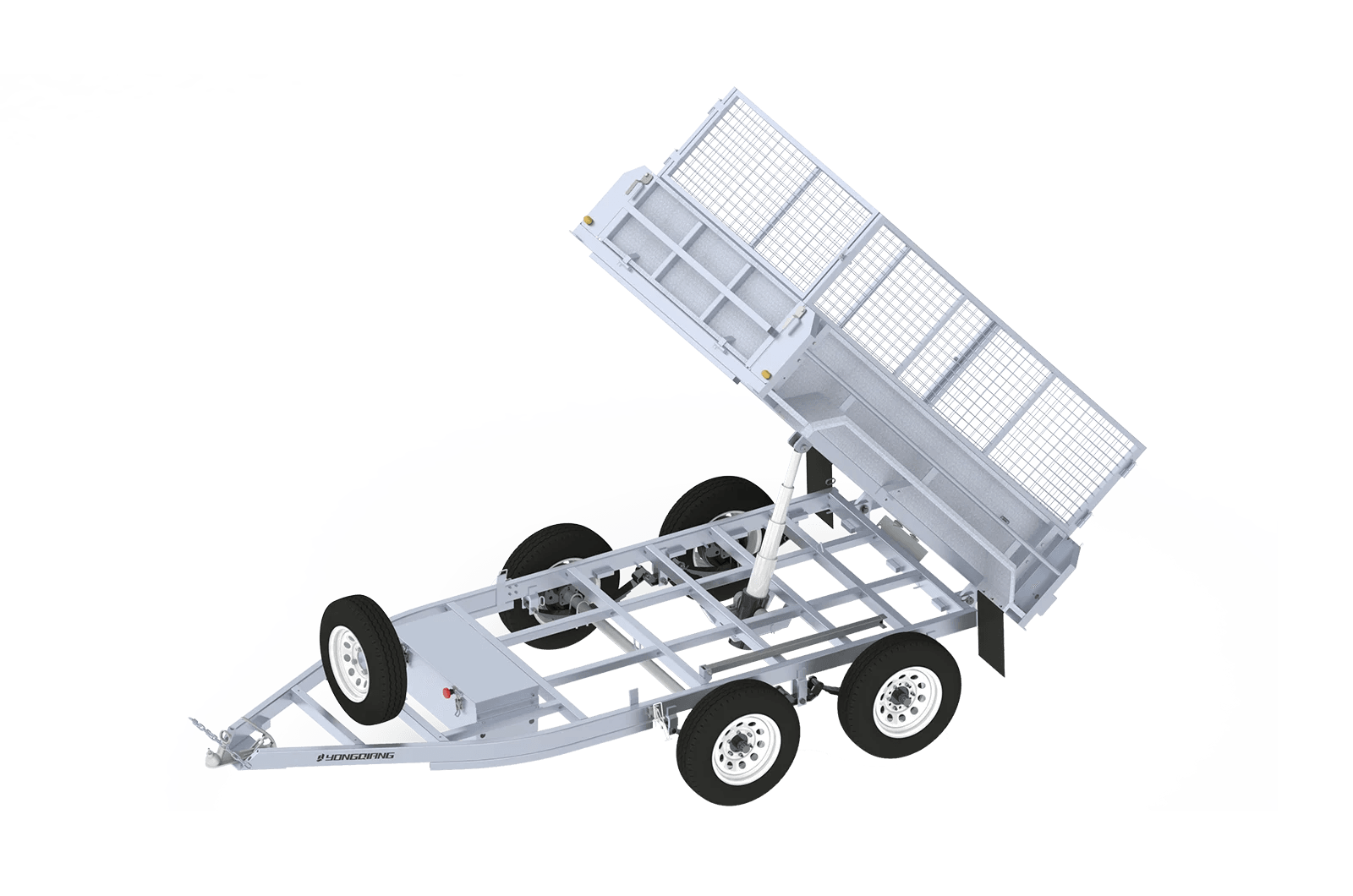
Heavy duty trailers exist for situations where a standard utility model just isn't going to cut it — construction sites, farm operations, landscaping crews, maintenance services, logistics work, and equipment transport all put a different kind of strain on a trailer. The frame needs to be reinforced rather than just adequate, axles need a higher rating, materials run thicker, suspension needs to handle repeated heavy loading, and corrosion protection matters more simply because these units tend to spend more time outdoors under harder conditions.
What separates a heavy-duty trailer that performs well from one that starts causing problems usually comes down to a handful of things: a chassis that doesn't flex where it shouldn't, welds that were done properly rather than quickly, weight distributed the way it's supposed to be, and towing components that don't wear out faster than expected. None of that is exciting to talk about, but it's exactly what keeps maintenance calls down and keeps end users confident the trailer will do what it's supposed to.
The factory's production teams work alongside a quality assurance process built specifically to catch these issues before a unit ships, and by 2025 annual production capacity reached 100,000 units — which gives international buyers a level of supply stability that matters as much as the build quality itself.
Braked and Unbraked Trailers
Whether a trailer needs brakes really comes down to what it's hauling and where it's going. Unbraked trailers work fine for lighter loads — short hauls, garden work, small equipment, that kind of everyday personal use — and they keep things simple and affordable for buyers who don't need anything more complex.
Braked trailers come into play once loads get heavier or local road regulations require them. They stop shorter, handle better under load, and generally make towing safer — which matters a lot once you're dealing with weight that could otherwise push a vehicle around on the road. For suppliers trying to serve more than one region, having both options available isn't optional so much as necessary, since different countries simply have different rules about what's allowed on the road.
That regional variation is something the factory has dealt with directly, producing both commercial and domestic models for markets that include the U.S. and Australia. Years of shipping into those markets tend to teach a supplier things that don't show up in a spec sheet — how packaging needs to hold up over a long ocean transit, what quality checks actually catch problems before they become returns, and what local buyers expect that isn't always obvious from the outside.
Off-Road and On-Road Caravans
Caravans have become a bigger part of the trailer category simply because more people are traveling and camping than they used to. Off-road and on-road models solve fairly different problems, even though they look similar on the surface. An off-road caravan needs to survive rough terrain — which means a tougher chassis, suspension that can absorb real impact, decent ground clearance, sealing that keeps dust and water out, and enough storage to support longer trips away from anywhere convenient.
On-road caravans get judged differently. Nobody's taking one down a dirt track, so the priorities shift toward towing balance, a comfortable interior layout, efficient use of space, and just general ease of travel for family trips and longer vacations.
Bringing caravans into a trailer lineup pushes a manufacturer beyond straightforward cargo equipment and into a market where buyers are paying for comfort and experience, not just capacity. Yongqiang Vehicles Factory has kept refining designs in this category as travel habits and expectations continue to shift.
Aluminum Tool Boxes and Trailer Accessories
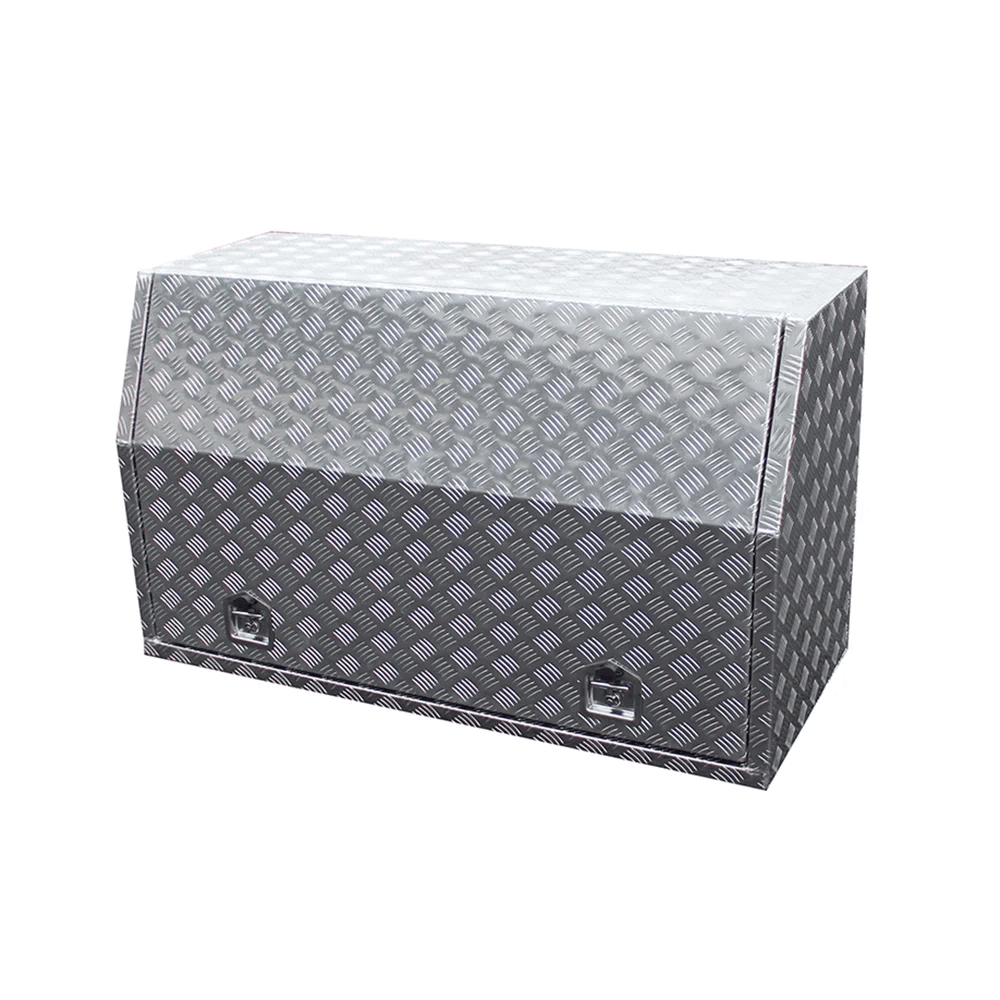
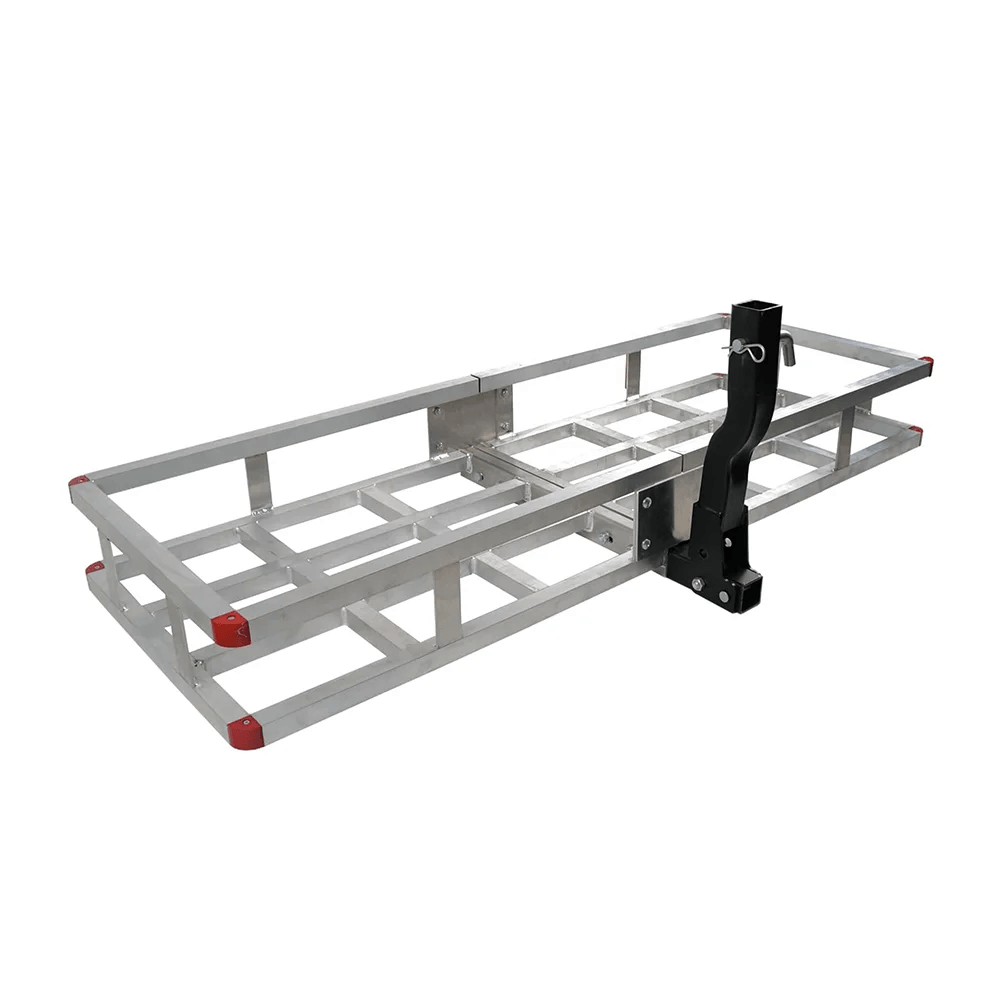
Aluminum tool boxes tend to travel alongside trailers and trucks rather than exist as some separate category — they're where people keep tools, spare parts, straps, repair kits, and whatever else needs to stay dry and secure on the move. Contractors, farmers, mechanics, and service vehicle operators tend to be the most consistent buyers, mostly because the lightweight aluminum build and corrosion resistance solve a real problem without adding unnecessary bulk.
The lineup usually includes underbody tool boxes, truck bed tool chests, side-mount storage boxes, pickup cargo boxes, undertray boxes, and general utility storage — sold either on their own or paired with a trailer to round out a full transport-and-storage setup.
Key Manufacturing Factors in Trailer Quality
As a professional trailer factory, manufacturing quality isn't really a separate topic from the product itself — it's what determines whether a trailer actually does its job over years of use rather than just looking fine on day one. A trailer has to carry real weight, stay stable at highway speed, and survive whatever climate or terrain it ends up working in. Getting any one of those wrong tends to show up eventually, usually at the worst possible time.
Frame Structure and Load Performance
Everything else on a trailer sits on top of the frame, so if that part is wrong, nothing downstream really matters. A well-built frame is what gives a trailer its load capacity, keeps it stable while towing, and largely decides how long the unit lasts before something starts to give. The right frame design isn't universal, either — a trailer meant for light cargo doesn't need the same structure as one built for commercial hauling, heavy equipment, or long-distance outdoor travel.
A few things tend to matter more than others here:
- A chassis reinforced at the points that actually take stress, not just uniformly thick everywhere
- Steel gauge chosen to match the load, rather than defaulting to "thicker is always better"
- A drawbar built to handle repeated towing stress without gradually loosening
- Axle placement that keeps weight balanced rather than shifted too far forward or back
- A bed structure that stays rigid under load instead of flexing
- Side panels that actually support the load they're holding, not just enclosing it
When these pieces come together properly, the trailer stays predictable — during loading, while turning, and especially while braking. That predictability matters even more for heavy-duty units doing construction, farm, or equipment-hauling work, where the margin for structural weakness is a lot smaller.
Welding and Assembly Quality
Frame design only matters if the welding holds it together the way it's supposed to. This is one of those areas where the difference between good and mediocre work isn't always obvious at first glance — a poorly welded joint can look fine for months before it starts to crack, deform, or work itself loose under repeated stress.
The areas that need the closest attention during welding are fairly specific: the drawbar connection point, the corners where frame sections meet, axle mounting points, ramp hinges, side panel joints, and suspension brackets. These are the spots that take the most repeated stress over a trailer's working life, so any inconsistency here tends to surface sooner rather than later. With a production team of over 200 skilled machinists who've been doing this work for years, Jinhua Yongqiang Vehicles Factory keeps a fairly tight watch on welding consistency across every model coming off the line — not because it's a selling point, but because it's the kind of thing that's much cheaper to get right during production than to deal with after a trailer's already shipped.
Axles, Tires, and Suspension
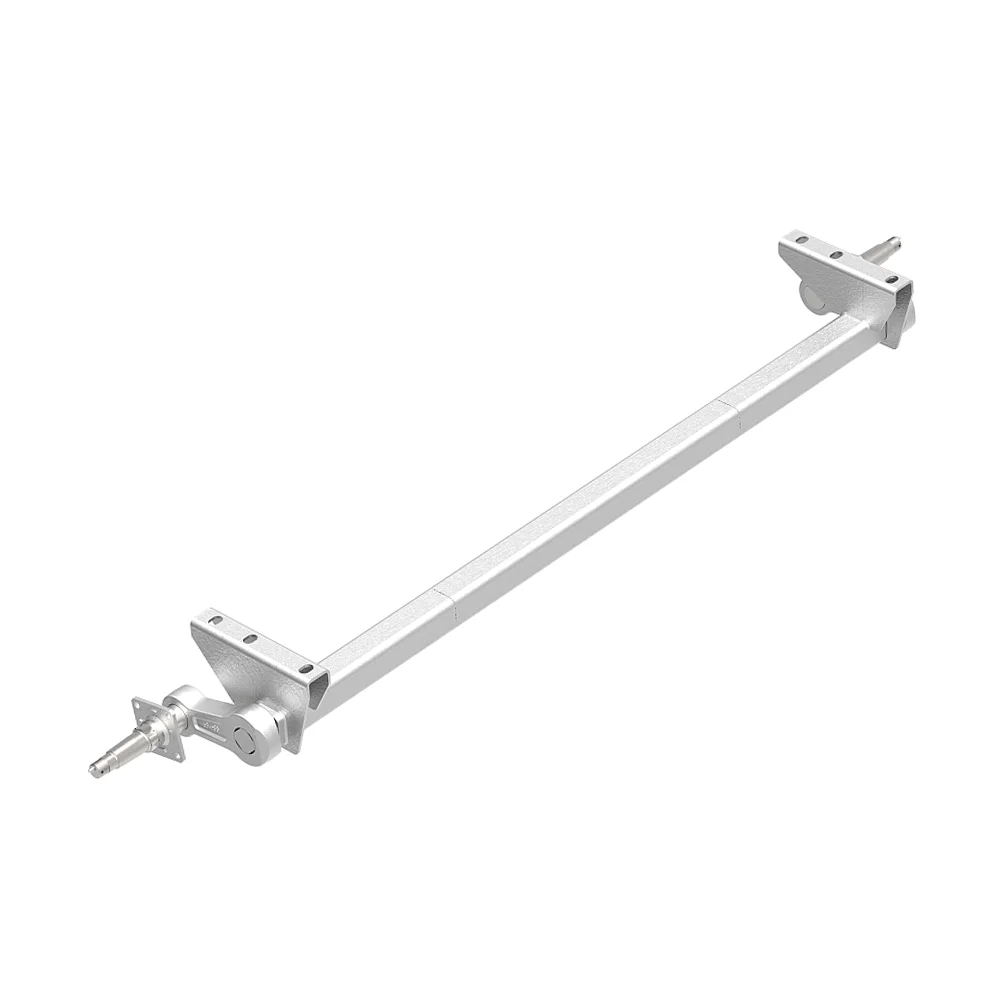
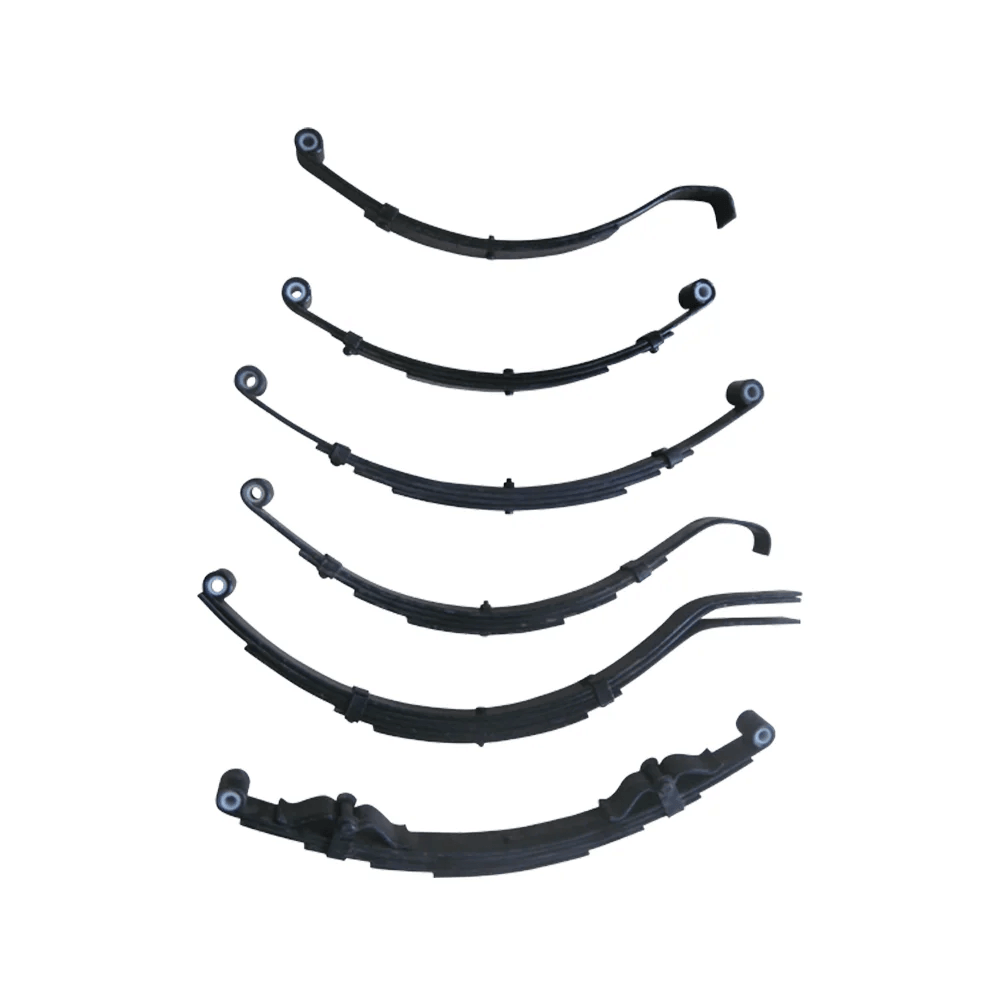
How a trailer actually behaves on the road comes down mostly to axles, tires, and suspension — and these need to be matched to the trailer's load rating and intended use, not just picked from whatever's available.
The details that tend to matter most:
- Axle capacity that genuinely matches the trailer's rated load, not just close enough
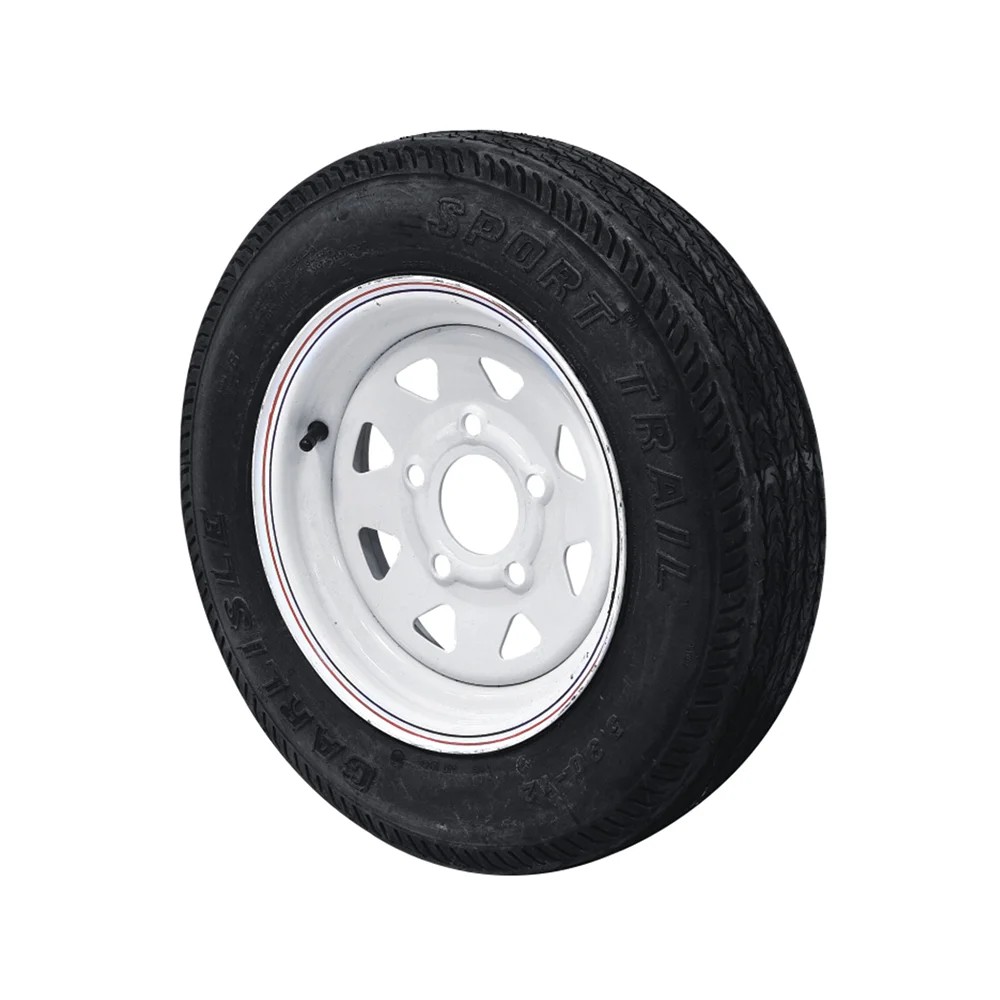
- Tire size and load index appropriate for that same rating
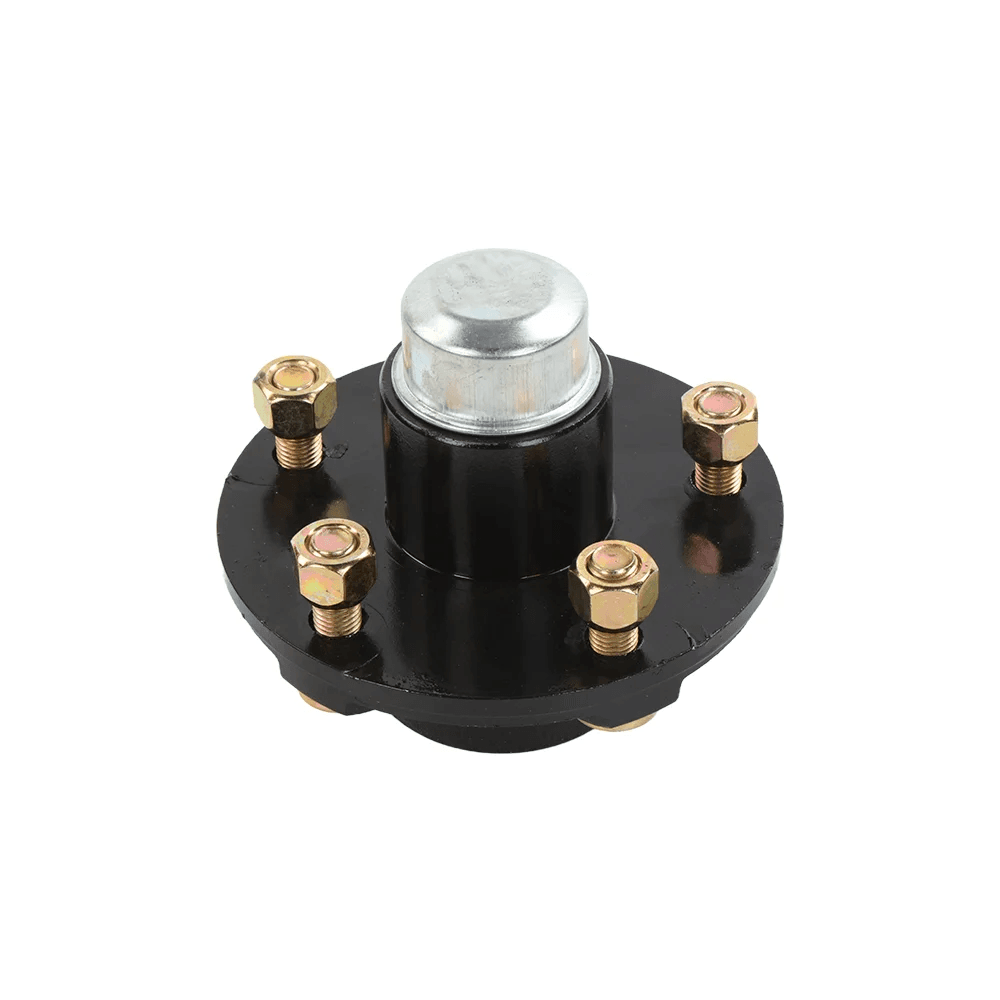
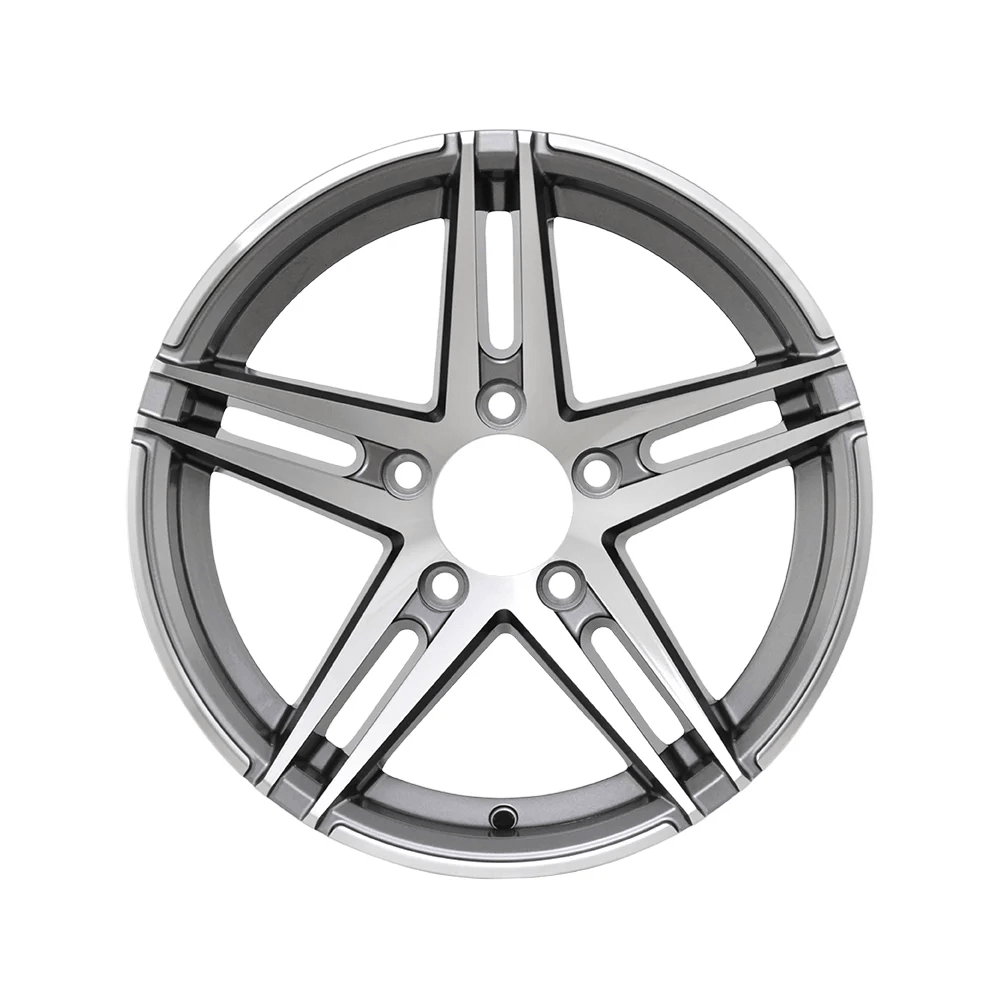
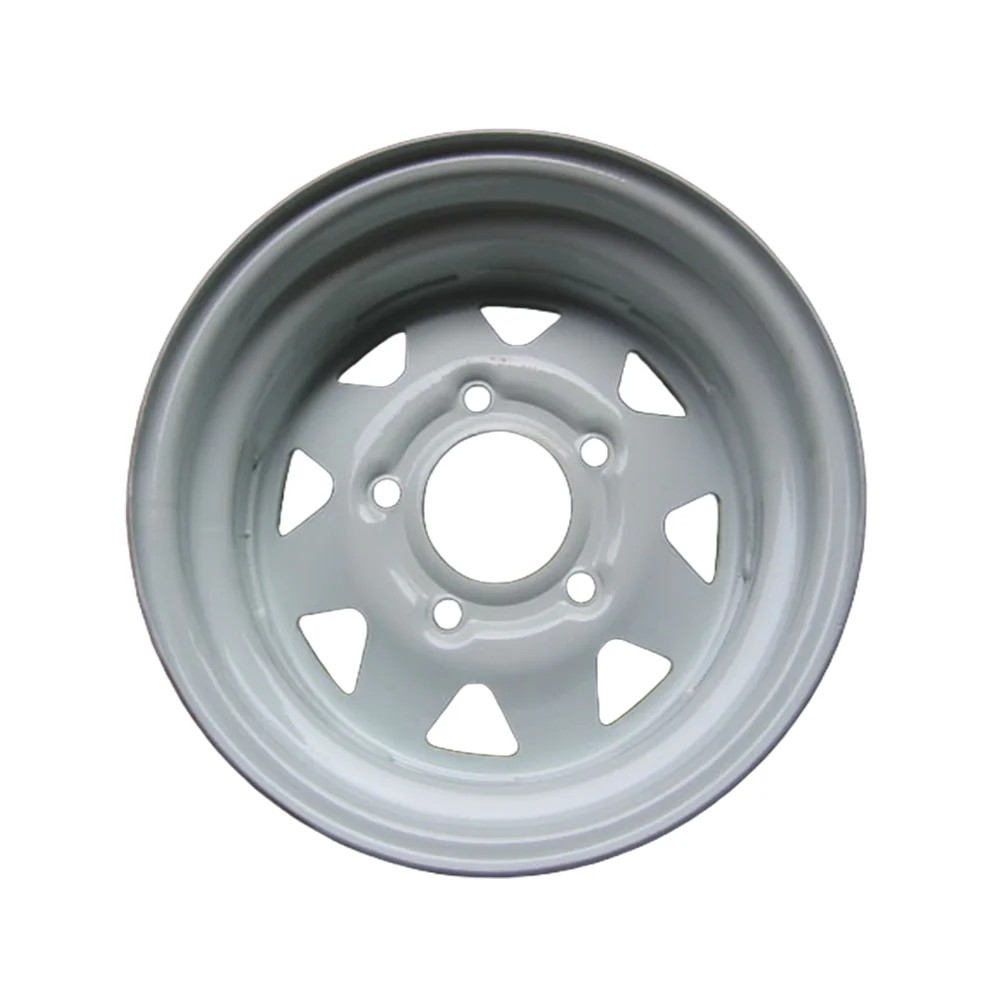
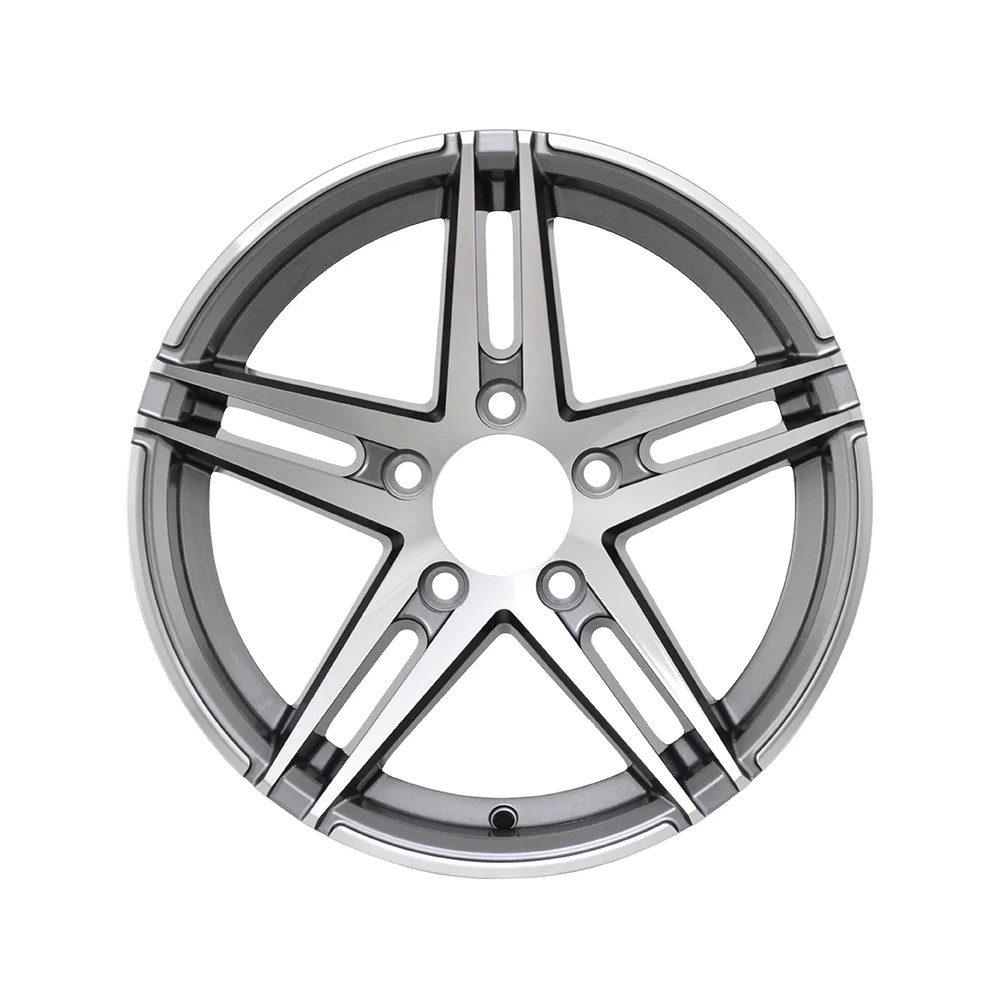
- Wheel quality that won't fail under repeated stress
- Bearings that hold up over long-term use rather than wearing out early
- Suspension strength suited to the terrain the trailer will actually see
- Ground clearance appropriate for the environment
- Compatibility with local road conditions
- Brake compatibility, where local regulations require it
Heavy-duty trailers need stronger axle systems and tougher tires simply because they're carrying more, more often. Caravans and off-road models lean more on suspension and ground clearance, since comfort and stability over rough terrain matter just as much as raw load capacity there.
Surface Treatment and Corrosion Resistance
Trailers spend a lot of their working life outdoors, dealing with rain, mud, sun, gravel, road salt, and humidity — none of which is kind to bare metal over time. Surface treatment is really the first line of defense against all of that, and it affects both how long a trailer lasts and how it looks after a few years of actual use.
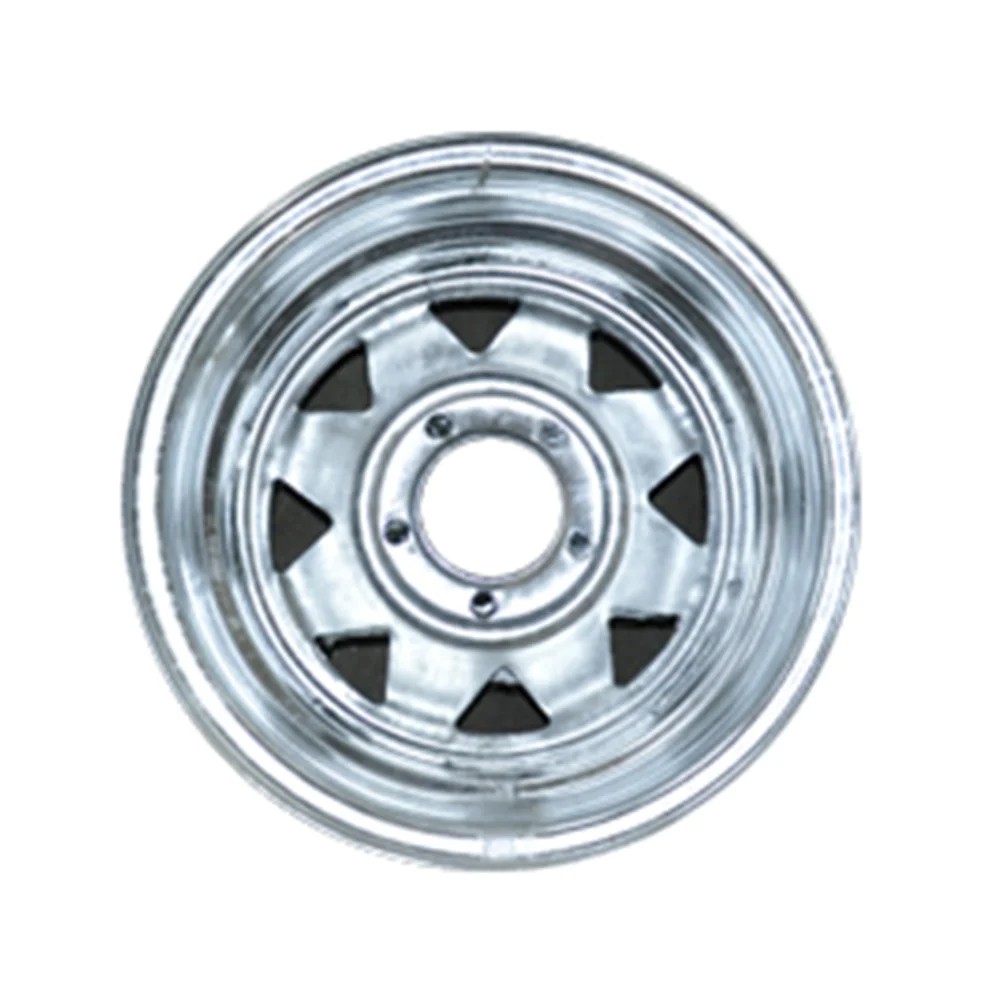
The usual options are galvanizing, powder coating, painting, or some combination of these. Galvanized trailers tend to be the better choice in humid climates, coastal regions, farms, and construction sites — basically anywhere corrosion is a constant threat rather than an occasional risk. Powder coating gives a cleaner, more polished look, which tends to matter more for retail, recreational, and lifestyle-oriented buyers who care about appearance as much as function.
Picking the right finish for a given market isn't just a cosmetic decision — it directly affects how much maintenance a trailer needs down the line and how well it holds its value once it's actually out there working.
Custom Trailer Solutions
No two markets want exactly the same trailer, which is part of why a rigid production process tends to run into trouble sooner or later. Road conditions differ, climates differ, buying habits differ, and what counts as a "standard" trailer in one country might look underbuilt or oversized somewhere else. Being able to adjust the build without starting from scratch each time is really what makes a factory useful to distributors working across multiple regions.
Size and Structure Options
Trailer size and structure usually track pretty closely with what the trailer is actually for. Something compact makes sense for personal use and retail sales, where buyers want manageable size and easy towing. Larger, more robust builds fit commercial hauling and professional applications, where capacity matters more than convenience.
The structural elements that typically get adjusted include:
- Trailer bed length
- Trailer bed width
- Side panel height
- Frame thickness
- Ramp design
- Tailgate structure
- Cage design
- Drawbar length
- Wheel position
- Ground clearance
Yongqiang Vehicles Factory works directly with customers on these adjustments rather than offering a fixed catalog with no room to move, which gives distributors a way to build out product lines that actually look different from what a competitor down the road is selling.
Functional Accessories
The right accessories can change how a trailer gets used and who it appeals to — sometimes more than the base structure itself. They're also one of the easier ways to create distinct product tiers without redesigning the whole trailer.
Commonly requested accessories include:
- Spare tire bracket
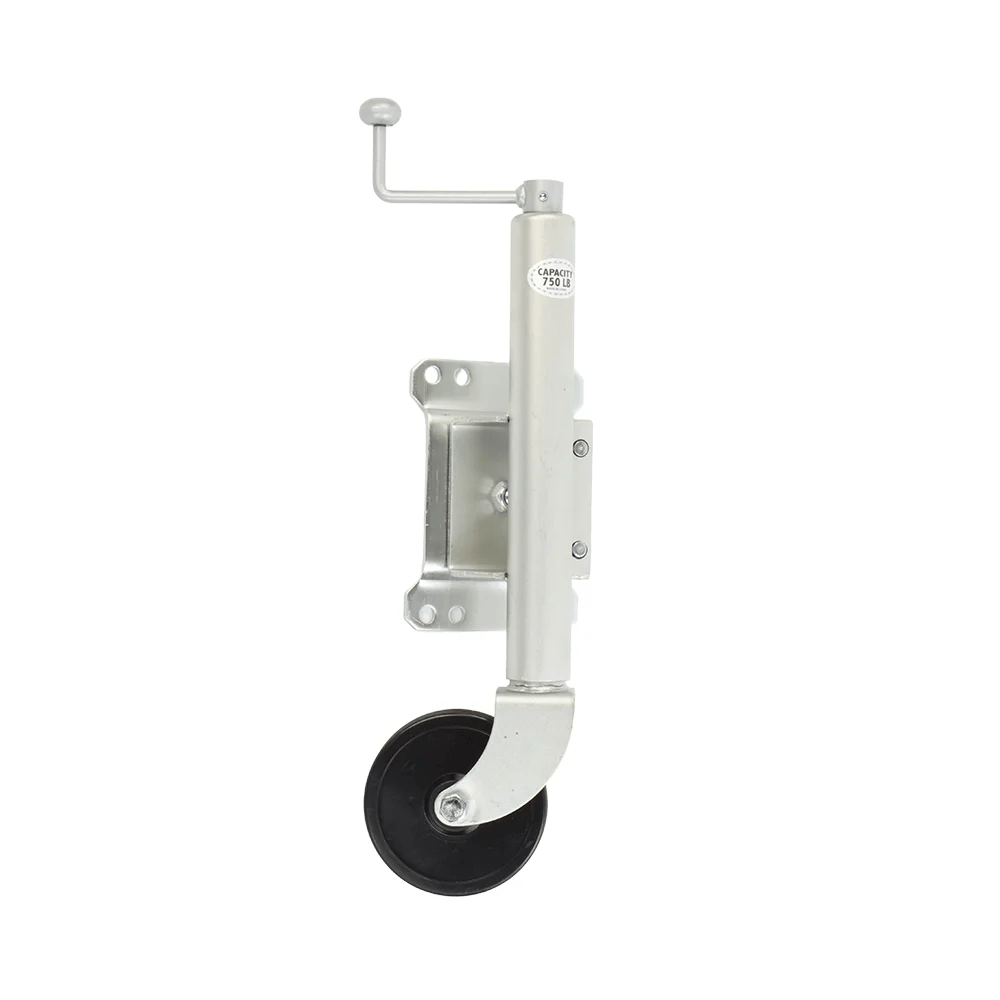
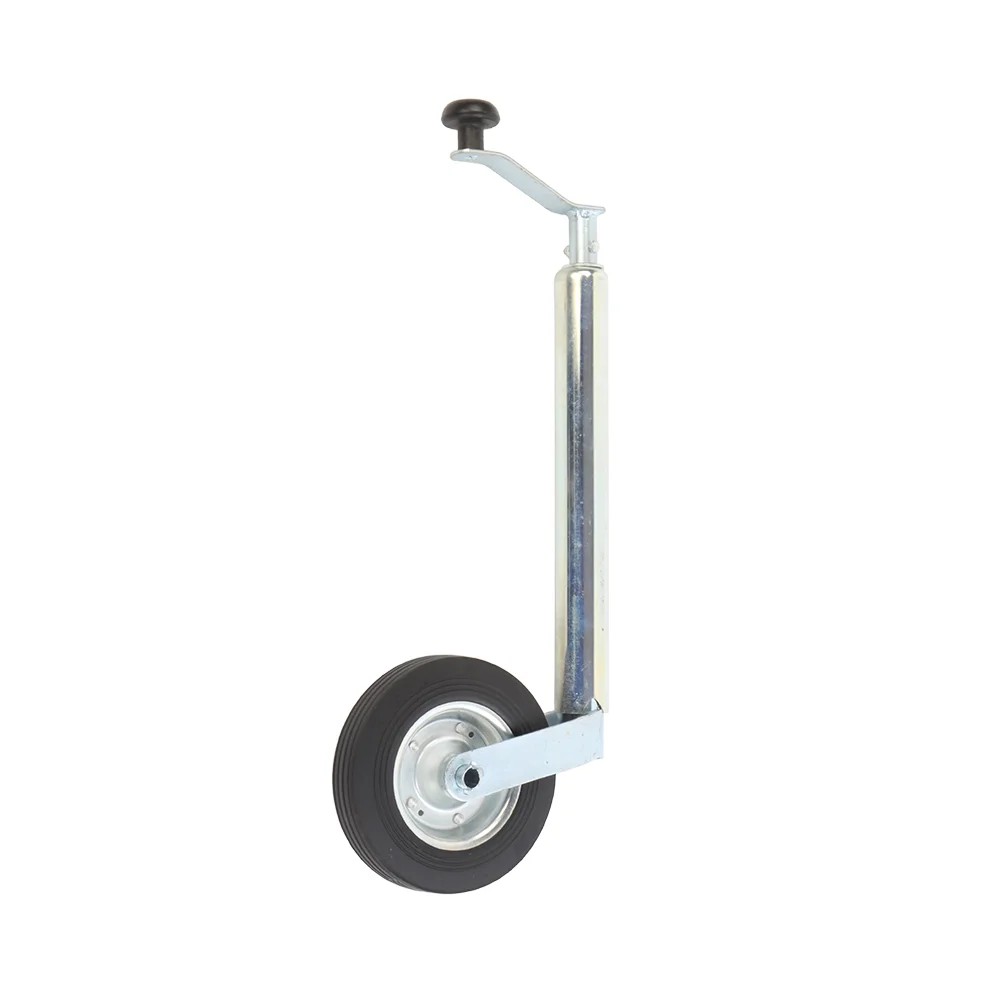
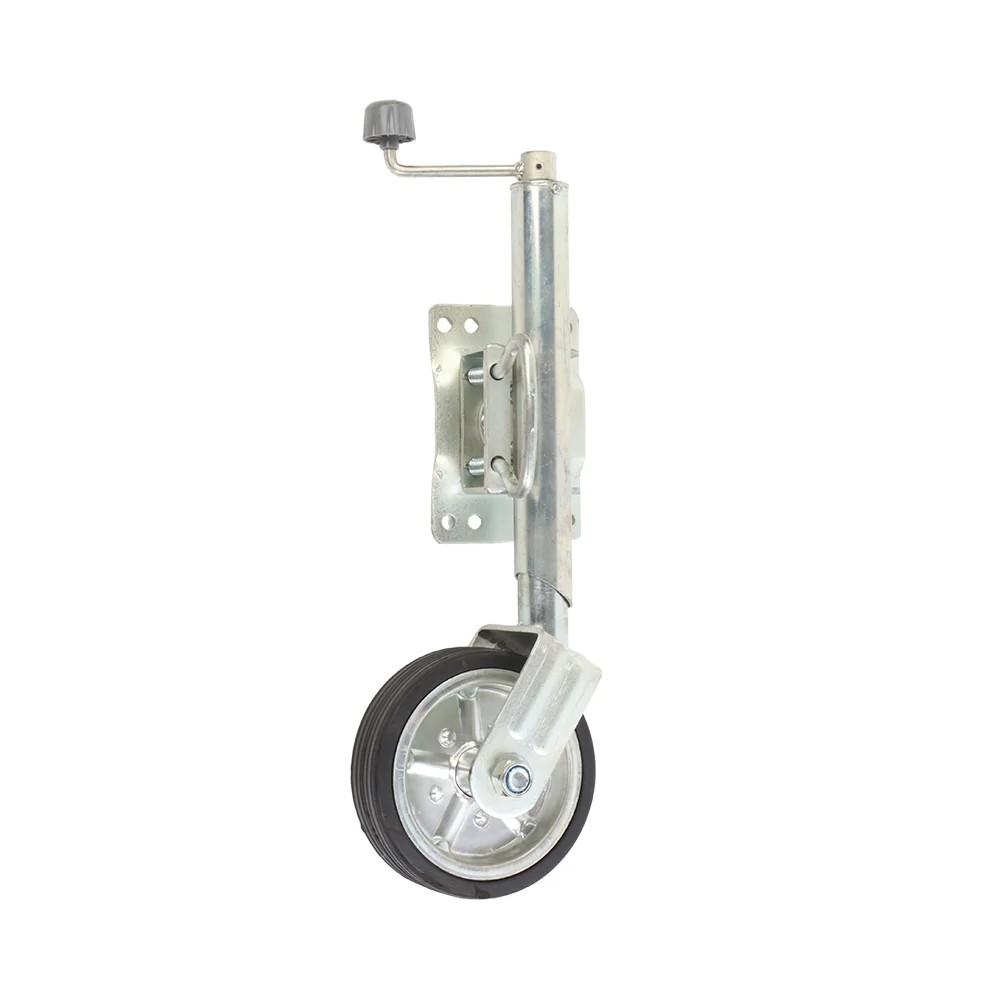
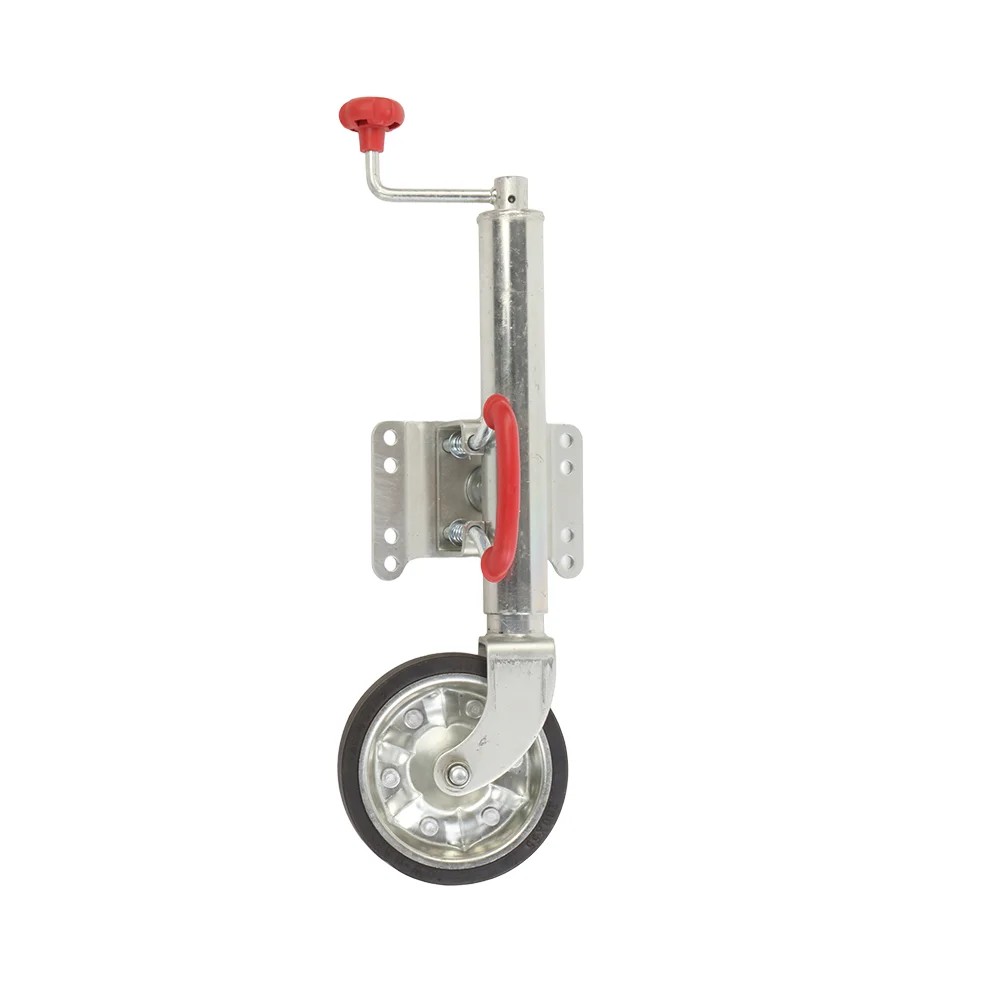
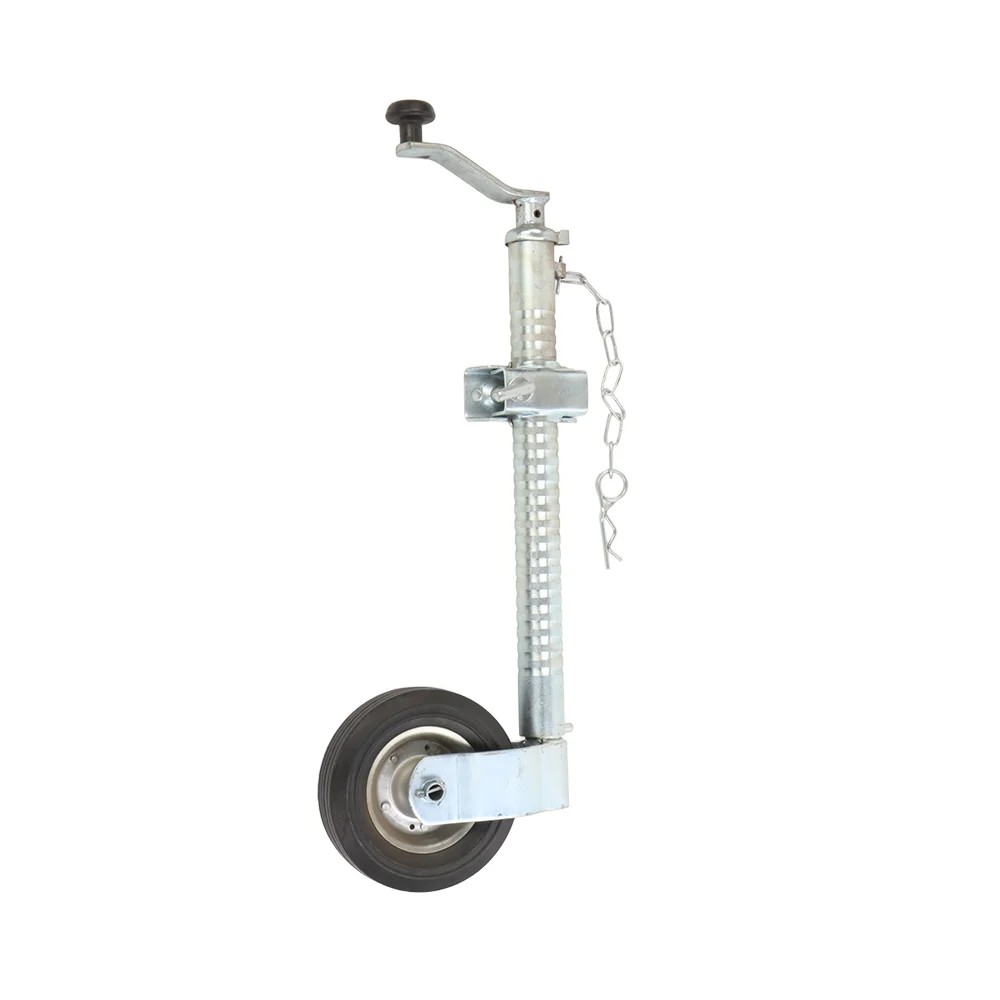
- Jockey wheel
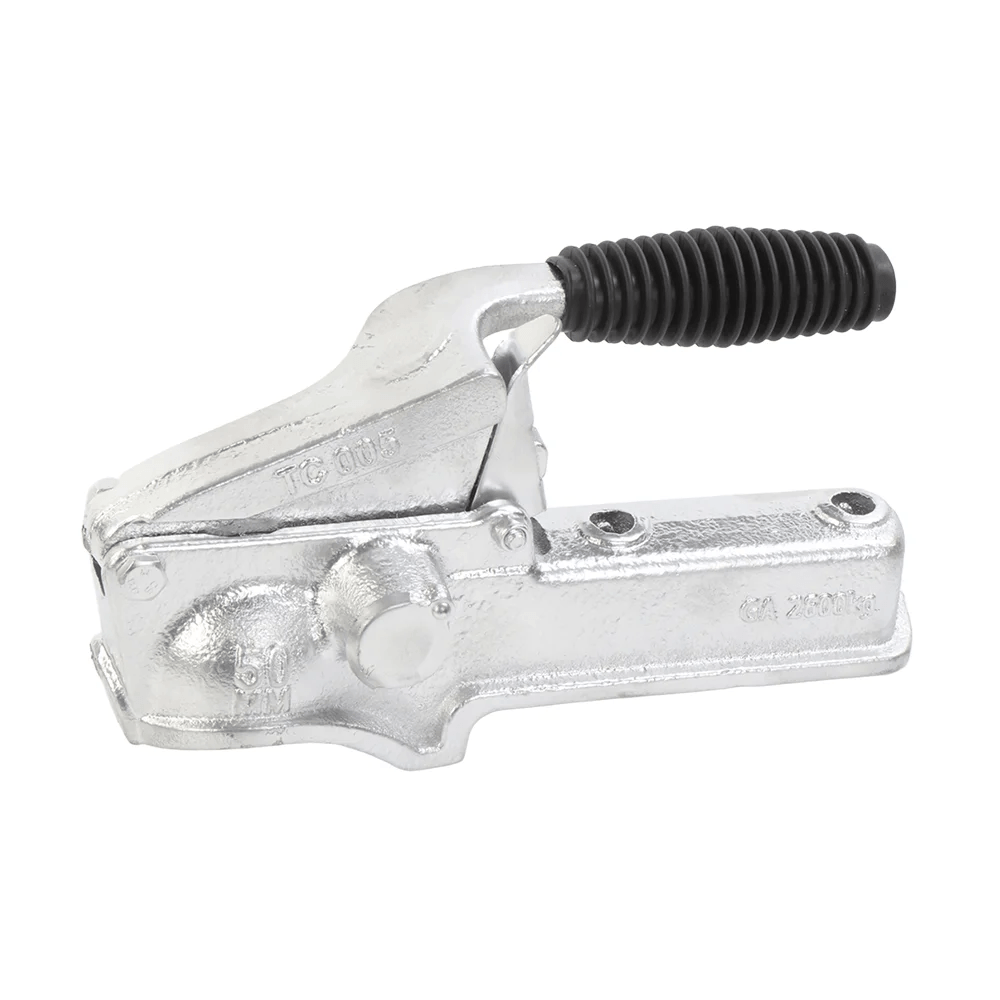
- Coupler
- Safety chain
- LED lighting system
- Reflectors
- Tool box
- Tie-down points
- Mudguards
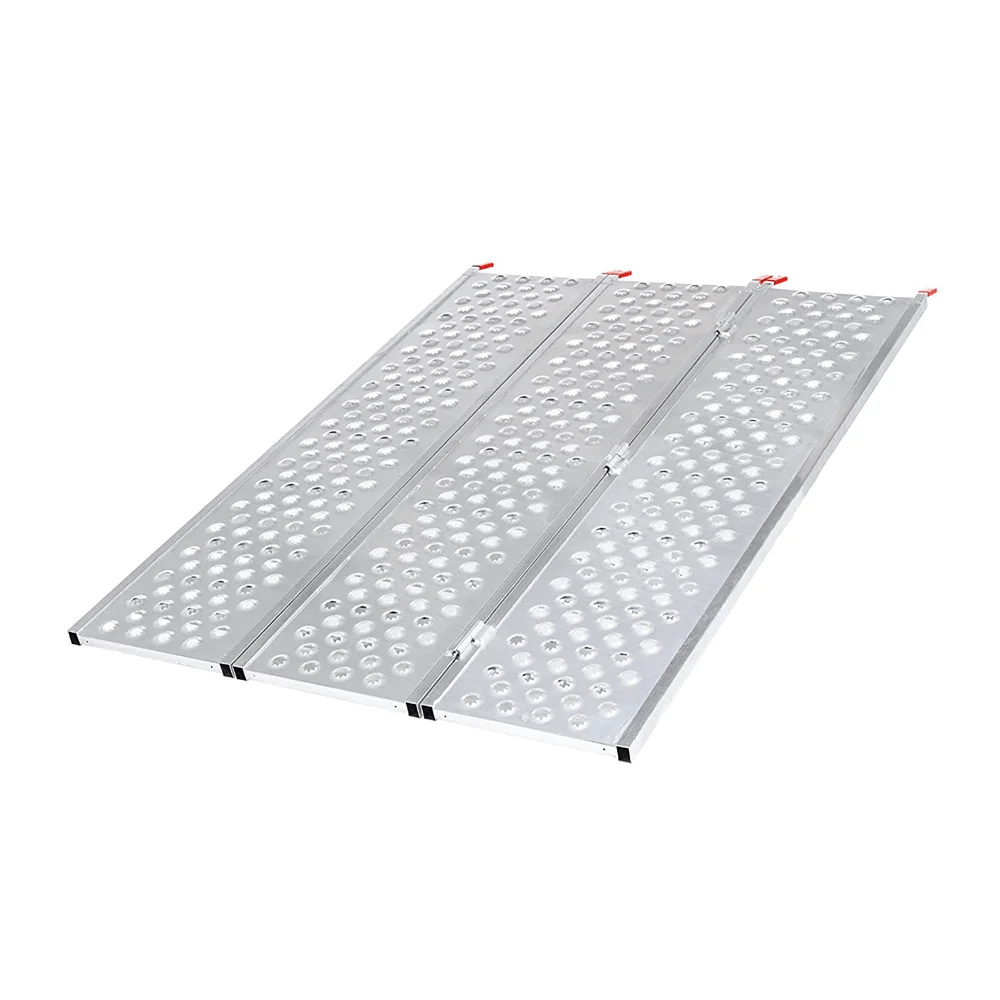
- Loading ramps
- Side rails
- Support legs
A trailer fitted out with the right combination of these tends to sit more naturally into a specific use case — professional work, outdoor travel, or general everyday transport — rather than trying to be everything to everyone.
Branding and Appearance
For distributors and wholesalers competing in crowded markets, how a trailer looks and presents itself matters almost as much as how it performs. A product that looks generic tends to get treated as generic, whether that's fair or not — buyers in a showroom, scrolling through an online listing, or walking a trade show floor tend to form an impression before they've read a single spec.
Branding elements that typically come into play include:
- Custom color
- Logo plate
- Product sticker
- Nameplate
- Private label support
- Instruction labels
- Printed packaging
- Model identification
Because the factory offers OEM-style support alongside its product development capability, these branding details can be built into a trailer line from the start rather than added on as an afterthought — which tends to matter more than people expect once a distributor is trying to position a product against everyone else selling something similar.
How to Build a Competitive Trailer Product Line
Putting together a strong trailer product line isn't really about picking one good model and running with it — it's more about building out a selection that actually covers the different jobs people need a trailer for, backed by manufacturing that doesn't waver from batch to batch. That combination of practical range, consistent quality, and enough flexibility to customize when needed tends to matter more than any single standout product.
Define Market Positioning
Before anything else, it helps to know who a trailer is actually being built for. Commercial work, farming, landscaping, outdoor travel, equipment transport, retail sales, rental fleets — each of these pulls in a slightly different direction. A trailer aimed at rental use doesn't need the same finish as one built for a farm, and a retail model doesn't need the same load rating as something meant for daily commercial hauling. Getting this positioning clear early on is what ends up shaping decisions about frame design, load capacity, accessories, and finish later — trying to skip this step usually just means redoing work further down the line.
Select Core Models
A well-rounded lineup tends to include utility trailers, heavy duty trailers, braked and unbraked versions, caravans, aluminum tool boxes, and the accessories that go alongside them. Each one earns its spot for a different reason: utility trailers cover the everyday transport demand that never really goes away, heavy duty models handle the tougher commercial jobs, caravans open the door into leisure and outdoor travel markets, and tool boxes add storage value that pairs naturally with everything else in the range.
Confirm Main Specifications
Once the core models are settled, the specifications need to be nailed down clearly — trailer size, load rating, axle type, tire size, frame material, finish option, accessory selection, and how the finished unit gets packaged. This isn't just paperwork. Clear specs make a product far easier to promote honestly and far easier for buyers to compare against alternatives, which tends to speed up sourcing decisions rather than leaving them stuck in back-and-forth clarification.
Develop Custom Features
This is usually where a product line starts to feel less generic. Custom colors, logo plates, tool box configurations, ramp styles, side panel designs, cage structures, and packaging choices all give distributors a way to build something that doesn't look identical to what every other supplier is offering. None of these changes are dramatic on their own, but together they add up to a product that feels tailored rather than off-the-shelf.
Maintain Production Consistency
For any relationship that's meant to last beyond a single order, consistency ends up mattering more than almost anything else. If the finished trailers stop matching the confirmed sample — in structure, dimensions, materials, accessories, finish, or packaging — trust erodes quickly, and it's hard to win back once a distributor starts second-guessing every shipment. Keeping production stable over time is really what turns a one-off order into a repeat relationship, and it's usually the thing that separates suppliers people stick with from ones they eventually move away from.
Key Features That Improve Trailer Category Value
A trailer category tends to stand out in a crowded market when it manages to combine durability, function, appearance, proper certification, and dependable supply — rarely does just one of these carry a product line on its own. Here's what typically contributes to that combination:
- Over 20 years spent specifically in trailer design and manufacturing
- A factory footprint of more than 100,000 square meters
- A team of over 200 skilled machinists, engineers, and technicians
- Annual production reaching 100,000 units as of 2025
- A lineup covering utility trailers, heavy duty trailers, caravans, tool boxes, and accessories
- Both braked and unbraked options depending on load and local requirements
- Frames reinforced where they actually need to be, not just uniformly thickened
- Axle and tire configurations matched to intended load and terrain
- Surface treatment built to hold off corrosion over years of outdoor use
- Bed sizes designed around real-world loading needs
- A towing structure that stays stable rather than swaying under load
- Custom branding support and bespoke product development for distributors
- ISO 9001-2000 Quality Management certification
- WMI Code L4W certification
- DOT mark certification for the U.S. market
- Export experience built up through shipments to America and Australia
- Packaging designed to survive long-distance export shipping
- Manufacturing consistency maintained across production runs
Put together, these are less a checklist and more the groundwork that makes a trailer line something international distributors can actually build a business around, rather than something they have to keep troubleshooting.
Why Heavy Duty Trailers Remain in Demand
Heavy duty trailers keep showing up in demand for a fairly simple reason — they solve problems that don't go away. Tools, machinery, farm materials, construction supplies, outdoor gear, general cargo — all of it still needs moving, and a trailer built to handle that load reliably tends to save people time and headaches that a weaker one wouldn't. Commercial users care mostly about getting work done efficiently; outdoor and travel users lean more on utility trailers and caravans to support camping trips, road travel, and generally more mobile lifestyles. The use cases differ, but the underlying need for something that just works stays fairly constant.
What the market keeps favoring hasn't changed much either — strength, safety, resistance to corrosion, straightforward operation, proper certification, and value that holds up over time. For wholesalers, importers, and distributors, that translates into a fairly practical requirement: trailers that are easy to sell, consistent in quality, and flexible enough to fit different customer groups without constant special-casing. A well-rounded trailer category ends up covering daily transport needs, professional hauling jobs, recreational travel, and the accessory sales that tend to follow naturally once a customer already owns a trailer.
Between utility trailers, heavy duty models, braked and unbraked options, caravans, aluminum tool boxes, and custom builds, Jinhua Yongqiang Vehicles Factory has put together a product range aimed at giving international distributors more to work with than a single narrow offering. Backed by more than two decades of experience in this specific industry, along with flexible specifications and careful attention to quality control, the goal has generally been to build trailers that hold their value in both commercial settings and the growing recreational travel market.
