Utility Trailer Flat Bed Offers Flexible Space for Moving Different Types of Cargo
Moving materials from one place to another is genuinely just a regular part of doing business across a lot of industries. Construction crews haul tools and building materials around. Landscapers move plants, soil, branches, and outdoor supplies from job to job. Farms handle feed, equipment, and agricultural materials constantly. Property owners might also need to move bulky items that just don't fit in an ordinary vehicle.
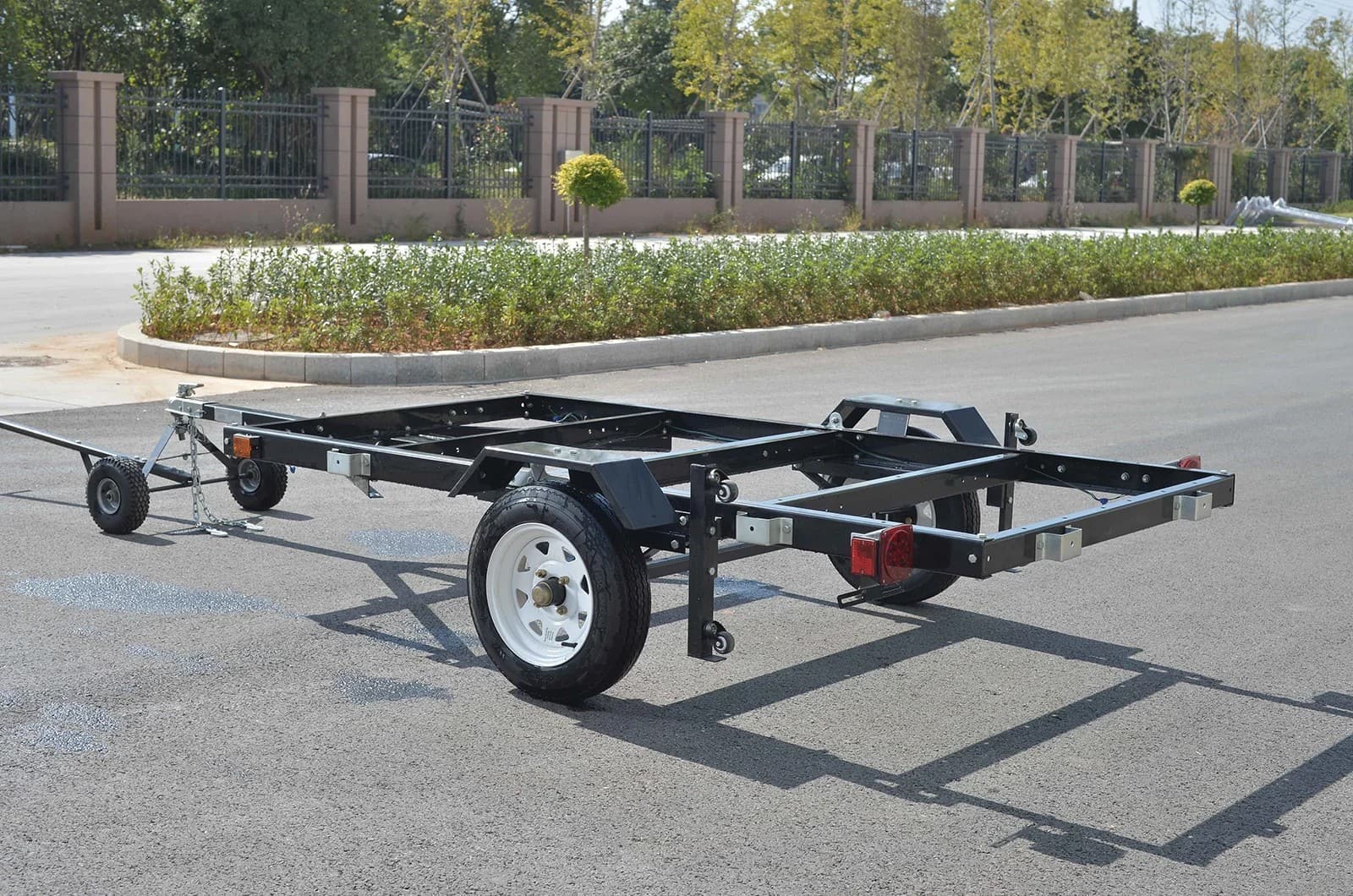
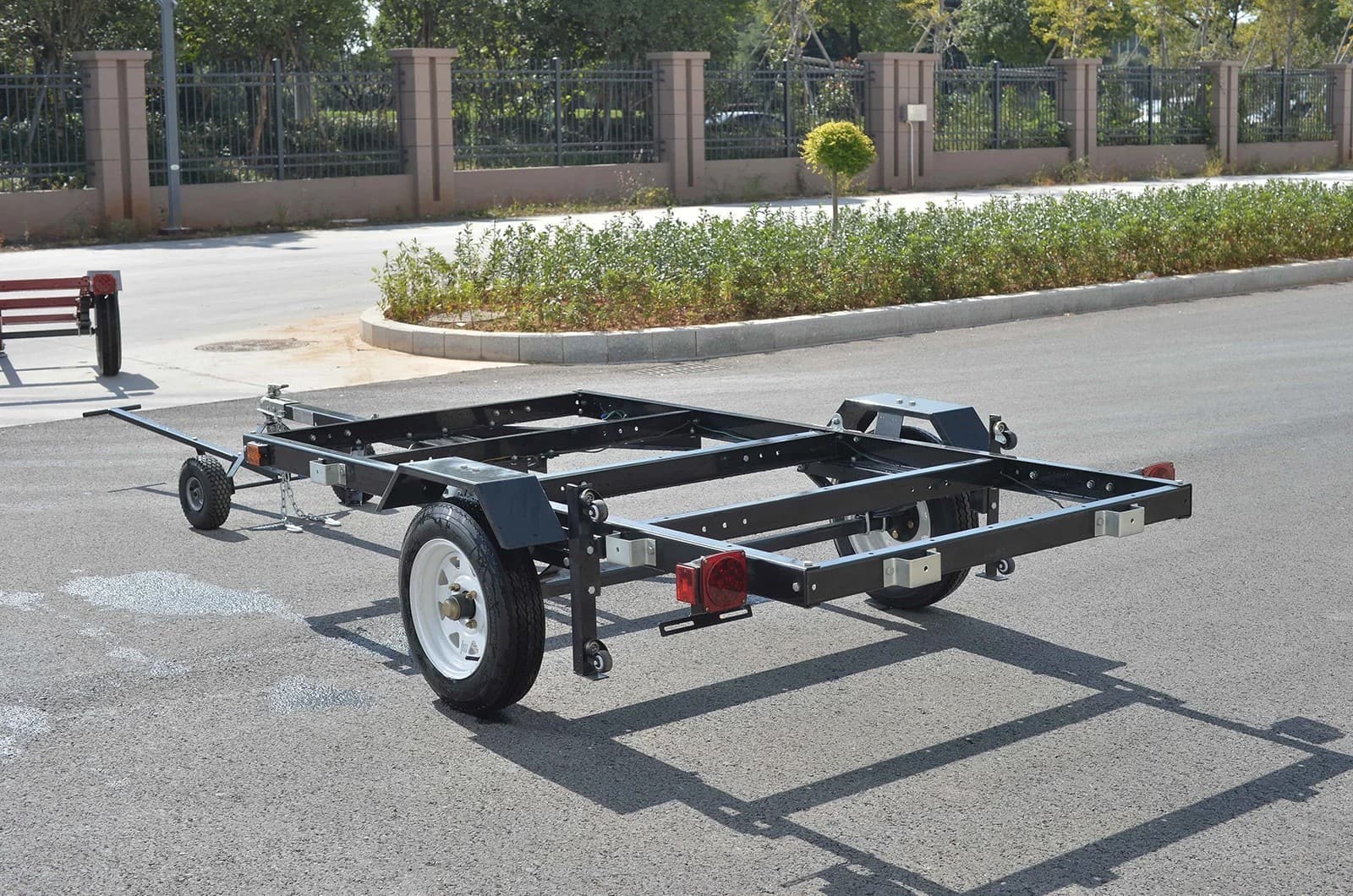
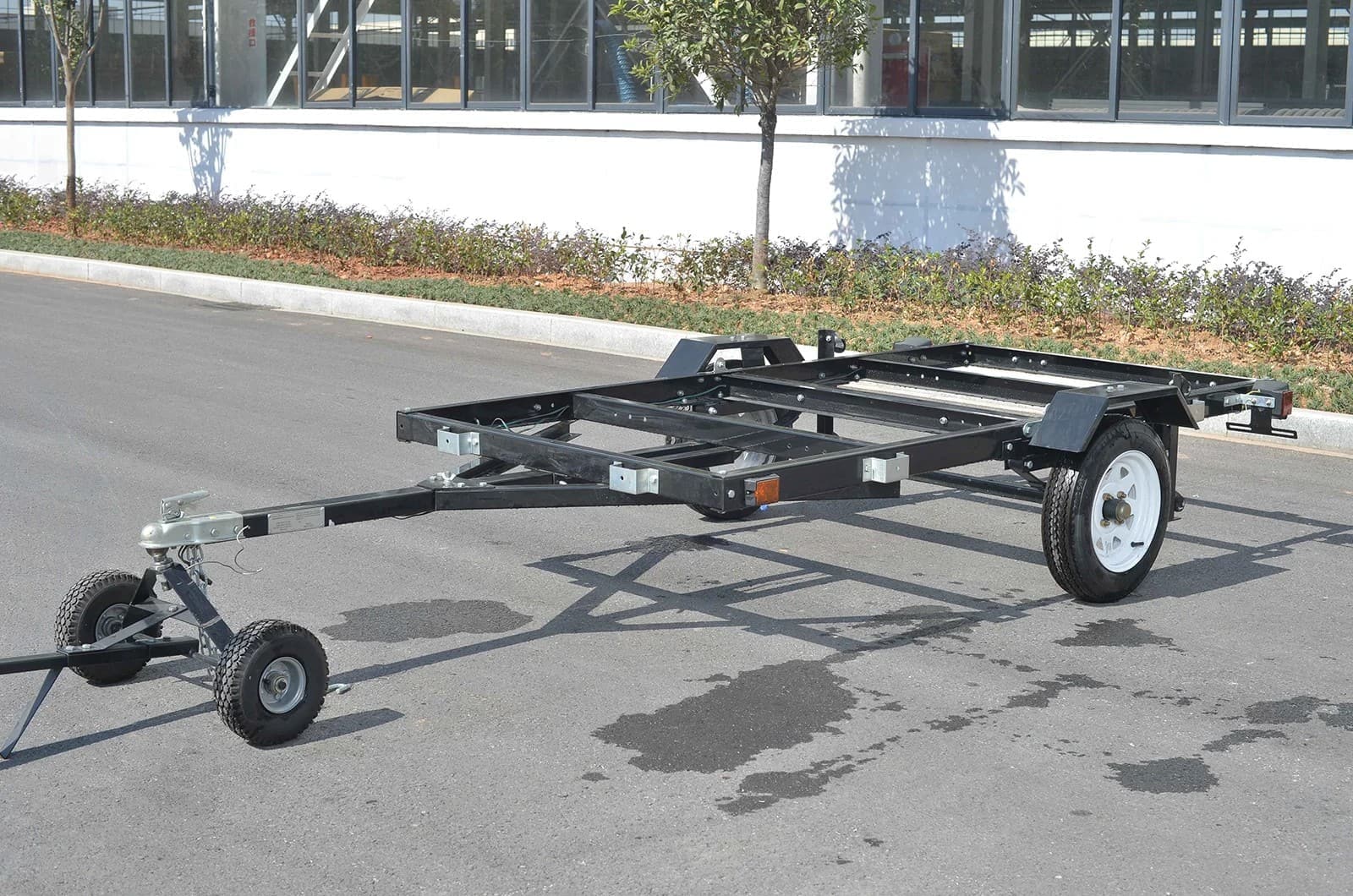
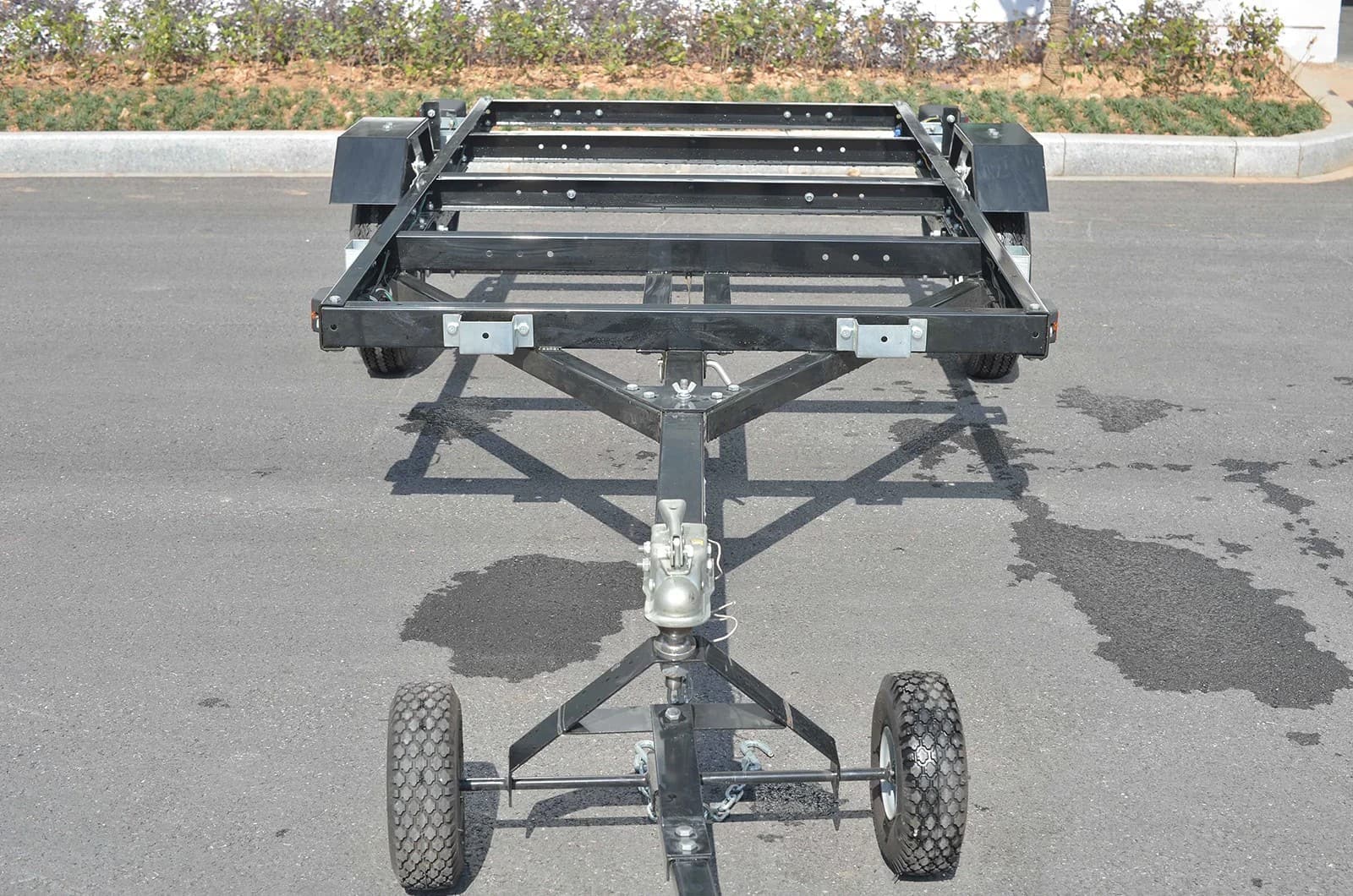
That's exactly where a Utility Trailer Flat Bed genuinely offers a practical transport option.
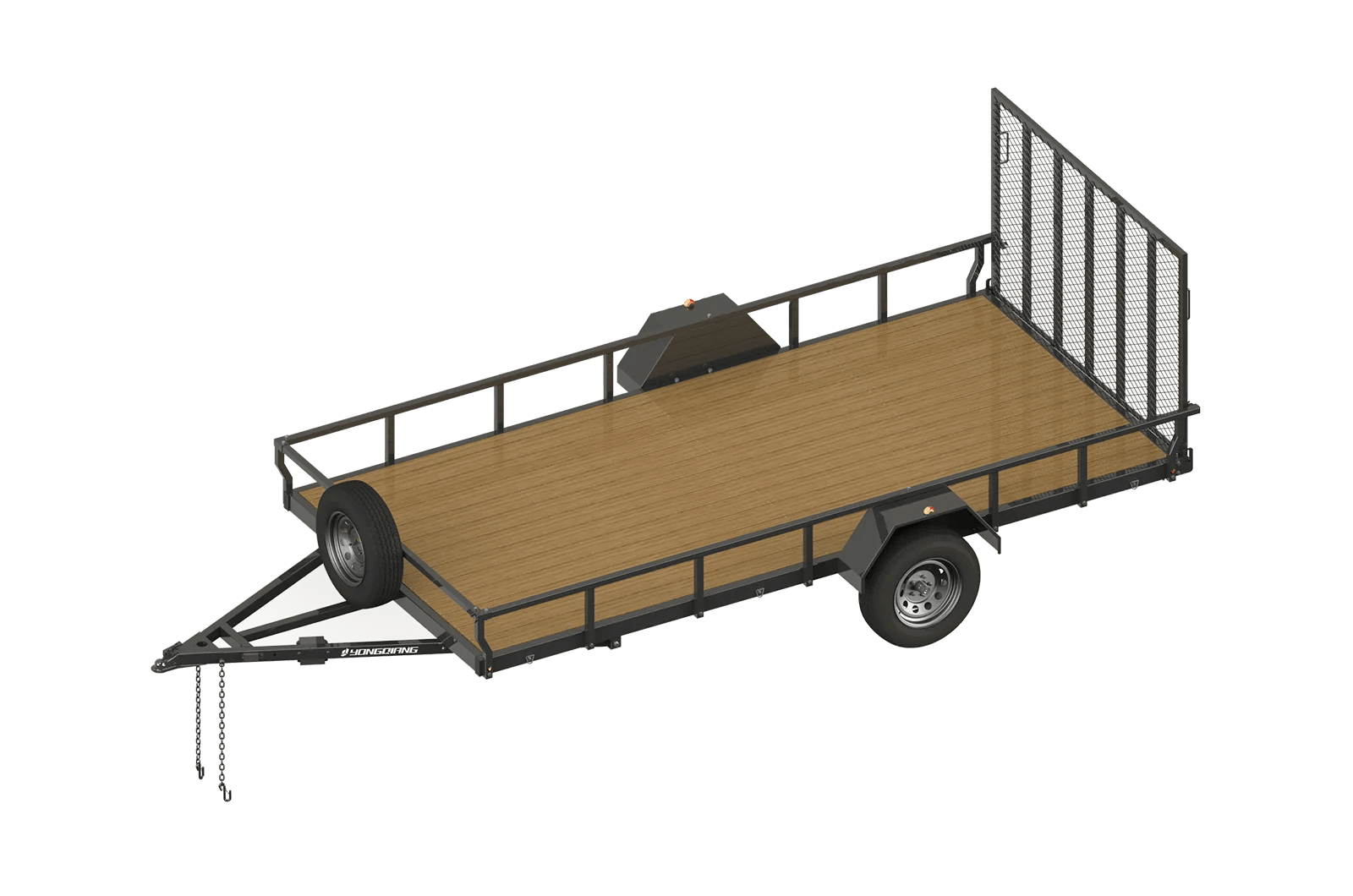
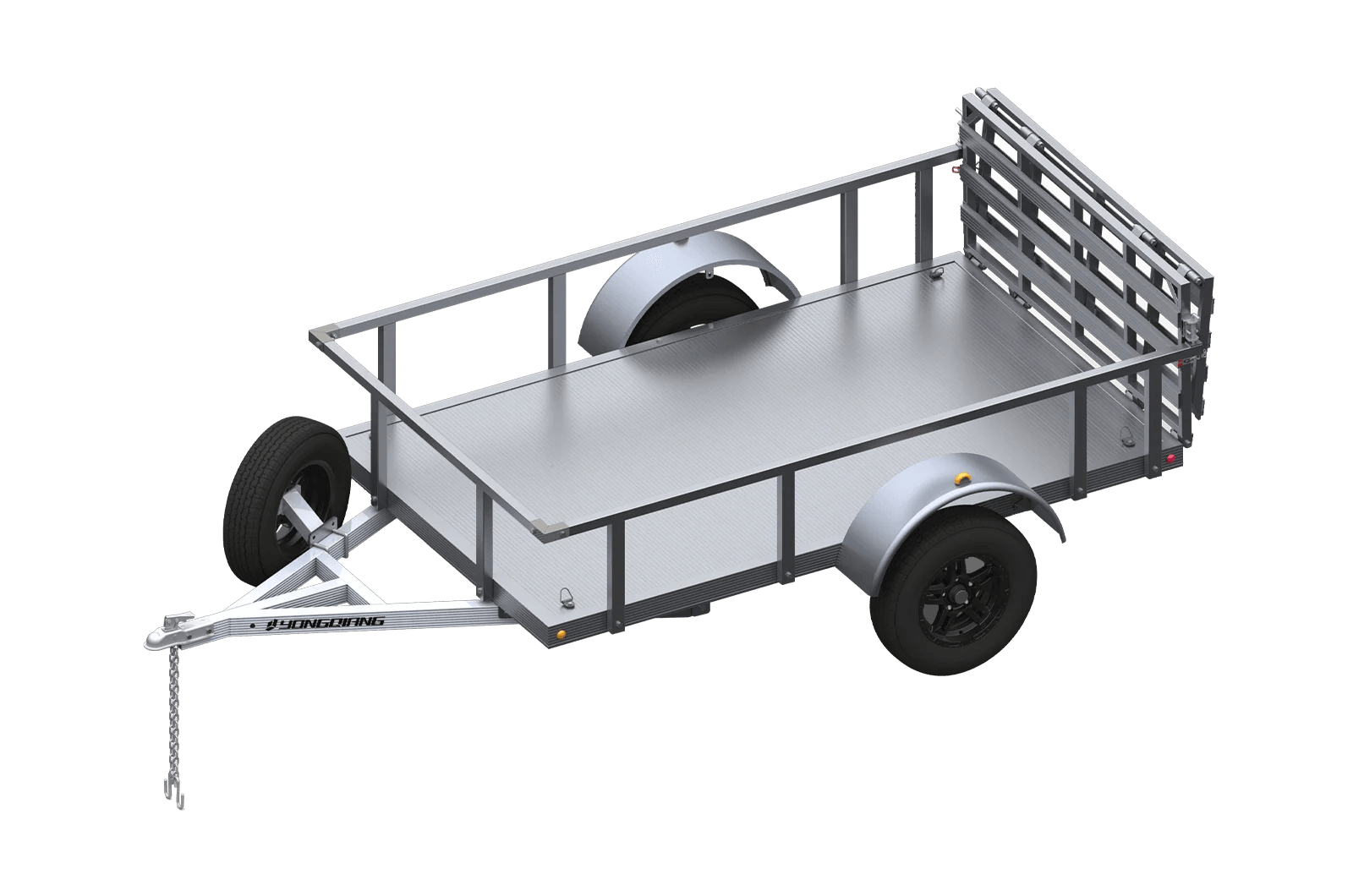
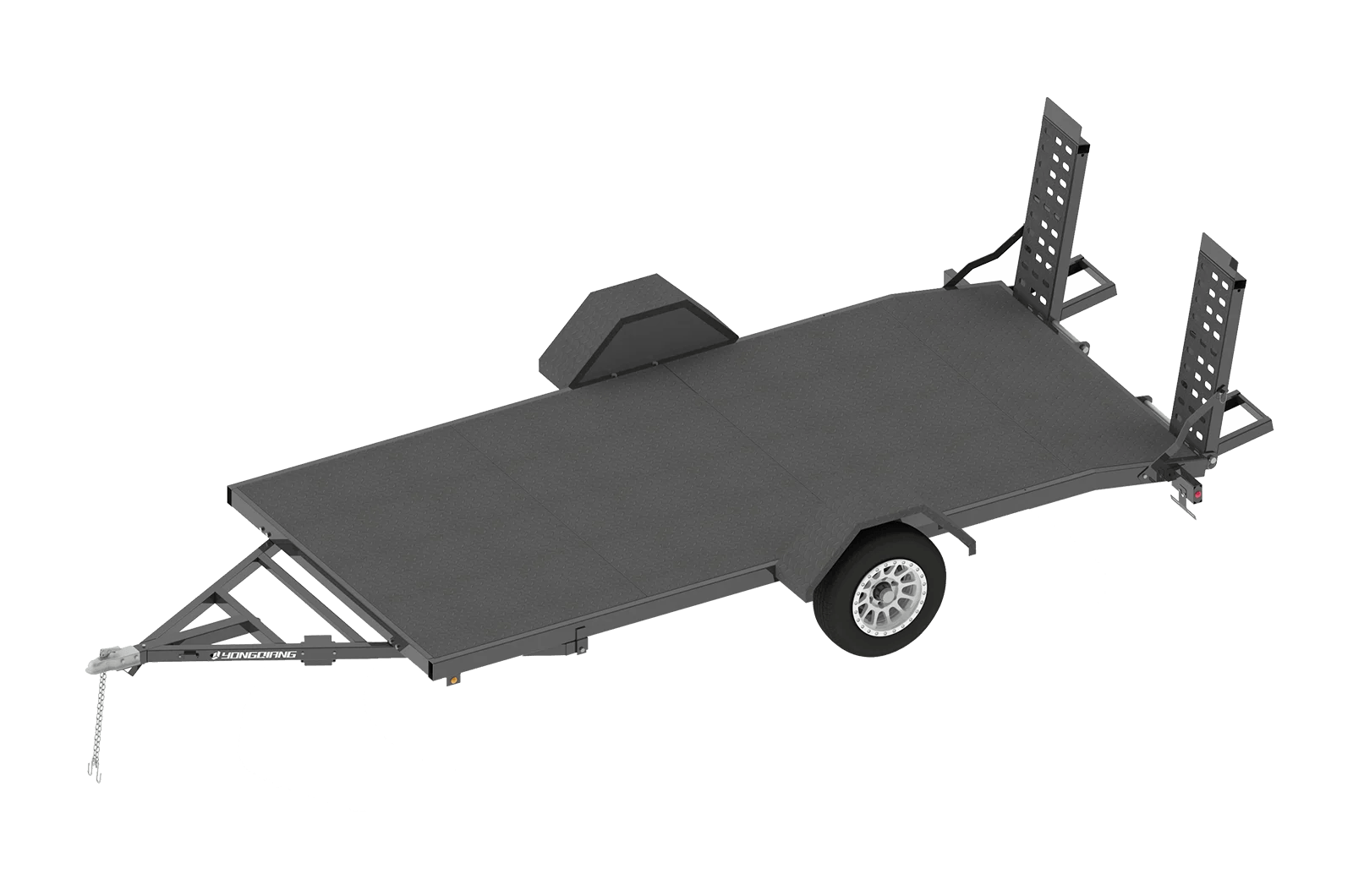
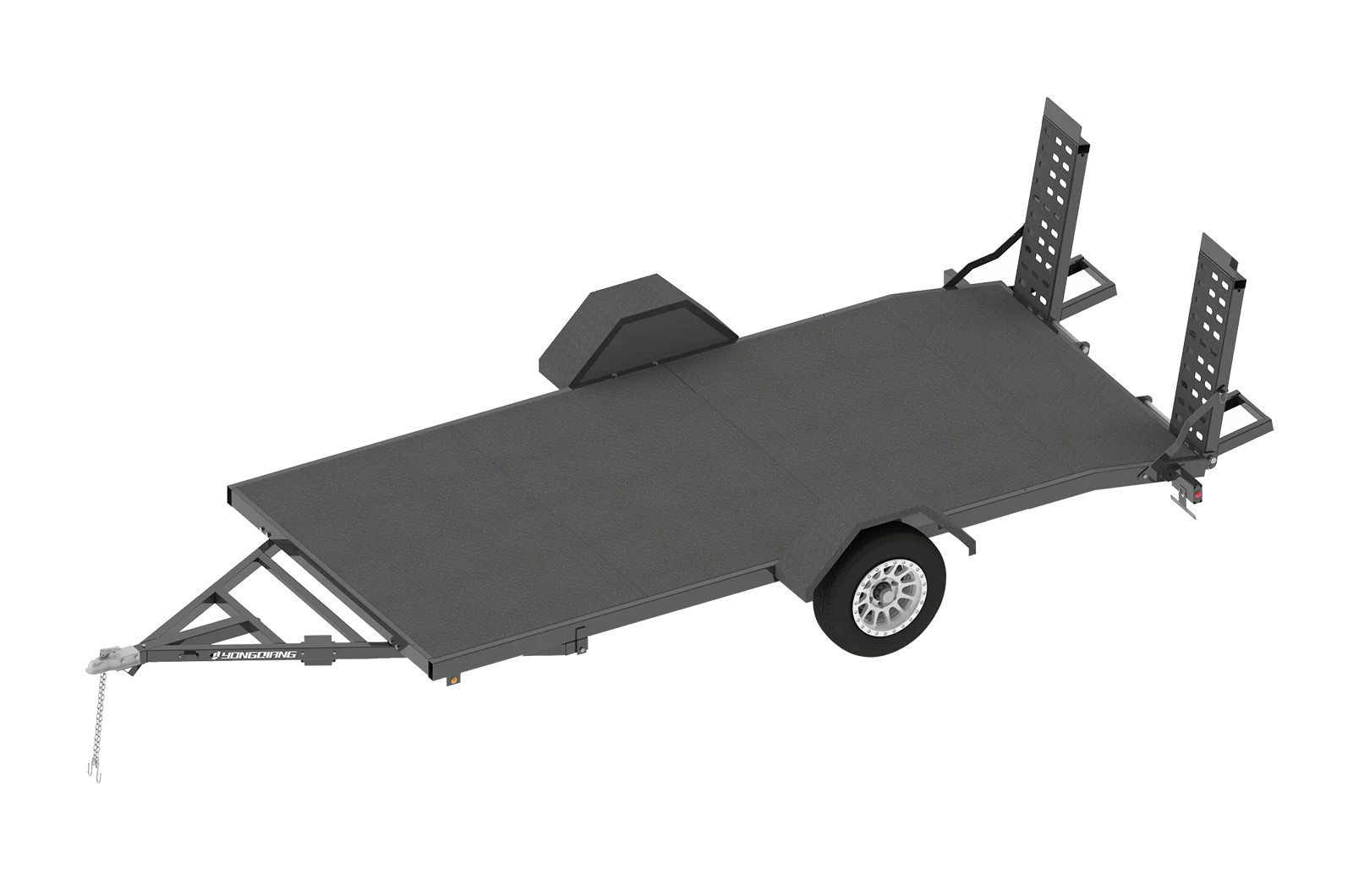
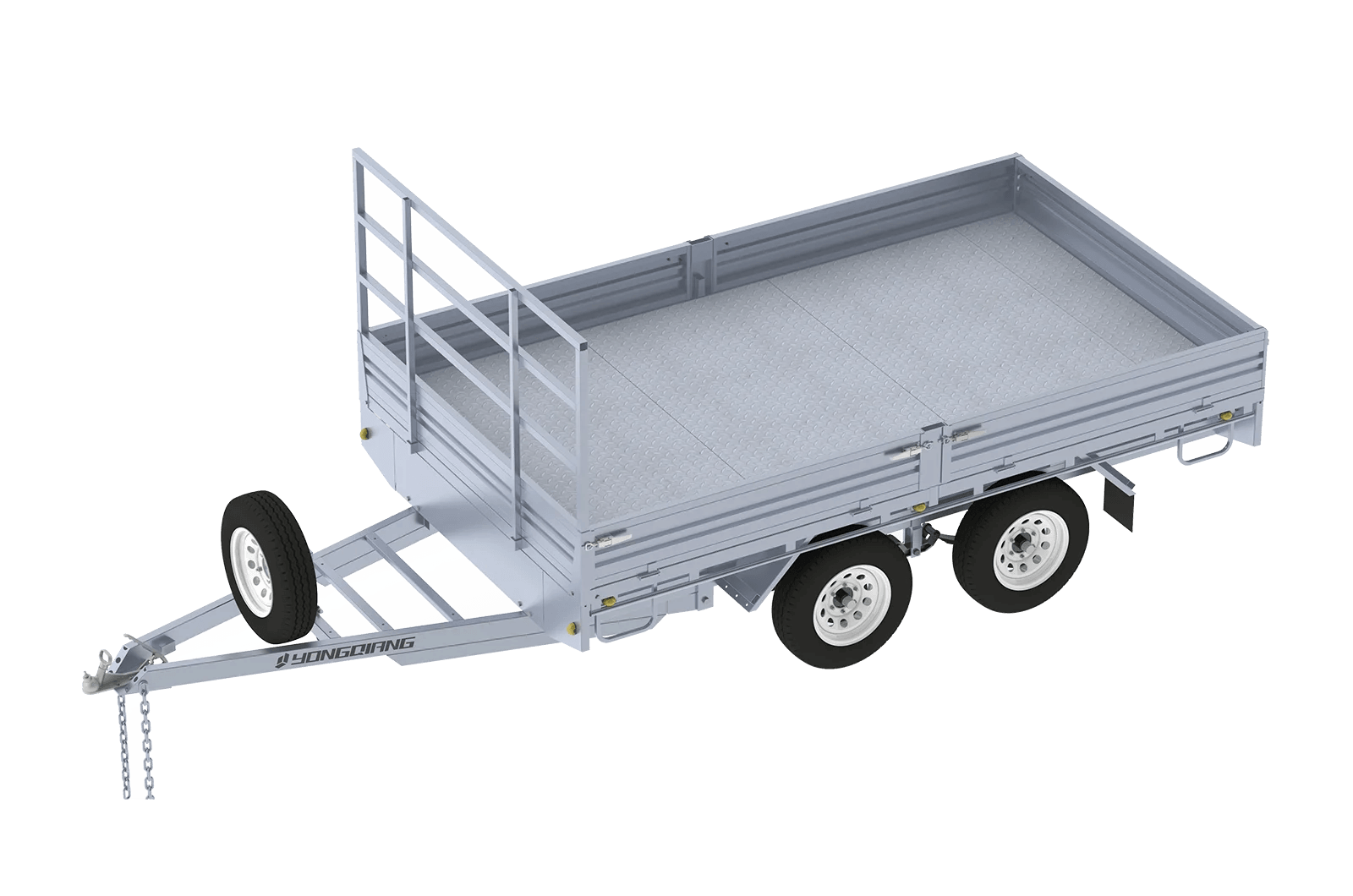
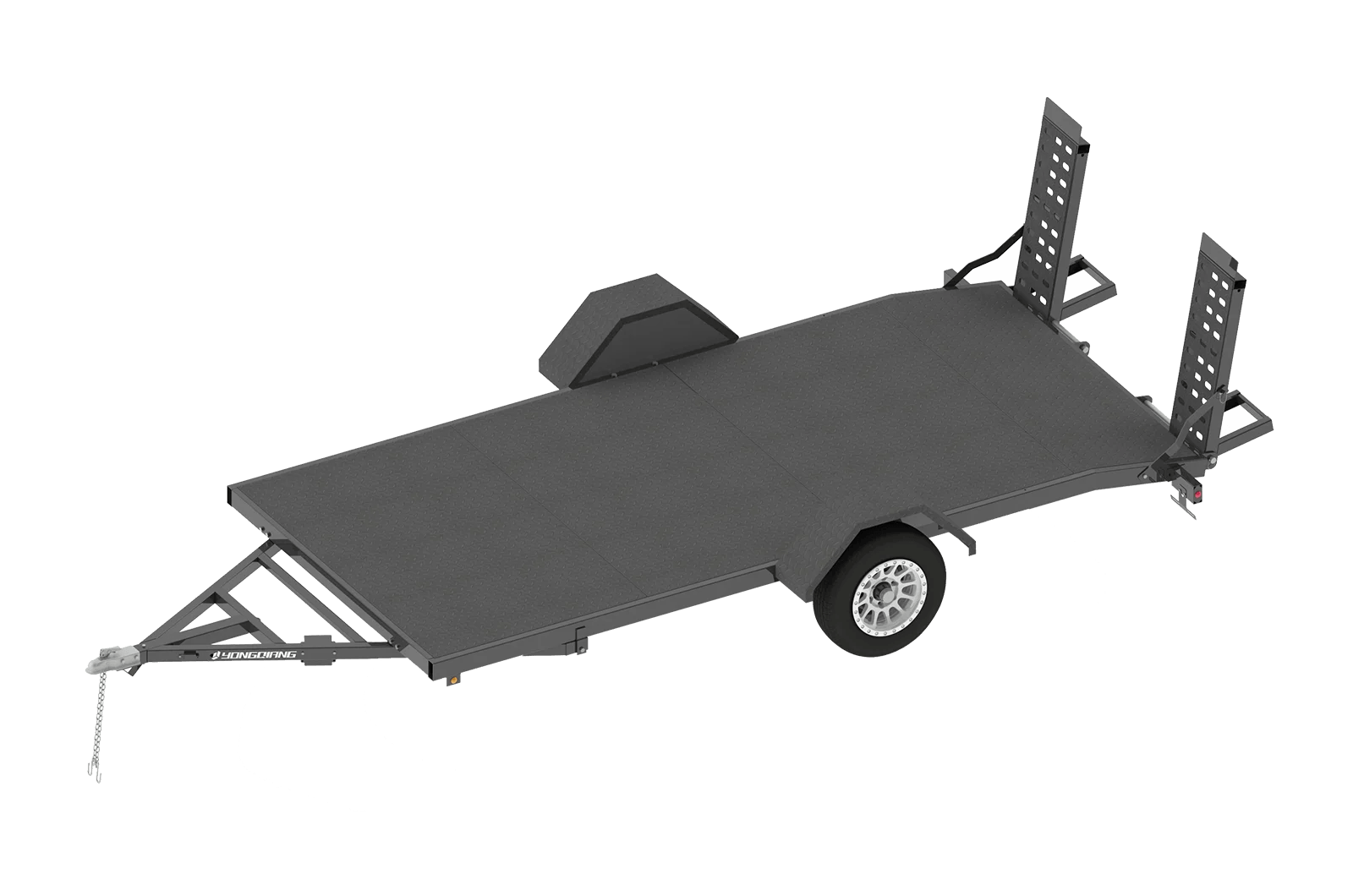
Unlike enclosed trailers, a flat bed trailer leaves the loading area wide open. This simple layout genuinely makes it easier to place different types of cargo onto the trailer. Large objects can get loaded from multiple directions, while loose or irregular items get arranged however the task actually demands.
The value of a flat bed utility trailer isn't limited to just how much space it offers, either. Its open design genuinely makes loading, unloading, securing, and organizing cargo a lot more convenient overall.
As transport needs keep getting more varied, flexible trailer layouts keep pulling in attention from businesses and everyday individual users alike.
Why Does a Flat Bed Design Make Cargo Handling More Flexible?
A flat bed design hands users an open platform for cargo, plain and simple.
There are no fixed side walls boxing in the main loading area. That genuinely gives users a lot more freedom when positioning items on board.
A long object might extend right across the platform. A bulky piece of equipment can go wherever it naturally fits. Several smaller items can get arranged together too, whenever that makes sense.
This flexibility genuinely pays off especially when cargo doesn't come in some standard shape.
An enclosed trailer makes sense when weather protection or secure enclosed storage is genuinely needed. A flat bed utility trailer takes a genuinely different approach instead, focusing on accessible loading space above all else.
The open arrangement can also make it easier to see the cargo during loading.
Cargo Type
How a Flat Bed Trailer Can Support Transport
Building materials
Provides open space for arranging materials
Landscaping supplies
Allows plants, soil, branches, and tools to be loaded
Farm supplies
Supports movement of equipment and agricultural materials
Outdoor equipment
Offers accessible space for bulky items
Garden waste
Makes loading loose outdoor materials more practical
Household items
Provides space for larger objects that may not fit inside a vehicle
The actual suitability depends on the trailer design and the cargo being transported.
What Types of Cargo Can a Utility Trailer Flat Bed Carry?
A major draw of a Utility Trailer is genuinely its ability to handle a whole range of cargo categories at once.
The open platform genuinely suits objects that are too large, too long, or too awkwardly shaped for a conventional vehicle to manage.
Construction work is a genuinely good example here.
Workers often need to move boards, tools, bags of materials, pipes, outdoor equipment, and other supplies between locations. The open trailer genuinely gives them room to organize these items according to shape and handling needs.
Landscaping brings up genuinely similar needs.
Plants, branches, soil, gardening tools, and other outdoor materials often need to travel together. An open trailer genuinely makes the loading process easier since users can approach the cargo from the side or rear.
Agricultural operations bring their own mix of varied materials too.
Feed, equipment, containers, tools, and other farm supplies often need to shuttle between storage areas and working locations regularly.
The same basic principle carries across all these applications. The trailer offers a flexible platform rather than some fixed enclosed compartment.
How Does an Open Loading Area Help With Bulky Items?
Bulky cargo can create a challenge for ordinary vehicles.
Large objects may not fit through a standard vehicle opening. Even when an item technically fits, loading it may require considerable effort.
A flat bed trailer changes the loading process.
The cargo can often be approached from more than one direction. This gives users greater freedom when placing large or unusual items on the platform.
For example, a long piece of material may be positioned lengthwise. A wide object can be arranged across the available space when the trailer design allows it.
This can be particularly helpful for businesses that transport different products or materials from one job to another.
The user does not need to plan every load around the shape of an enclosed storage area.
Instead, the open platform provides a broader range of loading arrangements.
That flexibility can make the trailer useful across changing work tasks.
Where Can Utility Trailer Flat Beds Be Used?
The application range is broad because the basic transport requirement is simple.
Materials need to move from one location to another.
Construction Sites
Construction teams regularly handle materials that are difficult to transport inside a vehicle. An open trailer can provide accessible space for tools, materials, and site equipment.
Landscaping Projects
Landscaping involves many outdoor materials. Plants, branches, soil, garden tools, and other supplies can be placed on the open platform.
Farming Operations
Farm work often requires equipment and materials to move around large working areas. A utility trailer can support these everyday transport tasks.
Property Maintenance
Property managers and maintenance workers may need to remove garden waste or move outdoor equipment. An open trailer provides a practical platform for these activities.
Home Improvement
Homeowners may use a trailer when moving renovation materials, garden supplies, furniture, or other large objects.
These applications have something in common. The cargo can vary from one task to another.
A flexible trailer can therefore be useful when a single transport vehicle needs to handle different types of loads.
How Can a Flat Bed Trailer Make Loading and Unloading Easier?
Loading is only half the transport process, really.
Once cargo reaches its destination, it still needs unloading. An open platform genuinely makes this stage a lot more accessible.
Users can approach the cargo directly without opening doors or squeezing into some enclosed compartment.
That genuinely pays off when unloading large objects.
A forklift or other loading equipment might also approach the cargo a lot more easily, depending on the trailer arrangement and worksite conditions at hand.
For manual loading, users can organize items based on the order they'll actually need removing.
Materials needed at one part of a construction site, for instance, can sit in an accessible position, while less urgent items stay farther back out of the way.
This kind of planning genuinely makes the whole work process a lot more organized.
It also highlights something important. Trailer space isn't only about raw size. It's genuinely about how effectively users can access and arrange that space in the first place.
What Should Users Consider When Arranging Cargo?
A flexible platform still requires careful cargo management.
Items should be placed in a way that supports stable transportation. The load should not be arranged randomly simply because the trailer is open.
Users should consider the shape, weight, and position of each item.
Heavy materials may need to be positioned appropriately. Loose objects may require suitable securing methods. Long items may need additional support depending on their shape and the trailer design.
A practical loading process can include:
Inspecting the trailer before loading.
Identifying the type and condition of the cargo.
Planning where different items will be placed.
Positioning cargo in a balanced arrangement.
Securing items using suitable methods.
Checking that nothing is likely to move during transportation.
Reviewing the load again before departure.
These steps do not replace local transport requirements or the trailer manufacturer's instructions.
They simply provide a practical way to think about cargo organization.
The open nature of a flat bed trailer creates flexibility, but that flexibility needs to be used responsibly.
How Does a Utility Trailer Flat Bed Support Different Workflows?
Businesses rarely perform exactly the same transport task every day.
A landscaping company may move plants on one job and remove branches on another. A construction team may transport materials in the morning and tools later in the day.
This is where a flexible trailer layout can be useful.
An enclosed trailer usually defines how cargo enters and occupies the space. A flat bed provides a more open arrangement.
The user can change the loading method based on the cargo.
This does not mean every item can be transported in every situation. Cargo size, weight, shape, securing requirements, and local rules still matter.
The advantage is that the trailer can adapt to different types of work.
That makes a Utility Trailer particularly relevant for users who do not want a trailer dedicated to one narrow application.
Why Is Cargo Accessibility Important for Daily Transport?
Frequent loading and unloading can take up a significant part of a workday.
If workers have difficulty reaching the cargo, simple transport tasks can become less convenient.
An open trailer can reduce some of these barriers.
Users can usually see the load clearly. They can approach it from accessible sides. They can also arrange items according to how they will be unloaded.
This can be helpful for businesses where workers move between multiple locations during the day.
Accessibility is also useful when cargo varies.
A fixed storage arrangement may work well for a standardized load. It can become less convenient when every load is different.
A flat bed trailer gives users more freedom to change the arrangement.
This makes it suitable for work environments where flexibility matters as much as transport capacity.
What Should Buyers Look for in a Utility Trailer Flat Bed?
Choosing a trailer should begin with the type of work it will perform.
Buyers can consider several practical questions.
What will the trailer carry?
Think about the materials, tools, equipment, and other objects that will be transported regularly.
How will the cargo be loaded?
Consider whether items will be loaded manually or with equipment.
Where will the trailer be used?
Construction sites, farms, gardens, roads, and commercial properties can have different working conditions.
How often will the trailer be used?
Frequent use may make durability, maintenance, and ease of operation more important considerations.
How will cargo be secured?
Open trailers require appropriate methods for keeping cargo in place during transportation.
What vehicle will tow the trailer?
Compatibility between the trailer and towing vehicle needs to be checked before purchase.
How will the trailer be maintained?
Buyers should understand the care required for the frame, wheels, lighting, connection points, and other components.
A clear answer to these questions can help buyers identify a trailer that fits their actual work.
How Can Proper Maintenance Support Long-Term Trailer Use?
A utility trailer is exposed to outdoor conditions.
Dust, rain, mud, road debris, and repeated loading can affect its condition over time.
Routine inspection can help users notice problems early.
Areas worth checking include the loading surface, frame, tires, lights, connection points, and cargo securing equipment.
The trailer should also be kept reasonably clean.
Mud and debris can collect around areas that are difficult to see. Cleaning provides an opportunity to inspect the trailer at the same time.
Moving parts and connection components should be maintained according to the manufacturer's guidance.
Any damage that could affect safe operation should be addressed before the trailer is used again.
Good maintenance is not complicated when it becomes part of the normal work routine.
A short inspection before use can help users remain aware of the trailer's condition.
For businesses, this can also support better equipment management across different jobs.
The appeal of a Utility Trailer Flat Bed comes from its practical flexibility. Its open platform can accommodate different cargo arrangements and support a wide range of work activities.
Construction materials, landscaping supplies, farm equipment, garden waste, tools, and bulky outdoor items all have different handling needs. An open trailer provides a common transport platform for many of these tasks.
The result is a trailer format that can fit changing work requirements without forcing every load into the same arrangement.


 English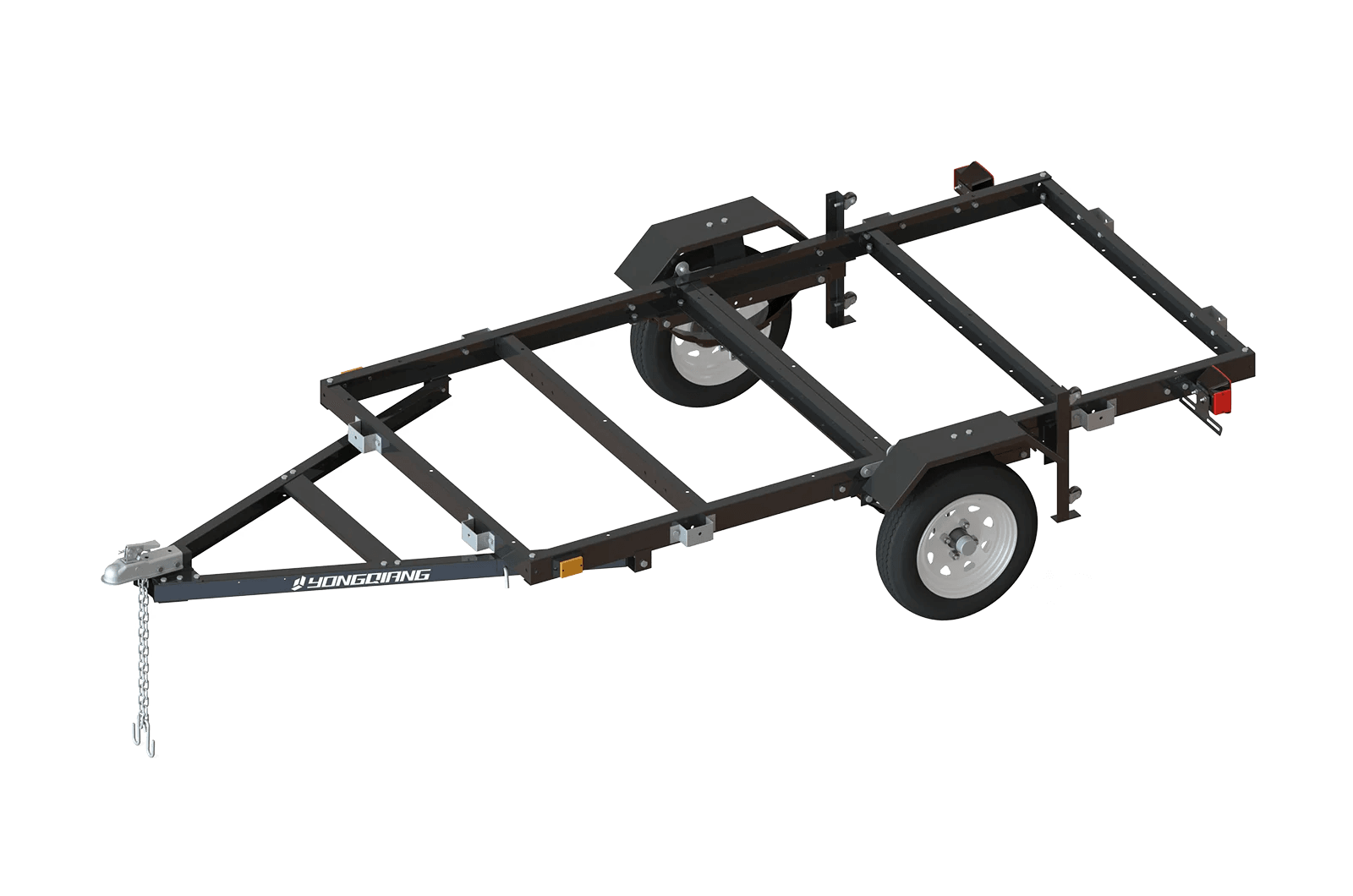
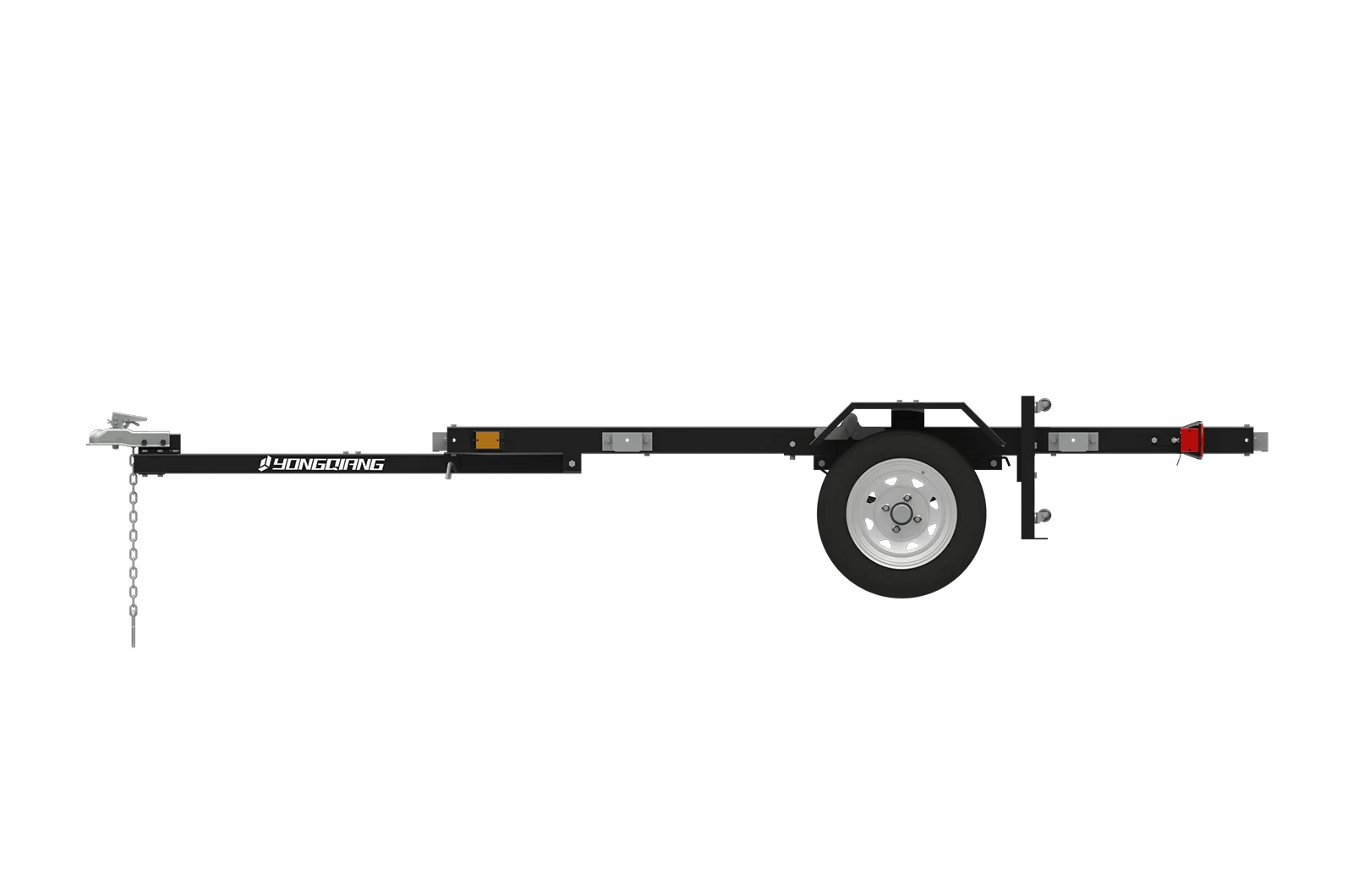
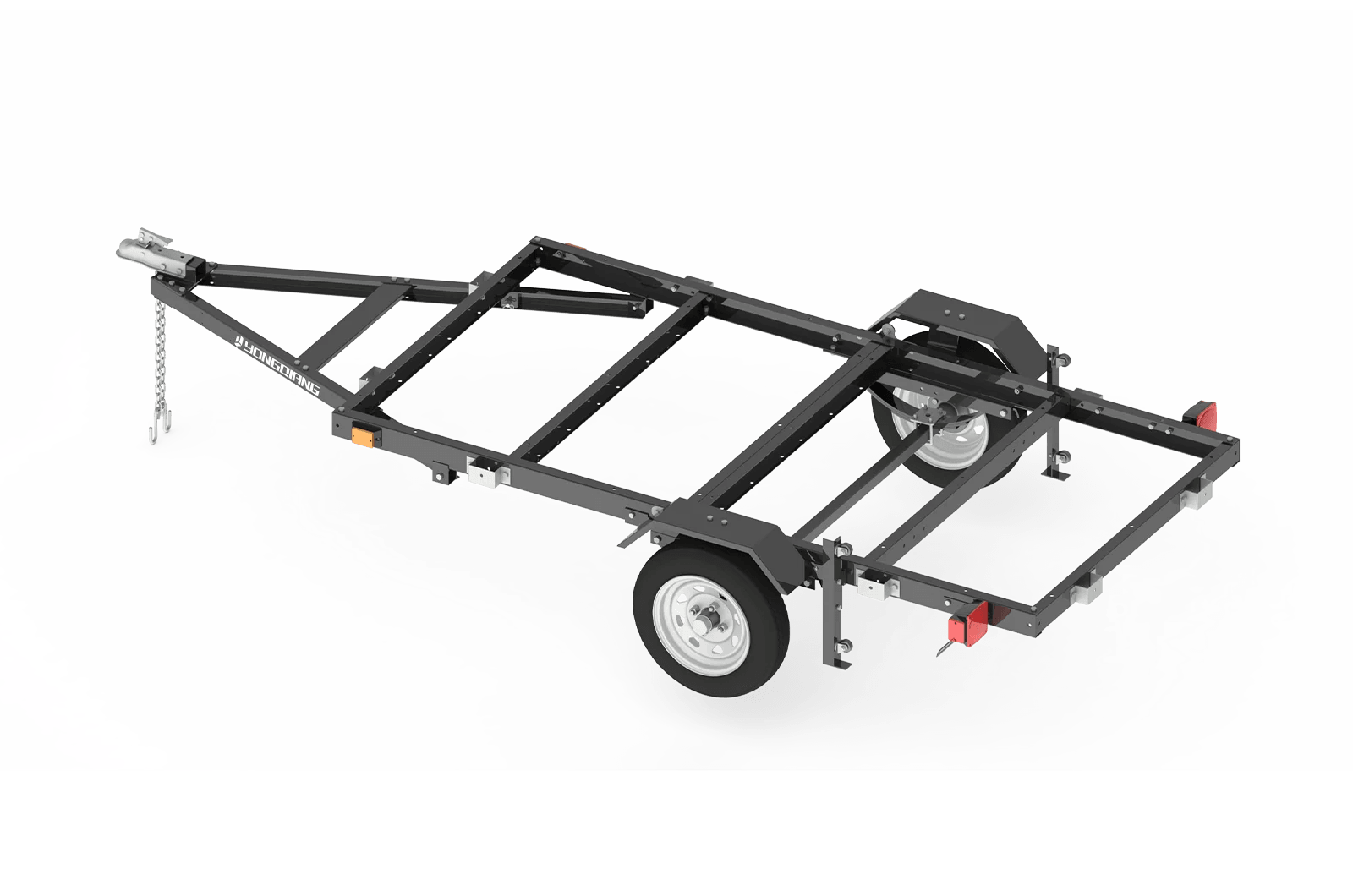
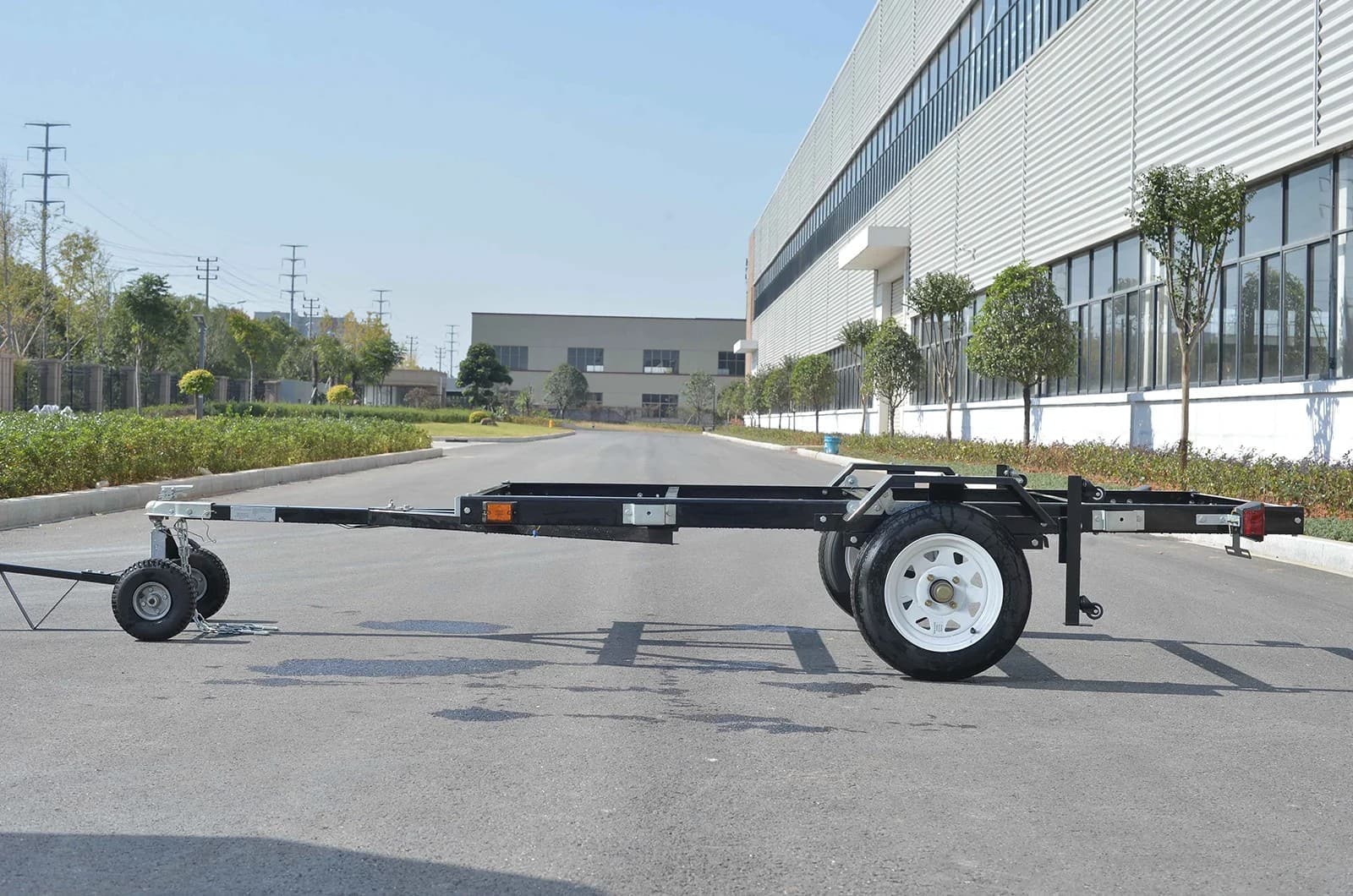
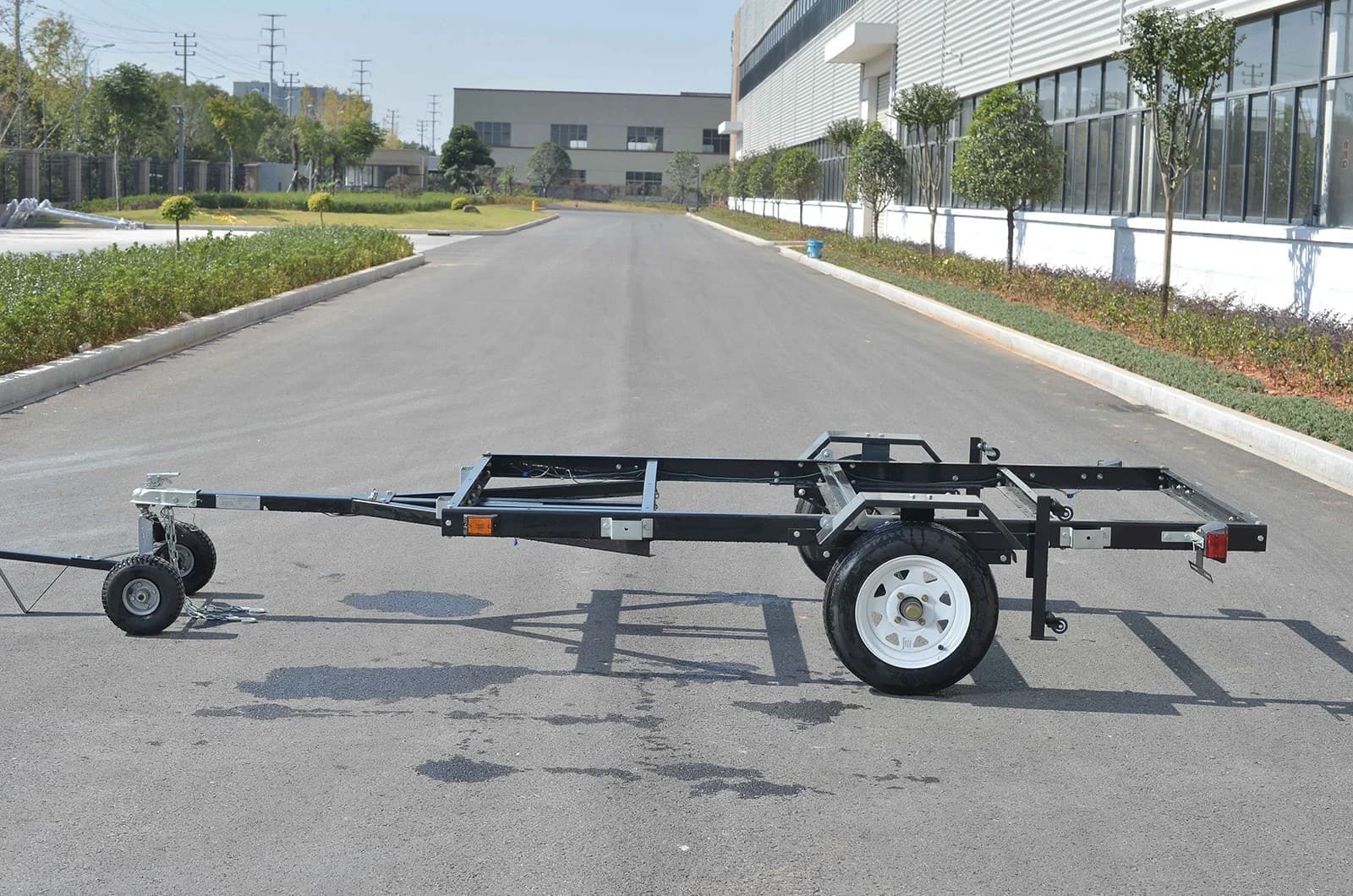

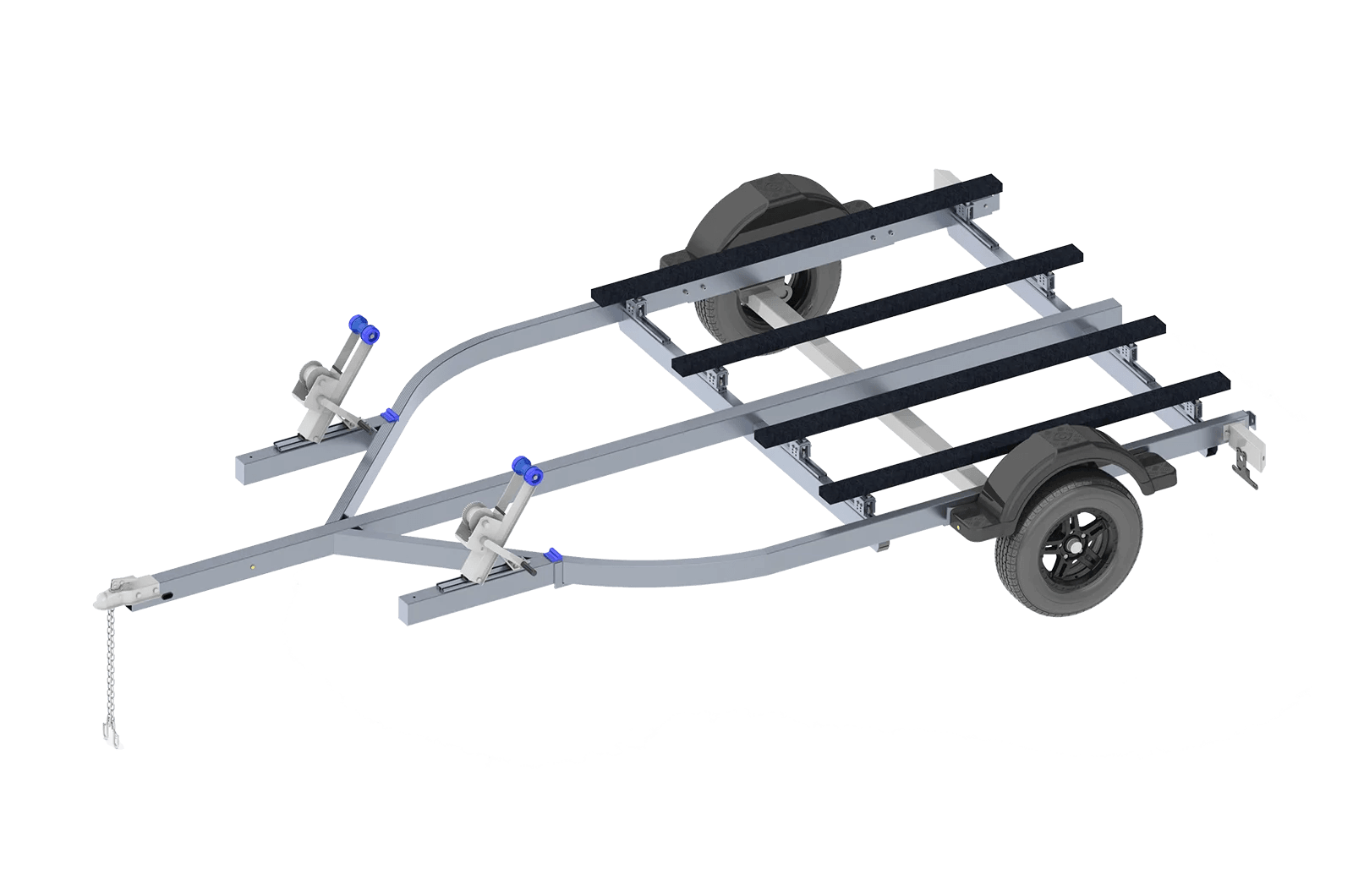



 Bolt on Trailer manufacturer & supplier